













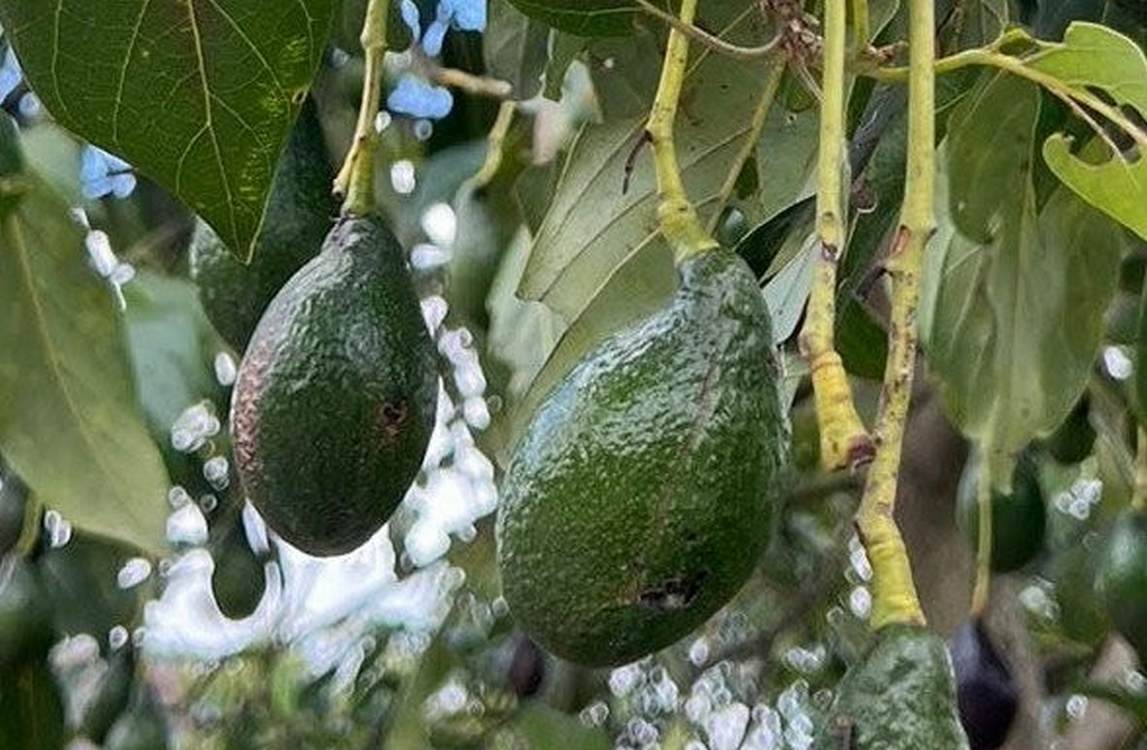
Scientists trudging through Nicaragua’s rainforest have identified a “hotbed” of avocado species diversity.
The fruit was first transported hundreds of miles to Central America from South America around 5,000 years ago, and the American researchers uncovered genetic traces of this ancient migration in the fruit’s DNA.
They suggest some of these species could aid in supply chain diversification, and boost sustainable agriculture and commercial varieties of the healthfood fruit.
The natural range of avocado trees extends from Mexico to Peru, but study leader archaeobotanist Kevin Wann says there is “a much wider breadth of avocado diversity that science had not yet documented.”
“We could potentially tap into this genetic diversity to conserve commercial avocado plants that are vulnerable to disease.”
Key to their discovery and to this evolutionary diversity was the human-caused migration of the fruit from south to north. For more than 10,000 years, humans in the region have coveted the plant’s fruit, whose yellowish-green flesh is packed with nutrients and fats.
As the seeds were dispersed throughout the humid lowlands of Central America, they hybridized with native plants, producing a diversity of avocado varieties.
Despite resembling the avocados found in humid regions such as Florida and the Caribbean, the local varieties are genetically distinct from the commercially-grown fruits found in guacamole.
As of 2024, 11 million metric tons of avocados were grown annually worldwide, but like the banana, the vast majority belong to a single variety: Hass. These large, long-lasting avocados are produced through clonal grafting, where a branch is taken off one Hass avocado tree and attached to another tree to bear the same exact fruit. As a result, most avocados in grocery stores are genetically indistinguishable.
That makes all Hass avocados vulnerable to the same threats, however, with a single disease or change in temperature or precipitation carrying the power to wipe out an entire population of Hass avocados.
Increasing the genetic diversity of avocados is crucial to protecting the multi-billion-dollar industry.
To that end, Wann, a doctoral student at Texas A&M University, examined DNA from avocado leaves collected in Nicaragua, Honduras, and southern Mexico. They also spoke with the farmers and gardeners to learn how they cultivate these local avocados.
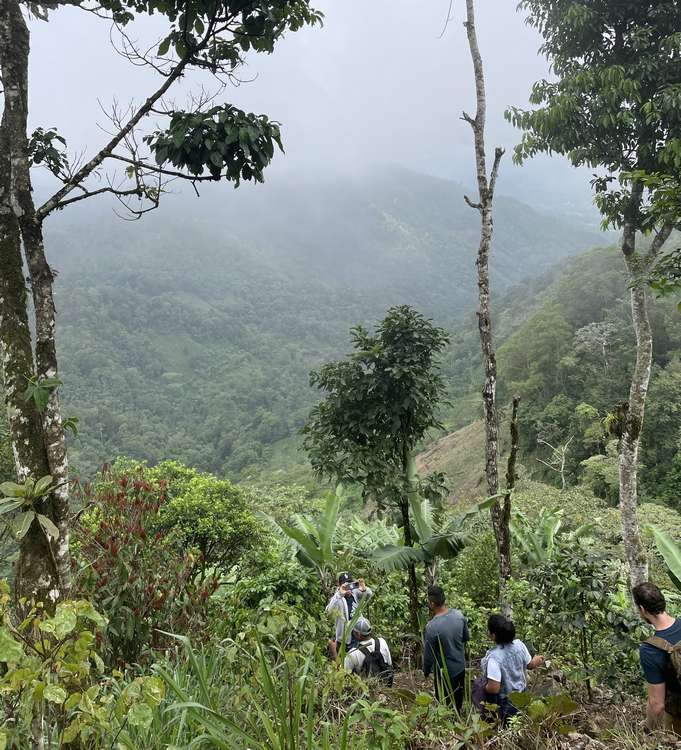
Traditional agricultural practices have honed the region’s native avocado varieties, also known as “landraces,” for thousands of years. Locals confirmed that the lowland avocado landraces had not experienced root rot, the most common disease affecting commercial avocados.
The researchers extracted and analyzed DNA from 47 native avocado landraces, 32 of which came from Nicaragua. They then compared the DNA from the various landraces with previously published genetic data from more than 200 other avocado lineages.
MORE SUPERFOODS: These Superfoods Can Provide Important Nutrients With a Single Bite
The findings, published in the journal Plants People Planet, showed that the avocados sampled in the lowlands of Nicaragua were genetically tied to avocados found further south, including populations along the coast of Colombia, rather than north in Mexico.
This revealed that many local landraces in that part of Central America are planted from fruits originally grown in South America.
Mr. Wann believes the trove of avocado diversity preserved in Central America’s lowlands could help protect commercial avocados from the fate of other clonal crops such as bananas, which have been devastated by fungal pathogens in the past.
AVOCADO INTRIGUE:
- Eating Avocados During Pregnancy is Linked to Lower Food Allergy Risk in Babies
- Eating Avocados Twice a Week is Linked With lowering Heart Disease by 16-22%
The region’s local varieties are also adapted to warmer and wetter climates.
“Their high levels of genetic diversity makes them more prepared to face potential shifts in climate or diseases compared to the ones you’d buy at a supermarket.”
Across the world, agronomists and botanists—and even the odd entrepreneur—are seeking ways to bring greater variety to both staple and cash crops. Whether grains or coffee, the same benefits these native avocado landraces have over commercial ones can be found in other plants: heat-resistant coffee species, or drought tolerant sorghum.
SHARE This Research My Stomach Can Really Get Behind…