













Last year, a broad network of camera traps in western Turkmenistan was broadened in the hopes of better understanding the populations of an Endangered leopard subspecies.
Powered by a Washington, DC conservation financier, from a country whose citizens are rarely allowed to visit Turkmenistan, the survey produced positive results.
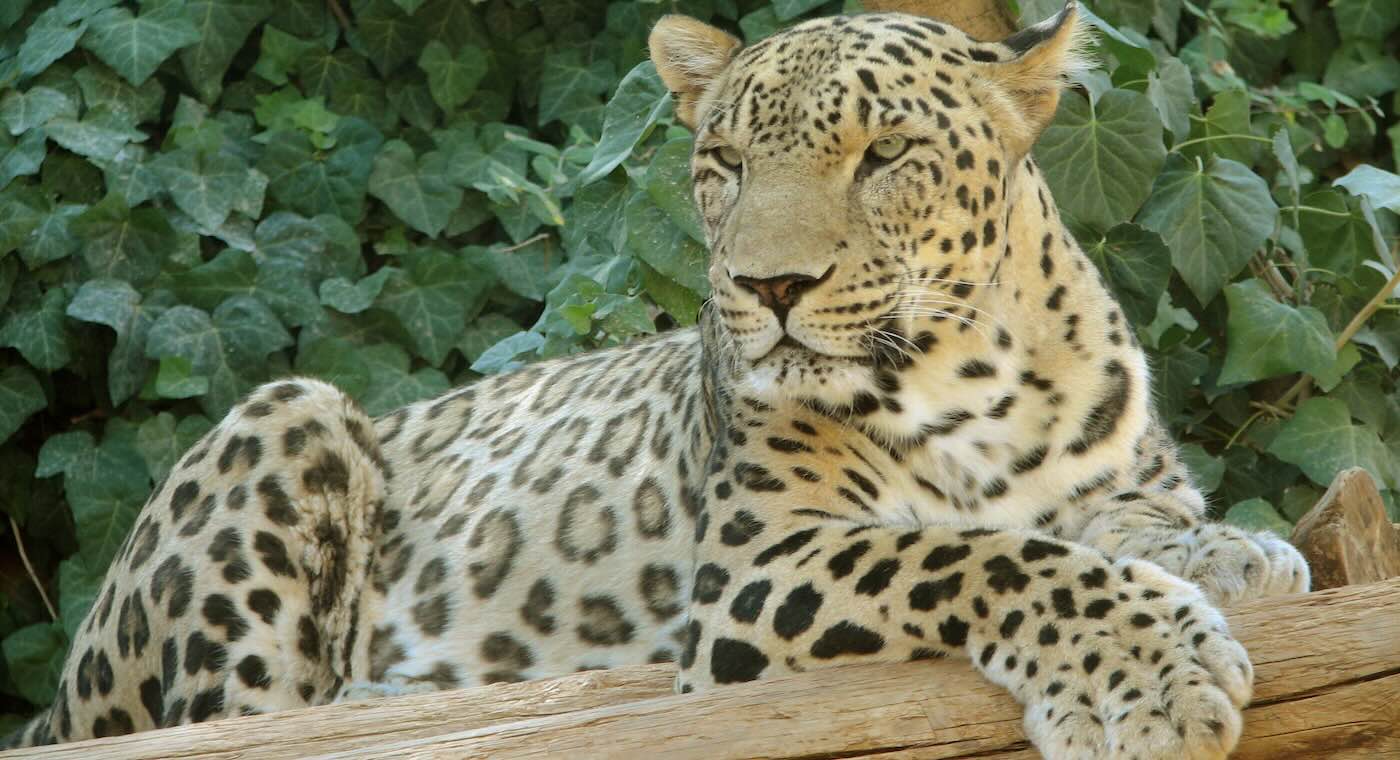
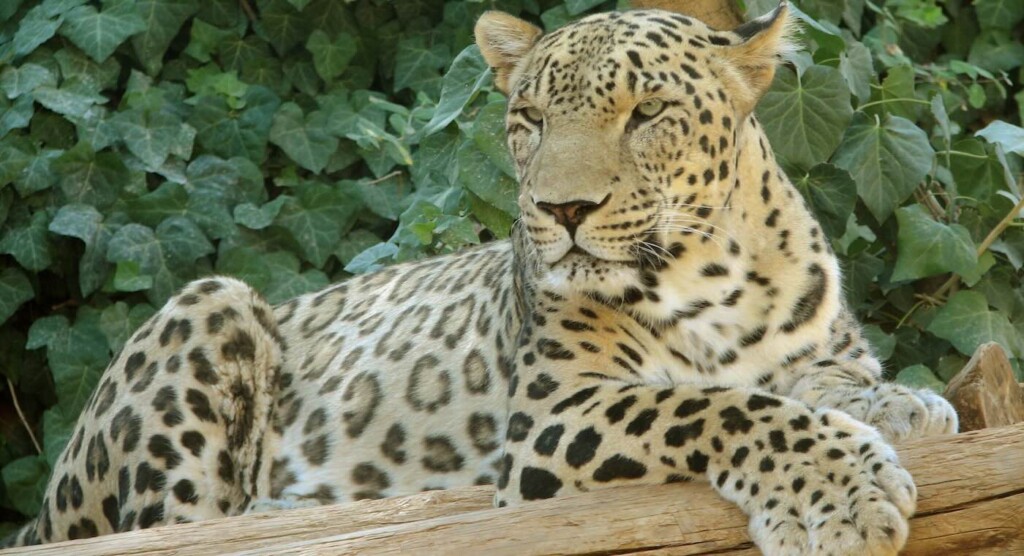
There are now an estimated 60-80 Persian (aka, Caucasian) leopards dwelling in the country’s nature reserves, a growth from previous surveys, and a sign that even though the 1,000 or so members of this subspecies live in increasingly fragmented habitats, they’re managing to pick and prowl their way through the 21st century.
Two key areas are known to host leopards in this reclusive Central Asian country: in the Kopetdag Mountains along the border with Iran, and the Garabogazgol region, which sits along the Caspian Sea and the slim national border with Kazakhstan.
Here, in the Uly-Balkan Range, an area of natural importance, 3 breeding females were recorded in the camera trap survey, a promising sign that shows the animals are recolonizing these ecosystems where conditions have improved over the last few years.
OTHER RARE CATS: Nearly 3x More Encounters With Endangered Sumatran Tigers in Camera Trap Photos Than in Past Years
Conservation X Labs, which undertook the camera trap survey, cited increased habitat protections, larger prey populations, and the long-term impact of conservation efforts as reasons for the improvement in leopard numbers.
The Persian leopard is one of the largest-bodied distinct populations of leopards in the world, writes the Central Asia Times.
SHARE This Hopeful Progress For A Beautiful Creature In An Uncertain Region…