












A Brazilian ecosystem-scale restoration program was honored at a recent UN conference as one of the 3 most ambitious and impactful currently underway around the world.
The immediate instinct might be to assume the project is taking place in the Amazon Rainforest, the largest in the world and famously threatened, but it isn’t. Rather, it centers around the Cerrado, the biologically richest savannah in the world, where more plant and animal species are found than in any other.
Yet such is the fate of grasslands around the world that half of the Cerrado has been cleared or converted for agriculture or other uses.
Now, the Araticum Initiative is working to reverse that trend by restoring 4.4 million acres of the Cerrado to its natural state, an effort lately recognized with the UN’s World Restoration Flagship award.
The award is given through the UN’s Decade of Ecosystem Restoration designed under the Convention on the Combat Desertification, which estimates these flagship efforts are currently restoring 44 million acres of land worldwide, with plans to address millions more in the years to come.
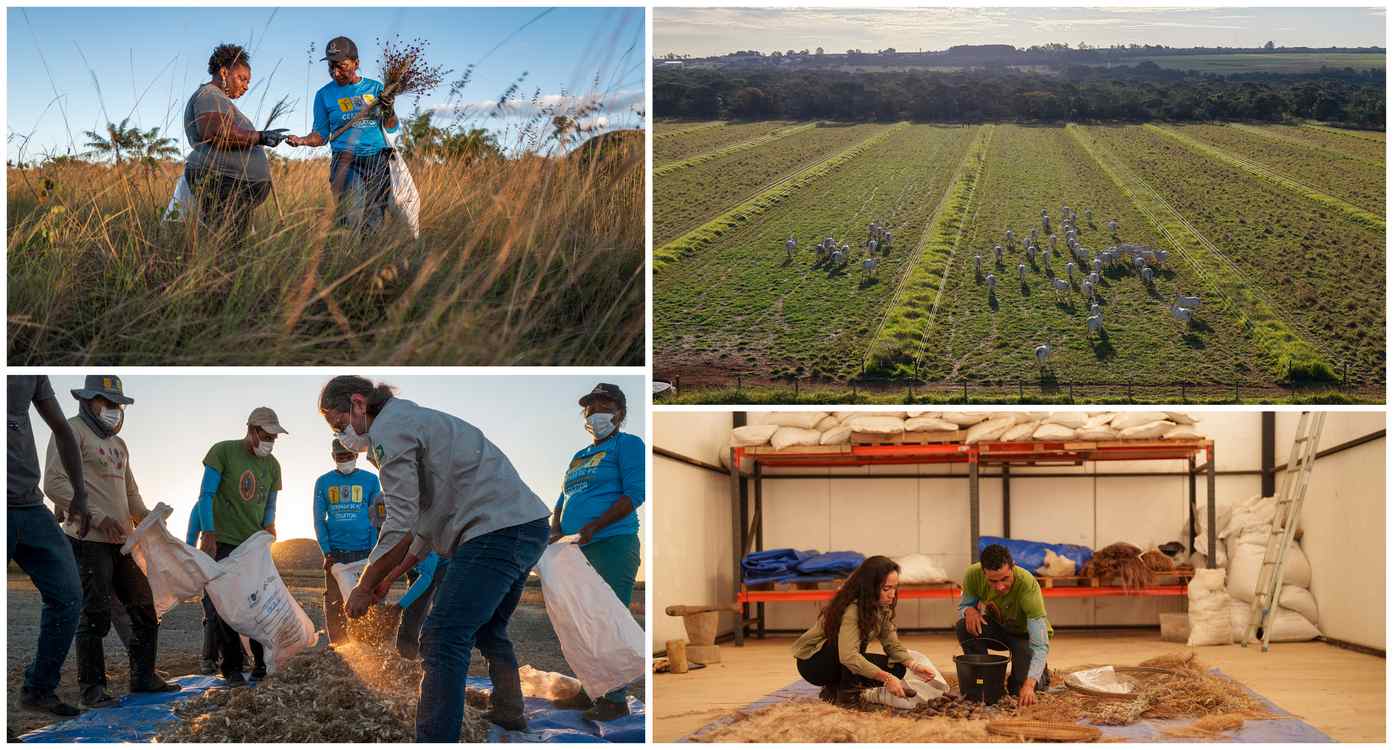
The Araticum Initiative brings together more than 180 organizations, indigenous peoples, local communities, farmers, researchers, and government institutions to support restoration projects across 9 Brazilian states through natural regeneration, direct seeding, restoration, and agroforestry with native species.
The initiative has already mapped more than 50,000 acres under restoration, with additional areas being added through its monitoring platform. Seeds from more than 150 native plant species have been collected and used in restoration activities, helping build a restoration supply chain that includes seed collectors, nurseries, restoration technicians, and monitoring services.
“The recognition of the Cerrado as a World Restoration Flagship demonstrates that Brazil is rebuilding an environmental policy that combines biodiversity conservation, climate action, and development,” said João Paulo Ribeiro Capobianco, Minister of the Environment and Climate Change.
BUILDING A BETTER BRAZIL: Couple Plants 2 Million Trees in 20 Years to Turn Destroyed Forest Back Into a Wildlife Haven
“Restoring native vegetation is a strategic priority for the country, as it protects our water resources, strengthens the resilience of territories, creates opportunities for local communities, and contributes to the fulfilment of Brazil’s international commitments. This recognition enhances the visibility of Brazil’s restoration agenda and strengthens our ability to establish new partnerships and attract investments to accelerate its implementation.”
By 2030, the initiative aims to restore 4.4 million acres of degraded land, contributing to Brazil’s national commitment to restore roughly 30 million acres over the same time horizon.
RESTORING NATURE: Brazil’s Blue-and-Yellow Macaws Return to Rio After 200 Years: ‘A dream come true’
The UN writes that little is known about the status of the roughly 2 billion acres of land restoration commitments made to it by parties to various environmental conventions, including the Aichi Biodiversity targets, the Convention on Climate Change, and the Convention to Combat Desertification.
The organizers behind the Decade of Ecosystem Restoration hope that by highlighting these admirable successes, it will inspire and drive forward other movements outside the international spotlight.
CELEBRATE This Ambitious And Impactful Project To Restore The Cerrado…