















Having maintained the highest household savings rate among European countries for 10 years, German citizens have together squirreled away $11 trillion in personal wealth.
This gargantuan rainy day fund was the result of a 20-21% average savings rate maintained by the country between 2014 and 2024. It ranked among the highest savings rates of any developed country during that time.
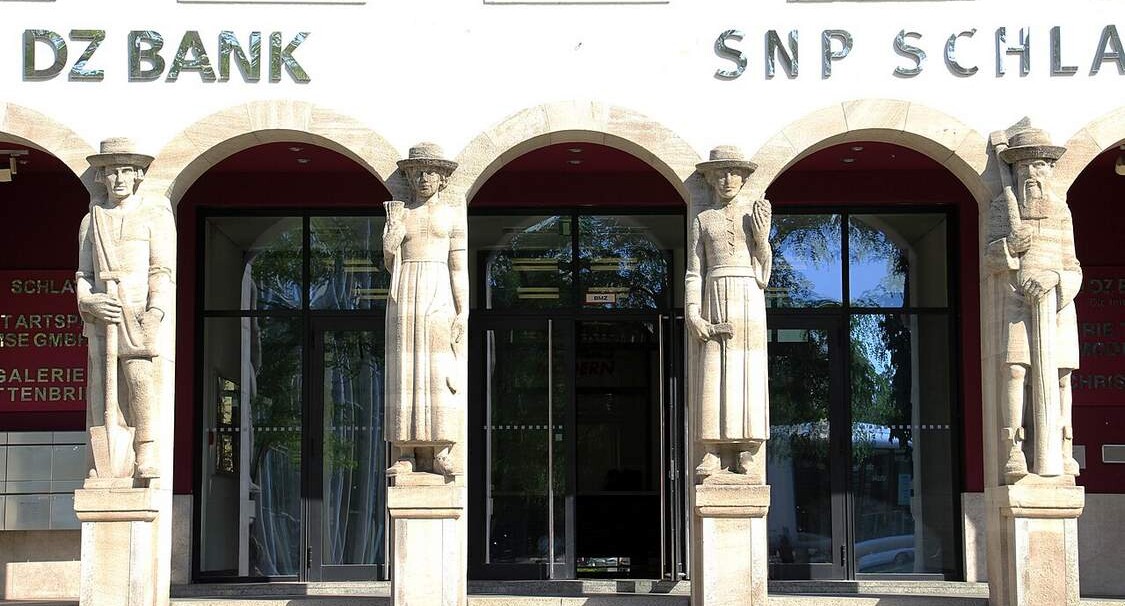
The country reached €10 trillion in savings according to an estimate by DZ Bank, which calculated an increase in money savings and liquid assets of 6%, or around €600 billion in 2025.
DW news reports that compared to other EU countries, German citizens are more leery of equities on average, and that the increase in liquid savings cannot therefore be explained merely by increases in stock market valuations seen on the Frankfurt exchange last year.
DZ Bank economist Michael Stappel said the upward trend is likely to continue in 2026, even if market gains ease.
A high savings rate is not necessarily a sign of hard or uncertain economic times. It also represents a low time preference. Economic theory states that if a society is comfortable delaying gratification—that is, to save the fruit of one’s labor for a later time—that society will inevitably prosper.
Low time preference is linked to societal stability and growth. It requires personal discipline, for example, and having children, buying a house, starting a business, or creating a piece of art like a novel or a music album—things we universally recognize as the best sorts of objectives—all require the ability to give up present consumption for future reward.
In a financial sense, low time preference and high savings rates create greater resources for investment.
In a banking environment where savings rates are high, it’s a key sign for investors and entrepreneurs that there are resources available for long-term projects, the kind of projects that help transform societies from poor to wealthy and industrialized.
GERMAN NEWS: Waste from Copper Plant Is Heating a German Waterfront Without Emitting CO2
They might allow a business to plan to build a new factor, for example, and reasonably suspect that the investment environment will be positive for the 10-12 years needed to finish the project. With its massive growth rate, it’s no surprise that China has seen periods where the personal savings rate has been over 70%—the highest in the world.
Contrarily, societies where the savings rates are very low represent less stable environments with more uncertainty and more hand to mouth existences. A low rate of personal savings sends a signal to investors and entrepreneurs that it isn’t clear projects undertaken in the present will be able to be completed in the future.
ALSO CHECK OUT: Gen Z is Turning Out to be More Financially Strategic Than Their Stereotype Portends
20th century economist Ludwig Von Mises wrote that this is akin to a master builder who doesn’t know how many bricks he has at the time he starts building a house.
German manufacturing and financial prosperity is the backbone on which the euro stands erect, and the fact that Germans are able to continue this financial discipline year after year is a testament to how solid that foundation is.
SHARE This Impressive Decade Of Household Savings With Your Friends…