












Aquifers are like bank accounts for groundwater, and they’re replenished with each deposit of rain, snowmelt, or surface infiltration.
Currently, many aquifers around the world have low balances, but there have been some success stories.
“Groundwater depletion is not inevitable,” said Environmental Science Professor Scott Jasechko at the University of California-Santa Barbara. “Humans have solved this problem in different places around the globe.”
He dove into the details of multiple cases of aquifer recovery in a study published this month in Science.
Jasechko’s findings highlighted successes in finding alternative water sources and replenishing aquifers—and showed that sometimes recovery can happen over just a few years.
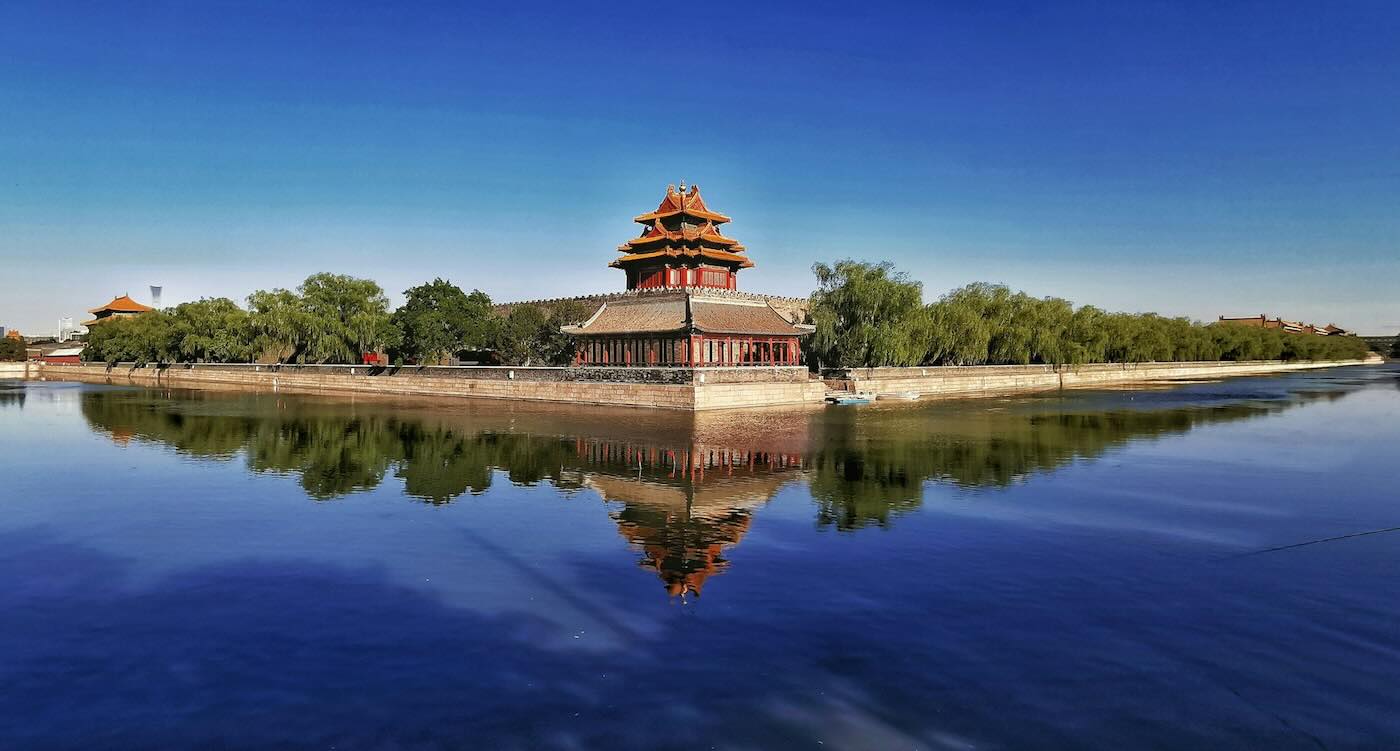
Beijing provides a great illustration of how combining different strategies can tackle even a megacity’s water woes.
Between 1950 and 2000, groundwater pumping around Beijing had caused the water table to plummet by more than 20 meters in some places.
In 2003, the government started construction of canals and pumping stations, and by 2015 it was delivering water to the city and surrounding areas from wetter regions farther to the south.
At the same time, the city began using more reclaimed water in the 21st century, with much of this allocated to environmental uses like watering trees and grasslands as well as replenishing lakes and rivers. Furthermore, the authorities banned pumping from the region’s deep confined aquifers for industrial uses after the water deliveries began.
Both the area’s shallow aquifers and deep ones have started recovering. Springs that had previously dried-up began flowing once again. Meanwhile, the region’s irrigated agriculture remains highly productive—and its sustainability is no longer jeopardized by falling groundwater levels.
We can’t always succeed within a decade, cautioned Jasechko.
In 1957, Green Bay, Wisconsin constructed a 43-kilometer pipeline to augment their groundwater supply with water from Lake Michigan. This helped restore their stressed aquifer for a while, before additional demand sent it falling again for decades. In 2006, the city built another, 100 km-long pipeline to bring in more water from the Great Lakes, which has brought their aquifer back on the path to recovery.
At the moment, Jasechko is investigating why recovery speed and distribution can vary so widely across different basins. These case studies will help develop better predictions of how quickly groundwater levels may recover under different interventions—but every place is different, and solutions will need to be adapted to local conditions.
“These cases highlight that there are ways to turn things around,” Jasechko said. “I am somewhat encouraged by the clever ways that stakeholders have addressed the problem of groundwater depletion, because they show that the menu of strategies is longer than I anticipated.”
RESTORE SOME HOPE: Share The Good News on Social Media…