














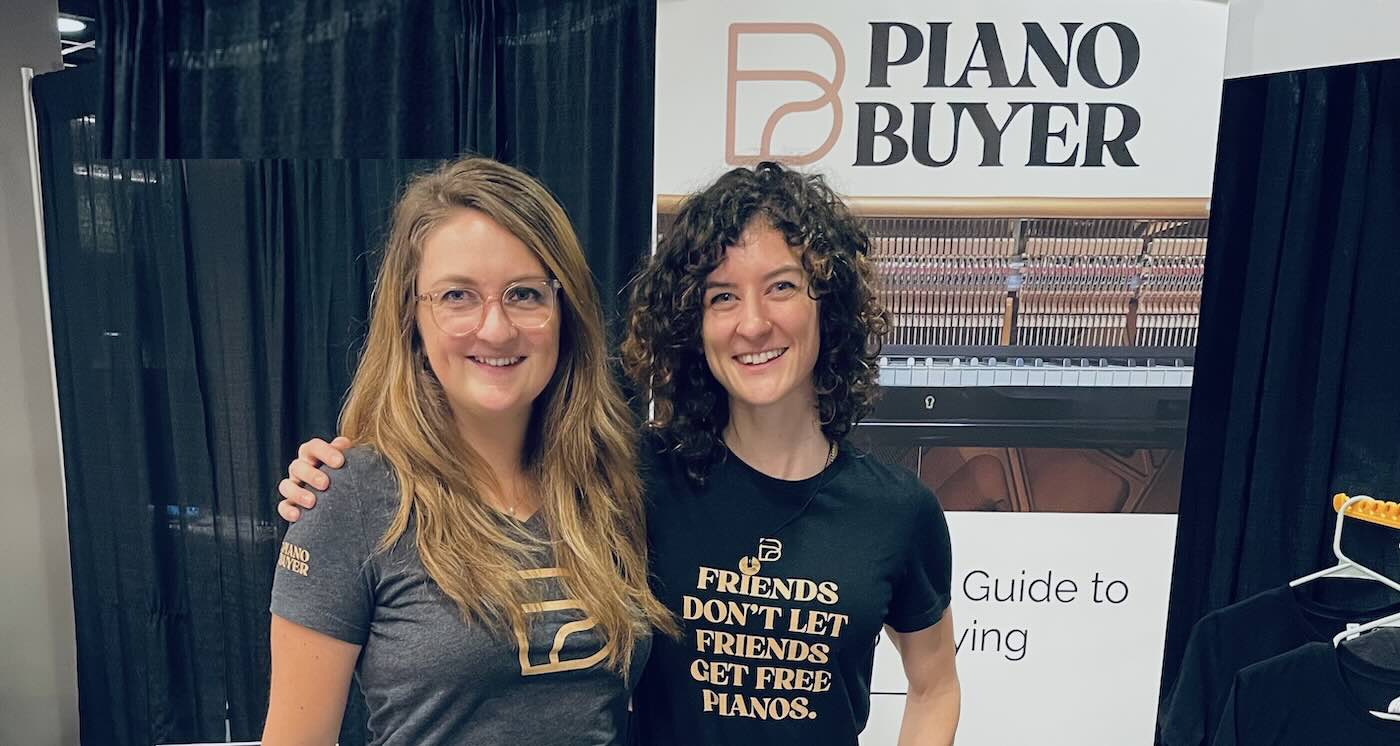
If you’re on Craigslist or Facebook Marketplace, chances are you’ve seen a listing for a “free piano.” This may seem like the bargain of a lifetime; however, it’s quite the opposite.
“An expired piano is not a gift, it is a liability,” according to piano technician Hannah Beckett, who is providing a valuable update in the way we buy and repair our 88-keyed friends.
Like anything made of organic materials, pianos don’t last forever, and roughly 95% of the pianos that are being given away for free are expired instruments that have been kept far past a healthy lifespan.
When factoring in the costs of moving, tuning, and maintenance, the pianos essentially become expensive paperweights—or, worst case scenario, they can bring termites, mouse nests, or mold into your home.
That’s why the pioneering Ms. Beckett has been working tirelessly to revolutionize the industry, publishing several articles on the horrors of free pianos, saving technicians and musicians alike from the wreckage of expired instruments.
She first became aware of these issues 12 years ago when she was working as a music teacher in Wilmington, North Carolina. When one of her student’s piano pedals began squeaking, she rolled up her sleeves and dove into the repair.
“Even though I’d been playing piano my whole life, I had no idea of the complexity involved in making these instruments work,” Beckett told Good News Network. “It’s a common issue among pianists today; while other musicians are able to do basic maintenance on their instruments, pianists have very little understanding of how pianos actually work.
“I found out the hard way that when they’re not working correctly, it’s the musician who suffers.”
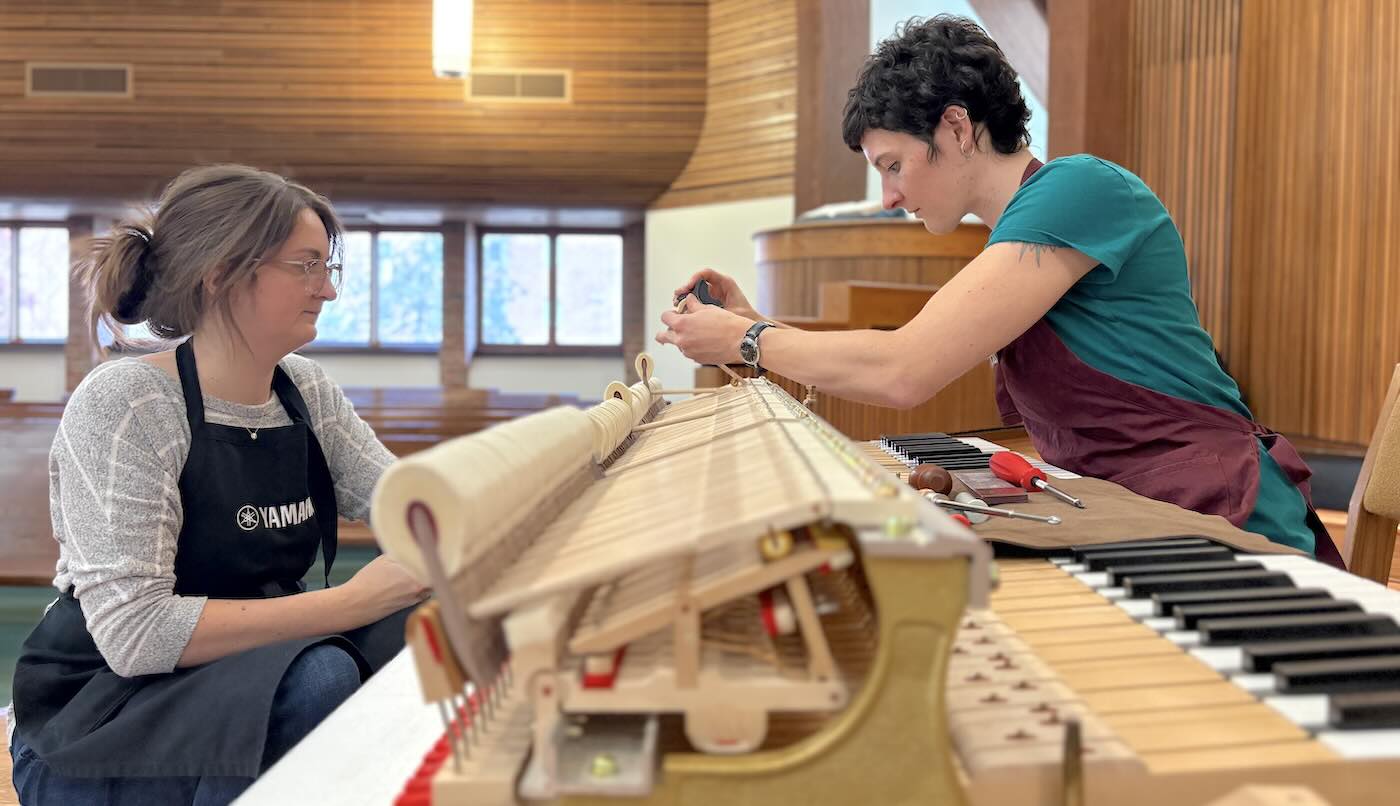
She’s been hooked on piano technology ever since. Now she can differentiate between a student’s mistakes and the piano’s mistakes—and spreads keen advice about refusing free pianos as the director/editor of Piano Buyer, an online resource for consumers seeking guidance on the ins and outs of pianos.
Fighting a male-domineering—and faltering—industry
Old uprights are not the only dinosaurs Ms. Beckett has been staring down. As a female in a male-dominated industry, Hannah has ushered in a better way of keeping pianos in tune.
Learning piano technology was a difficult path. Educational opportunities historically were not welcoming toward women, and reliable resources on such an esoteric craft can be expensive and hard to come by. Fortunately, Beckett landed some generous mentors—but even with individualized oversight, the learning curve is steep. Apprentices must hone their physical tuning technique, develop an advanced sense of hearing, and invest gobs of money into a specialized tool kit.
To make matters worse, the ‘90s tech boom led to a generational gap in the industry; the traditional father-son business model was failing because the majority of piano technicians who’d been actively working and garnering valuable expertise were now either passing away or retiring. Consequently, technicians have been scrambling to collect, document, and record all of their experience for future generations.
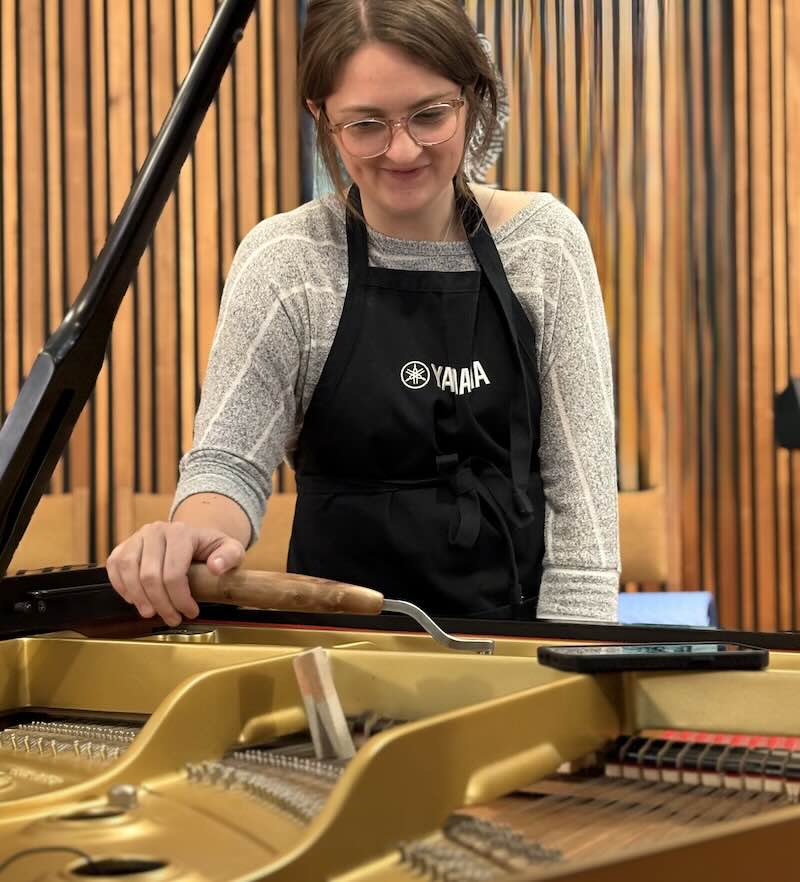
“The piano industry still operates like it’s stuck in the ‘80s. The older generation saw information as something to be guarded, to minimize competition,” explained Beckett. “Now we’re in a position where we don’t have enough educated technicians!”
Beckett spent years trying to create quality, accessible educational materials for new piano tech students, only to be met by industry sexism and pushback. And with that, she took matters into her own hands.
She became the mastermind behind the Professional Piano Technician’s Network (ProPTN), an online platform that became a marketplace for technicians to buy new and used tools, find peer-reviewed articles on repairs and business, and self-paced courses teaching the concepts and skill sets that have been notoriously difficult to learn about.
She and fellow piano technician McKinley Coda also produce a podcast that interviews professionals from across the industry, while a Discord forum serves as a help line for beginning techs who may need advice from the more experienced. ProPTN is the only platform of its kind run entirely by women, and its diverse, rapidly growing user base is evidence of its success.
Other piano tech courses typically cost hundreds if not thousands of dollars—but the ProPTN subscription costs just $65 a year.
“After spending way too much time and energy fighting a system with built-in restrictions, I decided to channel my efforts into building a new system with no glass ceiling,” said Beckett, who also tunes, repairs, and maintains pianos in Northern Virginia via the Aurelia Piano Co.
“While it has also been a ton of work, the rewards of helping a new generation experience a better educational environment than the one I navigated far exceed the fatigue of building from the ground up.”
With both of Beckett’s companies combined, industry professionals and musicians alike are becoming increasingly aware of the “free piano” problem.
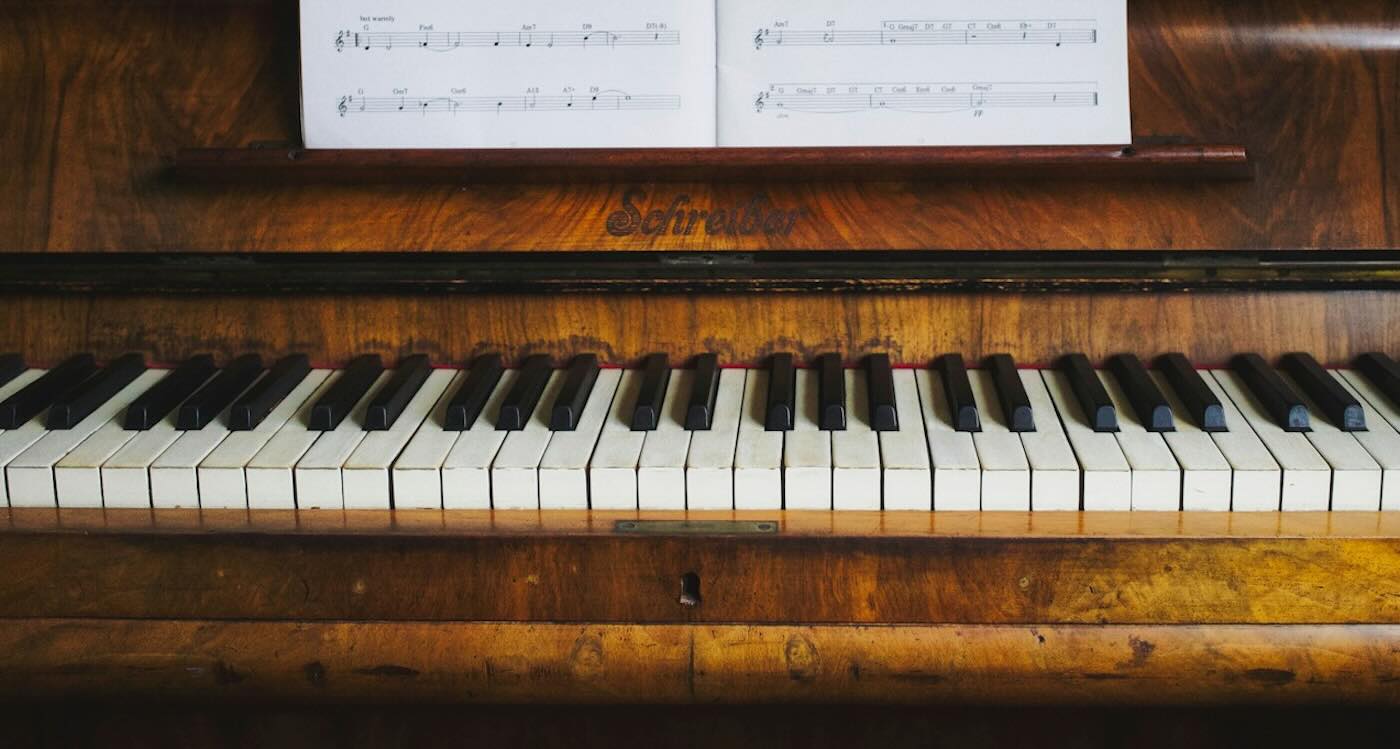
Inexperienced technicians may continue trying to service expired pianos—despite how they hinder the progress and performance of pianists themselves—by focusing on how they may be able to service an instrument versus whether they should.
But heeding Beckett’s advice will result in performers being paired with better instruments; technicians becoming better trained at keeping instruments healthy; and the music world becoming more in tune every day.
SHARE THE INSIGHTS With Piano Players and Enthusiasts on Social Media…