













As May drew to a close, a US district court issued a ruling that the federal government’s attempts to undercut Endangered Species Act protections for the sake of coal mining were illegal.
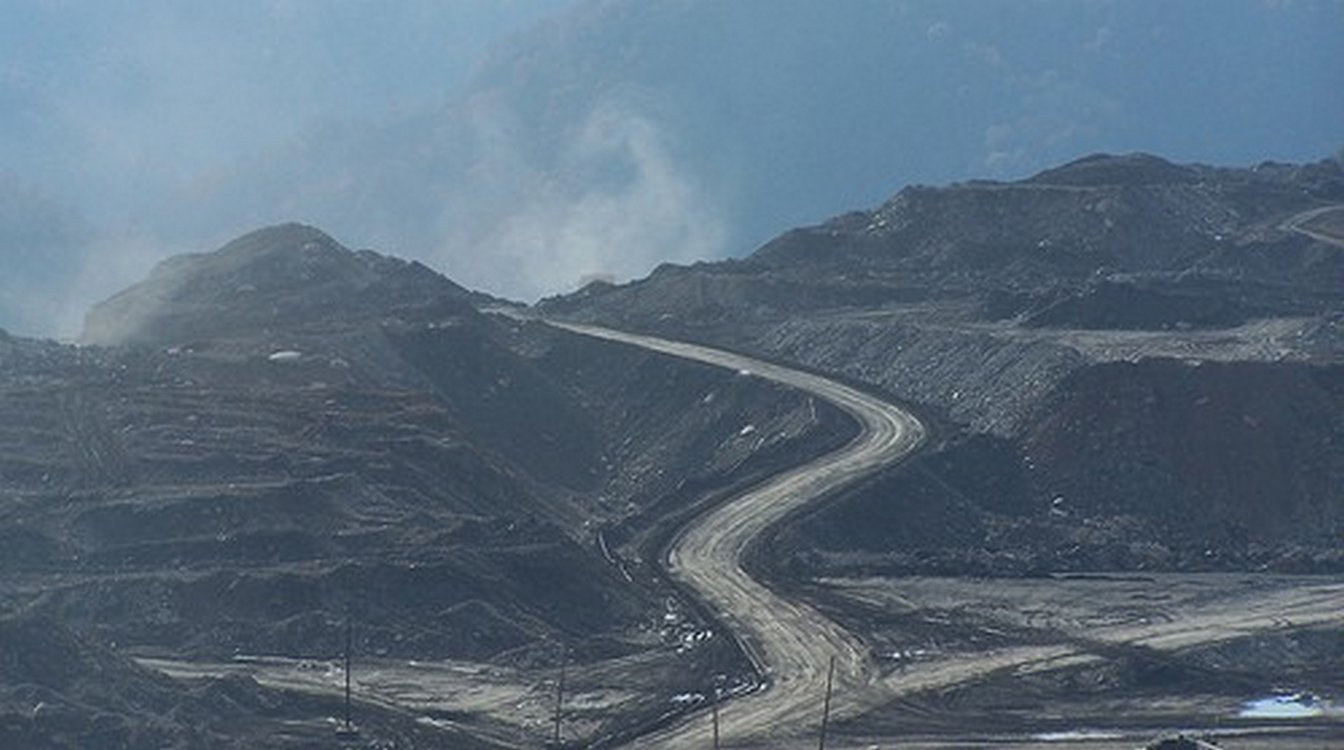
Coal mines had been allowed to rely on a streamlined process that did not require an analysis of the harm they actually cause and were operating without limits on the extent of that harm, the Center for Biological Diversity, which sued federal mining authorities over the issue, wrote in a statement.
Coal mines will now be required to follow the law and ensure their activities don’t harm protected plants and animals, it said.
“This is an incredibly important victory for the streams and rivers of Appalachia and the people and wildlife who rely on them,” said Jared Margolis, a senior attorney at the Center for Biological Diversity.
“For too long regulators have allowed coal mining to devastate wildlife. This decision will require coal mines to fully account for their threats and harms and do more to ensure that imperiled wildlife aren’t pushed to extinction for dirty fossil fuel profits.”
The decision was issued by the US District Court for the District of Columbia and invalidates the federal government’s unlawful attempt to streamline how coal mines comply with the Endangered Species Act.
The Endangered Species Act requires such harm analyses to ensure that wildlife won’t be lost forever, and that damaging practices can be swiftly curtailed.
MORE REGULATORY STORIES: Tennessee Joins States Requiring Data Center Owners to Pay Full Electricity, Infrastructure Costs
The court found that the government’s process wasn’t consistent with the law and vacated the nationwide biological opinion that coal mines in many states used to avoid the more thorough analysis and implementation of mitigation measures that are essential to protect wildlife.
“The Endangered Species Act only works if federal regulators properly enforce it,” said Willie Dodson, coal impacts program manager for Appalachian Voices, which joined the center as plaintiff.
KICKING OUT COAL: Mercury Emissions Fall 70% Over the Last Four Decades Thanks to UN Treaty, Coal Phase-Out
According to Dodson, a regulatory opinion in 2020 regarding the incidental take of wildlife set up “a ludicrous and extra-legal scheme enabling coal companies to evade the law and engage in wildly destructive surface mining in watersheds where species like the Guyandotte River crayfish and the candy darter are just barely hanging on.”
“These species are bellwethers for all of us. They need clean water,” Dodson said. “We need clean water.”
SHARE This Court Win For Biodiversity In Appalachia With Your Friends…