














A new law passed in Tennessee will protect residents from incurring rising electricity costs from nearby data centers’ demands on the grid.
Republican-led bill HB 1847 prohibits utilities companies and municipalities from paying for a data center’s electrical needs, or any of the infrastructure costs involved in expansion.
Sponsored by Republicans Senator Brent Taylor from Memphis, and State Representative Ed Butler from Rickman County, it was signed into law by Governor Bill Lee a month ago.
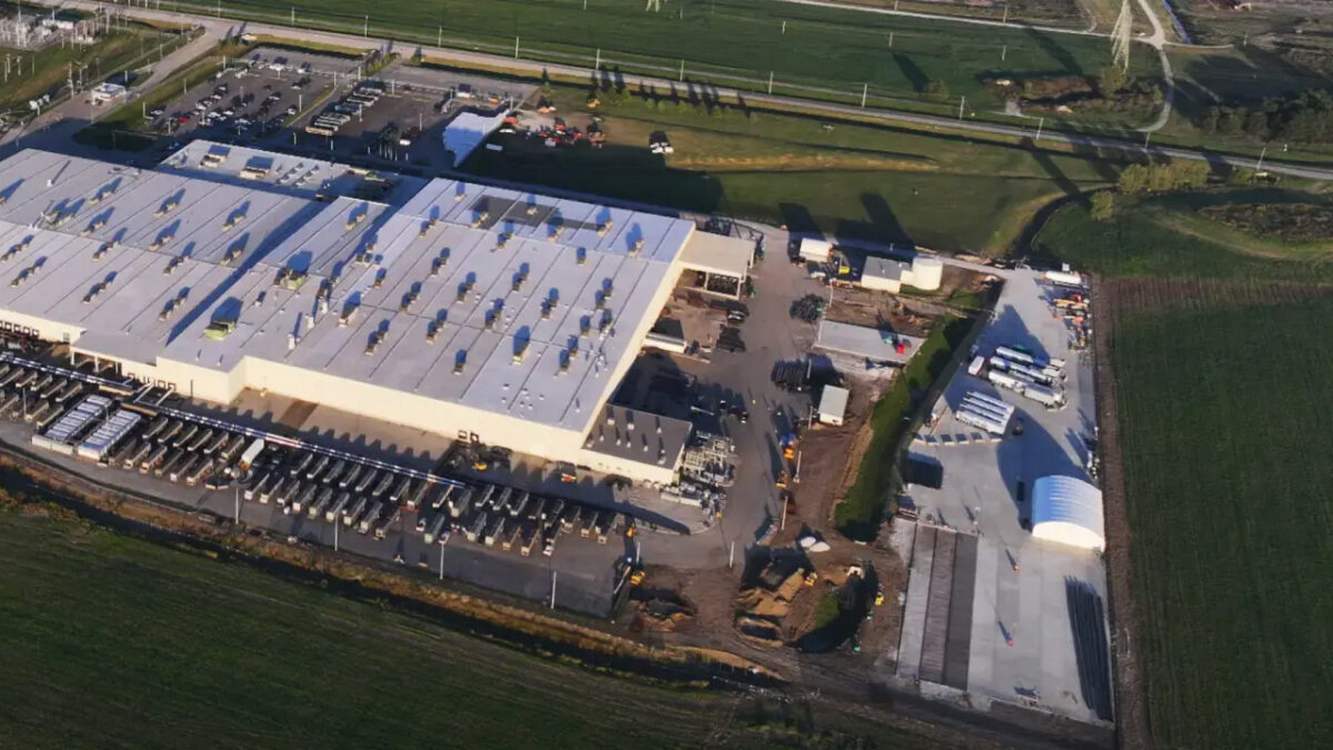
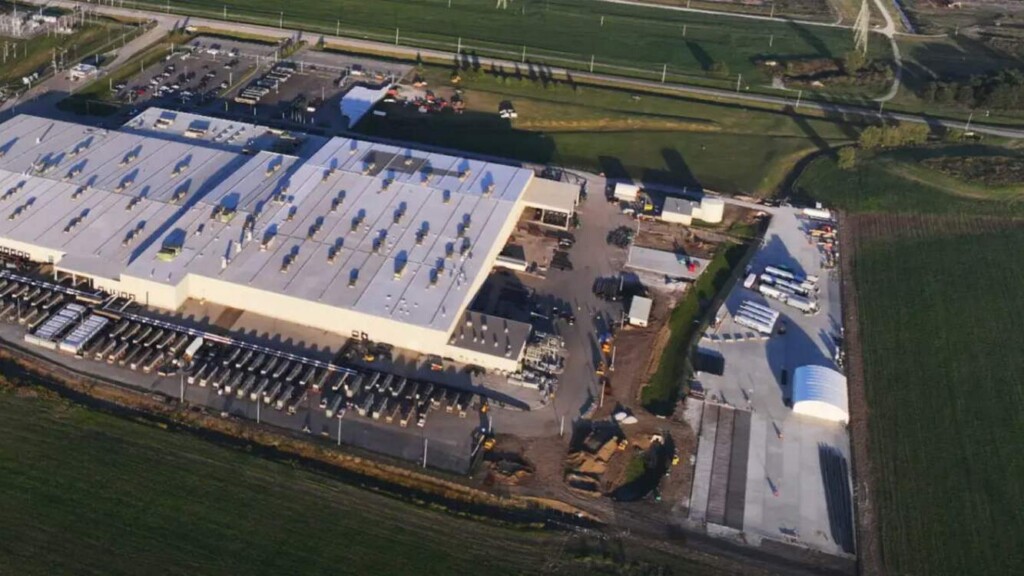
The issue came into focus with the impact of xAI’s two large data centers near Memphis, the first, Colossus 1, being the world’s largest supercomputer, and the second, Colossus 2, slated for a half-billion dollar expansion.
The construction of data centers to power a raft of AI solutions companies, many of which have led the US stock market to all-time-record highs, has drawn fire from residents virtually everywhere they’re built.
Reports say they instantly drive up local electricity costs, and Tennessee is not alone in attempting to protect citizens from this effect.
According to the private lobbying solutions firm Multi State, “about one-third of enacted energy policy bills related to data centers this biennium include ratepayer protection provisions, requiring data centers to fully fund their energy demand and any related grid buildout or expansion.”
HB 1847 places an impact threshold on the grid of 50 megawatts. Anything beyond that may not be billed to the general ratepayers, nor any government body eager to bring the jobs associated with building, maintaining, and running a data center into their jurisdiction.
FUTURE TECH IN AMERICA:
- Offshore Wind Turbine Prototype Powers an Onboard Data Center, While the Sea Disperses the Heat
- Maryland to Become First US State to Ban Surveillance Pricing That Charges More After Mining Personal Dat
- Right to Build Offshore Wind Power Upheld by US Judge for 5th Time Since Attempted White House Ban
Florida’s SB 484 also set a threshold of 50 MW, while South Dakota and Nebraska set it at 10 MW and 20 respectively.
South Dakota’s SB 135 requires power companies to maintain separate terms and conditions for data centers, and that the data centers pay for any instance their electricity usage materially reduces its the power grid total load.
Alabama’s threshold is the highest at 150 MW, but not only requires separate contracts with data centers, but requires those contracts to “promote positive benefits for the utility’s other retail customers.”
SHARE These States Protecting Their Citizens’ Bottom Line From AI Giants…