













A beloved local fish staple that was illegal to harvest as recently as 2012 has seen an incredible recovery in Maine’s rivers following the removal of several large dams.
Particularly on the Penobscot River, the removal of 2 dams has resulted in the “premier success story of our time,” for Maine’s alewife fish, which had been declining in population since the 18th century because of damming.
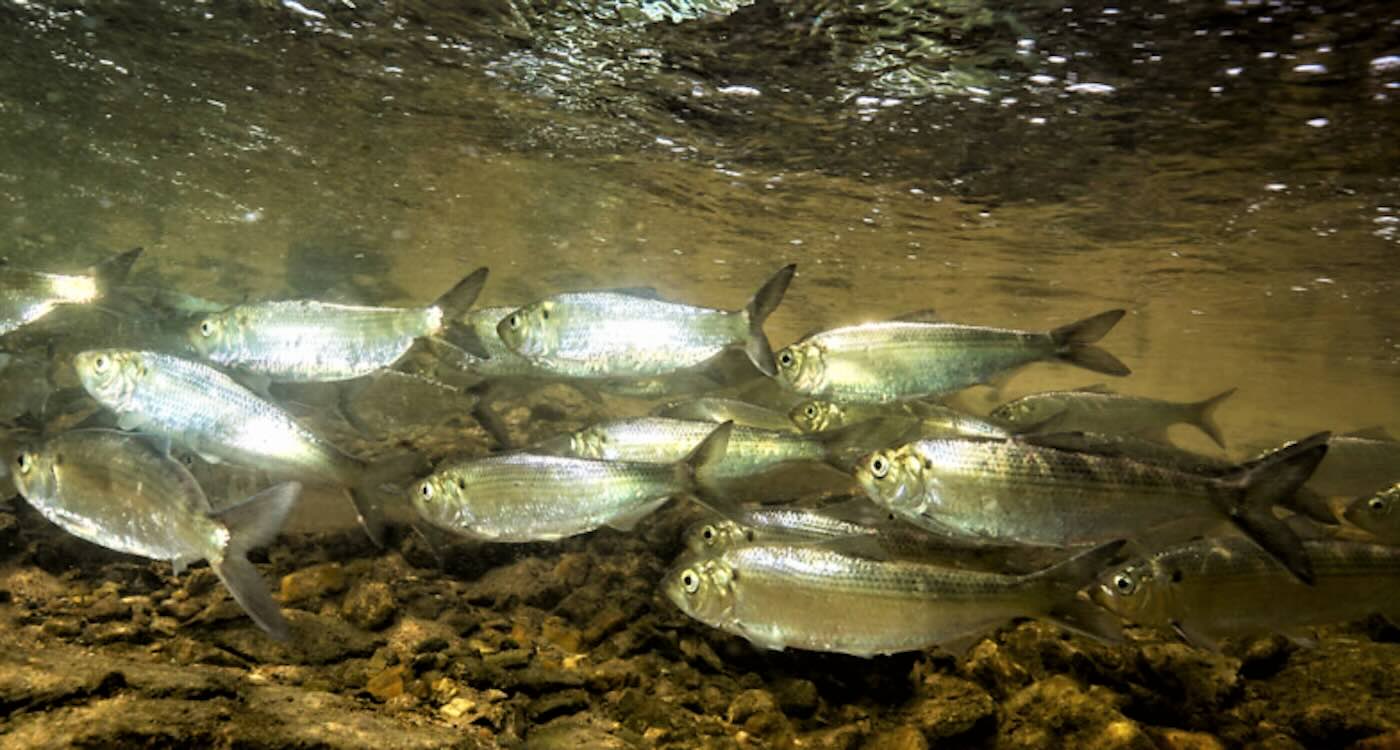
At its best, the alewife run is like a force of nature. From bank to bank, a babbling brook that’s quiet for most of the year will become a torrent of silver as the fish migrate upriver to spawn just as salmon do.
Colonial settlers, Native Americans, fishermen, and every predator in the woods needed only to reach their hands in and pull out breakfast lunch and dinner. But as the rivers were dammed, the migrations slowed, and even as early as 1840 there were catastrophic collapses in fish stocks.
Commercial offshore harvesting also decimated the fish, causing towns whose rivers weren’t dammed to lost their alewife runs as well. By 1994, annual inland catches had fallen from 3 million pounds average to just 150,000 pounds of fish.
As the country found new ways to power itself, an effort to undam the rivers began in 1999 and finished in 2016—four years after a moratorium was declared in the fishing of alewives offshore.
In 2025, these efforts culminated in 20 million alewives running up Maine’s rivers.
“We’ve gone from losing the fish completely in a lot of river systems due to damming and pollution, and now we have some of the largest populations in the globe,” Rustin Taylor, the executive director of the Alewife Harvesters of Maine, told Sydney Cromwell from Inside Climate News.
More officially known as a river herring, this non-game fish was dubbed an alewife due to its fat silver belly—a reference to female tavernkeepers of yore. Taylor described them in an ecological sense acting as a great “nutrient conveyor belt,” bringing the nutrients of the cold ocean up into the land inside their guts.
UNDAMMING RIVERS BRINGS CHANGE: 44 Miles of Major Balkan River Freed from Wartime Concrete Obstruction – LOOK
Fed upon by most carnivores and omnivores in the forest and the rivers, the nutrients from the ocean are recycled through other animals and into the soil through those animals’ droppings.
In fact, Cromwell shares, the native Passamaquoddy tribe’s name for the species, siqonomeq, translates to “the fish that feeds all.”
Across Maine, alewife festivals routinely celebrate the return of the herring from the ocean, but for many decades they were mostly somber affairs, as the torrents of silver from yesteryear became trickles due to overfishing in the Atlantic. Some locals would actively help their fish get past smaller dams by scooping them up in buckets and dumping them out on the other side.
MORE GREAT AMERICAN FISH: Over 90 California Fish Stocks Almost Totally Rebuilt Thanks to Trawling Ban, Other Measures
Along with the removal of those dams, the construction of fish channels has helped them to get around the dams that remain.
“Some of those dam removals have led to incredible restorations of alewife migrations much faster than anticipated,” Taylor said, who called two dam removals on the Penobscot, where Atlantic salmon also run, “probably one of the premier success stories of our time.”
CELEBRATE The Return Of This Beloved Staple Of The Maine Countryside…