














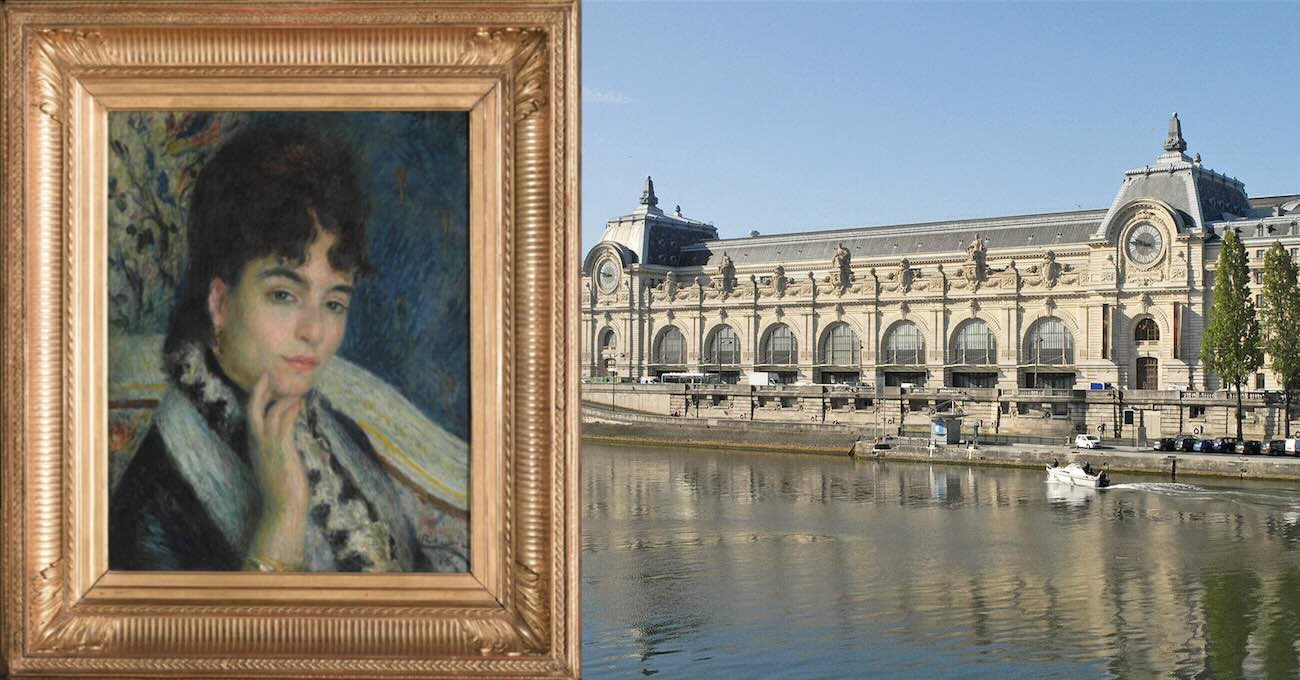
The Paris museum – by Jean-Pierre Dalbéra (CC BY 2.0)
The world-famous Musée d’Orsay has opened the doors to a very unique gallery—its dream would be to get rid of all the paintings inside.
That’s because it exhibits a rotating selection of 225 works that were stolen when the Nazis occupied Paris during the Second World War. Currently 12 paintings, including works by Renoir and Degas, and a sculpture from Rodin are on display.
To Whom Do These Belong is part of the museum’s efforts to reckon with the city’s past, and, if at all possible, to find the rightful inheritors of these masterworks.
Though the north of France resisted Nazi occupation, the south, governed by the Vichy regime, collaborated with the Germans including in carrying out the Holocaust.
By the end of the conflict, over 100,000 items of cultural property had been looted. Some 60,000 works were recovered in Germany and Austria after the war; many of them had been sold on the art market and were easily traceable. 45,000 were restituted, while 15,000 went without identified owners according to a statement from the museum.
Most of these 15,000 were sold by France in the early 1950s, except for 2,200 of them, which were selected to be entrusted to the custody of various museums. Today, the museums are “duty-bound” to keep them in trust of their original owners and to investigate the provenance of their arrival in state hands.
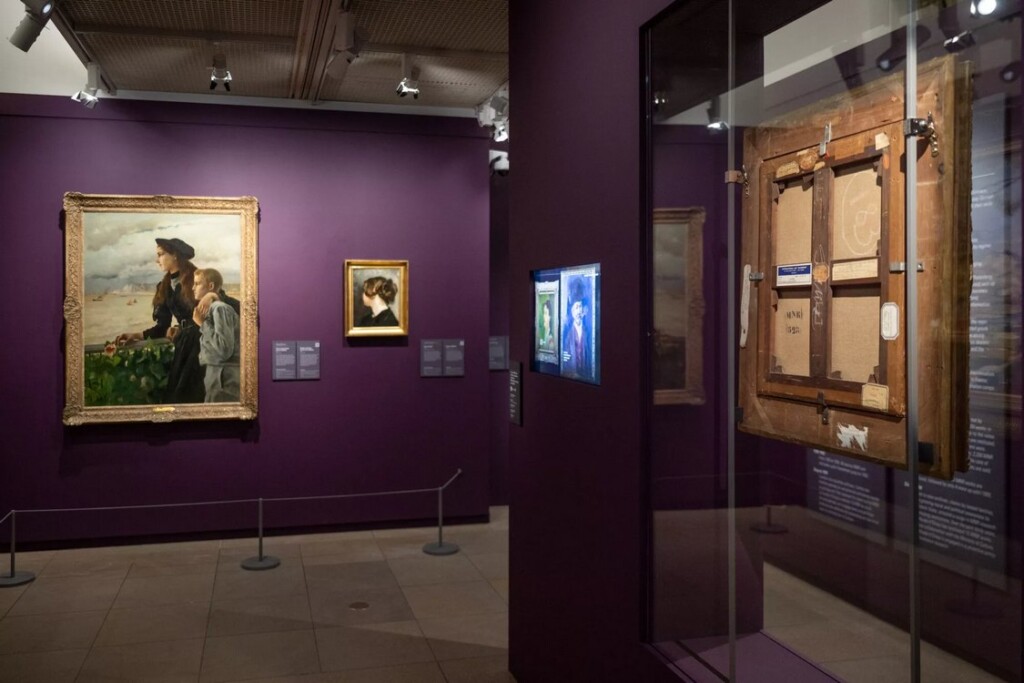
Over the last thirty years, 15 of these works conserved at the Musée d’Orsay have been returned to their rightful owners. 225 others remain because of uncertain origin, and in a few case because it has been established that they were not stolen or plundered.
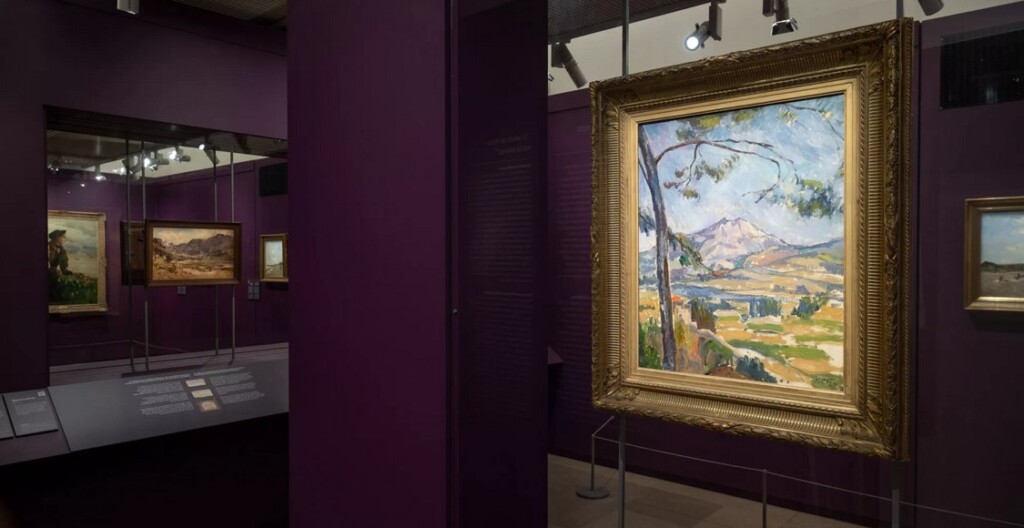
“The opening of this room on the permanent itinerary enables rotating exhibition with a view to providing a glimpse of the investigative work underway. A selection of 13 works is currently on exhibition there, highlighting the legacy’s complexity and the issues involved in it,” the statement read.
“Suspended between past and present, each of them testifies to ongoing provenance research, revealing the diversity of situations, both as regards quality and background. Others are on display in the Museum and are now identifiable by their special (purple) labels, or are on long-term loan to many other French museums.”
CREATIVE MUSEUM EXHIBTIONS: Visitors Can Now Watch the Restoring of a Masterpiece Bellini in Venice (Check out the Video)
CNN spoke with a British man of German origin whose family inheritance was looted by the Nazis. He, like other individuals highlighted in the Musée d’Orsay, has worked for years to establish clear evidence for the return of his family’s stolen property—some of it identified in German museums.
“I think it’s great that its [the looted works] going on display and it’s going to be an actual room set aside for art that is stolen,” said the man, named Antony Easton.
MORE STORIES LIKE THIS: Concealed for 100 Years by Empress Who Defied Hitler, Royal Jewels Thought Lost are Set for Public Exhibit
The established facts accompany each work, including when it was sold in France, where it was brought in the Third Reich, and who painted it, but the key part—who owned it—is unknown for each of the 13 exhibited works apart from one.
That one is Le Souper au Bal (The Supper at Ball) by Edgar Degas and was acquired in 1919 by the Jewish collector Fernand Ochsé, who went on to be deported and murdered in Auschwitz. 22 years later, it arrived in Germany at the Brame gallery via a Mr. M. Coutot. It’s unknown if anyone from Ochsé’s family or extended family lives or was aware he owned the piece.
SHARE This Inspiring Work In The Famous French Museum With Your Friends…
I hope these artworks find their way back to their rightful owners. If not, perhaps an auction to benefit memorials or survivors.