













New species are being discovered at a faster rate than ever, suggests a new study—more than 16,000 every year—and the trend shows no sign of slowing.
Scientists are predicting that the biodiversity among some groups, such as plants, fungi, arachnids, fish, and amphibians, is richer than previously believed.
Around 300 years ago, Swedish naturalist Carl Linnaeus set out to identify and name every living organism on Earth. Now celebrated as the father of modern taxonomy, he developed the binomial naming system and described more than 10,000 species of plants and animals.
Since then, scientists have continued to describe new species—and, now, researchers at the University of Arizona have shown that new species are being discovered at a quicker rate than ever.
In fact, 15% of all known species have been discovered within the last 20 years, according to the findings published in the journal Science Advances.
“Some scientists have suggested that the pace of new species descriptions has slowed down, indicating that we are running out of new species to discover—but our results show the opposite,” said study senior author Professor John Wiens.
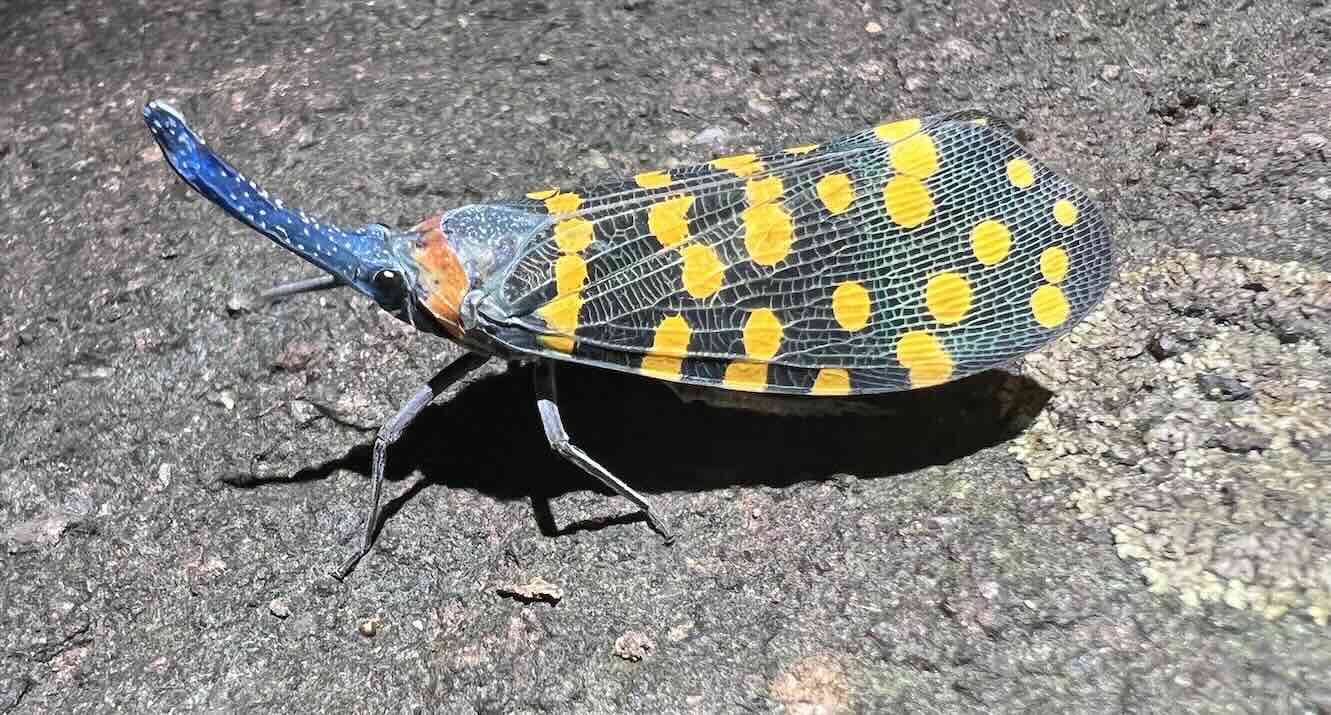
The Arizona team analyzed the taxonomic histories of around two million species, spanning all groups of organisms. And, between 2015 and 2020, researchers documented an average of more than 16,000 new species each year, including more than 10,000 animals, dominated by arthropods and insects—plus 2,500 plants and 2,000 fungi.
“Our good news is that this rate of new species discovery far outpaces the rate of species extinctions, which we calculated to about 10 per year,” said Prof. Wiens.
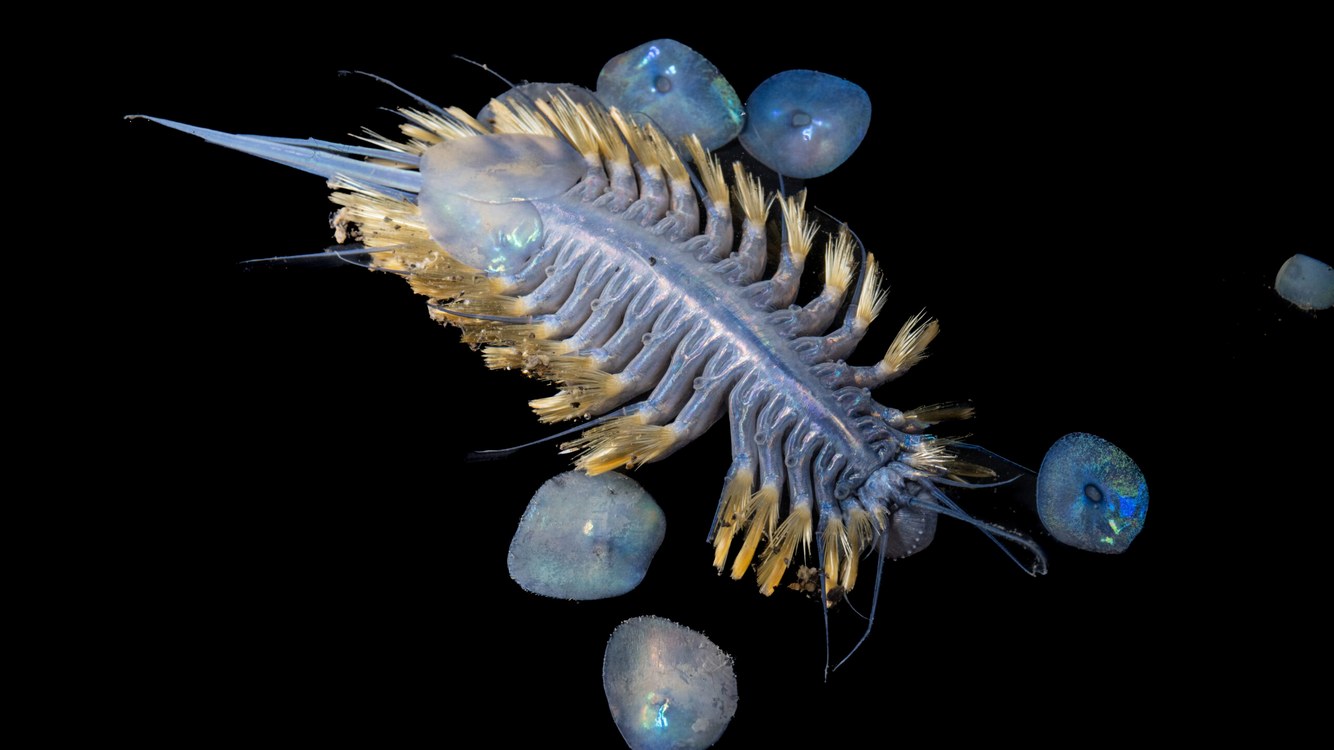
“These thousands of newly found species each year are not just microscopic organisms, but include insects, plants, fungi and even hundreds of new vertebrates—more species per year than at any point in history.”
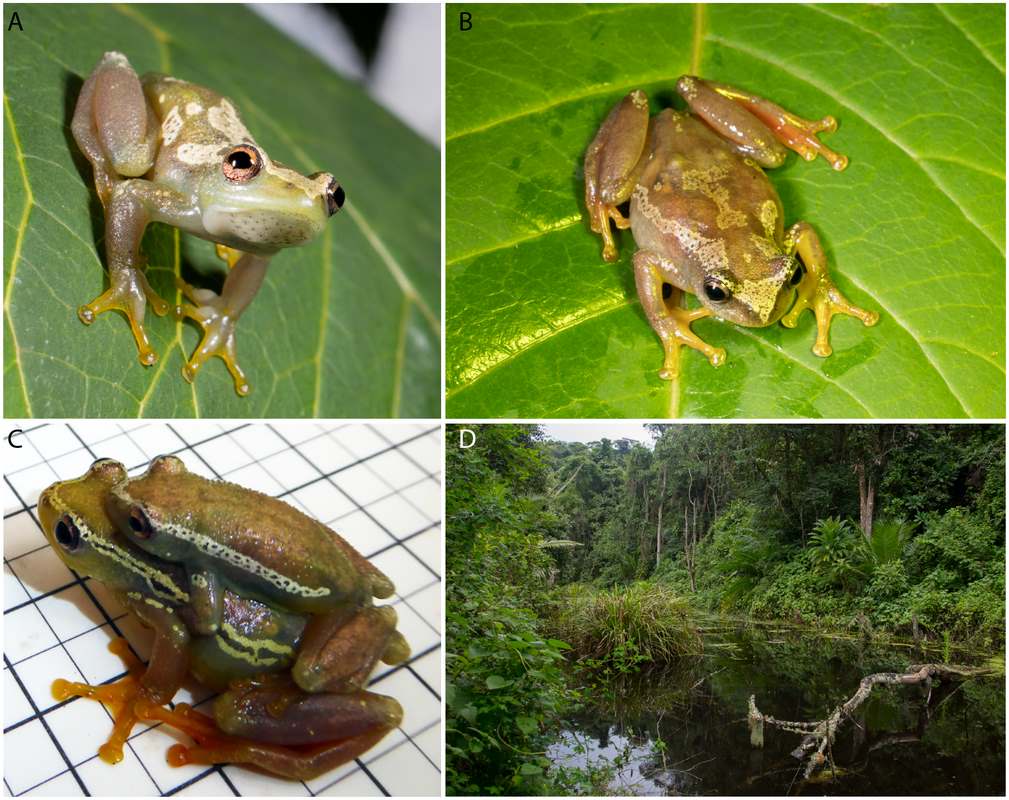
The team projected that there may be as many as 115,000 fish species and 41,000 amphibian species, even though there are only about 42,000 fish and 9,000 amphibian species described now—and the final number of plant species might be over 500,000.
“As the famous ecologist Robert May said, if visiting aliens asked us how many species live on our planet, we would have no definitive answer.
“Right now, we know of about 2.5 million species, but the true number may be in the tens or hundreds of millions or even the low billions.”
For now, the scientists predict that the discovery rate of new living things will continue to increase. For instance, scientists have currently identified around 1.1 million insect species, yet many scientists believe that the true number is somewhere around six million.
Prof Wiens suggested in a previous paper that it could even be around the 20 million mark.
“Right now, as molecular tools improve, we will uncover even more cryptic species. This is especially promising for revealing more unique bacteria and fungi.”
For better human health
Importantly, the discovery of new species also contributes to finding new natural products for human benefit.
Some examples of natural products include popular weight-loss drugs such as Mounjaro, inspired by a hormone found in Gila monsters.
Spider and snake venoms, plus many plants and fungi, also contain natural products with potential medicinal applications, including treatments for pain and cancer.
Beyond medicine, Prof. Wiens says many species have adaptations that can inspire human inventions, such as materials mimicking the “super-clinging” feet that allow geckos to climb up vertical surfaces.
“We’re still just scratching the surface of what these species can do for humanity.”
“Even though Linnaeus’ quest to identify species began three centuries ago, 15% of all known species have been discovered in just the past 20 years,” said Wiens.
“So much remains unknown, and each new discovery brings us closer to understanding and protecting the incredible biodiversity of life on our planet.”
SPREAD SOME GOOD NEWS By Sharing the Optimism on Social Media…