











A new thumb implant is transforming hand function for people with advanced arthritis.
Traditionally, doctors remove the trapezium, a small bone at the thumb’s base
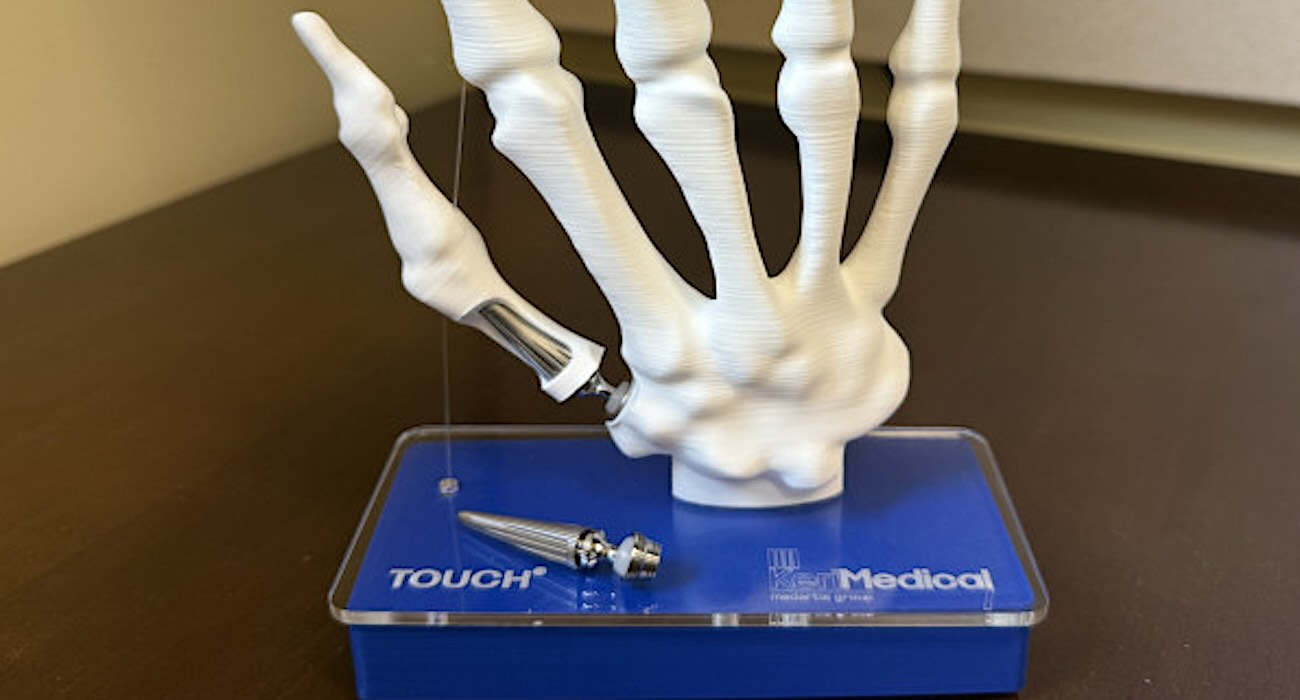
To overcome “bone-on-bone contact” the new treatment that uses a “ball-and-socket” designed as an insert for repairing the trapezium.
In trials, patients who received the thumb implants gained a range of motion—and it stayed stronger over the long term.
Thumb arthritis (carpometacarpal osteoarthritis) is a debilitating condition that effects millions of Americans and can dramatically impact hand use and daily quality of life.
Performed more than 130,000 times in Europe since gaining approval there, its use is now spreading across the United States after receiving FDA approval last year.
The Swiss-designed CMC Touch 1 prosthesis, developed and manufactured by KeriMedical, does not require any anatomy changes. Surgeons use the same approach they are already familiar with—like a mini hip replacement for the thumb.
“The mechanics of it are a ball and socket joint to replace the saddle joint that is your thumb,” said orthopedic surgeon Dr. Stephen Berling, who was trained in the procedure in Ohio.
Traditional thumb reconstruction is used when bone-on-bone arthritis occurs where the thumb meets the wrist. The procedure involves removing the trapezium bone and then resuspending the thumb, but there are big downsides.
The thumb may take time to function properly without the bone, requiring a lengthy recovery of six to nine months, with patients in a splint or cast for 6 weeks.
On the other hand, recent patients who’ve receive the TOUCH prosthesis, which helps restore pinch and grip strength, are leaving the operating room with just an ACE bandage.
With this new implant, the bone is not removed, which provides immediate stability and helps accelerate recovery. The outpatient surgery takes about 45 minutes, allows patients to go home the same day. (Stitches stay in for two weeks, and once they are removed, patients can shower and get their hand wet.)
“People are coming in at two weeks or three weeks after surgery with the same motion that I would previously expect at four to six months, with almost no pain whatsoever,” Dr. Berling explained.
“It’s remarkable when you can wake up and be pain-free in a certain part of your body where you have pain in other parts,” one of Berling’s patients told NBC News 4.
But the doctor is quick to note the implant is the last resort after options such as bracing, therapy, and injections, which may “provide lasting relief and often help patients avoid surgery”.
For most patients, the thumb implant will last the rest of their life—even when they use their hands regularly, work out, or play pickleball, as those activities are not expected to cause the implant to wear out quickly.
“This new generation of thumb implants are working because we have been able to use the same technology that has improved knee and hip replacements and translate them to the thumb,” Dr. Berling concludes.
SHARE THE NEW HOPE With Arthritis Sufferers on Social Media…