












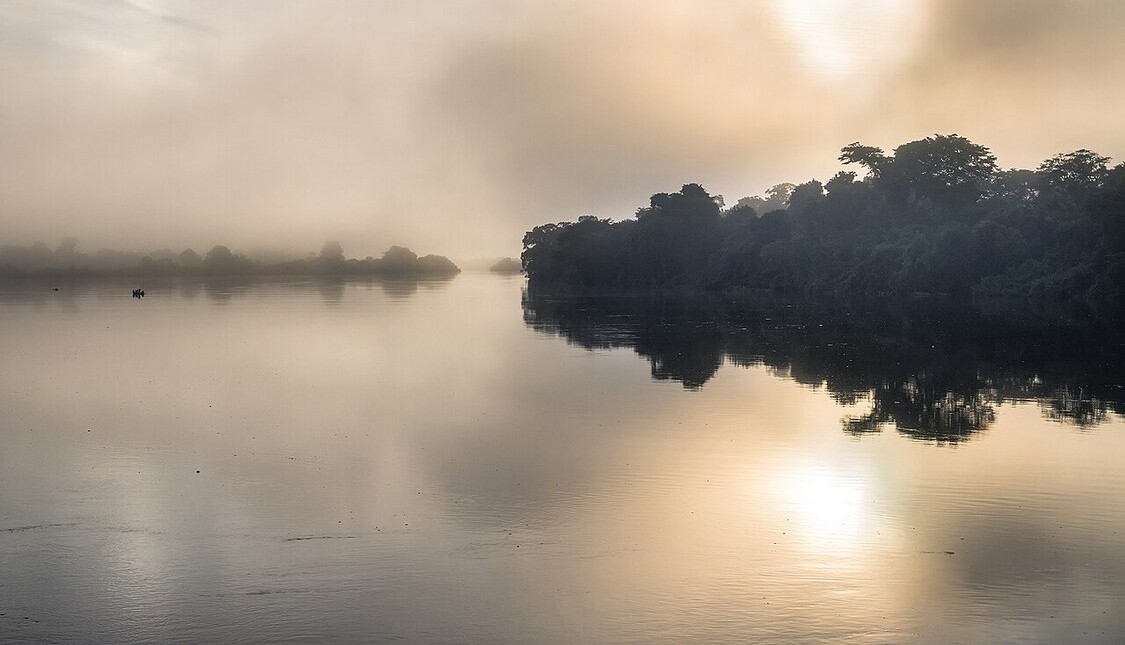

American NGO the Rainforest Trust recently aided in the creation of a 715,000-acre wildlife reserve in Bolivia along the Iténez River, considered by scientists to be a “link of life.”
This 780-mile-long watery artery, the majority of which forms the northeast border between Bolivia and Brazil, is home to all the hits: jaguar, Amazon River dolphins, giant otters, lowland tapirs, black caimans, and so, so much more included 260 species of fish, 25 of which are found nowhere else.
Protections for the area around the Iténez (or Guaporé, in Brazilian Portuguese) are enshrined within the Agua Dulce Municipal Wildlife Reserve, created by a piece of local legislation. It protects this key ecological corridor between Brazilian and Bolivian wildlands that animals rely on for migration.
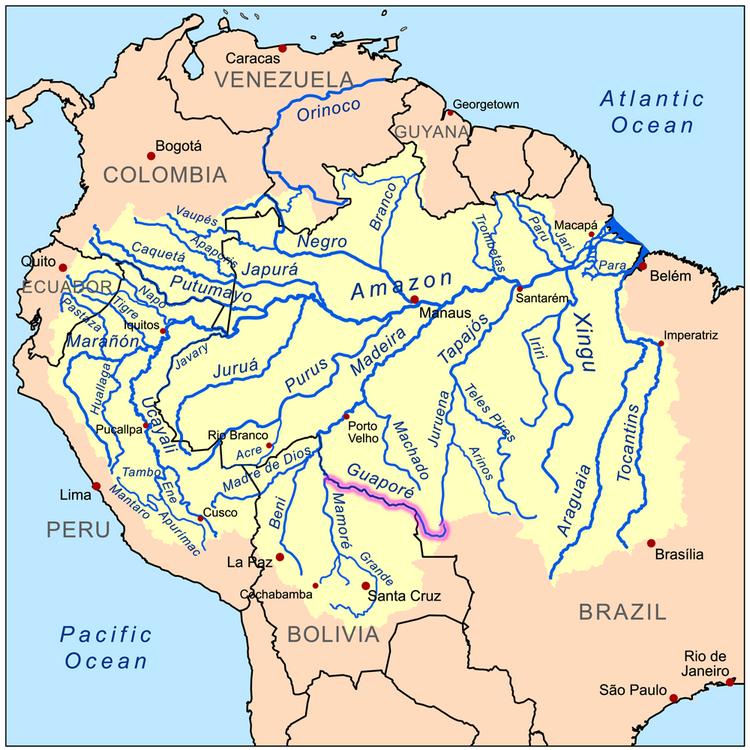

The riverine area unites protected areas in Bolivia and Brazil, such as the stunning Noel Kempff Mercado National Park, the Iténez Departmental Park, and the Bajo Paraguá Municipal Protected Area in Bolivia, and the Corumbiara State Park, Pedras Negras Extractive Reserve, and the Ilha das Flores State Park in Brazil.
The news comes as Brazilian authorities recently released data showing that deforestation in the world’s largest rainforest has fallen to the lowest rate ever recorded amid a sterner approach to tackling the common causes of tree-felling.
Faunagua, a Bolivian NGO that led the Agua Dulce Reserve project, which Rainforest Trust supported, wrote that the new reserve “encompasses Amazonian forests, floodplains, pampas, and riparian ecosystems” which help make it one of the most important transboundary conservation areas in the greater Amazon ecosystem.
As a “Municipal Wildlife Reserve,” Agua Dulce’s regulations center around 3 pillars of landscape conservation: the protection and flourishing of wildlife, the maintenance of critical ecosystem services, and the development of sustainable extraction opportunities for the local economy.
Faunagua has crafted a management plan for the reserve alongside the communities who will live in and around it, and will play a key part in implementing the plan.
“Rainforest Trust provided crucial technical and financial support to foster local and municipal consensus, secure the formal legal designation of the protected area, and develop its key management instruments,” said Rosmery Ayala Lozada, Executive Director of Faunagua, in a statement.
BOLIVIAN BEST:
- New Cat Species Identified for the First Time in Over 100 Years–Meet the Tilcayo
- 660-Square Miles of Critical Biodiverse Forest Now Protected in Bolivia
- Bolivian Town Protects 1 Million Acres of Amazon Rainforest–Building a ‘Conservation Mosaic’ of 90% Forests
Rainforest Trust celebrated the moment for a trio of reasons: it meant that the organization’s work has directly supported the protection of 70 million acres—an area the size of Nevada—of rainforest, that 10 million of these acres have been added in just 8 months, and that a key Bolivian ecosystem would be preserved for the posterity of Bolivians and animals alike.
“Protecting 10 million additional acres in just seven months shows what is possible when we match the urgency of the biodiversity crisis with ambition and strong local partnerships,” said James Deutsch, CEO of Rainforest Trust in a statement.
“As 2030 approaches, the world has pledged to protect 30% of the planet. At Rainforest Trust, our focus is on helping protect the most imperiled 30%, specifically, the places where conservation can make the greatest difference for species, ecosystems, and people. Seventy million acres is a remarkable milestone, but it makes us more determined to go further and faster.”
CELEBRATE These Huge Chunks Of The Amazon Being Protected For Posterity…