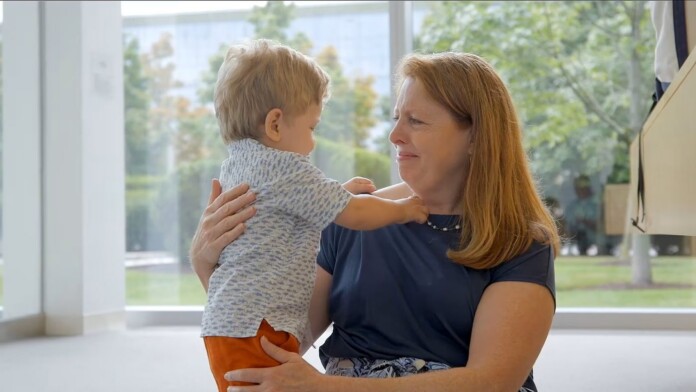
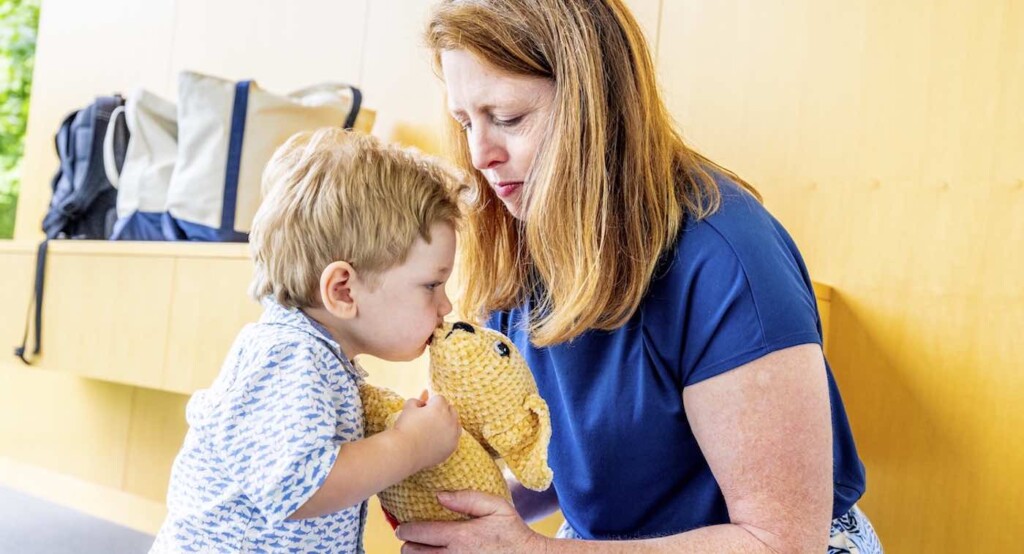
Organ donor Sandy with Sonny-by Cleveland Clinic Children’s Hospital-SWNS
In a tear-jerking video released by the Cleveland Clinic, a woman is seen reuniting with a boy whose life she saved through organ donation.
Becoming a living donor by giving up a piece of her liver, Sandy Flash gave the now-one-year-old Sonny the chance to recover from biliary artesia.
A disease with an unknown cause, biliary artesia is defined by the NIH as a scarring of the bile ducts that prevents bile from exiting into the intestines, resulting in lethal liver damage.
It’s treatable with a surgery called the Kasai procedure, which by now has become so advanced that between 80 and 90% of infants diagnosed with this disease now survive to adulthood. However, it requires a piece of a donated liver, which is where Flash came in.
Her husband was saved by a liver donation in 2022, and inspired to return the favor, she signed up for donor status and was appropriately matched with young Sonny.
“Sandy gave a piece of herself to save my baby’s life. Organ donation is truly an unconditional gift,” Sonny’s mother, Katie White, told Good Morning America.
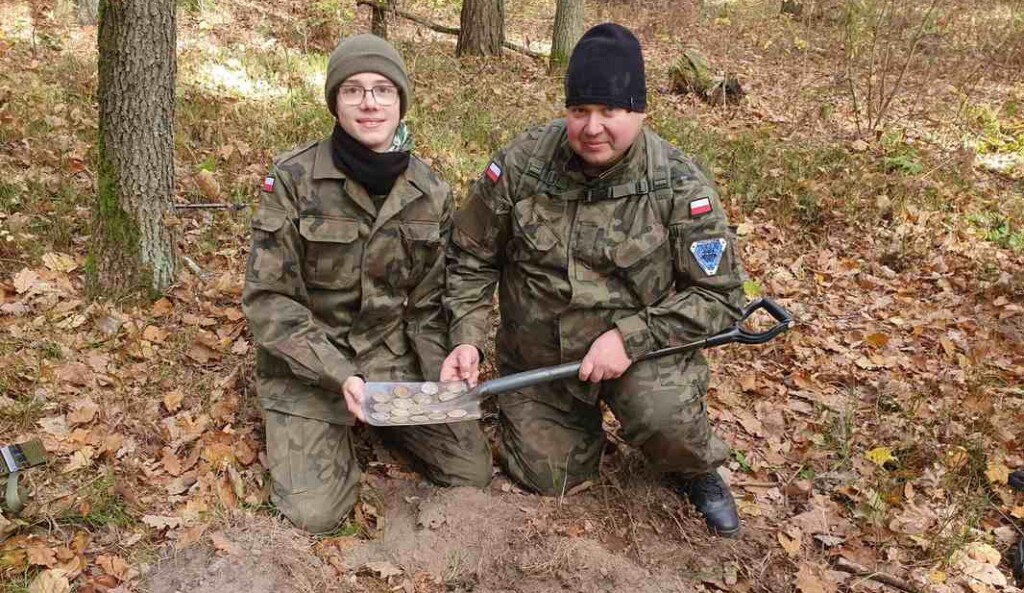
Sławomir Milewski and his son Szymon – credit, Polish “Husaria” Treasure Hunters Association, supplied.
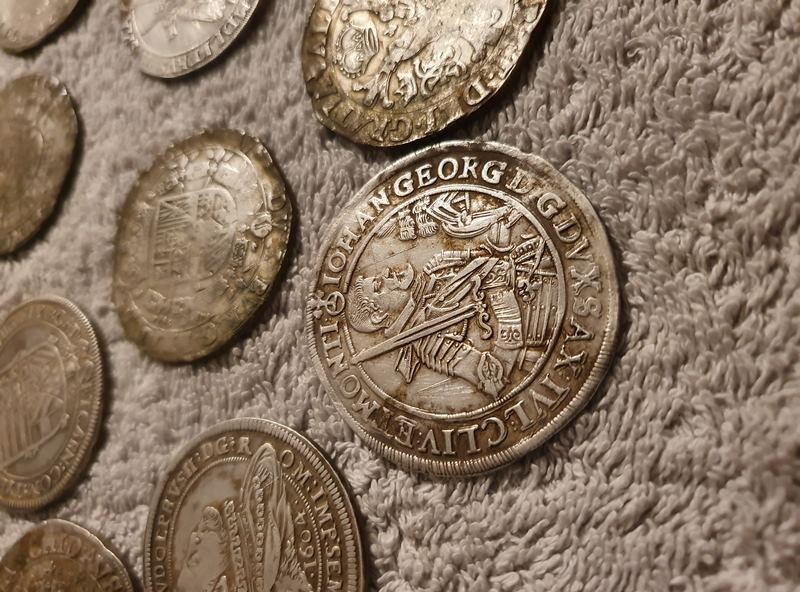
In the Polish forests north of Warsaw, a father and son were out with a local historical society when they found 17 pre-modern coins which may be worth around $120,000.
They were supposed to be looking for the remains of a Roman road, but the metal detectors found the coins instead.
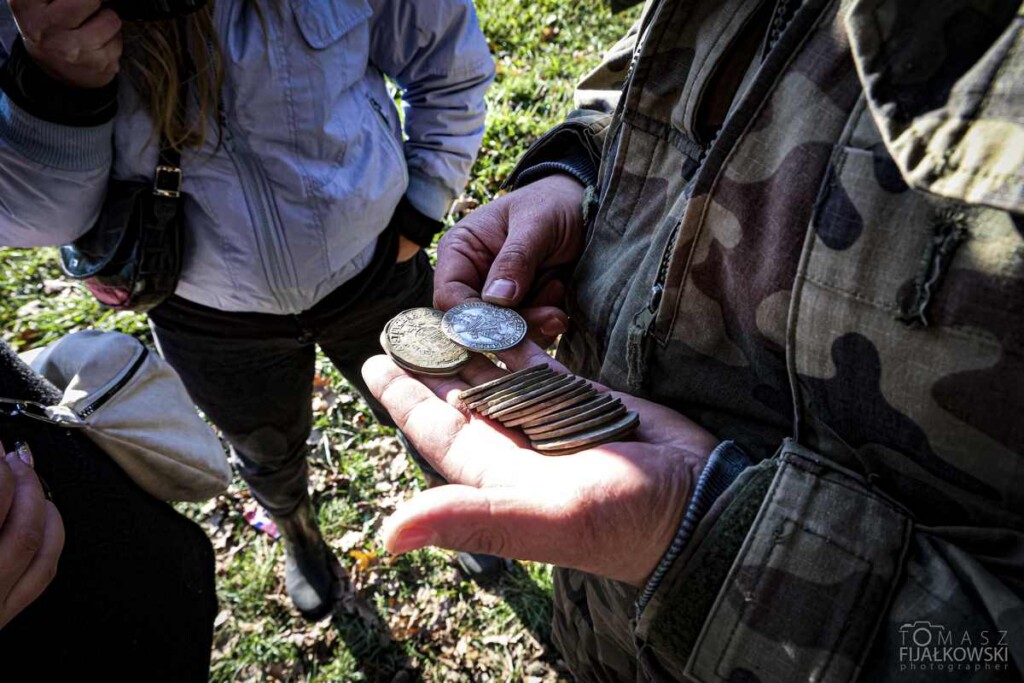
The treasure was discovered by Sławomir Milewski together with his son Szymon Milewski and contains 17 silver coins: 9 thalers and 8 patagons. The oldest coin dates from 1587 – 1564 CE, and the youngest is 1641.
Members of the Triglav Historical and Research Association and the Polish “Husaria” Treasure Hunters Association gathered around the boy and his father to marvel at the treasure, especially because they never ended up finding the road.
Minted by several different political entities, they give a lovely cross-sectional insight into the monetary customs and details of northern Europe.
Thalers were silver coins used throughout Europe for centuries, and the word “dollar” is derived from them. Several of the thalers found were minted in Austria by Rudolf II in 1604; Frederick I, perhaps 20 years later; and Leopold V in 1620.
Two were minted by the Saxony ruler Johann Georg I in 1612 and 1624, another from Zweibrücken in a German proto-state called the Palatinate, and one was minted in the kingdom of South Tyrol of northern Italy-southern Austria.
Only one was minted by the Polish king Sigismund III, and the patagons were all minted in the Spanish Netherlands. These identifications were provided by the “Husaria” Treasure Hunters Association, who admit they are not experts in numismatics, but all in all the hoard is a snapshot of the inter-commercial activity of Poland in the early 17th century.
The coin minted in Zweibrücken may be of particular interest for historical collections, as per a Facebook post from “Husaria” these thalers were minted with different patterns every year, making identification of them virtually hopeless.
As Sonja Anderson of Smithsonian Magazine notes, many of the minting dates match up to the period of the Thirty Years’ War when the monarchs stamped onto the coins were engaged in one of the most brutal conflicts in European history.
Such years of instability dissuade people from carrying around large sums of money, and buried treasure, from Turkey to Kentucky, often date to such periods.
“Another assumption is that the burial was made by a merchant who wanted to hide his property from potential robbers—there was an inn about a kilometer away [during] the 16th century, and we know from earlier discoveries of similar deposits that it was a common practice to hide valuables before visiting an inn,” Mateusz Sygacz of the “Husaria” Treasure Hunters Association told All That’s Interesting.
Courtesy of Manu San Félix / National Geographic Pristine Seas (cropped)
Courtesy of Manu San Félix / National Geographic Pristine Seas (cropped)
On an expedition to the Solomon Islands, divers affiliated with National Geographic have found the world’s largest single coral colony ever recorded.
It’s longer than the largest blue whale. At 34 meters (111 feet) in length, and with a width of 32 (105) meters, it could sit corner to corner across 5 tennis courts.
Experts believe it has been growing for between 300 and 500 years.
The mammoth coral was discovered by scientists from National Geographic’s Pristine Seas Initiative, which aims to gather scientific data to inform conservation measures in places where marine life is bountiful. During an expedition to the Three Sisters island group in the Makira-Ulawa Province of Solomon Islands, they thought at first its massive shadow under the water was a shipwreck.
“At a time where we can observe every square inch of the land with satellites and drones, the ocean below the surface continues to hold mysteries like this one,” said National Geographic explorer in residence Enric Sala. “It was like finding the world’s tallest tree.”
Sala hopes the coral and its presentation—agonizingly short of being able to feature at the sixteenth annual conference of the parties to the Convention on Biodiversity, (COP16)—will nevertheless help spur future marine protection by demonstrating the breadth of underwater life that exists which we don’t yet know about.
Courtesy of Manu San Félix / National Geographic Pristine Seas (cropped)
ABC News Australia spoke with expedition scientist Molly Timmers, who 20 years ago dove down to see the “Big Momma” coral in American Samoa, the largest coral thought to exist until the discovery of the Solomon Islands specimen.
“While Big Momma looked like a huge scoop of ice cream plopped down on the reef, this newly discovered coral is as if the ice cream started to melt, spreading forever along the seafloor,” she said.
Belonging to the Pavona clavus species of stony corals, it is considered a species of Least Concern by the IUCN.
It’s mostly brown, but with patches of bright yellow, blue, and red growth. Coral is the anchor of shallow marine ecosystems, and just like trees in a forest biome, the larger and older they get, the more the ecosystem benefits. For example, the larger the coral colony, the greater its fecundity, meaning the reefs around this mega coral will benefit from a more stable reproductive cycle.
Along with providing places to hide and breed, many species of fish eat algae that grow on corals, and others eat corals themselves. Large fish like manta rays are more likely to visit the corals to get a clean, from a group of fish known as cleaners, that also clean coral reefs.
ABC News reports that this giant coral sits out of the major storm corridors in the Southern Seas, which may be one of the contributing factors to its age.
SHARE This Wonder Of Underwater Nature With Your Friends…
Quote of the Day: “Somewhere inside of all of us is the power to change the world.” – Roald Dahl
Photo by: Kuzzat Altay (cropped)
With a new inspirational quote every day, atop the perfect photo—collected and archived on our Quote of the Day page—why not bookmark GNN.org for a daily uplift?
Winner from previous hair-freezing contest at Eclipse Nordic Hot Springs / SWNS
Winner from previous hair-freezing contest at Eclipse Nordic Hot Springs / SWNS
Hot springs enthusiasts are hoping for Arctic temperatures in Canada so an annual hair-freezing contest can go forth later this winter.
The yearly competition began in 2012, launched by a spa in the Yukon territory that has since produced some hair-raisingly hilarious pictures.
In the town of Whitehorse, a 10-hour drive from Juneau, Alaska, bathers dip into the naturally warmed waters at Eclipse Nordic Hot Springs. If the outdoor temps are cold enough, people can make their hair freeze into wacky shapes.
Temperatures need to drop below -4°F (-20°C) for an extended period to get the best frozen hairstyles that could win the $2,000 prize money.
Contest categories include best female and male, best group, best facial hair, and a people’s choice award, and every category winner receives a $2000 cash prize.
“We kick off the Hair Freezing contest as soon as the temperature drops to -20°C or lower,” said Satyam Jain, a spokesperson for the Hot Springs.
“We usually keep an eye on the forecast to see how long the cold temp will last and start the contest anytime between December and March.”
Previous winner from hair-freezing competition at Eclipse Nordic Hot Springs / SWNS
Last winter, it didn’t stay cold enough for long enough so they postponed the contest until this year.
“We took some photos last year but there wasn’t enough for a proper contest.”
“If we get a consistent temp in November we can also start the contest in November too.”
“The colder it is, the better and faster the freezing effect. The best results I’ve seen are at -22°C, and below (minus 7°F).”
Entrants from previous year’s hair-freezing contest at Eclipse Nordic Hot Springs / SWNS
Their contest’s website includes instructions on how to freeze hair:
Dip your head in the hot springs and wet your hair completely. Don’t worry- freezing your hair won’t damage it.
Allow the cold air to slowly freeze your hair. Keep your ears warm by periodically dipping them into the hot water. Be patient–all wet hair will eventually freeze, this includes eyebrows and even eyelashes.
Once your hair has become pure white with lots of frost and ice buildup, ring the bell near the pool entrance and have our staff come out to take your photo!
Winner from previous hair-freezing contest at Eclipse Nordic Hot Springs / SWNS
Canadian government statistics showed that in 2016, most of Yukon had average temperatures that were more than 3 degrees Celsius higher than those of thirty years ago, according to Environment and Climate Change Canada. That’s a rise of 5.4°F.
But everyone is hoping for a cold winter in 2024 so the spa can continue the 12-year run of contests, and for more fun to be enjoyed by visiting bathers.
SHARE THE FREEZING FUN With Friends And Family On Social Media…
Caterpillar infected with Cordyceps militaris the pretty orange fungus that produces Cordycepin - By Daniel Winkler, Mushroaming (released)
Caterpillar infected with Cordyceps militaris the pretty orange fungus that produces Cordycepin – By Daniel Winkler, Mushroaming
British researchers have discovered one of the secrets behind a traditional Chinese medicine made from an orange caterpillar fungus, and are touting its potential for combating cancer.
The mechanism that triggers anti-inflammatory and other health benefits within the compound called cordycepin were not understood in western medicine—until now.
New research into the chemical produced by the caterpillar fungus has revealed how it interacts with genes to interrupt the very cell growth signals that drive uncontrolled cancer growth.
Learning how it interrupts the cell growth signals that are overactive in cancer is an important step towards developing new drugs that could be less damaging to healthy tissues compared to many available treatments.
Scientists from the University of Nottingham’s School of Pharmacy have been studying how the parasitic fungi could affect a range of diseases, and published their research in the journal FEBS Letters.
Cordycepin, the compound produced by the Cordyceps militaris fungus that infects caterpillars and is sold as a health supplement, has shown promise as a cancer medicine in a range of studies, but until now it has been unclear how it works.
Using high-throughput techniques the research team measured the effects of cordycepin on the activity of thousands of genes in multiple cell lines. The research compared the effects of cordycepin with those from other treatments deposited in databases and showed that it works by acting on the growth inducing pathways of the cell in all cases.
By studying what happens to cordycepin inside the cell, the team confirmed that cordycepin is converted to cordycepin triphosphate, an analogue of the cell’s energy carrier ATP. Cordycepin triphosphate was shown to be the likely cause of the effects on cell growth, and therefore the molecule that can directly affect cancer cells.
“We have been researching the effects of cordycepin on a range of diseases for a number of years and with each step we get closer to understanding how it could be used as an effective treatment,” said Dr. Cornelia de Moor in the University’s School of Pharmacy, who led the research.
“One of the exciting things to have been happening is that it has become easier and less expensive to do these very large experiments, so we were able to examine thousands of genes at the same time.
The data confirms that cordycepin is a great starting point for novel cancer medicines and explains its beneficial effects.
For instance, derivatives of cordycepin could aim to produce the triphosphate form of the drug to have the same effect. In addition, the data will help with monitoring the effects of cordycepin in patients, as our data indicates particular genes whose activity reliably responds to cordycepin, which could for instance be measured in blood cells.”
SHARE THE FUNGI NEWS With Chinese Medicine Fans on Social Media…
Congressman Andy Kim won his campaign for the US Senate seat in New Jersey last week—a result that left many GNN fans cheering.
The 42-year-old became a fan favorite for his selfless and humble act caught on film four years ago.
It was 1:00 in the morning following the gruesome attack on the US Capitol on January 6, 2021, when Rep. Kim got down on his knees and began picking up trash left strewn around the building’s rotunda.
Andy had been finally headed home after a late-night vote that certified Joe Biden as winning the presidential election when he saw officers assigned to the grim duty of cleaning up the hallways of his beloved democratic institution.
The three-term congressman who represented central New Jersey, felt a “heightened kind of patriotism” and grabbed a trash bag—still dressed in his suit and tie— to sort through the broken furniture and garbage left by the unruly mob.
At 1am last night, @RepMalinowski and I walked the Capitol to thank staff, police, and guardsmen and women for their service on a horrifying day. In a quiet Rotunda, we found our friend @RepAndyKimNJ alone, on his knees, picking up garbage left by the insurgents. 📸:@andyharnikpic.twitter.com/AnYj3rSogb
He later donated the blue suit he was wearing in the now-famous photo shot by photojournalist Andrew Harnik to the Smithsonian Institution, which was collecting items from the riot.
Raised by Korean immigrants in New Jersey, Kim lives with his wife with two sons down the street from his childhood home. Now he’s made history, becoming the first Korean-American to be elected to the US Senate, beating his Republican opponent handily, 53-44% during an election year when most other races were close.
Kim’s credentials are impressive. Before becoming a US congressman, the Rhodes Scholar was a diplomat, serving as the Iraq director for the National Security Council under Obama, and in a similar role previously with the Pentagon.
When he launched his campaign, Kim vowed to restore trust and integrity in government—and perhaps because of the iconic photo, most voters believed him.
In his victory speech, Kim said, “I wanted… to pay tribute to my parents, to my family, to the state—for giving a kid like me a chance to be able to dream; for giving me the tools through public education and a kind community.”
And he challenged Americans to contemplate the upcoming 250th anniversary of their country’s independence as “a reminder that the greatness of America is not what we take from this country but what we give back.”
SHARE THE INSPIRING ELECTION NEWS With Gloomy Friends on Social Media…
A new poll shows that today’s parents are reinventing the definition of their “village” when it comes to raising their children.
The survey results gathered from 2,000 parents of kids under 7, showed that 86% believe they have a different type of support system today than their own parents did.
78% agreed that the definition of a village—or support system—is, indeed, different today than when they were growing up.
Respondents recall spending most of their time growing up with grandmothers (60%), grandfathers (41%), aunts (51%) and uncles (41%) as well as their parents’ best friend (38%).
In total, they can remember an average of eight different people being regularly involved in their lives as children—and fully 86% are still in contact with their formative ‘village’ people.
But as parents themselves, they are relying less often on relatives.
Mothers (54%) and fathers (34%) still represent the biggest support beam for parents today, but one-third are most often likely to lean on their friends—with just 29% leaning on aunts or uncles.
24% of parents surveyed said their ‘inner circle’ includes the friends they made after having children, and 83% recalled times when their child made a new friend which resulted in a friendship between their parents.
Conducted by Talker Research on behalf of The Goddard School, the survey revealed that 43% believe parenting today is more difficult than it was for their parents.
Maybe that’s why 47% are choosing to lean on their family more often than their own parents did, but the biggest reason (chosen by 41% of those) was their desire for a deep family connection.
– Tyler Nix
On the flip side, over a quarter in the survey (27%) said they rely less often on family members for support than their parents did—for several reasons:
• not having a close relationship with their family (33%)
• family members with responsibilities may be too busy to help (32%)
• making the conscious decision to do things differently and lean on their family less (25%)
Others (31%) turn to parents because they and their partner work full-time, while 29% admit they rely on mom or dad because it is more cost-effective.
The good news is that children are still reaping the benefits of their villages. The vast majority (87%) believe their support system has improved the development of their child’s social and emotional skills.
The added support also enables parents to spend more quality time with their child (36%), complete tasks like cooking, cleaning or errands (33%), and be a better, more present parent (31%).
“Raising children today is like steering a ship through a storm; it can be tumultuous and unnerving, and without a compass to guide your ship—or a strong support system to help with parenting—it’s easy to lose your way,” said Dr. Lauren Loquasto, senior vice president and chief academic officer at The Goddard School.
“I encourage all parents to take full advantage of their entire network, including their school and childcare provider, to help them navigate their parenting journey.”
Quote of the Day: “Pain is important: how we evade it, how we succumb to it, how we deal with it, how we transcend it.” – Audre Lorde
Photo by: Susan G Komen 3-Day
With a new inspirational quote every day, atop the perfect photo—collected and archived on our Quote of the Day page—why not bookmark GNN.org for a daily uplift?
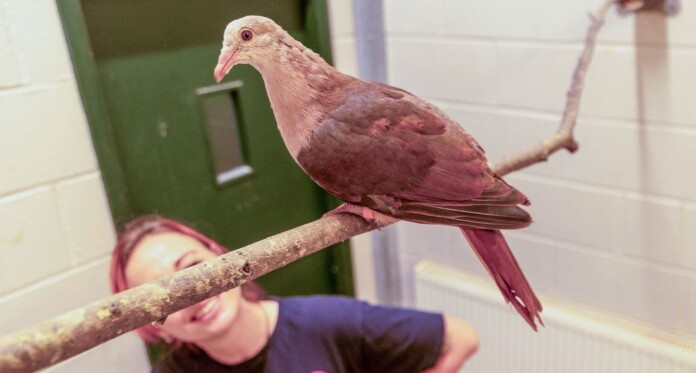
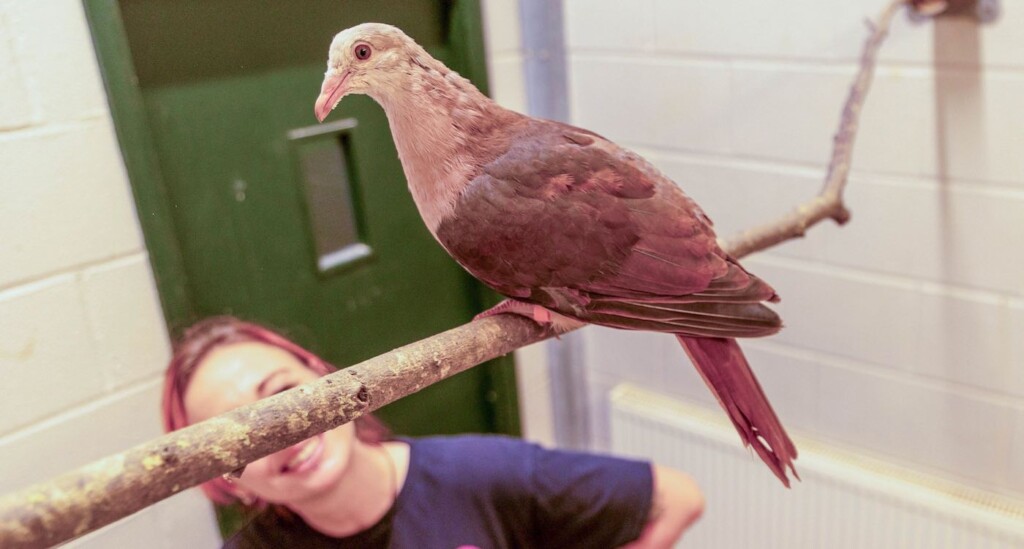
The pink pigeon fully grown at Paignton Zoo in England – SWNS
A rare pink pigeon has been hand-reared at a UK zoo for the first time, using an innovative method for feeding baby birds.
Found in the wild only on the island nation of Mauritius in the Indian Ocean, pink pigeons have been on the endangered ‘red list’ for both the IUCN and BirdLife.
On the brink of extinction in 1991, their numbers were thought to have dropped to a low of just nine individuals left in the wild.
But, dedicated conservation efforts have significantly boosted their population—including those from Tom Tooley and his colleagues at Paignton Zoo in Devon, England.
Tom, who has worked as a bird keeper at the zoo for 27 years, developed an innovative technique for hand-rearing the baby birds, known as squabs, if they’re ever abandoned or orphaned by their parents. He has now been teaching the unique hand-rearing method to others.
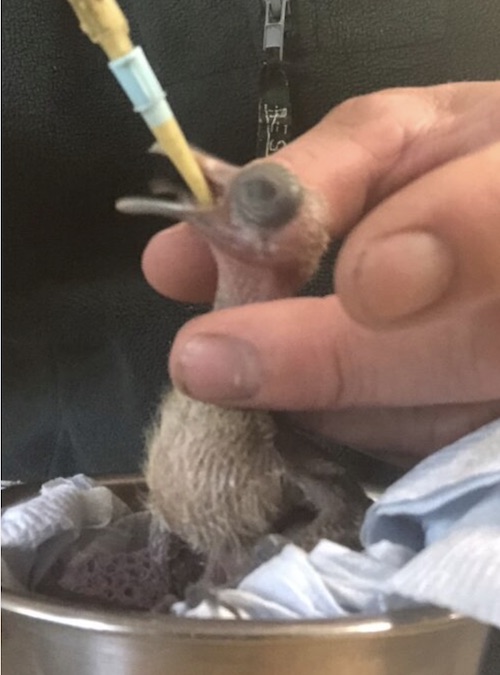
Instead of using conventional metal crop tubing, he developed a method that involves attaching a carefully-sized catheter to a syringe which can be gently placed on the squab’s tongue so they can eat more naturally.
“This approach allows the squabs to naturally consume the hand-rearing formula, eliminating the need for crop tubing, which can be stressful and harmful to the birds.”
Feeding a pink pigeon using the innovative technique from Paignton Zoo
Pink pigeons are part of the European Endangered Species Program, an international breeding program established to maintain healthy captive populations that safeguard genetic diversity. The goal is to ensure the long-term survival of threatened species through collaboration among zoos and organizations, like the Mauritian Wildlife Foundation.
The Foundation is the largest non-governmental organization in Mauritius dedicated exclusively to protecting the nation’s threatened plant and animal species, including the endemic pink pigeon.
In 2014, Tom was invited to assist their conservation efforts for pink pigeons, to train staff in his special hand-rearing technique to increase the chances of pink pigeon squab survival. He has returned a number of times since then and looks forward to jetting off again in early November.
“It’s been a fantastic year for our bird breeding programs,” said Stephen Kings, CEO at Wild Planet Trust.
“Tom’s skilled approach to hand-rearing this squab, along with the collaborative efforts of our dedicated bird team, is yet another testament to our zoo-based expertise for wildlife conservation.”
Such conservation efforts have boosted the pink pigeon numbers to around 500 individuals as of 2011, which allowed it to fly off the IUCN’s Critically Endangered list and be reclassified as Vulnerable in 2018, which demonstrates how zoos and conservation groups—like Wild Planet Trust, the nonprofit charity of Paignton Zoo—can work together to save a species.
There’s no doubt that exercise does a body good—strengthening muscles and bolstering our bones, blood vessels, and immune system—but now, MIT engineers have found that it also has benefits at the level of individual neurons.
They observed that when muscles contract during exercise, they release a soup of biochemical signals called myokines. In the presence of these muscle-generated signals, neurons grew four times farther compared to neurons that were not exposed to myokines.
These cellular-level experiments suggest that exercise can have a significant biochemical effect on nerve growth. Surprisingly, the researchers also found that neurons respond not only to the biochemical signals of exercise but also to its physical impacts.
While previous studies have indicated a potential biochemical link between muscle activity and nerve growth, this is the first to show that physical effects can be just as important—and the results shed light on the connection between muscles and nerves during exercise, and could inform exercise-related therapies for repairing nerves.
“Now that we know this muscle-nerve crosstalk exists, it can be useful for treating things like nerve injury, where communication between nerve and muscle is cut off,” says Ritu Raman, Assistant Professor of Mechanical Engineering at MIT and senior author of the study. “Maybe if we stimulate the muscle, we could encourage the nerve to heal, and restore mobility to those who have lost it due to traumatic injury or neurodegenerative diseases.”
“Exercise as medicine”
In 2023, Raman and her colleagues reported that they could restore mobility in mice that had experienced a traumatic muscle injury, by first implanting muscle tissue at the site of injury, then exercising the new tissue by stimulating it repeatedly with light. Over time, they found that the exercised graft helped mice to regain their motor function, reaching activity levels comparable to those of healthy mice.
When the researchers analyzed the graft itself, it appeared that regular exercise stimulated the grafted muscle to produce certain biochemical signals that are known to promote nerve and blood vessel growth.
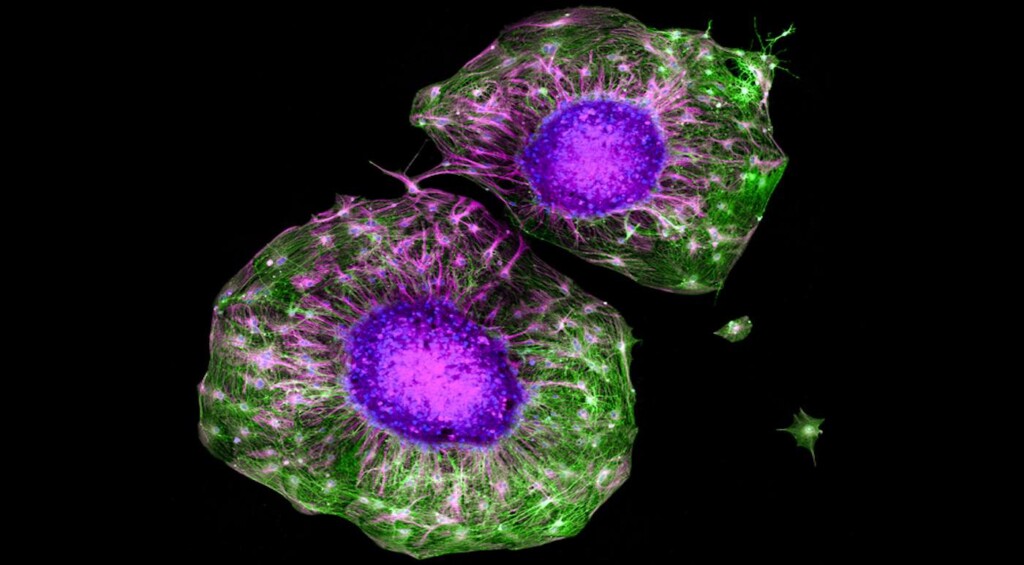
After exercise, motor neurons (purple) exhibit new growth (green) faster than without exercise – Credit: Angel Bu / MIT
“We always think that nerves control muscle, but we don’t think of muscles talking back to nerves,” Raman says. “So, we started to think stimulating muscle was encouraging nerve growth. And people replied that maybe that’s the case, but there’s hundreds of other cell types in an animal, and it’s really hard to prove that the nerve is growing more because of the muscle, rather than the immune system or something else playing a role.”
In their new study published in the journal Advanced Healthcare Materials, the team set out to determine whether exercising muscles has direct effect on how nerves grow, by focusing solely on muscle and nerve tissue.
The team genetically modified the muscle to contract in response to light. With this modification, the team could flash a light repeatedly, causing the muscle to squeeze in response, in a way that mimicked the act of exercise. Raman previously developed a novel gel mat on which to grow and exercise muscle tissue. The gel’s properties are such that it can support muscle tissue and prevent it from peeling away as the researchers stimulated the muscle to exercise.
The team then collected samples of the surrounding solution in which the muscle tissue was exercised, thinking that the solution should hold myokines, including growth factors, RNA, and a mix of other proteins.
“Muscles are pretty much always secreting myokines, but when you exercise them, they make more,” Raman says.
The researchers grew the neurons from stem cells derived from mice. As with the muscle tissue, the neurons were grown on a similar gel mat. After the neurons were exposed to the myokine mixture, the team observed that they quickly began to grow—four times faster than neurons that did not receive the biochemical solution.
“They grow much farther and faster, and the effect is pretty immediate,” Raman notes.
For a closer look at how neurons changed in response to the exercise-induced myokines, the team ran a genetic analysis, extracting RNA from the neurons to see whether the myokines induced any change in the expression of certain neuronal genes.
“We saw that many of the genes that up-regulated in the exercise-stimulated neurons were not only related to neuron growth, but also neuron maturation, how well they talk to muscles and other nerves, and how mature the axons are,” Raman says. “Exercise seems to impact not just neuron growth but also how mature and well-functioning they are.”
The results suggest that biochemical effects of exercise can promote neuron growth. Then the group wondered: Could exercise’s purely physical impacts have a similar benefit?
“Neurons are physically attached to muscles, so they are also stretching and moving with the muscle,” Raman says. “We also wanted to see, even in the absence of biochemical cues from muscle, could we stretch the neurons back and forth, mimicking the mechanical forces (of exercise), and could that have an impact on growth as well?”
It turned out that both biochemical and physical effects of exercise are “equally important”.
Now that the group has shown that exercising muscle can promote nerve growth at the cellular level, they plan to study how targeted muscle stimulation can be used to grow and heal damaged nerves, and restore mobility for people who are living with a neurodegenerative disease such as ALS.
“This is just our first step toward understanding and controlling exercise as medicine,” Raman says.
SHARE THE NEWS With Fitness Gurus On Social Media…
Fans of author Kurt Vonnegut are celebrating his original board game finally being brought to life, after it was lost to the world following his unsuccessful marketing attempt in 1955.
And the game turned out to be deep and strategic, while still being easy to learn and fun to play.
Kurt Vonnegut’s son Mark was eight years old during its development, and he fondly recalls his father working on the game and helping to test it.
“He was discouraged about his writing at the time,” recalls Mark Vonnegut. “But he had unshakeable faith the game would succeed.”
Vonnegut, a World War II veteran, published his first novel in 1952, which was critically well received, but not a financial success. So, while he worked on his next novel (The Sirens of Titan), he needed to supplement his income. One of those efforts was an original board game called GHQ (General Headquarters).
He designed it throughout 1956 and attempted to sell it to game companies, but was ultimately unsuccessful—and his design notes were filed away.
Until now.
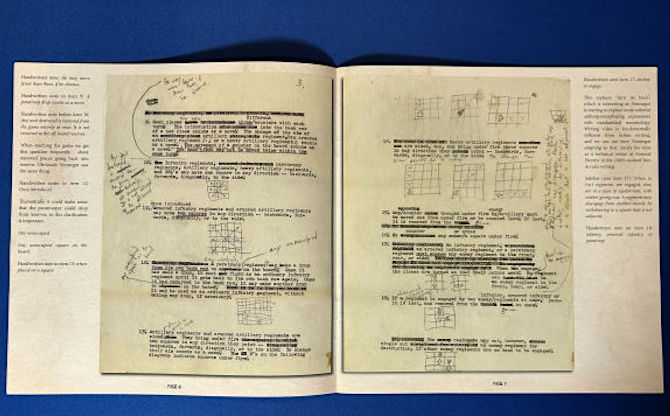
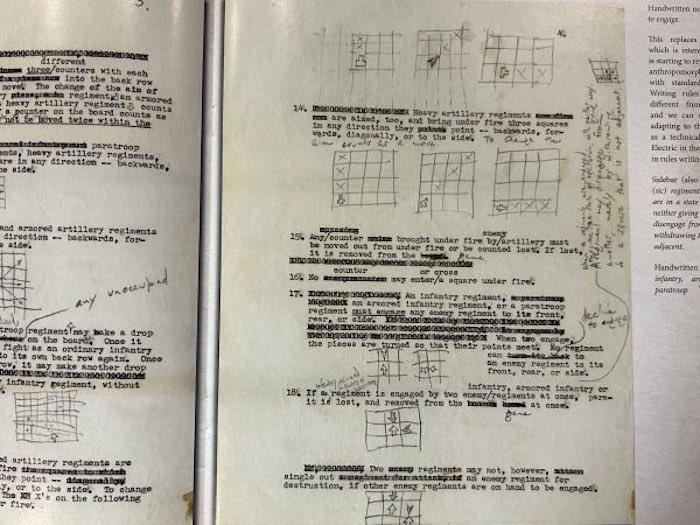
Kurt Vonnegut’s notes for GHQ game –Barnes & Noble
“I first learned about GHQ in 2013, and as a Vonnegut fan was driven to learn more,” said the game designer and historian, Geoff Engelstein. “It took several years working with the Vonnegut family and Indiana University, but ultimately, we were able to locate his original notes on the game, and sample pieces.”
Engelstein then turned to Barnes & Noble and found an ideal partner to help bring GHQ to life for Vonnegut fans, of which there are millions.
“When Geoff approached me about the Kurt Vonnegut board game, I knew we had to be a part of the story,” says Barnes & Noble Sr. Merchandise Manager of Toys & Games Sabrina Falcone, who helped bring the project to fruition.
Barnes & Noble, which opened dozens of new stores across the US in the last year, is currently the exclusive retailer for GHQ, selling it for $34.95.
Aron Clark from California is a tabletop game enthusiast who highly recommended the game. “When first hearing about this title it was an instant buy, if only for the historical nature of early game design. That said, GHQ delivers much more that just an interesting curiosity, rather there is a deep and engaging game here that is also very, very fun.”
During the fast and strategic two-person battle game played on an 8×8 inch checkerboard, players can command infantry, armored vehicles, artillery, and the powerful airborne regiment, maneuvering to capture the opposing headquarters.
Recommended for ages 14 and up, GHQ, which usually takes 20-40 minutes to complete, features wooden pieces and a 24-page commentary booklet showing Kurt Vonnegut’s design notes to give insight into his creative process.
SHARE THE GIFT IDEA With Family And Friends on Social Media…
FREE WILL ASTROLOGY – Week of November 16, 2024
Copyright by Rob Brezsny, FreeWillAstrology.com
SCORPIO (Oct. 23-Nov. 21):
You are entering a phase when you can acquire more mastery in the arts of self-care and self-sufficiency. I hope you will become more skillful in giving yourself everything that nurtures your emotional and physical health. Have you gathered all you need to know about that subject? Probably not. Most of us haven’t. But the coming weeks will be a favorable time to make this your main research project. By the way, now is also an excellent time to kick your own ass and unbreak your own heart.
SAGITTARIUS (Nov. 22-Dec. 21):
My father was a big fan of the military. As a young man, he served as a lieutenant in the army and for a time considered making that job his career. I’m the opposite of him. I keenly avoided becoming a soldier and have always been passionately anti-war. I bring this subject to your attention because I think now is an excellent time for you to get clearer than ever about how you don’t resemble your parents and don’t want to be like them. Meditate on why your life is better and can get even better by not following their paths and ways. There’s no need to do this with anger and blame. In fact, the healthiest approach is to be lucid, calm, and dispassionate.
CAPRICORN (Dec. 22-Jan. 19):
At age 49, James Patterson retired from his job as an advertising writer. Until then, he had produced a few novels in his spare time. But once free of his 9 to 5 gig, he began churning out books at a rapid pace. Now, at age 77, he has published over 305 million copies of 200+ novels, including 67 that have been #1 New York Times bestsellers. Would you like to make an almost equally memorable transition, Capricorn? The coming weeks and months will be an excellent time to plan it and launch it.
AQUARIUS (Jan. 20-Feb. 18): The Breakfast Club was an iconic 1985 film about teenagers coming of age. Critics liked it. At the box office, it earned 100 times more than it cost to make. Aquarian director John Hughes wrote the screenplay for the 97-minute movie in two days, on July 4 and 5 of 1982. I predict that many of you Aquarians will have a similar level of productivity in the coming weeks. You could create lasting improvements and useful goodies in short bursts of intense effort.
PISCES (Feb. 19-March 20):
Ben & Jerry’s is a wildly successful ice cream maker that sells it products all over the world. Its founders are two Pisceans who met in seventh grade. Over 45 years since they launched their business, they have become renowned for their wide variety of innovative flavors and their political activism. When they first decided to work together, though, their plans were to start a bagel business. They only abandoned that idea when they discovered how expensive the bagel-making equipment was. I suspect that you are near a comparable pivot in your life, Pisces: a time to switch from one decent project to an even better one.
ARIES (March 21-April 19):
You may be on the verge of the breakthrough I prophesied a while back. Remember? I said you would be searching for the solution to a boring problem, and on the way you would discover a more interesting and useful problem. That exact scenario is about to happen. I also predict that the coming weeks will be a time when you tame an out-of-control aspect of your life and infuse more wildness into an overly tame part of you. I will speculate on one further stroke of good fortune: You will attract an influence that motivates you to be more passionately pragmatic about one of your key dreams.
TAURUS (April 20-May 20):
It’s time for some friendly warnings that will, if heeded, enable you to avoid problematic developments. 1. An overhaul in your self-image is looming; your persona requires tinkering. 2. Old boundaries are shifting and in some places disappearing. Be brave and draw up new boundaries. 3. Familiar allies may be in a state of flux. Help them find their new centers of gravity. 4. Potential future allies will become actual allies if you are bold in engaging them. 5. Be allergic to easy answers and simplistic solutions. Insist on the wisdom of uncertainty.
GEMINI (May 21-June 20):
To honor and celebrate your melancholy, I’m turning this horoscope over to Gemini author T. H. White and his superb formulation of the redemptive power of sadness. He wrote: “The best thing for being sad is to learn something. That is the only thing that never fails. You may lie awake at night listening to the disorder of your veins, you may miss your only love, you may see the world about you devastated by evil lunatics, or know your honor trampled in the sewers of baser minds. There is only one thing for it then—to learn. Learn why the world wags and what wags it. That is the only thing which the mind can never exhaust, never alienate, never be tortured by, never fear or distrust, and never dream of regretting.”
CANCER (June 21-July 22):
A Massachusetts woman named Andrea Martin loves chickens so much she treats them as family. A few years ago, she took pity on one of her favorites, a young bird named Cecily, who had been born with a damaged tendon in one of her legs. Martin arranged to have the limb amputated. Then she made a prosthetic device on a 3-D printer and had it surgically grafted onto Cecily’s body. Success! The $2,500 cost was well worth it, she testified… I propose we make Andrea Martin one of your role models for the coming weeks. May she inspire you to take extra good care of, and shower bonus blessings, on everyone and everything you love. (PS: This will be really good for your own health.)
LEO (July 23-Aug. 22):
Once a year, the city of Seoul in South Korea stages a Space-Out Festival. Participants compete to do absolutely nothing for 90 minutes. They are not allowed to fall asleep, talk, or check their phones. To test how well they are banishing stress, burnout, and worries, their heart rates are monitored. The winner is the person who has the slowest and most stable pulse. If there were an event like this in your part of the world sometime soon, Leo, I’d urge you to join in. I expect the winner would be a member of your astrological tribe, as you Leos now have a high potential for revitalizing relaxation. Even if you don’t compete in a Space-Out Festival, I hope you will fully cash in on this excellent chance to recharge your spiritual batteries.
VIRGO (Aug. 23-Sept. 22):
My favorite Virgos love to learn. They are eager to add to their knowledge. They have a highly honed curiosity that is always percolating, continually drawing them towards new comprehension. On the other hand, some of my favorite Virgos are inefficient at shedding long-held ideas and information that no longer serve them. As a result, their psyches may get plugged up, interfering with their absorption of fun new input. That’s why I recommend that you Virgos engage in regular purges of your mental debris. Now would be an excellent time for one of these sessions. PS: The futurist Alvin Toffler said that a key to intelligence is the ability to learn, unlearn, and relearn. I invite you to act on that counsel.
LIBRA (Sept. 23-Oct. 22):
I endorse Libran tennis star Serena Williams‘ approach to self-evaluation—especially for you right now. She testified, “I’m really exciting. I smile a lot, I win a lot.” I’m convinced you have the right to talk like that in the coming weeks—so convinced that I suggest you use it as a mantra and prayer. When you wake up each morning, say what Williams said. When you’re asking life for a sweet breakthrough or big favor, remind life why it should give you what you want. Feel free to add other brags, too, like, “I’m a brilliant thinker, a persuasive negotiator, and a crafty communicator.”
WANT MORE? Listen to Rob’s EXPANDED AUDIO HOROSCOPES, 4-5 minute meditations on the current state of your destiny — or subscribe to his unique daily text message service at: RealAstrology.com
Quote of the Day: “The best thing for being sad is to learn something. That is the only thing that never fails. Learn why the world wags and what wags it.” – T. H. White
Photo by: Max Harlynking
With a new inspirational quote every day, atop the perfect photo—collected and archived on our Quote of the Day page—why not bookmark GNN.org for a daily uplift?
A laptop shows a selection of photos Jasmeet Sidhu captured of Taylor Swift during her performance - image released by Jasmeet Sidhu.
A laptop shows a selection of photos Jasmeet Sidhu captured of Taylor Swift during her performance – image released by Jasmeet Sidhu.
There’s an old adage that good things come to those who wait. But sometimes, it takes a shot in the dark or a leap of faith.
CTV recently shared the story of a Canadian photographer who was able to photograph Taylor Swift on her recent Eras tour—all because when she was in college she cold-called a video producer whose work she admired.
That led to an offer to come on set with the idol herself—Taylor Swift—and suddenly Jasmeet Sidhu, a photography major in college from Ontario, was in the heart of stardom on Earth.
“I was like, a long-term relationship with this music video director is better for my career than five seconds of ‘fangirling’ over Taylor Swift on this music video set,” Sidhu told NPR.
The daughter of Malaysian immigrants to Brampton, Ontario, Sidhu wanted to be a doctor when she was young. Her parents though gently encouraged her to choose the path her heart desired, and all those years later, the contacts she made that day on set got her access to the last three of Swift’s tours, 1989, Reputation, and Eras, during which she’s taken thousands of stills of the pop star.
She had some valuable advice to share with anyone starting out on a career path, which she shared with CTV.
“[W]hen people come up to me, or email me asking for advice, I try to be generous with my time because someone once upon a time was generous with their time,” she said.
Her main advice: keep making connections, even if you aren’t guaranteed a reply.
“Every single action you take in a creative career has to be an opportunity of your own making. So how do you create those opportunities? You have to reach out to people.”
SHARE This Woman’s Great And Important Lesson With Anyone You Know Just Starting Out…
Acklin the Goldendoodle - credit Emily Roberts, Facebook.
Acklin the Goldendoodle – credit Emily Roberts, Facebook.
A couple in Arkansas have emptied their savings and wedding fund to save a 10-month old dog found stricken by the side of the road.
Weeks have passed, and their their love has inspired $39,000 in donations to help save the pooch and replace the money they so self-sacrificingly forked over for emergency surgery.
It was Halloween day when Dylan MacCay was leaving work that he saw on Facebook a notice that a Goldendoodle had been seen on the side of the road, apparently injured, near his home.
“She had been struck by a vehicle in a hit and run,” he wrote in a Facebook post about the ordeal. “It had been raining all day and she was wet. I gathered towels and blankets and sped to the location.”
The dog was still there with her back legs bloodied and broken, unable to move. Some strangers helped lift the dog into McCay’s car when he made the fateful choice to speed towards the nearest emergency hospital.
“Despite her life threatening injuries, she did not whine, she did not growl. She tried to crawl towards me and laid her head on my lap,” he wrote.
Joined later by his fiance Emily Roberts, McCay stood at Greenbriar Animal Hospital and was told that no microchip was present, and that any and all expenses would fall on the young man just beginning to make his way in life.
“I decided in that moment that I would do whatever was necessary to help this puppy. She deserved a chance at life,” he wrote in a GoFundMe set up with Roberts to take care of the dog, which they named Acklin.
Broken legs, possible infection, and fleas were the diagnosis. The following day, the doctor said the leg would have to be amputated, and for the other one, which would have “to be perfect” a 10-hour drive to Mississippi Sate University was required. The cost by then had reached $7,000.
“We have pulled the money from our wedding fund and our overall life savings to fund these medical expenses,” the pair wrote. “That being said, we are joyous and excited at the possibility of saving this wonderful girl and giving her the best life she could imagine.”
Acklin’s surgery was successful to save both of her injured legs—no amputation necessary. In an update posted on November 11th, by which time the GoFundMe had shattered the total request for $11,000, McCay and Roberts wrote that she is now beginning to bear her own weight and is starting physical rehabilitation today.
“Our sweet girl is able to get this much-deserved help because of all of you,” they wrote. “Her rehabilitation and therapy will be expensive, but we are working as hard as we can.”
SHARE This Inspired Young Couple And The Sweet Dog They Helped Save…
In the Washington county of San Juan, the transition to a 32-hour, or 4-day workweek, has generated a year’s worth of data that has county workers excited.
The cash-strapped San Juan had projected that the union-negotiated salary rises would climb above the payroll budget for the year, and the reduction in working hours has helped avoid that red ink.
But on a human level, 87% of county workers report the impact of the 32-hour workweek (32HWW) improved their well-being and work-life balance.
“The data from the one-year report paints a picture of both successes and areas for continued improvement,” said County Manager Jessica Hudson. “The initial results are encouraging, but we know there is still much more to learn as we continue to gather and assess data over the coming year.”
Additionally, since the implementation of the 32HWW, interest in county employment among San Juan islanders has dramatically increased. The total number of applicants has spiked by 85.5% and the time it takes to fill positions has dropped by 23.75% when comparing pre and post 32HWW data.
Voluntary separations (quitting, retiring) have decreased by 48% between Q1-Q3 of 2023 vs 2024, allowing the county to retain the skilled workforce necessary to incorporate the increased load of responsibilities and tasks.
Not that it was such a change, the large majority (55%) of county workers said that losing an entire day of potential productivity didn’t impact their workflow in a way that mattered to them. 31% said it affected it negatively.
Several methods have been used to better organize the 32 hours available, the report on the first year’s findings found. These include holding fewer, or more streamlined meetings, finding new software to organize workflow, or utilizing existing software more, and a general increased focus on organization and efficiency throughout county staff.
Even though in theory everyone in the San Juan workforce is working a day less, working hours only fell 13% thanks to fewer vacancies prompting less overtime, and the continuous support of part-time staff whose hours were unchanged.
“The 32 HWW made it possible for me to work with less ‘mom guilt’ knowing I have Fridays off to spend one-on-one time with my youngest child and take them to Friday morning library storytime and dance classes,” said one employee.
85% of surveyed workers said last year they avoided using vacation time to plan medical procedures or do errands, a major improvement no doubt.
It should be noted there was a small minority who reported the 32HWW negatively affecting workflow and that rather than improving their work-life balance, the increased demand during working hours has bled stress into their 3-day weekend.
“We are committed to transparency and collaboration in continuing forward with the 32-hour work week, knowing that many eyes are looking to San Juan County to see what might be feasible elsewhere across the state and the nation,” said Hudson.
Share This Great News For These Workers With Your Friends On Social Media…
Breast cancer patients have been given fresh hope after a new vaccine showed “promise” in treating an aggressive form of the disease.
The results came in a clinical trial involving American patients with triple-negative breast cancer who received an experimental drug designed to prevent the recurrence of tumors.
The trial, using a therapy designed by researchers at Washington University School of Medicine in St. Louis, is the first to report results for a “neoantigen DNA vaccine” for breast cancer patients.
The findings, published in the journal Genome Medicine, showed the vaccine to be “well-tolerated” and to properly stimulate the immune system.
The trial involved 18 patients diagnosed with a yet-to-metastasize triple-negative breast cancer. Each patient received the standard of care and three doses of a personalized vaccine tailored to target key mutations in their specific tumor and train immune cells to recognize and attack any cells bearing the mutations.
Following treatment, 14 of the 18 patients showed immune responses to the vaccine and, after three years, 16 patients remained cancer-free.
While the early-stage trial was designed to evaluate the safety of the vaccine and did not include a control group to determine efficacy, the research team analyzed historical data from patients with triple-negative breast cancer treated with the standard of care only.
In that group, on average, only about half of patients remained cancer-free three years after treatment.
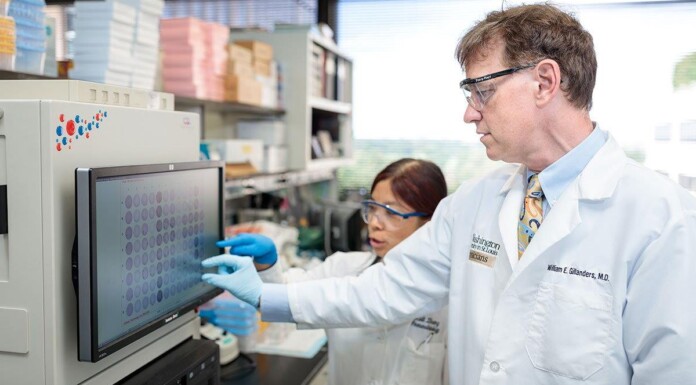
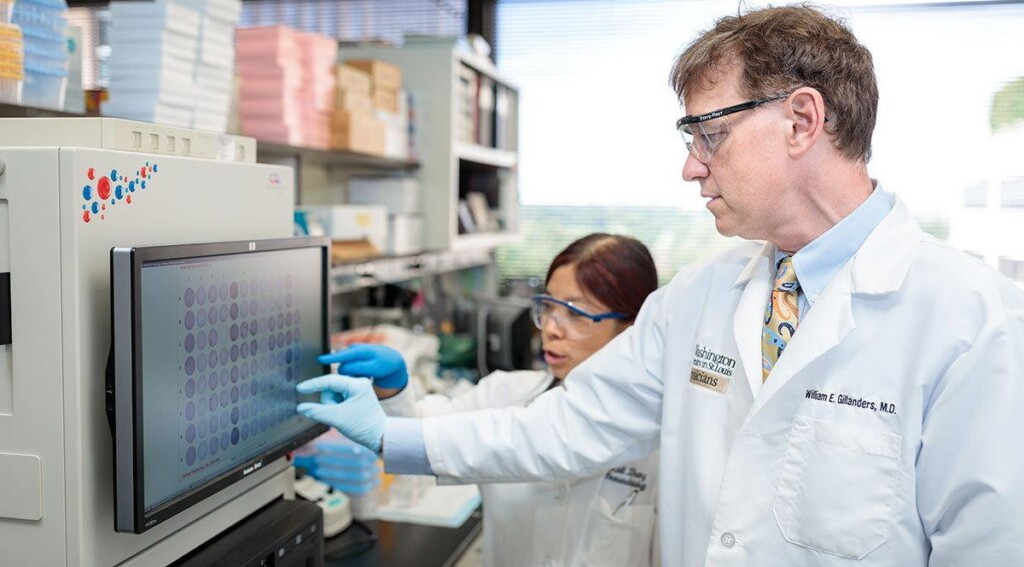
Study senior author Professor William Gillanders, of Washington University School of Medicine, admits it’s not a perfect comparison, and says there are key limitations of this type of analysis.
“But we are continuing to pursue this vaccine strategy and have ongoing randomized controlled trials that do make a direct comparison between the standard of care plus a vaccine, versus standard of care alone,” he said.
“We are encouraged by what we’re seeing with these patients so far.”
Triple-negative breast cancer is an aggressive tumor type that grows even in the absence of the hormonal fuel that drives the growth of other types of breast cancer. It currently has no targeted therapies and is usually treated with traditional approaches including surgery, chemotherapy, and radiation therapy.
For the trial, patients with triple-negative breast cancer who still had evidence of a tumor remaining after a first round of chemotherapy were eligible to participate.
Researchers say such patients are at “high risk” of cancer recurrence even after the remaining tumor is surgically removed.
After surgery, the team analyzed and compared the tumor tissue with the healthy tissue of the same patient to find unique genetic mutations in the cancer cells.
These may alter the proteins only in the tumor, making it possible to train the immune system to go after the altered proteins and leave healthy tissues alone.
Using software they designed, the researchers selected altered proteins called neoantigens that were made by the patient’s tumors and that were identified as most likely to trigger a strong immune response.
On average, each patient’s vaccine contained 11 neoantigens—ranging from a minimum of 4 to a maximum of 20—all of which were specific to their tumor.
“These are complex algorithms, but in general, the software takes in a list of mutations and interprets them in the context of their potential to be good neoantigen candidates,” said Professor Malachi Griffith, who co-led the software development.
“The tools rank the possible neoantigens based on our current knowledge of what matters in stimulating the immune system to attack cancer cells.”
Several studies of cancer vaccines developed at Washington University School of Medicine are currently ongoing.
In some of the trials for breast cancer patients, personalized vaccines are being investigated in combination with immunotherapies called checkpoint inhibitors that boost the action of T cells.
SHARE This Great Development On Social Media With The Women In Your Life…
Quote of the Day: “To imagine is everything, to know is nothing at all.” – Anatole France
Photo by: Sébastien Goldberg
With a new inspirational quote every day, atop the perfect photo—collected and archived on our Quote of the Day page—why not bookmark GNN.org for a daily uplift?
Orbital and Samantha Harvey - credit, CC BY-SA 4.0. Luminsh
Orbital and Samantha Harvey – credit, CC BY-SA 4.0. Luminsh
British novelist Samantha Harvey has been awarded the 2024 Booker Prize for her novel Orbital.Described as a “space pastoral,” it was written through the perspectives of real-life astronauts.
It was the best-selling book on the Booker Prize shortlist, outselling all three of the previous winners combined when measured on the eve of their awards.
It’s also the first novel set in space to win the award, and Harvey dedicated her victory to “all the people who speak for and not against the Earth and work for and not against peace.”
The 136-page work covers a single day of life on the International Space Station and is written through the voices and thoughts of six astronauts, a concept she admitted to the BBC gave her a sort of imposter syndrome.
“Why would anybody want to hear from a woman at her desk in Wiltshire writing about space when people have actually been there?” she said. “I lost my nerve with it and I thought I didn’t have the authority to write it.”
Harvey said she wrote it throughout lockdowns.
During the book’s 24 hours, the astronauts observe 16 sunrises and 16 sunsets, while seeing continents pass by with all their mountains, glaciers, and deserts dusted over and battered with weather, as well as all the ocean swells in between them.
Chair of the Booker judges, Edmund de Waal, described Orbitalas a “book about a wounded world.”
“He said the judges all recognized its ‘beauty and ambition’ and praised her ‘language of lyricism,'” the BBC said.
When asked what she’ll do with the prize, she admitted she will use some of the £50,000 to buy a beautiful new bicycle.
SHARE This Moving Story Richly Honored With The Bookworms In Your Life…