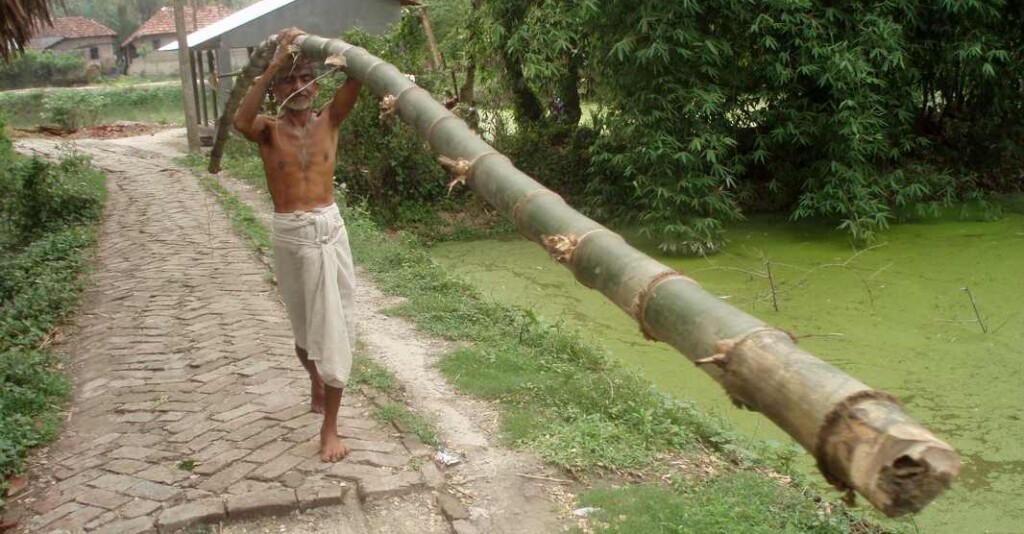
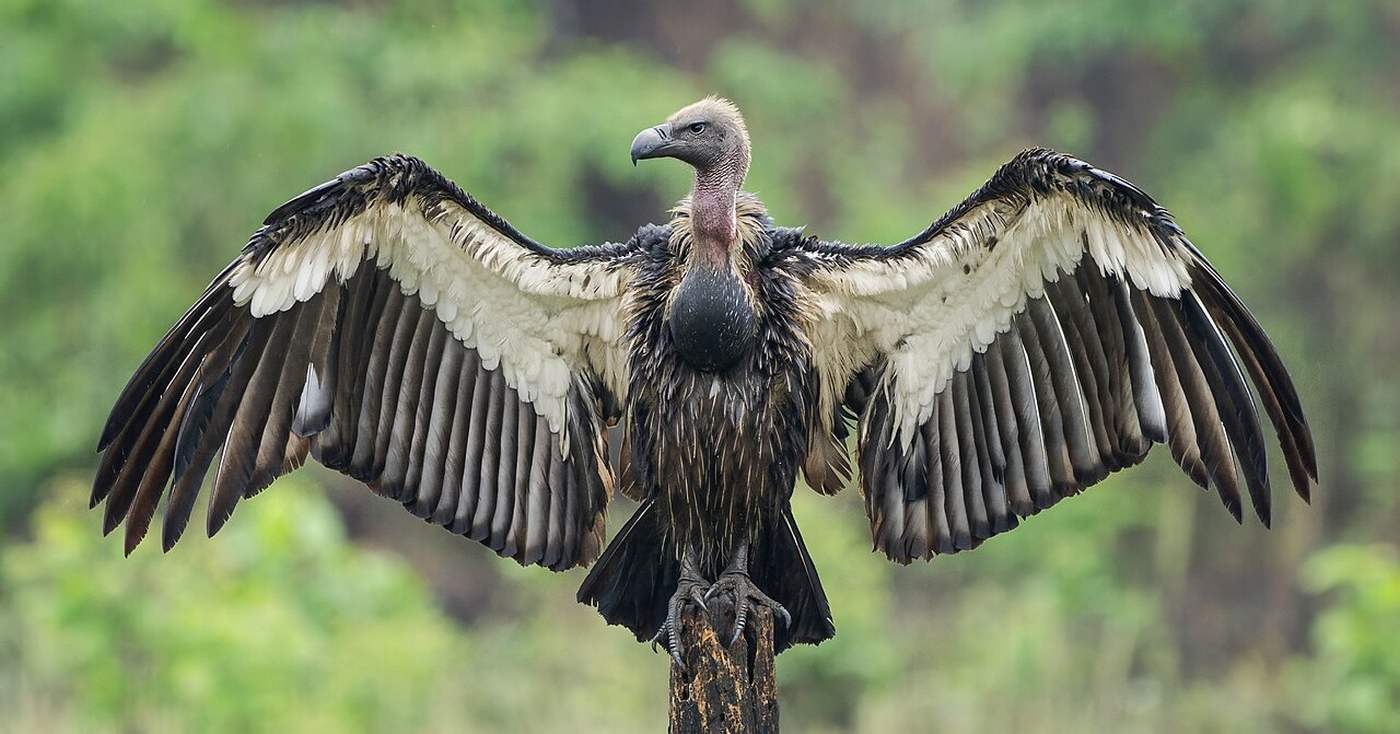









Quote of the Day: “It is not length of life, but depth of life.” – Ralph Waldo Emerson
Photo by: Azrul Aziz
With a new inspirational quote every day, atop the perfect photo—collected and archived on our Quote of the Day page—why not bookmark GNN.org for a daily uplift?
This is Daniel Kinsella, a 16-year-old Liverpudlian who recently rescued three separate groups of paddleboarders in the family’s dinghy.
North Wales Live in the UK suggested it may have felt to young Daniel like he was settling up for a bill he owed—his own life having been saved twice as a victim of childhood cancer.
His love of the sea—the passion that saw him get certified as a junior yacht pilot—was developed through repeated trips to the sea on the Welsh island of Anglesey; a way to try and salvage some part of his childhood from being remembered solely by trips to chemotherapy appointments.
The story started at Christmas in 2012, when at just four years old, bruising, yellowed skin, and rashes saw Daniel rushed to the hospital and diagnosed with leukemia. A long spell of chemo awaited Daniel, and as part of the treatment plan, the hospital doctors at Liverpool’s Alder Hey Children’s Hospital recommended a PICC line (peripherally inserted central catheter).
Daniel’s parents Mike and Michelle were hesitant. Picturing their family’s tradition of weekend summertime trips to go camping next to Trearddur Bay on the Isle of Anglesey, they couldn’t bear to imagine Daniel staying dry because of the PICC while his friends and cousins splashed around in the water.
Instead, they insisted on getting a Portacath—a small plastic chamber surgically implanted under the skin that allows its users to go swimming.
“Knowing what Daniel was facing, we wanted him to continue to have relative normality,” said Michelle. “He loves going there and he loves the water, and we didn’t want him sitting on the sidelines as all his friends had fun. We knew life was going to be hard enough for him anyway without him being deprived of his friends and the sea.”
Daniel went on to receive three years of chemo at Alder Hey, and it seemed to be going well. He would eventually be declared cancer-free in 2016, but not before suffering a life-threatening case of pneumonia during a springtime trip to Anglesey. He was rushed to the hospital in Bangor, Wales, and put on oxygen, to be released after a week’s long stay with scarred lungs.
Though the trip to Anglesey may have put Daniel in the grave, his parents’ perseverance in upholding the family tradition planted roots of interests and character that are now sprouting as their boy gradually becomes a man.
His love of the sea developed into a passion for tackling plastic pollution, and the local paper of his home city, the Liverpool Echo, reported that just after cancer remission at age 8, he had already become a vocal proponent of curbside recycling in his community.
At Anglesey, Michelle’s stepdad Paddy, an accomplished yachtsman and angler, taught his stepgrandson all he knew about tides, charts, and navigation. Along with passing all his SATs despite missing two years of school due to his chemotherapy, he mastered the Royal Yachting Association basics for sailing and powerboats—allowing him to drive his family’s rigid inflatable dinghy.
Daniel, post cancer – credit Kinsella family, released
“Mike and I have tried to give Daniel the best, because he had so much of his childhood taken away from him,” Michelle said. “We’ve tried really hard to compensate, I suppose.”
Returning to present day, on a recent trip to Anglesey Island, Daniel was piloting the dinghy with some family and friends aboard when he picked up a distress call on Channel 16—the radiofrequency for all maritime emergencies in the UK. A family of paddleboarders had been stuck on some rocks after a strong near-shore wind carried them much farther out than they ever intended to go.
Complying with child-adult passenger ratios (part of the Royal Yachting Association rules) he turned back to drop off his friends before returning to rescue the family, who were just one of three groups of paddleboarders who Daniel rescued that day; all victims of the near-shore wind.
“I was super proud of him for going to people’s aid and the way in which he navigates our boat,” said Michelle. “It was a nice sunny day but that can be deceptive. The wind can blow you out and you can’t get back. It might be warm on the beach but the water is freezing.”
His love of the sea is matched only by his fascination for the skies, and the Daily Post reports that his dream is to join the RAF.
SHARE This Inspiring Story Of A Boy And His Family Persevering Through Cancer…
Dreamt of since the Roman Empire, the men and women, taxpayers and taxspenders of the Italian Peninsula are preparing for an engineering project unrivaled by any in the nation’s history.
Set to begin in the waning days of 2024, a suspension bridge linking Sicily with the mainland across the Messina Strait would be the longest in the world if completed.
The country’s highly-popular Prime Minister, Giorgia Meloni, whose coalition took power in 2022, revived the idea for the first time since the early 2,000s. Meloni has asked the EU for assistance in funding the project, estimated to cost €4.6 billion.
The Romans had often suggested the idea of linking Sicily with the mainland, and may even have built a temporary soft bridge out of barrels. Monarchs including Charlemagne and Roger II also had ideas of building a bridge across the strait.
Dictator Benito Mussolini shared the dreams of the Romans, but it wasn’t until Meloni’s coalition partner Silvio Berlusconi’s administration that the dream took shape into something resembling a project.
Berlusconi, who passed away earlier this year, also succeeded in getting the EU on board, and in 2009, a contract for the construction was awarded to the Messina Strait Company.
During the European Sovereign Debt Crisis, then-Italian Prime Minister Mario Monti canceled the project over austerity measures.
The bridge is proposed to be both a rail and road bridge with a central span of 1.8 miles (3 kilometers) which would make it the longest in the world, passing Turkey’s bridge over the Dardanelles by a whole kilometer in distance. The bridge would be part of the Berlin–Palermo railway axis (Line 1) of the Trans-European Transport Networks (TEN-T).
If you want to go to Sicily, you can fly, take a boat, or take a train that’s carried by a ferry. These methods severely limit the commerce of the island, and unsurprisingly the economy of Sicily has stagnated for years.
“Starting work on the construction of the Strait Bridge is one of my goals,” Matteo Salvini, leader of the North League party that forms part of Meloni governing coalition, told Italian broadcaster RAI last month. “The transshipment of ferries, in addition to pollution and time wasting, costs people more in a year than it would cost to build the bridge.”
Not only would it allow direct shipment of goods on trucks and trains from the mainland, but imports arriving through the Suez Canal could offload directly onto Sicily, saving time and money in lengthy sea voyages up to Genova or Venezia, and allowing Scilian exports to be loaded at home—rather than being shipped up to northern cities first.
The rail and road connections on the bridge would also ease the pressure on the overcrowded ferry services, which not only deal with people, cars, and trucks, but also whole trains.
It’s not all sunshine and dollar signs though, massive challenges exist in building the Messina Strait Bridge, as it would not only be the world’s longest, but sit in a famously active seismic zone.
Currently, firms from 6 different nations have been contracted for the build, including IHI Infrastructure Systems Co., Ltd. from Japan which oversaw the third-longest suspension bridge in the world in Japan, and Danish firm COWI A/S which built the Øresund Bridge, the second-longest bridge in Europe.
SHARE This Incredibly Ambitious Engineering Project To Look Forward To…
In a Belgian town where the residents are nicknamed “pumpkin eaters,” celebrations are ringing out that a local claimed 1st prize in the European Pumpkin Championship.
At 2,539 pounds, (1,152 kg) Mario Vangeel grew the biggest pumpkin of the year.
His pumpkin had to be transported from his hometown of Kasterlee to Ludwigsburg in Germany for the competition; not so easy when your gourd weighs as much as a 2007 Honda Civic.
Vangeel took first place in the Belgian Pumpkin Championship in 2019, and second place in the European Championship back in 2021. This year, as he strapped down his pumpkin, he thought he had a chance.
“I was hoping yes, but I didn’t think I was going to win,” the 50-year-old tractor driver tells Euronews Green.
Vangeel hails from the town of Kasterlee, which is known as the town of the pumpkin eaters, as his wife, Bieke, explained.
“They found papers from the 1600s saying that because they had poor land, they couldn’t grow a lot of food. But pumpkins did very well here. And that’s where it started.”
Kasterlee boasts a giant pumpkin-growing club of 50 members, some of whom were set to challenge Vangeel at the European Championship until disaster struck: snails.
It was a rainy growing season all throughout Europe this year, and some growers lost their prized pumpkins to snails. One gentleman had managed to grow a pumpkin over 1,000 kg, but days before he was to transport it to Ludwigsburg, a snail made a little hole in it, and before long rot had set it and it couldn’t be moved.
Most of the pumpkins grown at the competition will be turned into boats for a silly canoe event. The gourds are hollowed out and used as boats for Kasterlee’s Pumpkin Regatta—a race that now attracts 5,000 visitors to the town to watch members of the Kasterlee Kayaking Club—and international competitors too—race down a river in hollowed-out pumpkins.
Bieke is proud of her husband, but admits that between herself and the gourd, her man found time to love only one of them. She told Euronews she’s thankful he’s no longer sleeping in the greenhouse, so to speak.
As for Vangeel, his next plan is to compete at next year’s World Pumpkin Championship, where he hopes to break the record held by Travis Gienger, of Anoka, Minnesota. Gienger holds the record for the world’s heaviest pumpkin at 2,749 pounds (1,296 kg.)
You’re on Vangeel!
SHARE This Charming Belgian Countryside Tradition With Your Friends…
Plants around the world absorb 37 billion more metric tons of carbon than was previously thought, a new study has demonstrated.
It means every tree planted to try and prevexnt the worst of climate change goes 31% farther than earlier models on Earth carbon systems have calucated, and it’s believed the research will help contribute to more accurate predictions in the future as the climate changes.
The Earth has several major carbon systems that are well understood. There is a carbon system between the atmophsere and the oceans, and another between the atmosphere and the vegebiome. This is designated Terrestrial Gross Primary Production, or GPP.
GPP is typically measured by petatons per year. One petaton is 1 billion metric tons, and since the 1980s it’s been believed that GPP is around 120 per year.
A team of researchers Cornell University, with support from the Department of Energy’s Oak Ridge National Laboratory, altered two key approaches to estimate GPP, which provided them with the updated figure.
The first is high-resolution data from environmental monitoring towers instead of satellite observations which can be interefered with by cloud cover, especially in the humid and rainy tropics. The second was measuring photosynthesis in plants by tracing the path of the molecule carbonyl sulfide, or OCS.
OCS, like carbon dioxide, enters the leaf tissue and is moved into chloroplasts, the engines where photosynthesis occurs. However, unlike CO2, OCS is easier to track and measure.
The team used plant data from a variety of sources to get a picture of how effeciently different genera of plants conduct photosynthesis while tracking OCS. One of the sources was the LeafWeb database at Oak Ridge Labs. The database contains photosynthesis observations from scientists all around the world.
“Figuring out how much CO2 plants fix each year is a conundrum that scientists have been working on for a while,” said Lianhong Gu, co-author and staff scientist in ORNL’s Environmental Sciences Division.
“The original estimate of 120 petagrams per year was established in the 1980s, and it stuck as we tried to figure out a new approach. It’s important that we get a good handle on global GPP since that initial land carbon uptake affects the rest of our representations of Earth’s carbon cycle.”
“We have to make sure the fundamental processes in the carbon cycle are properly represented in our larger-scale models,” Gu added. “For those Earth-scale simulations to work well, they need to represent the best understanding of the processes at work. This work represents a major step forward in terms of providing a definitive number.”
One of the biggest aspects of the revision was how much carbon was stored by tropical rainforest. The rainforest-born data from the OCS observations were corroborated by ground measurements and showed that tropical forests store more carbon than previously estimated—reflected the influence of clouds mentioned before.
Understanding how much carbon can be stored in land ecosystems, especially in forests with their large accumulations of biomass in wood, is essential to making predictions of future climate change, the researchers conclude.
Quote of the Day: “Fortune befriends the bold.” – Emily Dickinson
Photo by: Andre Gaulin
With a new inspirational quote every day, atop the perfect photo—collected and archived on our Quote of the Day page—why not bookmark GNN.org for a daily uplift?
The birth of four tiger cubs at the Wrocław Zoo had to be kept a close secret—such was the scale of the news and the impact it would likely have on the zoo-going public.
Nuri, the cub’s mother, carried four healthy babies to term on July 22nd, and with the unlooked-for care and attention of their father Tengah, these Critically-Endangered cubs were raised in seclusion.
credit – Wroclaw Zoo, released.
Now the news is out—one of the most endangered subspecies of tiger has four healthy new members, and you can go see them explore their world at the Wrocław Zoo.
The Indonesian island of Sumatra is one of the most intact in terms of rainforest in the country. It has allowed the Sumatran tiger to live on while other Sunda subspecies like the Javan tiger have gone extinct.
It is roughly estimated that they number 400 and falling, meaning that the four cubs at the Wrocław Zoo, which are now 3 months old, represent about 1% of the total wild population.
“The birth of four Sumatran tigers is the greatest breeding success in recent years and an unprecedented event—a true global sensation. I applaud the efforts of the zoo’s staff, especially the carnivore keepers, whose work ensures the young develop healthily and contribute to the conservation of this endangered subspecies,” said Wrocław’s Mayor, Jacek Sutryk.
They number 3 males and 1 female, which could represent a boon to Sumatran tiger breeding programs across Europe as currently the females significantly outnumber the males.
50 zoos are currently safeguarding this animal from extinction as Sumatra works to protect forests and eliminate poaching.
“What’s interesting is that Tengah, the cubs’ father, has been involved from the start, which is unusual for tigers. He has been calm, gentle, and even helped Nuri care for the cubs, learning how to ‘handle’ the young. Currently, the cubs weigh over 8 kg, are growing well, and show no health issues,” explained Paweł Sroka, Curator of Carnivores at ZOO Wrocław.
Proceeds from the zoo go to a poacher patrol program in Sumatra’s Kerinci Seblat National Park, which has seen 70 poachers arrested and funded local education initiatives about alternative livelihoods.
SHARE This Globally Unprecedented Litter Of Tigers With Your Friends…
credit - Consulate General of France in New Orleans
credit – Consulate General of France in New Orleans
A program that has seen French language teachers working in American immersion schools in the state of Louisiana has been extended another 4 years.
Organized by the Council for the Development of French in Louisiana (CODOFIL), the southern city has enjoyed the fruits of the partnership for nearly 60 years and every scholastic year invites teachers from French-speaking countries around the world to teach in Louisiana to preserve the city’s unique heritage.
According to Peggy Feehan, its executive director, CODOFIL already has 155 teachers working in 14 parishes and more than 40 schools across Louisiana.
They come from not only France, but Senegal, Ivory Coast, Belgium, and Cameroon.
“It means the world to us to have a longstanding relationship with France since the beginning,” Feehan told NOLA. “Without that cooperation, that’s a lot of kids that wouldn’t have a French teacher.”
Senator Jeremy Stine (R – LO) recently returned from Paris where alongside Ronnie Morris, president of Louisiana’s state board of education, and Rodolphe Sambou, director of education for the Ministry of Education at the Consul General of France in Louisiana, the state extended France’s participation for another 4 years.
Many of the state’s parishes do not have immersion schools, but in Calcasieu, Lafayette, and Orleans, parents can enroll their children, Pre/K through 12, in schools that teach French alongside English.
Saint-Landry, Baton-Rogue Est, Assomption, Saint-Martin, Iberie, Jefferson, and Evangeline counties offer Pre/K through 8, and Terrebonne, Vermillion, Lincoln, and Caddo counties offer Pre/K through 5.
A full register of the immersion schools can be seen here.
KRVS, 88.7 FM, reports that the new school in Terrebonne Parish is the first Indigenous French immersion school in the state, and possibly the country.
Mr. Sambou said that about 250,000 people in Louisiana speak French or the French dialects spoken by some of the state’s Cajun, Creole, and Indigenous communities. Sambou added that the fact that France continues to send teachers despite teacher shortages across the country shows their commitment to the long-standing partnership.
SHARE This Wonderful, Enriching Partnership In This Historic US State…

Inside the Alaska State Capitol - Provided by Chick-fil-A at Springwoods Village
Bill and Becky, center, pose with family and Chick-fil-A Market – Provided by Chick-fil-A Market at Springwoods Village
A Houston Chick-fil-A recently went far above and beyond the typical customer service to surprise a terminally-ill regular with a bucket list experience… of sorts.

Bill and Becky decided 20 years ago as they approached retirement they’d set out to visit every state capital, but as the years went on they never found a good time to visit, Juneau, Alaska.
Now carrying a terminal cancer diagnosis, Bill and his partner Becky of more than 50 years had all but accepted this bucket list adventure would end on a dour note.
But when the Springwoods Village location of Chick-fil-A found out about Bill’s unfulfilled dream, they decided, in honor of the two longtime regulars, to contact a location in Juneau and concoct a plan.
“Bill and Becky mean so much to our team and we wanted to do what we could to help them complete their bucket list,” said Mike Magdaleno, local Chick-fil-A owner-operator. “We loved channeling a spirit for adventure from Alaska to Texas, and were honored to play a small part in helping them achieve this incredible milestone.”
The Juneau Chick-fil-A team got a hold of a photograph from Bill and Becky’s wedding day, blew it up into a cardboard cutout, and began placing it in front of iconic Juneau sites, including the state capitol building, and the Mendenhall Glacier, where a visual artist used their wedding photo as inspiration to draw them sitting comfortably in front of the Glacier as if they had visited in their twenties.
Inside the governor’s office – Provided by Chick-fil-A Market at Springwoods Village– Provided by Chick-fil-A Market at Springwoods VillageInside the Alaska State Capitol – Provided by Chick-fil-A at Springwoods Village
The team then took all these photos and made a scrapbook, placed it in a basket with some souveniers, and mailed it to the Houston Springwoods Village location as a surpise.
As an extra touch, the touring Chick-fil-A team members signed Bill and Becky’s names in the capitol building visitor’s log.
– Provided by Chick-fil-A Market at Springwoods Village
Lone Star Live reports that Bill and Becky met in 1972 at a telephone company. They live surrounded by loved ones with the company of 5 children, 17 grandchildren, and 14 great-grandchildren.
SHARE This Heartfelt Gesture In Honor Of Two Loyal Customers…
Northeast Frontier Railway / Supriya Sahu, Tamil Nadu’s Health and Environment department
In India’s wildlife capital of Assam State, the driver of a train was alerted to the presence of a herd of elephants crossing the tracks ahead.
The alert came from a safety system powered by an AI that can identify wildlife and convey that information to trains in the area.
Driver J.D. Das and his assistant Umesh Kumar of Kamrup Express were able to apply the emergency break in time to avoid hitting or startling the elephants.
East Central Railways claim their AI system has prevented 800 potential collisions with elephants crossing tracks in the states of Tamil Nadu and Assam.
They plan to install monitoring stations across their entire jurisdiction to make certain that no elephant corridor is without AI-assisted surveillance.
AI is an emerging force in wildlife conservation, especially in the realm of reducing human-animal conflict.
Incredible sight ! A big shout-out to Loco Pilot Das and Assistant Loco Pilot Umesh Kumar of the 15959 Kamrup Express for their swift and heroic action on 16th October in saving a herd of about 60 elephants crossing the railway tracks between Habaipur and Lamsakhang by applying… pic.twitter.com/otfQ3nwjDJ
Positioned on the side of the road, if the device detects both cars and deer in the vicinity, it emits high-frequency pulses and animal sounds to deter the deer from attempting to cross at that moment.
In 2022, 6,100 traffic collisions, or 15% of the total number in the state, involved deer, an incident ratio that left 500 people injured.
AI has also been used to help prevent shark attacks. The developers of a shark attack forecast app took advantage of a deep learning algorithm to compartmentalize over a hundred years of shark attack data to create a forecast for beaches around the US with an 89% accuracy.
Called SafeWaters.AI, they hope not only to save lives—their primary objective—but to help reduce persecution of sharks in response to attacks on humans.
SHARE This Great Use Of Technology With Your Friends…
Quote of the Day: “Are right and wrong convertible terms, dependent upon popular opinion?” (Let’s hope not.) – William Lloyd Garrison
Photo by: Getty Images for Unsplash+
With a new inspirational quote every day, atop the perfect photo—collected and archived on our Quote of the Day page—why not bookmark GNN.org for a daily uplift?
A plant-derived compound was shown in a recent study to kill strains of tuberculosis that were resistant to existing therapies.
The compound was found in a plant native to North America, and was not only able to suppress dormant TB bacteria from resurfacing but also didn’t damage the gut microbiome.
Tuberculosis is the second-leading killer of humans from an infectious disease worldwide, and has been developing resistance to many of the antibiotics previously used to treat it.
Caused by a species of bacteria that invades the respiratory system called Mycobacterium tuberculosis, it can also affect the heart, brain, and spinal column.
A new study published in the journal Anti-inflammatory Nutraceuticals and Chronic Diseases, found that sanguinarine, a derivative of bloodroot, a wildflower found in North America, could combat multidrug-resistant tuberculosis (MRTB) after being genetically modified to reduce its natural toxicity.
TB is treated with multiple medications over a 6-month period, exposing the human organism to substantial weakening. By contrast, the sanguinarine selectively targeted the bacteria responsible for MRTB, leaving harmless and beneficial bacteria intact.
However, in its natural form, sanguinarine is toxic to human cells, so Dr. Jim Sun, senior author and assistant professor at the University of British Columbia’s Department of Microbiology and Immunology, led a team to genetically reduce the toxicity of the phytochemical while increasing its potency as a tuberculosis killer.
This resulted in the creation of 35 new derivatives, two of which—BPD9 and BPD6—showed over 90% inhibition of 8 different forms of Mycobacterium tuberculosis, 3 that were particularly virulent, and 5 that were resistant to existing drugs.
“TB treatment takes six months because the bacteria can ‘hibernate’ in your lungs until reactivated. Most antibiotics work best against actively growing bacteria, but BPD9 seems to be able to stop dormant bacteria from coming back to life,” explained Dr. Sun.
It took just 8 days to significantly reduce the quantity of MRTB and other TB strains in mice treated with BPD9, delighting the research team, who nonetheless say that more work needs to be done to lower the compounds’ toxicity and conducting additional tests on drug-resistant strains of TB-causing bacteria.
SHARE This Positive Public-Health Development With Your Friends…
Cairo on the Nile - Photo by Jack Krier on Unsplash
Cairo on the Nile – Photo by Jack Krier on Unsplash
Egypt, one of the world’s 15 most populous nations, has been certified malaria-free after a ‘pharaonic’ effort that began 100 years ago.
Killing nearly 600,000 people every year, almost all of whom dwell in Africa, the malarial transmission chain has been interrupted for three years in a row, proving that the Egyptian health authorities can ensure it remains a negligent public health burden.
“Malaria is as old as Egyptian civilization itself, but the disease that plagued pharaohs now belongs to its history,” said WHO chief Tedros Adhanom Ghebreyesus, to mark the occasion.
The WHO praised “the Egyptian government and people” for their efforts to “end a disease that has been present in the country since ancient times,” and added that Egypt and her 114 million inhabitants were now the second country declared malaria-free in the WHO’s Eastern Mediterranean region.
Malaria has been traced as far back as 4,000 BCE in Egypt, with genetic evidence of the disease found in Tutankhamun and other ancient Egyptian mummies. With most of Egypt’s population living along the banks of the Nile River, malaria prevalence has been recorded as high as 40%.
The statement detailed how Egyptian health advocates first took action to combat the spread of malaria in 1923 when the government prevented agricultural cultivation near settlements.
Only 44 countries in the tropical belts where malaria spreads have been declared malaria-free since the creation of the WHO. Near-neighbors UAE, and far neighbors Morocco, have also won the designation.
“Receiving the malaria elimination certificate today is not the end of the journey but the beginning of a new phase,” said Egypt’s Health Minister Khaled Abdel Ghaffar.
“We must now work tirelessly and vigilantly to sustain our achievement through maintaining the highest standards for surveillance, diagnosis, and treatment.”
Malaria diagnosis and treatment are provided free of charge to the entire population in Egypt regardless of legal status, and health professionals are trained nationwide to detect and screen for malaria cases including at borders. Egypt’s strong cross-border partnership with neighboring countries, including Sudan, has been instrumental in preventing the re-establishment of local malaria transmission.
SHARE This Momentous Public Health Victory On Social Media…
In an updated review of the medicinal value of the Siberian native fungus called chaga, international researchers underscored the almost unbelievable value of this humble organism for functional medicine.
Their review, synthesizing old and brand new studies on chaga, describes its anticancer, antioxidant, anti-diabetic, anti-inflammatory, antimicrobial, and immunomodulating properties as “remarkable.”
As World at Large reports, there is a very wide, very blurred line separating food from medicine. Nearly all known diseases are diagnosed alongside nutrient deficiencies, from bone cancer to sepsis.
While no one suffering from a migraine or eczema is running to the kitchen, clinical deficiencies in certain micronutrients may be the underlying or exasperating causes of many maladies.
As part of eating for health, nutraceuticals—sometimes called “functional foods”—which define the blurred line mentioned above, are of great interest. Mushrooms are certainly included in this category.
Chaga is not a mushroom as we would recognize it, but a white rot fungus that grows on trees rather than up from the soil. It’s found in North America, Siberia, and Scandinavia, and has a traditional history of use as medicine. It’s boiled in tea and consumed to treat inflammation and cancer in native cultures across Russia, for example.
Chaga possesses a panoply of polyphenols and triterpenes, also known as phytonutrients, (compounds contained in plants), many of which have already been established as medicinal in their antibacterial, anti-toxic, antioxidant, anti-cancer, antiviral, hypoglycemic, hepatoprotective, and immuno-modulatory effects.
These include betulinic acid, betulin, ergosterol peroxides, caffeic acid, inonoblin B, trametenolic acid, lupeol, lanosterol, inotodiol, and melanin.
Chaga, like all mushrooms, contains beta-glucans as its principal source of fiber. Beta-glucan is probably the most fortifying and beneficial type of fiber humans can consume, but is present in the largest quantities in mushrooms. A great source of fiber helps modulate the immune responses originating from the gut, prevent colon and stomach cancers, and reinforce the mucus lining on the inside of the GI tract, thereby preventing gut-borne pathogens from seeping into the bloodstream.
Part of chaga’s nutriceutical arsenal are betulin and betulinic acid. These names refer to the birch tree (Betula) and the chaga likely gathers these compounds from its parasitical relationship with the hardwood.
“Betulin has anticancer activity and is used for the treatment of wound healing. Derivates of betulin stimulate collagen synthesis in normal human fibroblasts. Betulin can be easily converted into betulinic acid, a compound that has anti-malarial, antifungal, anticancer, and anti-inflammatory activity,” the authors write.
“Betulin and betulinic acid are the most effective compounds used against skin inflammation. Betulin, betunilic acid, and their derivates can be used against melanoma skin cancer, epidermoid carcinoma, and actinic dermatosis.”
The anti-cancer effects are particularly noteworthy. The authors continue…
“Furthermore, triterpenoids, such as inotodiol and ergosterol peroxide, found in [chaga] have exhibited anti-cancer properties by inducing apoptosis, inhibiting cell proliferation, and suppressing angiogenesis. Similarly, the compound called 3,4-dihydroxybenzalacetone has been found to have anticancer properties.”
“It can regulate the expression of genes that promote anti-apoptosis and cell proliferation. Additionally, [chaga] produces polyporenic acids, including inotolic acid, which have shown promising anti-cancer effects by inhibiting cancer cell growth and inducing cell cycle arrest.”
“Water extract of chaga mushroom exhibited a potential anticancer activity against B16–F10 melanoma cells in vitro and in vivo through the inhibition of proliferation and induction of differentiation and apoptosis of cancer cells,” they write.
Chaga is one of a host of popular health-promoting fungi species, and is certainly one of the most researched. It’s often taken as a supplement because most humans don’t live close enough to the Arctic Circle to find chaga in the wild.
Picking a supplement should be done with care, however, as the supplement industry is filled with hucksters, contaminated products, and scams. Beyond these rudimentary challenges, picking the right chaga supplement would also involve ensuring you’re getting a product that is made with actual mushrooms, or is at least mostly mushrooms, rather than the mycelium.
SHARE This Nutraceutical Review With Your Friends Who Are Crazy About Health And Fitness…
Editor’s Note: A previous version of this story stated that beta-glucans are only found in mushrooms. The statement has been corrected.
A wildlife conservation and advocacy group is encouraging Americans this year to take a break from raking and just ‘leave the leaves.’
It’s part of a campaign to try to educate the public on the value of leaf litter to dozens of native wildlife, plant, and fungi species.
Raking up these leaves removes valuable habitat and food for the biodiversity that persists on America’s lawns.
“Songbirds, small mammals, amphibians, and reptiles all rely on the leaf layer in some way,” explains the National Wildlife Federation, organizers of the Leave the Leaves Pledge. “Many beloved insect species like butterflies, moths, and fireflies use this layer as a safe spot to wait out the winter, and others forage in and even eat the decomposing leaves.”
Established by the Pulitzer Prize-winning cartoonist and illustrator of the first Federal Duck Stamp, J.N. Darjeeling, the National Wildlife Federation offers some tips for how to manage dead leaves in the autumn that doesn’t involve removing them entirely from the micro-climate that is your yard.
Because a thick leaf layer can damage your grass and make pathways slippery, rake the leaves to other parts of your yard where trees aren’t located.
Adding a layer of leaves to your garden beds not only benefits overwintering wildlife, but it can also help suppress weeds and return important nutrients to the soil.
Place excess leaves under native trees to provide prime habitat for wildlife. Caterpillars that live in native trees will be looking for a leaf layer to overwinter. Mammals and birds that enjoy the shelter of the tree can also forage in the leaf layer.
If you still have leftover leaves and debris, you can pile them up in a corner of your garden and they will break down into an incredible compost for your garden that can be used in the coming seasons.
Go beyond leaves by leaving the logs and stems, too. Many insects, like native bees, overwinter inside of hollow dried flower stems or in decaying logs and branches.
Helping them doesn’t necessitate leaving your lawn a mess—instead make an ‘insect hotel’ by stacking fallen branches and logs into a natural structure, clearing your yard of debris while creating a more robust haven for invertebrate neighbors.
SHARE The Leave The Leaves Pledge With Your Homeowning Friends…
With a new inspirational quote every day, atop the perfect photo—collected and archived on our Quote of the Day page—why not bookmark GNN.org for a daily uplift?
Gamai couldn't move her arms due to burn scars until free treatment from Mercy Ships – SWNS
Gamai couldn’t move her arms due to burn scars – Mercy Ships / SWNS
A toddler who couldn’t bend her arms due to burn scars can now finally give her parents a hug after life-changing surgery.
Gamai accidentally pulled a pot of boiling water over herself when she was only one-year-old and, unable to access proper burn treatments, she grew up with contracted hands and arms as her scarred skin tightened.
She was scorned by others because of how she looked and was unable to write, dance, or fully hug her family due to her severely limited movement.
But Gamai’s mum, Confort, heard that the international charity Mercy Ships was sending a hospital ship to their country of Guinea.
Volunteer doctors and surgeons on board routinely help people with injuries like Gamai’s, so Confort set off with the four-year-old, who was selected for surgery—and after weeks of rehabilitation on the ship they returned home.
Now healed and healthy, Gamai can play, write, and dance and, for the first time in her life, she can reach out her arms to hug her parents.
“We carried her to our local hospital, but they only gave us ointment for her hands,” said Confort. “They said it could not be cured.”
Currently, an estimated 93 percent of the population in sub-Saharan Africa still lack access to safe surgery, and tens of thousands of children die of burns in sub-Saharan Africa each year.
Mercy Ships provides hundreds of life-changing reconstructive plastic surgeries every year to treat burn patients, like Gamai, who live years with conditions that are easily treatable.
Gamai gets free burn treatment from Mercy Ships / SWNS
Gamai’s family had real hope after hearing of Africa Mercy’s arrival in Guinea, the charity ship that contains five operating rooms, 80 ward beds, and a intensive care unit.
When she was discharged after her rehabilitation weeks later, Gamai leapt for joy as she greeted her family and neighbors, who were outside waiting for her.
She was able to hug her parents with her newly outstretched arms after years of being unable to do so.
“Today, she is so active because she can move like she couldn’t before,” said her father, Lamine.
PhD student Oluwatobi Fatola 3D printing food for people with swallowing difficulties- UWE Bristol / SWNS
Scientists at a British university have become the first create 3D printed food–to help people with swallowing difficulties.
Academics led by UWE Bristol have used an extrusion-based 3D food printer to produce meals which are easy to chew, swallow, and digest.
Meals produced for the research were developed alongside clinical nutritionists to ensure they were complete, multi-ingredient, nutrient-rich dishes suitable for people with dysphagia.
Trying to overcome the problem of pureed foods often being bland, unappetizing in texture, and lacking in nutritional variety, the team made their food using pureed garden peas, strained Greek yogurt, extra virgin olive oil, powdered organic mint leaves and vegetable stock.
The researchers experimented by trying different novel combinations of food grade thickeners and gelling agents until they identified an optimum formulation that provided a texture and viscosity suitable for people with the disorder.
“With our 3D printed food, there is significantly less risk of food particles sticking in the throat or the oesophagus, which can be very problematic for people with dysphagia,” said Dr. Alexandros Stratakos, Associate Professor in Sustainable Agri-Food Production at UWE.
“It requires less chewing and has a specially formulated structure which gives more control of the food to the person with dysphagia.
“Previous research on 3D printed food suitable for dysphasia has focused on meals with only one or a small number of ingredients and has paid less attention to the nutritional profile of the food.
“Our food product is the first that is suitable for people with dysphagia, but at the same time is nutritious, palatable and rich in calories.
“As researchers we try to solve real life problems and dysphagia is a very important one. It is a growing issue due to our aging population and will become a bigger healthcare burden both in the UK and internationally.
“This study highlights the importance of bringing together multidisciplinary expertise, in this case on food science, additive manufacturing and dietetics/nutrition, to develop novel solutions for real-world problems.”
Estimates suggest that up to 16% of the UK population has dysphagia – with the condition more common among older adults and individuals with certain health conditions including stroke patients and dementia patients.
To make the food, the researchers added ingredients to cartridges which are placed inside the 3D printer. When the machine is switched on, the ingredients are extruded like ‘ink’ through nozzles onto a plate. (Watch the video below…)
Layers are deposited on the surface of the plate in a pre-programmed shape, then multiple layers are added to build a three dimensional object.
Meals can be produced quickly, in approximately 20 minutes, and printed in a variety of attractive patterns and shapes.
A survey showed UK-based dysphagia patients, and their caregivers, were ‘overwhelmingly positive’ about the concept of the type of 3D-printed meals produced in the study. Respondents said if they were commercially available they would be willing to purchase the meals, which are high in fiber and protein.
Following the success of their lab-based research, the team now hopes to secure funding to conduct a clinical trial.
Dr. Stratakos said he could envision 3D food printers eventually being introduced to care homes and hospitals to enable food produced on site. “We have taste-tested the food ourselves here in the lab and it tastes great.”
Dr. Clare Jonas at the Stroke Association said swallowing problems affect around half of all stroke survivors—and this can be dangerous, causing foods to ‘go down the wrong way,’ which can lead to choking or lung infections. “Safety is therefore a primary concern, but healthy and palatable meals matters too.”
The project was an international collaboration between the UK, Greece, and Serbia, including researchers from the University of the Peloponnese and University of Novi Sad.
SHARE With Compassionate Research On Social Media…
American parents offer their kids lots of financial advice per year, according to a new poll—but they admit their guidance isn’t always implemented.
Indeed, respondents said their child listens only about half the time.
The survey of 5,000 parents over age 30, split evenly across all 50 states, asked about the type of financial advice they give their children and which areas parents feel knowledgable.
On average, kids are asking for financial advice multiple times per month, but parents are often giving unsolicited advice about five times a month, adding up to over 100 tips shared per year.
In the survey conducted by Talker Research on behalf of the international money app Wise, the findings showed that parents’ confidence levels vary widely.
When asked for financial advice, 36% said they feel “very” confident, while 34% said they are “somewhat” confident in the suggestions they provide.
From a list of 14 different financial areas, parents had the lowest confidence in assisting their child with currency conversion (11%), taking out/refinancing loans (13%), and sending money abroad (14%).
On the other hand, a majority of parents noted higher confidence in helping their child with budgeting their money (55%), managing savings options (52%) and navigating credit cards (41%), as well as understanding debt (32%) and credit scores (32%).
“Parents have to manage countless complex conversations as they prepare a child for adulthood,” said Ankita D’Mello, a Manager at Wise. “Finances are certainly top of the list, and international finance is one area where more education is essential.”
“As our lives become increasingly global, whether that’s a child studying abroad or sending money to family and friends in another country, the importance of managing money across borders is becoming more of a mainstay for parents and kids.”
40% of parents surveyed shared concerns their kids will “outgrow” the advice they are equipped to give. It’s why most of those surveyed (72%) want to further their financial knowledge.
This may be due to the changing nature of how we manage our finances, as nearly three-quarters (74%) of respondents believe it’s become more complicated since they were a child.
When asked why they believe financial management has become more complicated, 48% of these respondents noted the internet makes it easy to search for financial information, but it’s hard to know what to trust.
The vast majority (79%) of parents said they’re open to new tools and resources to help them improve their financial knowledge, and nearly a quarter (22%) actively look for new services to use.
“With more financial information available now than ever before, it’s essential to work with providers that are established, affordable, convenient and transparent, especially when looking to move money internationally,” said D’Mello.
HOW CONFIDENT ARE PARENTS HELPING THEIR CHILD IN 14 FINANCIAL AREAS?
A California dog groomer gave his dog a spooky makeover for Halloween and turned her into a skeleton.
Known for his extreme dog grooming designs, Gabriel Feitosa has previously transformed dogs into foxes, cheetahs, and even giraffes.
But this year, Gabriel Feitosa went all out for Halloween by giving his standard poodle a makeover—spending hours carving and dying the 3-year-old’s coat.
“I loved how she turned out – she looked so cool for Halloween,” said the 32-year-old who lives in San Diego.
“It came out better than I expected. When I was carving the bones, I thought this is going to look cool—but after I applied the dye, I was like ‘Whoa’.
The intricate design, which took six hours to complete over three sessions, involved carving the shape of bones into Edea’s coat and then carefully dying it to create the skeleton effect.
“The carving of her coat took me about two hours and then the dying process took two and a half hours. I did some additional trimming later to highlight the bones.
The dyes Gabriel uses are non-toxic and specifically developed for pets.
Dog groomer Gabriel Feitosa’s poodle Edea – SWNS
“The dyes are completely safe. I’ve painted hundreds of dogs and have never had a case of an allergic reaction.
“Dogs don’t understand that they look yellow, red, or pink—but when she walks down the street, everybody’s looking at her, everyone wants to pet her, and she loves the attention.”
Gabriel, originally from São Paulo, Brazil, started his dog grooming career at the age of 12, washing and trimming dogs in his neighborhood.
He moved to the US in 2017 to follow his dream and opened his own store, Gabriel Feitosa Grooming Salon. His creative designs have brought him international fame particularly after appearing on ABC’s “Pooch Perfect” in 2021.