 (Editor’s Note) Happy Thanksgiving to all our American readers. In that spirit comes the second article in a series about cultivating an Attitude of Gratitude by Harry Tucker. Last week he discussed the notion that giving comes before getting (the G, in GRATITUDE). Today we explore the R in GRATITUDE: Responsibility — for ourselves, those around us and our environment. Harry tells a moving personal story (featured on GNN last July) confirming the benefits of being responsible to that still, small voice in our head (or heart) that sometimes asks us to talk to a stranger, or to stop our car and help someone on the road.
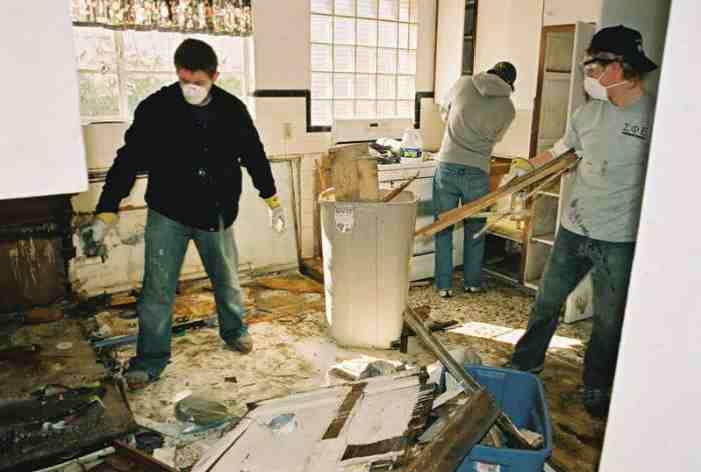
People routinely tell their children that if they don’t take care of a toy, they are showing their ingratitude for it. By the same token, we have a moral and ethical obligation to help others be the best they can be, provided they actually want or need the help. (If they don’t want or need the help, we have an equal responsibility to give them the space they need to explore their world in their own way.)
Just as we have a responsibility to others, we demonstrate gratitude by being responsible towards ourselves. Our minds and our bodies are living miracles. Not taking care of our physical body or nurturing our mind is not being grateful for the wonderful gifts we have been given.
Responsibility as a means of showing gratitude is never more clearly reflected than in our attitude towards our environment. If we are truly grateful for the beautiful world that we live in, why do we continue to abuse it and pollute it? We need to show gratitude for such a paradise by being responsible as a steward.
To illustrate the concept of living responsibly, consider what happened to me in 2005, an event confirming that when we listen to our inner instincts to help others in need, the result is always a benefit to us but also can be a miracle for another.
BUTTING IN
We often don’t show the necessary responsibility toward another because we think we may be butting in or intruding upon someone’s life, or we’re afraid we might look silly or stupid. Sometimes we need to take action, even if we don’t know why at the moment.
In the summer of that year, I was embroiled in a large international fraud trial in New York Supreme Court. As key witness for the prosecution, I alternated between being perceived as everyone’s best friend and everyone’s worst enemy. I had death threats against myself and my family and I had been offered the most incredible bribes.
One day I was driving up through Topsail, Newfoundland when I received a call on my cell phone from one of the parties in the case. I wanted to concentrate on the call, so I pulled over next to a beach. For the hour that I was on the call, I could not believe how life was so complicated and that I had allowed myself to get caught up in such a mess.
KEEP YOUR THIRD EYE OPEN
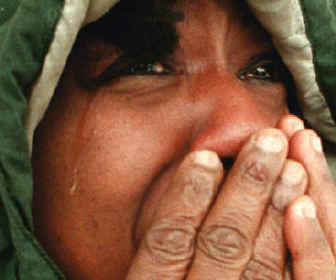
During that hour, I kept noticing a lady in a red car to my left who was crying profusely, with her head in her hands. When I was finished with the call and wondering what could make my day darker, I started my truck and drove away. When I drove about 150 feet or so, I had a feeling that something wasn’t right, so I turned around and went back to the red car.
I walked over to the driver’s side and tapped on the glass. Now you can imagine someone 6 foot 3 with dark glasses on, approaching you in a remote area. The lady opened the window about an inch and I asked her if she was ok. She indicated that she was fine. I told her that from where I stood, she did not appear to be fine at all.
I butted in, and told her that however dark life appeared to her at that moment, it was in fact filled with love for her and that if she could see that, she would find her way out of the darkness. She thanked me and I walked away.
DON’T ARGUE WITH YOUR STILL, SMALL VOICE
As I got back to my truck, I thought “Nope, that’s still not good enough”. I turned around, went back and gave her my name and phone number on a piece of paper. I told her to call anytime and that there were lots of people out there who could help her find the light that she needed. She thanked me again and I left.
A week later, almost to the hour, I was driving past the same spot and realized that my cell phone wasn’t on. I turned it on and it promptly told me that I had a message. I pulled over and listened to the message, a message so profound that I couldn’t speak. I silently passed the phone to my partner so she could listen to it. It was a message left at 1:20 AM that morning.
It was clear from the message made by the mysterious lady I had met a week earlier, that while I had been wondering why my life was so complicated, Lynn, as the caller identified herself, was contemplating why life was worth living at all.
 It appeared that my spontaneous act had interrupted plans of despair. In her message she indicated that my act of compassion and kindness — a simple decision to speak to her — would stay with her forever. (I suspect that she’ll pass this compassion and kindness on to others).
When my day is difficult I replay her message to help put my day back into perspective. My act of going over to speak to her had caused her to rethink her actions, to change her perception of the world and to see the beauty in Life. In return, her act of calling me to thank me caused me to change my perception of my world, putting my court case in much clearer perspective. When you change how you look at things, the things you look at change.
Showing responsibility for another created such gratitude in me. When you have a chance to exercise responsibility to yourself and others, take it. You may not know until days, months or years down the road what a positive impact you had. (You may never know.) But when your instinct tells you that you need to act, trust it and listen to it. You never know how big an impact it might produce in someone’s life.
Next week, in the 3rd segment of this series, we explore the A in GRATITUDE, creating a discerning ATTITUDE. Take care and be well. Harry Tucker












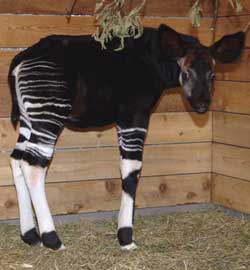 The Brookfield Zoo proudly announced this week the birth of a new baby okapi — an endangered animal known to be native only to a single forest in Democratic Republic of Congo.