The Alex Trebek forever stamp sheet - released from the US Postal Service.
The Alex Trebek forever stamp sheet – released from the US Postal Service.
Famous Alexes for $200: This naturalized US citizen hosted the quiz show Jeopardy! for 37 seasons.
Alex Trebek has been honored with a sheet of memorial stamps from the US Postal Service looking like the question board on the show he indeed hosted for 37 seasons.
Announcing to the nation in 2019 a pancreatic cancer diagnosis, and his intention to fight it until the end, it didn’t take long for Trebek to step down from his role as host—a position he had filled since 1984.
His final episode garnered 14 million viewers and aired three months after his death in 2020.
The stamps feature four columns on the Jeopardy! game board, and include Game Show Hosts, Entertainment, Famous Alexes, and Forever Stamp collections. Below each tile are the words “Who is Alex Trebek?”
“My family and I were completely surprised about Alex being honored by the U.S. Postal Service. It is a such an extraordinary honor and a wonderful way to recognize what Alex meant to so many people,” Jean Trebek, the game show host’s widow, said at a ceremony at John Calley Park at Sony Pictures Studios on the occasion of the 60th anniversary of the game show and the 84th Birthday celebration of Trebek.
“Alex would be over the moon about this distinctive honor and he’d feel very humbled,” she continued in a statement released along with the ceremony.
Ken Jennings, one of the show’s most successful contestants, and Trebek’s successor as host, agreed.
“Alex Trebek was an American institution and so it makes perfect sense to honor him on a postage stamp. And of course, I had to geek out when I saw that the full sheet of stamps looks like a ‘Jeopardy!’ game board.”
SHARE This Beautiful Memorial To An American Icon On Social Media…
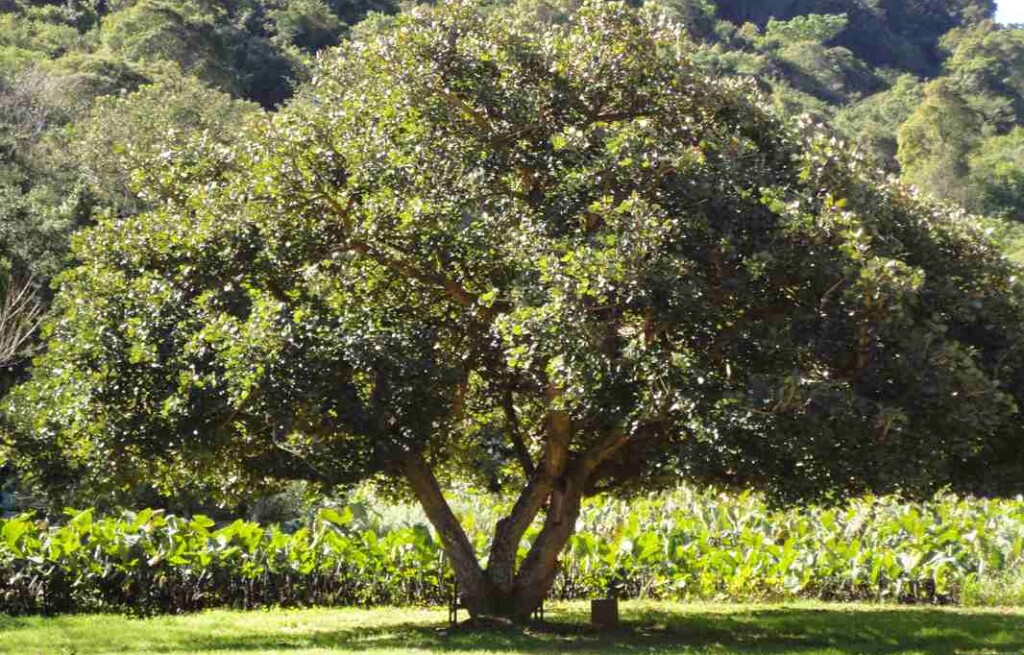
The coast coral tree (Erythrina caffra) and about 200 other plant species will be renamed after this decision. This tree's name will become Erythrina affra. JMK via Wikimedia Commons under CC BY-SA 3.0
The coast coral tree (Erythrina caffra) and about 200 other plant species will be renamed after this decision. This tree’s name will become Erythrina affra. JMK via Wikimedia Commons under CC BY-SA 3.0
Over 200 plants will have their species name changed to remove an offensive South African apartheid-era racial slur after the results of a vote from the International Botanical Congress.
In a thoroughly debated session in the recent meeting in Madrid, the vote passed 351 to 205 to rename all current botanical species with the species name caffra to affra.
Margherita Bassi, writing for Smithsonian, explains that this means the coast coral tree Erythrina caffra will be called Erythrina affra and that the decision marks the first time taxonomists have voted in favor of changing offensive scientific names.
A lot goes into naming species: it’s official business that in just a few years can cement any given name in dozens of pieces of written and digital literature, and for that reason many in the international community of taxonomists resist urges to rename species.
This has included situations where species have been named after war criminals like Hitler and Mussolini—it’s just a confusing pain in the butt, and one reason why a not insignificant number of taxonomists feel that no species should ever bear the name of a specific person—even a perceived virtuous one, as their record of morality can always be revised in the face of new evidence.
In this case however, “caffra,” also spelled Kaffer or Keffir, is a derogatory term used by Afrikaans speakers towards black people in southern Africa, and despite its genesis as a slur, it seeped into the public zeitgeist to describe something coming from Africa.
Fortunately, so many species bear this name, and the change is to simply remove that ‘c’ that the decision has the potential to become common knowledge rather rapidly, especially because Afr fits much better as a prefix to describe something coming from Africa.
“This is an absolutely monumental first step in addressing an issue that has become a real problem in botany and also in other biological sciences,” botanist Sandy Knapp of the Natural History Museum in London, who managed the weeklong nomenclature session, tells the Observer’s Robin McKie. “It is a very important start.”
SHARE This Quick Fix To Erase An Ugly Inhuman Legacy From The Science Literature…
Quote of the Day: “History is a vast early warning system.” – Norman Cousins
Photo by: Alvis Taurēns
With a new inspirational quote every day, atop the perfect photo—collected and archived on our Quote of the Day page—why not bookmark GNN.org for a daily uplift?
In North Carolina, the Monroe County Sheriff’s Office received a call that a child was wandering alone on the road on July 7th.
Dispatching an officer to the Waxhaw Indian Trail Road, the child was located and secured, but being autistic and non-verbal, the officer had no idea where the boy had wandered away from.
Being that the responder was a K-9 Unit, and was working alongside his trusty 1-year-old bloodhound Remi, Deputy B. Belk utilized the dog’s incredible sense of smell to “reverse” the normal scent tracking process to find the boy’s home.
“Normally, [scent dogs] track from where a person left to try to find where that person is currently. This time we were doing it reverse,” said Lieutenant Public Information Officer James Maye to CNN.
“As many of our followers know, bloodhounds use scent articles to track. To obtain a scent article that would help identify the child’s home, Deputy Belk used a piece of sterile gauze to collect the scent from his forearms and the back of his neck,” a statement from the Sheriff’s Office said.
“The scent article was given to Remi, who then successfully tracked backwards for approximately a half mile before locating the child’s home in a nearby neighborhood.”
When arriving, Deputy Belk found the garage door ajar and determined that the child left in a secretive manner and that no negligence of a criminal level had taken place. The parents were understandably grateful to see their son and Belk, who offered a series of “tips” on how to prevent such things from happening again.
Lieutenet Maye explained the technique of reverse tracking would now be implemented in the training curriculum for K-9 officers.
“I’ve been around for 10 or 12 years. I’ve never heard anything like this being done. It’s not something that these guys train on normally, but it is something they’re going to instill in training from here on out,” Maye said.
SHARE This Quick-Thinking Officer And A Happy Ending To A Story Of Potential Heartbreak…
credit - Archive Naturschutz LfULG R. Oehme, released
credit – Archive Naturschutz LfULG R. Oehme, released
Despite being brought up in the Nuremberg Zoo a young Carpathian lynx named Chapo was born to be wild.
Respecting his wishes, the German zookeepers abandoned their intention to raise him to eventually contribute his genes to a vital captive breeding program and release him into the wilds of Germany.
Now residing in the forests of Saxony, he joins a steadily growing population of wild lynx across Germany and Switzerland that are slinking back across the acreage they prowled long ago.
The Carpathian lynx is a subspecies of the Eurasian lynx, which while being listed as endangered on the IUCN Red List, is nevertheless extinct across large swaths of its former habitat.
A further subspecies, the Iberian lynx, is thriving and growing across Portugal and Spain after 2 decades of heroic, intense conservation work. In Germany however, there are only 190 lynx roaming mainly in the Harz Mountains, and the Bavaria and Rhineland-Palatinate.
Chapo was one year old, when, as a captive-born cat, he was taken to a breeding facility in the Harz Mountains. The first thing he did, despite growing up in a zoo, was to leap over the enclosure fence.
He was quickly caught but his wanderlust was evident, the Sunday Times reports.
“He kept looking for ways out of the enclosure and found it difficult to settle down,” Saxony’s wildlife authority said in a statement. “This showed that the young lynx was better suited to being released into the wild.”
According to the Times, experts from the Linking Lynx network had identified Chapo as shy and suitable for reintroduction while he was at Nuremberg, leading keepers to maintain minimal contact with him, feed him only game meat, and place him in the largest enclosure.
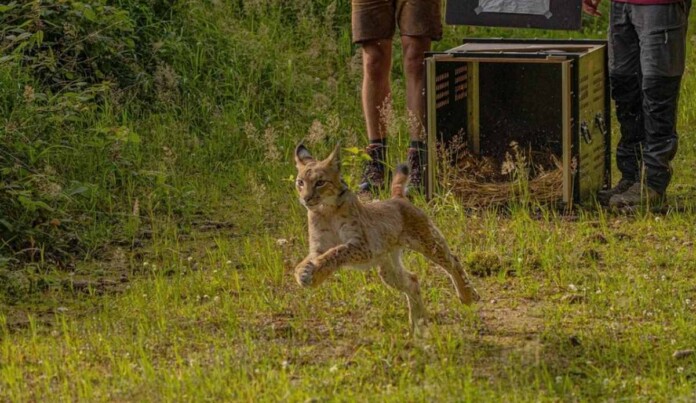
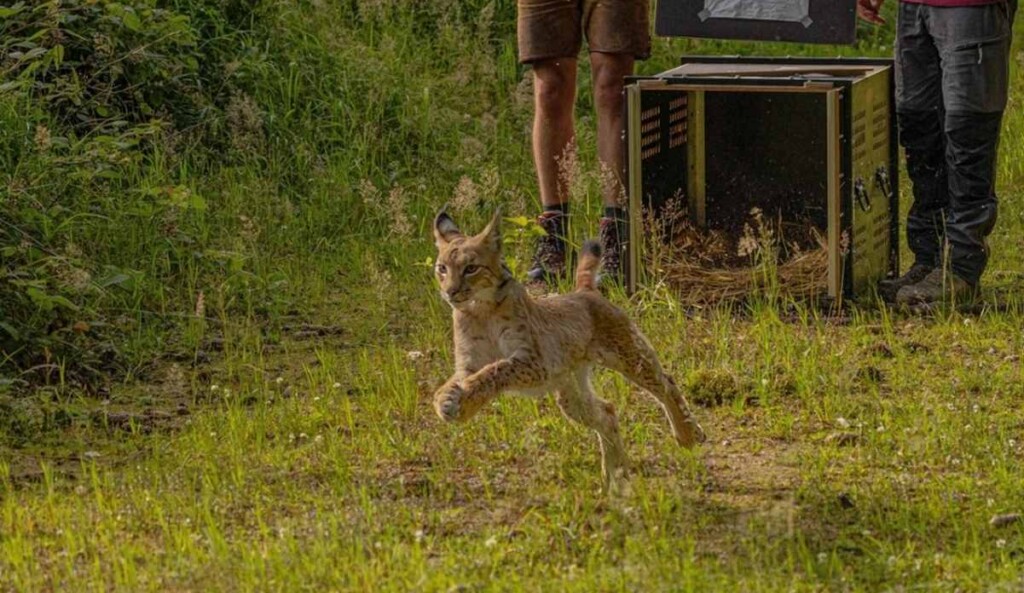
Two weeks ago, he bounded out of his crate, stopped to sniff the wind and catch his bearings, then disappeared into the forest—GPS collar firmly latched about his neck.
He joins three other lynx to be reintroduced this year, all of whom have “graduated” from hunting rabbits, to hunting foxes, to hunting deer. Despite being the third largest land predator in Europe, the lynx is seldom seen and poses no threat to livestock.
Recently, the Saxon government detailed that Nova and Luna were recorded as being only a hundred meters or so apart, and “it cannot be ruled out that they met.”
SHARE The Dream Of This Little Lynx Finally Fulfilled…
Pictured: Professor Michael Atar aka "Mr. Sepsis," a financier and developing consultant on a new blood sepsis test.
Pictured: Professor Michael Atar aka “Mr. Sepsis,” a financier and developing consultant on a new blood sepsis test.
A life-saving blood test that can detect sepsis in under ten minutes by squeezing white blood cells could be available in as many as 11 US states by the end of the year.
While you won’t hear many news headlines about sepsis, US researchers have hailed the development as one of the most important breakthroughs in modern medical history and a “turning point” in the fight against one of the world’s deadliest diseases.
The test works by forcing a small amount of blood through a tiny tube to see if the white, immune-fighting cells change shape.
White cells in sepsis-affected patients are softer and more squishy than those in healthy people and become flattened and elongated under pressure. The more elongated the cells a patient has, the more likely they are to have sepsis.
Measuring cell shape to spot sepsis isn’t new, but the process has previously taken up to two days and yielded mixed results.
Until now, scientists have had to scrutinize and count the number of deformed white cells themselves using a microscope—a laborious process that has led to numerous wrongful or missed diagnoses.
“Sepsis is notorious as the ‘silent killer’ because it is so easily missed early on, when a patient’s symptoms can often be mistaken for other less serious illnesses,” said Professor Michael Atar, a British-based scientist and lecturer at New York University, dubbed “Mr. Sepsis” by the medical community.
“Rapid diagnosis and treatment is crucial to a good outcome, but there has never been a single, reliable diagnostic test available to doctors, costing precious time and people’s lives.
However, the IntelliSep test detects microscopic deformities using an ultra-high-speed camera that can capture over 500,000 frames per second.
The images are then analyzed by a state-of-the-art, AI-powered computer that tallies up the misshapen white cells in a matter of minutes and provides a digital reading with an average accuracy rate of 97%.
Cytovale, the Silicon Valley firm behind IntelliSep, for whom Professor Atar has been a lead investor and consultant for the past decade, describes the test as “genuinely groundbreaking” with the potential to save millions of lives each year.
Unlike other claimed breakthroughs that have never progressed beyond medical trials, IntelliSep has already been approved for use in the US by the FDA.
It is currently in use at a hospital in Louisiana and will be rolled out to 10 other US hospitals by the end of 2024.
“Cytovale’s IntelliSep device is, by any objective measure, the ‘holy grail’ that the medical community has been so desperate to find,” Atar told reporters from his London home. “The technology behind it is genuinely groundbreaking and it has the real-world, tried-and-tested potential to save millions of lives, year on year, across the planet.”
Sepsis, or blood poisoning, kills one person every three seconds, and 11 million annually— more than breast, prostate, and bowel cancer combined. It is most commonly caused by an abnormal immune reaction to a bacterial infection from a wound, either internally or externally, which leads to an inflammatory response that makes things worse, not better.
White blood cells that normally work to protect the body from harmful bacteria overreact and start destroying healthy cells instead. If it is not diagnosed and treated immediately, usually with antibiotics, it can lead to organ failure death in as little as 12 hours.
Until now, there has been no rapid and reliable diagnostic test that has undergone successful medical trials and received regulatory approval.
Doctors have instead been forced to rely on the presence of secondary symptoms, like high blood pressure and heart rate, to make a calculated guess if a patient with an infection could be at risk of or is suffering from sepsis.
SHARE News Of The Holy Grail Of Tests To Stop A Death Every 3 Seconds…
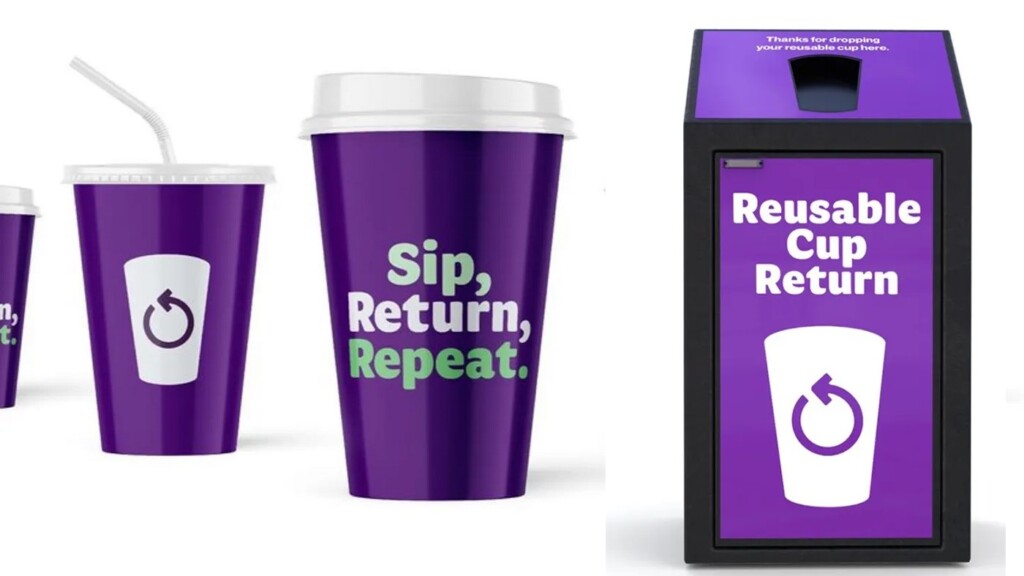
A consortium of small firms is creating a renewable revolution within the boundaries of a small city in Northern California, which will be the testbed for a use-and-return concept for fast food drinks.
Around 50 billion disposable drink cups are used every year in the US, but in the city of Petaluma, we will see if Americans have the discipline to reduce this footprint.
The city numbers around 60,000 people, and will participate in the Reuseable Cup Project. The aim is to furnish 30 local restaurants, from Starbucks to Taco Bell, with identical, durable, plastic drink cups, which customers and diners can use and then either leave on the table, or deposit in a network of dropoff bins around the city.
NextGen Consortium, which is led by the Center for the Circular Economy at Closed Loop Partners investment firm, asked the city government for help identifying partner restaurants, while a firm called Muuse will provide professional cleaning and distribution services to redeliver the cleaned cups back to the locations.
“What they’ve told us they like about Petaluma is that there’s already a spirit of sustainability in Petaluma and [an] interest in trying to reduce the amount of waste that we’re creating collectively as a city,” Patrick Carter, assistant of the city manager who oversees the program, said in a phone call with FOX Business.
“They liked the combination of kind of a denser downtown, more businesses together that are serving these drinks, these beverages, but with a smaller population.”
Located between Santa Rosa and San Francisco, Petaluma’s residents will not be charged a penny more for their drinks, and are only asked to drop them off in one of the network of bins when they are finished. A map showing the locations of the bins can be found on the project website.
Along with reducing cup waste, it should also reduce the throwaway hot drink sleeves, since the cups themselves are more durable and less conductive to heat.
A three-month trial starting on August 5th and running into November will provide NextGen the data they need to understand if such a program can be used in larger cities.
SHARE This Much-Needed Action Plan To Green The Take Away Beverage Industry…
With a new inspirational quote every day, atop the perfect photo—collected and archived on our Quote of the Day page—why not bookmark GNN.org for a daily uplift?
A partnership between United Airlines and a fashion company diverted 900 pounds of trash from landfills in the form of expired life jackets.
According to unified aviation safety regulations, the life jackets under your seat have to be switched out every 8 to 10 years, and while it’s obviously a great thing that they never have to be used, they add up to over 19,000 expired jackets per year just for United’s Boeing 737 fleet.
To save space in landfills and reduce the carbon footprint of the world’s third-largest carrier, United Airlines has partnered with a company called B2L to upcycle the jackets into a trendy, travel-themed collection of bags for laundry, laptops, and the beach as well as backpacks.
“While working to dispose of expired life vests at IAD [Washington Dulles International Airport], I wanted to find a more creative solution to divert this material from landfill,” said Erin Taylor, an environmental affairs manager at United. “Thankfully I was able to connect with a company who upcycles the life vest material (typically thrown away), into fun and practical products.”
B2L or ‘Bag 2 Life’ is a German upcycling company, and the first year’s offerings were met with positive reviews and success, diverting 900 pounds of jackets from landfills, and winning the Germans a contract renewal for a second year at double the volume.
It takes hundreds and hundreds of years for these life jackets to break apart underground, releasing methane, a potent greenhouse gas over a very short time, as it decomposes.
While the bags are eye-catching and go to a good cause, they are steeply priced at well over $100 just for a shoulder bag, and $177.89 just for a small backpack.
SHARE This Product Line With Friends Passionate About Sustainability…
When it comes to virality on the internet, the absurd and obtuse tend to win the greatest share of attention, but with 10 million views and counting, a clip of two long-lost friends running into each other in an Uber shows how the genuine is often the most appreciated.
In January, Uber driver Danny Blanton, 51, picked up passenger John Johnson, 60, for a ride to Dallas’ UT Southwestern Medical Center.
Blanton, who didn’t see the picture of his passenger ahead of time, kept his eyes mostly on the road, making small talk as the car took off. Speaking with People Magazine, he said that Johnson was his last pickup of the day, and the thought initially crossed his mind that his passenger seemed familiar.
“I thought for a brief second, ‘Do I know this guy?’” but then he recalls thinking, “‘No, it can’t be. I don’t know anybody here [in this part of South Texas].’”
However, the passenger Johnson asked the driver Blanton if they had met before, which led to Blanton looking over his shoulder, looking back at the wheel, and doing a double take with glee as they shook hands and started laughing.
Working together at the popular Dallas nightclub Phenomenon in the 90s, Blanton was a bartender and Johnson was head of security. They describe a wonderful, chill relationship that flourished at work, but not so much beyond it, leading to their eventual loss of contact.
Reaching the end of the Uber ride, the two exchanged numbers and promised to keep in touch, while Blanton was so excited he posted the dashcam video of their ride on Facebook so his family could see. He eventually added it to his TikTok account so that those who have abandoned Facebook could do the same.
Then Blanton’s son came to him with the news: the two men had gone viral and the video was up to 4.1 million views.
“We’re both elated by it and to see all the positive comments that it got,” Blanton told People. “Just people saying, ‘This is my favorite video,’ and how many people have watched it… It’s been positive.”
The comments highlight how viewers could relate strongly to the unique sensation that you know someone, and iterations of praise like “I wanted to live that moment with yall,” and “that sensation is priceless” were often repeated in the over 7,000 comments.
“[We’re] just two little old guys from Mesquite and Dallas that went viral on the internet,” he adds. “That’s it.”
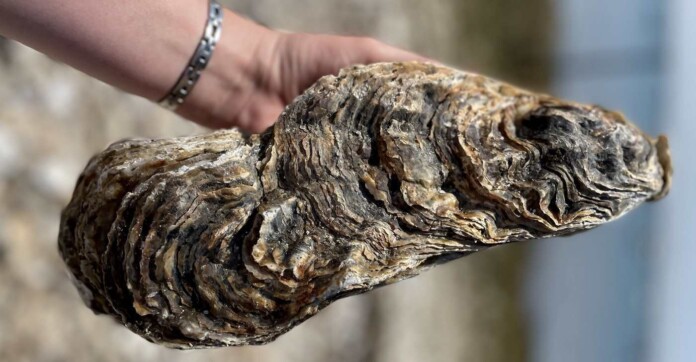
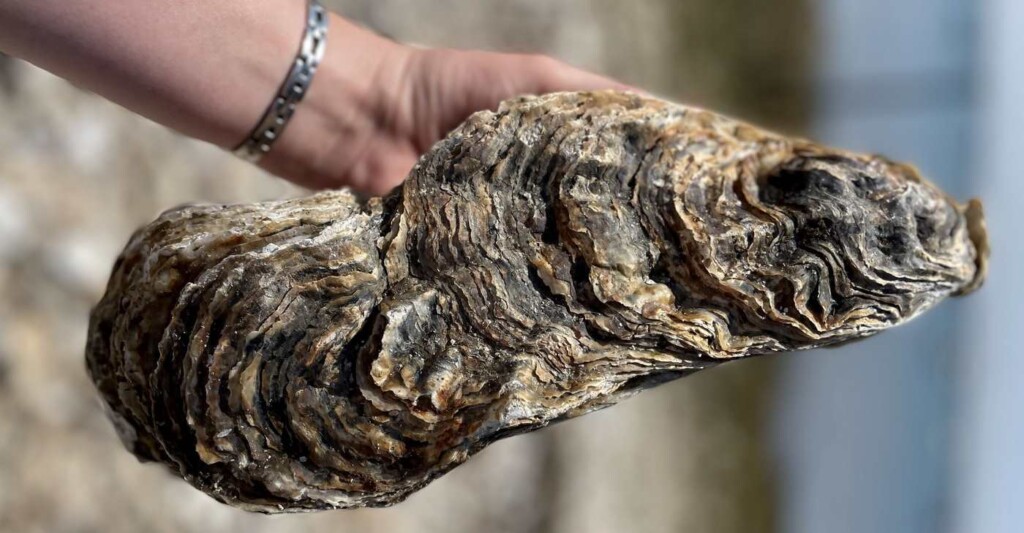
The boss of a seafood delicacy business has spoken of the shock he experienced harvesting a monster oyster as big as a newborn baby.
Tom Haward said he was fascinated after his company retrieved the huge mollusk, weighing 5.5lbs (2.5kg) along the coast of Mersea Island, Essex.
Mr. Haward estimates the 12 inches long and five inches wide oyster is 20 years old which makes it considerably rare as they usually only live for around six years in harvested waters.
“My first thought was ‘flipping heck’. We work with oysters all the time and see thousands upon thousands a day, but to see one like that, it was fascinating,” Mr. Haward said. “You could see the growth lines on it, just like a tree. It’s very intriguing.”
Richard Haward’s Oysters, founded in 1769, harvests around a million mollusks a year but Mr. Haward said this one was the largest he’d seen.
Positing how an oyster could live so long, the oysterman said that with 14 miles of oyster reefs, it’s always possible for an individual to be looked over.
“Some can be left growing as they keep getting missed and then they can end up around 20 years old,” he said.
Unlike other delicacies, size doesn’t confer special treatment, and if the oyster does make it to their market stall, it would be sold according to the weight of its meat, putting it at about $12.00.
However Mr. Haward said he may put this special find up for auction with any proceeds going as a donation to a lifeboat charity.
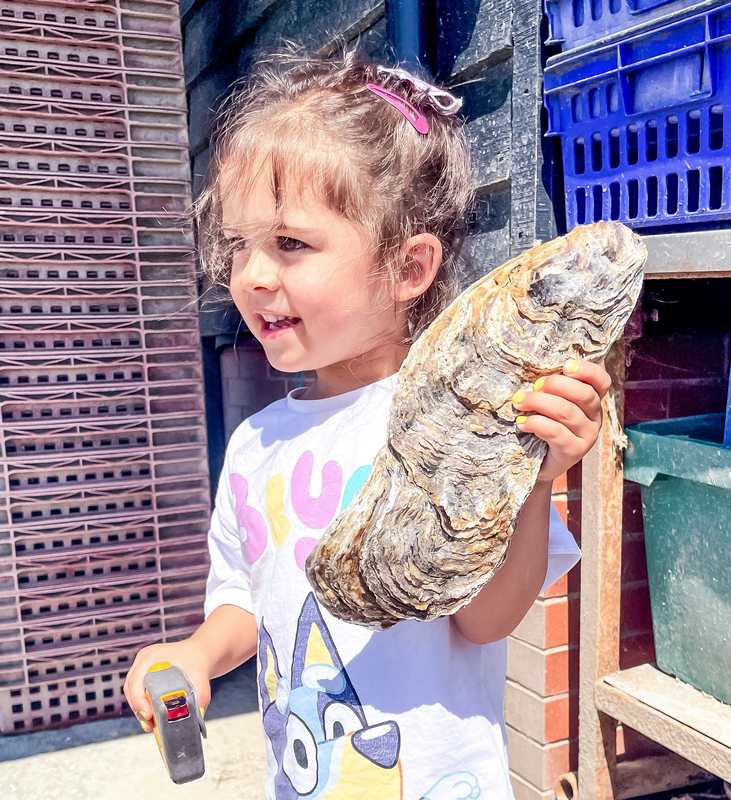
Autumn holding the monster oyster – credit SWNS
The eighth-generation oysterman joked that the seafood delicacy weighed about the same as his daughter Autumn when she was born.
“She weighed about 6lbs, this one was 5.5lbs. Autumn loves the sea so she could be the ninth generation of Richard Haward’s Oysters,” he told the British news source SWNS.
Image credit: Shanxi Provincial Institute of Archaeology
Image credit: Shanxi Provincial Institute of Archaeology
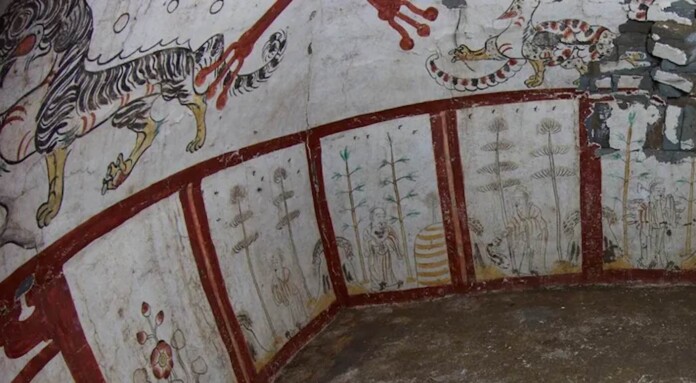
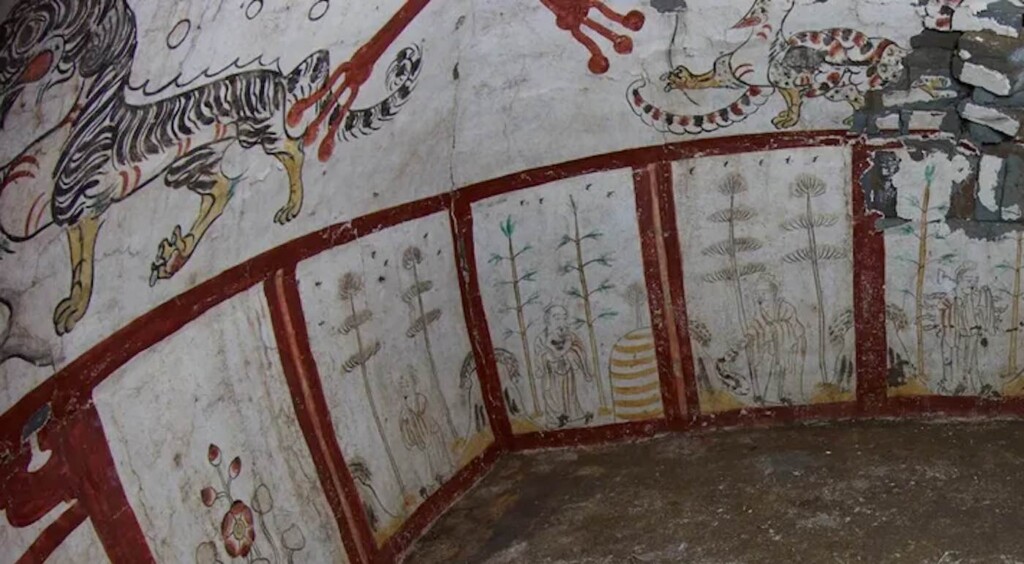
In north-central China, roadwork near the city of Taiyuan uncovered a tomb dating to the Tang Dynasty that is turning heads for its remarkably preserved collection of murals depicting daily life.
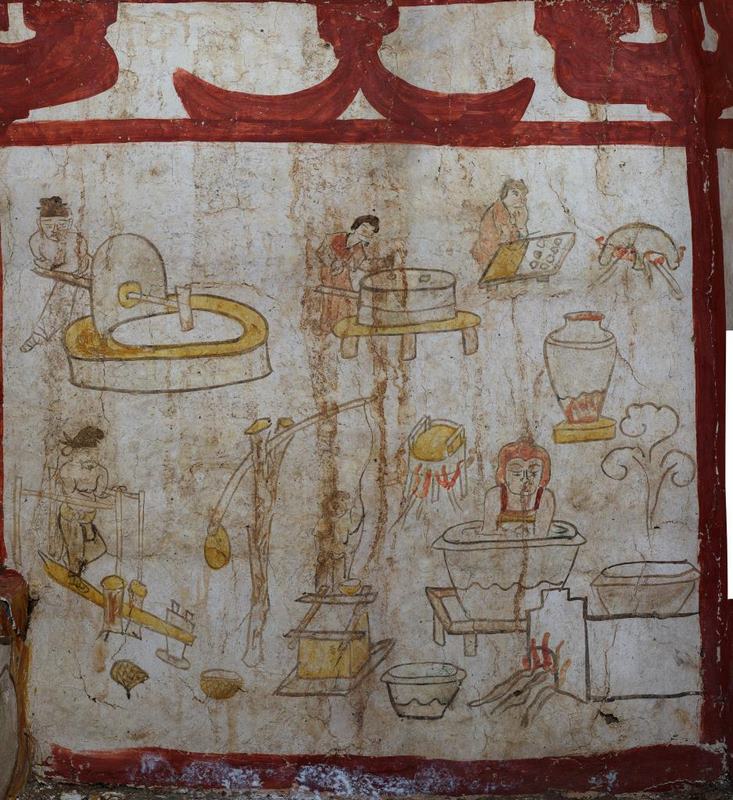
One might imagine such a tomb decorated with images of dragons among heavenly palaces resting on clouds—depicting a glorious afterlife, but this tomb shows a series of pictures of household chores, and a glimpse of the Silk Road in the form of a foreigner.
Discovered in 2018 on a hill slope alongside the old Jin Ci West Central Ring Road in Taiyuan city, the tomb consists of a brick chamber, entranceway, and corridor, and first welcomed its owners into the embrace of the Earth around 736 CE during the Tang Dynasty.
The Tang saw the Chinese Empire reach its greatest territorial extent, and become a cosmopolitan realm of magnificence, luxury, and highly developed in arts, letters, and commerce. Several of the most famous rulers of China date to this period, including the concubine turned Empress Wu Zetian, and the domineering Emperor Taizong, who created much of the control and prosperity the dynasty enjoyed.
On the tomb’s three walls and four pyramidal ceiling faces, scenes from Tang life are depicted that include men and women stepping on and scooping rice, grinding grain in a mill, making noodles, bathing, and using a strange contraption mounted in an orange tree to draw water from a well.
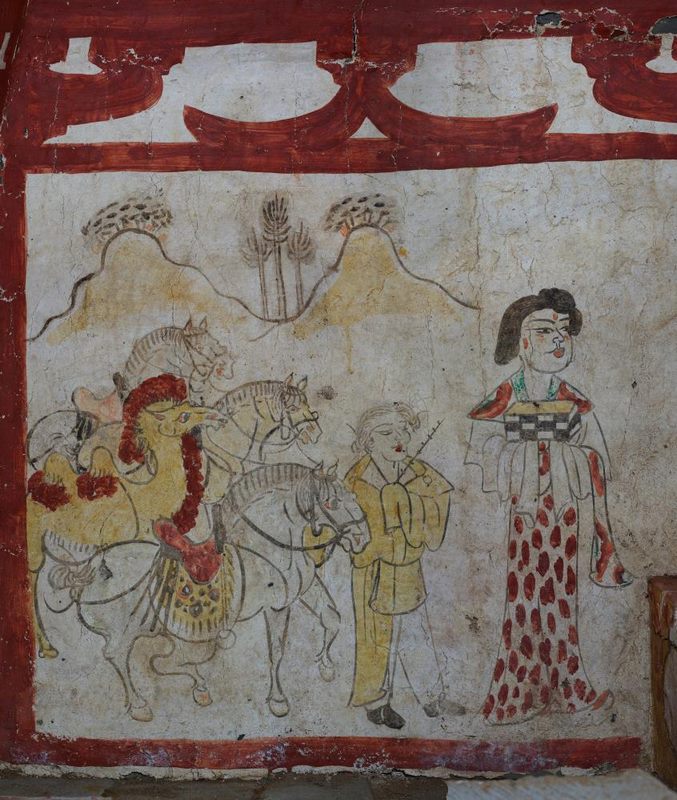
On another panel is the depiction of a “Westerner” which for the Tang Chinese meant someone from what is known in the West as the Tarim Basin, or perhaps even further into Transoxiana—the two regions crossed by traders on the Silk Road before reaching the ‘Jade Gate’ and the Gansu Corridor into China proper.
Image credit: Shanxi Provincial Institute of ArchaeologyImage credit: Shanxi Provincial Institute of Archaeology
The Westerner is depicted with blonde hair holding the reigns of an Asian camel and several horses, and was likely a Sogdian—a trading people who flourished and declined with the rise and fall of the fortunes along the Silk Road. He’s unlikely to be a Turk, as the Tang Emperor warred fiercely with several Turkish khagans over the dynasty’s history.
Other panels show what is probably the tomb’s owners, a man in his sixties and a woman, under trees according to one of the oldest established Chinese art styles known as “figure under a tree” which dates to the Han Dynasty of the 2nd century BCE to the third century CE.
The final set of panels shows yellow-robed swordbearers at the entrance of the tomb, alongside doormen holding the coffin in their hands and standing in positions of welcome. The ceiling is decorated with mythical beasts, likely dragons or phoenixes.
SHARE This Amazing Ancient Artwork With Your Friends Who Love History…
With a new inspirational quote every day, atop the perfect photo—collected and archived on our Quote of the Day page—why not bookmark GNN.org for a daily uplift?
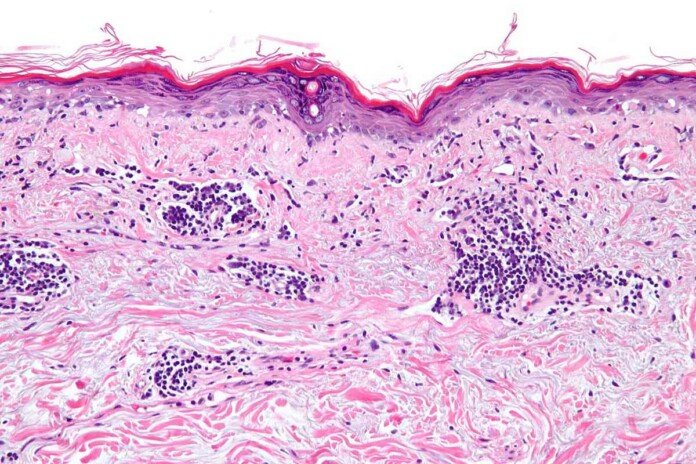
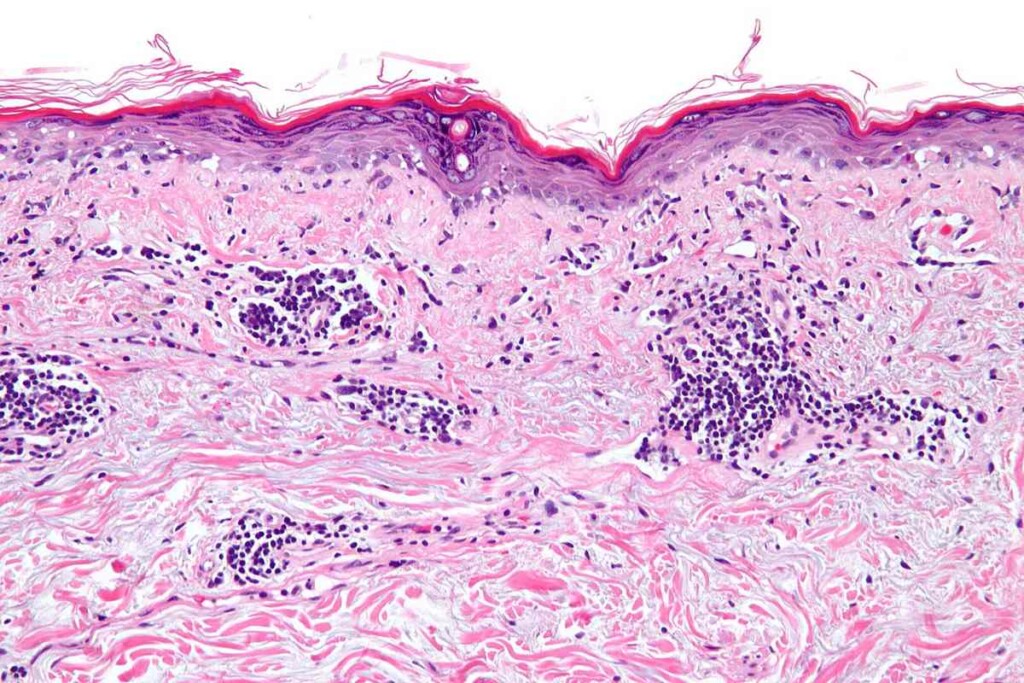
Lupus effects on the skin - credit Nephron, CC BY-SA 3.0
Lupus effects on the skin – credit Nephron, CC BY-SA 3.0
A team of scientists from Northwestern Medicine and Brigham and Women’s Hospital have identified the cause of lupus, a devastating autoimmune disease that affects 1.5 million Americans.
In doing so they also believe they’ve found a cure, or at least a more sophisticated treatment, and are currently working on developing a pharmacologic method of delivering the potential cure-like molecule.
Lupus erythematosus, to use its full name, involves the body’s immune system attacking its own native cells, causing a variety of skin complications, while also potentially life-threatening damage to the heart, kidney, and brain. The cause of lupus isn’t well understood, and the scientists at Northwestern criticized existing treatments as “blunt instruments.”
The researchers first studied lupus patients and found that those with the disease had higher levels of an infection-fighting protein called interferon and not enough aryl hydrocarbon receptor (AHR), which regulates how the body responds to infection.
“Up until this point, all therapy for lupus is a blunt instrument. It’s broad immunosuppression,” said co-corresponding author Dr. Jaehyuk Choi, associate professor of dermatology at Northwestern University. “By identifying a cause for this disease, we have found a potential cure that will not have the side effects of current therapies.”
His coauthor Dr. Deepak Rao, a rheumatologist at Brigham and Women’s Hospital, explains the cure acts as an adjustment.
“We’ve identified a fundamental imbalance in the immune responses that patients with lupus make, and we’ve defined specific mediators that can correct this imbalance to dampen the pathologic autoimmune response,” said co-corresponding author Dr. Deepak Rao.
Rao and Choi, along with the rest of their team aim to develop medications to activate the AHR pathway. When this pathway is insufficient, it results in too many immune cells that promote the production of disease-causing autoantibodies.
Northwestern press reports that in order to show how this discovery can be leveraged for treatments, the investigators returned the AHR-activating molecules to blood samples from lupus patients. This seemed to reprogram these lupus-causing cells into a type of cell that may promote wound healing from the damage caused by this autoimmune disease.
“We found that if we either activate the AHR pathway with small molecule activators or limit the pathologically excessive interferon in the blood, we can reduce the number of these disease-causing cells,” said Choi. “If these effects are durable, this may be a potential cure.”
Being that it took place in America, as far as volunteers at the Wild West Wildlife Rehabilitation Center were concerned it was a story that could only happen in Texas.
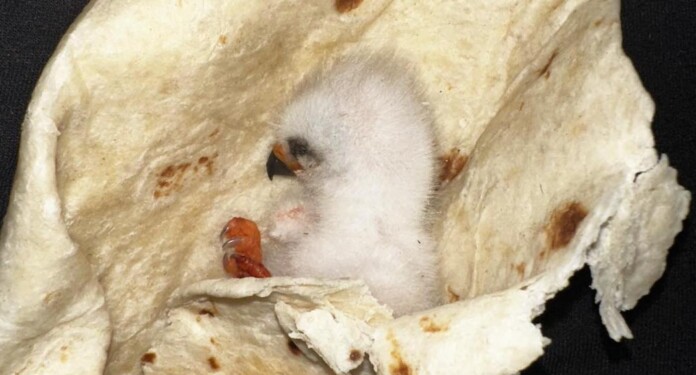
A family in the north Texas city of Amarillo found a baby bird lying cold and abandoned on the ground in their yard during a swim party and barbeque.
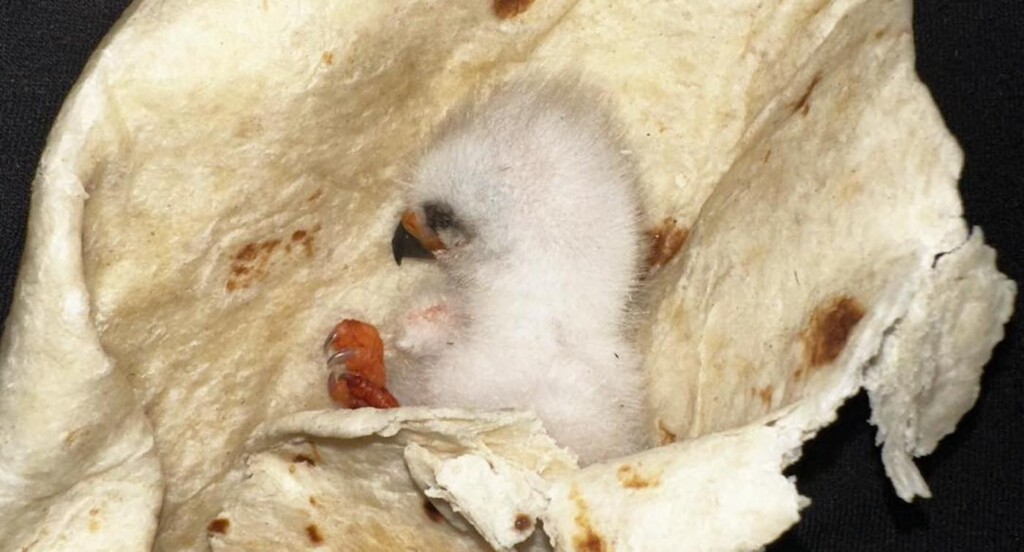
The mother acted fast, tossing a tortilla on the stove before using it like a warm blanket to scoop up the chick.
Afterwards the WWWRC was alerted by the family that they had found what they thought was an owlet, but what turned out to be a Mississippi kite.
“Undoubtedly, it was an inventive method to keep the baby warm, and surprisingly, it was effective,” the wildlife center said in a Facebook post. “Wildlife rescue is always filled with lively and unexpected moments.”
The young bird is doing well and has since been given the name Taquito.
The WWWRC found the concept of a tortilla blanket irresistible charming (and surprisingly effective) and have begun selling custom t-shirts and hoodies to raise money for their operations featuring a graphic of a baby bird wrapped snuggly in a tortilla with the caption “Tortillas Save Lives.”
In the swarm of Facebook comments that followed the post, the tortilla mom revealed herself: Katie Lasher Adlong, who was praised with over 170 replies to her announcement.
“You’re a brilliant momma! Would have loved to see the lightbulb moment of ‘how am I gonna keep this baby safe and warm?'” one commenter said.
If you are short on thematic t-shirts and in the mood to support a great cause, WWWRC is swamped with injured birds from the effects of Hurricane Beryl, and they need to raise thousands to ensure each one gets appropriate medical care.
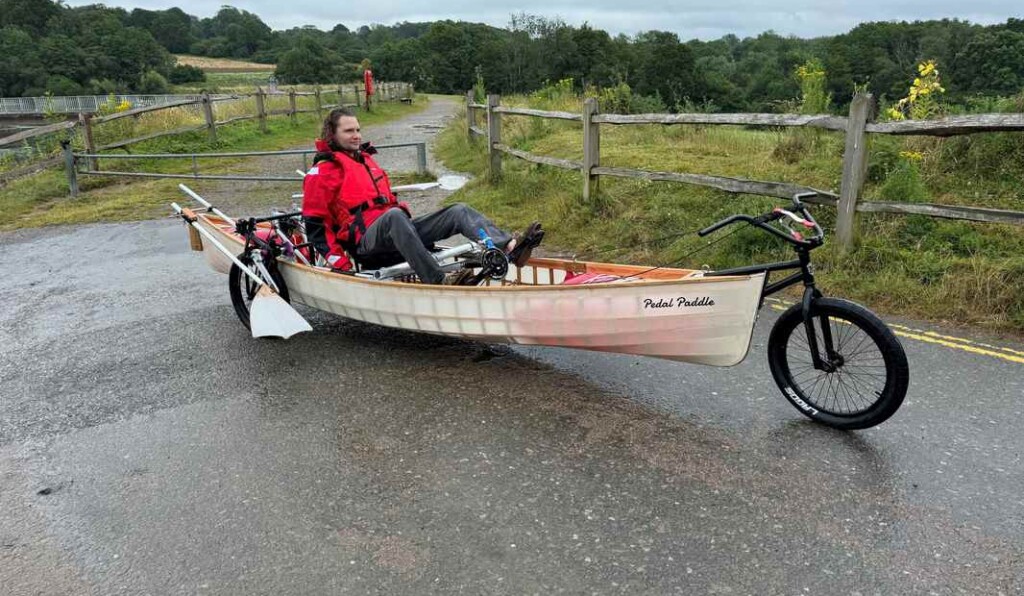
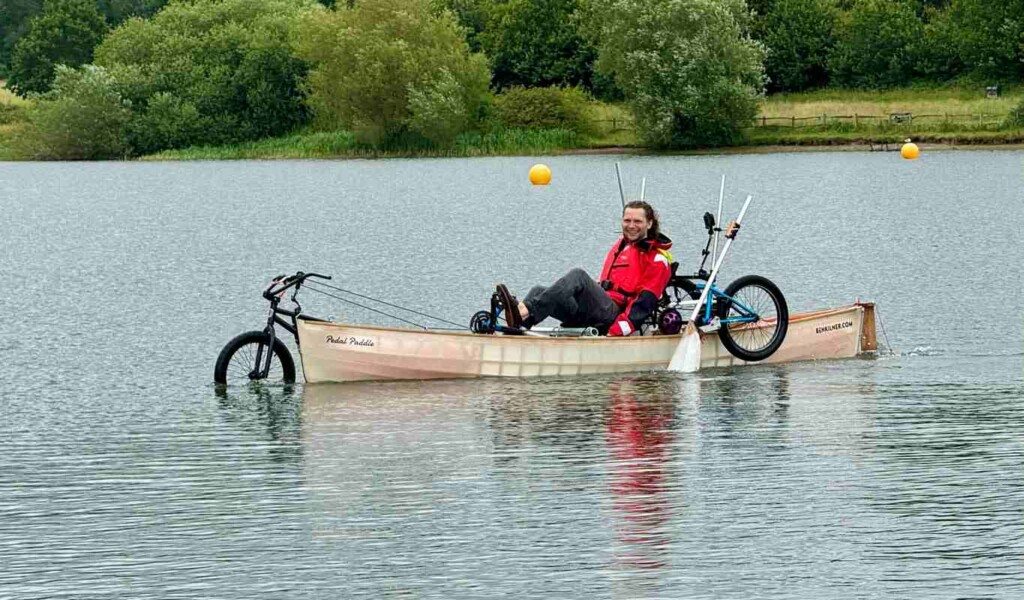
A man is preparing to travel the width of Scotland and back again in a bicycle canoe built by hand according to the time-honored British tradition of performing adventurous feats for charity.
The 36-year-old spent two months building his unique contraption, which has been dubbed Pedal Paddle, and will see him take on over 150 miles of land and sea.
Starting from Fort William, Ben Kilner will paddle to Inverness along the Caledonian Canal before turning around and cycling back on land along the Great Glen Way.
He aims to raise £2,500 for the charity A Leg To Stand On, which provides prosthetic limbs for children in developing countries across the world. He also hopes to inspire people to go outside and explore the world.
The idea was born after Kilner, who previously paddled down the River Thames in a hand-built canoe, was left unable to walk for several days after a camping trip.
“It was deeply upsetting and highlighted how much I rely on my mobility and how much we take it for granted,” said Kilner, from England’s East Sussex.
“The canoe is a skin-on-frame canoe made from Douglas fir and steam-bent green oak with a ballistic nylon skin stretched over it,” said Kilner in a TikTok video announcing his voyage by paddling the strange machine right into a lake. “The reason for going with that design was because it is super lightweight and also something I can build myself relatively easily.”
Ben Kilner in the bicycle canoe – SWNS
The challenge is expected to take around nine days, with Kilner spending his evenings and nights camping.
“The biggest challenge will be the wind and stability. I’m sat quite high up along with the Pedal Paddle bike mechanism, so it’s pretty tippy. I think stability will be a challenge,” he added.
“I’ll be doing daily updates on Facebook, Instagram, and TikTok as I’m going on the journey, and people can follow along. I’m excited to see the grand magnitude of Loch Ness and the Great Glen and to immerse myself in that.”
To find out more about the fundraiser or to donate, go to www.benkilner.com
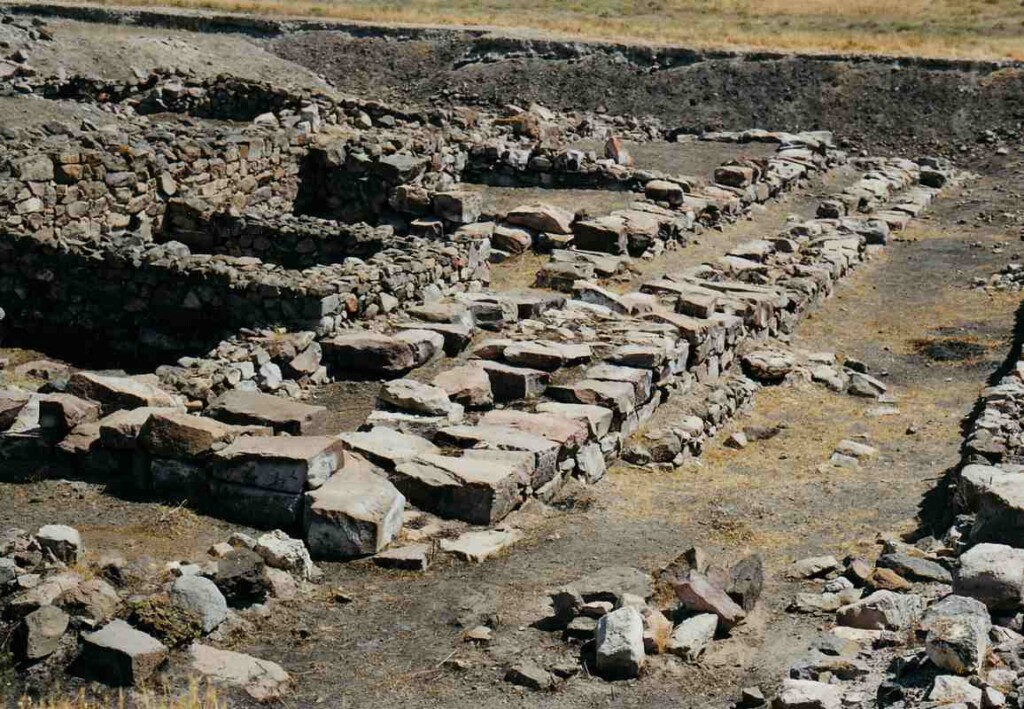
The Palace at Kultepe - credit CC BY SA 3.0. Klaus-Peter Simon
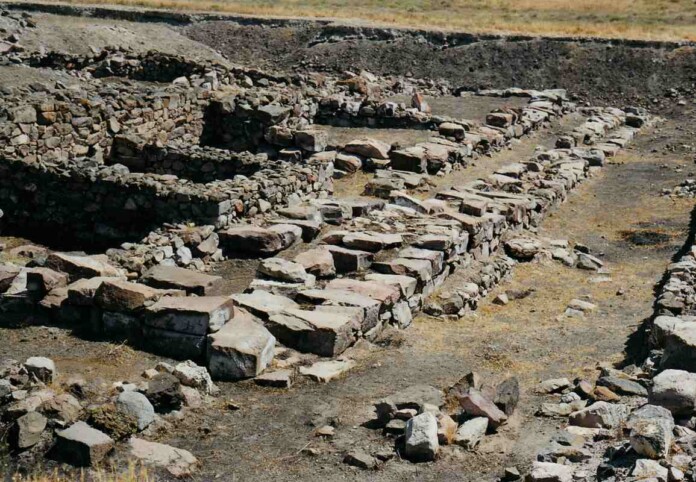
The Palace at Kultepe – credit CC BY SA 3.0. Klaus-Peter Simon
At the ruined site of a 4,000-year-old civilization in Anatolia, clay tablets have been found documenting a mundane but nonetheless fascinating aspect of culture: packed lunches.
The tablet speaks specifically of a Kültepe Cheese that was part of daily life for the people in the region, who, according to the tablet, used to carry it around with them on journeys.
Located in central Turkey today, in a province (Kayseri) that bears an astonishingly similar name to the German word for cheese dairy (Käserei) the ruins of Kültepe are considered the birthplace of Anatolian civilization.
It was an important city for the Hittites: the premier Anatolian civilization of its time, and today is known as the site where the earliest definitive example of an Indo-European language was written: in the form of Hittite, the loan words from which are mixed into Assyrian and Acadian cuneiform on the 20,000 tablets located at the city.
Professor Fikri Kulakoğlu, an archaeologist working on the site, which has been under excavation and study for 76 years, explained to Hurriyet Daily that the cheese would have been essential for life in the region.
“Four thousand years ago there was a cheese called ‘Kaniş Cheese.’ We read from these tablets that they took this with them,” Kulakoğlu told the Daily. “Obviously, whatever is in today’s geography, we see the same products in a similar way 4 thousand years ago.”
“People took this cheese with them while traveling,” he added. “People at that time took boxed, sliced, and dried meat with them on their journeys. Even today, it is similar to preparing a normal sandwich in today’s conditions.”
Today, “pastırma” a spiced dry meat, is still a traditional foodstuff to carry on one’s person in the region, and Kulakoğlu stresses how there is no reason to believe the continuity connecting Hittite habits and today’s grab-and-go food culture has been interrupted.
It’s not the oldest example of cheesemaking in the world, as pottery found in Poland shows how comparatively primitive Neolithic cultures in Northern Europe were making cheese to circumvent lactose intolerance, or so it’s hypothesized, 2,000 years earlier than the Kaniş Cheese tablets.
KEEP The Cheese Wheel Of History Turning With Your Friends…
Quote of the Day: “Art teaches nothing, except the significance of life.” – Michael Korda
Photo by: Hayes Potter
With a new inspirational quote every day, atop the perfect photo—collected and archived on our Quote of the Day page—why not bookmark GNN.org for a daily uplift?
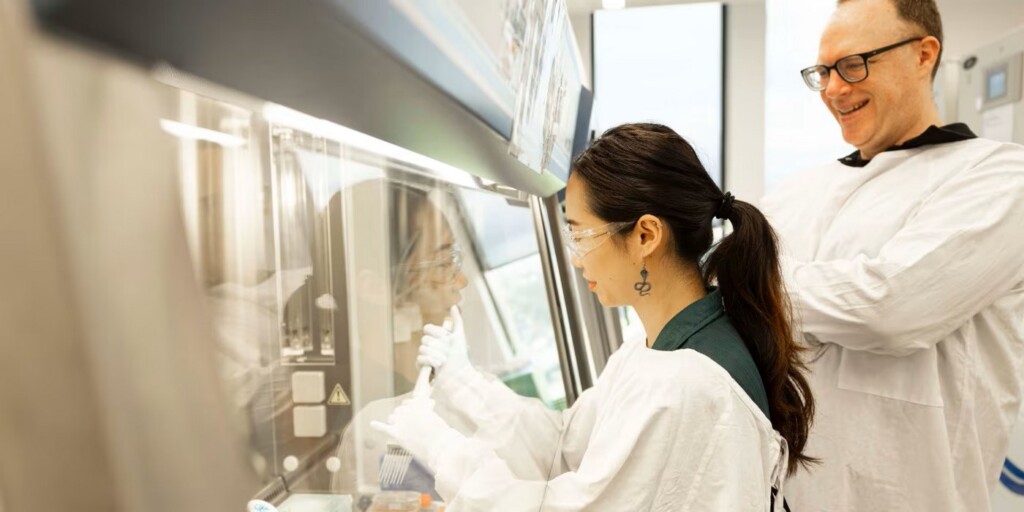
Professor Greg Neely (right) and lead author Tian Du in the laboratories of the Charles Perkins Centre. Photo Fiona Wolf - University of Sydney
Professor Greg Neely (right) and lead author Tian Du in the laboratories of the Charles Perkins Centre. Photo Fiona Wolf – University of Sydney
In a scientific paper demonstrating multiple breakthroughs, scientists at Sydney and Liverpool have identified a commonly available blood thinner that doubles as an antidote to cobra venom.
The study relied on CRISPR gene modification technology to identify cells immune to snake venom and use them as case studies to figure out what would be the best mechanism for preventing necrosis from snake bites.
The authors describe snake bites in general as “the deadliest neglected tropical disease” and report that around 140,000 people every year die from them, with another 400,000 permanently wounded.
Snake venom comes in different forms. Cobra venom attacks cells directly causing necrosis, but also attacks the nervous system and can affect the heart and brain.
Antivenom is typically about 7 times as expensive as the average daily wage in countries where cobra bites are the highest, and many pharma companies will simply discontinue the products for this reason.
By examining the effect of cobra venom, what study author Professor Greg Heely refers to as a “three-finger toxin,” on human cells, he and his team found a cell pathway conserved in all known animal species that produces the related molecules heparan and heparin, the latter being a used as a blood thinner.
“Heparin is inexpensive, ubiquitous, and a World Health Organization-listed Essential Medicine. After successful human trials, it could be rolled out relatively quickly to become a cheap, safe, and effective drug for treating cobra bites,” says Ph.D. student and lead author, Tian Du, who like Professor Neely, resides at the University of Sydney, working in functional genomics.
Heparin and heparan are both targets of cobra venom, with heparan found on the cell surface and heparin being released during an immune response. Their similar structure means the venom can bind to both, and the “heparan/heparin sulfate biosynthesis pathway” was often the most heavily targeted component by the venom as a means to infiltrate cells, with 7 out of 11 components in the pathway attacked by the venom of the red spitting cobra, and 8 out of 11 by the venom of the black-necked spitting cobra.
The team used this knowledge to turn the heparin drug into an antidote that can stop necrosis in human cells and mice by flooding the bite zone with decoy molecules. The venom rapidly attacks the exogenous heparin, leaving the endogenous heparin and the cells containing it, intact.
Cobras are part of the Elapidae family of snakes which include sea snakes, mambas, and coral snakes. In some parts of Asia and Africa, cobras are responsible for more bite deaths and amputations than any other group.
In an interesting secondary discovery, the team hypothesized how their method could be used to find other use cases for antivenoms. In a video explainer, Professor Neely says that there aren’t many different kinds of venom across the animal kingdom, and finding a way to crack the code of one offers the chance to develop antivenoms much more rapidly.
The three-finger toxins present in cobra venom are also found in the terribly toxic blue bottle jellyfish of Australia, which the team says is next on their list for antivenom research.
It was hypothesized when CRISPR first entered the public zeitgeist that it would be monopolized by wealthy industrialized nations to create a slew of aesthetic products and treatments to enhance beauty or longevity. It’s inspiring to see CRISPR be used directly for the benefit of the poorest and most vulnerable members of the world.
SHARE This Amazing Discovery And The Thousands Of Lives It Could Save…
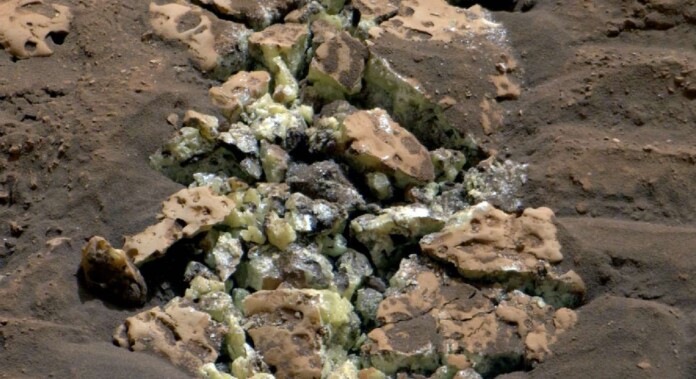
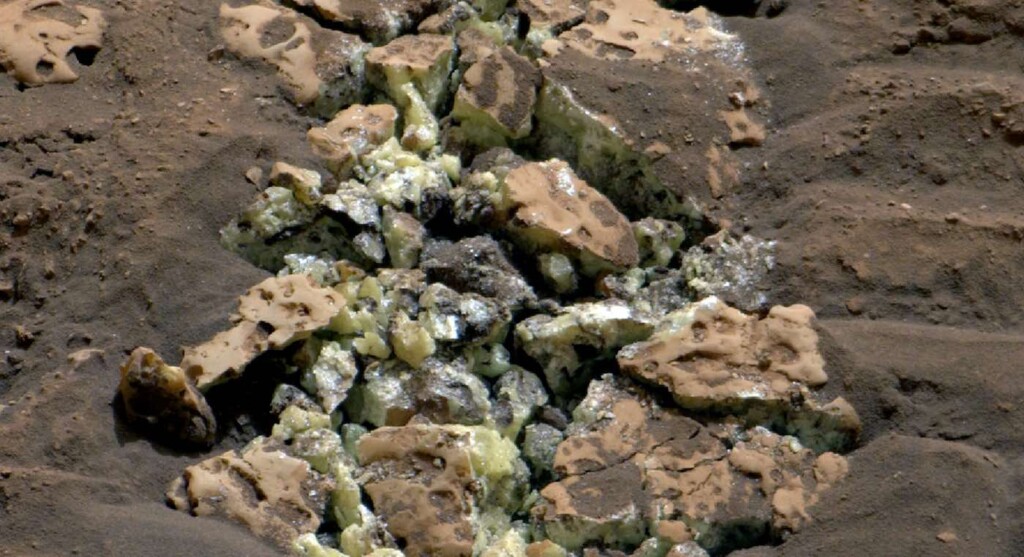
NASA’s old but still kickin’ Curiosity rover drove over a boulder, which crumbled to reveal yellow sulfur crystals.
Rocks made of pure sulfur have never been seen before on the Red Planet, and scientists say the conditions in which such crystals form aren’t associated with the location the rover was exploring.
Since October 2023, the rover has been exploring a region of Mars rich with sulfates, a kind of salt that contains sulfur and forms as water evaporates. But where past detections have been of minerals consisting of a mix of sulfur and other materials, the rock Curiosity recently cracked open is made of elemental, or pure, sulfur.
“It forms in only a narrow range of conditions that scientists haven’t associated with the history of this location,” a NASA spokesperson said.
“And Curiosity found a lot of it—an entire field of bright rocks that look similar to the one the rover crushed.”
Curiosity made the discovery while off-roading within Gediz Vallis channel, a groove that winds down part of the 3-mile-tall (5-kilometre-tall) Mount Sharp, the base of which the rover has been ascending since 2014.
NASA says it isn’t clear what relationship, if any, the elemental sulfur has to other sulfur-based minerals in the area.
Curiosity’s project scientist, Ashwin Vasavada of NASA’s Jet Propulsion Laboratory, compared finding a field of stones made of pure sulfur to “finding an oasis in the desert.”
“It shouldn’t be there, so now we have to explain it. Discovering strange and unexpected things is what makes planetary exploration so exciting,” said Vasavada.
CNN reports that Vasavada and the team have seen evidence of bright white calcium sulfate, also known as gypsum, within cracks on the Martian surface that are essentially hard-water deposits left behind by ancient groundwater flows.
The mineral itself is no pink diamond: sulfur is the tenth most common element by mass in the universe, and the fifth most common on Earth. Elsewhere in the solar system, it may be present near the Lunar crater Aristarchus, while the distinctive colors of Jupiter’s enormous satellite Io are believed to result from forms of molten, solid, and gaseous sulfur.
Thankfully, while people associate sulfur with the smell of rotten eggs, the result of hydrogen sulfide gas, NASA confirms that elemental sulfur is odorless.
SHARE This Update On Martian Exploration With Your Friends…