Tennessee Avenue (US 411) in Etowah - Crian Stansberry CC BY 4.0.
Tennessee Avenue (US 411) in Etowah – Crian Stansberry CC BY 4.0.
A Tennessee manufacturing town could be in for a revitalization after a shuttered iron foundry is poised to be replaced with a lithium mine, thanks to thanks to the 2021 Bipartisan Infrastructure Bill that is rebuilding American highways, bridges, and manufacturing.
The large Waupaca Foundry closed its doors in the historic TN rail town of Etowah nearly two years ago, and many of the 500 or so workers that were laid off had built lives and families in the town of 3,600 people.
Worried that Etowah would soon become just another of the many rural communities devastated by the loss of America’s traditional manufacturing sector, fears have been stymied somewhat by the arrival of Tennessee Lithium, a subsidiary of Piedmont Lithium, one of the largest lithium hydroxide mining firms in the country.
Reporting on the fortune swings of Etowah and McMinn County where it’s located, Capital & Main say that, by chance, the former environment, health, and safety manager at Waupaca met his opposite number, Monique Parker, at Piedmont Lithium. Hitting it off, the two organized a meet and greet in Etowah to recruit workers for the arrival of Tennessee Lithium, one of a number of government-funded start-ups looking to try and turn coal country into the “Battery Belt.”
“It came down to multiple factors, the first being the quality of the site,” Etowah City Manager Russ Blair told Capital & Main, pointing out that since Etowah was constructed by railway companies in 1906, the industrial site where Waupaca was located has great proximity to rail lines. Etowah itself is positioned near other Battery Belt sites of importance.
Spokesmen from Piedmont Lithium say their subsidiary is looking to hire around 120 people from the local community at between $50,000 and $60,000 per annum, while investing tens of millions in the area.
“We want businesses to invest not only in our community but also in the people. That’s very important to us,” said Ferguson, the McMinn County economic development chief. “Since Piedmont’s announcement, they’ve shown that they are going to be a huge community partner.”
Paying for it all is an $800 million loan from the Department of Energy’s Advanced Technology Vehicles Manufacturing loan program, which has about $40 billion from the Bipartisan Infrastructure Bill to loan out at current treasury yield rates to companies looking to build light, medium, and heavy-duty vehicle manufacturing, as well as locomotive and light rail, aircraft, maritime vessels, and offshore wind support vessels.
According to Piedmont, the plan to launch Tennessee Lithium is to combine this funding with support from a strategic partner or partners.
Tennessee Lithium uses a pressure leaching process that uses steam, natural soda ash, and lime to mine lithium, which the company says gives it a more favorable environmental and safety profile than traditional methods.
SHARE This Potential Revitalization Of An Iron Town With Your Friends…
Quote of the Day: “You don’t have to continue suffering to be a poet. Adolescence is enough for anyone.” – John Ciardi
Photo by: MCC (copyrighted)
With a new inspirational quote every day, atop the perfect photo—collected and archived on our Quotes page—why not bookmark GNN.org for a daily uplift?
Clinical trials for a novel treatment for patients with glioblastoma, a deadly form of brain cancer, have shown rapid success, with some patients experiencing a dramatic decline in tumor size just days after their first treatment course.
Researchers from the Mass General Cancer Center, Massachusetts, have shared the results for the first three patients in a clinical trial of CAR-T cell therapy for glioblastoma.
CAR-T cell therapy, or CAR-T for short, won the Nobel Prize in Medicine, and works by using a patient’s own immune cells to fight cancer. It’s currently the most personalized way to treat the disease.
A patient’s cells are extracted, modified to produce proteins on their surface, and then injected back into the body to target the tumor directly. CAR-T therapies have been approved for the treatment of blood cancers but the therapy’s use for solid tumors is limited.
The trial, known as INCIPIENT, was designed to evaluate the safety of CARv3-TEAM-E T cells in patients with recurrent glioblastoma, which is the most common form of brain cancer in adults.
Combining two separate treatment strategies, CAR-T and bispecific antibodies, known as T-cell engaging antibody molecules or “TEAMs” the approach showed promise in preclinical models of glioblastoma.
Three patients were enrolled in the study, published in the New England Journal of Medicine, between March 2023 and July 2023.
Patients’ T cells were collected and transformed into the new version of CAR-TEAM cells, which were then infused back into each patient. The patients tolerated the infusions well, though nearly all had fevers and altered mental status soon after infusion.
Just days after a single treatment, patients experienced dramatic reductions in their tumors, with one patient achieving near-complete tumor regression in five days after one treatment.
“The CAR-T platform has revolutionized how we think about treating patients with cancer, but solid tumors like glioblastoma have remained challenging to treat because not all cancer cells are exactly alike and cells within the tumor vary,” said assistant professor Bryan Choi from Harvard Medical School said.
“This is a story of bench-to-bedside therapy, with a novel cell therapy designed in the laboratories of Massachusetts General Hospital and translated for patient use within five years, to meet an urgent need.”
One of the patients, a 72-year-old man, saw a 60.7% decrease in his tumor which was sustained for six months, while a 57-year-old woman had near complete tumor regression only five days after a single infusion.
The team says their results are exciting, but that much more research is needed to fine-tune this treatment.
“We’ve made an investment in developing the team to enable translation of our innovations in immunotherapy from our lab to the clinic, to transform care for patients with cancer,” commented Marcela Maus, director of the Cellular Immunotherapy Program at the Mass General Cancer Center.
“These results are exciting, but they are also just the beginning—they tell us that we are on the right track in pursuing a therapy that has the potential to change the outlook for this intractable disease.”
“We haven’t cured patients yet, but that is our audacious goal.”
SHARE This Breakthrough Work On Social Media With Your Friends…
The Rance Tidal Power Station, which Mersey Tidal Power are studying to inform the construction of a similar plant for Liverpool.
The Rance Tidal Power Station, which Mersey Tidal Power is studying to inform the construction of a similar plant for Liverpool.
The River Mersey and the Bay of Liverpool are the largest assets this famous English city possesses, and attempting to beat the British government to a net-zero economy, Liverpool City Region has entered phase 3 planning stage to build the largest tidal power plant on Earth.
Schemes to harness the predictable power of the tides in Liverpool Bay date back to 1924, and with one of the largest tidal ranges of any coastal city in the UK, government utility Mersey Tidal Power believe that they can power 1 million homes and protect the city from floodwaters, all without disturbing the local estuarine ecosystem.
Mersey Tidal Power have released precious little information on the plans thus far, but Eletrek reports that a large dam would be a barrier between the Irish Sea and a tidal basin. Underneath the dam would be large turbines and sluice gates which would open as the tide comes in, pulling water onto the turbines to generate energy.
The gates would close as the 10-meter-high tide finishes, and as the gravity of the moon begins to pull on the water four hours later, the gates would open, causing it to rush past the turbines a second time, generating more clean energy.
“I think that we have a unique opportunity to harness the power of our greatest natural assets—our river and our people—to deliver a cleaner, greener, more prosperous future for our children,” said Liverpool mayor Steve Rotherham.
Tidal power projects are few and far between in both scale and reliability, but like geothermal power, they offer an alternative to sun and wind power which can be interrupted by weather conditions.
The multibillion-dollar project is in Phase 3 concept development and is about to enter the formal planning stage. Mersey Tidal Power has consulted with experts at the Rance tidal power plant in France, in operation since the 1960s, as well as K Power, which runs the largest tidal plant in the world at Sihwa Lake in South Korea.
Concept imagery from Liverpool City Region Combined Authority shows a similar design to the installation at Rance. The top of the dam would serve as a causeway with green spaces and bike paths that would connect the city of Liverpool to the Wirral Peninsula, the way Rance is connected to St. Malo.
Liverpool City and Mersey Tidal Power are under no illusions as to the complexity and challenge of the project, but they estimate that the capacity of a River Mersey Tidal station could power 1 million homes—essentially the whole of Liverpool—for 120 years.
WATCH a promotional video that’s short on details below…
SHARE This Inspiring And Enterprising Project For The Future…
In a poll recently conducted by Pew Research, teenagers were shown to be more conscious of the positive and negative aspects of smartphone use than members of the previous generations may be giving them credit for.
The Center conducted an online survey of 1,453 U.S. teens aged 13 to 17 and parents from September 26th to October 23rd. The criteria for inclusion was that the teens had to still be in their parents’ house.
72% of the teens surveyed said they often feel ‘peaceful’ without their smartphone, while only 44% said it gives them a kind of separation anxiety.
Further wisdom emerged when the teens were asked what they think a smartphone is best used for beyond phone calls, to which small minorities said it helped improve social skills or school performance. A two thirds majority of the teens instead said the smartphone made it easier for them to keep up with hobbies and interests.
When asked if they thought they spent too much, about right, or not enough, time on their smartphone, 44% of teen girls said they spent too much time, reflecting an emerging consensus among social scientists that over-connectivity and social media use is particularly disrupting to young women. By comparison, 33% of teen boys said they spent too much time on their phone.
While two-thirds majority of teens said they don’t take actions to curb their phone use, 41% of teen girls and 32% of teen boys have taken direct steps to limit their phone use, rates which go higher when asked specifically about social media apps.
72% of teens replied that going about their day without their phone makes them feel peaceful, while 74% went as far as saying it made them feel “happy”. By comparison, just 39% of teens said without their phone they’re left feeling lonely.
The data shows that teens today are well-aware of how big a disruption the advent of smartphones have been to human society, whether they are thinking specifically about “text neck” posture, underdevelopment of social skills, overconnectivity, or the potential of mental distress and time-wasting brought about by social media use.
In fact, teens are wiser in this regard than their parents and grandparents think they are—for example, when the Pew surveyors asked parents of teens whether they found themselves distracted by their phone while talking to their teenage children, a mere 4% of adults responded that it happened often, and 27% said it happened sometimes.
But when the same question was posed to their teenage children, the frequency increased, with 8% of teens saying it happened often, and 38% saying it happened sometimes, for a total occurrence rate of 46%.
New technologies have a way of becoming over-appreciated because of their novelty, an effect which tends to wear off over time as technologies, devices, and programs become more commonplace.
This useful and upbeat research from Pew shows that teens are learning how to moderate their smartphone usage, as well as how to identify and combat addictive use.
SHARE This Encouraging And Upbeat Research With Your Friends…
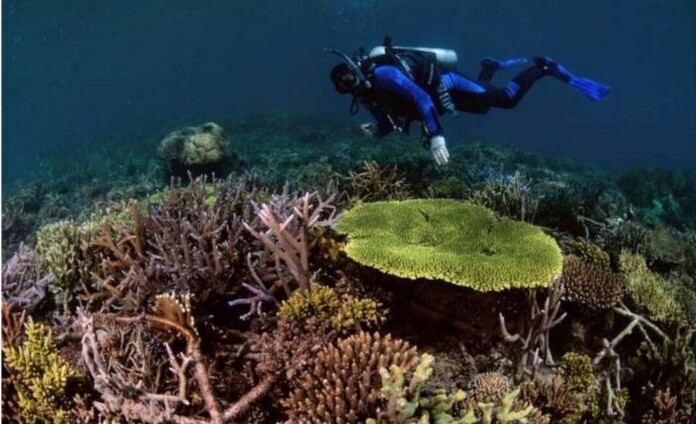
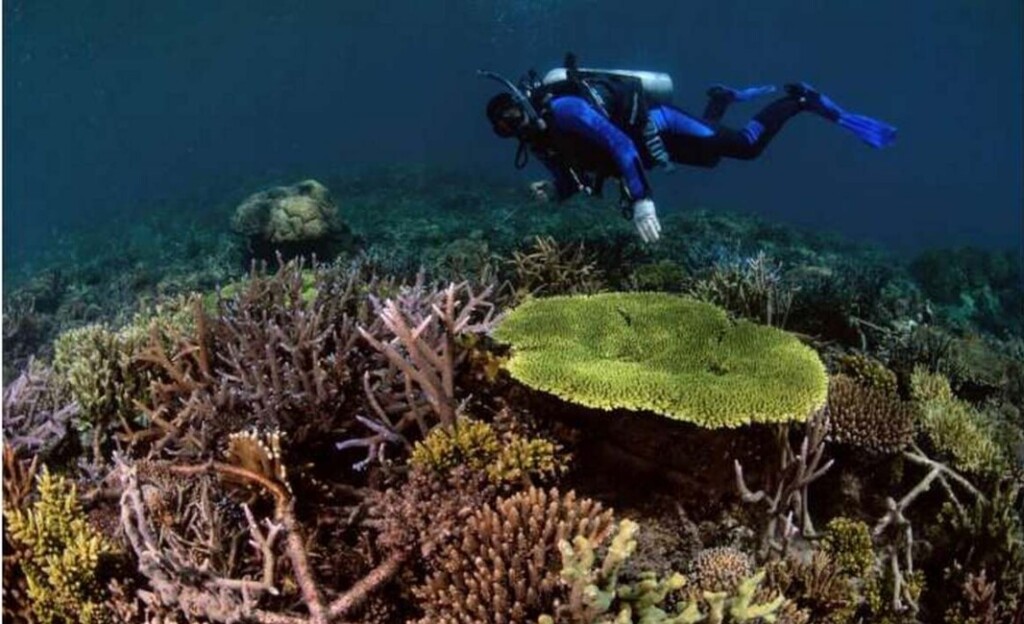
Coral reefs restored at Mars in South Sulawesi with the Reef Stars - credit The Ocean Agency, Steve Vevers.
Coral reefs restored at Mars in South Sulawesi with the Reef Stars – credit The Ocean Agency.
In a truly monumental discovery, scientists studying coral restoration in Indonesia found that artificially restored coral reefs can regrow as fast a naturally occurring reefs just 4 years after the initial transplantation.
With many reefs around the world believed to be threatened by stronger storms and acidic seas, the finding shows that as long as corals can survive in the water, humans can quickly rebuild reefs that are damaged.
The study was conducted at the Mars Coral Reef Restoration Program in South Sulawesi, Indonesia, one of the largest restoration projects in the world, and included an international team of marine biologists. The site was turned from a colorful reef to rubble 30 to 40 years ago from dynamite fishing.
At the project site, “reef stars” are first affixed to the seafloor. These small, recycled metal scaffolds provide a foundation for the coral larvae to glom onto and begin building their hard bodies.
“Corals constantly add calcium carbonate to the reef framework while some fishes and sea urchins erode it away, so calculating the overall carbonate budget basically tells you if the reef as a whole is growing or shrinking,” says Ines Lange of University of Exeter, UK.
“Positive reef growth is important to keep up with sea-level rise, protect coastlines from storms and erosion, and provide habitat for reef animals.”
Four years after coral transplantation onto the metal reef stars net carbonate budgets have tripled and are indistinguishable from healthy control sites. The only drawback is that because branching coral is preferred for reef restoration, the overall species diversity is lower in restored reefs than natural ones.
“The speed of recovery that we saw was incredible,” said Lange. “We did not expect a full recovery of reef framework production after only four years.”
The carbonate budget method of calculating reef restoration has never been used before, and the team believe it offers a simple, surefire way to assess whether a reef is growing, static, or in decline.
Tim Lamont, a study co-author at the Lancaster University Environment Center, UK, said that while longer-term assessment of restored reefs is needed to fully understand its capability, the success at Mars shows that if humanity can stabilize the climate, we have the tools to undo some of the damage that climate change has wrought on coral reefs.
SHARE This Inspiring News With Your Friends Who’ve Seen Coral Up Close…
The Nefertiti Bust at the Neus Museum - CC 3.0. Philip Pikart
Quote of the Day: “Who we are is not sitting still in a display case, but rather the endless synthesis of the contradictions of everyday life.” – Eduardo Galeano
Photo by: Philip Pikart (CC 3.0 license)
With a new inspirational quote every day, atop the perfect photo—collected and archived on our Quotes page—why not bookmark GNN.org for a daily uplift?
The Nefertiti Bust at the Neus Museum – CC 3.0. Philip Pikart
The tantalum metal plaque filled with meaning and symbols - NASA/JPL-Caltech
The tantalum metal plaque filled with meaning and symbols – NASA/JPL-Caltech
In 1977 it was a golden record, now scientists are sending a “message in a bottle” into space to communicate with aliens.
NASA’s Europa Clipper spacecraft will carry a message from Earth in the form of an inscribed plaque when it launches in October, 2024, and heads toward Jupiter’s moon Europa.
On one side is an engraving of U.S. Poet Laureate Ada Limón’s handwritten workIn Praise of Mystery: A Poem for Europa, along with a picture of a bottle bobbing in the ocean, at the center of which sits a silicon microchip stenciled with more than 2.6 million names submitted by the public.
Above the poem, the artwork also includes a longhand engraving of the Drake Equation, which was formulated by astronomer Frank Drake in 1961 to estimate the possibility of finding advanced civilizations beyond Earth.
To the left of the poem is a portrait of one of the founders of planetary science, Ron Greeley, whose early efforts to develop a Europa mission two decades ago laid the foundation for Europa Clipper, and in between these sits a visual representation of the radio frequencies considered plausible for interstellar communication, symbolizing how humanity uses this radio band to listen for messages from the cosmos.
For the other side, linguists collected recordings of the word “water” spoken in 103 languages, from families of languages around the world. The audio files were converted into waveforms (visual representations of sound waves) and etched into the plate.
The tantalum metal plaque featuring waveform translations of the word “water” in 103 languages – NASA/JPL-Caltech
Europa shows strong evidence of an ocean under its icy crust, with more than twice the amount of water of all of Earth’s oceans combined, hence the choice of words.
Made of a metal called tantalum and about 7 by 11 inches (18 by 28 centimeters), this is just the most recent message NASA plans to send into space.
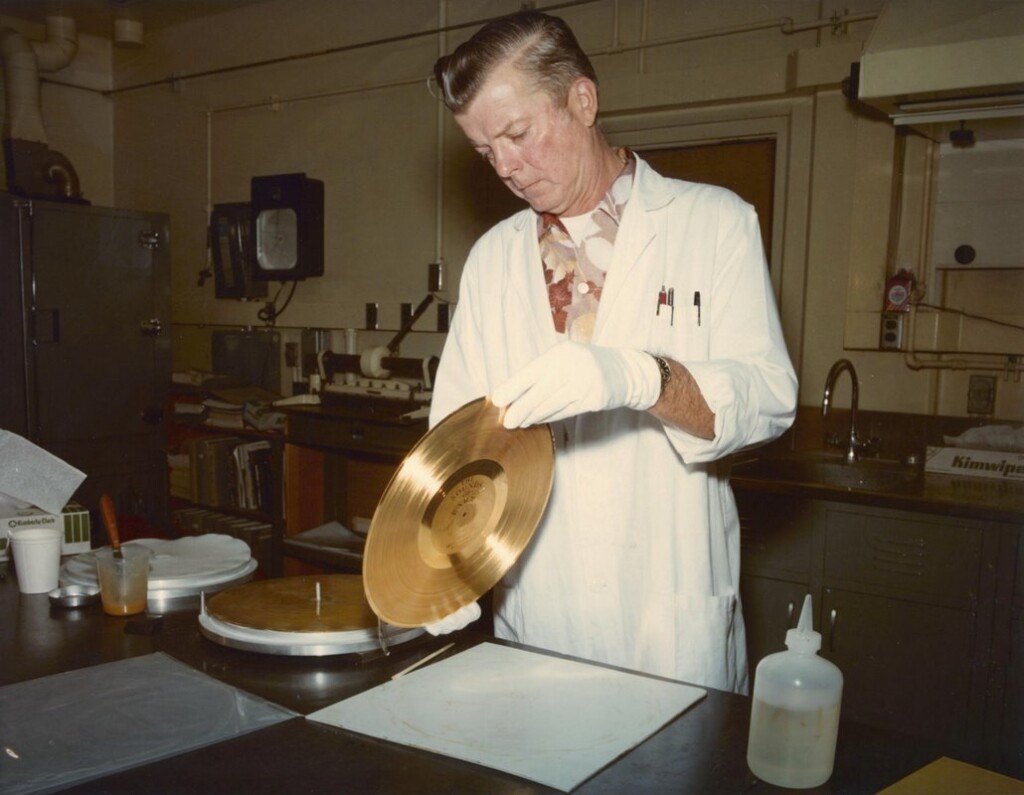
The Voyager Golden Records were two identical phonograph records that were included aboard the two Voyager spacecraft launched in 1977. The records contain sounds and images selected to portray the diversity of life and culture on Earth, and are intended for any intelligent extraterrestrial life form who may find them.
Also in the 1970s, the two NASA Pioneer spacecraft carried gold-anodized aluminum plaques featuring nude figures of a human male and female. The shape, color, and features of the human figures were averaged across tens of millions of images of the human face and body.
Each of the two Voyager spacecraft launched in 1977 carried a 12-inch gold-plated phonograph record with images and sounds from Earth – NASA/JPL-Caltech.
It also carried several symbols designed to provide information about the origin of the spacecraft, including a detailed map to find Earth, using radiowaves emitted by pulsars, no matter where in the galaxy the plaque is discovered.
Europa Clipper, set to launch from Kennedy Space Center in Florida, will arrive at the Jupiter system in 2030 and conduct about 50 flybys of the moon Europa.
The mission’s main science goal is to determine whether there are places below Europa, that could support life. The mission’s three main science objectives are to determine the thickness of the moon’s icy shell and its surface interactions with the ocean below, to investigate its composition, and to characterize its geology.
The mission’s detailed exploration of Europa will help scientists better understand the astrobiological potential for habitable worlds beyond our planet.
“The content and design of Europa Clipper’s vault plate are swimming with meaning. The plate combines the best humanity has to offer across the universe: science, technology, education, art, and math,” Lori Glaze, director of the Planetary Science Division at NASA Headquarters in Washington, said in a statement.
“The message of connection through water, essential for all forms of life as we know it, perfectly illustrates Earth’s tie to this mysterious ocean world we are setting out to explore.”
“We’ve packed a lot of thought and inspiration into this plate design, as we have into this mission itself. It’s been a decades-long journey, and we can’t wait to see what Europa Clipper shows us at this water world,” said Project Scientist Robert Pappalardo, of NASA’s Jet Propulsion Laboratory in Southern California.
SHARE NASA’s Third Interstellar Message With Your Friends…
ArTreeficial is a solar-powered AI-driven bug zapper that uses electronic mesh against the spotted lanternfly, invasive to New Jersey – Courtesy of Selina Zhang
ArTreeficial is a solar-powered AI-driven bug zapper that uses electronic mesh against the spotted lanternfly, invasive to New Jersey – Courtesy of Selina Zhang.
A New Jersey high school senior has won a place as a finalist in the nation’s most prestigious science fair with a clever new take on the bug zapper.
Selina Zhang, 18, designed and field tested a synthetic, eco-conscious, A.I.-powered trap that uses machine learning to selectively lure and electrocute the invasive spotted lanternfly, a species native to China that is now plaguing 17 US states.
Zhang’s invention placed her as one of 40 finalists in the Regeneron Science Talent Search, the country’s oldest and most prestigious science and math competition for high school seniors.
Found in large numbers, with few known predators, spotted lanternflies annually cause a tremendous amount of damage to agriculture. Eating plant sap from tree to tree, their feeding activity creates stress responses in plants that make them more susceptible to damage and disease.
Worse still, the lanternflies excrete a sticky substance colloquially called honeydew that gloms onto the plants they feed on. It blocks photosynthesis and is a breeding ground for black sooty mold. In total, it costs $3 billion in agricultural damages every year on the East Coast.
Selina’s “ArTreeficial” trap, made from a parasol seized from her family’s patio, lures the insects using an incense she made from the lanternfly’s favorite tree, the tree of heaven, which is also an invasive species. An electric mesh then selectively shocks the bug after detection.
None of these features or mechanisms were obvious at the start, and Selina was forced to perform weeks of field study on the spotted lanternfly’s behavior, learning where they liked to feed on various trees, and taking pictures of them.
She also had to examine what was already being used to counter the invasive species already. Typically, traps of neonicotinoids are effective at killing the pest, but unfortunately, they also kill all other bugs that are lured into it, like pollinating bees. Sticky bands wrapped around trees have the same effect of harming friend and foe.
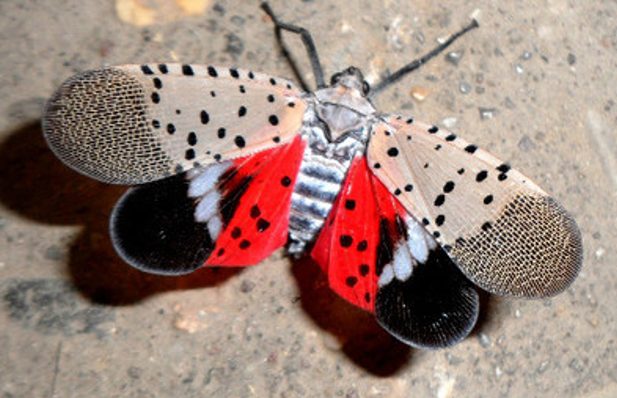
Spotted Lanternfly – NJ Dept. of Agriculture
“For field observations, you have to accumulate a lot of observations over time, and it can sometimes be uneventful,” says Zhang. “But it was also an important test of patience, because you get rewarded by these really interesting things.”
Taking 500 close-up photographs in addition to the field notes, she programmed a deep-learning algorithm to detect when a spotted lanternfly has landed on the trap. A double-layer electric mesh designed like a chessboard then zaps the lanternfly depending on which square it’s on.
She says she got her inspiration from Dance Dance Revolution, a famous arcade game where players have to step on squares in coordination with the rhythm of a song.
Selina’s prototype tree costs just under $200 to construct, but she believes large-scale production could dramatically reduce the cost. She is also researching ways to improve her attractant using an essence from the electrocuted lanternflies. The entire system is solar powered.
“The project uses A.I., it uses chemistry, it’s dealing with climate change and solar power. It’s a whole amalgam of the interdisciplinary nature of science and engineering in this project,” says Maya Ajmera, the president and CEO of Society for Science, which hosts the talent search. “That’s what makes it stand out for me.”
A general overachiever, Selina is an award-winning violinist who has performed solo at New York’s Carnegie Hall, while also finding time to invent the ArTreeficial Trap, and illustrate her own comic books, in which she turned the spotted lanternfly into a menacing villain.
“Everywhere it goes, it’s spreading disaster,” Zhang told Smithsonian Magazine. “With my comics, I wanted people to better understand this local invasive species and its behavior.”
SHARE This Incredibly Driven Young Woman With Your Friends…
Frannie after she was rescued, when she weighed 125 pounds - credit @frannies.fright
Frannie after she was rescued, when she weighed 125 pounds – credit @frannies.fight
Despite the challenge and schedules of veterinary school, a 24-year-old woman in California is fostering a very overweight dog to the tears and delight of thousands who follow the pair on Instagram.
As the months passed, the pounds have melted away, and as the weight comes off, a sparkling canine personality is emerging that has the young woman certain she’s found a partner for life.
Neglected, obese, and suffering from pneumonia and hyperthyroidism, Frannie the golden retriever was on death’s door when Annika Bram became aware of her plight. As it happened, Bram’s golden retriever Georgia, who had just died, was also extremely overweight when Bram adopted her. She helped Georgia lose 85 pounds in their 5 years together.
Learning from a canine rescue organization Rover’s Retreat that Frannie was going to be euthanized, she felt that Georgia had brought this dog to her, because she knew she was the person who could take care of her.
Contacting Rover’s Retreat, she offered to foster Frannie, who she learned weighed 125 pounds—about double the normal heft of a female golden.
Sydney Maleman, the president of Rover’s Retreat, told the Washington Post that Frannie never had proper veterinary care and was medically unstable. She believed they had got to her just in time. As Frannie recovered what was left of her strength, Maleman knew Bram was the right person to foster her.
“Annika just kept following up,” said Maleman. “After talking to her, we just knew that she was going to set Frannie up for success; she was willing to do everything and anything for a dog she never met.”
Driving three hours down to San Diego, Bram finally met Frannie, but the meeting was bittersweet as the student at UC-Davis School of Vet. Medicine said that the pooch seemed “completely defeated.”
Frannie during weight loss rehab – credit @frannies.fight
Bram was determined, however, to help Frannie get back to a normal weight. Documenting her efforts on social media, hundreds of thousands of people began to tune in to see the techniques Bram used to help her new dog get back on her paws: literally.
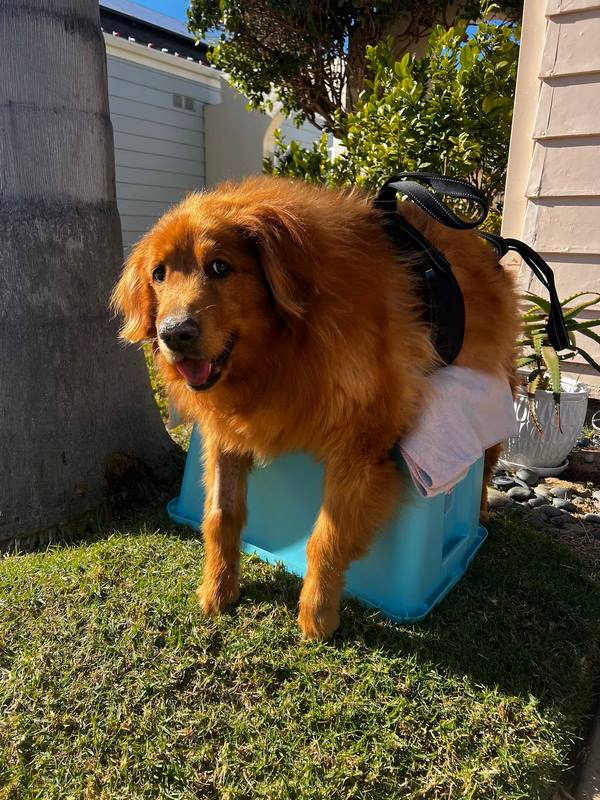
At first, Frannie was so heavy she couldn’t support herself, so Bram had her sitting over a crate so she could safely learn to put weight back on her legs. With the help of these rehab activities, thyroid medication, and a strict diet, the pounds began to fall away, and a “hidden personality” began to emerge.
“She’s a completely different dog,” said Bram. “Every day, her personality comes out more. All that personality has been hidden away for so long.”
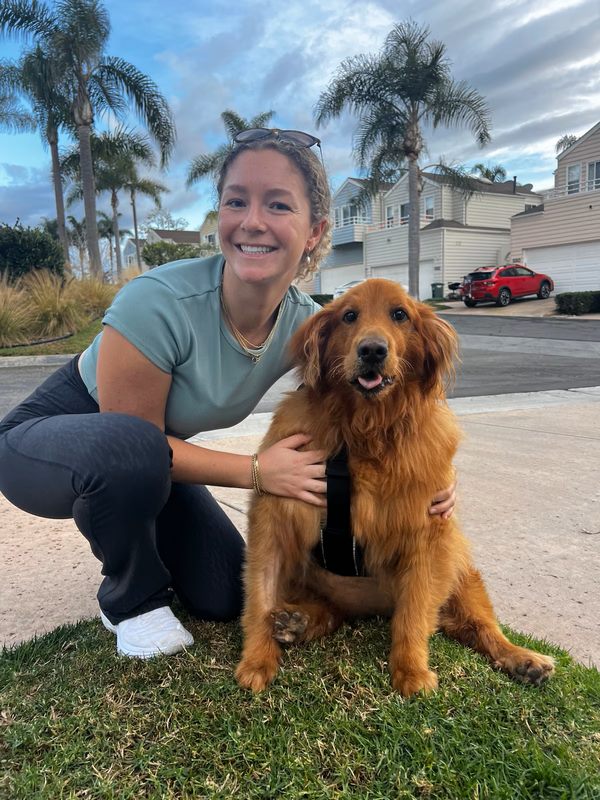
Annika Bram and Frannie – credit @frannies.fight
At the end of February, Frannie was able to run for the first time in who knows how long, chasing a bouncing tennis ball like a normal pooch should.
Bram has applied for adoption of Frannie, whose daily walk is already exceeding a half-mile as she continues her rehab. At the time of publishing, she’s got down to 91.2 pounds from a high of 125.
SHARE This Woman’s Huge Heart For A Huge Dog And Their Journey Together…
Wolfgang Van Halen with music class – Credit: Mr. Holland’s Opus Foundation via YouTube
Wolfgang Van Halen with music class – Credit: Mr. Holland’s Opus Foundation via YouTube
Through a charity supported by his father, Wolfgang Van Halen has donated $100,000 to launch a special program to support public schools to acquire instruments for their music programs.
For decades, budgetary debate has remained heated about the importance, or the lack, of music programs in public schools, and Mr. Van Halen is stepping in to ensure educators who believe in the power of music to enrich educational experience have the resources to confer it to their students.
Working with the Mr. Holland’s Opus Foundation (MHOF), Van Halen has launched the Adopt a School campaign which connects qualifying schools across the nation in need of musical instruments with donors interested in supporting music education within a community of their choice.
“Music has been a huge part of my life, and it is our family’s great pleasure to help support music education programs and bring the gift of music to students across the country,” said Wolfgang Van Halen. “Music education has proven to be a huge contributor toward a student’s success in school, and in life.”
Some studies have shown that music classes promote academic excellence and other positive outcomes in school—like this one in Finland that found increased quality of life scores for students in ways that other non-academic classes, like sports and visual arts, did not replicate.
Despite this, music is famously the first program to get crushed under the weight of school district budgetary constraints.
“Our mission is to make sure there is an instrument in the hands of every student who needs and wants one. By increasing schools’ inventories of quality, playable instruments, music teachers will have the tools they need to deliver a quality music education to students who want to learn,” said MHOF CEO Tricia Williams.
According to Guitar World, the project was developed off the back of a national survey that found 68% of educators had experienced at least one instance of turning an interested student away from music education because of a lack of resources like instruments.
Also in the survey, which included 225 schools, students were found to struggle in class from using instruments that were in need of repairs, but which the school had no money to pay for.
Eddie Van Halen, the virtuoso guitar player from the band Van Halen, was a devoted supporter of MHOF, and the charity work he began is carried on by his son Wolfgang, whose $100,000 donation will kickstart the Adopt a School campaign in 100 schools nationwide.
WATCH a short video about the campaign…
SHARE This Generous Music Advocacy With Your Friends On Social Media…
Quote of the Day: People are like tea bags—you can’t tell how strong they are until you put them in hot water. – Eleanor Roosevelt (paraphrased)
Photo by: Svitlana
With a new inspirational quote every day, atop the perfect photo—collected and archived on our Quotes page—why not bookmark GNN.org for a daily uplift?
There was a lot that Army veteran Alex Dillman lost when he became a paraplegic after an IED blew up under his legs in Afghanistan, but now an unlikely activity has allowed him to take some of what he lost back.
Hurtling through the air at 120 mph, Dillman doesn’t need his wheelchair to skydive; he doesn’t really need his legs either. In that unique state of concentration and freedom, he says he’s “expected to perform,” a do-or-die state of mind that he says he hasn’t felt since his old life on deployment.
Profiled in Walter Allen‘s “Extraordinary Ordinary” segment on Fox 13 News, Tampa, the veteran needed years to develop a method of solo skydiving without the use of his legs.
“[In] some weird way… the universe has offered me this opportunity. I was capable of doing it on my own [sic] was all I needed, and it sent me on this wild trajectory,” Dillman told Allen and Fox 13.
Dillman originally saw adventure therapy as a way to combat depression and PTSD he suffered from in the wake of his lost abilities, but he never imagined it would help him get some of those abilities back.
Now he’s part of an adventure therapy non-profit called Skydive First Project, where he utilizes outdoor adventures to assist individuals suffering from PTSD and depression. Based in Tampa, activities encompass hiking, kayaking, rock climbing, horseback riding, scuba diving, and tandem skydiving.
“[The] great thing about skydiving is that it gets me out of the chair,” said Dillman. “I don’t bring my chair with me, so I’m in a free state. I don’t need to be in the chair to perform the act of skydiving.”
“I can feel my legs and my feet to a certain extent. I can get a better sense of my overall being, feel what my legs are doing, feel what my hips are doing. Having that feeling again… even if it’s for 30 seconds or 60 seconds… is enough for me!”
WATCH Dillman freefall, and listen to his story on Extraordinary Ordinary…
SHARE This Inspiring Tale Of Determination And Recovery With A Happy Ending…
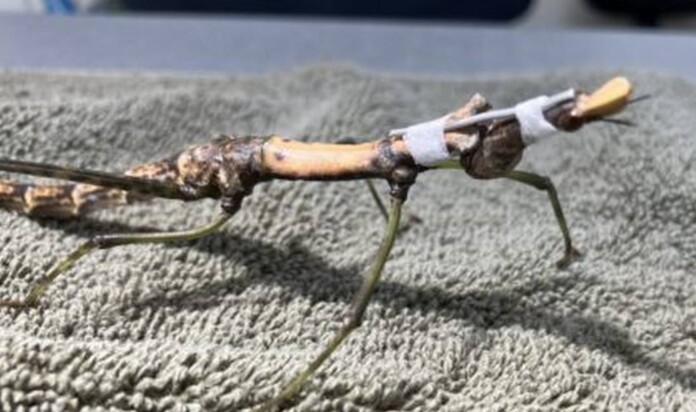
The Peruvian jumping stick with its neck brace - credit, Houston Zoo.
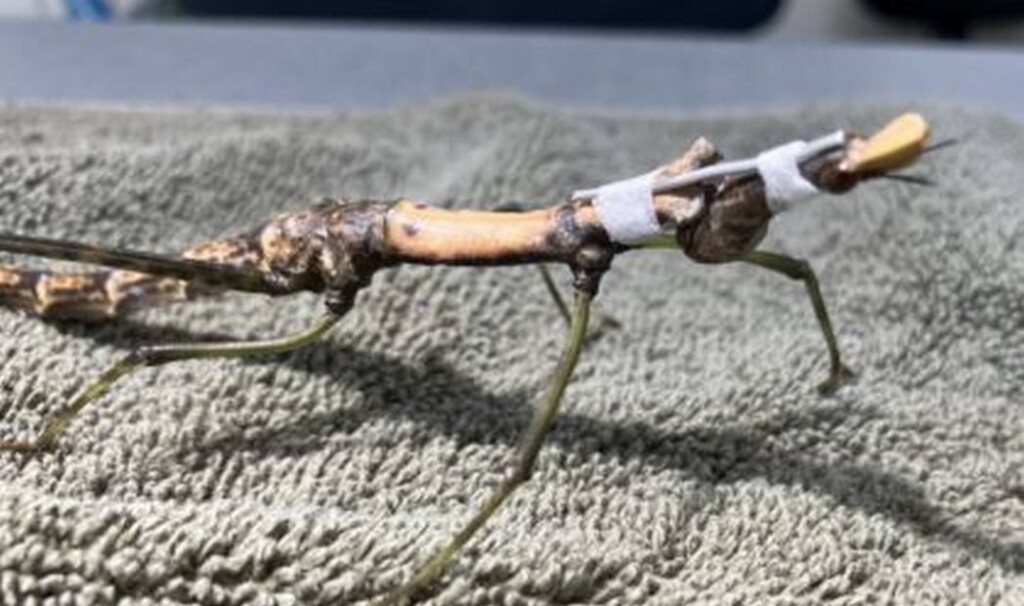
The Peruvian jumping stick with its neck brace – credit, Houston Zoo.
At the Houston Zoo, an emergency medical procedure saw a tiny resident receive a big degree of attention.
At the ‘Bug House,’ the Houston Zoo boasts a number of Peruvian jumping sticks, which appear like stick insects, but are actually grasshoppers.
In early 2024, a female jumping stick was going through molt, a number process by which the bugs shed their exoskeletons and grow new ones. However, when the female finished, attentive zookeepers noticed a crease had developed between her thorax and head in an area without a joint.
This “neck”-like spot (it isn’t really a neck as we would understand it) was so weak that when she attempted to climb up trees, her head flopped almost all the way back on itself.
Rushing her to the veterinary clinic, Julie, the entomologist who first noticed the crease on the jumping stick, came up with the ingenious idea to secure her head with a neck brace. Using the rod of a sterilized Q-top and some microspore tape, they braced her head and thorax which allowed the crease to heal.
The Peruvian jumping stick after recovery – credit, Houston Zoo.
She had a small visible mark where the original crease happened, but after a few days the brace was removed and she was back to climbing about like normal in her exhibit.
“Whether it’s a mammal, reptile, bird, or even insect, all of our animals receive extraordinary care from our veterinary team, no matter how big or small it may be,” the Houston Zoo, understandably proud of Julie and the entomology team, wrote in a blog post.
“Together, with the help of our entomology and veterinary team, one of our smallest critters received exceptional treatment thanks to the ingenious design of a temporary neck brace.”
SHARE This Sweet Attention To One Of The Smallest Critters At The Zoo…
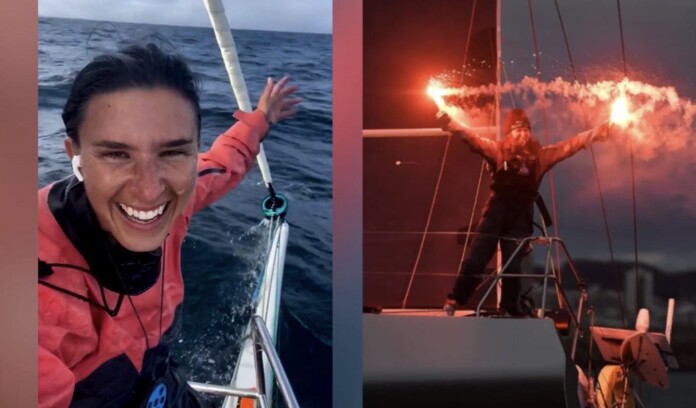
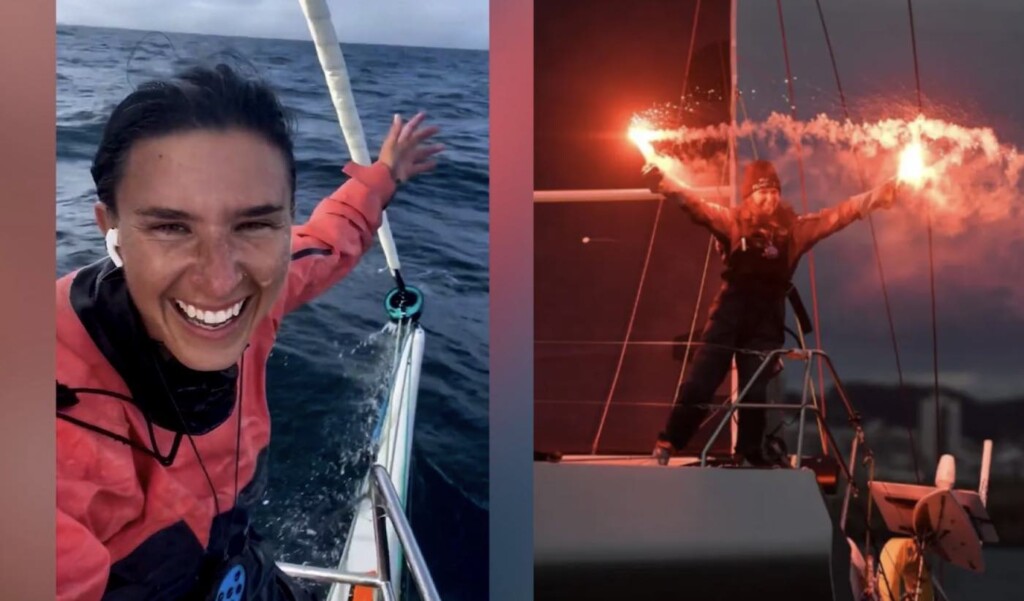
A 29-year-old woman has become the first woman to race non-stop around the Earth when she arrived in A Coruna, Spain, on Thursday.
Captaining her 40-foot vessel First Light for months, Cole Brauer crossed three oceans and 30,000 miles to arrive at the finish line. She was the only woman who set forth on the Global Solo Challenge.
She is neither the first woman to sail around the world nor the first woman to sail non-stop around the world, but she is the first to do it as part of a competition, and ipso facto also set the world record for the fastest, solo, female, non-stop circumnavigation at 130 days.
Satellite communications allowed her to keep in touch with a logistics team, as well as a horde of over 400,000 followers on social media.
“Solo sailors, you have to be able to do everything,” Brauer told NBC News’ Today Thursday. “You need to be able to take care of yourself. You need to be able to get up, even when you’re so exhausted. And you have to be able to fix everything on the boat.”
Her route took her from Spain down the west coast of Africa where she hugged the Southern Ocean reaches from the Cape of Good Hope, to Australia, to Cape Horn, and up again to Spain across the Atlantic.
With the circumference of the globe being narrower the closer one sails to Antarctica, the route was a must if Brauer had any hope of a speedy finish. This did mean braving frigid air temps and rough seas, including thirty-foot waves that launched her around her cabin.
Only one instance led Brauer to consider abandoning the mission—when some critical equipment failed, and she wasn’t sure she could make running repairs herself. It was her mom who talked her out of throwing in the towel.
Upon her return to A Coruna, she celebrated with a champagne shower, a cappuccino, and a croissant; all well deserved undoubtedly.
“I push so much harder when someone’s like, ‘no, you can’t do that,’ or ‘you’re too small,’” Brauer, standing 5-foot-1 and weighing 100 pounds, told NBC. “It would be amazing if there was just one other girl that saw me and said ‘Oh, I can do that, too.’”
WATCH the story below from Inside Edition…
SHARE This Woman’s Inspiring Accomplishment With Your Friends…
No birds alive today have teeth. But that wasn’t always the case—many early fossil birds had beaks full of sharp, tiny teeth.
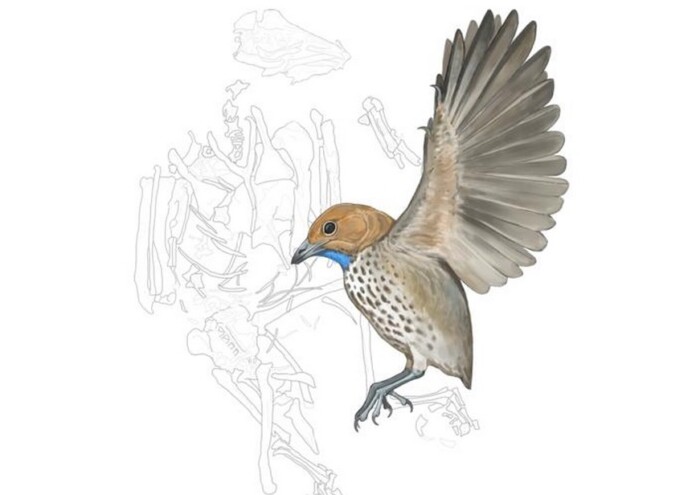
Now though, in a paper in the journal Cretaceous Research, scientists have described a new species of bird that was the first of its kind to evolve toothless-ness; its name, in honor of naturalist Sir David Attenborough, means “Attenborough’s strange bird.”
“It is a great honor to have one’s name attached to a fossil, particularly one as spectacular and important as this. It seems the history of birds is more complex than we knew,” Sir David Attenborough said on the occasion.
All birds are dinosaurs, but not all dinosaurs fall into the specialized type of dinosaurs known as birds, sort of like how all squares are rectangles, but not all rectangles are squares. The newly described Imparavis attenboroughi is a bird, and therefore, also a dinosaur.
Imparavis attenboroughi was a member of a group of birds called enantiornithines, or “opposite birds,” named for a feature in their shoulder joints that is “opposite” from what’s seen in modern birds.
Enantiornithines were once the most diverse group of birds, but they went extinct 66 million years ago following the meteor impact that killed most of the dinosaurs. Scientists are still working to figure out why the enantiornithines went extinct and the ornithuromorphs, the group that gave rise to modern birds, survived.
“Enantiornithines are very weird. Most of them had teeth and still had clawed digits,” said Alex Clark, a Ph.D. student at the University of Chicago and the Field Museum and the paper’s corresponding author.
“If you were to go back in time 120 million years in northeastern China and walk around, you might have seen something that looked like a robin or a cardinal, but then it would open its mouth, and it would be filled with teeth, and it would raise its wing, and you would realize that it had little fingers.”
“Scientists previously thought that the first record of toothlessness in this group was about 72 million years ago, in the late Cretaceous. This little guy, Imparavis, pushes that back by about 48 to 50 million years. So toothlessness, or edentulism, evolved much earlier in this group than we thought,” says Clark.
The specimen was found by an amateur fossil collector near the village of Toudaoyingzi in northeastern China and donated to the Shandong Tianyu Museum of Nature.
During a visit to the Shandong Tianyu Museum, Clark’s colleagues noticed unusual wing bones which have since been theorized as allowing for muscle attachments that let this bird flap its wings with extra power.
“We’re potentially looking at really strong wing beats. Some features of the bones resemble those of modern birds like puffins or murres, which can flap crazy fast, or quails and pheasants, which are stout little birds but produce enough power to launch nearly vertically at a moment’s notice when threatened,” says Clark.
Meanwhile, the bird’s toothless beak doesn’t necessarily tell scientists what it was eating, since modern toothless birds have a wide variety of diets. Like its fellow enantiornithines, and unlike modern birds, it doesn’t appear to have a digestive organ called a gizzard, or gastric mill, that helped it crush up its food.
“I like to think of these guys kind of acting like modern robins. They can perch in trees just fine, but for the most part, you see them foraging on the ground, hopping around and walking,” Clark adds.
“It seems like most enantiornithines were pretty arboreal, but the differences in the forelimb structure of Imparavis suggest that even though it still probably lived in the trees, it maybe ventured down to the ground to feed, and that might mean it had a unique diet compared to other enantiornithines, which also might explain why it lost its teeth,” said the Field Museum’s associate curator, Jingmai O’Connor.
Clark said that nature documentaries by Sir David Attenborough, in which the renowned British naturalist narrates the behavior of different animals, were pivotal to his own interest in science.
“I most likely wouldn’t be in the natural sciences if it weren’t for David Attenborough’s documentaries,” he said.
SHARE This Young Man, A Strange Bird, And His Great Inspiration…
Quote of the Day: “Respect is what we owe; love, what we give.” – Philip James Bailey
Photo by: Carrie Borden
With a new inspirational quote every day, atop the perfect photo—collected and archived on our Quotes page—why not bookmark GNN.org for a daily uplift?
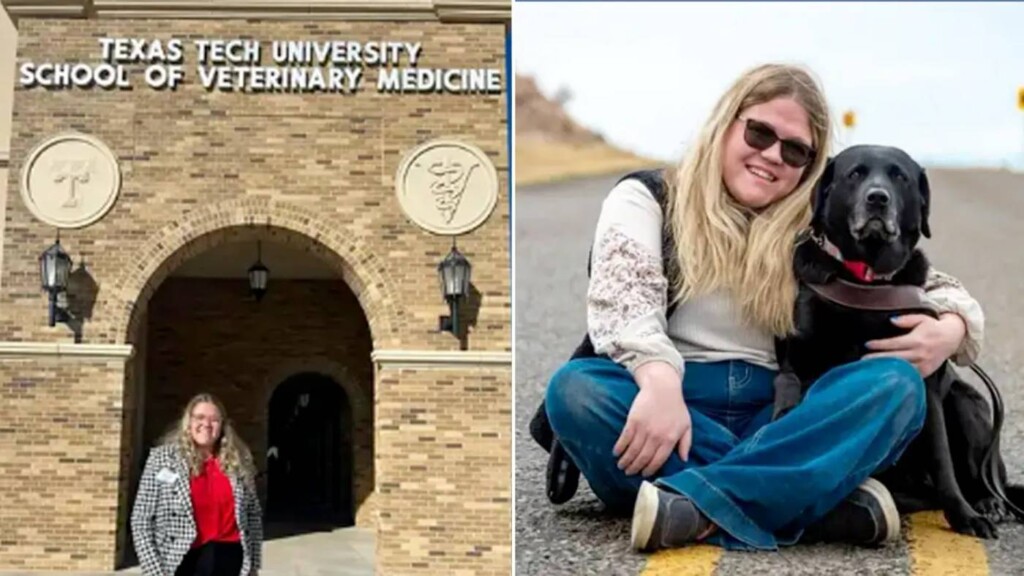
Faith Snapp had always grown up around animals; and though she couldn’t see them, she “always loved them.”
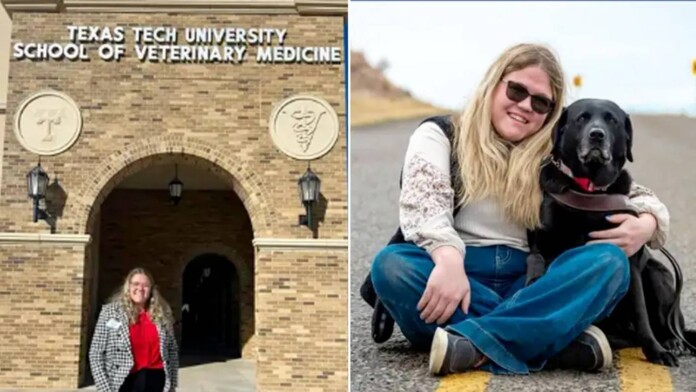
Now, she’s on the road to becoming perhaps Texas’ first-ever blind veterinarian, and she spoke to Fox News recently about her journey, and about how anything is possible if you believe it’s possible.
Born quite prematurely, Snapp has about 10% vision. Her right eye can detect motion. Her left is more suited to colors, large print, and shapes.
“My entire life, my family has raised horses and goats for as long as I can remember,” Snapp shared with FOX 26 Houston. On top of the farm critters, Snapp had a guide dog since the beginning of high school.
She says she never let her disability get in the way of her living her life, and as long as there was accommodation and people to support her, she felt there was nothing she couldn’t do.
Case in point, Snapp was recently accepted into Texas Tech University School of Veterinary Medicine after years of volunteering in local animal clinics.
She starts her classes in August with an eye on becoming a mixed-animal vet, and working with both housepets and larger animals.
“No matter who you are or what your circumstances… anything is possible,” she said. “I just hope my story can help others realize that you can accomplish anything you set your mind to.”
SHARE This Inspiring Woman’s Disability Being Totally Not A Problem…
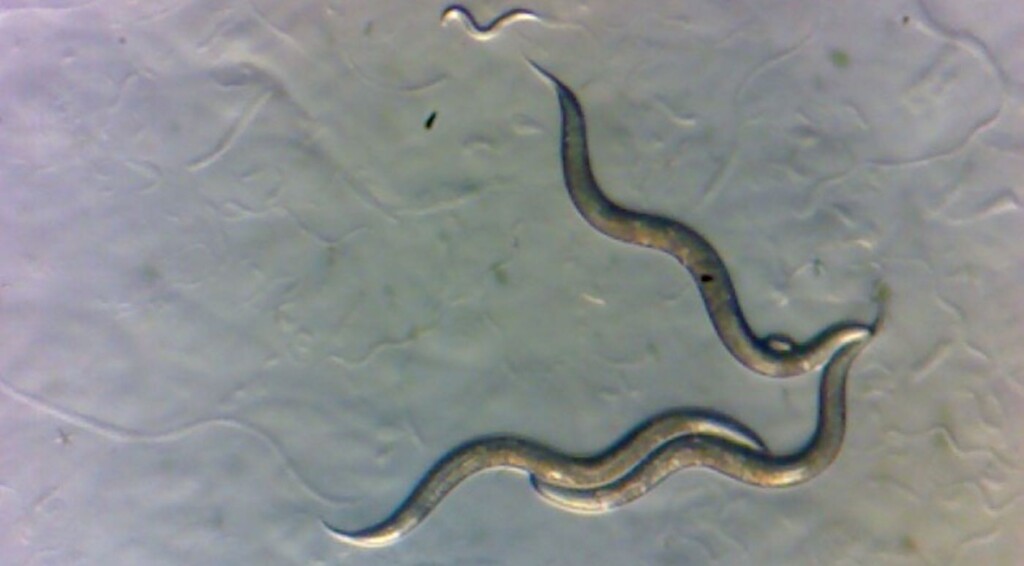
Worms collected in the Chornobyl Exclusion Zone – SWNS / New York University
Worms collected in the Chornobyl Exclusion Zone – SWNS / New York University
The 1986 disaster at the Chernobyl nuclear power plant transformed the surrounding area into the most radioactive landscape on Earth, and now the discovery of a worm that seems to be right at home in the rads is believed to be a boon for human cancer research.
Though humans were evacuated after the meltdown of Reactor 4, many plants and animals continued to live in the region, despite the high levels of radiation that have persisted to our time.
In recent years, researchers have found that some animals living in the Chernobyl Exclusion Zone are physically and genetically different from their counterparts elsewhere, raising questions about the impact of chronic radiation on DNA.
In particular, a new study led by researchers at New York University finds that exposure to chronic radiation from Chernobyl has not damaged the genomes of microscopic worms living there today, and the team suggests the invertebrates have become exceptionally resilient.
The finding could offer clues as to why humans with a genetic predisposition to cancer develop the disease, while others do not.
“Chernobyl was a tragedy of incomprehensible scale, but we still don’t have a great grasp on the effects of the disaster on local populations,” said Sophia Tintori, a postdoctoral associate in the Department of Biology at NYU and the first author of the study, published in the Proceedings of the National Academy of Sciences.
“Did the sudden environmental shift select for species, or even individuals within a species, that are naturally more resistant to ionizing radiation?”
Tintori and her colleagues turned to nematodes, tiny worms with simple genomes and rapid reproduction, which makes them particularly useful for understanding basic biological phenomena.
“These worms live everywhere, and they live quickly, so they go through dozens of generations of evolution while a typical vertebrate is still putting on its shoes,” said Matthew Rockman, a professor of biology at NYU and the study’s senior author.
“I had seen footage of the Exclusion Zone and was surprised by how lush and overgrown it looked—I’d never thought of it as teeming with life,” added Tintori. “If I want to find worms that are particularly tolerant to radiation exposure, this is a landscape that might have already selected for that.”
In collaboration with scientists in Ukraine and U.S. colleagues, including biologist Timothy Mousseau of the University of South Carolina, who studies the effects of radiation from the Chernobyl and Fukushima disasters, Tintori and Rockman visited the Chernobyl Exclusion Zone in 2019 to see if chronic radiation has had a detectable impact on the region’s worms.
With Geiger counters in hand to measure local levels of radiation and personal protective gear to guard against radioactive dust, they gathered worms from samples of soil, rotting fruit, and other organic material.
The ruins of Reactor 4, Chernobyl Exclusion Zone. credit Matt Shalvatis – CC BY-4.0. SA
Worms were collected from locations throughout the zone with different amounts of radiation, ranging from low levels on par with New York City (negligibly radioactive) to high-radiation sites on par with outer space (dangerous for humans, but of unclear if it would be dangerous to worms).
After collecting samples in the field, the team brought them to Mousseau’s field lab in a former residential home in Chernobyl, where they separated hundreds of nematodes from the soil or fruit. From there, they headed to a Kyiv hotel where, using travel microscopes, they isolated and established cultures from each worm.
Back in the lab at NYU, the researchers continued studying the worms by freezing them.
“We can cryopreserve worms, and then thaw them for study later. That means that we can stop evolution from happening in the lab, something impossible with most other animal models, and very valuable when we want to compare animals that have experienced different evolutionary histories,” said Rockman.
They focused their analyses on 15 worms of a nematode species called Oscheius tipulae, which has been used in genetic and evolutionary studies. They sequenced the genomes of the 15 O. tipulae worms from Chernobyl and compared them with the genomes of five O. tipulae from other parts of the world.
The researchers were surprised to find that, using several different analyses, they could not detect a signature of radiation damage on the genomes of the worms from Chernobyl.
“This doesn’t mean that Chernobyl is safe—it more likely means that nematodes are really resilient animals and can withstand extreme conditions,” noted Tintori. “We also don’t know how long each of the worms we collected was in the Zone, so we can’t be sure exactly what level of exposure each worm and its ancestors received over the past four decades.”
Wondering whether the lack of genetic signature was because the worms living in Chernobyl are unusually effective at protecting or repairing their DNA, the researchers designed a system to compare how quickly populations of worms grow and used it to measure how sensitive the descendants of each of the 20 genetically distinct worms were to different types of DNA damage.
The surprise in this story is that while the lineages of worms were different from each other in how well they tolerated DNA damage, these differences didn’t correspond to the levels of radiation at each collection site, meaning that unlike the origin stories of several superheroes, radiation exposure doesn’t seem to create super worms just as much as it can’t turn you or I into Spiderman or the Hulk.
Instead, the teams’ findings suggest that worms from Chernobyl are not necessarily more tolerant of radiation and the radioactive landscape has not forced them to evolve.
The results give researchers clues into how DNA repair can vary from individual to individual—and despite the genetic simplicity of O. tipulae, could lead to a better understanding of natural variation in humans.
“Now that we know which strains of O. tipulae are more sensitive or more tolerant to DNA damage, we can use these strains to study why different individuals are more likely than others to suffer the effects of carcinogens,” said Tintori.
How different individuals in a species respond to DNA damage is top of mind for cancer researchers seeking to understand why some humans with a genetic predisposition to cancer develop the disease, while others do not.
“Thinking about how individuals respond differently to DNA-damaging agents in the environment is something that will help us have a clear vision of our own risk factors,” added Tintori.
SHARE This Interesting Irradiated Science Project On Social Media…
Papyrus was the premier writing material of the ancients, and an international team of researchers has discovered that wasabi, the spicy green goop you get with your sushi, can save ancient papyrus manuscripts from fungal contamination.
Papyrus is made from the crushed stems of the Cyprus papyrus plant, and because it’s only one step removed from a plant, the papyrus, and the pigments contained upon it, can be eaten away by fungal microbes.
Papyruses contain all manner of ancient wisdom, including the Egyptian Book of the Dead, the Will of Naunakhte, treatises on medicine and surgery, the only extant copy of the Greek playwright Menander, many different Biblical sections, Book V and VI of Homer’s Illiad, and the Vision of Dorotheus, one of the earliest examples of Christian hexametric poem, just to name a handful.
“The bio-deterioration of papyri is a worldwide problem,” lead author Hanadi Saada, a researcher at the Grand Egyptian Museum in Egypt, tells New Scientist.
Archivists are not helpless against such bio-deterioration, but chemical agents used have their issues, such as toxicity for humans and objects, damage and disruption of ancient pigments, and not providing a future guarantee against such contamination.
In their study, the team created papyrus sheets and baked them in the oven to simulate years of weathering. Next, they exposed the papyrus to microscopic fungi commonly found on ancient scrolls.
Gradually mixing water and wasabi until it reached a “dumpling-like state” they hung the papyrus in such a way as to ensure the fumes from the wasabi lump could cover the whole scroll.
After three days, the contamination had been cleared without a trace remaining. All the pigments and other physical characteristics of the papyrus remained undisturbed, and something within the wasabi vapors increased the scroll’s textile strength.