All News - Page 212 of 1719 - Good News Network
Home Blog Page 212

“Never close yourself off to love, or give up… Do everything you can.” – Cheryl Strayed 

Quote of the Day: “Never close yourself off to love or give up… Do everything you can.” – Cheryl Strayed 

Photo by: Nathan Walls, CC license

With a new inspirational quote every day, atop the perfect photo—collected and archived on our Quotes page—why not bookmark GNN.org for a daily uplift?

Hero Firefighters Rescue Driver Trapped in Semi-Truck Dangling Off Bridge (LOOK)

WHAS via GMA video
WHAS via GMA video

Dramatic footage from downtown Louisville, Kentucky, last week showed a semi-tractor trailer truck dangling over the water, after nearly plummeting off the Clark Memorial Bridge.

The Louisville fire department was on the scene within three minutes and devised a plan to rescue the driver who was still trapped inside.

Fire Chief Brian O’Neill said the rescue method used is known as a ‘pickoff.’

When firefighter Bryce Carden was lowered with a harness and reached the driver she was still belted into the truck’s cab.

Thanks to a tremendous team effort, the woman was safely back on the bridge within 40 minutes.

“The first responders did an amazing job,” said the department on social media.

Firefighter Bryce Carden – Credit: Louisville Fire Department

“All credit goes to these folks,” O’Neill said, gesturing to a line of fire department members behind him. “They train for this stuff all the time.”

See the pickoff in the Department’s video below…

“These were some serious heroes here.”

AMAZING HERO STRANGERDriver Sees 18-Year-old Jump off 50-ft Bridge and Instantly Dives into Racing River in the Dark to Save Him

“She is incredibly fortunate that the semi truck threaded the needle of those bridge stanchions…getting wedged in there,” Carden told GMA in an interview which aired on ABC…

AMAZE Your Friends With These Incredible Firefighters–SHARE it Now…

How Self-Compassion Can Help People Achieve Weight Loss Goals Despite Setbacks–and Resume Dieting Faster

By Volodymyr Hryshchenko

Losing weight is extremely difficult because high-calorie, delicious food is widely available. Despite best intentions, it’s common to wind up overeating—and these setbacks can be frustrating and demoralizing, often leading to the abandonment of goals.

A study of 140 overweight or obese adults enrolled in a weight loss program found that higher levels of self-compassion, particularly self-kindness, were linked to reduced negative feelings following a dietary lapse.

Individuals who practiced self-kindness tended to feel less guilty and more positive about themselves despite the setback.

Afterward, they reported feeling more in command of their eating habits, suggesting that self-compassion can help people regain a sense of agency after a lapse.

The research from the Center for Weight, Eating and Lifestyle Sciences (WELL Center) at Drexel University, published in Appetite, found that when study participants had more self-compassionate responses to their lapse, they reported better mood and self-control over their eating and exercise behavior in the hours following the lapse.

“Many people worry that self-compassion will cause complacency and lead them to settle for inadequacy, but this study is a great example of how self-compassion can help people be more successful in meeting their goals,” said Charlotte Hagerman, PhD, an assistant research professor in the College and lead author.

“The road to achieving difficult goals—especially weight loss—is paved with setbacks. Practicing self-compassion helps people cope with self-defeating thoughts and feelings in response to setbacks, so that they are less debilitated by them. In turn, they can more quickly resume pursuing their goals.”

CHECK OUT: Cutting Calories by Just 12% Can Help People Live Healthier, Longer Lives, Says Study

The 140 participants, who were trying to lose weight through a group-based lifestyle modification program, each responded to surveys on their smartphones multiple times a day to report whether they had experienced a dietary lapse – eating more than they intended, a food they didn’t intend, or at a time they didn’t intend – and the extent to which they were responding to that lapse with self-compassion.

It’s important to forgive yourself. (Fa Barboza)

The researchers also asked about participants’ moods and how well they had been able to practice self-control over their eating and exercise behavior after the last survey they responded to.

Hagerman said people typically blame themselves for a lack of willpower.

“In reality, we live in a food environment that has set everyone up to fail. Practicing self-compassion rather than self-criticism is a key strategy for fostering resilience during the difficult process of weight loss,” said Hagerman.

“The next time you feel the urge to criticize yourself for your eating behavior, instead try speaking to yourself with the kindness that you would speak to a friend or loved one.”

LOOK: Scientists Design Junk Food Game to Help People Eat Less, Lose Weight – Study Shows it Works

For example, instead of a person saying to his or herself, “You have no willpower,” reframe it to a kinder – and truer – statement: “You’re trying your best in a world that makes it very difficult to lose weight.” Hagerman added that this isn’t letting yourself “off the hook” but giving yourself grace to move forward in a highly challenging process.

The research team hopes this will lead to more effective interventions and best strategies for reducing self-blame and criticism, while also holding themselves accountable to their personal standards and goals.

“It can be easy for the message of self-compassion to get muddied, such that people practice total self-forgiveness and dismiss the goals they set for themselves,” said Hagerman. “But we’ve shown that self-compassion and accountability can work together.”

FEED The Self-Help Tips to Pals on Diets By Sharing on Social Media…

New Cheap, Non-Invasive Test For Oral Cancer Tackles Difficult-to-Diagnose Disease–With Results in 30 Minutes

By Caroline LM
By Caroline LM

A new cheap, non-invasive test for oral cancer which could potentially save millions of lives has been developed.

Oral cancers and precancerous mouth lesions are considered especially difficult to diagnose early and accurately.

The biopsies are expensive, invasive and stressful for the patient, and can lead to complications. They’re also not feasible if repeated screenings of the same lesion are required.

But a team of researchers, led by a clinician scientist at Case Western Reserve University School of Dental Medicine, has discovered a simpler, low-cost test to detect the cancer and monitor precancerous lesions, while determining when a biopsy is warranted.

And the results can be determined within thirty minutes.

Their findings are based on a scoring system linked to the levels of two proteins in the cells which can be brushed from suspicious oral lesions at dental clinics or by ear, nose and throat doctors.

One of the proteins (human beta defensin 3 or hBD-3) is expressed at high levels in early-stage oral cancer, while the second (hBD-2) is low or unchanged.

UPDATE: World’s First Drug to Regrow Teeth Enters Clinical Trials

The ratio of one to the other found in the lesion site—over the ratio of the two proteins on the opposite, normal site—generates a score, called the beta defensin index (BDI).

A score above a predetermined threshold implies cancer; anything below does not. Determining the levels of the proteins and quantifying the BDI is done routinely in a lab.

“When we first discovered hBD-3, we saw it acted as a ‘good guy,’ involved in wound-healing and killing microbes,” said the study’s lead researcher Aaron Weinberg, chair of the Department of Biological Sciences at Case Western.

“Imagine our surprise when this Dr. Jekyll turned out to be Mr. Hyde,” he said. “We found it was not only promoting tumor growth but was overexpressed in the early stages of the disease, while another member, hBD-2, wasn’t changing.

POPULAR: Belgian Boy is the First Child in the World to Have Been Cured of Brain Stem Glioma, a Brutal Cancer

Head and neck cancer, of which oral cancer is about 90%, is the seventh-most prevalent malignancy in the world, with about 640,000 cases per year, resulting in 350,000 deaths worldwide.

The study’s lab-based approach, which is now patented, can reduce biopsies in primary care clinics by 95% because it can tell clinicians which patients actually need a biopsy. The test can also be used in developing countries where oral cancer is rampant and pathology services are questionable or lacking, said Weinberg.

CHECK OUT: Hand-held Test for Breast Cancer Uses Your Saliva and Gives Accurate Readings in 5 Seconds

The successful results, published March 4 in the journal Cell Reports Medicine, have inspired the development of a device that measures the protein ratio and could be used directly in a clinic.

Working through Case Western Reserve’s Technology Transfer Office, a patent for the device is pending, setting up possible manufacturing and clinical validation as a next step.

SHARE the Cancer Hope on Social Media…

For Years Bill Walked 6 Miles to Work Until She Gave Him a Lift–And Started a Rideshare Service Just for Him

Christy Conrad with Bill Moczulewski – Courtesy Mr. Bill‘s Village on Facebook

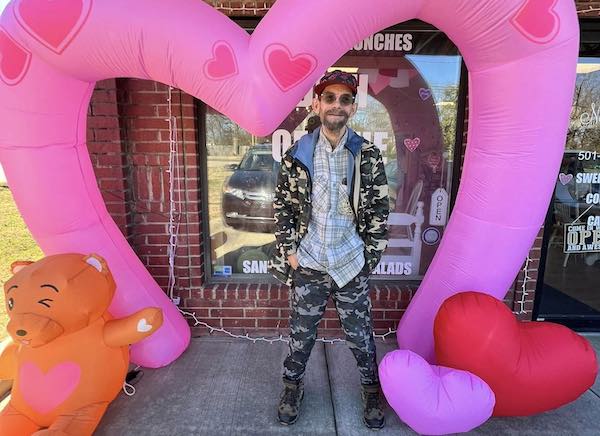
For years, in the rain or cold, Bill Moczulewski walked six miles to work at the local Walmart as a nightshift janitor—but that all changed the day a woman stopped and offered him a ride.

Christy Conrad learned that despite being legally blind he possessed a steadfast determination to trudge in any kind of weather in order to work.

“I picked him up in nine degrees the other morning,” said Christy, who also learned that he used to ride a bike until he got hit by a car.

But Christy has her own family and couldn’t always be there, so she started a Facebook group to seek other volunteers who could give him a lift.

Mr. Bill’s Village soon attracted over a thousand members who wanted to keep an eye out for the man walking in a camouflage jacket at sunset or sunrise.

One group member said it’s now like a competition, ‘Who can give Bill a ride today?’

“There’s a lot of good people in this world, all over the place,” Bill told Steve Harman and his CBS News crew who recently visited Cabot, Arkansas, to tell the heartwarming story.

Bill Moczulewski – Courtesy Mr. Bill‘s Village on Facebook

After seeing the TV news story shared across the world, Christy cried—but all “happy tears”.

“I hope if anyone takes anything from this, it would be: use the Golden Rule. Treat others the way you would want to be treated,” she wrote on the Mr. Bill’s Village Facebook Page.

“When you see a need, fill it if possible!”

Chris Puckett, the local owner of Puckett Auto Group, saw a way he could help. He wanted to gift Bill a vehicle, but since he’s not allowed to drive, the car was donated to Christy—a fitting example of the old adage, ‘It takes a village.’

WATCH the video below… (*NOTE to Those Outside the U.S: View the video at CBS.com)

STEP UP WITH KINDNESS By Sharing the Heartwarming Story on Social Media…

“Somewhere between perfect success and abject failure is a sweet spot that maximizes long-term progress.” – Adam Alter

Quote of the Day: “Somewhere between perfect success and abject failure is a sweet spot that maximizes long-term progress.” – Adam Alter 

Photo by: Pim de Boer (Church of the Rock ‘Temppeliaukion kirkko’ in Helsinki, Finland)

With a new inspirational quote every day, atop the perfect photo—collected and archived on our Quotes page—why not bookmark GNN.org for a daily uplift?

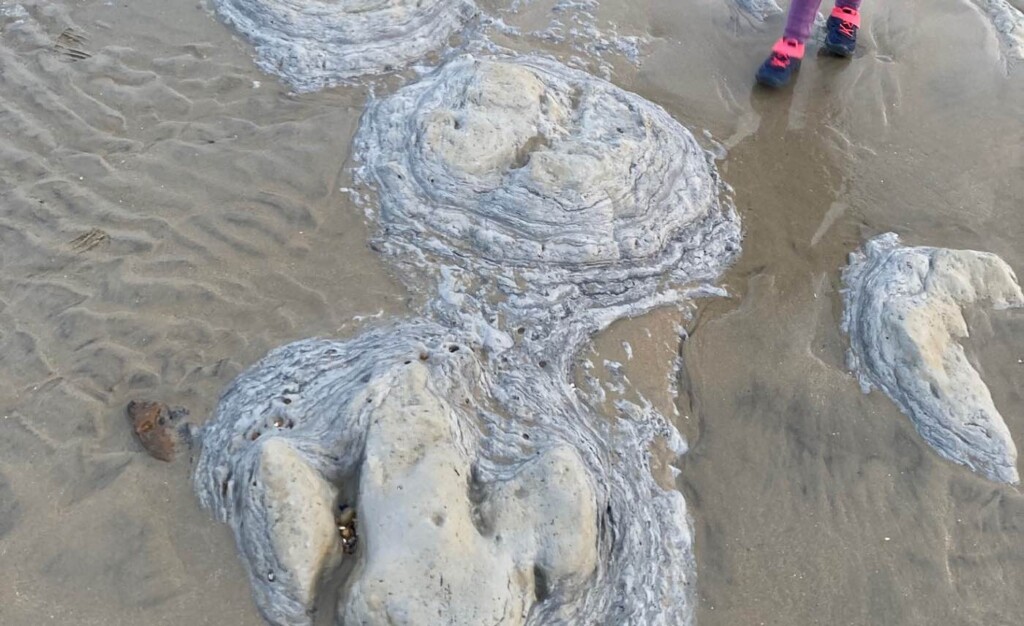
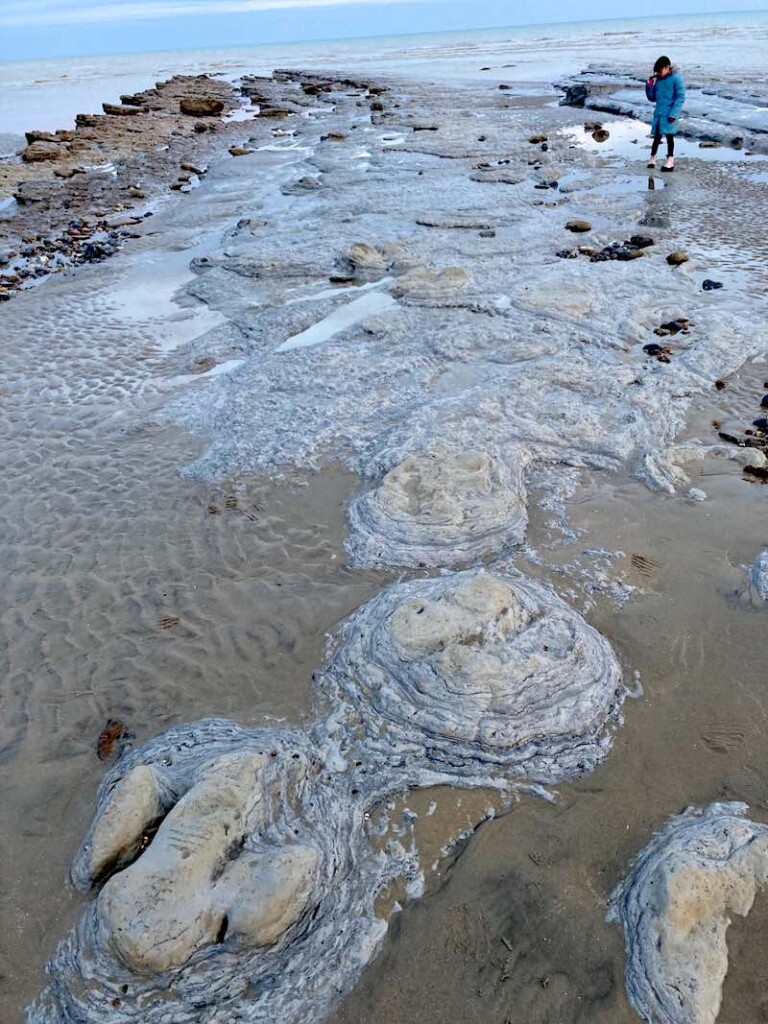
Family Discovers 8 Huge Dinosaur Footprints While Walking on Eroded Beach (Photos)

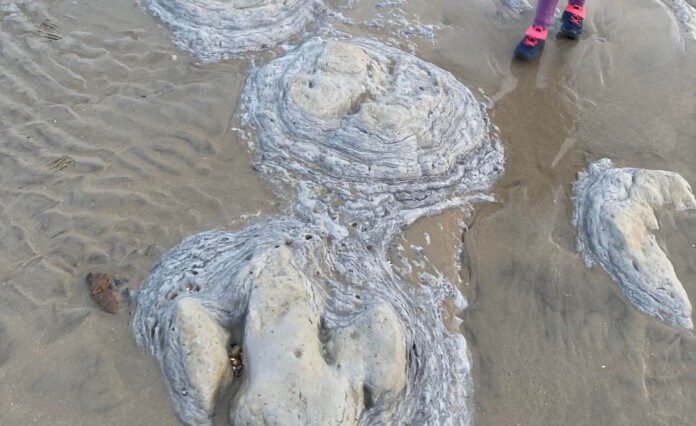
Dinosaur footprints on the beach in Bexhill, East Sussex – By Vicky Ballinger / SWNS

A family was strolling along an eroded beach at sunset when they discovered a trove of eight huge dinosaur footprints.

Vicky Ballinger and her two kids were stunned by the sight in East Sussex, England, after high tides and heavy rains had worn away the sand, exposing the rock underneath.

The area from Bexhill-on-Sea to Fairlight has become known for its track casts and prints of dinosaurs.

“I grew up in Bexhill and I’ve never seen these ones before,” says Vicky.

“I believe they are iguanodon footprints. They’re not T-rex tracks (because) they weren’t in England.”

Vicky went to the local Bexhill Museum with her discovery, and they’re investigating further this week. She also uploaded her video to YouTube (see below).

“The kids loved that they could see the track of a dinosaur and walk where it walked. It was very exciting.”

Set of eight Dinosaur footprints on the beach in Bexhill, East Sussex – By Vicky Ballinger / SWNS

LOOK: New Dinosaur With Rows of Bristles On its Head Like a Toothbrush Has Been Discovered

In 2018, more than 85 footprints from the Cretaceous period made up of at least seven different species were uncovered by the cliffs between Hastings and Fairlight—including the fine detail of skin and scales.

Another fossil discovered on Bexhill beach was confirmed as a ‘pickled’ dinosaur brain.

The Bexhill site dates back to around 140 million years ago and contains the remains of dinosaurs that used to roam in the freshwater surroundings of the period.

“It’s quite beautiful to find these amazing dinosaur footprints when we came on a walk.”

CHECK OUT: Newly Discovered Giant Dinosaur Species May Be Closest Known Relative of T. rex

Over the years, the fossils of several dinosaur species have been found including Iguanodon, Megalosaurus, Baryonyx, Polacanthus, and the tooth of a Velociraptor-type animal, many of which are on display at the Bexhill Museum.

Check out her lovely video below…

SHARE THIS AMAZING SIGHTING With Paleo-Pals on Social Media…

Freaky Fate Finds Man Seated Next to His Doppelganger—And They Have the Same Names, Hobbies, and Hometowns

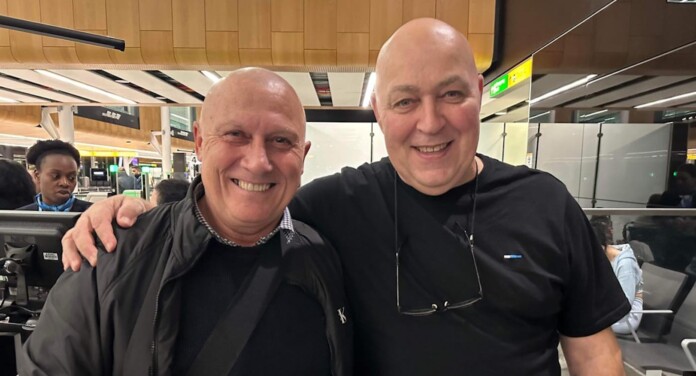
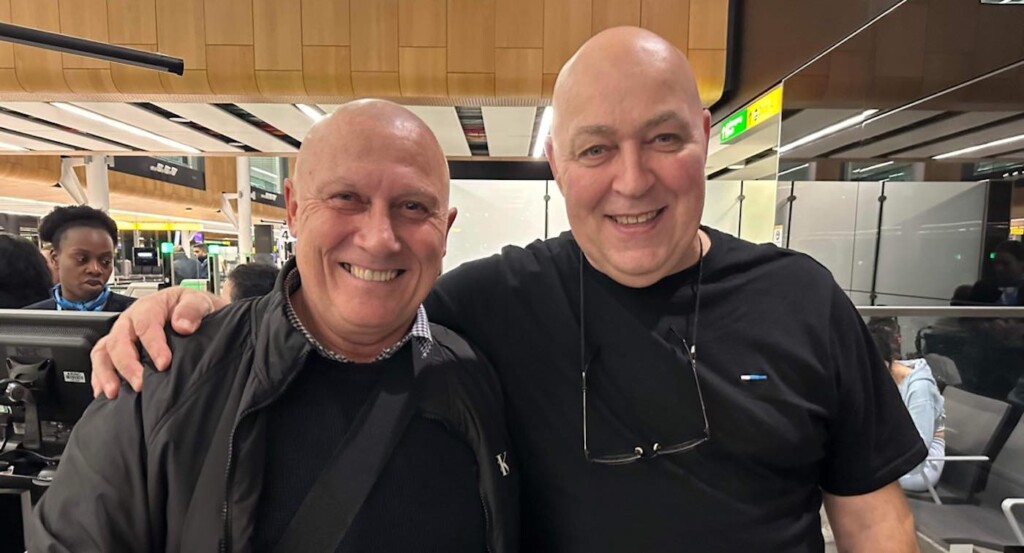
Mark Garland (left) with his doppelganger Mark Garland (right) – Photo via SWNS

A man was stunned recently to discover his doppelganger seated next to him on an airline flight—and not only do they look alike, they found out they had the same names, hobbies, and even a mutual friend.

Mark Garland arrived at the check-in desk at Heathrow airport for a flight to Bangkok, Thailand, when staff informed him that he had “already checked in”.

After 40 minutes, staff finally figured out that there were two Mark Garlands on the flight.

“I said, ‘Look I’m Mark Garland’, showing him my passport, and he started laughing and opened his passport and showed me his name.”

But having identical names was just the beginning.

When they came face to face, they realized they looked remarkably similar, both wearing black and donning shaved heads.

“I go to the desk and there’s a bloke who looks just like me.”

Then, the 58-year-old arrived at his seat to find the other Mark Garland seated right next to him.

The bus driver from Trowbridge, Wiltshire, spent 11 hours chatting with his new pal, a 62-year-old builder who lives just 34 miles away from Mark in Bristol—so close that sometimes Mark gets on the other Mark’s bus route.

Both of the men have four kids, but are currently single, and they even has a friend in common, a colleague of the younger Mark drinks with Mark the elder at his local pub.

Perhaps most bizarre, both men absolutely love Thailand, having visited more than a dozen times each.

“We were so shocked by how strange it was,” said the younger man. “We both kept laughing and smiling about it, it made me happy.”

WATCH: Irishman Whips Out Fiddle to Entertain Passengers in Flight–and People Dance a Jig in the Aisle

The other man agreed. “It was crazy. I have never known anything like it.

“I was thinking ‘what is going on!’ I thought someone was winding me up.

Their personalities matched up well, too. After getting through the line for boarding, they both burst out laughing when they see they were seated next to each other.

“He’s like me, I’ve got a character, and I love winding people up. We’re the same.”

The pair were both going on 3-4 week vacations to Thailand on March 2, when they discovered the lucky coincidence on the EVA Air flight.

“I just found it astonishing that he lived so near—right up the road. I told him I’d been to Thailand 13 times and he told me he’d been there 83 times.”

“It’s crazy. What are the odds on that?

6 DEGREES OF FUN: Missing Pig Named Kevin Bacon Reunited with Owners After Help from Kevin Bacon

By the end of the flight, the two Mark Garlands were solid friends and the bus driver even “had a little nap” on his new friend’s shoulder.

They’ve vowed to stay in contact and are due to meet up for a beer in Thailand.

“I’ve made a friend for life.”

SHARE THE FUN With Your Doppelganger Friends On Social Media…

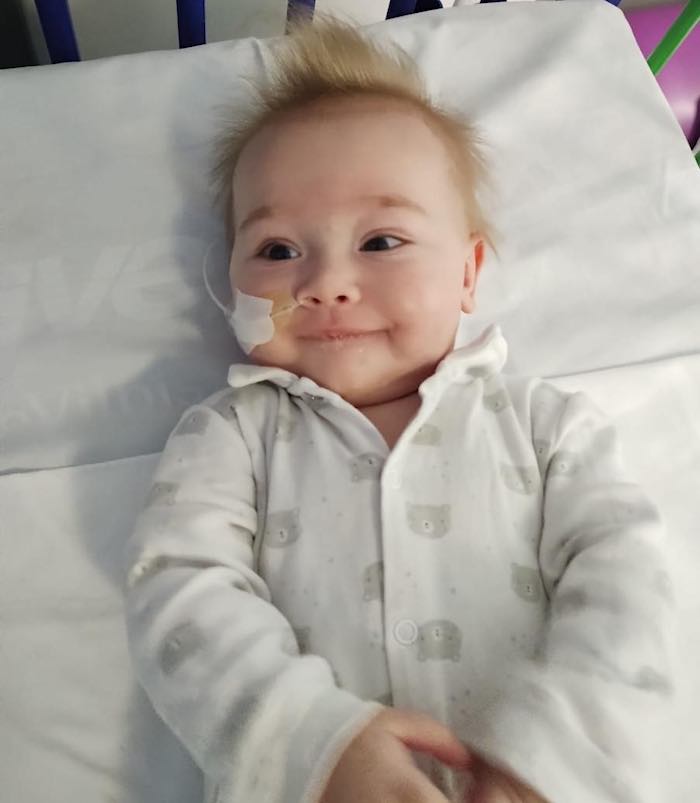
Baby ‘Completely Paralyzed’ by Rare Toxin was Saved After Remedy Found 5,000 Miles Away

Baby Thomas – Photo released via SWNS

A baby left completely paralyzed after being diagnosed with botulism was saved by a remedy found thousands of miles away in the US.

The parents rushed their six-month-old baby to the hospital in Birmingham, England, when he “went floppy” in the middle of the night.

Their pediatrician had already told them to keep a close eye on the infant because he showed a lack of energy and unwillingness to eat. So when he became limp they went straight to hospital—but Thomas’s condition initially stumped doctors.

“Everyone said just how strange Thomas was presenting and that his symptoms didn’t match up,” said mom Alba.

Thomas was eventually diagnosed with botulism, a toxin that can be found in dust, soil, and honey—which is why, for decades, doctors have advised parents not to give honey to babies under the age of one, because it is known to sometimes contain botulinum spores.

He was transferred to intensive care, where he was intubated and put into an induced coma.

“Seeing him like that was terrible. It was just so frightening,” Alba said in a statement. “The next few days were horrendous for us. He was completely paralyzed and we didn’t know if our little boy would wake up again.”

Dr. Amitav Parida, consultant pediatric neurologist, was the first to suggest that it might be botulism, the disease caused by botulinum toxin, which is also the chemical used in the production of Botox.

Only 20 cases of the condition, which can be deadly, have ever been reported in Britain.

Dr. Parida said it was something none of them in the hospital had ever seen before, but laboratory tests confirmed they were right.

LOOK: Tiny Baby That Fit Inside Mom’s Hand is Home Laughing After 181 Days in Hospital Not Expected to Survive

In fact, it is so rare that staff at Birmingham Children’s Hospital had to order the medicine to be rushed from California—the only place in the world that creates the human antitoxin. It travelled more than 5,000 miles in under 48 hours, after rapid customs approval was given.

Baby Thomas – SWNS

Thanks to the speedy delivery, Thomas received the antitoxin treatment needed to cure him in time.

Thomas is now back at home and recovering well, after being held in the hospital for another five weeks.

“Every day, we saw some progress. It was such a relief for us,” recalled Alba.

Now he has regained most his movement and is thriving with his family.

HERO: NICU Nurse Adopts 14-Year-Old Teen Patient with Triplets, to Keep Their Family Together

Dr. Parida noted that—like almost all cases of infant botulism—the source of the botulism could not identified.

SHARE THE WARNING About Honey With Other Parents on Social Media…

Your Horoscope for the Week – ‘Free Will Astrology’ From Rob Brezsny

Our partner Rob Brezsny, who has a new book out, Astrology Is Real: Revelations from My Life as an Oracle, provides his weekly wisdom to enlighten our thinking and motivate our mood. Rob’s Free Will Astrology, is a syndicated weekly column appearing in over a hundred publications. He is also the author of Pronoia Is the Antidote for Paranoia: How All of Creation Is Conspiring To Shower You with Blessings. (A free preview of the book is available here.)

Here is your weekly horoscope…

FREE WILL ASTROLOGY – Week of March 9, 2024
Copyright by Rob Brezsny, FreeWillAstrology.com
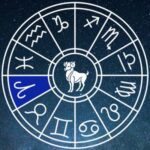
ARIES (March 21-April 19):
“Everyone has talent. What is rare is the courage to follow talent to the dark place where it leads.” So wrote Aries author Erica Jong. Is that true? Is it hard to access the fullness of our talents? Must we summon rare courage and explore dark places? Sometimes, yes. To overcome obstacles that interfere with ripening our talents, there may be tough work to do. I suspect the coming weeks and months will be one of those phases for you, Aries. But here’s the good news: I predict you will succeed.
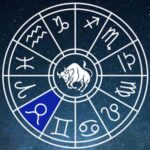
TAURUS (April 20-May 20):
In October 1879, Thomas Edison and his research team produced the first electric light bulb that was viable enough to be of practical use. In September 1882, Edison opened the first power plant on the planet, enabling people to light their homes with the new invention. That was a revolutionary advance in a very short time. Dear Taurus, the innovations you have been making and I hope will continue to make are not as monumental as Edison’s. But I suspect they rank high among the best and brightest in your personal life history. Don’t slack off now. There’s more work to be done—interesting, exciting work!
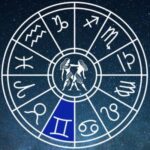
GEMINI (May 21-June 20):
I watched as the Thai snake charmer kissed a poisonous cobra, taming the beast’s danger with her dancing hands. I beheld the paramedic dangle precariously from a helicopter to snag the woman and child stranded on a rooftop during a flood. And in my dream, I witnessed three of my Gemini friends singing a dragon to sleep, enabling them to ramble freely across the bridge the creature had previously forbidden them to traverse.
CANCER (June 21-July 22):
The horoscopes you are reading have been syndicated in publications all over the world: the US, Italy, France, Japan, Canada, Mexico, Australia, Netherlands, Russia, Cambodia, Singapore, Hong Kong, Venezuela, Ireland, and Finland. Yet it has never appeared in a publication in the UK, where there are over 52 million people whose first language is English—the same as mine. But I predict that will change in the coming months: I bet a British newspaper or website will finally print Free Will Astrology. I prophesy comparable expansions in your life, too, fellow Cancerian. What new audiences or influences or communities do you want to be part of? Make it happen!
LEO (July 23-Aug. 22):
Author Jean-Dominique Bauby wrote, “Today it seems to me that my whole life was nothing but a string of small near misses.” If you have endured anything resembling that frustration, Leo, I have good news: The coming months won’t bring you a string of small near misses. Indeed, the number of small near misses will be very few, maybe even zero. Instead, I predict you will gather an array of big, satisfying completions. Life will honor you with bull’s eyes, direct hits, and master strokes. Here’s the best way you can respond to your good fortune and ensure the arrival of even more good fortune: Share your wealth!

VIRGO (Aug. 23-Sept. 22):
Virgo advice expert Cheryl Strayed wrote some rather pushy directions I will borrow and use for your horoscope. She and I say, “You will never have my permission to close yourself off to love and give up. Never. You must do everything you can to get what you want and need, to find ‘that type of love.’ It’s there for you.” I especially want you to hear and meditate on this guidance right now, Virgo. Why? Because I believe you are in urgent need of re-dedicating yourself to your heart’s desire. You have a sacred duty to intensify your imagination and deepen your willpower as you define what kind of love and tenderness and togetherness you want most.

LIBRA (Sept. 23-Oct. 22):
Author Adam Alter writes, “Perfect success is boring and uninspiring, and abject failure is exhausting and demoralizing. Somewhere between these extremes is a sweet spot that maximizes long-term progress.” And what is the magic formula? Alter says it’s when you make mistakes an average of 16 percent of the time and are successful 84 percent. Mistakes can be good because they help you learn and grow. Judging from your current astrological omens, Libra, I’m guessing you’re in a phase when your mistake rate is higher than usual—about 30 percent. (Though you’re still 70 percent successful!) That means you are experiencing expanded opportunities to learn all you can from studying what doesn’t work well. (Adam Alter’s book is Anatomy of a Breakthrough: How to Get Unstuck When It Matters Most.)
SCORPIO (Oct. 23-Nov. 21):
Sometimes you Scorpios are indeed secretive, as traditional astrologers assert. You understand that knowledge is power, and you build your potency by gathering information other people don’t have the savvy or resources to access. But it’s also true that you may appear to be secretive when in fact you have simply perceived and intuited more than everyone else wants to know. They might be overwhelmed by the deep, rich intelligence you have acquired—and would actually prefer to be ignorant of it. So you’re basically hiding stuff they want you to hide. Anyway, Scorpio, I suspect now is a time when you are loading up even more than usual with juicy gossip, inside scoops, tantalizing mysteries, taboo news, and practical wisdom that few others would be capable of managing. Please use your superpowers with kindness and wisdom.
SAGITTARIUS (Nov. 22-Dec. 21):
Here’s a little-known fact about me: I am the priest, wizard, rabbi, and pope of Parish #31025 in the Universal Life Church. One of my privileges in this role is to perform legal marriages. It has been a few years since I presided over anyone’s wedding, but I am coming out of semi-retirement to consecrate an unprecedented union. It’s between two aspects of yourself that have not been blended but should be blended. Do you know what I’m referring to? Before you read further, please identify these two aspects. Ready? I now pronounce you husband and wife, or husband and husband, or wife and wife, or spouse and spouse—or whatever you want to be pronounced.
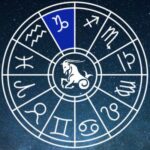
CAPRICORN (Dec. 22-Jan. 19):
“You don’t have to suffer to be a poet,” said poet John Ciardi. “Adolescence is enough suffering for anyone.” I will add that adolescence is enough suffering for everyone, even if they’re not a poet. For most of us, our teenage years brought us streams of angst, self-doubt, confusion, and fear—sufficient to last a lifetime. That’s the bad news, Capricorn. The good news is that the coming months will be one of the best times ever for you to heal the wounds left over from your adolescence. You may not be able to get a total cure, but 65 percent is very possible. 75 percent isn’t out of the question. Get started!
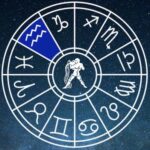
AQUARIUS (Jan. 20-Feb. 18):
A psychic once predicted that I would win a Grammy award for my music. She said my dad and mom would be in the audience, smiling proudly. Well, my dad died four years ago, and I haven’t produced a new album of songs for over ten years. So that Grammy prophecy is looking less and less likely. I should probably give up hope that it will come to pass. What about you, Aquarius? Is there any dream or fantasy you should consider abandoning? The coming weeks would be a good time to do so. It could open your mind and heart to a bright future possibility now hovering on the horizon.
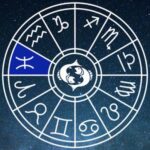
PISCES (Feb. 19-March 20):
I invite you to entertain the following theory: Certain environments, companions, and influences enhance your intelligence, health, and ability to love—while others either do the opposite or have a neutral effect. If that’s true, it makes good sense for you to put yourself in the presence of environments, companions, and influences that enhance you. The coming weeks will be an excellent time to test this theory. I hope you will do extensive research and then initiate changes that implement your findings.

WANT MORE? Listen to Rob’s EXPANDED AUDIO HOROSCOPES, 4-5 minute meditations on the current state of your destiny — or subscribe to his unique daily text message service at: RealAstrology.com

(Zodiac images by Numerologysign.com, CC license)

SHARE The Wisdom With Friends Who Are Stars in Your Life on Social Media…

“We waste time looking for the perfect lover, instead of creating the perfect love.” – Tom Robbins

Quote of the Day: “We waste time looking for the perfect lover, instead of creating the perfect love.” – Tom Robbins

Photo by: Hannah Busing (cropped)

With a new inspirational quote every day, atop the perfect photo—collected and archived on our Quotes page—why not bookmark GNN.org for a daily uplift?

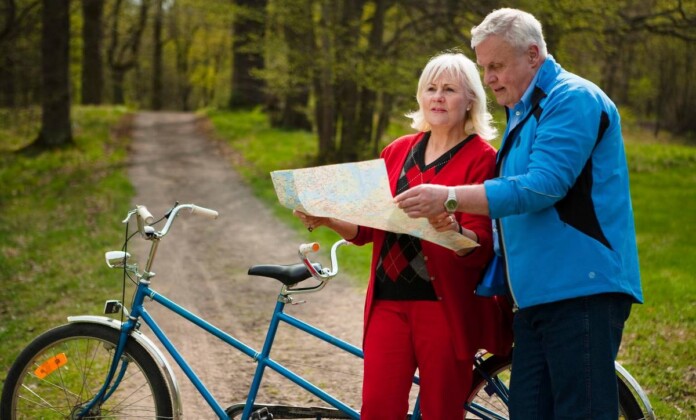
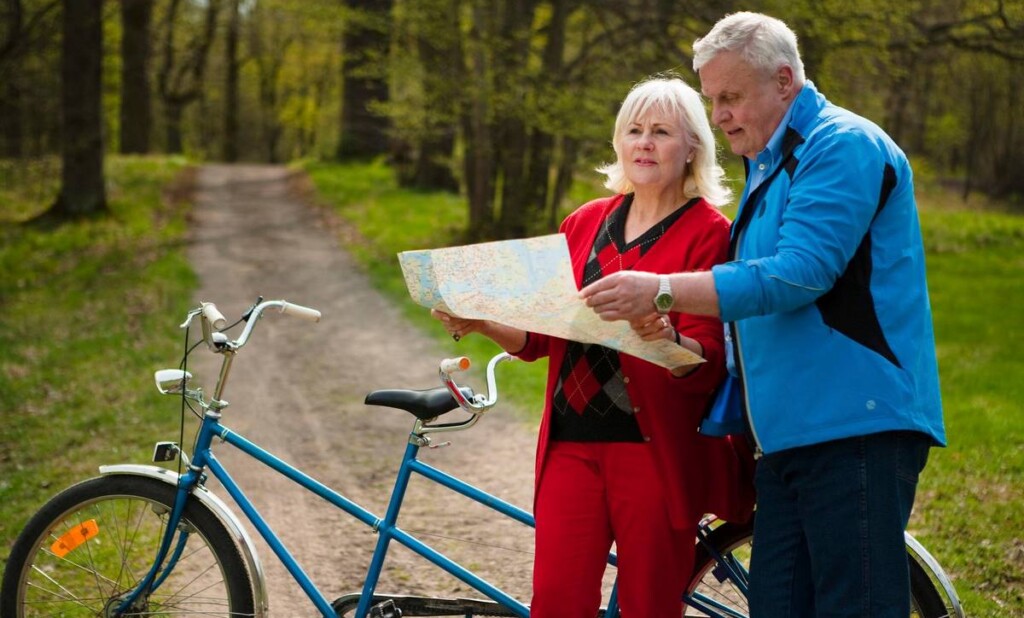
‘A Bicycle Built for Two’ Might Improve Symptoms of Parkinson’s Disease–Study

credit Johner Images, CC BY-NC-SA

Tandem cycling may improve the health and well-being of people with Parkinson’s, according to a new study.

Pedaling on a bicycle built for two people can also be beneficial for the patient’s carer, particularly in terms of mental and emotional resilience.

The new findings have offered new potential avenues for improving the quality of life both for people suffering from the complex neurodegenerative condition and for those around them.

Researchers from the University of South Carolina in the US studied 18 participants—nine with Parkinson’s and nine care partners—as they took part in a tandem cycling program over two months.

The pairs exercised on stationary tandem bicycles indoors twice a week while also using a virtual reality platform which allowed them to visualize themselves cycling along scenic, real-life, outdoor routes.

Results, which will be presented at the American Academy of Neurology’s 76th Annual Meeting, showed that the participants with Parkinson’s had improved overall function after the program.

This included improved mobility and walking speed, and decreased disease progression and disease burden.

They also reported ‘fewer difficulties in daily living,’ with an average five-point drop recorded when it came to a test measuring challenges around relationships, communication, and social situations or interactions.

OTHER FREE PARKINSON’S TREATMENTS: Tai Chi Can Curb Parkinson’s Disease Symptoms for Years and Lower Needed Drug Doses–Study

For carers, an improvement in resilience was noted, with more people indicating ‘stronger’ responses to resilience questionnaires than those completed before the program.

This meant more people answered questions about challenges with positive answers such as ‘I usually come through difficult times with little trouble’ and ‘I tend to bounce back quickly after hard times’.

This group also demonstrated a decrease in depression, which the research team believes could help reduce ‘the care partner burden’.

RELATED STORIES: Cannabis Could Hold the Key to Preventing Neurodegenerative Diseases Like Parkinson’s and Alzheimer’s

“Our study found that a unique cycling program that pairs people with Parkinson’s disease with their care partners can improve the physical, emotional, and mental well-being of both cyclists to improve their quality of life,” said corresponding author Dr. Jennifer Trilk.

“It is just as important that care partners also receive care, so that is why we included them as the cycling partner.”

She noted that the initial study was small and so in the future the team will look to use larger test groups to confirm their findings.

SHARE This Story With Anyone You Know Caring For A Parkinson’s Patient…

Gray Whale, Extinct for Centuries in Atlantic, Is Spotted in Cape Cod

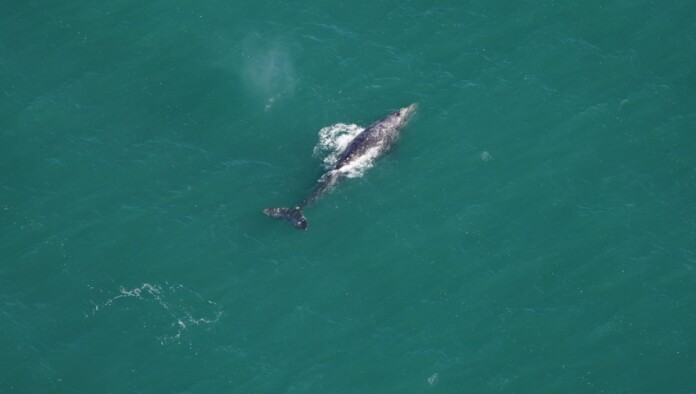
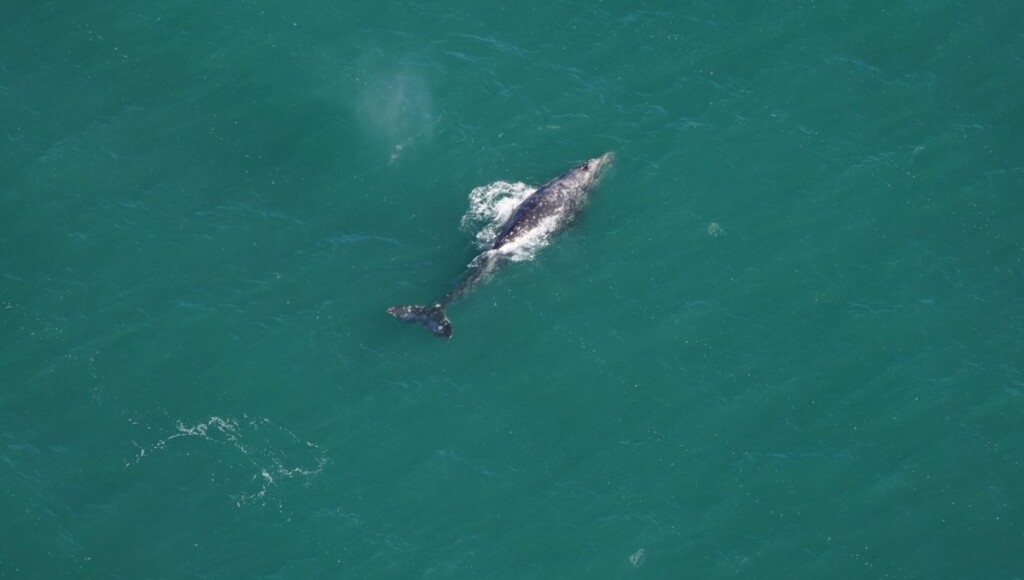
A Grey whale spotted by the New England Aquarium - credit, New England Aquarium.
A Gray whale spotted by the New England Aquarium – credit, New England Aquarium.

In an incredibly rare event, the New England Aquarium aerial survey team sighted a gray whale off the New England coast last week, a species that has been extinct in the Atlantic for more than 200 years.

Aquarium scientists were flying 30 miles south of Nantucket on March 1st when they sighted an unusual whale. The animal repeatedly dove and resurfaced, appearing to be feeding.

The aerial survey plane circled the area for 45 minutes, allowing observers to capture additional photos. After the encounter, the observers reviewed the images and confirmed their suspicions: It was a gray whale.

“I didn’t want to say out loud what it was, because it seemed crazy,” said Orla O’Brien, associate research scientist in the Anderson Cabot Center for Ocean Life at the New England Aquarium.

While the whale was on a dive, O’Brien showed the photos to Research Technician Kate Laemmle, who was also in the plane.

“My brain was trying to process what I was seeing, because this animal was something that should not really exist in these waters,” said Laemmle in a press release. “We were laughing because of how wild and exciting this was—to see an animal that disappeared from the Atlantic hundreds of years ago!”

Gray whales are regularly found in the North Pacific Ocean and are easily distinguished from other whale species by their lack of a dorsal fin, mottled grey and white skin, and dorsal hump followed by pronounced ridges. The species disappeared from the Atlantic Ocean by the 18th century, but in the last 15 years, there have been five observations of gray whales in Atlantic and Mediterranean waters, including off the coast of Florida in December 2023.

Aquarium scientists believe the gray whale seen off New England this month is the same whale sighted in Florida late last year.

The Washington Post, reporting on the sighting, dug up a colonial official’s writings from 1729 that described a “scrag whale” off the coast of Massachusets as the last time a grey whale was sighted in the area, though they are common off the coast of California.

FIRST-TIME GLIMPSES: Scientists Amazed By Sighting of Extremely Rare Jellyfish Only Seen Once Before (WATCH)

To explain the strange sightings, scientists point to climate change. The Northwest Passage, which connects the Atlantic and Pacific through the Arctic Ocean in Canada, has regularly been ice-free in the summertime in recent years, partly due to rising global temperatures.

The extent of the sea ice typically limits the species range of gray whales, experts say, as the whales cannot break through the thick winter ice that usually blocks the Passage. Now, gray whales can potentially travel the Passage in the summer, something that wouldn’t have been possible in the previous century.

“This sighting highlights how important each survey is. While we expect to see humpback, right, and fin whales, the ocean is a dynamic ecosystem, and you never know what you’ll find,” O’Brien said. “These sightings of gray whales in the Atlantic serve as a reminder of how quickly marine species respond to climate change, given the chance.”

WHALES RETURNING ALL OVER: Blue Whales Return to California at Levels Not Seen Since Before the Whaling Industry

The Post heard from Leigh Torres, a marine biologist from Oregon State U., who said that he thought the most likely explanation was that the grey whale spotted in the aerial survey was a young juvenile who “took a wrong turn.”

“I consider gray whales to be ‘risk takers,’ meaning they show up and feed in places that we often don’t expect or consider ‘normal,’” she said. Such behavior sometimes provides “good adaptation to changing conditions, like finding a new feeding area or food type,” she added.

SHARE This Wild Sight With Your Friends From The Mid-Atlantic…

Powering Cars With Wood Byproducts Turned into Graphite for EV Batteries

While more of the world’s population are enjoying battery-powered electronics than ever before, concerned governments and manufacturers are running around seeking to secure reliable supplies of minerals used to make them.

Graphite is an indispensable resource for mass battery production, and a firm in New Zealand has discovered a way to synthesize this critical mineral with woodchips.

The company claims that with just 5% of all the wood byproducts from the lumber industry, they could meet half the total global projected graphite demand for EV and power grid scale batteries by 2030, and by preventing the burning or decomposition of this wood waste, the process actually removes 2.7 tonnes of CO2 and equivalents for every tonne of biographite produced.

CarbonScrape has already secured $18 million in funding from the giant Finnish-Swedish forestry firm Stora Enso as well as and Hong Kong-based battery producer Amperex Technology Ltd.

Their production method is called thermo-catalytic graphitisation, which first produces a charcoal that is than turned into graphite.

Graphite is used for battery anodes, for which high-purity graphite is required, and for which the biographite is graded.

“The production of ‘traditional’ synthetic graphite uses fossil fuel-based feedstocks, such as coal tar pitch and petroleum coke, and fossil fuel-powered processes,” CarbonScrape CEO Ivan Williams told Euronews. 

MORE INNOVATIVE MATERIALS: Lithium Discovery in Crater in Nevada Could Be Biggest Deposit Ever Found

“Consequently, it emits 35 tonnes of carbon dioxide equivalent emissions for each tonne of graphite it produces.”

The environmental impacts of mining for graphite need not be overelaborated here, and it’s enough to point out that by harvesting existing waste streams, i.e. woodchips, CarbonScrape is contributing to a more circular economy in the very non-circular domain of natural resource extraction.

YOU’LL ALSO LIKE THIS: Breakthrough Zero-Carbon Fertilizer Set to Take Root Across the World as ‘Biochar’

CarbonScrape is also eager to point out that the production of biographite can take place either near lumber mills or near battery factories, elimating yet more carbon by reducing unnecessary transportation.

The financing received from Finland and Hong Kong will go to fund commericial biographite plants in the US and Europe.

SHARE This Green Solution To A Black Supply Chain Problem… 

Reborn from the Dust, Giant Statue of Atlas Put Back Together to Guard Sicily’s Valley of the Temples

Model of the Temple of Olympian Zeus in Agrigente, Sicily – Photo by poudou99 (CC license)
Model of the Temple of Olympian Zeus in Agrigento, Sicily – Photo by poudou99 (CC license)

A 20-year restoration project on the island of Sicily has led to the reconstruction of a 26-foot (8-meter) tall statue of Atlas, the god who holds up the world in Greek mythology.

38 of these massive statues once held up the Temple of Zeus, built in the Golden Age of Ancient Greece and the largest Doric-style structure ever conceived. Located at a place called the Valley of the Temples near Agrigento, it was never finished before the city was captured by the Carthaginians.

Rather than letting the sandstone components of the Atlases lie around, restorationists and sculptors re-assembled some of them to form one of those 38 statues and mounted it in front of the remains of the Temple of Zeus as a guardian.

“The Atlas will become one of the highlights of the Valley of the Temples,” said Francesco Paolo Scarpinato, a cultural heritage assessor, in a joint statement with the Sicilian governor, Renato Schifani. “We can finally introduce this imposing work to the international community.”

Dating back to the 5th century BCE, the ancient Greek city-state of Agrakas had created one of the period’s most prosperous urban areas, crowned by a flurry of temple building from which the Temple of Zeus was to be the most grand.

Fortunes rise, but often fall, and conquered by Carthage, Rome, and eventually by an industrious Italian state looking to build a few more cities, Agrigento and its temples became archaeological rubble.

In 1818, a young British archaeologist named Cockerell discovered that large sandstone blocks lying about the Valley of the Temples were not, in fact, part of the temples themselves, but of a then-unknown number of massive human sculptures.

MORE ITALIAN ARCHAEOLOGY: 2,000-Year-Old Home Found Under a Seaside Playground May Be Pliny the Elder’s Villa

His research and surveys showed that the 38 Atlases were frozen in between the large Doric columns in the act of holding up a massive roof that was never built.

Now today, a giant steel plaque is the mount for the remade Atlas, whose pieces are secured to shelves. The project was initiated in 2004 as part of a collaboration between the Valley of the Temples archaeological park and the German Archaeological Institute of Rome. Together, they described and catalogued 90 components from 8 different Atlases.

ALSO CHECK OUT: Tiny Italian Town Dug Up an Extremely Rare Roman Temple while Trying to Build Supermarket

“The work we have carried out on the Atlas and the Olympian area is part of our mission to protect and enhance the Valley of the Temples,” said Sciarratta. “Bringing these stone colossi back to light has always been one of our primary objectives.”

Agrigento is an amazing part of Italy to visit today. Along with the Valley of the Temples, there are several fantastic beaches, and the city itself is old, multicultural, and gorgeous.

SHARE This Inspiring Rebuild With Your Friends In Need Of A Summer Destination…

“Forgiveness is not something we do for others; it is a gift to ourselves.” – David Whyte

Quote of the Day: “Forgiveness is not something we do for others; it is a gift to ourselves.” – David Whyte

Photo by: Євгенія Височина

With a new inspirational quote every day, atop the perfect photo—collected and archived on our Quotes page—why not bookmark GNN.org for a daily uplift?

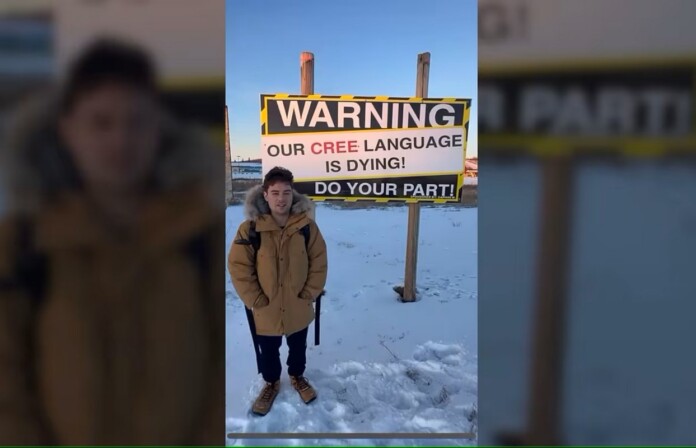
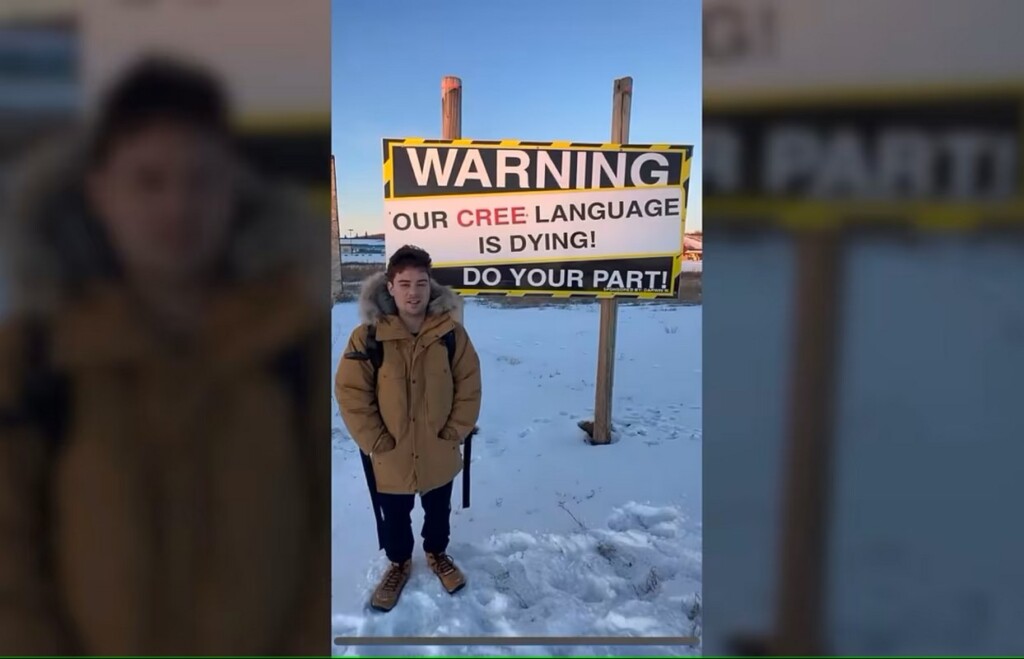
Cree Leader Surprises Tribe With Genius YouTuber Who Learns Dying Language to Promote it (WATCH)

Ari in Cree lands, produced by Xiaomanyc

An American YouTuber with millions of subscribers recently visited the Cree Nation in Canada with a big surprise—he speaks their language.

Ari Smith, aka, Xiaoma, is an American polyglot who travels to countries and surprises locals by speaking their language to them on camera. With his immense following, and incredible aptitude for languages, a Cree cultural leader thought him a perfect ambassador for their people’s spoken word.

“We had this language program that we’re we just launched called repeataftermecree.com where we teach 52 weeks of Cree. And I was wondering, how do I promote this, how could I get it out there?” said Patrick Mitsuing, the president of Powwow Times.

Mitsuing discovered Smith’s capacity for speech (the New Yorker can speak 50 languages to varying degrees of fluency) and invited him to take the Cree course and follow it up with a visit to the nation.

Smith’s work on YouTube has a clear entertainment bent, but his superpower for learning new languages is something he’s also used for humanitarian purposes—learning indigenous languages and traveling to where they’re spoken in order to raise awareness that some of these timeless tongues, with all their hidden knowledge and poetry, are disappearing.

Cree is notoriously difficult even among indigenous North American languages, but in the 23-minute video of his trip to the Cree lands, Smith surprises multiple passersby with some Cree chit-chat he learned from the course, taught by Patrick’s brother Vernon, and the responses vary from surprise and mirth to emotionally overwhelming.

At the end of the visit, which included dog-sledding and other activities, Smith gives a speech to some “very skeptical” elders of the Cree race. Just like the strangers on the street, some of the elders thought it was cool and funny, while others were deeply moved.

“The elders at first were kind of like ‘who is this weirdo with the camera?’…” Ari recounted to CBC News. “And then when I started speaking Cree, they were kind of like, ‘oh OK, that’s pretty cool.'”

OTHER LEGENDARY POLYGLOTS: Carpet Cleaner With Autism Has Learned 40 Languages – Watch His Talent in Action

At the meeting with the elders, the topic of discussion—over rabbit stew and moose meat—was how to bring Cree language and culture to young people, and Mitsuing said that social media in the way that Smith uses it has to be part of the program.

“The comments that I’ve seen from his videos, from his shorts and reels that he did from this content. I see a lot of the young Indigenous, not just young but even older crowds saying ‘man, if he could learn, I could learn, man if he’s doing it, I could do it,'” Mitsuing told CBC. 

OTHER INDIGENOUS LANGUAGE STORIES: 89-year-old had to ‘Speak Up’ to Save Believed-Extinct Language of Indigenous People Who Revered Silence

Technology is a way that indigenous languages can live on. Most people will choose to learn languages online today, and courses like repeataftermecree, or Inuktitut—taught through the media business Allurvik, out of Nunavut, are a way that not only allow the younger generation to carry on the torch, but preserve the language, its writing, and its instruction in case of darker days.

WATCH Smith’s visit below, starting with him surprising people on the street…

SHARE This Incredible Talent On A Mission To Save The Cree Language… 

Crime is Way Down: 2023 Recorded Likely the Largest Single-Year Drop in Homicides Across US

Matt Popovich - Unsplash
Matt Popovich – Unsplash

The FBI’s most recent Quarterly Uniform Crime Report data for Q3 2023 shows that nearly all crime in the US is going down; some to pre-pandemic levels, some to multi-decade lows.

This includes a violent crime average, as well as murder, rape, aggravated assault, robbery property crime, burglary, and larceny, with quarterly data showing the largest percentage declines ever recorded for the violent crimes.

It rubs against the public perception of rising crime in America driven, some suspect, by more widely distributed media content than ever before. This is particularly true for larceny, or petty theft and shoplifting, which got out of hand in San Francisco after a 2020 law removed it as a misdemeanor crime.

Videos of shoplifters brazenly robbing places like Rite Aid and Niemen Marcus were fodder for social media virality, and paired with riots across the US in the summer of 2020, it gave the impression that American cities were taking on the character of Kurt Russell’s Escape from New York.

Freelance crime analyst Jeff Asher believes those images are why Americans aren’t aware that crime is falling fast, all kinds of crime, nearly all over the country.

“Detroit is on pace to have the fewest murders since 1966 and Baltimore and St Louis are on pace for the fewest murders in each city in nearly a decade,” Asher writes on his Substack. “Murder is down 13.4 percent in cities under 100,000 with data in the sample and it’s down 12.6 percent in cities with 250,000 or more.”

Asher begs caution since the Unified Crime Report looks backward in a lag, and we won’t know for sure what kind of year 2023 was like until the final quarter is accounted for.

MORE GOOD NEWS FOR URBANITES: Young Driver Fatality Rates Have Fallen Sharply in the US, Helped by Education, Restrictions

“The quarterly data shows violent crime down in big cities, small cities, suburban counties, and rural counties, pretty much across the board,” writes Asher. “To put some of this in perspective, a 4 percent decline in the nation’s violent crime rate relative to 2022’s reported rate would lead to the lowest violent crime rate nationally since 1969.”

There are some caveats though. The FBI’s data was collected from agencies covering up to 78% of the American population, and the cities of Chicago and Los Angeles—no strangers to crime of all sorts—were not included as they reported no data.

Auto theft has risen in major population centers, and this is tempering what might otherwise look like near-record declines in property crime across the country.

Also buried in the FBI’s data are some interesting numbers on crime from counties that lie on the United States’ southern border.

POSITIVE TRENDS TO BE EXCITED ABOUT: Your Medicare Costs May Go Down Dramatically in 2024, Thanks to U.S. Law Kicking in

Eight cities—Brownsville, McAllen, Laredo, Eagle Pass, and El Paso in Texas; Sunland Park, New Mexico; Yuma, Arizona; and San Diego, had a homicide rate of 4.2 per 100k inhabitants, compared to a 6.2 national average.

In particular, El Paso, a city of 677,000, remains one of the safest communities of its size, according to an analysis by Axios.

SHARE This Positive Trend Toward A Safer America On Social Media… 

Migrating Birds Learn from Experience to Shorten Their Epic Journeys as They Get Older

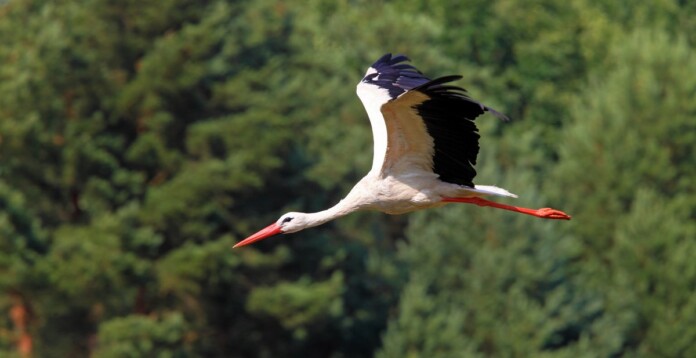
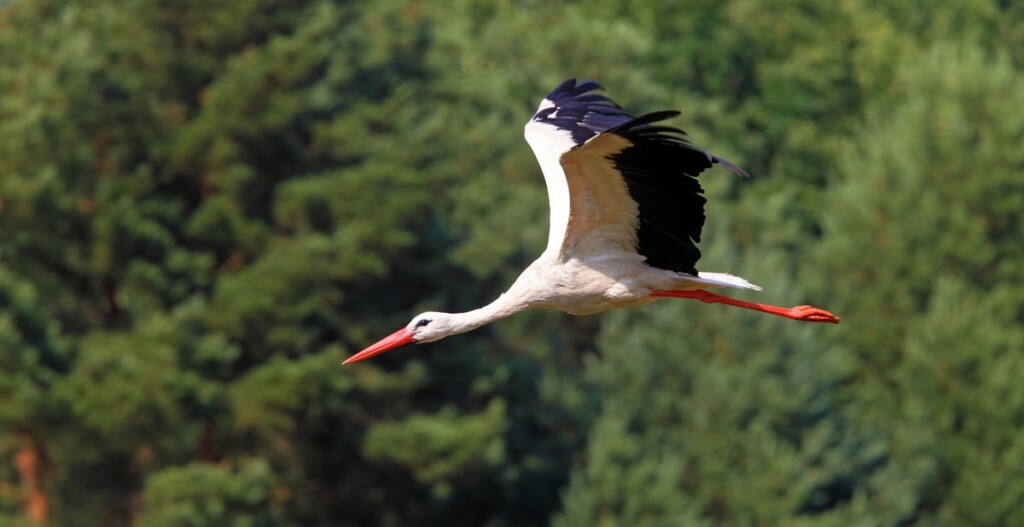
A white stork flies in Germany, where researchers tracked the birds’ migrations - SWNS
A white stork flies in Germany, where researchers tracked the birds’ migrations – SWNS

Wine is typically the first example in an analogy about something that gets better with age, but scientists suggest that birds are just as good.

That’s because migratory birds learn from previous experiences to shorten their annual journeys as they get older, reveals a new study about the very mysterious behavior of avian migration

Researchers observing white storks in Germany and Austria found the clever birds plot more direct routes and even develop shortcuts as they age, whilst younger birds take more time to explore.

The study, from scientists at the University of Wyoming (UW) in the US and the Max Planck Institute of Animal Behaviour in Germany, suggests experimental learning is an important aspect of successful migration.

Whilst genetics and social behavior are important factors in shaping animal migrations, information gained through individual experience also appears to help.

The fascinating new migration study, published in the journal Proceedings of the National Academy of Sciences, involved the technically sophisticated tracking of more than 250 white storks spread across five breeding areas in southern Germany and Austria between 2013 and 2020.

The tracking data not only pinpointed the migration pathways of the storks but also measured the timing and pace of individual storks, as well as estimating the amount of energy the storks used while flying.

The research team, which also involved researchers from the University of Konstanz in Germany, found that young storks tended to take their time exploring new places during migration.

However, they also noticed the birds’ migrations become increasingly shorter as they age.

“As the birds age and gain more experience, older individuals stop exploring new places and instead move more quickly and directly, resulting in greater energy expenditure during migratory flight,” said lead author Dr. Ellen Aikens, who has a joint faculty appointment with UW’s Haub School of Environment and Natural Resources.

“During spring migration, individuals innovated novel shortcuts during the transition from early life into adulthood, suggesting a reliance on spatial memory acquired through learning.”

BIRDS ARE FASCINATING: Bird Sets New Record for Longest Bird Migration – 7,500 Miles Without Making a Single Stop

The researchers found that individual storks incrementally straightened their migration routes to find more direct ways to travel between their destinations during the spring migration to summer breeding and nesting grounds.

Dr. Aikens added that the findings could have implications for a variety of other species of migrating animals.

“Although information has largely been overlooked as a currency shaping migratory behavior, gaining information and using it to incrementally refine migration behavior through learning could play an important role in saving both energy and time,” she said.

MORE ANIMAL BEHAVIOR: To Halt Ibis Extinction Austrian Man Shows Birds a New Migration Route With His UltraLight–And it’s Working

“The landscapes that animals move through are complex and dynamic, requiring that migrants learn where and when favorable conditions that facilitate movement occur and how to exploit them efficiently.”

Though Dr Aikens’ team doesn’t dispute the importance of genetics and ‘culturally-inherited information’ in animal migrations, they say the new findings point towards individual experience being another key factor.

“Whether the first migration is guided by genetics or results from following informed individuals, learning within a lifetime represents an additional and complementary mechanism shaping animal migration,” she concludes.

SHARE This New Piece To A Fascinating Puzzle On Social Media… 

Priceless Video Shows US-Russian Group Hug in Microgravity When Astronauts Arrive at the ISS

Credit: NASA
Credit: NASA

NASA’s Crew-8 spacecraft recently docked with the International Space Station on its mission to deposit three US astronauts for a sixth-month stay, and their arrival was recorded with a video of a pile-on group hug in microgravity.

Yet there was another passenger on board—Roscosmos cosmonaut Alexander Grebenkin.

It isn’t editorializing to say that US-Russia relations are the worst they’ve been since the worst days of the Cold War. Yet despite their differences, there’s one long and grand tradition they have always shared: peaceful cooperation and coexistence in space.

In the video, thrilled that their colleagues made it to the ISS safely, and thrilled, one would imagine, with the mere presence of new faces, Crew-8 mission commander Matthew Dominic is mobbed by NASA Crew-7 mission commander Jasmin Moghbeli and Soyuz-24 mission flight engineer Marina Vasilevskaya.

The three-astronaut group hug begins to float up toward the ceiling when Dominic realizes just in time that they would all get a nasty bump on their heads if he didn’t stop them.

Dominic then moves to greet Soyuz-24 mission commander Oleg Kononenko, while the rest of his crew follow behind hugging those wearing the red white and blue and the white blue and red.

NASA astronauts Dominick, Michael Barratt, and Jeanette Epps arrived in the Crew capsule Endeavor with Grebenkin for a six-month stay to relieve the Crew-7 mission team that arrived in the Crew Dragon spacecraft Endurance. 

The mission was the fifth flight for the Endurance, and is the first SpaceX Crew Dragon to reach that milestone. Currently, the craft is rated for a maximum of five flights, but Space News reports that the company has sat down with NASA to study extending that certification to as many as 15 flights based on performance.

MORE ASTRONAUT NEWS: NASA Astronaut Thrilled by His ‘Absolutely Unreal’ Photo of Aurora From Space

Astronauts have a unique way of seeing the world, figuratively and literally. Looking down on our home from low-Earth orbit day after day, they realize (and they all say they do) that space is an incredibly harsh environment, and everything we humans have and need is concentrated on this single planet with no alternative.

As regards US-Russia relations, you can see in the video what they think of the current tensions, and perhaps we should all take a leaf out of their books.

WATCH the micrograv group hug below… 

SHARE This Awesome Reminder That Peaceful Coexistence Is Always Possible…