When a London family got together to celebrate a dad’s 70th birthday with a family portrait, a precious pooch was determined not to be left out.
Despite being outside a sliding glass door, she leaped into the air the moment the shutter opened, enshrining her antics for all time in one of the best photobombs you’ll ever see.
Attending her father’s birthday, Tamsin Cowman brought along her cockapoo Bo. She let her out into the garden to play while the family gathered in the living room to take photos of grandfather Michael Ng with his seven grandchildren.
It wasn’t until later that she saw the hilarious image of a determined Bo jumping enthusiastically into the frame through the window in the background.
Tamsin claims that the photobomb “wasn’t much of a surprise” as Bo “loves to be involved” and probably wondered why the family was having a cuddle without her.
Now, Tamsin says the photo is “definitely a framer” and that she’s going to make more of an effort to bring Bo into family snaps from now on.
“My whole family just laughed and thought it wasn’t much of a surprise,” Tamsin said. “She’d gone outside into the garden and then realized everyone else was having a cuddle, and probably thought, ‘why aren’t I in that?'”
After sharing the photo on social media on April 2nd it racked up more than 1,000 likes, shares, and comments, with one commenter calling it the ‘best photobomb ever,’ and another praising the ‘absolutely brilliant pose!’
“I just thought it was so funny, which is why I thought I’d share it on Facebook,” she said. “We’ll definitely have to bring Bo into family photos from now on and make sure she’s not forgotten.”
In the southern Scottish town of Jedburgh, an old neighbor recently received a helping hand from the community.
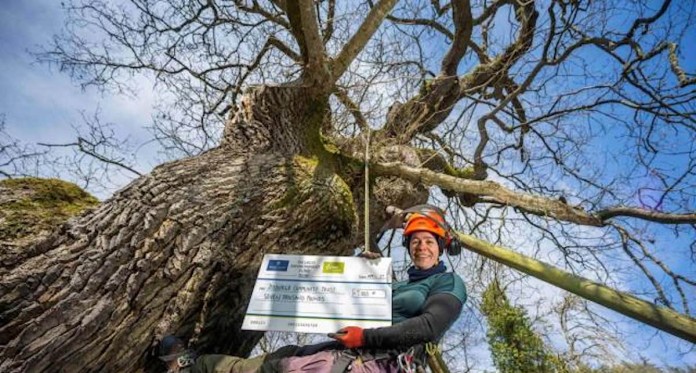
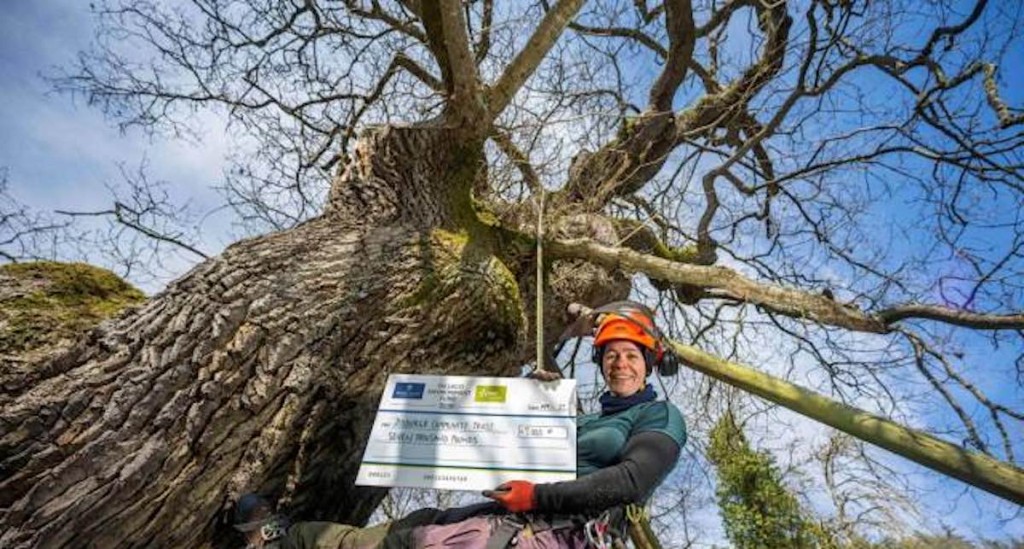
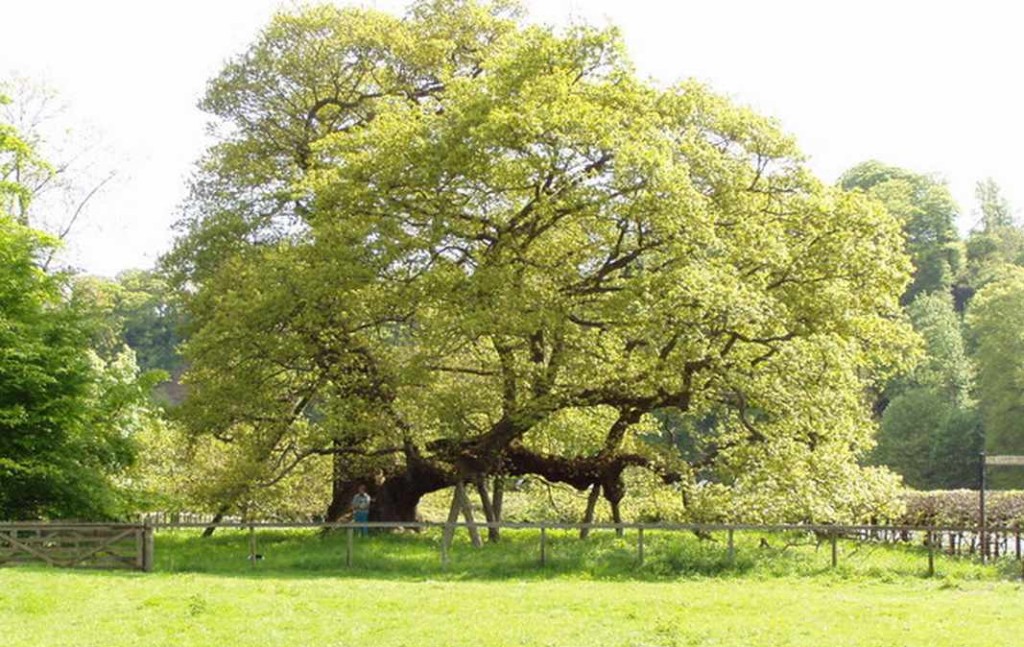
A 700-1,000-year-old sessile oak, known as the Capon Tree, was awarded a grant of £7,000, or around $8,500, for a caregiving regime after one of its supporting limbs collapsed.
Oaks that grow without any other trees nearby tend to grow in girth rather than height, and the Capon tree is an exceptional example of this strange duality. The Tree Council recognizes the Capon as one of Britain’s 50 greatest trees.
Stories go back to at least the 16th century, referring to the tree as a meeting place for brigands who would raid across the border into England, or for community members to gather for the resolution of disputes.
In 2021 when one of its massive supporting limbs collapsed, the Jedburgh Community Trust created the Capon Tree Preservation Project, an initiative that raised £15,000 to beautify the area, and reinforce the tree with supportive posts to ensure it can continue its life.
“While the Capon Tree is of national importance, its significance in the history and cultural lives of the people of Jedburgh is enormous,” said Jim Steele, chair of Jedburgh Community Trust, said. “We wanted to make sure that we were doing everything we could to prolong the tree’s life for future generations.”
Ancient trees are especially important to woodland ecosystems. They carry knowledge, both genetic knowledge and a demonstrable, tangible sort, of how to survive all manner of disasters and difficulties. Their offspring have much higher chances of living through frosts, floods, fires, disease, or droughts.
Capon Tree – CC 3.0. Ewen Rennie
Regarding “tangible” knowledge, some scientists like renowned forester Peter Wohlenben, have shown that old trees can teach other trees in a way we can see, but can’t really understand.
“The Capon Tree has been part of Borders life for centuries and still plays an important role in the region’s heritage,” said Fallago Environment Fund chairman Gareth Baird. “We’re extremely pleased that these windfarm-generated funds are being used to help maintain the health of this historic tree and enhance its surroundings so that it can continue to play its important role in the lives of people from Jedburgh and beyond.”
Quote of the Day: “Accept the possibility that there is a limitless range of awareness for which we now have no words.” – Walter Evans-Wentz
Photo by: Kunal Goswami
With a new inspirational quote every day, atop the perfect photo—collected and archived on our Quotes page—why not bookmark GNN.org for a daily uplift?
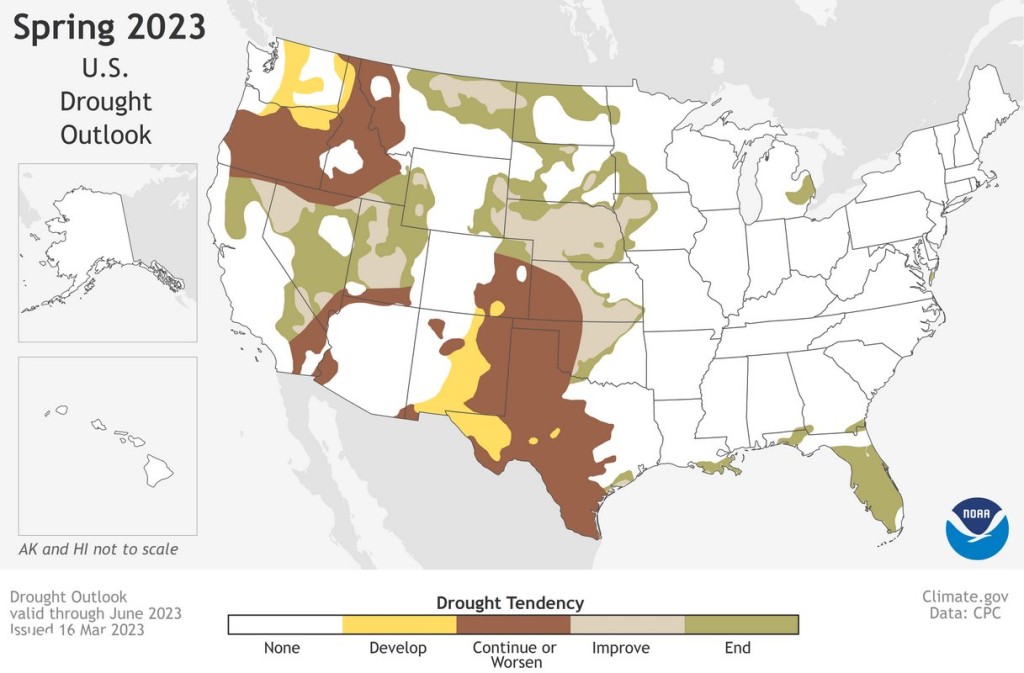
The desert state of Utah is experiencing “a year to remember” in terms of snowfall, with every single part of the state experiencing 130% more snowpack in the mountains than normal.
The snows have delivered a ski season for the record books, and an end to all drought conditions in the state for the rest of the year.
New records have been made for snowfall. Snow water equivalent was recorded at 28.8 inches averaged out across Utah back in 1953, and officials say that record will be broken this week. The second highest was a 1983 record of 26 inches.
“This has been a year to remember. This is just unbelievable. The snowpack this year has been off the charts, certainly since we put in the SNOTEL system in the early 1980s. We haven’t seen anything like this,” said Jordan Clayton, supervisor of the Utah Snow Survey.
Utah gets approximately 95% of its water from snowpack. Reservoir storage is dependent upon snowpack and runoff to get through the dry years.
April is typically the time when the snows have peaked. The far southwest of Utah, home to Zion National Park, has gotten 3.3 times as much snow as normal, while the east and far southeast has seen 2.8 times as much.
The south arm of the Great Salt Lake, which many conservation news outlets have been reporting is at risk of extinction, has already risen 3 feet.
NOAA Spring Outlook 2023.
“The first of the year, we had 56% of the state in the two worst categories of drought — ‘extreme’ and ‘exceptional’,” Laura Haskell, drought coordinator with the Division of Water Resources, told local news.
“We’re completely out of those two worst categories of drought and things just keep improving as the spring goes on and we continue to get more water.”
Meanwhile, in March, California experienced the twelve Pacific rainstorm of the winter-spring interval, completely alleviating all but the farthest southern tip of the state from a three-year drought which was also labeled ‘extreme’ and ‘exceptional’
Their snowpack is also on track to break records; to be either the first or second-deepest on record going back to 1950.
It will be the first time since 2020 that the state will not be considered in a drought of some severity.
WATCH the story below from FOX13…
SHARE This Great News With Your Friends In Utah Or Cali…
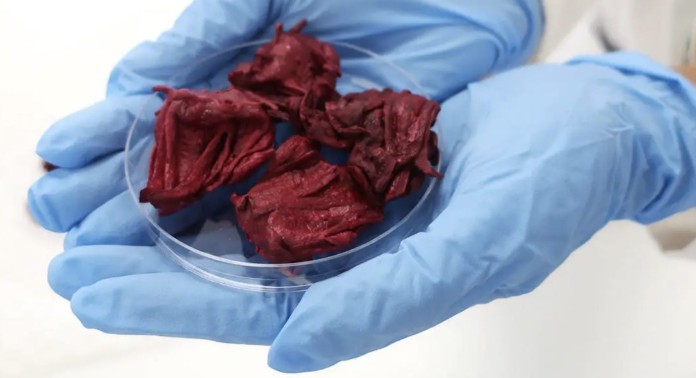
An unassuming plant and the antioxidants it contains, could be a legitimate health food weight loss supplement, after a landmark trial found it decreased fat absorption.
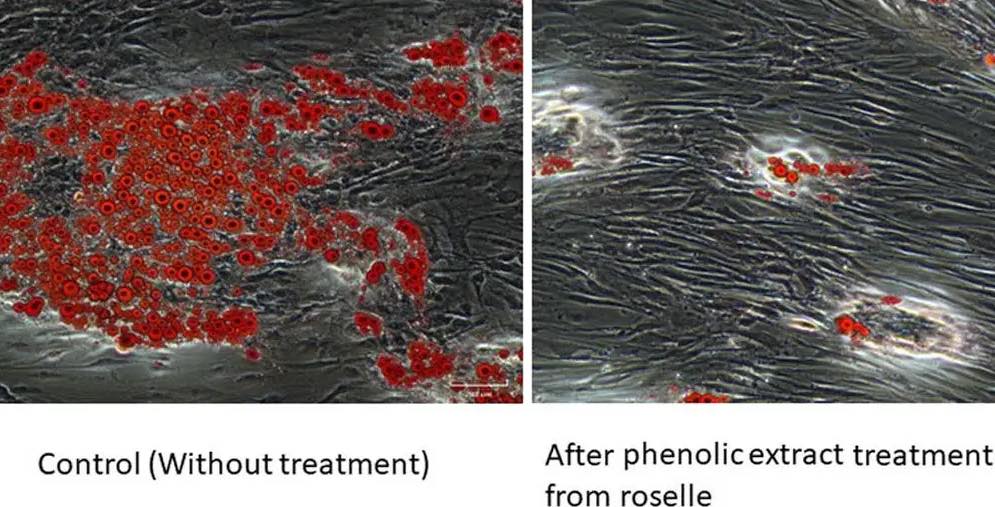
When human fat cells were treated with polyphenols contained in the flower, they inhabited the production of the chief enzyme that converts dietary fat into stored fat in our cells.
One of the co-authors, a food scientist and former farmer from Nepal, believes that it could replace many of the side-effect-inducing pharmaceutical substances taken to genesis fat loss in the Australian public.
There’s nothing wrong with A: trying to find a food-based alternative to synthetic medications, and B: trying to use health foods as a way to aid in weight loss.
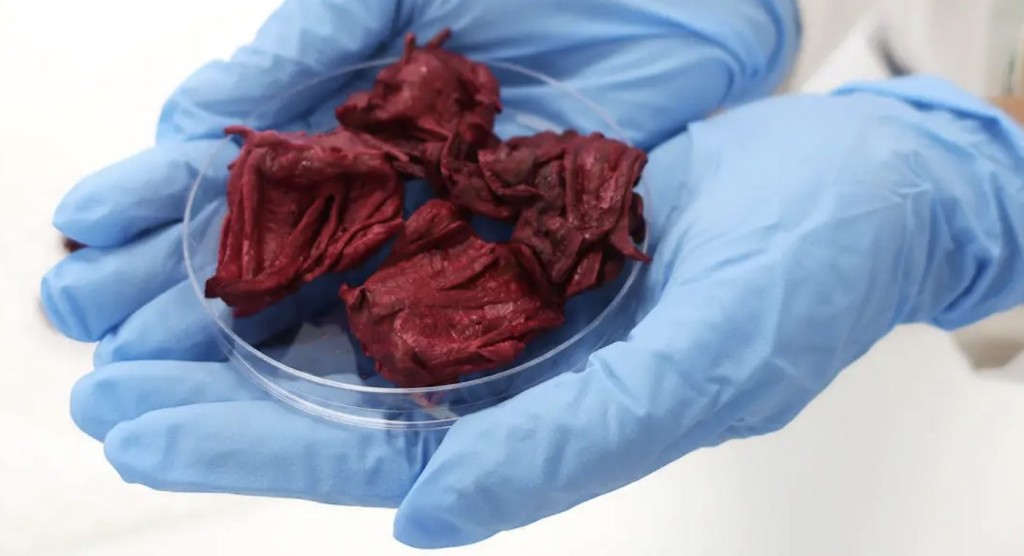
Roselle flower (Hibiscus Sabdariffa), dried and brewed in teas, is a common sight in traditional Chinese medicine shops, which offer a long legacy of other proven plant medications such as reishi mushroom.
From cinnamon to fennel seed, there are all kinds of plant materials touted for having health benefits, but often the funding just isn’t there for dedicated scientific research to prove such claims either way.
Fortunately, Ph.D. candidate Manisha Singh was able to do just that.
She treated human stem cells with the polyphenolic compounds in roselle flowers, which stains it and everything it touches red, before turning them into fat cells called adipocytes. Most cells can become fat cells—all they have to do is receive a biological command to absorb fats, usually through the diet.
“The phenolic extracts from the roselle could help create a health food product that is effective in interfering with the formation of fat cells, but also bypass the bad side effects of some medications,” said Singh’s Ph.D. supervisor Professor Benu Adhikari at Royal Melbourne Institute of Technology.
Singh had previously found that roselle extracts contained some of the chemicals present in weight loss medication like Orlistat and Liraglutide. She discovered it inhibited the function of lipase, an enzyme used in the body to break large dietary fats down into smaller ones to be absorbed in the cells.
By inhibiting the lipase enzyme, the fat cannot be absorbed and is passed through the colon as waste. But it was only observed stopping fats from entering the cells and had no effect on fat already inside the cells.
Roselle isn’t difficult to cultivate in bulk, and if it were powdered into a capsule form, it could be the ultimate partner to a healthy diet and exercise for weight loss.
SHARE This Excellent Idea With Your Friends In The Health Food Space…
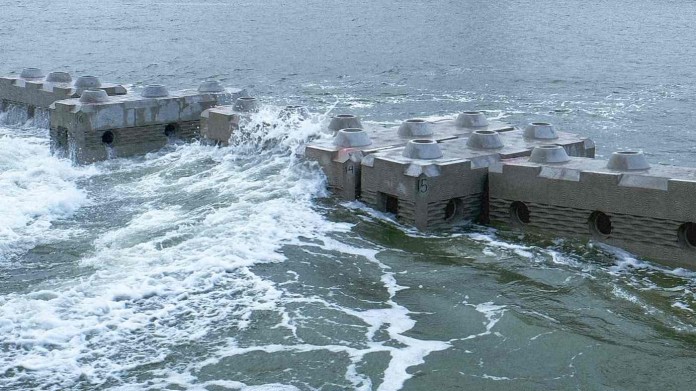
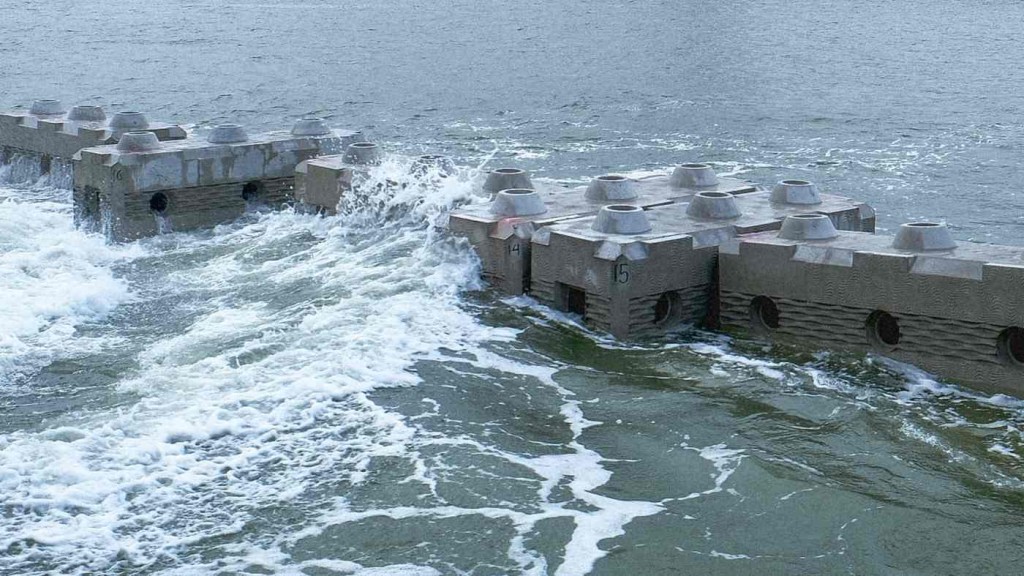
Those aren’t giant Lego bricks out there in the grey waters off the port of Rotterdam, they are part of a new seawall that doubles as a home for marine life.
A kind of artificial oyster reef to help safeguard populations of mussels, fish, crustaceans, and other animals, the bricks are claimed to be the first artificial solution that truly enhances biodiversity, is long-lasting enough to prevent offshore erosion of the seabed from waves, and strong enough to disrupt incoming storms.
In nature, as well as being the beautiful wonderlands that they are, coral reefs can absorb 97% of the energy of a storm surge, preventing both the seafloor from erosion and the terrestrial ecosystem above. Every year, on Malaysia’s Perhentian Islands, rainy season storms are prevented from damaging the islands’ forests and structure by their rich coral reefs.
Battered by the waves, the reefs nearest to the shore break apart and die before being slowly ground up into the soft white sand typical of tropical beaches. The corals regrow, and the cycle continues.
Artificial reefs are not as flexible or beneficial for the environment. They tend to be made as cheaply as possible, either with waste products like old cars, or solid concrete that doesn’t make room for nature.
Wavebreaks and seawalls are much the same. The cement blocks repel the force of a wave but don’t disperse it. Instead, the rebounding wave mixes with the force of the subsequent wave to become even stronger.
The Dutch startup Reefy‘s Lego-like blocks tackle two of these limitations by making holes in the blocks, allowing the wave to expend its energy going through the block rather than bouncing off of it. The holes also allow animals to pass through or make their home inside.
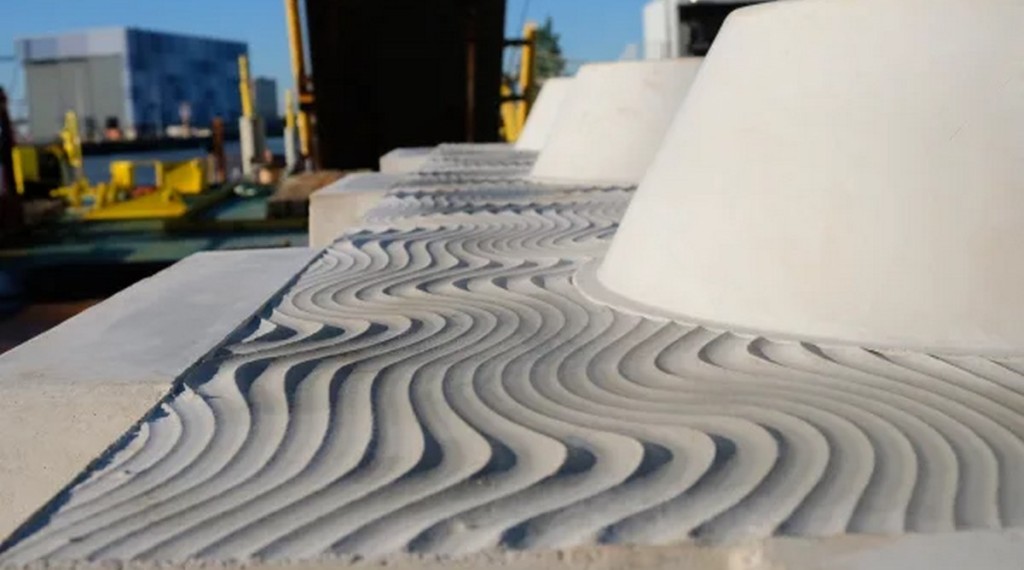
The outside of the low-carbon concrete is textured to encourage the growth of mussels and oysters, while a “Reefy Paint” of calcium carbonate is being developed as a kind of supplement for the bivalves.
The textured surface allos for oyster growth – Reefy released
“The idea of having these blocks is to provide the foundation for nature to take over—to have a living layer that can grow with sea level rise and self-heal in order to attract these key species, which are, in a way, the architects of the underwater world,” Reefy CEO Jaime Ascencio told Fast Company.
Just like Legos, the bricks can be interconnected into any kind of shape—the one spanning the mouth of the river at Rotterdam Port is made of 17 bricks, and is 80 feet long and 10 feet high. The company’s proprietary technology analyzes the force and angle of the waves to determine the optimal pattern for reducing wave energy.
There are other parts of the world getting serious about reef replacement for climate-proof coastal infrastructure.
Last year, GNN reported on an Israeli team of scientists that created a method for 3D printing artificial ceramic reefs based on the dimensions of photographs of real reefs.
SHARE This Smart And Playful Climate-Proofing With Your Friends…
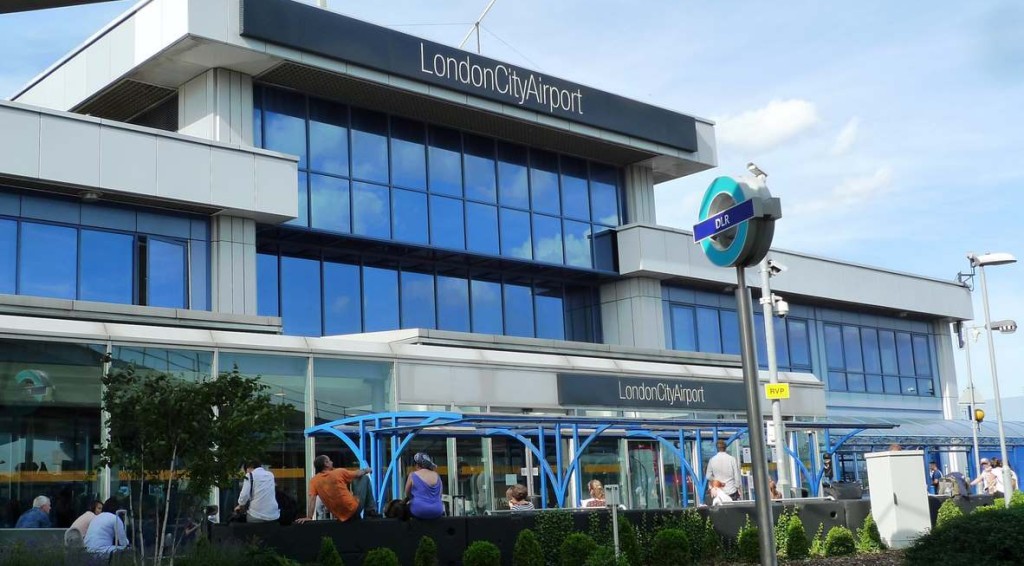
London City Airport - Ewan Munro, Flickr - CC 3.0.
London City Airport – Ewan Munro, Flickr – CC 3.0.
One of the London airports has removed the 100ml limit for liquids in hand luggage, as well as the requirements to take out electronics from carry-ons, and travelers are loving it.
Unfortunately, it wasn’t down to the fact that airports realized it was a bogus security concern, but rather because they got new tomography machines that produce a 3D image of the scanned baggage rather than a 2D one.
In the east London City Airport, staff at the security lines cheerily tell everyone to keep everything in their bags—no need to pull out their see-through baggie of micro-toiletries or their laptop computer.
Recently, a journalist shoved a large carry-on bag through the mouth of the airport baggage screener, and, conditioned by more than a decade of regulations on liquid size, expected her “vats” of mouthwash, sun lotion, and hand cream, to set off an alarm and delay two dozen people behind her in the security line.
For at least some airports, this is a situation that needs never be repeated.
“It was gorgeous, a morning present,” said one passenger—Lynne Schey, who was heading for Ibiza. “I asked for a plastic bag to put things in but they said I didn’t need one. Phenomenal.”
That journalist, reporting for the Guardian, explains how several airports in Europe are ditching the old liquid limit, but that others still have it enforced, as well as the one for separating electronics.
“We are getting 30% more passengers through [an hour],” Alison FitzGerald, London City Airport’s COO, told the newspaper. “It’s much less stressful from a passenger point of view. The information that’s provided to the security officer is much more enhanced so the threat detection has improved significantly.”
The UK has currently set a deadline of 2024 for the installation of new machines and thus the removal of the old requirements, while Australia and the Netherlands are also on that path.
For now, transit passengers should always keep an eye on airport regs, lest their liquid baggage be cleared at one port of call, and idiotically, confiscated at another.
SHARE This Awesome Convenience With Your Friend Looking To Fly In/Out Of London
Quote of the Day: “The Inuit people had 52 names for snow because it was important to them. There ought to be as many for love.” – Margaret Atwood
Photo by: Rachel Walker
With a new inspirational quote every day, atop the perfect photo—collected and archived on our Quotes page—why not bookmark GNN.org for a daily uplift?
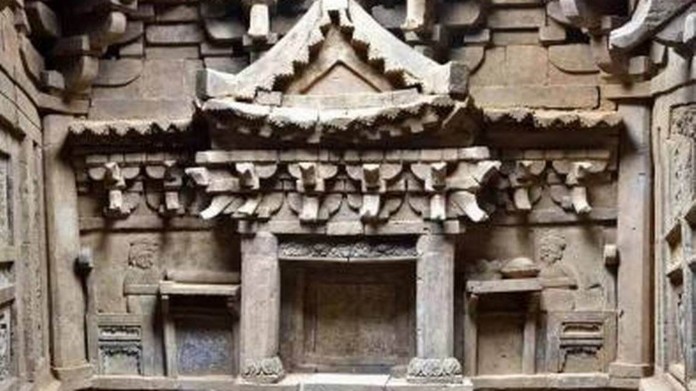
The Tomb's north wall
- credit Institute of Archaeology at the Chinese Academy of Social Sciences via China News Network
The Tomb’s north wall – credit Institute of Archaeology at the Chinese Academy of Social Sciences via China News Network
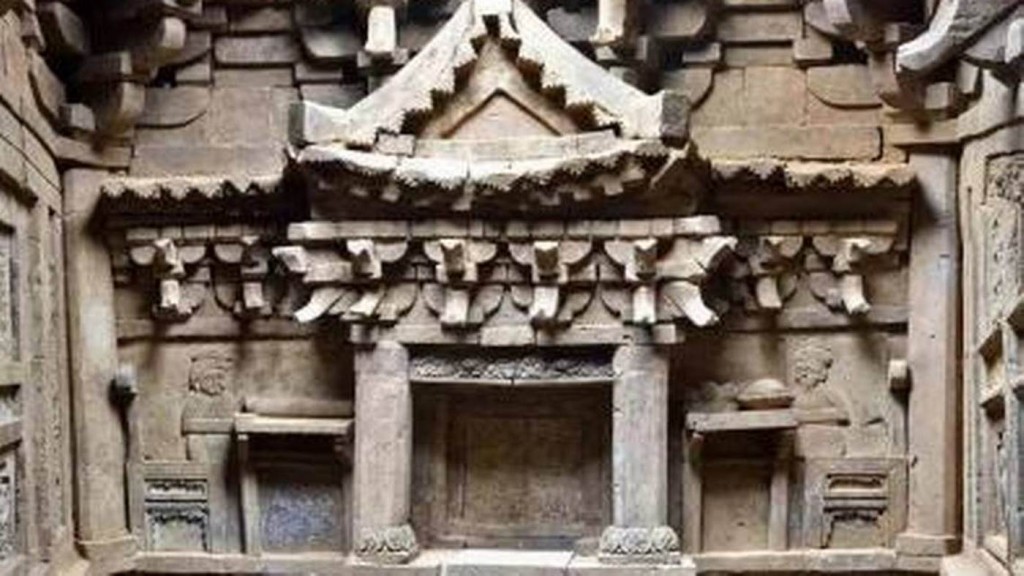
In central China, a “stunning tomb” was uncovered dating back 800 years, and built entirely by bricks to resemble the inside of a home.
Dating probably to the year 1190 CE, three individuals were found inside the tomb which was also constructed with a skylight of all things,
The 11-square-foot chamber was discovered in Yuanqu County in Shanxi Province, north-central China. Reached via a stepped passageway, the north wall of the tomb was intricately built of brick and carved with a relief of the tomb’s owner sitting for dinner at a table with his wife.
The opposite south wall is carved to resemble the inside of a house, with typically-Chinese lattice windows, and the interior wooden architecture typical of the period. In fact, as the Charlotte Observer pointed out, the whole tomb appears to be made out of wood.
The east and west walls are carved with more latticed windows and doors, as well as sculptures of wrestlers and lions.
Near the tomb ceiling, the brickwork perfectly resembles Chinese roofing beams and tiles, all of which march upward into a skylight.
The Shanxi Provincial Institute of Archaeology, which excavated the room, made no mention of why the tomb’s contents were built so as to be open for public viewing. They did say that the tomb, while typical of the period, enriches the tomb data for traditions of the Jin Dynasty—a particularly strange episode in China’s long history.
Screengrab of the tomb’s west wall – (考古小队长) Weibo
The Later Jin Dynasty royal court was made up of the descendants of a Mongol-like nomadic culture who took control of China north of Nanjing by conquering the Liao Dynasty—themselves another group of Mongol-like nomadic horsemen.
The Jin were brought down by Ghengis Kahn and his descendants, who established the Yuan Dynasty, making it four centuries running that China was ruled by barbarians from the north.
The Tomb’s north wall – credit Institute of Archaeology at the Chinese Academy of Social Sciences via China News Network
The Chinese being some of the greatest tomb builders in the world, the Jin Dynasty tomb found here and others like it differ substantially from the later Ming Dynasty tombs which are so famous because they mirror the construction of the Forbidden City in Beijing.
SHARE This Fascinating Archaeological Discovery With Your Friends…
In the second-largest greater metropolitan area on Earth, one man’s dedication and love of the common sparrow have the potential to transform a generation of young Indians.
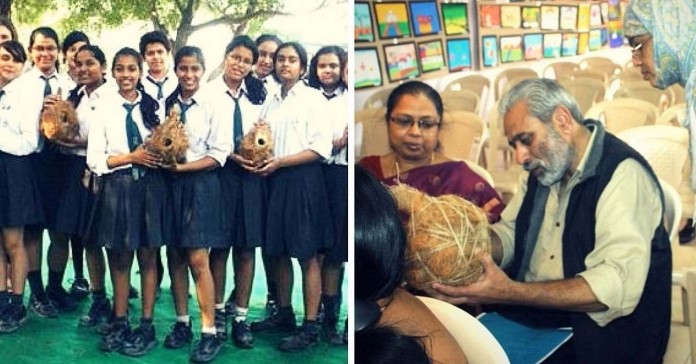
Rakesh Khatri, known as the “Nest Man of India,” has always found sparrows a source of “great joy” and even growing up in the bustling streets of Delhi, wherever he saw the simple seed-eating birds, he was gladened.
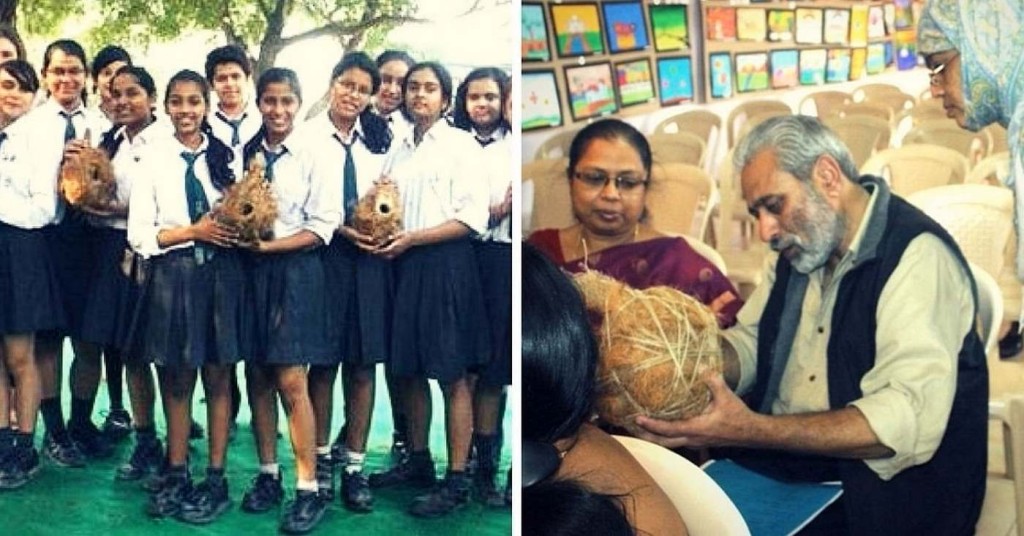
In an effort to make sure the sparrows of Delhi have a home in the big city, Khatri builds nests out of coconut husks, cotton, jute, rattan, and other materials, and has already hosted nest-building workshops in 3,500 schools across India, totaling more than 100,000 pupils.
“On my way to my office in south Delhi, I would see a large number of birds that would give me great joy. One day I saw a couple of men cementing the holes in the pipes where birds had taken refuge. When I told them I would file a complaint with the National Green Tribunal, they stopped immediately,” Khatri told the Guardian referring to the statutory body that deals with environmental cases.
Before the 1980s industrial boom in Delhi, Khatri’s home near a bustling marketplace was filled with sparrows. The terrace of his family house had several nests there, and his family used to wake to their pleasant chirping every morning.
More and more, the small nooks and crannies in old buildings where the sparrows would nest were disappearing, and so Khatri sought to ensure they remained welcome in Delhi by starting the Ecoroots Foundation and teaching school children to build their nests for them.
His efforts, The Better India reports, have resulted in nearly half-a-million nests being made entirely of recycled or biodegradable natural materials.
“There’s no greater blessing than building a home for a sparrow whose home has been snatched by [humanity],” says the Nest Man. “We need nature, but nature doesn’t need us. If we wish to live and keep ourselves happy, then we need to work together with nature, because she supports us the most.”
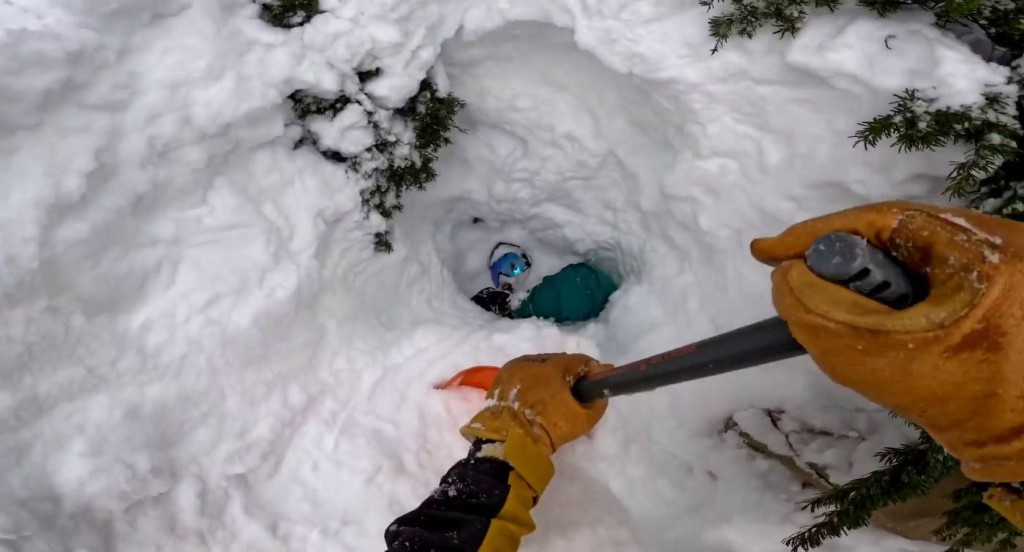
A hero skier saved the life of a snowboarder completely buried head-first in a massive snow drift.
Francis Zuber was maneuvering around the tops of trees in deep powder on Mt. Baker, in northwestern Washington state, probably without any indication he might end up in the right place at the right time to be a hero.
It was a one-in-a-million chance that Zuber spotted him at all. He had only just fallen off his own skis in the bumpy ‘tree well’ just a few feet away from a trapped snowboarder.
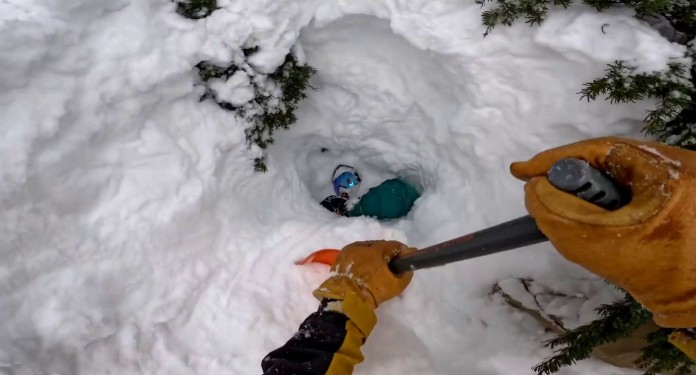
When he spotted the man’s snowboard wriggling around, just above a large drift, he realized it was still attached to someone below.
From the downhill perspective, a tree was blocking the snowboard from the view of oncoming skiers, and only because Zuber fell into an adjacent drift did he happen to see it.
Francis’s head cam shows him approaching the scene and asking “you alright?”.
But after receiving no response, he hurries over as best he can in the deep snow before removing his skis, pulling himself up the snow mound, and frantically digging with his hands.
Zuber can be heard reassuring the snowboarder until the man’s reflective visor pokes out of the snow and then his mouth, at which point he takes a big gulp of air.
“Thank you,” the snowboarder says. “Yeah, no problem,” Zuber replied, adding that they were both going to catch their breath.
“All I’ll say for now is the mountains don’t care how much skill or experience you have,” Zuber wrote alongside his own uploaded video. “They don’t even care if you and your ski partners are doing everything right.”
Zuber recommends every backcountry skier and snowboarder take the ‘Avy 1’ which is an avalanche safety and rescue course.
“Take an Avy 1 course, and get trained on what to do if you find yourself in this situation, and always look out for each other out there,” Zuber said.
WATCH the rescue, but beware of panic-induced swear words and high tension!
SHARE This Incredible Rescue Caught On Video With Your Friends…
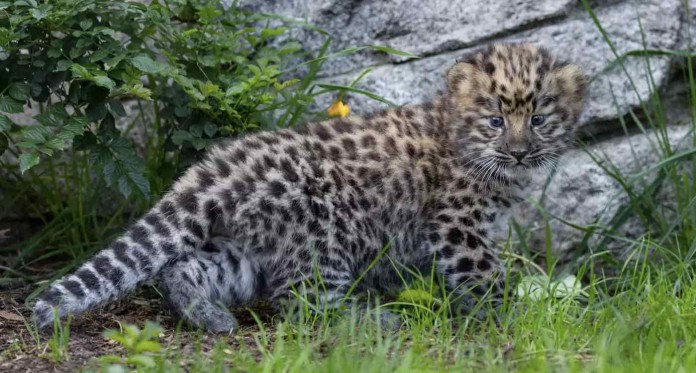
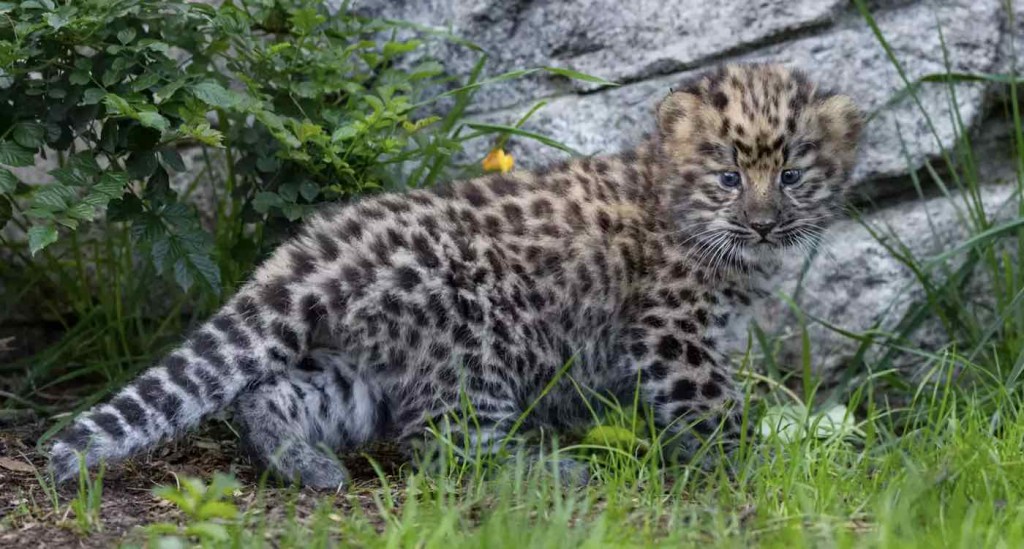
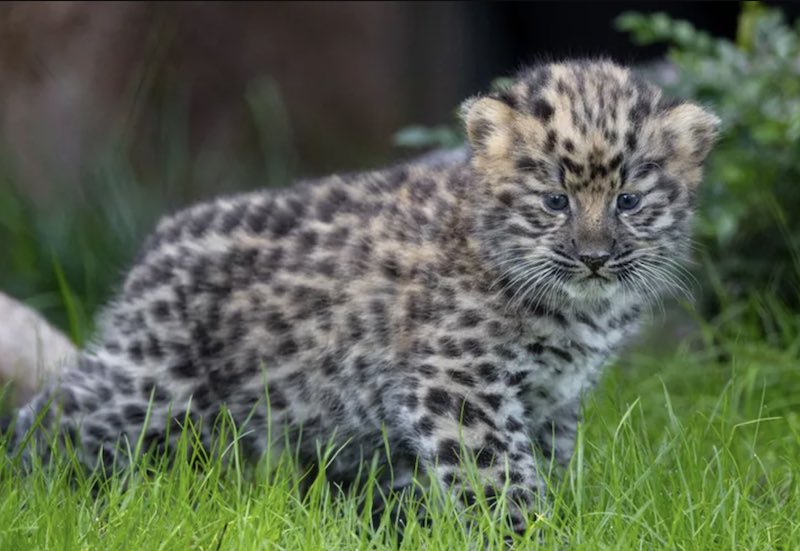
San Diego zookeepers welcomed the birth of 2 Amur leopard cubs into the world in what is a huge success for the captive breeding of one of the rarest cats in the world.
Born on March 28th, the cubs were monitored by remote cameras while they became acquainted with their new world, and their mom Sitka.
“We are absolutely thrilled with the progress made by the cubs,” said Gaylene Thomas, a wildlife care manager at the San Diego Zoo. “They have grown so much, and have already started showcasing their unique personalities. The cubs will get their first full veterinary exam soon, and we will know more, including their sex.”
There are fewer than 200 Amur leopards in the world. The Siberian natives have, however, been either increasing in number since 2007, or hovering around the same small number that conservationists have become simply better at locating them.
In any case, a 2021 camera-trap survey recorded 110 individuals in a large transboundary area of Siberia between Russia and China, nicknamed Land of the Leopard, near the Amur River from which they derive their name. This is 60 more than a similar survey done around 8 years earlier.
KEN BOHN, SAN DIEGO ZOO WILDLIFE ALLIANCE
The San Diego newborns have no names yet, but they represent the third litter born in captivity. The San Diego Zoo’s membership within the global Association of Zoos and Aquariums’ Amur Leopard Species Survival Plan has allowed them to do a lot of conservation work out in Siberia, which the zoo claims has increased the numbers of Amur leopards by 50% over the past decade as mentioned before.
“This is a monumental achievement, proving that conservation works and our vision to build a world where all life thrives can be realized. We only need to maintain the course, and ultimately, we will succeed,” they added.
It’s unlikely these little ones will ever see their homeland in Siberia—the logistics and risks would be daunting. Furthermore, growing up in San Diego, one of the finest year-round climates in the US with food available every day, is a far cry from the frozen mountains of Eastern Russia where a leopard might go four days without eating.
Their job is to hold down the genetic fort, so to speak, and inspire visitors to the zoo who might be inclined to take action on behalf of a beautiful cat they will likely never see in the wild, native to a nation thousands of miles away.
SHARE This Beautiful Guy With Your Friends On Social Media…
Quote of the Day: “Forgiveness is for the forgiver.” – William P. Young
Photo by: Gus Moretta
With a new inspirational quote every day, atop the perfect photo—collected and archived on our Quotes page—why not bookmark GNN.org for a daily uplift?
Down in Baltimore’s Inner Harbor, the sous chef of a beloved restaurant, Philips Seafood, replaced his apron for a cape as he cooked up a heroic rescue of a drowning motorist.
An unidentified man drove straight into the frigid and filthy mid-March harbor water after suffering what reports say was a mental health crisis. Seeing this, sous chef Tom Walsh jumped in to rescue him.
“I hope he’s OK,” said witness Cher Briscoe. “But the man that saved him—I hope he gets a reward and some money.”
Once in the water, Walsh proved himself to be immensely strong, because he was able to break open the glass of the car with his elbow, an effort that saw him spend a short while in the hospital recovering.
According to the restaurant’s spokesperson who identified Walsh to news media, Walsh is “humble, private, and does not want attention.”
A neighbor just shared photos with me from the rescue at the Inner Harbor - they say it was an older man who was in the car. They believe a worker from Phillips jumped into the water,Broke the window and pulled out the driver @wjzpic.twitter.com/vy1gBcRjUf
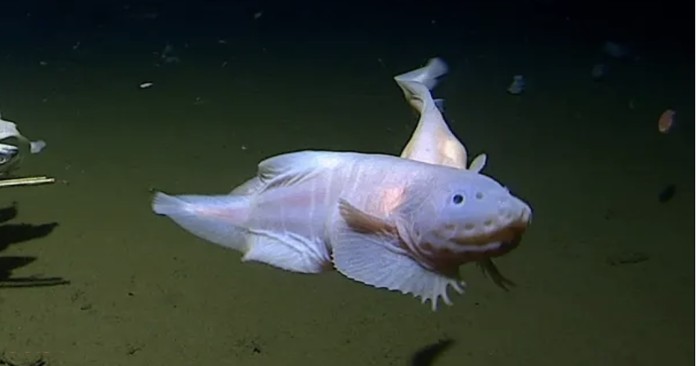
Minderoo-University of Western Australia Deep Sea Research Centre / Tokyo University of Marine Science and Technology
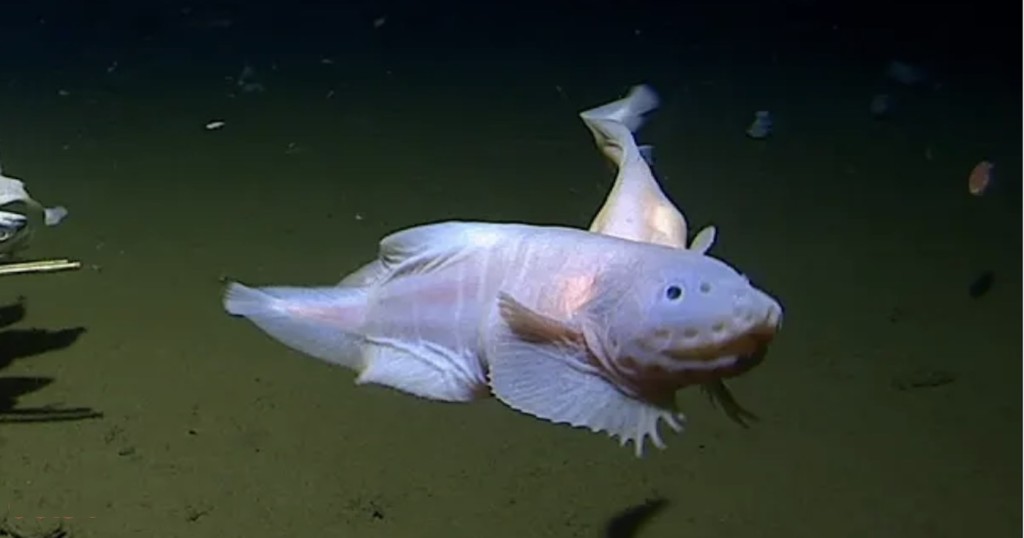
Minderoo-University of Western Australia Deep Sea Research Centre / Tokyo University of Marine Science and Technology
An as-of-yet undescribed species of snailfish was recently recorded swimming about—a mind-boggling 5 miles (8 kilometers) under the surface of the ocean.
An unmanned submersible called a lander used a baited trap to record several Pseudoliparis individuals swimming about at a depth of 8,336 meters in the Izu-Ogasawara trench, southeast of Japan.
The expedition was organized by the Minderoo-University of Western Australia’s Deep Sea Research Center in partnership with the Tokyo University of Marine Science and Technology. The Izu-Ogasawara Trench is one of three the team will explore, the deepest being more than 9 kilometers down.
This clueless-looking fish has several adaptations to living in an area where the pressure is 800 times greater than at sea level. Rather than scales, it has a gelatinous outer mass, which is theorized to be less susceptible to pressure, and evolutionarily speaking, a cheap adaptation.
They also don’t have swim bladders, which is a small pocket of gas typical of most fish. Trying to maintain gas in those kinds of pressure zones is simply untenable.
However, the expedition’s chief scientist, who is also the founder of the Minderoo-UWA Deep Sea Research Centre, Professor Alan Jamieson, told the Guardian that this snailfish is not a deep sea fish.
“They’re the deepest fish in the world, but they’re not a deep sea fish,” said Prof. Jamieson. “But they’ve speciated into every corner of the globe, and they’ve overtaken all the deep sea fish. These are 1,000 meters deeper than what you might think of as being a deep sea fish.”
Indeed snailfish have been recorded living in shallow water as well, and most other pelagic zones down to the bottom of the trenches Jamieson is exploring.
“Fish all have osmolyte, a fluid in their cells that they use to counteract pressure—it’s the thing that makes that fishy smell,” Jamieson said. “One of the only things, when you look at fish from a biochemical point of view, that is linear with depth is the concentration of that fluid.”
He goes further to say that below 5 miles, slight changes in temperature prevent fish from increasing the concentration of osmolyte in their cells, predicting that fish simply can’t handle the pressure once depths retreat a further 1,200 feet (400 meters) down.
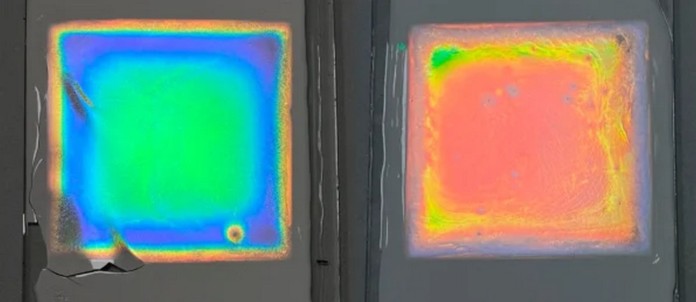
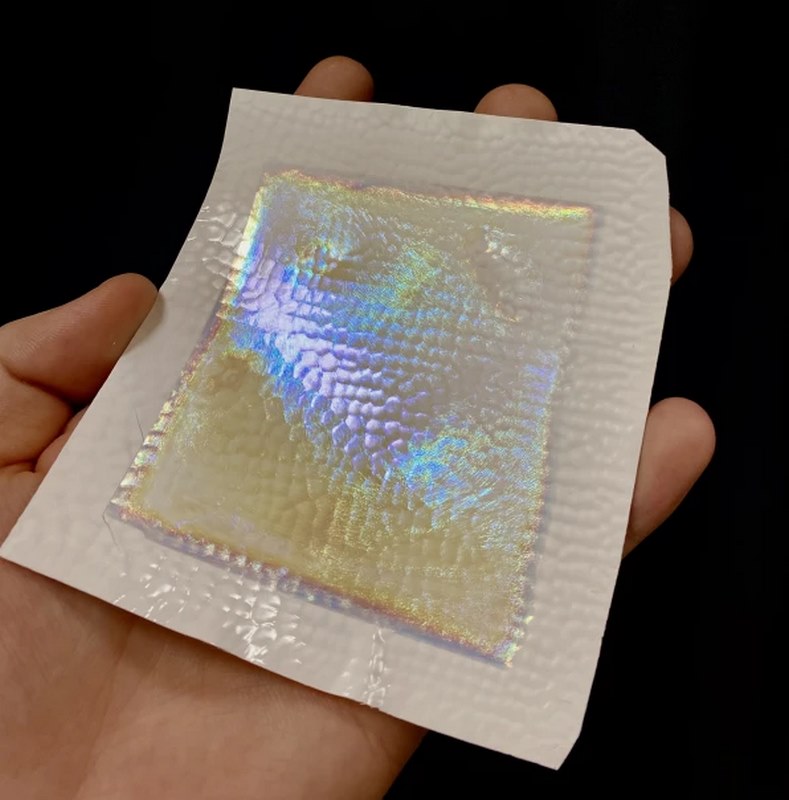
Iridescent roof coating – Cambridge Univ. Released
How can we cool houses without using A/C? Scientists have now discovered that one way would be to turn the roof and walls into a beetle’s shell.
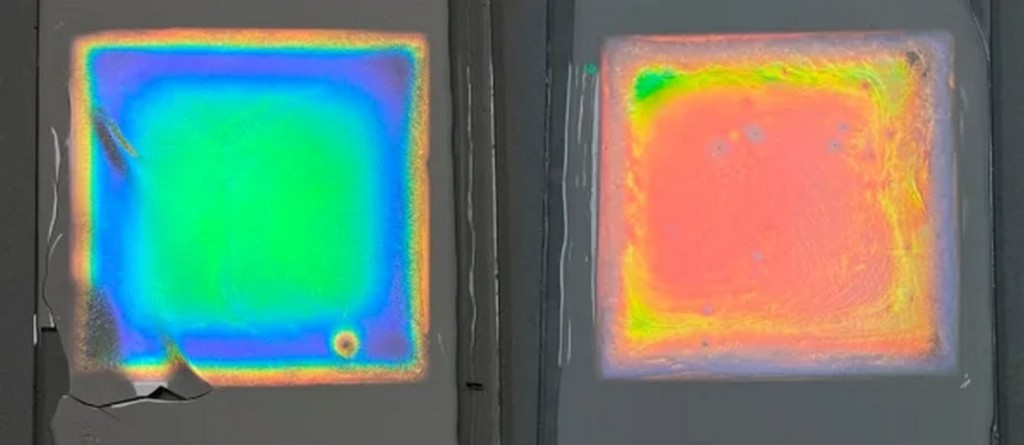
That’s because tiny nanostructures on the beetle’s exoskeleton made of cellulose capture light and send it bouncing around whilst separating it into different wavelengths. This is why they appear to shimmer in greens and purples.
More importantly however, when the same nanostructures are pasted to the outside of a house, they can keep it 7.2°F cooler during the day and 20°F cooler during the night.
Some scientists are worried that too much energy will be used for air-conditioning in a climate that is warmed by 1.5°C, and so are devoting their time to coming up with energy-less ways to cooling homes.
GNN has already reported on ultra-white paint that can keep things cooler, and now scientists at the University of Cambridge are turning to cellulose nanomaterials inspired by nature that would create iridescent houses that are self-cooling.
“The usual way to generate a color is dye, but dye will absorb light and heat up, and that counteracts the cooling effect,” Qingchen Shen, a postdoctoral researcher at Cambridge told Fast Company.
Expecting people to use ultra-white paint is unrealistic because it would damage the eyes of your neighbors, and if everyone in the neighborhood used it, it would be an intolerable place to live.
Iridescent roof coating – Cambridge Univ. Released
As Shen explains though, color generally absorbs heat, rather than reflects it, but their invention of a thin nanostructure film made of cellulose under a thin film of white was able to generate over 120 watts of cooling power, as much as some air conditioners.
“We wanted to make it cheap,” Shen added. “That’s why we used cellulose-based materials. Cellulose nanocrystals can be extracted from wood or cotton. Cellulose is the most abundant polymer in nature.”
When pasted over walls or rooftops, the material could meaningfully assist in cooling the interior of the house and reduce electricity usage by a fair amount.
The colors could make a house look pretty psychedelic in the sunshine though, so the team is probably better off leaving the marketing for the major coastal cities.
SHARE This Cool Bit Of Natural Inspiration With Your Friends…
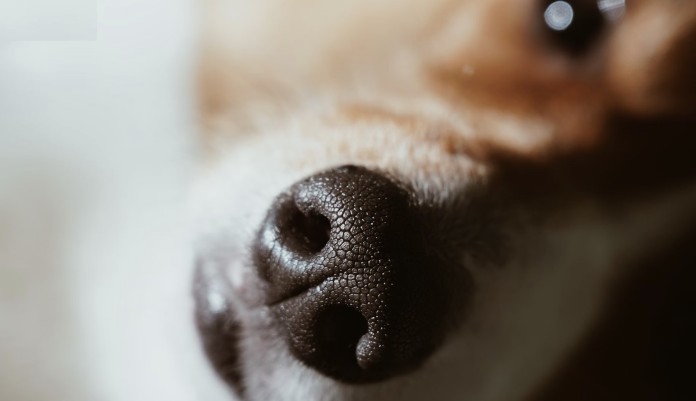
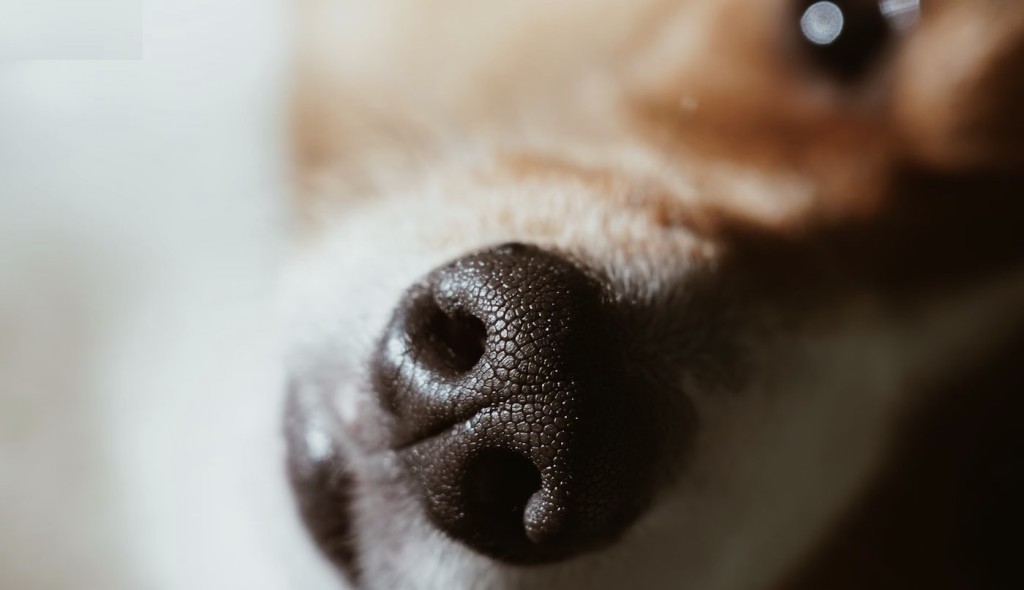
A South Korean startup has developed an AI-based app that scans your dog’s nose print and places it into a crowdsourced database that anyone can access to identify the owner of a lost dog.
It turns out a dog’s noseprints are just as individual as a human’s thumbprint, and the advantage of using it to identify a lost dog over a microchip is that no one has a microchip scanner in their house.
Anyone who has lost track of their cat or dog knows the fear experienced by the thought of never seeing them again. Collar tags and microchips can be ways for good samaritans to help reunite lost animals with their owners, but tags and collars can fall off, while microchips are not accessible for anyone who doesn’t want to drive to the vet office.
The team at Yonsei University has honed their AI to a 99% accuracy, which they’ve now released for free through the Petnow app on marketplaces in South Korea, Spain, and the US.
Pet owners register their dog’s nose print by taking a picture with their smartphone. Cat owners are in luck too, because the algorithm can ID cats by their whole face rather than just a nose.
Once the image is captured, it’s stored in Petnow’s database. Anyone, including those who may come across a lost animal, can take a picture of its nose or face and see if it matches with one on the app—providing an instant set of contact info for the owner.
Because it’s not always easy to for a lost dog to sit still, the app deploys three kinds of AI to identify a noseprint even if the nose is moving about.
With a crowdsourced database as the foundation of the idea, Petnow’s team needs as many people as possible to use the app, and for shelters, vet clinics, and other pet businesses to get the word out.
WATCH the story below from Petnow…
SHARE This Story With Anyone You know Who’s Lost A Pet…
Quote of the Day: “Each condition I flee from pursues me. Each condition I welcome transforms me and becomes itself transformed.” – Jennifer Welwood
Photo by: Yannes Kiefer
With a new inspirational quote every day, atop the perfect photo—collected and archived on our Quotes page—why not bookmark GNN.org for a daily uplift?
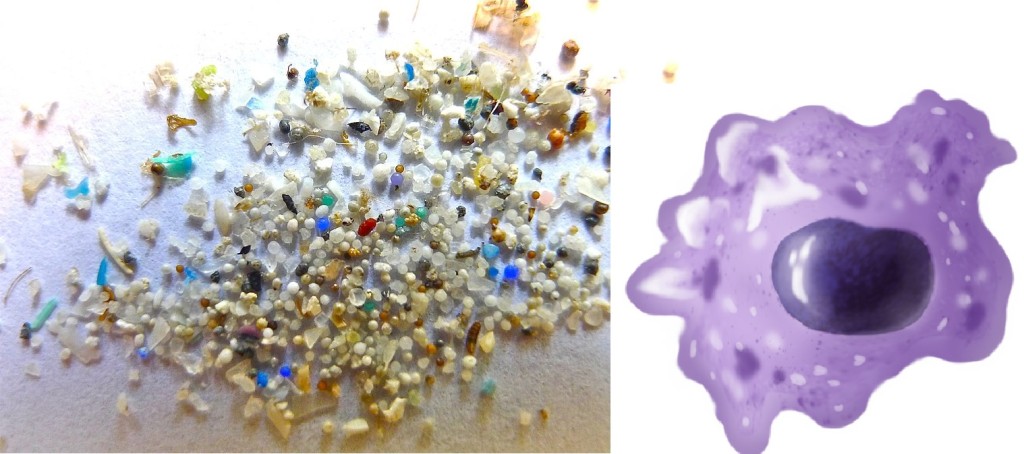
Microplastic detritus and macrophage seen under microscope - CC 4.0.Oregon State University CC 2.0. - Noah Smith CC 4.0.
Microplastic detritus and a macrophage seen under a microscope – CC 4.0.Oregon State University CC 2.0. – Noah Smith CC 4.0.
Japanese scientists have made a breakthrough discovery on the effects of ingesting microplastics, namely that our immune system is capable of protecting us from them.
Microplastics have been recorded everywhere we’ve looked for them: in the jetstream, at the deepest depths of the ocean, and at the summits of remote mountains.
Trying to figure out the potentially toxic effects of microplastic exposure in our bodies, the scientists discovered that one of the same cellular signals that guide macrophages to remove dead cells from the body, also guides them to remove microplastics.
Before explaining the finding further, it’s worth understanding the process of apoptosis and efferocytosis.
Apoptosis is the process by which dead cells are cleared in the body. When a cell is dead or dying, it signals to the body it must be removed—the job for a macrophage or dendric cell. Macrophages are the heaviest weapon in the immune system’s arsenal because they can completely swallow pathogens targeted for removal.
A macrophage receptor called Tim4 is designed to identify apoptotic cells and devour them—a process called efferocytosis, or “phagocytosis” if done by macrophages. Once devoured, the dead cell is encased in a liquid pocket to prevent its contents from seeping out into the cell or the macrophage.
Impaired efferocytosis has been identified in a dozen or more common autoimmune disorders like lupus, cystic fibrosis, and asthma.
“We were keen to see if Tim4 bound to polystyrene which is composed of aromatic styrene units, and if this interaction perturbed an immune response,” said Professor Masafumi Nakayama of Ritsumeikan University, Japan.
What they found was critical to understanding how best to control one’s exposure to pollutants, especially if they live in a city or suburban area.
When microplastics enter the body, they are engulfed preferentially by macrophages, and Professor Nakayama found that the act of doing so doesn’t cause acute inflammation by monitoring a suite of the most common inflammatory compounds like nitric oxide, IL-1, TNF-alpha, and reactive oxygen species, which are all typically released in small amounts during efferocytosis.
Furthermore, this was not shown to be harmful to the macrophages themselves; they were able to engulf the polystyrene and carry on with their important work.
What the scientists did discover however was a novel aromatic interaction between the Tim4 receptors with polystyrene particulars and another nanomaterial they were testing. The nanomaterials impaired the efferocytosis of the dead cells in the area.
In other words, the microplastics distracted the macrophages from clearing out dead cells that would normally be targeted for destruction.
The scientists concluded that low levels of microplastic ingestion in the body do not cause inflammation and that microplastics can be removed by macrophages. Contrastingly, too much microplastic pollution would impair the removal of dead cells.
If an individual is worried they may be exposed to too much microplastic pollution, other therapeutic measures could be used to try and offset this impairment such as the consumption of a senolytic compound like grape seed extract, exercise, or heat stress therapy in a sauna.
Another method for reducing microplastic infection would be to get microplastic-rated water filters on your taps and your shower head.
SHARE This Important Health And Safety Discovery With Your Friends…
On Sunday, Oct. 9, 2022, a pulse of intense radiation swept through the solar system so exceptional that astronomers quickly dubbed it the BOAT—the brightest of all time.
The source was a gamma-ray burst (GRB), the most powerful class of explosions in the universe, and astronomers studying it believe it was the strongest to have happened since the dawn of human civilization.
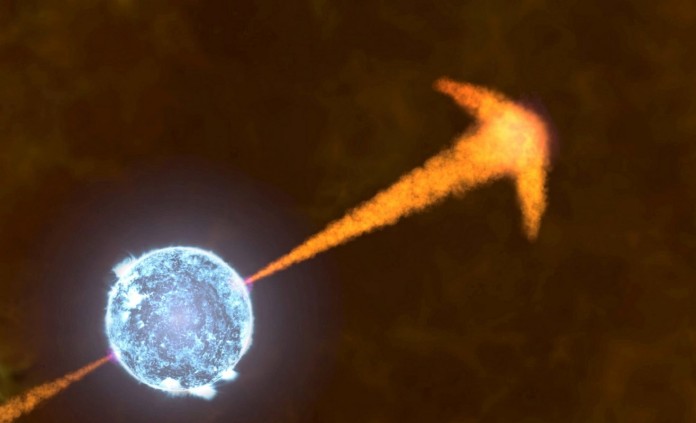
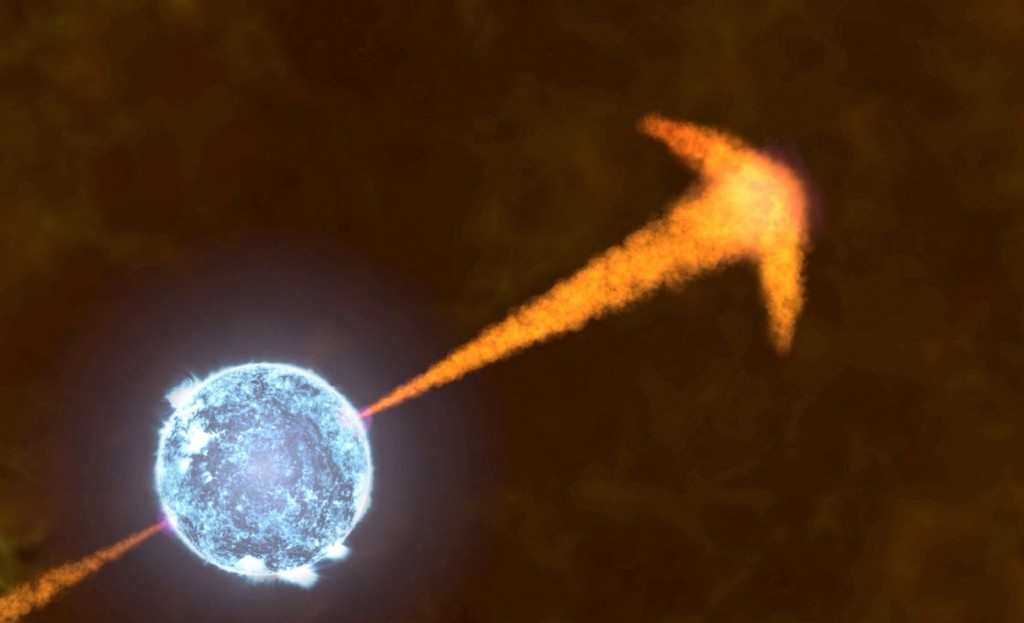
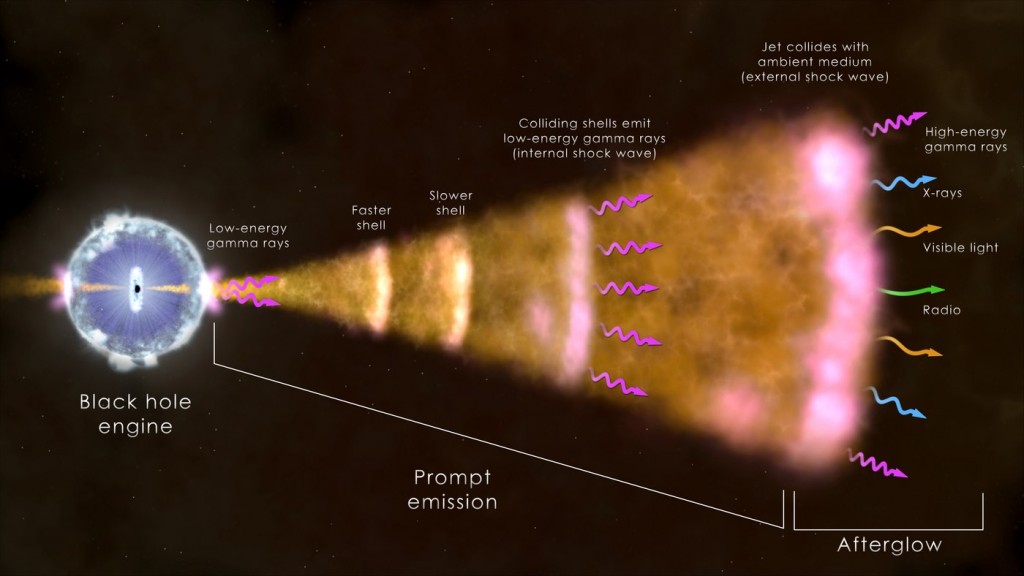
Astronomers believe that GRBs happen following the death rattles of massive stars which run out of nuclear fuel and collapse into black holes. The newly-created singularity begins to ingest surrounding matter and blast out jets in opposite directions which emit X-rays and gamma rays as they travel through space.
This one had been traveling for 1.9 billion light-years before it reached us—relatively short for huge GRBs. It was detected by suites of gamma-ray instruments operated by all major spacefaring nations. Eric Burns, an assistant professor of physics and astronomy at Louisiana State University, led an analysis of 7,000 record GRBs and determined that this one was the BOAT.
The GRB was so bright, it effectively blinded the various instruments built to record them, including NASA’s Fermi Gamma-Ray Space Telescope. The reality of Burns’ work was that the BOAT may have been brighter, or possessed other characteristics, but because humanity was literally blinded by the light, we won’t ever know for sure.
Usually, GRBs are followed by supernovae, which originate from the same spot in space, but the BOAT has so far failed to follow up. This could be because it collapsed into a black hole rather than exploding.
GRB illustration progression – Goddard Spaceflight Center
“We cannot say conclusively that there is a supernova, which is surprising given the burst’s brightness,” said Andrew Levan, a professor of astrophysics at Radboud University in Nijmegen, Netherlands.
“If it’s there, it’s very faint. We plan to keep looking,” he added, “but it’s possible the entire star collapsed straight into the black hole instead of exploding.”
Additional Webb and Hubble observations are planned over the next few months to be extra sure no supernova is there, because if one were to appear, it would be equally ginormous.
The brightest GRB previously recorded was around this time of year in April of 2013, and registered at 35 billion times the energy of visible light. By comparison, the BOAT is nearly 700 times brighter.
SHARE This Once In A Civilizational Discovery With Your Friends…