










All News - Page 344 of 1714 - Good News Network
Home Blog Page 344

Magnificent Picture of Ape ​​Cuddling Another Species is Finalist in Wildlife Photographer of the Year – SEE Photos

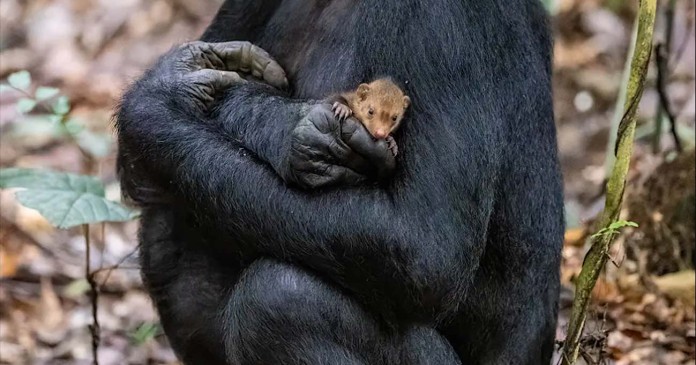
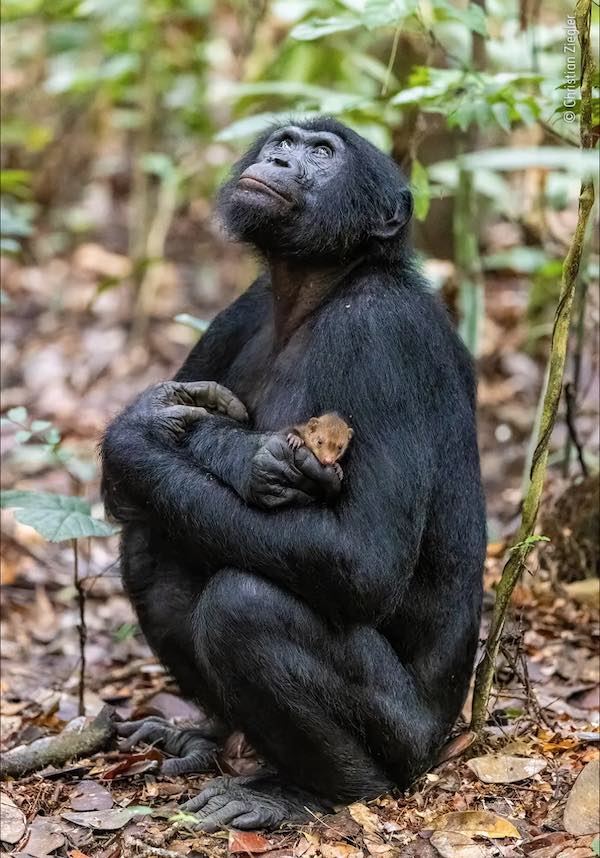
bonobo cuddles a mongoose – Christian Ziegler/Natural History Museum

In a photograph that won Christian Ziegler “Highly Commended Image” at the Wildlife Photographer of the Year contest, a bonobo ape appears to be cuddling a mongoose as if it were a pet.

Perfectly capturing the mystery and technical brilliance that are the standards for the competition, held by the Natural History Museum in London, this incredible story-in-a-photo ended later on, when the bonobo released the mongoose which went on its way.

Now in its 58th year, the competition will nominate 100 entries for judging, selected from tens of thousands of submissions.

“What’s stayed with me is not just the extraordinary mix of subjects in this year’s collection – a vast panorama of the natural world—but the emotional strength of so many of the pictures,” said chair of the judging panel, Roz Kidman Cox.

Ziegler was exploring bonobo habitat in the Democratic Republic of Congo, wading chest deep flooded forest for days in Salonga National Park.

Coming across a young male bonobo, he noticed the ape was holding a mongoose in his hand.

“I was so surprised to see how he carried the mongoose with such care. I immediately started to follow him and document it,” he told BBC News.

The motives of the ape are questionable, as they do hunt animals, but with his free hand gently wrapping under the arm holding the mongoose, signs of aggression were few.

The BBC also heard from Dr. Barbara Fruth, director of an organization that has observed bonobos for 20 years, and who said that “we know from captivity bonobos care for individuals other than their own species.”

Other entries
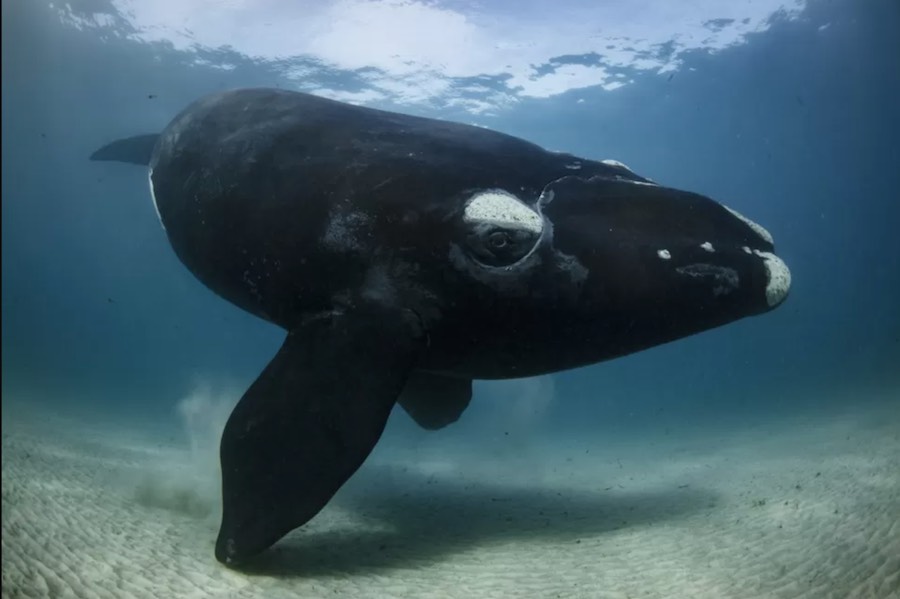
Southern Right whale – Richard Robinson/Natural History Museum

The populations of this once-Endangered southern right whale are now returning to vast numbers, and this particular juvenile had a particular interest in the camera and person of Richard Robinson.

In the category of “animal portraits” this photograph was selected as a finalist.
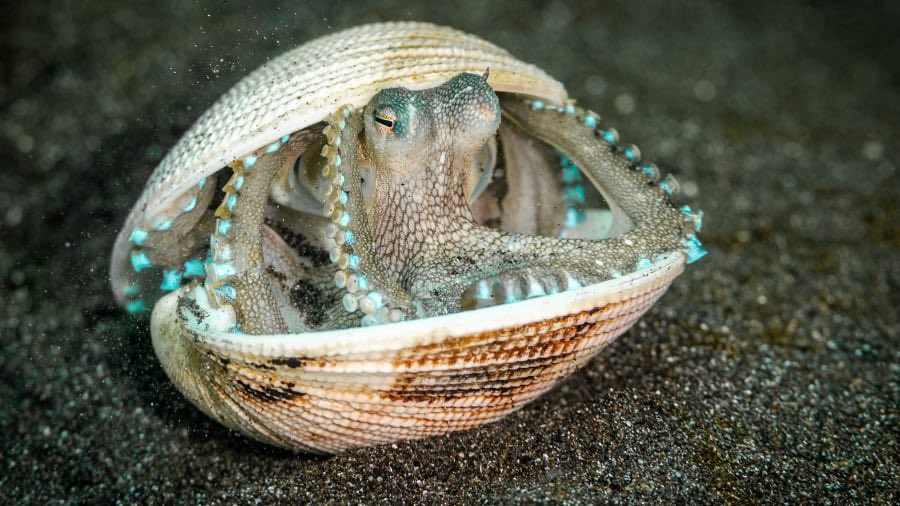
Coconut octopus peeks out of clam shell; nominated in 15-17-year-old category – Samuel Sloss/Wildlife Photographer of the Year

Not to be outdone, this coconut octopus decided to strut his colors and coils from inside a “borrowed” clam shell for Samuel Sloss.

While muck diving in Sulawesi, Indonesia, Sloss noticed the home invader, who promptly closed the shell during Sloss’ attempts at picture taking. Eventually though, he opened up and gave Sloss a finalist spot in the 15-17-year-old category.
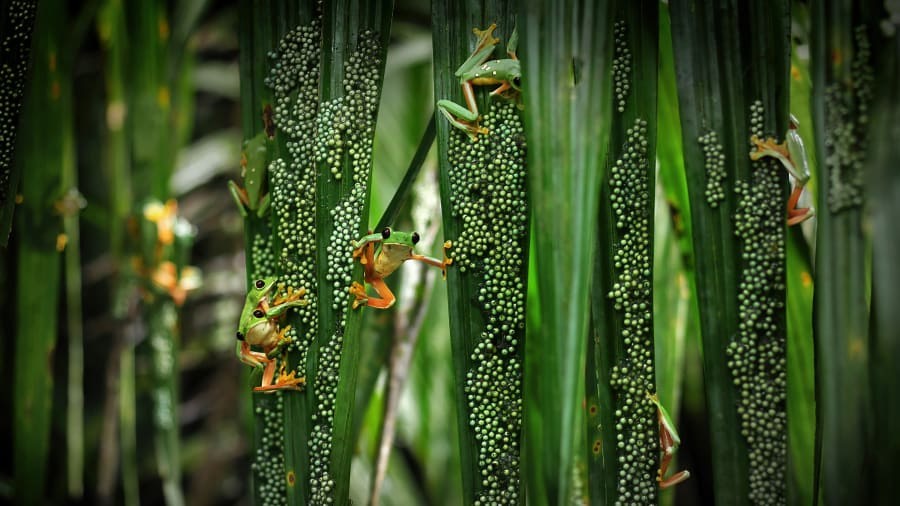
‘The Swimming Pool‘ captures breeding frenzy of tree frogs – Brandon Guell/Wildlife Photographer of the Year

Like Ziegler, Photographer Brandon Guell had to spent days wading through chest deep water to photograph an early dawn phenomenon that only happens a few times a year in very few places.

These green tree frogs are about to have a breeding frenzy on these stalks of grass in Costa Rica. Each female lays 200 eggs, which eventually fall into the water below and become tadpoles.
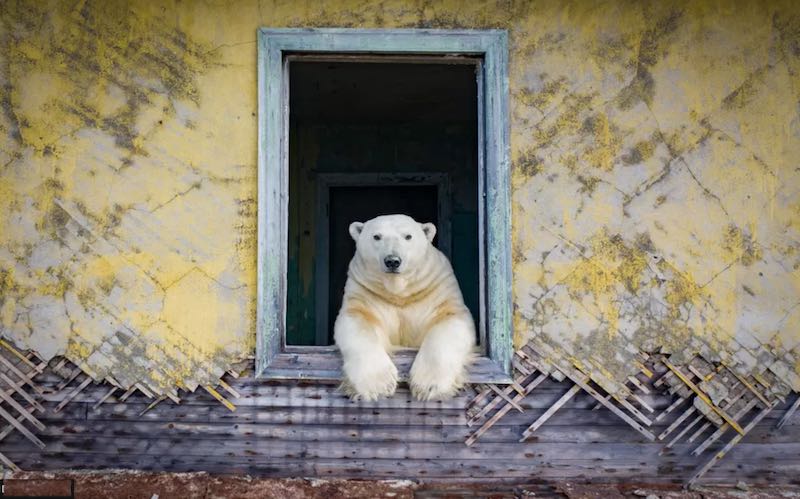
Dmitry Kokh/Wildlife Photographer of the Year

Abandoned since 1992, Kolyuchin Island in Russia has been claimed by polar bears who, as a result of shrinking sea ice, are forced into scavenging the remains of industrial civilization.

A low-noise drone was used to capture this excellent portrait of a bear that had taken a break on a windowsill.

European perch in Finland – Tiina Törmänen/Wildlife Photographer of the Year

Tiina Törmänen got the cooperation for a photo from this lively group of European perch swimming through clouds of algae in a lake in Posio, Lapland.

The algae is actually the result of warmer weather allowing these microscopic plants to bloom in great, problematic numbers, as these perch bear witness.


All 100 finalists can be seen on the Natural History Museum website, and a winner will be selected for each category in early October.

SHARE These Incredible Images On Social Media…

Grandma Lost 250 Pounds and is Now a Bodybuilder After Saggy Skin Removal

- SWNS
– SWNS

Unable to get around without a walker, an English Granny has gone on to shed 250 pounds, have 28 pounds of saggy skin removed, and is now a professional bodybuilder.

Years ago, Dee Hodgson’s size used to leave her in constant agony, and doctors suspected she was suffering from fibromyalgia, a long-term condition that causes pain all over the body.

The mom-of-four and gran-of-eight says her weight spiraled out of control after years of emotional-eating chocolates and sweets.

Knowing her sugary diet wasn’t helping with her condition, she embarked on an ancestral eating pattern of only foods in a natural state, like fresh vegetables, whole eggs, or meat.

As is so often the case with the morbidly obese, Dee lost 84 pounds without ever setting foot in a gym.

The pounds kept falling, and after passing 100 Dee had joined a local fitness center and discovered a hidden passion for lifting weights.

“At first, I wasn’t dieting to lose weight, I just wanted to feel better and to help ease the symptoms of my health conditions,” Hodgson said. “But the pounds quickly fell off me and it gave me the motivation to keep going.”

“I started going to the gym and fell in love with working out. Then I tried my hand at bodybuilding—and absolutely loved it. Now I’ve lost 250 pounds and I feel like a completely different woman.”

She started on her own, but it was when she added a personal trainer that she discovered the rush of lifting the heavy metal was something she couldn’t get enough of. In November she’ll be competing in a body-building competition in High Mycombe, England.

“I’m in the transformation class, so it’s all about the journey,” she explained. “They will show a ‘before’ picture before I come out on stage. It’s about showcasing the way you’ve built your body.”

RELATED: 78-year-old Grandmother Goes Viral After Powerlifting 245 Pounds

“It’s so far out of my comfort zone, I’ll be out in a tiny bikini with all my scars and loose skin on show, but I hope that it will inspire others.”

– SWNS

The meanest of times

Hodgson was on 20 different types of medication for her physical and mental health in the difficult days. Her diet consisted of processed food, and she hadn’t exercised in years such that at 53 she was barely able to move without the aid of a walker.

“My life was very limited and I was very dependent on people which was hard as I’m very independent. It was embarrassing for me,” she said.

“My new diet was very basic and that made it easier to stick to. I didn’t have to think because I’d limited my choices. The more choices you have, the more slip ups you’ll have. I’ve continued with the meal planning now and will freeze batches of food so that it’s easy for myself.”

“People were noticing the difference and I was feeling more mobile and healthier, and I realized that a different life really was achievable.”

Starting with the stationary bike, she moved to weights after realizing that, despite what most beginners think, no one was judging her at all. She is now being coached by Lisa Morrison, a UKUP/WUP pro athlete, and has set personal bests of 176 lbs. (80kg) in the deadlift, and a 101 (46kg) bench.

She now admits she’s “obsessed.”

CONTINUE READING: 78-Year-old Iron Woman Is Powerlifting Champion Who Does 400 Squats and Holds 19 World Records

“My son Will, 33, told me that he feared he would soon have to tell his children, that I had died—that’s how bad my health had got,” she recalled. “I remember about a year into my journey, I was playing tag with my eldest granddaughter, and she turned around and said: ‘Nanny, I didn’t know that you can run.’”

“And it’s moments like that, that make it all worthwhile.”

CELEBRATE Dee’s Remarkable Transformation On Social Media…

Scientists Unearth Africa’s Oldest Known Dinosaur, Filling a Critical Gap in the Fossil Record

Illustration courtesy of Andrey Atuchin.
Illustration courtesy of Andrey Atuchin, released by VA Tech.

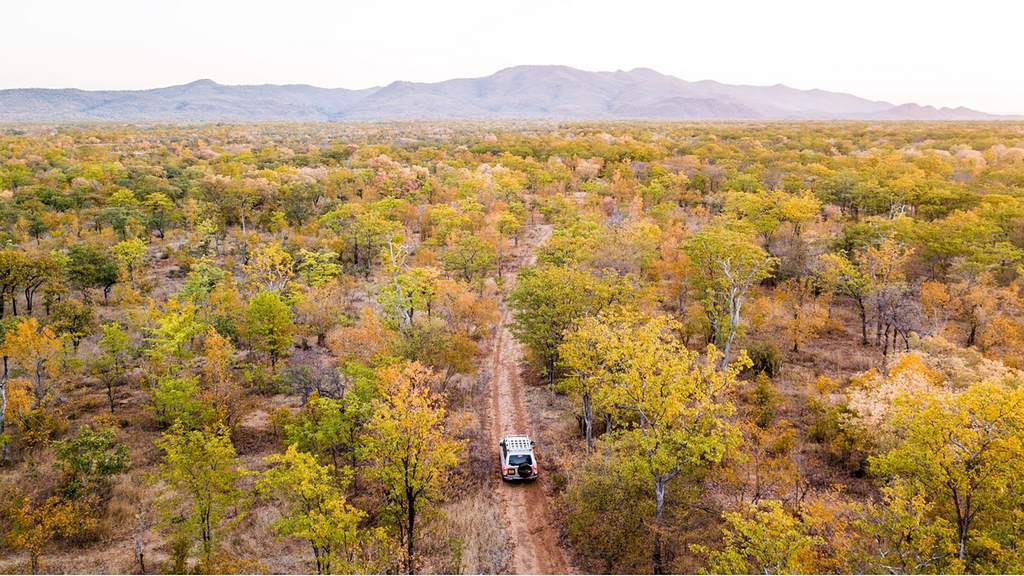
Paleontologists have discovered the oldest dinosaur ever found in Africa, and one of the earliest to ever evolve.

Stories are difficult to understand without starting at the beginning, and the story of the dinosaurs’ nearly 200 million-year reign on Earth is no exception.

The researchers hope the fossil can fill in critical gaps in the record.

A sauropod, the animal found in northern Zimbabwe is estimated to have been 6 feet long with a long tail. It weighed anywhere from 20 to 65 pounds, and was missing only some of the hand and portions of the skull.

“These are Africa’s oldest-known definitive dinosaurs, roughly equivalent in age to the oldest dinosaurs found anywhere in the world,” explains Christopher Griffin, a graduate from VA Tech’s School of Geosciences, and member of the excavation.

“The oldest known dinosaurs—from roughly 230 million years ago, the Carnian Stage of the Late Triassic period—are extremely rare and have been recovered from only a few places worldwide, mainly northern Argentina, southern Brazil, and India.”

Mbire, Northern Zimbabwe – released.

Mbiresaurus raathi stood on two legs and its head was relatively small head like its dinosaur relatives. It sported small, serrated, triangle-shaped teeth, suggesting that it was an herbivore or potentially omnivore.

Found alongside Mbiresaurus were an assortment of Carnian-aged fossils, including a herrerasaurid dinosaur, early mammal relatives such as cynodonts, armored crocodilian relatives such as aetosaurs, and, in Griffin’s description, “bizarre, archaic reptiles” known as rhynchosaurs, again typically found in South America and India from this same time period.

In addition to the discovery of Mbiresaurus, the group of researchers from VA Tech, the Natural History Museum, and the National Museums and Monuments of Zimbabwe, also have a new theory on dinosaur migration, including the when and where.

SIMILAR: Canada Schoolteacher Finds Fossil that May Be 300 Million Years Old and Could Re-Write Fossil Record

Africa, like all continents, was once part of the supercontinent called Pangea. The climate across Pangea is thought to have been divided into strong humid and arid belts, with temperate belts spanning higher latitudes and intense deserts across the lower tropics of Pangea.

Scientists previously believed that these climate belts influenced and constrained animal distribution across Pangea, said Griffin.

“Because dinosaurs initially dispersed under this climatic pattern, the early dispersal of dinosaurs should therefore have been controlled by latitude,” Griffin said.

More so, these earliest dinosaurs were restricted by climatic bands to southern Pangea, and only later in their history dispersed worldwide.

The teams from Zimbabwe’s scientific institutions were excited and proud by the finding.

“The discovery of the Mbiresaurus is an exciting and special find for Zimbabwe and the entire paleontological field,” said Michel Zondo, a curator and fossil preparer at The Natural History Museum.

READ ALSO: ‘Impossible Fossil’ Preserves the Exact Moment the Dinosaurs Died: ‘It’s Absolutely Bonkers’

“The fact that the Mbiresaurus skeleton is almost complete makes it a perfect reference material for further finds. It is the first sauropodomorph find of its size from Zimbabwe, otherwise most of our sauropodomorph finds from here are usually of medium to large sized animals.”

SHARE This Exciting Find On Social Media…

“The time you enjoy wasting is not wasted time.” – Bertrand Russell

Quote of the Day: “The time you enjoy wasting is not wasted time.” – Bertrand Russell 

Photo by: daniar ainun

With a new inspirational quote every day, atop the perfect photo—collected and archived on our Quotes page—why not bookmark GNN.org for a daily uplift?

Pakistan’s First Female Architect Delivers Bamboo-Built Relief Shelters to Flooded Countryside

Yasmeen Lari in front of her houses . BBC News - CC 3.0.
Yasmeen Lari in front of her houses . BBC News – CC 3.0.

Everyone needs a pension project, and for the first-ever female architect in Pakistan, hers has taken on a critical infrastructure need—disaster relief housing.

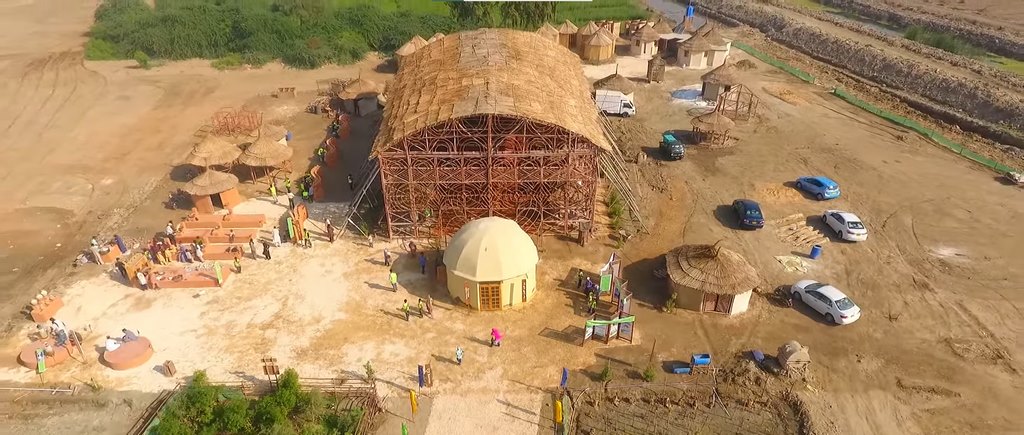
Yasmeen Lari, now 81, is the cofounder of a nonprofit called the Heritage Foundation of Pakistan, which is making bamboo huts for Pakistanis stricken by floods.

Spending most of her career designing sleek, modern buildings for skylines, her retirement in 2005 was interrupted by a catastrophic earthquake that saw her helping locals to shelter themselves.

This, she told Fast Company, is where she came up with the idea for her low cost, low carbon, conical shelters of bamboo. These 12×12 huts have room for 5 people, and can be assembled quickly with rope and reed mats for the roof.

“You could not find other materials,” she said. “Everything was taking too much time, like bricks… You could find bamboo. And I said, ‘Okay, let’s give it a try.’”

Since June of this year, most of lowland Pakistan has at one time or another been underwater, and Sindh, one of the hardest-hit provinces, is calling for 1 million tents to house displaced persons.

Lari has had experience with floods before. In similar circumstances in 2010 she helped organize the building of thousands of these bamboo huts, which along with being progressively upgradable depending on the longevity of the displacement, can also easily be moved around as needs demand.

SIMILAR: Cozy Dining Cabins Made From Plastic Bottles Withstood the NYC Hurricane And May Be Future of Disaster Relief

These ended up withstanding floods in 2012 and 2013, at which point some had even been raised up on bamboo stilts.

One of the bamboo villages built by The Heritage Foundation Pakistan – YouTube.

To facilitate the push for widespread adoption of this idea, Lari runs a training center for emergency architecture called Zero-Carbon Campus, where designs of the original bamboo hut have been upgraded with pre-fabricated bamboo panels that can quickly be fastened together with rope.

A team of five artisans from the Campus can build around 8 of these shelters a day, and Fast Company claim they survived the current flooding. However the artisans aren’t needed to assemble the shelter, and the Heritage Foundation of Pakistan has released easy YouTube guides for those who need to learn fast.

NEARER TO HOME: In Texas Natural Disaster This Furniture Store Owner Heroically Offers His Store as Shelter — Again

INTBAU Pakistan is an architectural organization trying to raise money for the construction of thousands of these shelters, as the floods in Pakistan continue to wreak havoc.

WATCH her explain the situation as it stands…

SHARE This Good Idea From A Great Woman On Social Media…

Scientists Discover How to Starve Melanoma of its Key Growth Enzyme in New Breakthrough

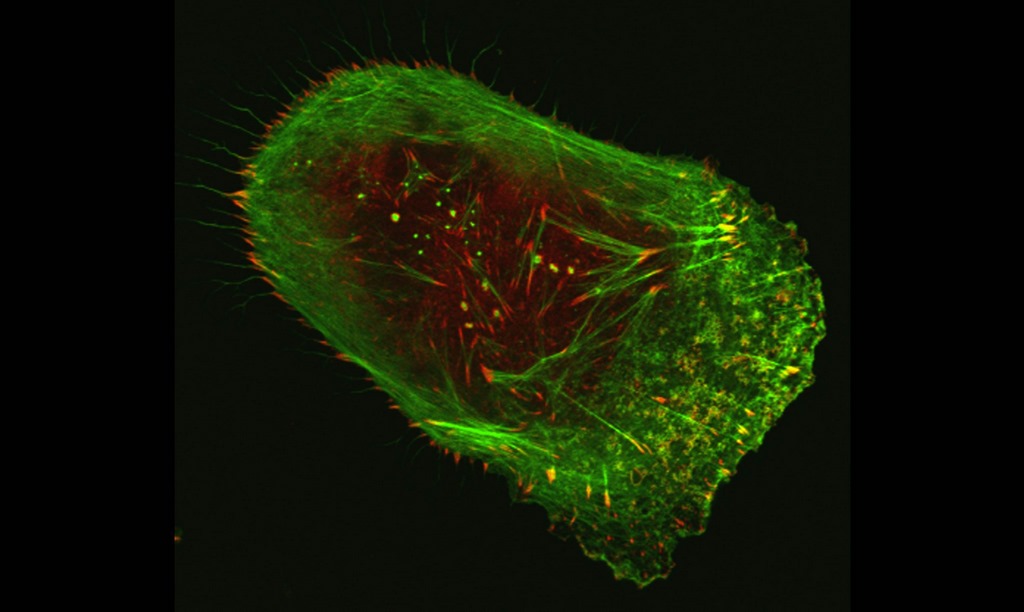
- Vira V. Artym, National Institute of Dental and Craniofacial Research, NIH
– Vira V. Artym, National Institute of Dental and Craniofacial Research, NIH

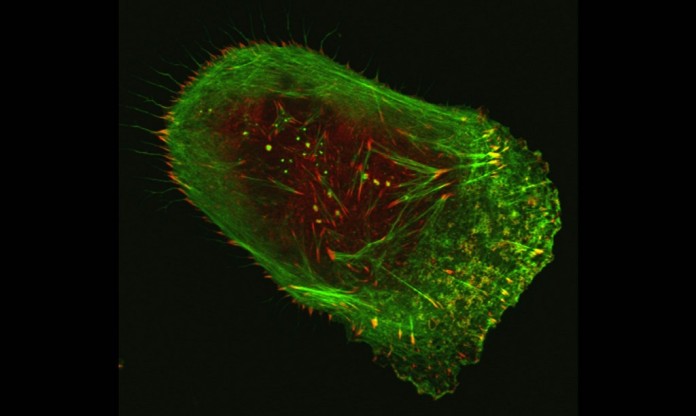
Scientists say new treatments for the most severe form of skin cancer could be developed now that they’ve made a major breakthrough, discovering a way to inhibit a key growth enzyme in melanoma.

When Glutaryl-CoA Dehydrogenase, (GCDH) was inhibited in tumors they weren’t able to survive long term. Potentially this is because it’s a key source of “food,” but also because it trigged a protein called NRF2 to acquire an ability to suppress cancer.

GCDH deprivation is now being theorized as a potential treatment, both through targeting pharmaceuticals in the case of a GCDH-inhibitor, or as a dietary intervention.

“In the study, we used genetic approaches to inhibit GCDH, which provide the proof of concept to search for small molecules inhibitors,” says Sachin Verma, Ph.D., a postdoctoral researcher in the Ze’ev Ronai lab at Stanford, and first author of the study.

“Indeed, we are actively searching for potential drugs that could inhibit GCDH, which would be candidates for novel melanoma therapies.”

Starvation as a treatment and/or cure for a variety of different cancers has been explored in oncology, as tumors grow fast but require tons of energy. Tumorous cells eat a lot of sugar, but also dine on growth factors produced through protein consumption.

This could be something like IGF-1, or GCDH which the researchers have discovered is especially needed in melanoma, such that it alone among 6 key enzymes utilized by the tumors caused it to stop spreading.

GCDH is critical in a healthy person for absorbing tryptophan and lysine, two essential amino acids critical for dozens of processes in the body.

RELATED: Protein Destroys ‘Hard to Treat’ Cancers, Could Become ‘One Size Fits All’ Pill

From a therapeutic standpoint, the study reveals several possible options. Though animal models without GCDH were basically normal, they could not tolerate a high-protein diet.

This is significant because some melanoma patients’ tumors are also low in GCDH. Given the enzyme’s role in processing proteins, the authors believed GCDH-poor tumors may also be vulnerable to high-protein foods, setting up a potential dietary treatment. In addition, reducing GCDH levels in tumors may be complemented with select protein diets.

Further exploration showed that inhibiting GCDH in an animal model gave the NRF2 protein mentioned earlier cancer-suppressing properties.

“We’ve known for a long time that NRF2 can be both a driver and a suppressor of cancer,” says Ze’ev Ronai, Ph.D, and head of the cancer center at Standord. “We just didn’t know how we convert NRF2 from a driver to suppressor function. Our current study identifies the answer.”

ALSO READ: New Cancer Therapy Completely Destroys Advanced Ovarian and Colorectal Tumors in 6 Days

Many innate functions and characteristics of tumors seem also to be the logical next step in treatments and cures, whether that’s disabling the mechanism that disguises tumors from the immune cells, drowning them in iron, or like in this study, starving them.

SPREAD This Good News On Cancer Research With Your Friends…

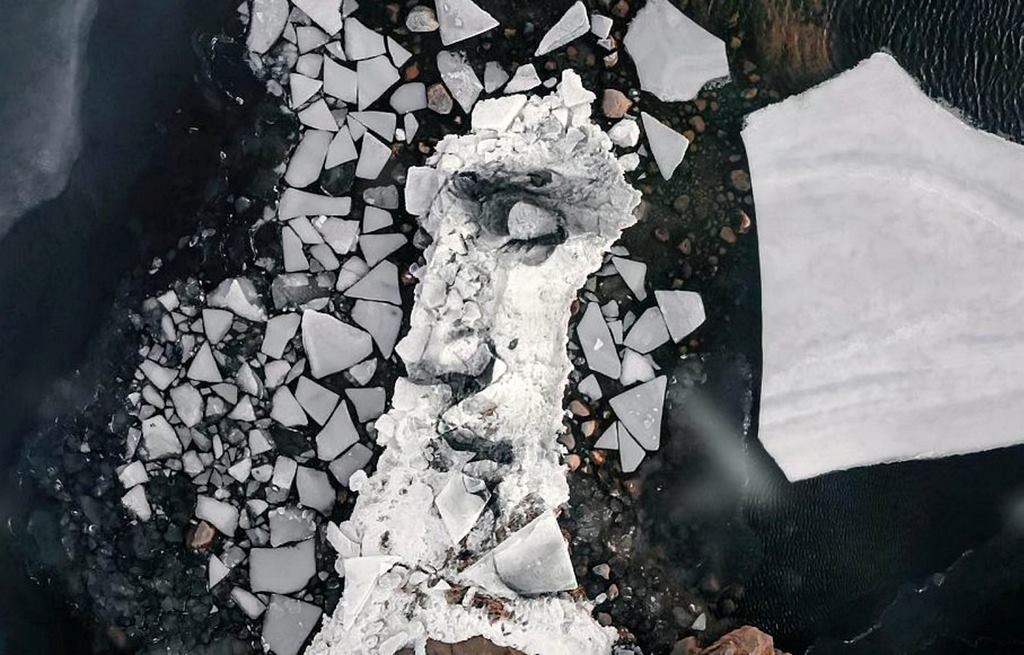
Artist Paints Charcoal Portraits on Giant Floating Blocks of Ice in Baltic Sea – LOOK

- SWNS
– SWNS

Meet the American artist who braves Finland’s freezing temperatures to paint portraits on giant floating blocks of ice in the Baltic Sea

29-year-old David Popa creates the giant portraits by swimming out to sea in the freezing water and using charcoal and soil in a spray can to paint the surface of huge blocks of ice.

Each portrait in his “Fractured” project had to be created in around four hours as the ice floats would invariably either sink or float away.

“Initially it was a huge paradigm shift for me to convince myself that it was even possible and safe,” said Popa, a New Yorker by birth, but who lives in Finland. “I actually practiced for two winters before starting on these, it only works at almost exactly zero degrees.”

This past winter the conditions were perfect and he was able to complete his project.

CHECK OUT: Artist’s Painting is the First to Be Curated on the Moon: ‘It Will Last Forever’

David swam in a wetsuit through the freezing water to the floats he intended on painting. He also had to pack all his equipment, including a drone, into watertight bags, and carry it through the freezing water.

“The conditions were perfect, because it kept fluctuating between warmer and colder days, the ice kept freezing over and then cracking again,” said David.

– SWNS
– SWNS

In order to plan them out, David had to mark the ice and take a picture from above, which ate into how long he had on the ice, adding to the time pressure.

“After I marked the ice and take the picture, it’s go time,” he said.

The series became very popular and David sold around 100 prints of images and six video NFTs, with the most expensive one reaching just over $15,000 (£13,000).

The pieces are known as ephemeral art—designed to only last a moment before disappearing, apart from for those who bought the NFTs.

CONTINUE READING: Rainbow Village: 84-Year-Old Saves Neighborhood From Bulldozer By Painting Every Street With Joyful Colors

David’s choice to make his pieces on such a difficult medium stem from a love of adventure and an attempt to escape from the stuffiness of the art world.

He went to art school in Wenham, Massachusetts but was more interested in hiking and adventure. He fell in love with murals in art school, where they had a graffiti wall on which he could practice.

WATCH The fractured series below without paying a dime…

BREAKUP The Normal News Feed With This Top Art Story…

“My understanding is that you get to choose which of your thoughts to go with.” – Anne Lamott

Abdulla Faiz, CC license

Quote of the Day: “My understanding is that you get to choose which of your thoughts to go with.” – Anne Lamott

Photo by: Abdulla Faiz, CC license

With a new inspirational quote every day, atop the perfect photo—collected and archived on our Quotes page—why not bookmark GNN.org for a daily uplift?


Long-Lost Brothers to Be Reunited After 77 Years and 10,000 Miles, ‘I still can’t believe it’ (WATCH)

- SWNS
– SWNS

A pair of long-lost brothers who were separated as children in 1945 are to be reunited for the first time after 77 years apart.

Ted Nobbs, 83, and his brother Geoff, 79, have spent more than seven decades 10,000 miles apart after their family was divided up at the end of the Second World War.

Ted, along with siblings Barry and John, were all separated from their youngest brother Geoff after their mum tragically died of cancer at age 30 in 1945.

Their father wasn’t able to cope with caring for Geoff, who was 1 at the time, and decided to offer him up for adoption to give him a chance of a better life.

Geoff moved to Australia in 1951 at the age seven and has lived there ever since, going on to have eight kids and grandchildren of his own.

Ted, Barry and John had all tried several times over the years to find their little brother without any success.

“I did a few searchers,” said Nobbs. “I did the first note in 1994 and then again 2004. We went though Supporting Adults Affected By Adoption, but again there was luck and Barry also tried to find him separately.”

SIMILAR: Watch Heartwarming Reunion When “Hero” Nurse Sees Daughters For the First Time in 9 Weeks

But their luck changed in 2014, four years after eldest brother John passed away, when Geoff tracked down Barry and sent him a letter.

“A letter from Geoff just landed on Barry’s doorstep out of the blue,” said Knobbs. “We were all reunited on a phone call and it was just wonderful catching up. It absolutely crunched me when he found us, I just didn’t think it would happen. There were a few tears shed.”

“He planned to come over to England for my 80th birthday but red tape at his end scuppered those plans as COVID kicked in,” Nobbs continued. “We had the celebrations anyway and there was a big tv in the hotel and [his son] Christopher had got a video from Geoff that he played. He wished me happy birthday.”

The grandfather-of-three took the 22-hour flight on Sunday for the big reunion on his own, as brother Barry was sadly too ill to travel.

Geoff currently lives just south of Sydney and has eight children himself, with his most recent job being working with horses before he retired.

“I haven’t flown for 50 years,” Nobbs said. “I had to get a passport again. It doesn’t worry me, I’m quite happy to go… to be able to give him a hug is going to be wonderful.”

“We’re going to fly from Sydney to the Sunday Islands,” he said, adding he’ll be visiting the Great Barrier Reef as well. “It will be absolute fantastic. I shall be meeting Geoff and his daughter and son. I’ve also got a wedding of Geoff’s granddaughter and I’m invited to the wedding.”

A friend of his son Christopher donated a big haul of Avios flyer miles to help pay for the return leg of the ticket.

“There’s quite a lot to pay for but I will probably never be able to do it again so I thought I’d take the opportunity now.”

WATCH Ted sit down with a photo and tell all about their story…

JERK Some Tears On Social Media With This Touching Reunion…

Ordinary Plastic Turned into Diamonds Via Laser Beam in the Blink of An Eye

plastic diamond - cc Steve Jurvetson
plastic diamond – cc Steve Jurvetson

A thin film of plastic was, for the first time ever, turned into tiny diamonds in the blink of an eye after being shot at with a laser beam.

Synthetic diamonds are valuable for their hardness and are used to make high-quality cutting and polishing tools, but equally so for their thermal conductivity, and electrical insulation.

Opening up synthetic diamond production from plastic could lead to more demand for water bottles and other containers which often end up in the sea.

The breakthrough also has implications for planetary science, and the researchers who managed this philosopher’s stone-like transformation said it sheds light on what goes on inside the ice giants Neptune and Uranus.

How exactly was something that costs pennies turned into the hardest and one of the rarest minerals on Earth?

At their fundamental level, diamonds are simply a solid form of carbon, arranged in a particular crystalline structure alongside hydrogen and oxygen.

In tests, a sheet of PET (polyethylene terephthalate) plastic used for packaging food and beverages was heated by a laser beam up to 6,000°C. PET is made of petroleum, which is known in the industry as a “hydrocarbon.”

The test compressed the plastic under a weight equal to millions of times Earth’s atmospheric pressure for a few billionths of a second. This incredible experience reconfigured the molecules of the plastic into a nanodiamond.

“So far, diamonds of this kind have mainly been produced by detonating explosives,” said Professor Dominik Kraus, of the University of Rostock, Germany, and a co-author of the study. “With the help of laser flashes, they could be manufactured much more cleanly in the future.”

CHECK OUT: Huge Black Diamond Sold for $4.3 Million–and No One Knows Where it Came From or How it Was Formed

The laser fired ten flashes at the plastic film, after which the nanodiamonds formed and dropped in a collecting tank filled with water. There they are decelerated and can then be filtered and gathered.

“Up to now, we used hydrocarbon films for these kinds of experiments. And we discovered that this extreme pressure produced tiny diamonds,” Krauss explained. “PET has a good balance between carbon, hydrogen and oxygen to simulate the activity in ice planets.”

Proving it can be done with plastic takes the concept to an entirely new level of convenience for production on Earth, as well as reveals how nanodiamonds might form in large quantities on ice giants like Neptune and Uranus.

Ice giants contain carbon, hydrogen and vast amounts of oxygen. The new study published in Science Advances confirmed it really does rain diamonds inside ice giants at the solar system’s edge.

“The effect of the oxygen was to accelerate the splitting of the carbon and hydrogen and thus encourage the formation of nanodiamonds. It meant the carbon atoms could combine more easily and form diamonds.”

KEEP READING: Locals Digging a Well Accidentally Discover a $140 Million Star Sapphire Weighing Half a Ton

Temperatures in the interior of Neptune and Uranus reach several thousand degrees Celsius and the pressure is millions of times greater than Earth’s atmosphere. Above, the outer atmosphere of gasses is one of the coldest places in the solar system.

This creates storms that produce hailstones of diamonds. Scientists believed this was the case for 40 years, and recent studies have further reinforced this hypothesis.

TRANSFORM Your Friends’ Days With This Amazing Science On Social Media…

Bridgestone Tire Gets Rubber from Desert Guayule Plant Which Doesn’t Require Irrigation

The Bridgestone guayule tire - released.
The Bridgestone guayule tire – released.

Bridgestone has invested $100 million into farming a desert-dwelling herb to replace the rubber tree for rubber production.

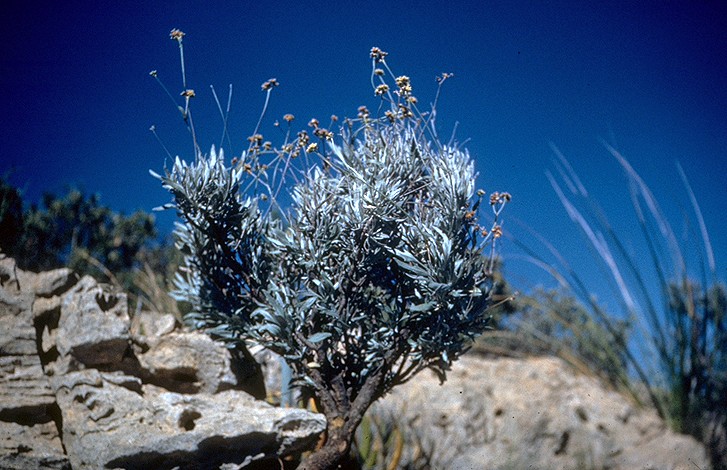
Guayule (Why-OO-lee) produces rubber as a form of protection, and owing to its Chihuahuan Desert heritage, doesn’t need any irrigation.

Guayule comes from the Asteraceae family, which includes species like chamomile, daisy, asters, marigold, and chicory. It was used by the Mesoamerican civilizations as a kind of rubber, which is the same reason that Tempe Farming, which usually grows cotton or alfalfa, is covering 25,000 acres of its farmland with this plant.

Haveas, the tropical rubber tree, is expensive, climate intensive, and risky to farm. They are vulnerable to pests and disease, and labor intensive to cultivate and harvest.

Most passenger cars for this reason use 90% synthetic material for tires, and only 10% natural rubber. However there are still some products made entirely of natural rubber—large truck tires for example.

Parthenium argentatum or Guayule

Bridgestone R&D have spent years breeding a lineage of Guayule that produces exceptional amounts of its rubber, and it wants to scale up production as fast as possible, not only for economic and climate reasons, but because Guayule rubber tires perform better than haveas rubber.

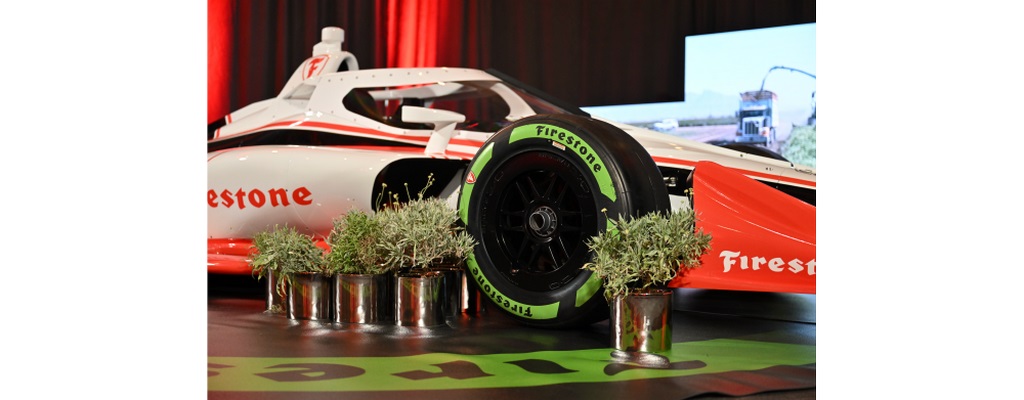
In a recent test, Bridgestone rolled out a racing tire with a sidewall of Guayule rubber for an Indycar race.

“We use racing as a testbed,” Nizar Trigui, chief technology officer at Bridgestone Americas, told Fast Company. “In a very demanding application, like open wheel racing in IndyCar, we have shown that it actually gives us similar or better performance.”

RELATED: Rubber Made From Dandelions is Making Tires More Sustainable – Truly a Wondrous Plant

“The introduction of guayule natural rubber to America’s preeminent open-wheel racing series speaks to the confidence we have in the technology and its potential as a scalable, sustainable and domestic source of natural rubber—a vital raw material.”

To date, Bridgestone has invested over $100 million into Guayule cultivation, and the recent $42 million will go to building a biorefinery to process the plants and turn them into rubber for the company’s tires.

ALSO READ: ‘Genetic Goldmine’ Unearthed in the Desert Could Help Crops Survive Global Warming

Rubber trees are not grown here at home, but as long as there are plants growing in Arizona, the effects of recurring droughts being experienced across the American West could be dampened if more desert-dwelling species that don’t need to be irrigated could be utilized. In this regard Guayule will free up the irrigation resources for 25,000 acres, offering water sources a welcome relief.

SEE If Your Friends Would Buy These Tires On Their Car By Sharing This Story…

Giant Bronze Mythical Beast Found at Famous Chinese Archeological Site—LOOK

The bronze beast from Sanxingdui, note the human figurine atop the head - People CN.
The bronze beast from Sanxingdui, note the human figurine atop the head – People CN.

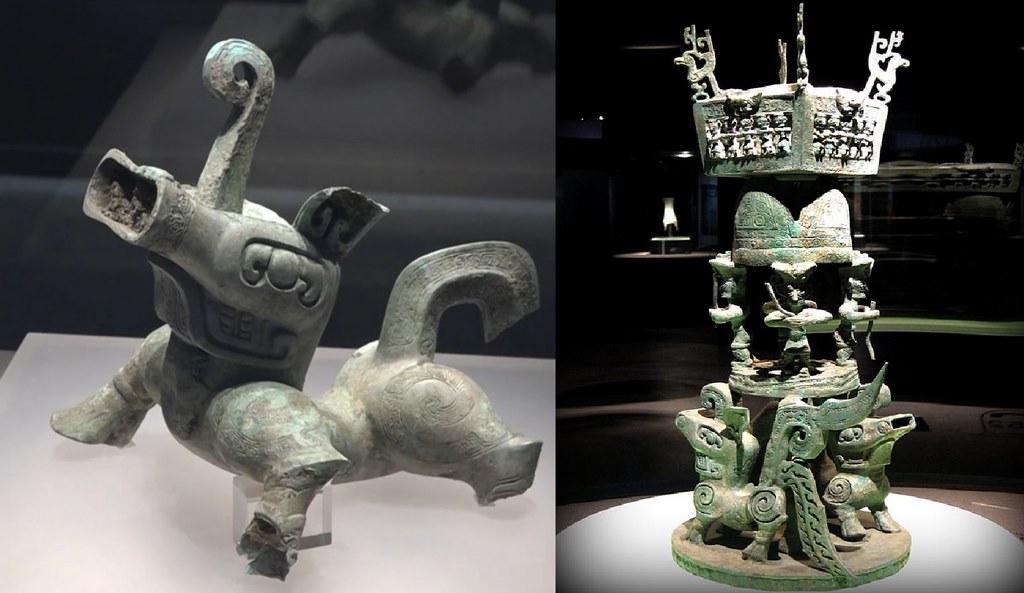
In one of China’s richest and grandest archeological sites, a very large statue of a mythical beast cast in bronze has been found.

The site at Sanxingdui, or Three Star Mound, has yielded hundred of bronze statues which some archeologists have described as more impressive than the Terracotta Army, and this latest find contributes aspects of size and majesty to the collection.

Weighing 330 pounds (150) kilos, the bronze beasty was found on last Wednesday. Its shape is characteristic of many smaller figurines already produced at Sanxingdui, but this one is the largest.

“Since the first excavation at Sanxingdui in 1986, the unearthed mythical beasts have been smaller in size, only about 20 to 30 centimeters long,” said Zhao Hao, a member of the team surveying sacrificial pit No.8.

SIMILAR: Viking Age Shipyard Uncovered at Birka is Like Nothing Ever Found Before

Sanxingdui was discovered in 1927 and has since grown into one of the most prominent excavation sites in China. Centered around an ancient city protected by more than 3 miles of walls on the banks of the Yazi River, it was probably founded between 2,000 and 1,600 BCE, making it contemporaneous with the Middle Kingdom of Egypt.

Believed the be the ancient state of Shu, the first major breakthrough came in 1986 when the first sacrificial pit was found, containing 800 noteworthy artifacts, highlighted by a series of bronze statues of stunning craftsmanship, including the largest and oldest full-scale bronze of a human adult.

After the first two pits were found, from 2019 onwards several others were discovered that uncovered many more exquisite gold, jade, ivory, and bronze artifacts.

Other statues depicting similar mythical beasts from Sanxingdui CC 2.0. Momo – 中国新闻网

This new mythical beast was found in sacrificial pit 8. As well as being the largest, it’ also been preserved with a tall thin man standing right atop the beasts’ horns, which the team suspects indicates control. Another feature unique to this beast is a sacred tree engraved on its chest.

“The tree is engraved directly on it and can be seen as Sanxingdui people’s worship of the sacred tree, or has taken the sacred tree as a kind of divine presence,” said Zhao.

13,000 items have in total been found at the site, including 3,155 largely complete artifacts.

ALSO READ: Incredible Discovery Beneath the Southern Amazon Reveals Urban-Agrarian Society Never Seen Before

South China Morning Post reports that a 473,612 square feet (44,000 square meter) exhibition hall is slated to open in 2023 in Chengdu, Sichuan province, to display the greatest and most important treasures of the city.

SHARE This Great Discovery And A Small History Lesson With Your Friends…

“Trade unions have done more for decency, for honesty, for the developing of character in man, than any other association of men.” – Clarence Darrow

Quote of the Day: “Trade unions have done more for decency, for honesty, for the developing of character in man, than any other association of men.” – Clarence Darrow (Happy Labor Day)

Photo by: Jon Tyson

With a new inspirational quote every day, atop the perfect photo—collected and archived on our Quotes page—why not bookmark GNN.org for a daily uplift?

Getting Plants ‘Drunk’ Insulates them Against Drought, According to New Research

Main crop plants thrived when their soil was soaked in ethanol alcohols even after two weeks without water, report scientists.

Climate change may be affecting production of corn and wheat by 2030, and scientists believe the solution is learn more about plants’ biology to find inbuilt resiliencies.

Genetically modifying plants so that their stomata—the pores in their leaves—stay closed, has been somewhat effective because it prevents water from leaving the plants. Other experiments have looked at making plants produce larger root systems.

But making them is expensive and time consuming. Countries with the greatest need might not have equal access to these modified crops if droughts continue at their current severity.

Plants produce ethanol when deprived of water, so a team from the RIKEN Centre for Sustainable Resource Science in Japan reasoned it would protect them from future drought.

“We find treating common crops such as wheat and rice with exogenous ethanol can increase production during drought,” said lead study author Dr. Motoaki Seki. “This offers us a cheap and easy way to increase crop yield even when water is limited, without the need for genetic modification.”

SIMILAR: Common Weed May Be ‘Super Plant’ That Holds Key to Drought-Resistant Crops

Ethanol is neat alcohol. A small amount of the chemical is the same as a large number of normal alcoholic beverages.

In people, immediate effects include nausea, vomiting and intoxication. In large quantities, it can cause almost immediate loss of consciousness.

Compared to water, wheat and rice could only survive a fortnight of drought conditions when they did a bit of pre-game with 3% ethanol.

And it wasn’t even close. 75% of ethanol-treated wheat and rice plants survived after they were re-watered at the end of the fortnite, compared to less than 5% of the untreated plants.

The researchers analyzed gene expression in the plants before and during water deprivation and radio-tagged the ethanol before pretreatment.

This allowed them to see what processes were activated during drought and what happened to the ethanol after it was taken up by the plant roots.

Even before water was deprived, the ethanol-treated plants began to express genes that are normally expressed during water deprivation.

Additionally, around the same time that water content was dropping in untreated leaves, the ethanol-treated plants were making sugars from the ethanol and doing photosynthesis.

“First, drought-related genes are expressed even before water is missing, giving the plants a head start in preparation,” explained Dr. Seki.

READ ALSO: Irrigation System Talks to Plants to Find Out When they Need Water — Cutting Water Use by 30-50%

“Then, the stomata close, allowing leaves to retain more water. At the same time, some of the ethanol is used to make a variety of sugars, which provide much needed energy that is normally difficult to get with closed stomata.”

“As ethanol is safe, cheap, and widely available, this finding offers a practical way to increase food production all over the world when water is scarce, without the need for costly, time-consuming, and sometimes controversial production of genetically modified plants.”

RAISE A Glass To These Scientists And Their Plant Studies On Social Media…

World’s First 100% Hydrogen-Powered Trains Now Running Regional Service in Germany to Replace Diesel

One of Alstom's hydrogen trains - released by company
One of Alstom’s hydrogen trains – released by company

A regional train operator in Germany is becoming the first company to utilize 100% hydrogen fuel cell trains on their lines.

But if almost all train travel is electric now, and even those few diesel trains that still operate produce a mere third of the CO2 per passenger as a car, what’s the need for big investment into hydrogen in rail travel?

In Germany and the U.S., some regional lines still use diesel-powered locomotives, which expose passengers inside the cars and at the stations to more harmful air pollutants like nitrogen oxide, than standing near a busy intersection in a city.

Along with eliminating this health hazard, the higher emissions cost of a diesel locomotive moving at slower speeds on regional lines are averaged down in national emissions figures by electric powered ones, making the whole endeavor appear less than it actually is.

RELATED: New Design for Solid-State Hydrogen Fuel Cell Significantly Reduces Charging Times and Improves Safety

The new route, between the Lower Saxony towns of Cuxhaven, Bremerhaven, Bremervörde and Buxtehude, will use only hydrogen fuel cell trains from a French company Alstom, purchased by the German regional rail company LNVG.

Inside fuel cells, hydrogen stored on the roof of the train combines with oxygen to make power. When that hydrogen and oxygen combine, the only thing left is H2O.

Alstom’s model can go 1,000 kilometers, or 621 miles before it needs a refueling, which for these inter-small town services means no refill will be needed until service finishes at the end of the day.

“We will not buy any more diesel trains, in order to do even more to combat climate change,” Carmen Schwable, a spokesperson for LNVG, told Deutsche Welle (DW). “We [also] are convinced that diesel trains will no longer be economically viable in future.”

Alstom is reportedly in talks to bring some of these locomotives and carriages to American rail lines as well, as the States continue to use diesel locomotives based on the vast distances they travel compared to European routes, and the costly nature of electrifying railway lines.

WATCH The Train In Quiet Action From The Company…

BLOW The Horn On Social Media About This Blue-Green Mode Of Travel…

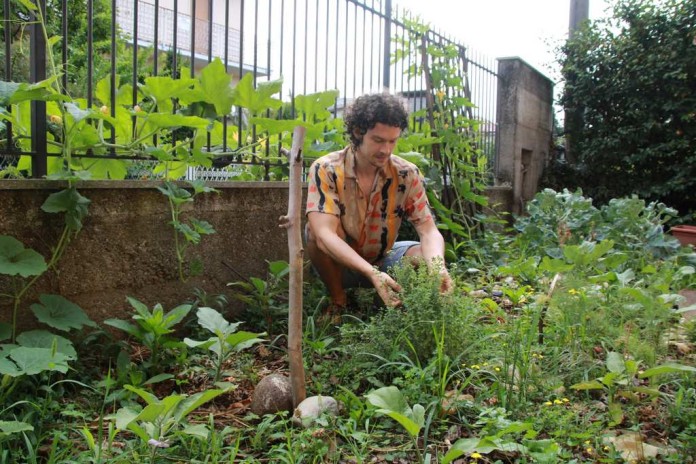
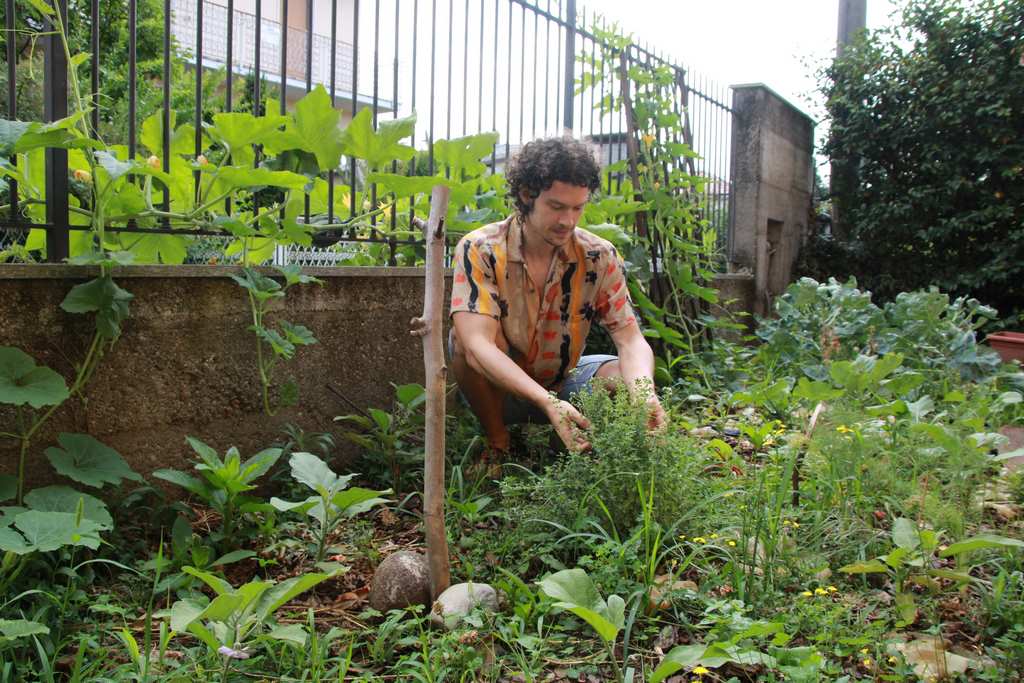
Good Gardening Week 6: How Do You Handle Chaos in Your Garden?

Welcome back to Good Gardening! In our Week 5 discussion, we wanted to know how our Good Gardeners manage a drought, seeing as most of the world is in one. We took the conversation to social media and shared anecdotes.

Lucy Becker shared the Al-Baydh project in Saudi Arabia where permaculturalists are restoring dead streams to life by bringing soil back to desertified hills. If you’re interested in permaculture, this mini-doc a great example of its power.

BIG NEWS We had another avid gardener—a professionally-certified permaculturalist, decide to become a regular contributor to our discussion group! Monica Richards is located in hot and dry California, and she gave her expert advice about hot weather gardening.

“We went through a wildfire, the Bobcat Fire, and our entire property burned, right up to our house – though the house was saved. But much of my garden burned and I had to start over in places. This has been a fascinating experience as I saw what came back, and how to rebuild, using the ash in the soil, as well as making use of the burned branches and trunks of burned trees.”

Her answer as to how to conserve water in a drought is as follows: “Water conservation, shade and wind systems, mulching around plants and trees, plus understanding the microclimates around our property and how to add to them. We have a greywater system, and much of our gardens and trees are watered through that. We also catch rainwater and continue to work toward finding ways to create shade.

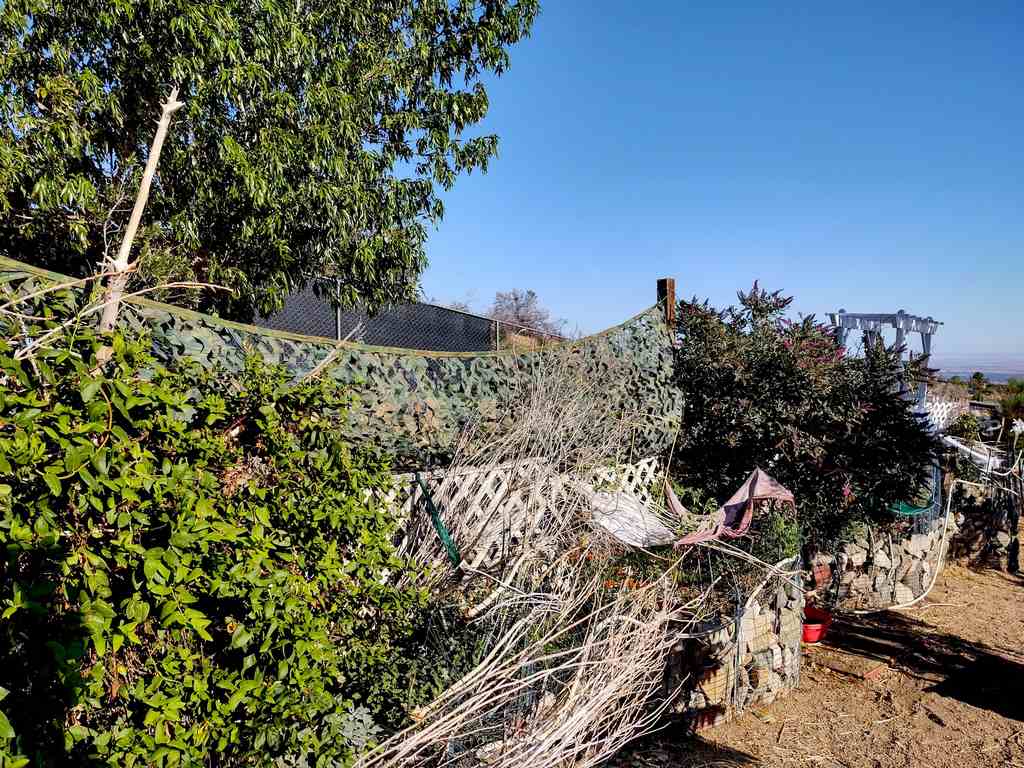
I had a chat with a friend in the UK about building quick shade systems over her plants, you can do this by crisscrossing branches over the beds, tying old cloths overhead with stakes or creating a teepee system.”

Monica Richard’s permaculture-influenced garden shade system.

Our friends from The Sharing Gardens wrote in from their home in Oregon: “Here in USA (Zone 7B), where we live and garden, we experienced excessive rain in the winter and spring of 2022. It was so bad that it killed off almost all the bumblebees in our area (which are ground-nesters) and are necessary for pollinating several of our annual plants. But then, since July, we’ve had basically no rain. The way we deal with these extremes in moisture is to mulch heavily,” they wrote about how they use primarily grass-clippings and leaves.”

Ismail, a Sharing Gardens volunteer, gathers grass clippings.
Hayden, another volunteer, puts the grass clippings on the greenhouse paths to create additional compost.

“The forest floor is a lake,” — Sepp Holzer.

Topic Week 6: Chaos and Order

Question 1: How much natural chaos do you tolerate in your garden? Do you allow grasses and flowering weeds to grow?

Question 2: How much de-weeding do you do in an average season? Got any tips on how to keep them down?

Question 3: Got any tips for keeping a garden in order? Raised beds? Rock patches?

Tell Us Here in The Comments… or, send your questions, tips, and photos to [email protected]Join our Facebook Good Gardens thread every Friday on the GNN Facebook Page

Good gardening rules

  • Green thumbs can help novice greenhorns.
  • Share your gardening photos and resources.
  • Garden jargon encouraged!

INVITE Friends to our Gardening Discussion on Social Media–And Share Your Photos and Tips!

Friends Saved Over a Million Gallons of Paint From Landfill by Rescuing and Remixing it to Give it New Color

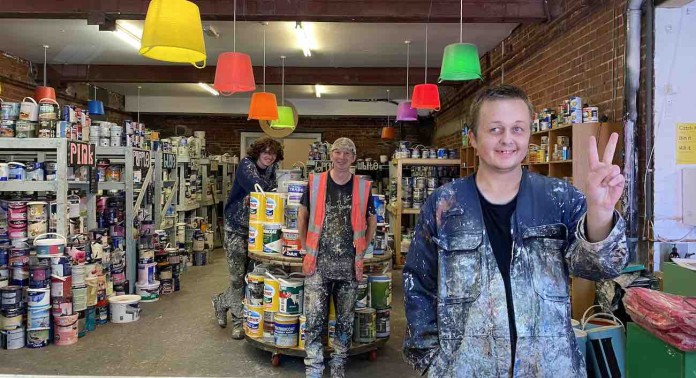
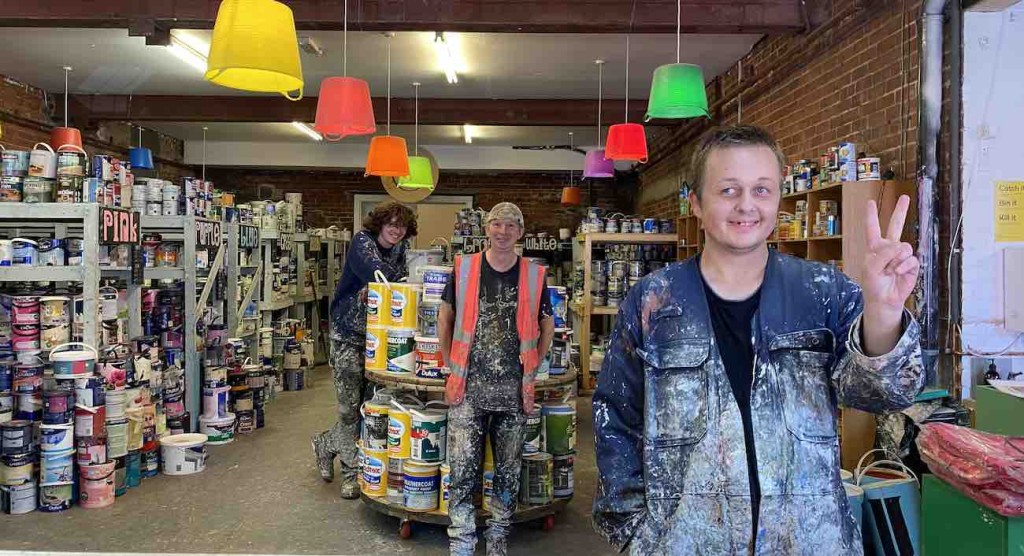
Staff at Seagull Paint Store – SWNS
Staff at Seagulls Paint Store – SWNS

Meet the friends who have saved more than 1.05 million gallons of paint from landfills by rescuing used cans—refilling and remixing them to give each one a new lease of life.

Cat Hyde and Kate Moree had the passion and drive to make a difference by repurposing waste material, while making money at the same time.

Since settling on paint and co-founding Seagulls in 2004, the pair have collected around 300 tons of paint each year from the landfill.

They have grown the company to employ 14 staff members who manage 10 volunteers in their English hometown of Leeds, Yorkshire.

“We started by just collecting half-used paint tins in the back of my car,” Cat said.

The team then sorts the good and bad paint and re-blends with new colors requested by customers—all at an affordable price 75% less than in the stores.

RELATEDThe City of Berlin Now Runs a Department Store That Sells All Recycled Goods

Seagulls paint store in Leeds, England – SWNS

RELATED: Dutch Are Reducing Waste By Fixing Broken Objects With Online Local Barter Network-And You Can Too

“We hadn’t heard of anyone re-cycling paint before,” said 43-year-old Cat. “We were able to work with the local council to collect all the waste paint in Leeds and recycle as much of it as we can.”

“It’s very labour intensive to scrap all the paint tins and re-blend colors but we love it.

“In the last 18 years we have diverted over four million liters of paint which would have caused 11.4 million tons of carbon.”

The social enterprise says that, in order to offset that much CO2, 68 million trees would need to be planted.

The company also gives a lift to those of different backgrounds.

POPULAR: Kenyan Woman’s Startup Recycles Plastic Waste into Bricks That Are 5x Stronger Than Concrete

“We’ve helped previous offenders, those who have struggled with their mental health, and young people who have been isolated.”

Staff at Seagull Paint Store – SWNS

Seagulls Paint Store also runs decorating workshops and gets involved with art in their community.

“We want everyone to be able to decorate their homes.”

SPILL This Idea on Social Media to Inspire Colorful Change…

“Think of mindfulness as a form of affectionate attention.” – Jon Kabat-Zinn

Quote of the Day: “Think of mindfulness as a form of affectionate attention.” – Jon Kabat-Zinn

Photo by: Michael Payne

With a new inspirational quote every day, atop the perfect photo—collected and archived on our Quotes page—why not bookmark GNN.org for a daily uplift?


These Barbecue Foods Have Officially Gained ‘God Tier’ Status, Says New Poll

A new survey of 2,000 Americans revealed the nation’s favorite and least favorite barbecue foods—and tradition ruled the day.

Burgers, hot dogs, and chicken wings have been given the official “God tier” status according to BBQ fans – proving the classics have withstood the test of time, despite the rise of alternative menus across America.

This guide to the best of the barbecue foods shows the likes of cauliflower ‘steak’ and eggplant appeared at the bottom of most wishlists.

Seafood makes up a huge portion of the “good” tier including salmon, lobster, and white fish.

Second from the bottom—the “meh” tier—features pineapple, as well as lamb chops and tuna steak.

Commissioned by St Pierre Bakery and conducted by OnePoll, the poll found that 41% plan to host a barbecue this Labor Day (September 4-5), while 47% will be attending one.

57% claim that hot dogs and burgers are unbeatable, but almost half (45%) like to try out new dishes when grilling to impress others.

POPULAR: Trendy Type of Norwegian Cheese May Stave Off Bone Thinning, Shows New Study

“The god tier ratings are definitely a conversation starter and everyone will have their own opinion on the best and worst barbecue foods”, said a spokesperson for St Pierre. “This list is perfectly timed to help inspire hosts on what to serve hungry guests.

Meals to impress at a cookout include a whole chicken (32%), beef brisket (29%) and upgrading from standard bread to brioche rolls (25%).

While 63% stick to the basics when cooking as they assume that’s what their guests want, 66% try – and fail – to cook something other than traditional foods.

RELATED: Eating Oily Fish Like Salmon May Cut Risk of Developing Alzheimer’s by Nearly 50%

Half of barbecues have become healthier in the last decade, and 44% think they have become more suitable for all dietary requirements—with the addition of veggie burgers added into the mix

GOD TIER:
Burgers
Chicken wings
Hot dogs
Chicken e.g. breasts, legs, thighs etc
Steak
Ribs
Burger cheese
Potato salad
Corn on the cob
Beef brisket

GOOD TIER:
Pasta salad
Pork chops
Kebabs/skewers
Lobster
Chicken souvlaki
White fish e.g. seabass, halibut
Grilled vegetables
Pulled pork
Salmon
Avocado

MEH TIER:
Sweet potatoes
Potato rolls
Crisps
Grilled mushroom
Lamb chops
Onions
Banana
Bacon
Pineapple
Tuna steak

NAH TIER:
Coleslaw
Lamb
Bread rolls
Pitta/flat bread
Chorizo
Eggplant
Cauliflower ‘steak’
Cous-cous

SHARE Your Weekend Barbecue Menu on Social Media, With This Poll…

White House Bans Paywalls on Any Publication Containing Taxpayer-Funded Research

The White House ruled this week that scientific research which is taxpayer-supported must be available to the American public at no cost—addressing the expensive paywalls that block online viewing of studies in many journals.

The Office of Science and Technology Policy (OSTP) delivered guidance for agencies to update their public access policies as soon as possible to make publications and research funded by taxpayers publicly accessible immediately upon publishing, without an embargo or cost. All agencies will fully implement updated policies, including ending the optional 12-month embargo.

The current optional embargo allows scientific publishers to put taxpayer-funded research behind a subscription-based paywall – which may block access for innovators for whom the paywall is a barrier, even barring scientists and their academic institutions from access to their own research findings, unless they pay.

POPULAR: Virginia Joins 20 Other States Banning Ticket Quotas For Traffic Cops

The new rule also expands the definition of a “scholarly publication” to include “not only peer-reviewed articles but also book chapters and conference proceedings.”

“When research is widely available to other researchers and the public, it can save lives,” said OSTP head Dr. Alondra Nelson. “The American people fund tens of billions of dollars of cutting-edge research annually. There should be no delay or barrier between the American public and the returns on their investments in research.”

When Joe Biden was Vice President in 2016, he told the American Association for Cancer Research that U.S taxpayers fund $5 billion a year in cancer research. “Right now, you work for years to come up with a significant breakthrough, and if you do, you get to publish a paper in one of the top journals. For anyone to get access to that publication, they have to pay hundreds, or even thousands, of dollars to subscribe to a single journal. And here’s the kicker — the journal owns the data for a year.”

RELATED: U.S. House Passes Bill to Cap Insulin Cost at $35 Per Month

Advocates, researchers, academic libraries, Congressional leaders, and others have long called for greater public access to federally funded research results—and now they will have it.

In the short-term, agencies will work with the OSTP to update their public access and data sharing plans by mid-2023.

SET YOUR SCIENCE FREE – Share the Good News on Social Media…