Quote of the Day: “Perfection is not attainable, but if we chase perfection, we can catch excellence.” – Vince Lombardi
Photo by: Afif Kusuma
With a new inspirational quote every day, atop the perfect photo—collected and archived on our Quotes page—why not bookmark GNN.org for a daily uplift?
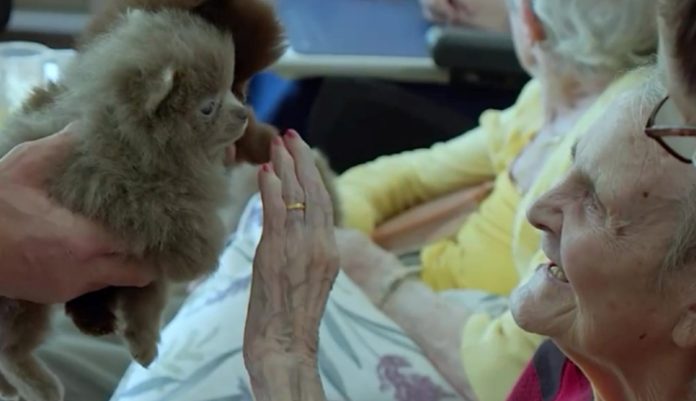
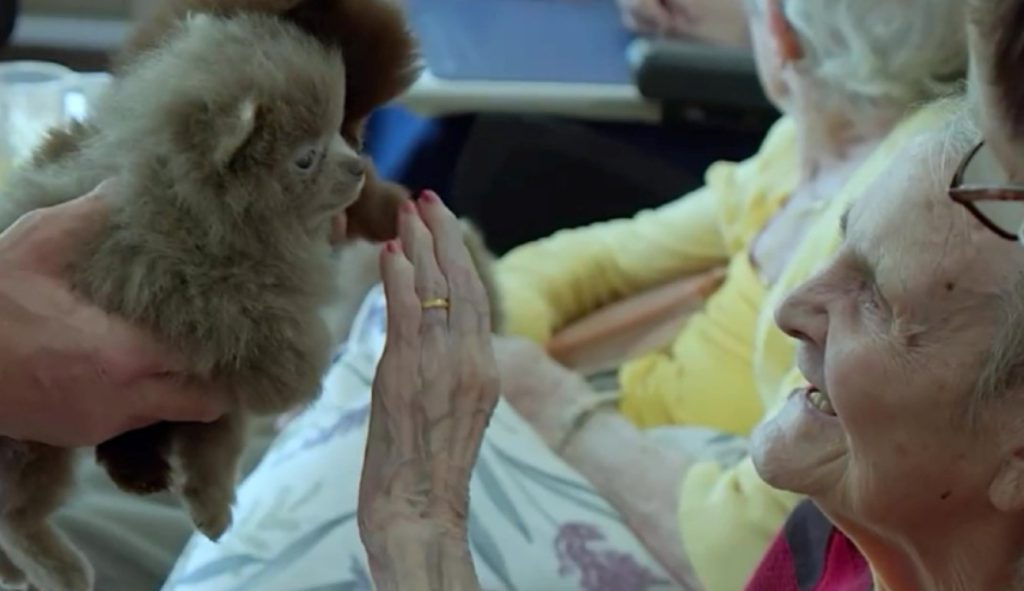
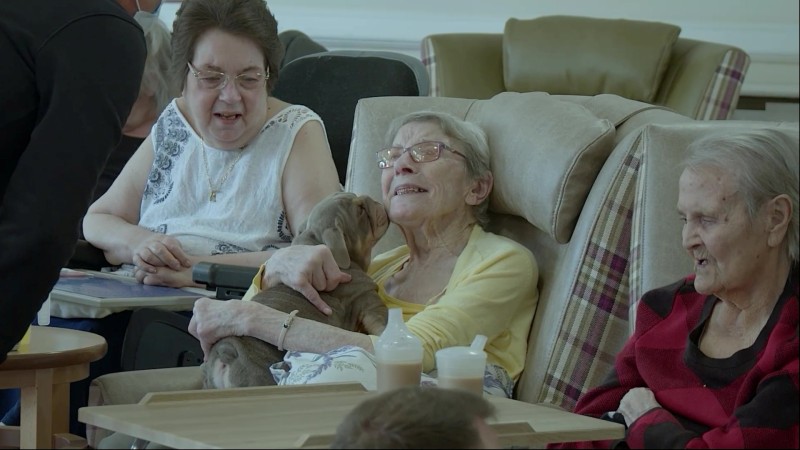
This is the heart-warming reaction of care home residents as they enjoyed a visit from an adorable group of Pomeranian and British bulldogs.
The adorable video shows the residents of Romford Grange Care cooing, stroking at the tiny dogs, and having their noses licked in return.
The visit, which took place last month, was organized by Larry Cooley, owner of The Bully Ranch, as part of the “Bully Ranch to you” project.
The project is a personal one for 34-year-old Larry who organized the trip to raise the spirits of the residents at the care home.
He said, “Being raised by my nan and grandad in the East End of London, I have always had utmost respect for the elderly, always helping out carrying bags and doing what I could to contribute.
“Puppies and dogs have amazing benefits such as lowering anxiety, helping with depression, stress, conquering loneliness and even reducing physical pain.”
SWNS
Conquering loneliness was a big factor in their going after the effect the pandemic had on the elderly.
He added, “From the moment we entered the care home there were smiles all round from staff and residents. It was a really nice atmosphere I must say.
“During the pandemic it was hard not to notice that the elderly were affected dramatically, with no visits from family and friends and the massive change in climate.
“The residents in the care home had a rough two years but on Wednesday they were told we were coming to visit, they were very excited and kept asking after us.”
A protein that destroys hard-to-treat cancers has been discovered by scientists, offering hope of effective new treatments.
Experiments on mice and human tissue found it is effective against the most aggressive tumors.
They include those of the breast, pancreas, ovaries, and brain. The compound, known as ERX-41, leaves healthy tissue unscathed.
It is one of the most promising breakthroughs to date—offering hope of a ‘one size fits all’ pill that was once thought impossible.
Results were so encouraging that clinical trials are expected to begin in the next few months.
“We identified a critical vulnerability in multiple cancers and have validated our findings in multiple cancer cell types and animal models,” Lead author Professor Ratna Vadlamudi, of the University of Texas said. “The range of cell lines and xenografts in which the compound has been shown to work is compelling and indicates that it is targeting a fundamental vulnerability in cancer cells.”
Xenografts are human tumors grown in mouse models for research purposes. The findings could lead to exciting drugs for cancers that have few effective treatments.
Breakthrough research
Prof. Vadlamudi’s lab staff study breast and ovarian cancer with a goal to developing small-molecule inhibitors for tumors that are resistant to current therapies.
In 2017, they identified a compound called ERX-11 that targets the oestrogen receptor (ER) protein that drives most breast cancers.
By screening similar chemicals, the researchers showed ERX-41 killed ER-positive and triple-negative breast cancers (TNBCs) in petri dishes.
They lack receptors for the hormones oestrogen, progesterone, and human epidermal growth factor 2 – and are the most deadly.
The researchers then showed ERX-41 also attacked a large number of human tumors grown from several of these cell lines in mouse models.
It was also potent against patient-derived xenografts, shrinking human tumors grown in lab rodents without affecting normal breast cells or causing any discernible toxicity.
“The safety profile and high therapeutic index of this compound is particularly notable and bodes well for clinical translation,” Prof Vadlamudi said.
Further tests found ERX-41 is also effective against pancreatic, brain, and ovarian tumours. They are among the most lethal, with few effective treatments.
“This vulnerability has a large therapeutic window, with no adverse effects either on normal cells or in mice,” Prof. Vadlamudi added. “Our study implicates a targeted strategy for solid tumours including breast, brain, pancreatic, and ovarian whereby small, orally bioavailable molecules result in tumor cell death.”
Dallas-based biotech company EtiraRx hopes clinical trials will be underway in early 2023.
The study was published in the journal Nature Cancer.
Almost the only thing Birmingham, Alabama, and Pakistan have in common is Shahzeb Anwer—a man who left his home country for an important surgery in the U.S. and found so much more than medical help.
The 31-year-old found his ‘home away from home’ in the southern city, and now considers it—and all its 211,000 residents—part of his family.
So, as he was preparing to be married, he did what anyone would do; he invited his family—all of Birmingham—to his special day.
This heartwarming story began in Pakistan where Anwer, who suffered from kidney stones every year or two, needed a surgery that he found could be done most effectively and cheaply at UAB Hospital in Birmingham.
Never having heard of this city or state before, Anwer began doing his homework; what should he wear, what’s the best way to get around? Posting on a small Reddit group for the Magic City, Anwer soon got a double dose of southern hospitality.
“People responded in a way that I wouldn’t even expect from my own people in Pakistan,” Anwer told a CBS local affiliate.
Folks in the group started cheering him on, making recommendations, and helping to facilitate his trip/stay by making sure he had rides to places.
One Birminghamer, Andrew Harris would drive him around, take him out to dinner, and ensure he got to try as many foods from other countries as possible, adding that Anwer always tried to pay him, but that he never accepted, because it was like he was making a great friend out of the South Asian visitor.
Home away from home
Then the day came. After the surgery was a complete success, Anwer was set to return to Pakistan.
“When he started to leave, I got this huge hole in my stomach–in my heart–that I was about to lose him,” Harris said. “Knowing him such a short time, I was surprised that I started having those feelings, but he’s already become such an important part of my life.”
After returning to Pakistan, Anwer felt that since Harris and the rest of Birmingham had become such a part of his life, they should be at his upcoming wedding. He posted in the same Reddit group that all the members to the thread were invited, and they could bring anyone from the city.
In the Reddit Birmingham community he wrote days later: “Hello home city and its people. I hope you’re all fine. Just a glimpse of one of my days though marriage is a multiday celebration here.”
Comments soon after rained well-wishes on him and his fiancee.
One took the opportunity to express how Anwer’s journey influenced their decision to move to Alabama.
“I was considering permanently moving to Birmingham when I first read about your story through this Reddit,” one person wrote. “I was so touched that it (among many other things) helped convince me to take the plunge and commit.”
Anwer responded that, “for you it’s a golden opportunity, no hugs are turned down in this place.”
His wedding took place on May the 22nd, and it’s unclear how much of Birmingham made it out, as it was short notice and a long flight. But they were all invited, and that’s all that matters.
(WATCH the video for this story below.)
SAY ‘I do’ to Stories of True Hospitality Like This One; Share It on Social…
When a woman recently found a lump in the cushion of a chair she had received for free on Craigslist, she thought it was a heating pad someone with a bad back had stuffed into it.
But when Vicky Umodu from Colton in California unzipped the cover, she pulled out a dozen envelopes of cold, hard cash.
She yelled “we’ve got to call the guy” to her son, and quickly returned every cent—saying it never once occurred to her to keep even a dollar.
An ABC news local affiliate reached out to the vendor and his family, who said that they were getting rid of the chair and a matching sofa after the death of a loved one.
The money totaled $36,000, which the family believes was hidden away by the deceased as part of a saving strategy, and that there could be more dough in unseen places.
Mrs. Umodu was given $2,200 as a reward for her good deed, money she’ll use to buy a new refrigerator.
“God has been kind to me and my children,” Umodu told reporters. “They are all alive and well, I have three beautiful grandchildren, so what can I ever ask of God?
Quote of the Day: “Remember… Triumph is made up of two words: TRY and UMPH.” – Robert Schuller
Photo by: Julia Caesar
With a new inspirational quote every day, atop the perfect photo—collected and archived on our Quotes page—why not bookmark GNN.org for a daily uplift?
The Shard building / Shangri-La hotel by Cmglee, CC license
The Shard building / Shangri-La hotel by Cmglee, CC license
A sick schoolgirl who dreamed of staying at The Shard as she looked out at it from her bed at Great Ormond Street Hospital has been treated to a $25,150 (£20,000) stay there.
14-year-old Angel Growns was diagnosed with Proximal Femoral Focal Deficiency and Sacral Agenesis at birth, which means her lower spine did not develop properly and her right femur was completely missing.
She has spent years of her life in and out of hospital.
In 2018 she nearly died following an operation to amputate her lower leg at the world-famous hospital While the operation was successful, Angel contracted deadly sepsis afterwards following an infection.
It was there that she could see The Shard from her hospital bed and kept asking the nurses about it.
“When she learned there was a hotel inside, called Shangri-La, she desperately wanted to go,” her mom, Holly, said.
The family were treated to the luxury stay through charity Make-A-Wish UK free of charge.
“I really can’t put into words just how amazing the whole thing was. A real VIP experience,” Her mom added. “Angel has been through so much in her young life and continues to go through a lot but has always done it with a brave face. This was such a magical thing for her to enjoy.
Instead of staring out at The Shard from her sick bed, she was able to look back across to Great Ormond Street from her window. And her room in the hotel was beautifully decorated with balloons, flowers and edible decorations.
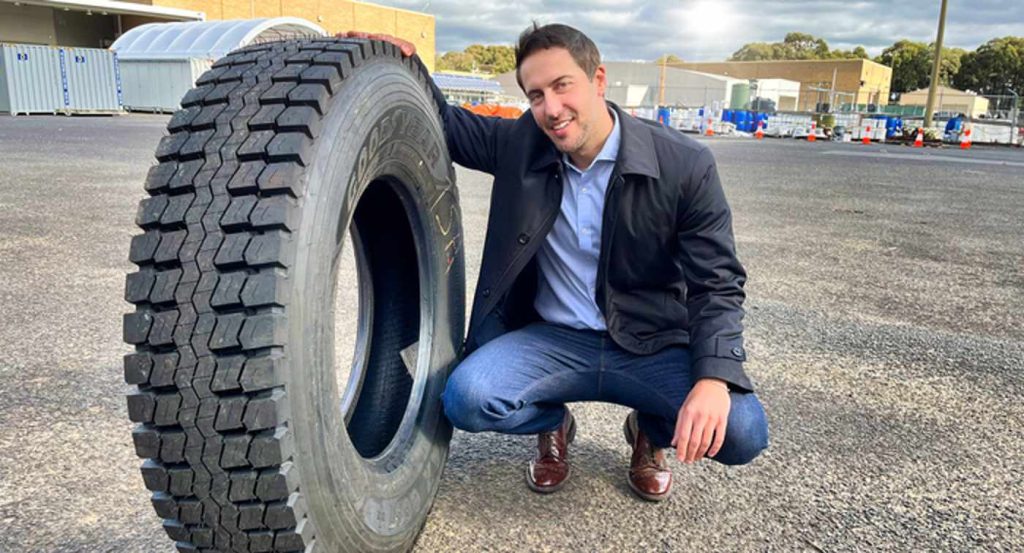
Low-Res_filippo-giustozzi-tyre-media.jpgRMIT UNIVERSITY
RMIT UNIVERSITY
Rubber from used tyres acts like sunscreen for roads and halves the rate of sun damage when mixed with bitumen, new research has found.
Engineers at RMIT University in Australia have discovered a bitumen blend that is both UV-resistant and withstands traffic loads, with the potential to save governments millions on road maintenance annually.
Unlike much outdoor infrastructure—such as playground equipment and outdoor furniture— roads are not designed with any sun protection, making them prone to cracking and potentially unsafe to drive on.
Incorporating recycled rubber not only offers sun protection but is a promising sustainable solution to the used-tyre crisis in many countries, including Australia where an export ban on used tyres has been in place since December 2020.
While research efforts have focused on improving the durability of roads in terms of traffic load, thermal ageing and weather-related events, sun damage has received little attention, until now.
Sunscreen for roads
The new study led by RMIT’s Associate Professor Filippo Giustozzi provides a sustainable solution to UV protection for roads.
“We found that the ageing trend is actually slowed down when you add crumb rubber, which is recycled from scrap tyres, into the top layer of a road,” Giustozzi said.
“This acts so effectively as a sunscreen for roads that it actually makes the surface last twice as long as regular bitumen.
“We knew that UV would be a factor in road degradation, but not by what degree or how to protect against it, as nobody has really been looking at this aspect.”
RMIT is one of the few universities in Australia to have a UV machine for asphalt studies, which can simulate weather-related ageing and is usually used for testing outdoor furniture paints.
Giustozzi’s team used this machine to simulate the long-term effect of solar degradation in the lab on bitumen with different concentrations of crumb rubber: from a low concentration of 7.5% to a medium of 15% and a high of 22.5%.
After a month and a half of continuous exposure in the UV machine—equivalent to about a year of UV radiation in Melbourne, Australia—they measured the changes in bitumen’s chemical and mechanical properties.
Giustozzi said bitumen mixed with the high concentration of crumb rubber from recycled tyres showed 50% less UV damage compared to regular bitumen.
While using more rubber was better in terms of UV resistance, Giustozzi said it was also important to balance this with mechanical performance.
“You don’t want something that is UV resistant but not truck resistant,” he said.
“We found adding between 18% and 22% of crumb rubber generates an ideal balance in terms of improving rut and fatigue resistance to traffic loads, while resisting UV ageing.”
A sustainable solution to the used tyre crisis
Tyre Stewardship Australia CEO, Lina Goodman, said while Australia produced around 450,000 tonnes of end-of-life tyres in 2021, only around 70% of those were recycled or reprocessed.
Goodman said they were encouraged by the research in showcasing the viability and benefits of using crumb rubber from end-of-life tyres, not only in roads and civil infrastructure, but across multiple sectors.
“We’re excited to collaborate on this project with industry and leading researchers at RMIT University,” she said.
“A multi-organisational approach paves the way for new innovation and the opportunity to turn this resource into a value-added product.”
Giustozzi said an added advantage of crumb rubber was that it was already widely in use, including in some roads, but that the councils and state authorities using it were not aware of this ‘sunscreen’ effect revealed in the research.
“We hope this research will change that and open new opportunities.”
The Lesson: American winemaking is a racket. A few companies use public money to control all wine imports into our country, while artificially creating wines with additives to control shelf life, de-foaming agents, stabilizing agents, coloring agents, agents that affect the body of the wine, and even sugar additives. It’s not only that mass produced American wines are making us sick, they aren’t really even wine. Dry Farm Wines is a purveyor of natural wines that are zero sugar, low alcohol, additive free, and grown with regenerative agriculture methods free of pesticides—you know, the way the Romans did it.
Notable Excerpt: “Natural wines are grown in pretty small quantities by very small family farms. There’s not a lot of money in making wine this way because you can’t make it in great enough volumes. Back to the consolidated industry, you’ve got these giant wine companies [that] make millions and millions and millions of cases of wine. They don’t want you to know that, so they hide behind thousands of brands and labels to trick you. They want to feature a farmhouse or an animal on the label or a chateau to have you believe that you’re drinking [wine] from this place, when, in fact, most of these wines are made in giant wine factories located in the Central Valley of California.
The Guest: Todd White is founder of Dry Farm Wines, a distribution company that delivers boxes of wine from dozens of natural winemakers while ensuring the quality control with their own natural wine standard consisting of lower alcohol, zero sugar, organic or biodynamic farming, keto and vegan-friendly, additives-free, and less sulfites. Listeners interested can go to dryfarmwines.com/chriskresser to receive an extra bottle with their first order.
The Podcast: Revolution Health Radio is a deeply varied, topical podcast on functional medicine and ancestral health. It features interviews with experts in disciplines as varied as sleep and cancer to farming and strength-training.
The Host: Chris Kresser MD is a pioneer in the field of functional medicine, a discipline of working with patients to correct tendencies of exercise, sleep, nutrition, and lifestyle factors to tackle America’s growing health epidemic. He is the co-director of the California Center for Functional Medicine, and the author of New York Times bestseller The Paleo Cure, as well as Unconventional Medicine.
(HEAR the podcast by pressing play below.)
Featured image: Dry Farm Wines
SHARE The Knowledge With Wine Fans on Social Media…
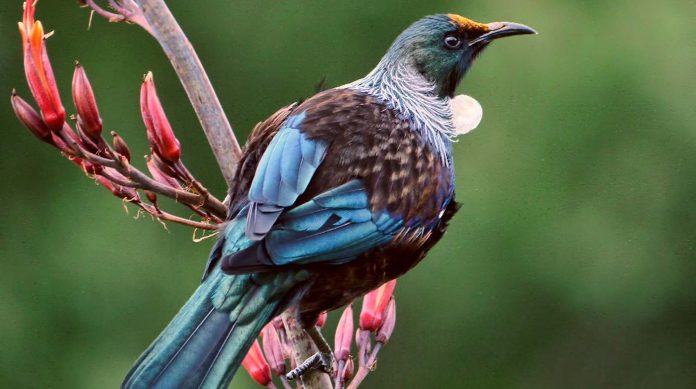
Sid Mosdell from New Zealand wikimedia cc license Prosthemadera_novaeseelandiae_-Waikawa,_Marlborough,_New_Zealand-8_(2)
Tūī; Sid Mosdel, CC license
Just ten minutes beyond the center of Wellington lies a wild paradise, where the birdsong of as many as 40 species ring out above hikers.
The massive urban forest of Zealandia is helping prove that if you restore native forest in cities, native species will come back, and for a place with as unique an ecology as New Zealand, that’s all the more important.
The park, described as an eco-sanctuary, is delightful on its own, but it’s having a halo effect on bird communities in suburban, and even urban areas of the nation’s capital.
Opened in 1999, native birds have since increased during annual counts by 50%, while for some species that aren’t rare but shy away from cities, those figures are much higher. The numbers of kākā had increased by 250%, kererū by 186%, and tūī by 121% (the Māori accents denote a long vowel, i.e. “too-ee.”)
“In the 1990s seeing a tūī in suburban Wellington was a big deal, let alone a kākā,” Adam Ellis, a keen birdwatcher in Wellington, told the Guardian, reporting on the news. “Zealandia … created such a change in bird life that birds like tūī became a common garden bird.”
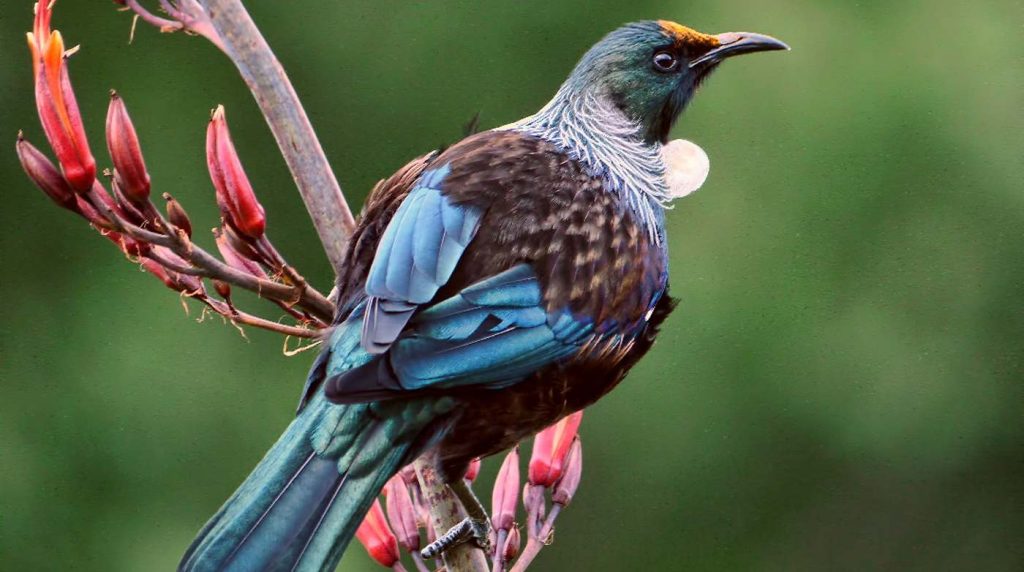
It’s a species of least-concern, but it’s a true tragedy not to have the tūī flitting about backyards. Its beautiful blue-green plumage with a funny white bow-tie is magnificent to behold, and their cacophony is allegedly charming.
A new model
The Zealandia model drove researchers to investigate whether native tree density in and around cities resulted in an increase in native bird species. To get an answer, they examined 25 urban forest projects totaling 72 years of work. They found that the longer the reforestation work, the greater the diversity of native species.
Furthermore, populations of invasive predators like weasels, cats, possums, and rats, which were logically thought to be a reducer of population, had no affect in areas reforested with native tree species.
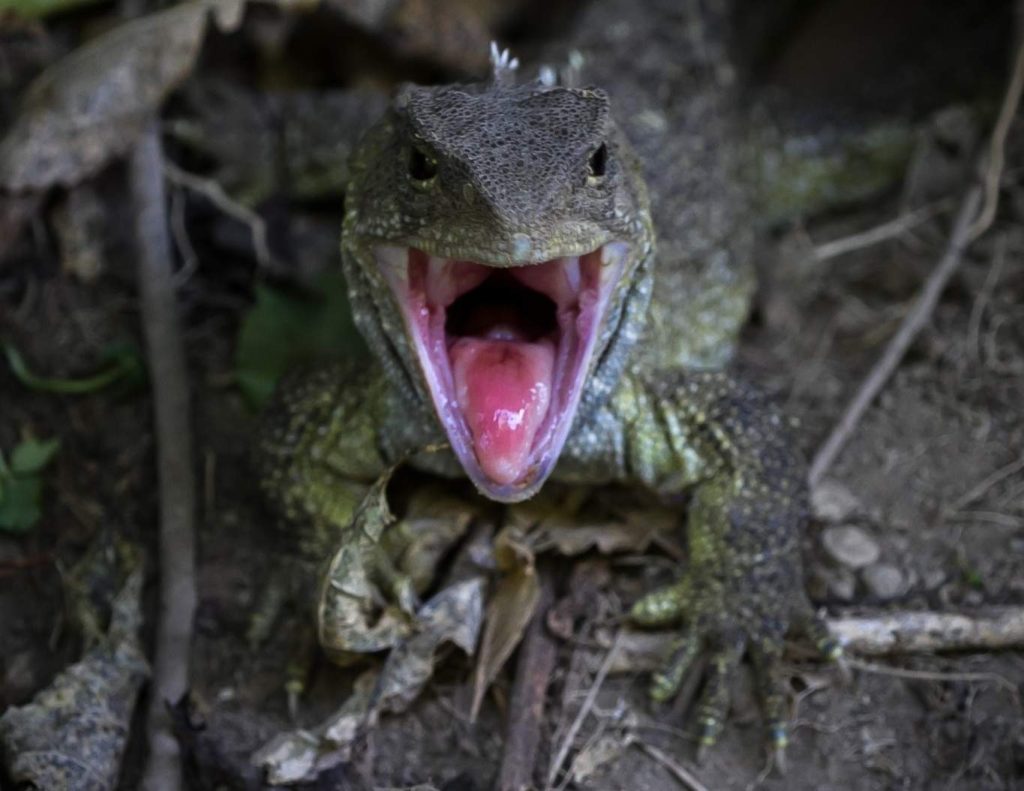
However it’s far from just birds that enjoy Zealandia. Visitors can also see freshwater mussel colonies, frogs, the eponymous New Zealand eel species, and the wētā, a giant cricket. Additionally, lucky hikers may also see a tuatara. It may look like a lizard, but it’s one of the planet’s truly unique species, as it evolved back in the Triassic Period, and is the only surviving member of its species, which split away from snakes and lizards before the age of the dinosaurs.
Zealandia is a beautiful place, but it takes a lot of hard work to maintain it. Nine kilometers of predator-proof fencing surrounds the park, and 500 volunteers keep trails and water ways in order, and ensure that invasive species don’t propagate.
“When you see birds in your backyard that no one else has, it makes you want to do something for them,” Gini Letham, its lead ranger told the Guardian.
“One of our main missions is to connect people with nature—it’s not necessarily coming here for a bush walk, but it’s also about looking after nature in their own backyard and spreading it past just the sanctuary.”
CONSERVE and Spread the Good News; Share This Story…
Quote of the Day: “Studying the imagination is the most exciting and accurate way to heal the terminal divide between the sciences and the humanities.” – Stephen T. Asma
Photo by: Denisse Leon
With a new inspirational quote every day, atop the perfect photo—collected and archived on our Quotes page—why not bookmark GNN.org for a daily uplift?
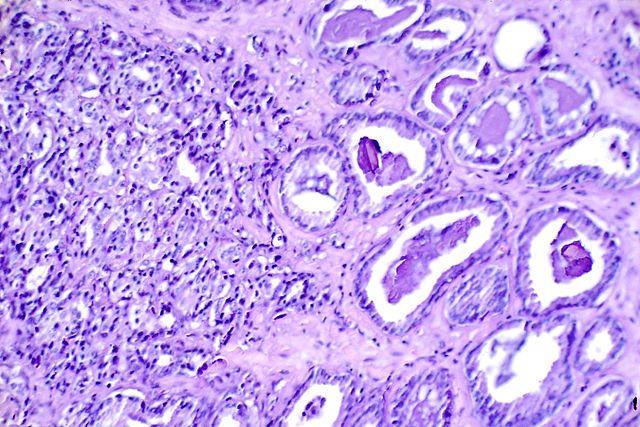
Prostate cancer cells by National Institutes of Health
In a “bugs as drugs” approach, medical researchers in England are using living bacterial magnets to guide viruses engineered to attack cancer tumors.
This process, which has several years of work behind it, has been shown to be able to successfully attack prostate and breast cancers, and has been awarded the Roger Griffin prize for cancer drug discovery.
Known as an “oncolytic virus,” it naturally occurs in nature, but can be modified to improve its efficacy and limit its virality. It causes cancer cells to burst open and die, and so many researchers are keen to harness this near-readymade solution. However, like all other viruses, they also attract the host’s immune system, meaning if they don’t reach their target fast enough, they can get vaporized by immune cells.
Oncologists have successfully used a kind of fat cell known as a liposome to coat and transport intravenous oncolytic viruses, which allows them to be taken up more quickly into tumorous areas.
Now, researchers at the Sheffield group, funded by Cancer Research UK, have also found they can guide the viruses quicker if they’re coated with magnetized particles. Believe it or not, engineers can make magnets fifty one-billionths of a meter, to arm the oncolytic viruses with. But there’s actually a much cheaper and easier way of doing this.
“These microscopic magnets, they make are perfectly shaped and ideally suited to the microscopic packages we need to target deep cancers,” Dr. Faith Howard, a project leader at the Sheffield Group, told the Guardian.
To date their research has focused on animal trials, and now the project needs to be able to manufacture enough supplies to complete a long human trial before the experimental “bugs as drugs” procedure can be proven to work.
Electric cars could be made with plastic from old clunkers, according to new research.
Bumpers, carpets, mats, seating, seals, and door casings have been turned into graphene, which is the world’s lightest material.
Invented by British scientists almost two decades ago, it is set to revolutionize the automative industry.
The metal will increase vehicles’ strength while reducing weight, improving fuel efficiency, and creating rust-free paint.
It will make self-driving cars safer with sensors just one atom thick, enabling detection of obstacles even in difficult weather conditions.
The U.S. team collaborated with Ford using a state-of-the-art technique called flash Joule heating.
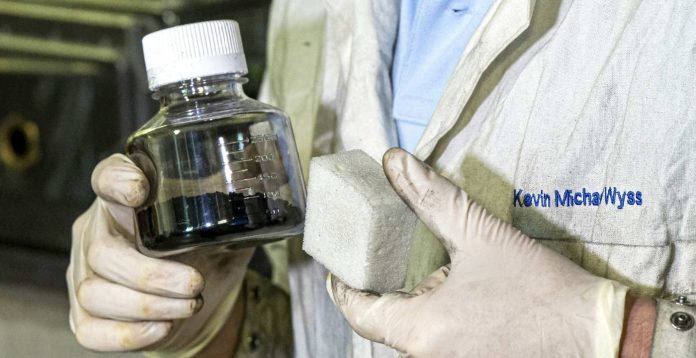
“Ford sent us 10 pounds of mixed plastic waste from a vehicle shredding facility,” project leader Professor James Tour, of Rice University, Houston, said. “It was muddy and wet. We flashed it, we sent the graphene back to Ford, they put it into new foam composites and it did everything it was supposed to do.
“Then they sent us the new composites and we flashed those and turned them back into graphene. It’s a great example of circular recycling.”
The recycling breakthrough could also reduce landfill waste from over 1.4 billion passenger cars used globally.
Ford has been using up to 60 lbs of polyurethane foam in its vehicles, with about 2 lbs being graphene-reinforced since 2018.
“When we got the graphene back from Rice, we incorporated it into our foam in very small quantities and saw significant improvement,” co-author Dr Alper Kiziltas, a sustainability expert at the motor giant, said. “It exceeded our expectations in providing both excellent mechanical and physical properties for our applications.”
The company first introduced it into under-the-hood components. In 2020 it added a graphene-reinforced engine cover. It’s also expected to boost hard plastics.
A new way
“Our collaborative discovery with Rice will become even more relevant as Ford transitions to electric vehicles,” co-author Dr Deborah Mielewski, also from Ford, said.
“When you take away the noise generated by the internal combustion engine, you can hear everything else in and outside the vehicle that much more clearly.”
“It’s much more critical to be able to mitigate noise. “So we desperately need foam materials that are better noise and vibration absorbers.
“This is exactly where graphene can provide amazing noise mitigation using extremely low levels.”
Graphene will also replace lithium ion batteries, currently a very heavy component of electric vehicles.
The study in Communications Engineering reused the graphene to make enhanced polyurethane for new vehicles.
Tests showed the infused foam’s tensile strength and low-frequency noise absorption increased by 34 and 25 percent, respectively, with less than 0.1 percent by weight.
And when that new car is old, the foam can be flashed into graphene again. Plastic in vehicles has increased by an estimated 75 percent in just six years.
“In Europe, cars come back to the manufacturer, which is allowed to landfill only 5% of a vehicle. That means they must recycle 95%, and it’s just overwhelming,” prof. Tour said.
The US shreds up to 15 million vehicles each year, with more than 27 million shredded globally. Much ends up being incinerated.
“We have hundreds of different combinations of plastic resin, filler and reinforcements on vehicles that make the materials impossible to separate,” Dr Mielewski said. “Every application has a specific loading/mixture that most economically meets the requirements.”
Engineered plastics cannot be recycled. Traditional recycling methods are expensive because they require the separation of different types.
“These aren’t recyclables like plastic bottles, so they can’t melt and reshape them,” Prof Tour explained. “So, when Ford researchers spotted our paper on flash Joule heating plastic into graphene, they reached out.”
Flash Joule heating was developed by his lab two years ago. It packs mixed ground plastic and a coke additive, for conductivity, between electrodes in a tube.
The chemical cocktail is blasted with high voltage. The sudden, intense heat reaches nearly 5,000 degrees Fahrenheit vaporizing other elements, leaving behind graphene.
It offers significant environmental benefits. The process does not require solvents and uses a minimum of energy.
In experiments, the team ground shredder ‘fluff’ from end-of-life F-150 pick-up trucks without washing or pre-sorting the components.
Powder heated between 10 to 16 seconds in low current produced a highly carbonized plastic accounting for about 30 percent of the initial bulk.
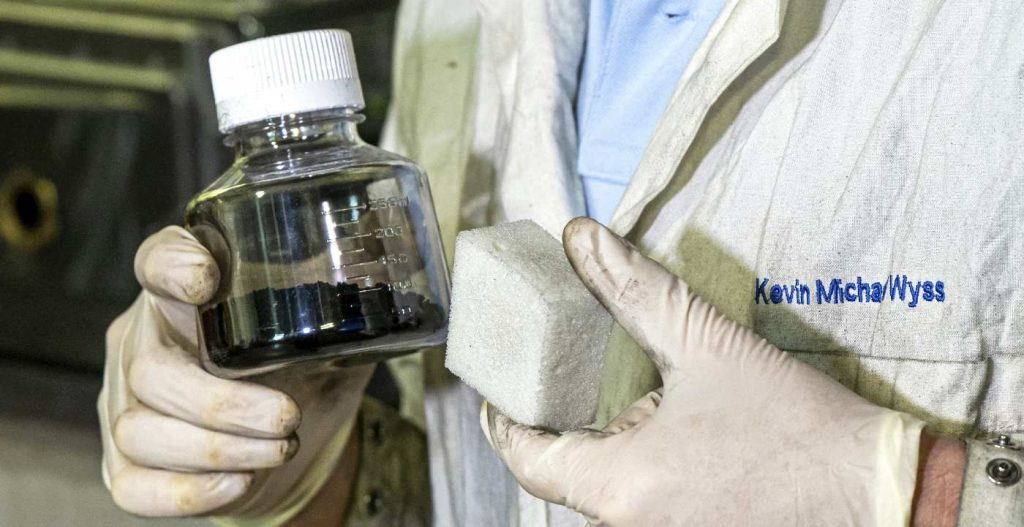
The rest was outgassed or recovered as hydrocarbon-rich waxes and oils. Lead author Kevin Wyss, a graduate student, believes this could also be recycled.
The carbonized plastic was then subjected to high-current flashing, converting 85 percent of it into graphene while outgassing hydrogen, oxygen, chlorine, silicon, and trace metal impurities.
Analyses showed it produced graphene with a substantial reduction in energy, greenhouse gas emissions, and water use when compared to other methods, even including the energy required to reduce the plastic shredder fluff to powder.
Graphene was discovered in 2004 by Prof Andre Geim and Prof Kostya Novoselov at the University of Manchester. It later won them the Nobel Prize for physics.
It is tougher than diamond, but stretches like rubber. It is virtually invisible, conducts electricity and heat better than any copper wire, and weighs next to nothing.
In coming decades, the astonishing material is expected to change almost every aspect of our lives.
Transform Those News Feeds With Hopeful Stories Like This One…
A new poll suggests ‘Summer Fridays’ are the key to feeling happier at work.
59% of 2,000 working adults say their jobs offer ‘Summer Fridays’—allowing them a short day, or a day off, occasionally on Fridays during the season.
Over eight in 10 employees say they benefit from this perk because it makes them feel much happier at work (85%).
The survey, commissioned by Wisetail and conducted by OnePoll, delved into the impact weather may have on productivity—finding that 73% believe it directly impacts how they work.
Respondents claimed that cool temperatures (28%) and clear blue skies (27%) are associated with being the most productive at work, coinciding with 43% who believe they do their best work in the spring.
It’s no surprise, then, that 65% prefer working outside when the weather is nice—from getting work done in local cafés (53%) to rooftops (48%) and patios (48%).
Employees shared what weather factors can make them have a bad day at their jobs—with conditions like heavy rain (25%) and freezing temperatures (25%) being the root cause of unproductive workdays. Meanwhile, 22% associate snow with having a bad day at work.
Overall, 68% said the motivation to learn or absorb information at work drops when the weather is poor.
Nearly as many (67%) will turn the brightness of their computer screens down if it’s gray or darker outside and 64% said they have to take frequent breaks away from their computer screens when there’s overcast.
Poor weather conditions are enough for 63% to believe it’s excusable for them to take more time completing their work tasks.
Time is also a factor in people’s productivity. In order to have the “best day” at work, the average person needs to wake up at 7:30 a.m, while rising an hour later at 8:30 a.m. would be considered the “worst” way to start off the day.
Sixty-four percent noted that daylight saving had affected their productivity in the past, with a majority (85%) saying they feel unproductive when the clock changes.
“While there are evolving variables to the explanation and reason behind productivity and nice weather, we can correlate better weather with a more positive outlook on the day and overall better mood,” said Kyle Reichelt, product manager at Wisetail. “We also know that better moods lead to increased motivation and self-confidence, which all contributes to efficiency levels in productivity.”
Aside from the workplace, the weather seems to play a role in people’s daily lives. The average respondent said they get seven migraines or headaches per year influenced by the weather.
Nearly two in three (63%) said they have struggled with Seasonal Affective Disorder (SAD) before—a behavioral disorder where cold, gray weather affects Vitamin D and dopamine levels.
Of those who experience this condition, 80% said it affects the quality of work they put in at their jobs.
“Increasing workplace productivity starts with learning which task management tricks work best for you,” continued Reichelt. “While we can’t control the weather, we can control how we tackle our day and adjust for different weather conditions knowing how they affect us.
“Focusing on one task at a time, taking regular breaks, time-blocks on your schedule, and initiating small goals with small objectives are all tricks you might try. Also, try waking up a bit earlier. As noted in the poll, many find that waking up before 7:30 a.m. affects productivity and energy throughout the day.”
“Further, assigning yourself your most challenging tasks that require intense focus at the peak clear-minded time of the day leads to increased productivity and efficiency.”
So a monk and a bishop walk into a bar… If someone had to sum up the friendship of His Holiness the 14th Dalai Lama and Archbishop Desmond Tutu, maybe that’s how it would begin.
A documentary to be streamed live on Facebook on June 2nd celebrates the incredible friendship of these two global icons. Called Mission: JOY, it’s a tour-de-force about creating happiness in one’s life, no matter the conditions.
Throughout the film, these renowned spiritual leaders share the ways in which they’ve harnessed ancient wisdom and perseverance to find, seek, and maintain joy—even in the face of great adversity and during troubled times like the ones in which we are now living.
An Academy Award-winning documentary team shot and produced Mission: Joy, which took place in the final years of the Archbishop’s life, and offers an unparalleled glimpse into the teasing and laughter the pair shared for years.
The hope is not only to show people how to create joy, but that the benefits of joy a many-fold for both physical and mental health. Berkeley is working with the film to carry out The Big Joy Project, a large citizen science experiment that prescribes certain acts of joy depending on the person, to see how much it can enrich the public health.
Quote of the Day: “A person is a fluid process, not a fixed and static entity; a flowing river of change, not a fixed quantity of traits.” – Carl Rogers
Photo by: Joshua Fuller
With a new inspirational quote every day, atop the perfect photo—collected and archived on our Quotes page—why not bookmark GNN.org for a daily uplift?
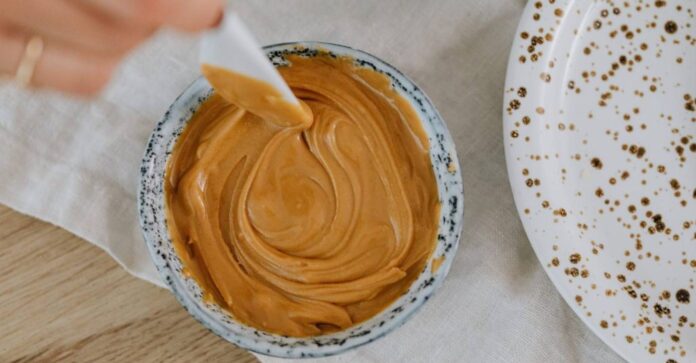
Australian researchers have discovered the key immunological changes that support the remission of peanut allergy in children, paving the way for new, more targeted treatments.
The research showed for the first-time specific gene networks are rewired to drive the transition from peanut allergy to clinical remission following a combination treatment of a probiotic and peanut oral immunotherapy.
Led by the Murdoch Children’s Research Institute (MCRI) and the Telethon Kids Institute, the study found that this network reprogramming essentially shuts down the allergic immune response that was responsible for causing a food allergy.
Lead researcher, Murdoch Children’s Professor Mimi Tang, said this was the first study to map the complex gene to gene communication and connectivity underlying clinical remission of peanut allergy.
“The immunological changes leading to remission of peanut allergy were largely unknown,” she said. Previous studies had mostly focused on examining the levels of gene expression, without also exploring how genes interact with each other. But genes don’t work in isolation; instead, biological responses are controlled by large numbers of genes communicating with each other, so it made sense to look at these interactions more closely.
“What we found was profound differences in network connectivity patterns between children who were allergic and those who were in remission. These same changes were also seen when we compared gene networks before and after immunotherapy in the children who achieved remission following immunotherapy.”
The randomized controlled trial involved 62 peanut allergic children from Melbourne, aged 1-10 years, who received a combination treatment of a probiotic and oral immunotherapy (the gradual introduction of the allergenic food) or a placebo. Following 18 months of treatment, 74 percent taking the combination treatment achieved remission compared with 4 percent in the placebo group.
The peanut oral immunotherapy that was used in combination with the probiotic in the trial was PRT120, a lead candidate from Prota Therapeutics, an Australian biotech company focused on bringing its novel allergy immunotherapy treatment for children with life-threatening peanut allergies to market.
The team led by Professor Tang also recently showed in a separate trial that two treatments—the combination probiotic and peanut oral immunotherapy treatment and the peanut oral immunotherapy alone—were highly effective at inducing remission and desensitization. About half of the treated children achieved remission, which allowed them to stop treatment and safely eat peanut freely.
Murdoch Children’s Dr Sarah Ashley said while oral immunotherapy could successfully induce desensitization and remission, desensitization often waned after treatment ended or even during ongoing maintenance dosing.
“Certain changes in the allergen-specific immune cells, called Th2 cells, are critical to achieving lasting remission,” she said. Th2 cells are essential for generating allergen-specific antibodies and the development of food allergy. We found that the Th2 signalling that drives allergy is ‘turned off’ in children in remission.”
Food allergy is a global public health concern, affecting 10 percent of infants and 5-8 percent of children.
Telethon Kids Institute’s Dr Anya Jones said because there was no cure for food allergies, management relied on avoidance of the allergenic food, resulting in reduced quality of life.
“Understanding the complex immune processes that support remission will provide greater insight into key drivers of treatment success and potentially identify novel targets for more effective treatments that deliver long-term solutions for patients,” she explained.
More than a third of the world’s population lives in drylands, areas that experience significant water shortages. Now scientists have developed a solution that could help people in these areas access clean drinking water.
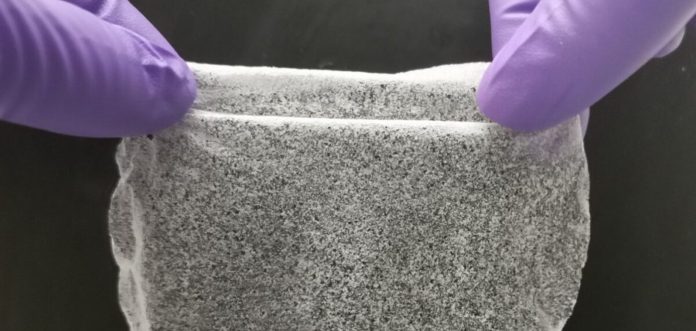
The team at The University of Texas at Austin developed a low-cost gel film made of abundant materials that can pull water from the air in even the driest climates. The materials that facilitate this reaction cost a mere $2 per kilogram, and a single kilogram can produce more than six liters of water per day in areas with less than 15% relative humidity and thirteen liters in areas with up to 30% relative humidity.
The research builds on previous breakthroughs from the team, including the ability to pull water out of the atmosphere and the application of that technology to create self-watering soil. However, these technologies were designed for relatively high-humidity environments.
“This new work is about practical solutions that people can use to get water in the hottest, driest places on Earth,” said Guihua Yu, professor of materials science and mechanical engineering in the Cockrell School of Engineering’s Walker Department of Mechanical Engineering. “This could allow millions of people without consistent access to drinking water to have simple, water generating devices at home that they can easily operate.”
The researchers used renewable cellulose and a common kitchen ingredient, konjac gum, as a main hydrophilic (attracted to water) skeleton. The open-pore structure of gum speeds the moisture-capturing process. Another designed component, thermo-responsive cellulose with hydrophobic (resistant to water) interaction when heated, helps release the collected water immediately so that overall energy input to produce water is minimized.
Other attempts at pulling water from desert air are typically energy-intensive and do not produce much. And although six liters does not sound like much, the researchers say that creating thicker films or absorbent beds or arrays with optimization could drastically increase the amount of water they yield.
A simple method
The reaction itself is a simple one, the researchers said, which reduces the challenges of scaling it up and achieving mass usage.
“This is not something you need an advanced degree to use,” said Youhong “Nancy” Guo, the lead author on the paper and a former doctoral student in Yu’s lab, now a postdoctoral researcher at the Massachusetts Institute of Technology. “It’s straightforward enough that anyone can make it at home if they have the materials.”
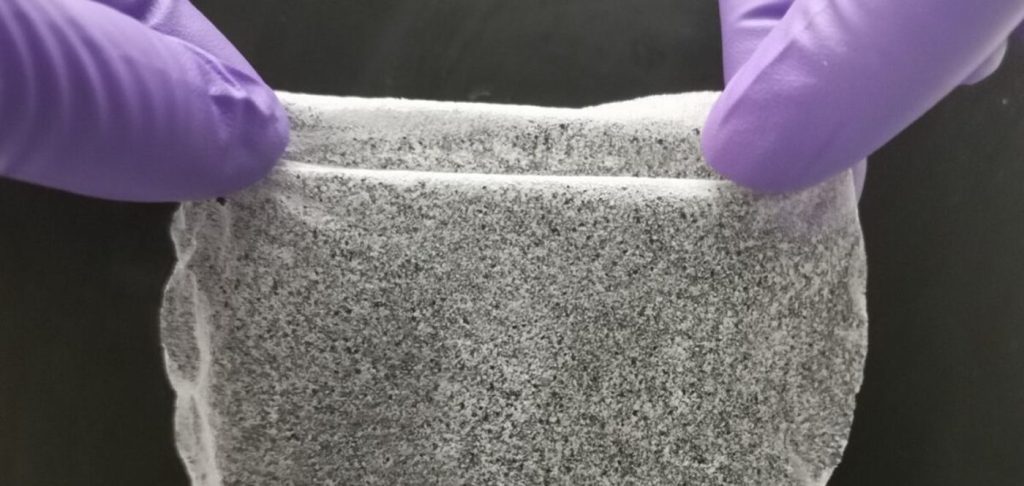
The film is flexible and can be molded into a variety of shapes and sizes, depending on the need of the user. Making the film requires only the gel precursor, which includes all the relevant ingredients poured into a mold.
“The gel takes 2 minutes to set simply. Then, it just needs to be freeze-dried, and it can be peeled off the mold and used immediately after that,” said Weixin Guan, a doctoral student on Yu’s team and a lead researcher of the work.
One look at this Hobbit hole-like winery in the country of Georgia and you’ll fall in love with green architecture.
Built three years ago in the Kakheti region, the Shilda Winery consists of three artificial caves that gently rise up from the ground, bringing the rows of grapes with them.
The 2.5 yard-spacing of the vineyard rows have translated into a striped grid that makes up the building, expressed by a series of arching beams that literally raises the vineyard up from the ground.
Over the top run the rows of grapes, and behind in the distance are the Caucasus Mountains, ensuring that the buildings perfectly blend into the background.
Inside the three hillock houses are a storage area, a tasting room and wine center, and a restaurant/bar.
For example, the building’s openings face north to avoid the majority of the day’s sun exposure, while the mass from the soils helps to cool the building at a basic level. This also naturally keeps the wine stored inside at optimal temperatures.
Founded in 2015 among the castles and churches of Kakheti, Shilda Winery is situated in the principal region of viniculture in Georgia, and offers more than 20 varieties of wine. Cheers to that.
SHARE This Story With All Your Design (and Wine) Loving Pals…
crossrail project released Ben Hall (rspb-images.com)
Ben Hall/RSPB Images
Multi-billion dollar civic engineering projects tend not to be good news for wildlife, but upon the completion of a new English underground railway line, the upturned earth was used to rebuild a coastal habitat for birds in Essex.
The new bird sanctuary instantly became one of the richest in Britain’s coastline for avocets, spoonbills, black-tailed godwits, and other wading birds.
The Elizabeth Crossrail is a high-speed line that runs from Reading to the west of London, through the capital, to Shenfield near the east coast. During the $24 million (£19 million) project, seven million metric tons of soil was dug up to make thirteen underground railway tunnels, half of which were transported by boat to the eastern shore of the country.
The earth was taken to a place called Wallasea Island, once just a tiny peninsula of the wild Essex coastline, consisting of salt marshes, coastal lagoons, muddy flatlands, and other features, but several times during the Medieval period and after it was drained to make sheep pasture or farmland.
Farming often is not as profitable now as it was then, and as the defensive seawall was in need of repairs, the farmer that used to own the land sold it to the Royal Society for the Protection of Birds.
“Massive amounts of soil were dug up from below the streets of London during tunneling needed to create the Elizabeth line,” said Rachel Fancy, site manager of RSPB Wallasea Island. “That material was given to the RSPB, allowing us to create our Jubilee Marsh, the cornerstone of our new reserve.”
Jubilee is the appropriate name in this case. Bird-friendly journalists from the Guardian, reporting on the state of Wallasea Island, now note the diversity of species and the rich numbers.
Hen and marsh harriers have appeared in winter while wigeon, teal, plover, yellow wagtail, lapwings, blackbirds, oystercatchers, and skylarks were all recorded in what reporters called a “nature lover’s paradise.”
It took 1,500 trips by canal to bring the dirt to Wallasea. Once there it was transported via conveyor belt to a dump, where tipper trucks slowly deposited it along the shoreline to create a steady sloping terrain up from the sea, protecting it from rising levels.
After the manicuring and landscaping was finished, the seawall was strategically breached in three separate places at low tide, which, once it rose again, gently partitioned the landscape into the various landscape features seen today, as opposed to turning it into a big muddy lake if the wall had been breached all at once at high tide.
In its first year, Wallasea Nature Reserve hosted 150 breeding pairs of avocets, which is endangered-in-Britain, instantly making it one of the bird’s strongholds.
“We are really proud that Jubilee Marsh is helping to combat the threats from climate change and coastal flooding,” Mark Wild, Crossrail’s chief executive, told the Guardian.
TWEET the Good News; Share This Conservation Story With Mates…