All News - Page 371 of 1714 - Good News Network
Home Blog Page 371

The Painting Paid for Grilled Cheese Sandwiches 50 Years Ago – Now Earns the Restaurant Thousands

maud painting released Jon Dunford_Miller & Miller Auctions Ltd grilled cheese
Jon Dunford, Miller & Miller Auctions Ltd

When John Kinnear bought a selection of paintings for an impoverished Nova Scotia painter, his chief hope was that they might buy him a grilled cheese sandwich.

His favorite diner in London, Ontario made an unforgettable grilled cheese, with five-year old cheddar and freshly baked bread. Maybe if they liked one of the paintings he could secure a series of sandwiches on the house.

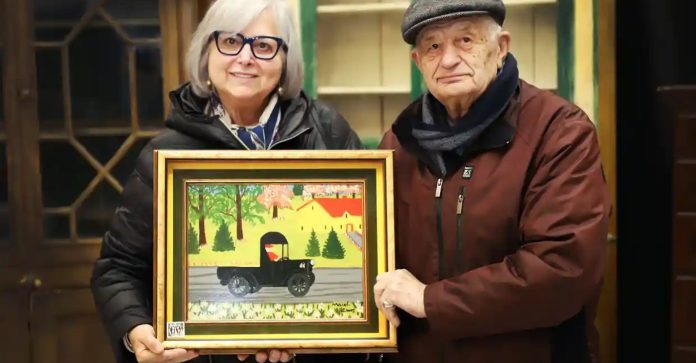
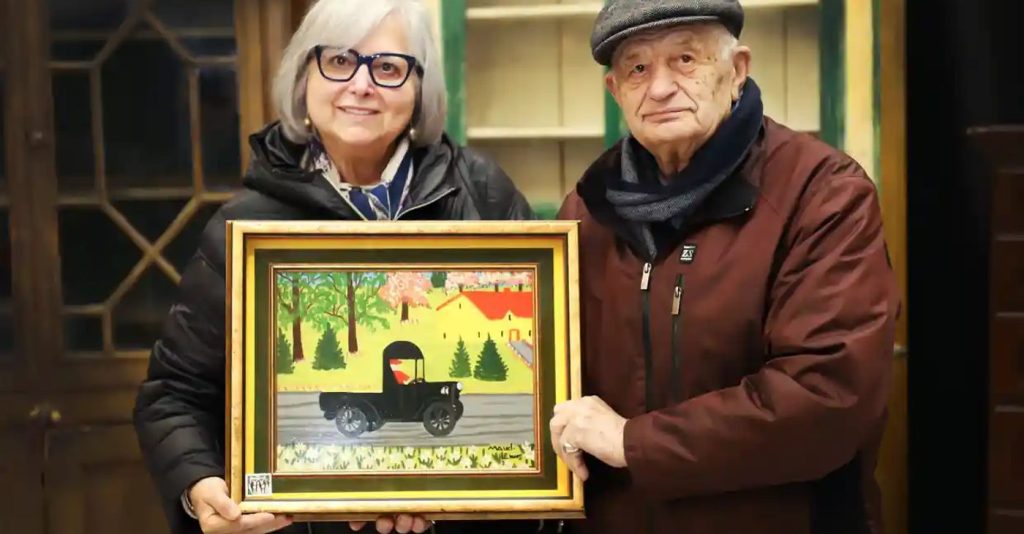
Now 50 years later, that trade has secured Irene and Tony Demas, the married couple running the diner, a small fortune, as the paintings were made by the now-acclaimed folk painter Maud Lewis and sold some weeks ago for a quarter of a million dollars.

50 years ago, Irene and Tony hoped one day to convince their regular customer Mr. Kinnear to try something other than the grilled cheese, but not only did they fail in that regard, they found themselves making a deal for free grilled cheeses in the future.

Irene had learned that bartering rather than dealing with money was better in many circumstances, and traded food from her restaurant out to other merchants and professionals. So when Mr. Kinnear arrived one day for his customary sandwich carrying with him a selection of paintings, it wasn’t a big deal to make a swap.

One painting stood out to the pregnant Mrs. Demas—a cheery painting of a black pick-up truck going down a neighborhood road, which she thought would look great on her son’s bedroom wall.

MORE: A Chair Bought for $5 in a Junk Shop Sells at Auction for over $16,000

“I just sat there in silence for quite a while. I’d never ever seen any art like that before,” Demas remembered, telling the Guardian. “At first I thought they might be playing some sort of trick on me, did a kid do some of these?”

Using leftover paint that fishermen would use to paint their boats, and whatever wooden boards were of clean enough condition to paint on, Maud Lewis, a poor artist whose acclaim has grown hugely since her death in 1970, painted many works throughout her difficult life.

Ron Cogswell, CC license

In return for some painting supplies, Mr. Kinnear received some of her paintings after he felt sorry for her.

After news of her fame and the soaring value of her works reached the Demases, their children encouraged them to auction off the painting that hung in their bedroom for all their childhood.

RELATED: Adjoining Cottages Once Home to Both a Man and His Clever, Beloved Bull Go Up for Auction

“My husband’s 90 and I don’t think I have another 50 years to hang on to it,” said Mrs. Demas, before the sale. “The kids are saying, use the money and travel and just enjoy life.”

The sale fetched $273,000 ($350,000 CAD) which should be enough for some serious enjoyment, or at least a lifetime’s supply of grilled cheeses.

SERVE Up This Fun Story From Canada; Share It With Chums…

Parents Are Most Proud of Their Child’s Ability to Show Empathy and Kindness, Says New Poll

SWNS

Parents are most proud of their child’s ability to be compassionate, display kindness, and go above and beyond to help and support a friend.

A poll of 1,000 parents, with kids aged three to seven, also revealed seeing their offspring demonstrate selfless qualities evoked feelings of pride.

On average, children left their moms and dads feeling delighted six times a week from their display of these caring traits.

And 84 percent see these qualities shine through when their kids interact with their friends.

The research was commissioned as part of the launch of the inaugural Thomas & Friends International Friendship Day Awards, which honour the best examples of friendship shown by UK children over the past year.

“The research has really highlighted the importance parents put on ensuring their children build great relationships at an early age,” spokeswoman Claudia Caron said. “Friendship can teach a child so many things and the survey has illustrated many of the positive impacts that give parents a sense of pride.

“Mums, dads and caregivers also clearly relish helping their children to create long lasting, quality relationships, and parents are putting in the effort to make sure this happens.”

It also emerged children have an average of five friends with two picked out for best friend status.

And 77 percent of parents actively try to help their child develop their friendships with other children.

MORE: Little Boy Finds Massive Ancient Shark Tooth Millions of Years Old

Encouraging conversations, teaching them how to say sorry to others and letting them go on play dates and to other people’s houses were the top ways they look to help.

Whereas four in 10 have hosted play dates of their own and 36 percent ensure their kids go to the same events as their mates.

The children of those polled have enjoyed three play dates in the last month, according to the OnePoll survet, with an average of four-and-a-half hours spent hosting other children.

Parents also fall back on their own experiences of making buddies when helping their child foster their own.

Nearly nine in 10 also believed it’s important for their youngster to display their gratitude towards a friend who has gone above and beyond for them.

A day to remember

Thomas & Friends International Friendship Day Awards will recognize outstanding acts of friendship by children, with nominations now open and the winners announced on International Friendship Day on 30th July.

RELATED: With His Handmade Bowl, this 12-Year-old Raised $325,000 for Ukrainian Kids

Dad, singer and musician, Aston Merrygold, who is helping to launch the awards, said: “The awards, honestly, bring such a big smile to my face.

“I feel really honoured to be helping bring it all to life for all the children across the country who have done such amazing and kind things for their friends.

“I think it’s going to bring so much joy and happiness to children to be able to thank their friends for their kind gestures and for being so empathetic towards them.

“I look forward to meeting all the winners and giving them their trophies and prizes at the awards ceremony for International Friendship Day in July.”

It comes after the poll also found 73 percent of adults were concerned about the impact past lockdowns may have had on their children, having not been able to see their pals.

And 67 percent have looked to make up for lost time once restrictions were lifted.

While 69 percent were more focused on helping build and maintain friendships for their child as a result.

CHECK OUT: Adorable Dash-cam Video Shows Father and 6-yo Belting Out Sinatra’s ‘Me & My Shadow’

It also emerged television has its part to play in friendship for 71 percent, as parents believe certain shows can teach kids how to be good friends.

More than half of parents have rewarded their child for showing kindness to others, while 21 percent have done so for their own as well as other youngsters.

To help your child recognize their friend and the wonderful thing they have done, or to recognize your own child, head here.

SHARE This Story With Parents Who’ll Love It…

“The world is a very puzzling place. If you’re not willing to be puzzled, you just become a replica of someone else’s mind.” – Noam Chomsky

Quote of the Day: “The world is a very puzzling place. If you’re not willing to be puzzled, you just become a replica of someone else’s mind.” – Noam Chomsky

Photo by: Bobby Stevenson

With a new inspirational quote every day, atop the perfect photo—collected and archived on our Quotes page—why not bookmark GNN.org for a daily uplift?

Divers Recover 12 Tons of Trash From Lake Tahoe –Along With Engagement Rings and Wallets

By Clean Up The Lake

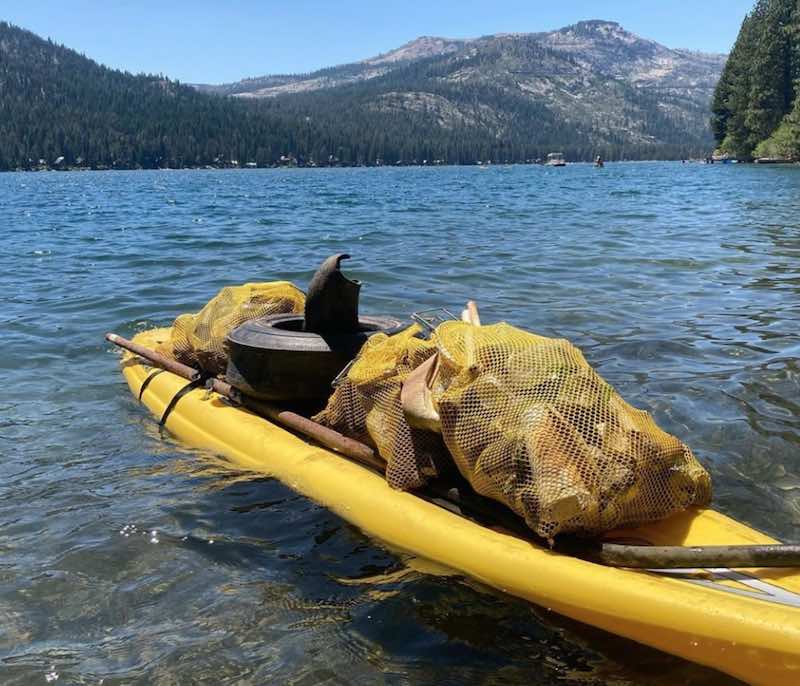
A scuba dive team has completed an extraordinary clean-up of Lake Tahoe after a full year of work, pulling up more than 12 tons of submerged trash.

Organized by the nonprofit Clean Up The Lake, the team restored every inch of 72 miles of the crystal blue lake’s shoreline and sub-shore, collecting 24,797 pieces of litter weighing a total of 25,281 pounds.

As divers circumnavigated the lake, they recovered not just typical plastic and glass litter, but lost wallets and engagement rings, too.

“Over the past year, despite winter weather, COVID, and wildfire related challenges, our dive team has been in the water at every opportunity to complete this unforgettable effort,” said Colin West, founder and executive director of Clean Up The Lake.

“Ultimately what we hope people remember is the length that one group of individuals was willing to go to in order to protect their home and their planet, and in turn people should ask themselves how they are choosing to contribute to preserving our environment today.”

LOOK: Photo of Paralyzed Man Cleaning Plastic From India River Goes Viral – And He’s Showered With Gifts to Better His Life

The project was made possible by a $100,000 matching donation from Tahoe Blue Vodka, The Tahoe Fund, and Nevada’s Lake Tahoe License Plate program, among others.

Clean Up The Lake

“I still can’t quite grasp what our team has accomplished,” said West. “Completing this 72-mile clean-up is a testament to what our team is capable of, and we are just getting started.”

The divers also found vintage Nikon film cameras, lamp posts, massive pieces of broken down boats and engine blocks, and cordless telephones.

RELATED: Hawaii Group Sets Record For Largest Haul of Plastic Removed From The Great Pacific Garbage Patch

Clean Up The Lake announced that they will be performing clean-ups across three other different lakes this year—Donner Lake, Fallen Leaf Lake in the Tahoe basin, and a clean-up of June Lake.

POPULAR: Two South African Women Take On Mission to Tackle Plastic Along One of Worst Rivers For Ocean-Bound Pollution

These 2022 projects require additional funding–and you can donate at CleanUpTheLake.org.

The Tahoe Fund also announced it has commissioned artists to create a sculpture using some of the recovered items from the Lake.

CLEAN UP Your Social Media Feeds By Sharing This With Friends…

The Mechanism Behind Memory Loss in Aging Was Identified By Scientists at Johns Hopkins

By Milad Fakurian
By Milad Fakurian

Neuroscientists at Johns Hopkins have identified a mechanism in the brain behind age-related memory loss.

The system lies in the hippocampus, the memory control center of the brain, and its discovery sheds fresh light on the causes of dementia and could combat Alzheimer’s and other age-related neurological disorders.

“With many memory disorders, something is going wrong with this area,” says the senior author, professor James Knierim of the university in Baltimore.

The mechanism lies in a tiny region called CA3, which lies deep in the brain’s temporal lobe, within the hippocampus. It helps us recognize patterns, influencing the fine balance between pattern separation and pattern completion operations—and, consequently, learning and memory.

When they swing out of balance as the brain ages memory becomes impaired, causing symptoms like forgetfulness or repeating oneself.

The Hopkins team now believes, based on their mice studies, that this may be caused by the loss of CA3. The pattern separation function fades away, and the pattern completion function takes over.

POPULAR: Memory Loss Was Reversed in Mice Using a Brain Liquid From Younger Peers in ‘Groundbreaking’ Study

Neurons responsible for each are typically more prevalent in the center and at the edge, respectively. With aging, activity in the middle becomes overactive, and the interplay between the two regions becomes abnormal, creating a dominance in pattern completion.

In normal brains, pattern separation and pattern completion work hand-in-hand to sort and make sense of perceptions and experiences, from the most basic to the highly complex.

RELATED: 4 Common Medicines Have Reversed Alzheimer’s in Mice

If you visit a restaurant with your family and a month later you visit the same restaurant with friends, you should be able to recognize it was the same restaurant, even though some details have changed. This is pattern completion. But you also need to remember which conversation happened when, so you do not confuse the two experiences. This is pattern separation.

When pattern separation disappears, pattern completion overpowers the process.

With your brain focusing on the common experience of the restaurant to the exclusion of the details of the separate visits, you might remember a conversation about a trip to Italy during one visit, but mistake who was talking.

“We all make these mistakes, but they just tend to get worse with aging,” said Prof. Kneirim.

In experiments, detailed in Cell Reports, the researchers compared young rats with unimpaired memories to older rats with unimpaired or impaired memories. The older rats with unimpaired memories performed water maze tasks as well as the young rats.

CHECK OUT: Coffee and Tea Drinking May be Associated With Reduced Rates of Dementia

But neurons in the CA3 region were already beginning to favor pattern completion at the expense separation, yet the physiological finding had not shown up in their behavior.

Something was allowing the rats to compensate for the deficit. It is echoed in humans who remain surprisingly sharp into their older years.

Pinpointing the memory loss mechanism could lay the groundwork for learning what prevents impairment in some people—opening the door to preventing or delaying cognitive decline in the elderly.

“If we can’t stop it, maybe we can enhance other parts of the brain to compensate for the losses that are occurring,” he concluded.

LOOK: Dementia Cases Have Declined by 13% in US and Europe Every Decade Since 1988, Researchers Found

The same team previously demonstrated the anti-epilepsy drug Levetiracetam improves memory performance by reducing hyperactivity in the hippocampus. The latest, more specific information about how memory impairment occurs might allow scientists to better aim such drugs toward the deficits in the future.

Current drugs can only treat the symptoms—not the cause.

DON’T Forget to Share the Breakthrough with Brains on Social Media…

As the World Runs on Lithium, Researchers Develop Clean Method to Get It From Water

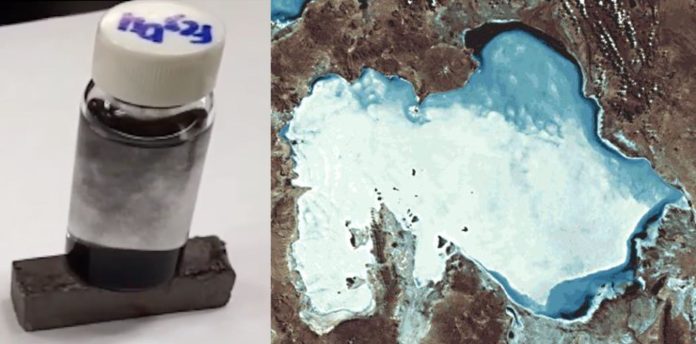
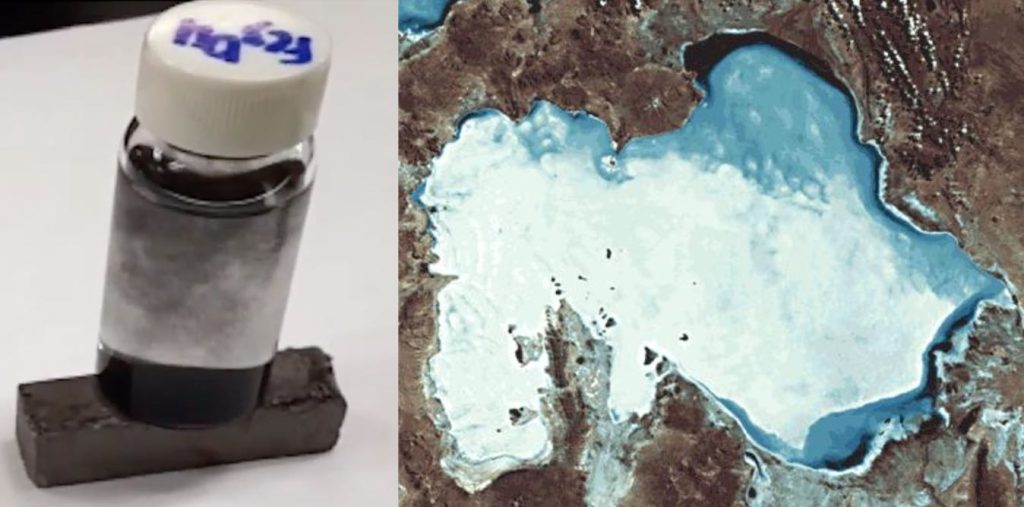
Lithium rich salt flats in Argentina (right)

Centuries ago, alchemists thought they could turn lead into gold. Today, the prospect of coaxing valuable materials from abundant resources guides scientists who have seen a golden opportunity.

The U.S. Department of Energy’s Pacific Northwest National Laboratory is working with companies to test an approach that uses magnetic nanoparticles to capture critical materials, such as lithium, from various wastewater sources.

Lithium is an essential ingredient in many electronic and energy technologies, including the lightweight lithium-ion batteries that power everything from our phones to electric vehicles.

The global market for lithium is huge, but precious little is produced in the United States.

Not only does the patent-pending technology being developed at the Lab in Richland, Washington, provide an opportunity to produce lithium and other critical materials, it does the job much faster and at a lower cost.

At the heart of the process are magnetic nanoparticles surrounded by an adsorbent shell that latches onto the lithium and other metals found in water that is used in various industrial processes. That includes the water in geothermal power plants, known as geothermal brines, or water pulled from the subsurface during oil or gas production.

Lithium is present in much of water pumped during oil and gas extraction across the U.S. and Canada. PNNL scientists estimate that if just 25 percent of the lithium in such water  were collected today, it would equal the current annual worldwide production. Testing is ongoing, involving PNNL, Moselle Technologies, Canada Natural Resources Limited, and Conoco Phillips. The team is stress-testing the technology by “subjecting it to extended cycle testing with the magnetic separator system, a needed step for full-scale industrial production,” reports PNNL.

RELATED: Scientists at Stanford Revitalize Batteries By Bringing ‘Dead’ Lithium Back to Life

“By using the magnetic nanoparticles to attach to the lithium particles in solution, we expect the resulting concentrate to be in a purer form, thereby reducing the cost of further processing, and this will take out more than half the cost,” said CEO Jerry Mills of Moselle, the Texas company which has licensed the tech and plans to pilot it in several locations.

Once the tiny, iron-based particles are added to the water, the lithium is drawn out of the water and binds to them. Then, with the help of a magnet, the nanoparticles can be collected in just minutes with the lithium hitching a ride, no longer suspended in the liquid and ready for easy extraction. (See an example in the video below—with no audio.)

Best of all, after the lithium is extracted, the recharged nanoparticles can be used again. The process also could be used in effluents from desalination plants, or even directly from seawater.

RELATED: New Technology is Recycling Tons of Lithium-Ion Batteries in Canada and the U.S.

The PNNL process goes to work immediately. Compare that with conventional lithium extraction methods that pump groundwater into large, costly evaporating ponds—which take months or even years to evaporate enough to access the lithium, and impact groundwater management in arid regions where they are mainly deployed (mostly Australia, Chile, and China).

CHECK OUT: The Perfect Energy Source Is Already Here – Endless Geothermal Is Poised for Release From Deep in the Earth

Geothermal boost and beyond

If this technology were deployed at geothermal plants, the value of recovered lithium could potentially increase the cost-effectiveness of this form of clean renewable energy, which uses water to capture the heat deep below the Earth’s surface and then converts it into green electricity.

In addition to Moselle, they are teaming with other commercial partners to evaluate the use of the technology for their lithium resources in Nevada and Canada.

Finally, with an eye on a different set of applications, researchers at PNNL are customizing the shell of the nanoparticle to specifically target other commercially valuable elements and minerals used in energy technologies, medical imaging devices, and more.

MORE: Long-lasting Solid-state Lithium Battery From Harvard May Solve a 40-year Problem

For example, they are collaborating with Moselle and Geo40 to explore the possibility of extracting cesium and antimony from geothermal brines at a geothermal plant in New Zealand.

“PNNL’s novel approach is truly remarkable,” says Steven Ashby, director of Pacific Northwest National Laboratory. “It offers the promise of extracting critical minerals in a quick, cost-effective manner. And innovation like this just might be worth its weight in gold.”

THIS News is Proof of Progress for the Planet…SHARE it on Social Media…

“We must unlearn the constellations to see the stars.” – Jack Gilbert

By Bobby Stevenson

Quote of the Day: “We must unlearn the constellations to see the stars.” – Jack Gilbert 

Photo by: Bobby Stevenson

With a new inspirational quote every day, atop the perfect photo—collected and archived on our Quotes page—why not bookmark GNN.org for a daily uplift?

Common Clay in Kitty Litter Could Be the Friendliest Way to Cut Emissions and Fight Climate Change

Photo from Wikipedia, CC license

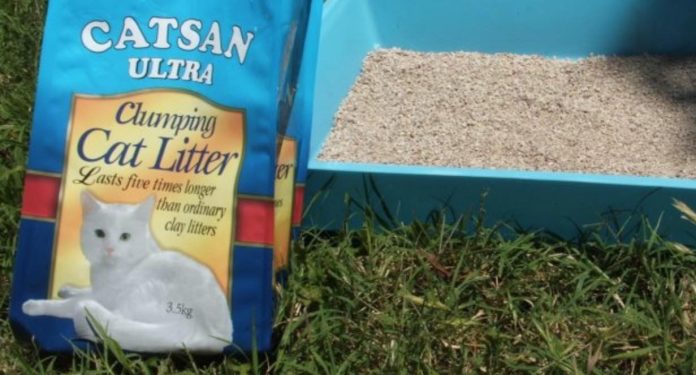
MIT researchers have come up with a dirt-cheap solution to curbing methane emissions in the air—a major cause of global warming—using minerals commonly found in cat litter.

Methane is a far more potent greenhouse gas than carbon dioxide, and is mostly being emitted by such sources as slash-and-burn agriculture, mining, and dairy farming.

“A lot of the methane is from distributed and diffuse sources, so we started to think about how you could take that out of the atmosphere,” says doctoral student Rebecca Brenneis, who wrote the paper describing their findings in the journal ACS Environment Au.

The team of MIT scientists, which includes Associate Professor Desiree Plata, has developed the promising approach that uses the inexpensive and abundant type of “dirt” or clay called zeolite.

Zeolite clays are so inexpensive that they are currently used to make cat litter. Treating the zeolite with a small amount of copper, the team found, makes the material very effective at absorbing methane from the air, even at extremely low concentrations.

In their lab tests, tiny particles of the copper-enhanced zeolite material were packed into a reaction tube, which was then heated from the outside as the stream of gas, with methane levels ranging from just 2 parts per million up to 2 percent concentration, flowed through the tube. That range covers everything that might exist in the atmosphere, down to subflammable levels that cannot be burned or flared directly.

RELATED: Hundreds of US Cities Composting Their Food Waste Helps Farmers and Cuts Tons of Emissions

The process has several advantages over other approaches to removing methane from air, Plata says. Other methods tend to use expensive catalysts such as platinum or palladium, require extreme temperatures of at least 600 degrees Celsius, and tend to require complex and risky processes involving oxygen, which is highly combustible, along with methane.

“The 600 degrees where they run these reactors makes it almost dangerous to be around the methane,” said Brenneis.

As for the new process, “I think we’re still surprised at how well it works,” says Plata, in MIT News.

MIT’s process can work at concentrations of methane lower than other methods—even small fractions of 1 percent—which most methods cannot remove, and does so in air rather than pure oxygen, a major advantage for real-world deployment.

The method converts the methane into carbon dioxide. That might sound like a bad thing, given the worldwide efforts to combat carbon dioxide emissions, but Plata points out that carbon dioxide is much less impactful in the atmosphere than methane, which is about 80 times stronger as a greenhouse gas over the first 20 years, and about 25 times stronger for the first century.

RELATED: World’s Biggest Factory to Suck Carbon from the Sky and Store it For Millions of Years Turns on in Iceland

Even converting half of the atmosphere’s methane to carbon dioxide would increase CO2 levels by less than 1 part per million (about 0.2 percent of today’s atmospheric carbon dioxide) while saving about 16 percent of total radiative warming.

Ideal locations for collection would be dairy barns and coal mines. These sources already tend to have powerful air-handling systems in place, since a buildup of methane can be a fire, health, and explosion hazard.

The team has just been awarded a $2 million grant from the U.S. Department of Energy to continue developing specific equipment for methane removal in these types of locations. The next phase of the research will focus on ways of structuring the clay material so to aid in the flow of large volumes of gas.

MORE: Researchers Pull Carbon Out of the Sky And Convert it to Instant Jet Fuel, Reshaping Aviation For Good

One potential major advantage of the new system is that the chemical process involved releases heat. By oxidizing the methane, in effect the process is a flame-free form of combustion. If the methane concentration is above 0.5 percent, the heat released is greater than the heat used to get the process started, and this heat could be used to generate excess electricity.

The team’s calculations show that “at coal mines, you could potentially generate enough heat to generate electricity at the power plant scale, which is remarkable because it means that the device could pay for itself,” Plata says.

Over the next 18 months, they’re aiming to demonstrate the concept under conditions more challenging than in the lab. Ultimately, they hope to be able to make devices that would be compatible with existing air-handling systems and could simply be an extra component added in place.

SHARE The Hopeful and Promising Solution With Friends on Social Media…

(The work was supported by the Gerstner Philanthropies, Vanguard Charitable Trust, the Betty Moore Inventor Fellows Program, and MIT’s Research Support Committee.)

New Google Headquarters Uses ‘Dragonscale’ Solar Panels to Capture Sunlight From All Angles

By Iwan Baan / Google

A new Google campus in California is fulfilling its goal of working with green energy 90% of the time—in part by powering its building with solar panels inspired by ‘dragon skin’.

The Bay View campus in Mountain View opened this month to employees on 42 acres in Silicon Valley.

Designed by architects at Bjarke Ingels Group and Heatherwick Studio—as well as Google’s design and engineering teams—two sun drenched office buildings take up 1.1 million square feet covered by 90,000 silver solar panels.

“This is the first time we designed and developed one of our major campuses, which allowed us to rethink the very idea of an office and what’s possible for the building industry,” said the company on its blog. “The result is a set of buildings that show what’s possible in human-centered and sustainable workplace design.”

To help deliver on its commitment to operate every hour of every day on carbon-free energy by 2030, the “first-of-its-kind dragonscale solar skin”, as well as nearby wind farms, will power the campus on carbon-free energy 90% of the time.

The dragonscale roof has the capacity to generate nearly 7 megawatts of energy.

By Iwan Baan / Google

“The prismatic nature of the glass ‘traps’ the light that would normally escape from traditional flat solar panels and reduces reflective glare that can be a problem for drivers and pilots,” explains Asim Tahir, Google District & Renewable Energy Lead.

POPULAR: Scientists Powering Tesla on 9,400-mile Journey With Rolled-up Printed Solar Panels

Elsewhere, an integrated geothermal pile system (the largest in North America) is estimated to reduce carbon emissions by roughly 50% and will help both heat and cool the campus. The massive geoexchange field is integrated into the structural system, reducing the amount of water typically used for cooling by 90%, equal to five million gallons of water annually.

“Bay View is 100% electric where even the kitchens are electric to decrease carbon emissions,” say the tech giant.

By Iwan Baan / Courtesy of Google

Google says the interior of the buildings reemphasized their vision for the future of work. It was designed to balance Googlers’ desire to come together as teams with the need for a quiet environment that enables deep-focus work.

The campus incorporates biophilic design principles, including greenery, natural daylight and views outside from every desk to improve the health and wellbeing of those inside the building. Clerestory windows modulate direct light onto desks with automated window shades that open and close over the course of the day.

The ventilation system uses 100% outside air. This means air flows one way, so there is no recycled air, which is much healthier for occupants.

To remove toxins and create the healthiest environment possible, the project team vetted thousands of building products and materials — everything from carpet tiles, paints, piping, plywood and furniture were evaluated using the Living Building Challenge (LBC) Red List as a framework.

To help deliver on its commitment to replenish 120% of the water it consumes by 2030, the site is net water-positive with all non-potable water demands being met using the recycled water it generates on site.

RELATED: Solar Panels That Make Electricity at Night are Finally Here – And They’re Cheap and Don’t Need Batteries

A series of above-ground ponds gather rainwater, combined with a building wastewater treatment system, together serve as a water source for cooling towers, flushing toilets, and landscape irrigation.

By Iwan Baan – Courtesy of Google

The campus includes 7.3 acres of high-value natural areas—including wet meadows, woodlands, and marsh—that contribute to Google’s broader efforts to reestablish missing essential habitat in the Bay Area.

CHECK OUT: California Erects Solar Panels Over Canal to Save Huge Supply of Water From Evaporation

Sustainability at the Bay View campus is expected to earn a LEED-NC v4 Platinum certification and become the largest facility ever to attain the International Living Future Institute LBC Water Petal Certification.

Local residents can also benefit from the opening of the Bay View campus, including public access to expanded trails with panoramic views of the Bay, improved bike connections to Stevens Creek and Bay trails, and new bike lanes with the widening of R.T. Jones Road.

HAIL This Architectural Progress By Sharing it on Social Media…

Your Inspired Weekly Horoscope From Rob Brezsny: A ‘Free Will Astrology’

Our partner Rob Brezsny provides his weekly wisdom to enlighten our thinking and motivate our mood. Rob’s Free Will Astrology, is a syndicated weekly column appearing in over a hundred publications. He is also the author of Pronoia Is the Antidote for Paranoia: How All of Creation Is Conspiring To Shower You with Blessings. (A free preview of the book is available here.)

Here is your weekly horoscope…
FREE WILL ASTROLOGY – Week of May 21, 2022
Copyright by Rob Brezsny, FreeWillAstrology.com

GEMINI (May 21-June 20):
According to the blogger Artemisiasea, “The grandeur of life is the attempt, not the solution. It’s about behaving as beautifully as one can under completely impossible circumstances; making room for what breathes in the presence of the attempt—in the coming-to-be.” I invite you to embrace that wisdom in the coming weeks, Gemini. You won’t be dealing with impossible circumstances, but you may have to navigate your way through fascinating brainteasers and heart riddles. Whatever your destination might turn out to be, enjoy the ride with all the verve you can summon. At least for now, put aside your longing for particular results and instead simply live your life as if it were a magnificent work of art.

CANCER (June 21-July 22):
It will be in your interest to change more than usual in the coming weeks. I suppose you could wait around passively and scramble to adjust as life flings challenges your way. But the better approach would be to make conscious decisions about how you want to transform. Identify the situations that would most benefit from modification and then initiate the transitions. Rather than depending on fate to provide you with random wake-up calls, choose constructive wake-up calls that are fun and invigorating.

LEO (July 23-Aug. 22):
“If everyone likes you, it probably means you aren’t saying much,” declared politician Donna Brazile. I suspect you will disprove her theory in the coming weeks. According to my reading of the astrological omens, you will have a lot to say; your communications will be even more interesting than usual. And yet, I also expect you will receive extra respect and appreciation from others. While you may articulate ideas that are challenging to some, you will do so with enough charisma to disarm agitated reactions. A winning combination: expressiveness and approval.

VIRGO (Aug. 23-Sept. 22):
Have you heard of Virgo adventurer Reinhold Messner? The man is a marvel, and not just because he’s a passionate environmental activist. He was the first mountaineer to reach the top of Mt. Everest alone, as well as the first to ascend Everest without supplemental oxygen. No one before him had ever climbed all 14 of the world’s peaks higher than 26,000 feet. He has transited Greenland and Antarctica without the aid of dog sleds or snowmobiles. He also completed a solo trip across the Gobi Desert. I propose we make Messner your inspirational role model for the next four weeks. You may not achieve history-making triumphs like him, but you could surpass what you assumed were your limits. I trust that you will break at least one of your personal records.

LIBRA (Sept. 23-Oct. 22):
“The world is a very puzzling place. If you’re not willing to be puzzled, you just become a replica of someone else’s mind.” Author Noam Chomsky said that. It’s useful counsel for you right now. I’ll go even further. I will advise you to relish the healthy pleasures of being both mysterious and mystified. Seek out fertile enigmas and be a fertile enigma yourself. Explore the rejuvenating wisdom of being indefinable and uncategorizable. Exult in the quizzical joys of Eternal Paradox.

SCORPIO (Oct. 23-Nov. 21):
Have you ever contemplated the beauty of the people and animals you care for and thought, “I would love to give them the strongest blessings I have to give, the smartest love I can express, and the best listening I’m able to provide.” If so, Scorpio, the coming days will be an excellent time to do that. You will have an extra capacity to offer exceptional gifts that are useful and inspirational. You will be at the peak of your ability to home in on what your beloveds need.

SAGITTARIUS (Nov. 22-Dec. 21):
Sagittarian author Madeleine L’Engle told us, “The discoveries don’t come when you’re looking for them. They come when for some reason you’ve let go conscious control.” That approach isn’t absolutely true, but it may be useful for you to deploy in the coming weeks. I invite you to relinquish at least a modicum of your conscious control. And if zesty discoveries start flowing in, consider relinquishing even a bit more conscious control.

CAPRICORN (Dec. 22-Jan. 19):
Is it a legend or a true story? Scholars disagree about whether Capricorn scientist Isaac Newton really was spurred to formulate the theory of gravity when an apple fell from the tree he was sitting beneath. This much is certain: Newton lived in the home near the famous apple tree. And that tree is alive today, 380 years after his birth. Ripe apples still fall from it. Is there an equivalent landmark or keystone from your own past, Capricorn—where an important insight arose or pivotal event happened? The coming weeks would be a good time to revisit that power spot, at least in your imagination, in quest of fresh inspiration.

AQUARIUS (Jan. 20-Feb. 18):
Aquarian poet Jack Gilbert devoted himself to soulful beauty. I swooned when I first read his line, “We must unlearn the constellations to see the stars.” I cried for joy when he said, “We must have the stubbornness to accept our gladness in the ruthless furnace of this world.” On the other hand, I suspect Jack may have been overly consumed with his pursuit of lyrical moments. His girlfriend Linda Gregg said, “All Jack ever wanted to know was that he was awake—that the trees in bloom were almond trees—and to walk down the road to get breakfast. He never cared if he was poor or had to sleep on a park bench.” I bring this up, dear Aquarius, hoping you will avoid Gilbert’s lack of attention to practical matters. In the coming weeks, I invite you to be your extravagant, idiosyncratic, interesting self to the max. But also be sure to eat healthy food, engage in pleasurable exercise, and get plenty of rejuvenating sleep—preferably in a comfortable bed rather than on a park bench.

PISCES (Feb. 19-March 20):
The Uberfacts Twitter account informs me that if you were to consume the amount of food equivalent to what a hummingbird eats, you would eat 300 hamburgers or 7,800 cabbages per day. To match the amount of exercise a hummingbird gets while burning all those calories, you’d have to do approximately 37 bazillion jumping jacks. You will never do this, of course. But in the coming weeks, you may be more metaphorically hungry than usual. I predict you will be voracious for new information and novel experiences and fresh ideas. Not 300 hamburgers or 7,800 cabbages’ worth—but still, a lot. My advice: Have fun being insatiably curious and greedy for stimulation.

ARIES (March 21-April 19):
“The only way to the truth is through blasphemy,” declared Aries author Flannery O’Connor. I appreciate the cheeky sentiment, but I don’t believe that all truth requires blasphemy. In many cases, rebellion, irreverence, and skepticism may be enough to pry loose hidden and buried information. Outright blasphemy isn’t necessary. What does this have to do with you? Well, I’m hoping you will be feisty and audacious in your quest for interesting truths. As you dig, I invite you to be less than perfectly polite. Don’t be rude or unkind, of course. Just be charmingly bold.

TAURUS (April 20-May 20):
“I am so beautiful, sometimes people weep when they see me,” declares comedian Margaret Cho. I would love for you to summon her level of self-esteem and bravado in the coming weeks. According to my interpretation of the astrological omens, you now have the right and duty to boost your self-worth. All of creation is conspiring with you to develop more faith in yourself. And if you do the work to deepen your confidence and self-esteem, there will be an added bonus: a health breakthrough. As spiritual author Caroline Myss says, “Belief in oneself is required for healing.” My prediction: You will rouse an enhanced power to get the soul medicine you need.

WANT MORE? Listen to Rob’s EXPANDED AUDIO HOROSCOPES, 4-5 minute meditations on the current state of your destiny — or subscribe to his unique daily text message service at: RealAstrology.com

(Zodiac images by Numerologysign.com, CC license)

SHARE The Wisdom With Friends Who Are Stars in Your Life on Social Media…

Ashes Scattered After Her Dog Dies Formed “Miraculous” Shape in the Wind: ‘They Never Truly Leave Us’ (Watch)

Natalie Franko Larason - YouTube
Natalie Franko Larason – YouTube

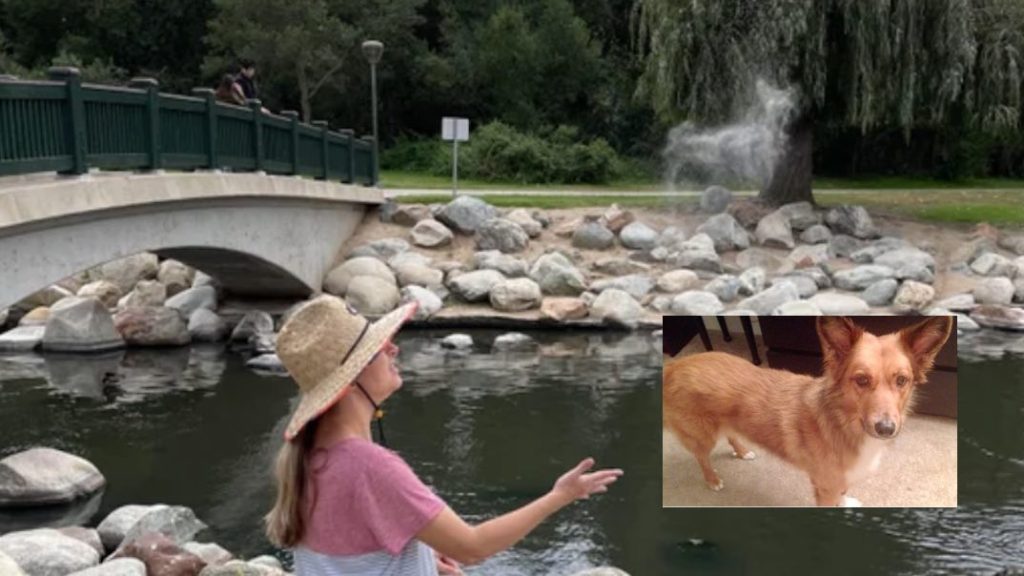
A photo shared on Reddit went viral when thousands of people got emotional at the sight, and others were flooded with memories of pets gone by.

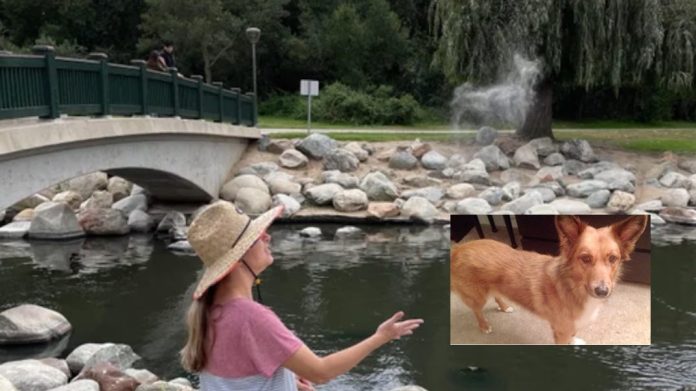
The picture (and video below) shows a woman scattering the ashes of her beloved dog, Biscuit, at a local park.

She called it a “miracle” after seeing the handful of ashes had formed into a familiar shape at the last second—the shape of her 12-year-old German Shepherd and collie mix that passed away suddenly a few months ago.

Natalie Franko Larason, who had rescued Biscuit from the ‘no-kill shelter’ Paws Chicago, told GNN she scattered the ashes at one of their favorite parks in Southern California where together they enjoyed long walks and many hours of romping with the ducks and turtles.

“I’m still shocked at this experience, and have found it healing to connect with so many …  and hear their stories of love and loss.”

When she posted the iPhone video capturing the moment, Larason wrote, “I was astonished.”

“The shape they formed looked exactly like her. I took it as a sign of her final goodbye… It’s miraculous.”

POPULAR: Watch a Family Dog Help Teach the Baby How to Say ‘Mom’

She hopes her fellow animal-lovers will take comfort in the video and photo, like she has.

“Rest in peace, my sweet Biscuit,” she wrote on YouTube. “I’ll meet you at the Rainbow Bridge.”

SHARE Biscuit’s Last Trick – And Inspire Your Friends on Social Media…

“There’s never a perfect moment to take a big risk.” – Betsy Rowbottom

Quote of the Day: “There’s never a perfect moment to take a big risk.” – Betsy Rowbottom

Photo by: Markus Winkler

With a new inspirational quote every day, atop the perfect photo—collected and archived on our Quotes page—why not bookmark GNN.org for a daily uplift?

Scientists Discover Breakthrough Method of Making Advanced Electronics With H20

Water is the secret ingredient in a simple way to create key components for solar cells, X-ray detectors and other optoelectronics devices.

The next generation of photovoltaics, semiconductors, and LEDs could be made using perovskites—an exciting and versatile nanomaterial with a crystal structure.

Perovskites have already shown similar efficiency to silicon, are cheaper to make, and feature a tuneable bandgap, meaning the energy they are able to absorb, reflect, or conduct can be changed to suit different purposes.

Ordinarily, water is kept as far away as possible during the process of creating perovskites. The presence of moisture can lead to defects in the materials, causing them to fall apart more quickly when they’re being used in a device.

That’s why perovskites for scientific research are often made via spin coating in the sealed environment of a nitrogen glove box.

Now, though, members of the ARC Centre of Excellence in Exciton Science have found a simple way to control the growth of phase-pure perovskite crystals by harnessing water as a positive factor. This liquid-based mechanism works at room temperature, so the approach remains cost effective.

Led by researchers at Monash University, the team found that by changing the ratio of water to solvent during the early stages of the process, they could choose to grow different types of perovskite crystals, with structures to suit various purposes.

“By carefully tuning the concentration of water in the precursor solution, we realized the precise control of particular perovskite phases,” corresponding author Dr Wenxin Mao of Monash University said.

LOOK: Plants Have Been Grown in Lunar Soil For The First Time Ever

Computational and thermodynamic analysis conducted by colleagues at the University of Sydney identified that the coordination of lead and bromide ions in the precursor solution was an important factor in determining which types of crystals are formed.

“We now understand the internal mechanics and function of water inside the precursor solution. By doing that we can further use water to control the crystallization process,” lead author Qingdong Lin, a PhD student at Monash University, said.

To demonstrate the quality of the end product, crystals produced via this approach were coupled with back-contact electrodes through nanofabrication to create X-ray detection devices.

MORE: Portable Wind Turbine Fits in Your Backpack to Charge All Your Electronics – And Only Adds 3 Lbs

This test sample performed at a similar level to commercial X-ray detectors currently being used in real-world settings, like medical imaging and Geiger counters, and out-performed prototype perovskite X-ray detectors developed using slower, more complicated fabrication methods.

Wenxin said, “We compared them with commercial X-ray detectors as well as other types of perovskites and we do have a very good responsivity and sensitivity to X-rays. Overall this project shows that we have found a smart way to control inorganic perovskite single crystals.

“The methodology is flexible and feasible and doesn’t require a very unique environment or technique to apply it.”

RELATED: Scientists Power a Computer Using Only Algae and Daylight to Make the Electricity

As well as solar cells, X-ray detectors and LEDs, perovskites created with this method could also be useful in UV light detection, lasers and solar concentrators.

This work has been published in Advanced Functional Materials.

Source: ARC Centre of Excellence in Exciton Science

SHARE This Innovative News With Your Chums…

An Otter Spotted in Detroit River May be First Sighting in 100 Years

Courtesy of Eric Ste Marie video

It would have been easy for Eric Ste Marie to mistake the bobbing brown head and body in the Detroit River to be a muskrat, but curiosity drove him to chase it as it swam towards Ambassador Bridge in Southeast Michigan.

It turns out, it was the first “straight-up river otter” to be seen in the Detroit River in over 100 years. Ste Marie double-checked with a biologist friend of his from the University of Windsor, who confirmed—after watching the grainy cell phone video—that it really was a North American river otter.

The reaction from some local experts he spoke to was of disbelief, given that it’s been over a century sine one has last been seen here. The feeling was also of hope, as otters are a keystone species that signify good water health.

The otters and beavers of North America fueled the fur trapping industry for decades, and after the last one was extirpated from Detroit, river pollution kept them coming back—until now.

Fox 2 reports that otters were released in eastern Ohio some years ago, and over time they made their way into Michigan.

MORE: Chinook Salmon Introduced to Mountain Streams Not Inhabited for 100 Years

“So the otters are kind of like, the flagship or the symbol of the healing ecosystem and at the end of the day that benefits everyone in the area,” Ste Marie told Fox.

(WATCH the Fox 2 video for this story below.)

SHARE This Fantastic Sighting With Other Animal Fans…

Protein ‘Motors’ Can Swim Around Wounds to Kill Bacteria –And Deliver Lifesaving Drugs

An engineer in Barcelona has been adapting silicon nanobots to deliver things like antibiotics to open wounds, and has even created little “motors” to push them around.

It turns out this is much faster than the oral, topical, or intravenous administering of antibiotics for several reasons, and while it may seem like science-fiction, nanobots could become a part of a medic’s toolkit in the not-too-distant future.

Samuel Sánchez from the Institute of Bioengineering in Spain has created these tiny spheres that can carry antibiotics or cancer drugs through a body’s viscous fluids, and has used them to quickly treat infections in mice.

“We see that the whole wound gets covered. The machines can actually travel around the wound and clear the infection as they go,” ‪César de la Fuente, a bioengineer at the University of Pennsylvania who led the project with Sánchez, told Wired Magazine.

The reason these bots will be preferable is that “diffusion,” the process through which drugs enter and move about a system normally, takes a really long time in the body’s more viscous fluids like mucous.

Often they go at the whims of where the fluid in which they’re embedded takes them, which could involve missing the targeted area, or never penetrating it. Using mucous as an example again, if there is bacteria or a virus in mucous, and medicine is diffused into the saliva, it’s normal for the saliva to skirt the edges of the former without ever penetrating it, before passing on to other parts of the body.

RELATED: Paralyzed Man’s Brain Waves Get Turned Into Sentences on Computer, Scientists ‘Thrilled’ Beyond Words

In terms of the bloodstream, blood travels all over the place, not just to where an infection is occurring.

Get your motor running

Sanchez realized that in order to avoid creating just an artificial form of diffusion, the nanobots needed propulsion. He then coated a bot’s spherical silica chassis with a protein called urease, that converts urea into carbon dioxide and ammonia. These proteins were placed asymmetrically around the chassis, meaning that whenever they came in contact with urea, the resulting enzymatic reaction pushed them a little bit like an internal combustion engine separating gasoline.

De la Fuente, Wired reports, was working on new antibiotics derived from protein chains called peptides—the kind that occur normally in the animal kingdom. He loaded up one of Sanchez’ chassis with a synthetically-made antibiotic peptide derived from wasp venom, before the men dropped it in into an infected wound on a mouse.

MORE: Scientists Create Algorithm That Uses Routine Eye Scans to Identify Heart Attack Risk—With Accuracy of 70%-80%

Rubbing the wound with non-toxic urea allowed the nanobots to chaotically push themselves around at random, which actually reduced the bacterial content of the infection by 100-1,000 times across the entire opening of the wound.

In contrast, mice cuts treated with drops of normal antibiotics or bots without the application of the urea experienced the same reduction in bacterial matter, but only in the region where they were treated.

It’s not lost on the two men how crazy the idea of little machines driving themselves around in our bloodstream seems.

“As scientists, we’re all inspired by science fiction,” says de la Fuente. “And I think our job sometimes is to try to get those two worlds closer together. What seems science fiction today, hopefully, in a number of years, becomes reality.”

SHARE the Innovation; Share This Story…

Deaf-Blind Communities Have Created a New Language of Touch

Growing for years out of a special group of humans in Washington state, a new human language—pro-tactile ASL, has gained recognition.

Born from the spirit of human connection, those who can neither see nor hear use another person’s body as the canvass on which to communicate a nearly infinite-number of ideas, feelings, or just an old-fashioned chin-wag.

Verbally communicating humans use all kinds of additional sensory signals to aid the listener in understanding, such as making faces or hand gestures, but directly touching them, especially on the face or thigh, is reserved only for the closest human connections.

It can be strange, sometimes, for those speaking in American Sign Language (ASL) to see the literalness of certain signs—where a speaker might say “jolly” to cleverly disguise their true intention of describing a man’s waist size, ASL don’t have that luxury, and often have to sign a spade as a spade.

But for those who can neither hear nor see, language becomes even more stripped of its societal layers, and in a way becomes even more human.

MORE: Deaf Sheepdog Returns to Herding Her Flock After Learning ‘Sign Language’

In a first-hand encounter with a DeafBlind American, Katherine Ellen Foley, writing for Quartz, reported that the gentlemen using pro-tactile ASL explained through an ASL interpreter, “it’s the same concept as learning any other language, it’s just connecting with the group of people whose language you want to learn.”

The example Foley gives is “I climb a tree,” in which the signer literally takes your arm, and does the sign for walking up the arm as if it’s a tree. For lollipop, it’s quite the same, only with a closed fist for the candy part. While that may be difficult to interpret, a deaf ASL interpreter explained that in all languages, context is key.

While a closed fist at the end of a forearm could represent many things, from a hammer to a lollipop, the context of the sentence will steer speakers and signers towards the appropriate inference; just as in English we can detect from the other words in a sentence whether a speaker is saying “fair” or “fare.”

RELATED: Orchestra Allows Deaf People to ‘Hear’ Beethoven Through Touch – Much Like the Maestro Did

There may be as many as 50,000 people in America who are blind and deaf, and the new language is catching on. A business called Tactile Communications is providing necessary training in a linguistically and culturally appropriate setting in order to promote the autonomy of DeafBlind people. In 2016, their language, which arose spontaneously entirely among their own community, was showcased at the White House.

Communication is not just the domain of words and mouth sounds—it’s a form of understanding between humans. Returning to that core principle helped the pro-tactile system grow.

CHECK OUT: There Are Now 100 New Sign Language Terms for Scientific Words Thanks to This Deaf Student

The founder of Tactile Communications, Jelica Nuccio, set up communication environments without the crutch of interpreters to help ensure the skill was born of a symbiosis between necessity and invention. And it’s already making a huge difference to the lives of people across the country.

(WATCH the Christian Science Monitor video for this story below.)

Touch Others With This Inspiring Story; Share It On Social Media…

“The future glides into us, so as to remake itself within us, long before it occurs.” – Rainer Maria Rilke

Quote of the Day: “The future glides into us, so as to remake itself within us, long before it occurs.” – Rainer Maria Rilke

Photo by: Johannes Plenio

With a new inspirational quote every day, atop the perfect photo—collected and archived on our Quotes page—why not bookmark GNN.org for a daily uplift?

X-Ray Explosion of a White Dwarf Star Captured for the First Time

FAU illustration; Annika Kreikenbohm

When stars like our Sun use up all their fuel, they shrink to form white dwarfs. Sometimes such dead stars flare back to life in a super hot explosion and produce a fireball of X-ray radiation.

A research team has now been able to observe such an explosion of X-ray light for the very first time.

“It was to some extent a fortunate coincidence, really,” explains Ole König from the Astronomical Institute at FAU. “These X-ray flashes last only a few hours and are almost impossible to predict, but the observational instrument must be pointed directly at the explosion at exactly the right time,” explains the astrophysicist.

The instrument in this case is the eROSITA X-ray telescope, which is currently located one and a half million kilometers from Earth and has been surveying the sky for soft X-rays since 2019.

On July 7, 2020 it measured strong X-ray radiation in an area of the sky that had been completely inconspicuous four hours previously. When the X-ray telescope surveyed the same position in the sky four hours later, the radiation had disappeared. It follows that the X-ray flash that had previously completely overexposed the center of the detector must have lasted less than eight hours.

X-ray explosions such as this were predicted by theoretical research more than 30 years ago, but have never been observed directly until now. These fireballs of X-rays occur on the surface of stars that were originally comparable in size to the Sun before using up most of their fuel made of hydrogen and later helium deep inside their cores.

RELATED: Scientists Figure Out the Origin of Splendid Dunes on Jupiter’s Icy Moon

These stellar corpses shrink until “white dwarfs” remain, which are similar to Earth in size but contain a mass that can be similar to that of our Sun. “One way to picture these proportions is to think of the Sun being the same size as an apple, which means Earth would be the same size as a pin head orbiting around the apple at a distance of 10 meters,” explains Jörn Wilms.

Stellar corpses resemble gemstones

On the other hand, if you were to shrink an apple to the size of a pin head, this tiny particle would retain the comparatively large weight of the apple. “A teaspoon of matter from the inside of a white dwarf easily has the same mass as a large truck,” Jörn Wilms continues. Since these burnt out stars are mainly made up of oxygen and carbon, we can compare them to gigantic diamonds that are the same size as Earth floating around in space. These objects in the form of precious gems are so hot they glow white. However, the radiation is so weak that it is difficult to detect from Earth.

CHECK OUT: NASA Develops ‘Lunar Backpack’ to Aid New Moon Explorers

Unless the white dwarf is accompanied by a star that is still burning, that is, and when the enormous gravitational pull of the white dwarf draws hydrogen from the shell of the accompanying star.

“In time, this hydrogen can collect to form a layer only a few meters thick on the surface of the white dwarf,” explains FAU astrophysicist Jörn Wilms. In this layer, the huge gravitational pull generates enormous pressure that is so great that it causes the star to reignite. In a chain reaction, it soon comes to a huge explosion during which the layer of hydrogen is blown off. The X-ray radiation of an explosion like this is what hit the detectors of eROSITA on July 7, 2020 producing an overexposed image.

MORE: Black Hole at the Heart of Our Own Galaxy is Pictured For First Time

“Using the model calculations we originally drew up while supporting the development of the X-ray instrument, we were able to analyze the overexposed image in more detail during a complex process to gain a behind the scenes view of an explosion of a white dwarf, or nova,” explains Jörn Wilms.

According to the results—published in the journal Nature—the white dwarf has around the mass of our Sun and is therefore relatively large. The explosion generated a fireball with a temperature of around 327,000 degrees, making it around sixty times hotter than the Sun.

Since these novae run out of fuel quite quickly, they cool rapidly and the X-ray radiation becomes weaker until it eventually becomes visible light, which reached Earth half a day after the eROSITA detection and was observed by optical telescopes.

“A seemingly bright star then appeared, which was actually the visible light from the explosion, and so bright that it could be seen on the night sky by the bare eye,” explains Ole König. Seemingly “new stars” such as this one have been observed in the past and were named “nova stella,” or “new star” on account of their unexpected appearance.

Since these novae are only visible after the X-ray flash, it is very difficult to predict such outbreaks and it is mainly down to chance when they hit the X-ray detectors. “We were really lucky,” says Ole König.

(WATCH the short explainer video for this story below.)

Source: Friedrich-Alexander-Universität Erlangen-Nürnberg

SHARE the Far Out News With Other Fans of the Cosmos…
Scientists Link 5 Bacteria Types to Aggressive Prostate Cancer, Potentially Revolutionizing Treatment

Researchers have found a link between bacteria and aggressive forms of prostate cancer.

The University of East Anglia scientists identified five types of bacteria which were common in urine and tissue samples from men with aggressive prostate cancer.

It is hoped that these findings could help pave the way for treatments that could target these particular bacteria and slow or prevent the development of aggressive disease.

“We already know of some strong associations between infections and cancer,” Project lead Prof Colin Cooper, from UEA’s Norwich Medical School, said. “For example, the presence of Helicobacter pylori bacteria in the digestive tract can lead to stomach ulcers and is associated with stomach cancer, and some types of the HPV virus can cause cervical cancer.

“We wanted to find out whether bacteria could be linked to the way prostate cancer grows and spreads.”

“While prostate cancer is responsible for a large proportion of all male cancer deaths, it is more commonly a disease men die with rather than from,” Dr Jeremy Clark, also from UEA’s Norwich Medical School, explained. “And little is known about what causes some prostate cancers to become more aggressive than others. We now have evidence that certain bacteria are involved in this and are part of the puzzle.”

The team worked with colleagues at the Norfolk and Norwich University Hospital, the Quadram Institute, and other collaborators to analyze urine or tissue samples from more than 600 patients with or without prostate cancer. And they developed methods of finding the bacteria associated with aggressive prostate cancer.

RELATED: New Prostate Cancer Test Makes Diagnosis from Urine in 20 Minutes With Near 100% Accuracy, Researchers Say

“To detect the bacteria, we used many different approaches including whole genome sequencing of the tissue samples, a method which is being used increasingly as we transition into an era of genomic medicine,” Dr Rachel Hurst, first author of this work and also from UEA’s Norwich Medical School, said. “When tumor samples are sequenced, DNA from any pathogens present are also sequenced, making it possible to detect bacteria.

“We found several types of bacteria associated with aggressive prostate cancer, some of which are new types of bacteria never found before.”

Two of the new bacteria species found by the team have been named after two of the study’s funders—Porphyromonas bobii, after the The Bob Champion Cancer Trust and Varibaculum prostatecancerukia, after Prostate Cancer UK.

The set of bacteria found by the team include Anaerococcus, Peptoniphilus, Porphyromonas, Fenollaria, and Fusobacterium. All of these are anaerobic, which means they like to grow without oxygen present.

“When any of these specific anaerobic bacteria were detected in the patient’s samples, it was linked to the presence of higher grades of prostate cancer and more rapid progression to aggressive disease,” Dr Hurst said. “We also identified potential biological mechanisms of how these bacteria may be linked to cancer.

MORE: Prostate Cancer Breakthrough: Protein That Stops Tumor Growth is Discovered

“Among the things we don’t yet know is how people pick up these bacteria, whether they are causing the cancer, or whether a poor immune response permits the growth of the bacteria.

“But we hope that our findings and future work could lead to new treatment options, that could slow or prevent aggressive prostate cancer from developing. Our work could also lay the foundations for new tests that use bacteria to predict the most effective treatment for each man’s cancer,” she added.

A revolutionary discovery for men’s health

The team also noted that many bacteria are beneficial to human life and it is not a simple matter to remove the harmful bacteria without removing the protection provided by the good bacteria.

“Knowing when we can watch and wait or whether we need to start treatment is a major challenge for people with prostate cancer. If we can target aggressive cancers while sparing others from unnecessary treatment it will dramatically improve the way we manage this disease,” Prof Daniel Brewer, from UEA’s Norwich Medical School and a visiting worker at the Earlham Institute, noted. “There seems to be a clear link between these bacteria and the way the cancer is behaving. We need to understand this relationship in more detail but it’s a major step towards developing a cheap and quick test that could guide treatment decisions.”

WATCH: Color-Changing Inks Can Be Printed onto Clothing to Warn the Wearer About Potential Health Issues

“This research exemplifies the Norwich Research Park’s multidisciplinary approach to studying infection,” Collaborator Prof John Wain from the Quadram Institute said. “The link between bacterial growth and cancer is not always straight forward and working with the cancer group at the Norwich Medical School has allowed us to demonstrate a possible link between bacteria living in the prostate and severe forms of prostate cancer.

“By combining advanced computational analysis of DNA sequence data from the urine of patients with an in depth understanding of cancer biology and the ability to characterize new species of bacteria we were able to show an association between the presence of several bacteria and progression to an aggressive form of prostate cancer.

“This will now enable further work to determine if there are causal relationships between microbes and cancer.”

LOOK: Simple New Blood Test For Prostate Cancer Determines Presence and Stage of Cancer With 99% Accuracy

“This is an exciting discovery that has the potential to truly revolutionize treatment for men,” Dr Hayley Luxton, Research Impact Manager at Prostate Cancer UK, stated of the research, published in the journal European Urology Oncology.

“We currently have no way of reliably identifying aggressive prostate cancers, and this research could help make sure men get the right treatment for them. If the team can demonstrate that these newly-identified bacteria can not only predict, but actually cause aggressive prostate cancer, for the first time we may actually be able to prevent prostate cancer occurring. This would be a huge breakthrough that could save thousands of lives each year.

Source: UEA 

SHARE the Hope; Share This Breakthrough Prostate Research…

Students Create Edible Tortilla Tape to Keep Your Wraps Wrapped

SWNS

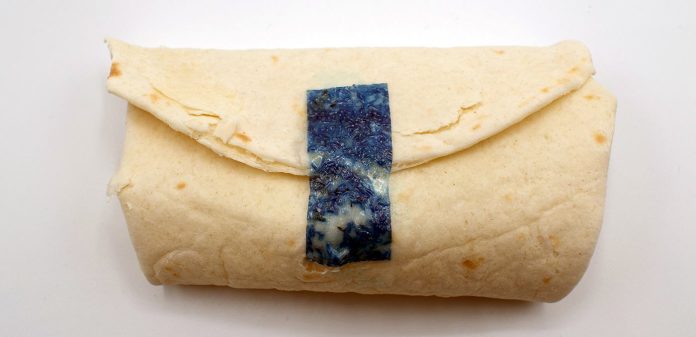
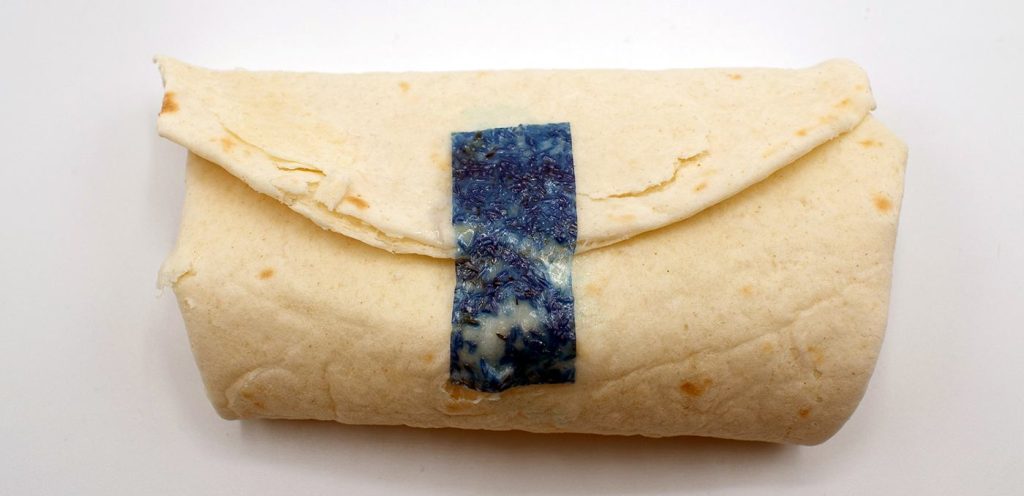
Messy burritos could be a thing of the past—thanks to a new edible food tape.

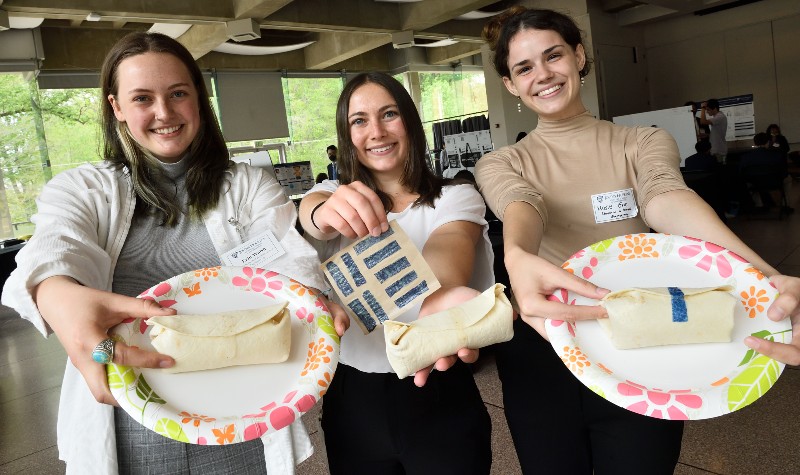
Inspired by their own experiences with sloppy lunches, students at Baltimore’s Johns Hopkins University have created Tastee Tape, an edible adhesive.

It comprises of “a food-grade fibrous scaffold and an organic adhesive” that ensures the ingredients in your wrap are kept tucked tightly inside during cooking and consumption.

The tape can be applied to any food, including tortillas, tacos, and gyros.

“First, we learned about the science around tape and different adhesives, and then we worked to find edible counterparts,” said Tyler Guarino, who teamed up with fellow engineering seniors Marie Eric, Rachel Nie, and Erin Walsh on the project.

The team of chemical and biomolecular engineering students at Whiting School of Engineering tested a “multitude” of ingredients and combinations before settling on a final recipe, which is edible, safe, and has the tensile strength you can trust to hold together a fat burrito.

SWNS

Because they are applying for a patent, team members declined to disclose their secret formula.

“What I can say is that all its ingredients are safe to consume, are food grade, and are common food and dietary additives,” Guarino said.

MORE: Morel Mushrooms Have Finally Been Reliably Cultivated Indoors For the First Time

Months spent prototyping resulted in rectangular strips measuring half an inch by two inches. These come affixed to sheets of waxed paper. To use, simply remove a strip from the sheet, wet thoroughly to activate, and apply to your lunch, dinner, or favourite snack.

The team members put their invention to the test on “too many burritos to count,” but are confident in the quality of their product.

“Tastee Tape allows you to put full faith in your tortilla, and enjoy your meal, mess-free,” Guarino said.

SWNS

The innovation was showcased at Whiting School of Engineering’s Design Day, in which more than 400 students from across all nine of the Engineering school’s academic departments, as well as its Center for Leadership Education, participate.

RELATED: What Your Candy Preferences Say About Your Personality

After two years in a virtual format necessitated by the COVID-19 pandemic, this year’s event was able to be held in person on campus.

“Design Day is an exciting landmark in our students’ journeys from studying engineering in the classroom and laboratory to becoming practicing engineers heading out to make a lasting and positive impact on our world,” says Ed Schlesinger, dean of the Whiting School.

One of the hallmarks of Design Day is the opportunity it gives students to work closely with faculty members and clinical researchers from across Johns Hopkins institutions, as well as with industry and other sponsors from throughout the Mid-Atlantic region.

UNWRAP the Good News For Other Foodies; Share This Story…