Quote of the Day: “One of the lessons that I grew up with was to always stay true to yourself and never let what somebody else says distract you from your goals.” – Michelle Obama
Photo by: Tyler Nix
With a new inspirational quote every day, atop the perfect photo—collected and archived on our Quotes page—why not bookmark GNN.org for a daily uplift?
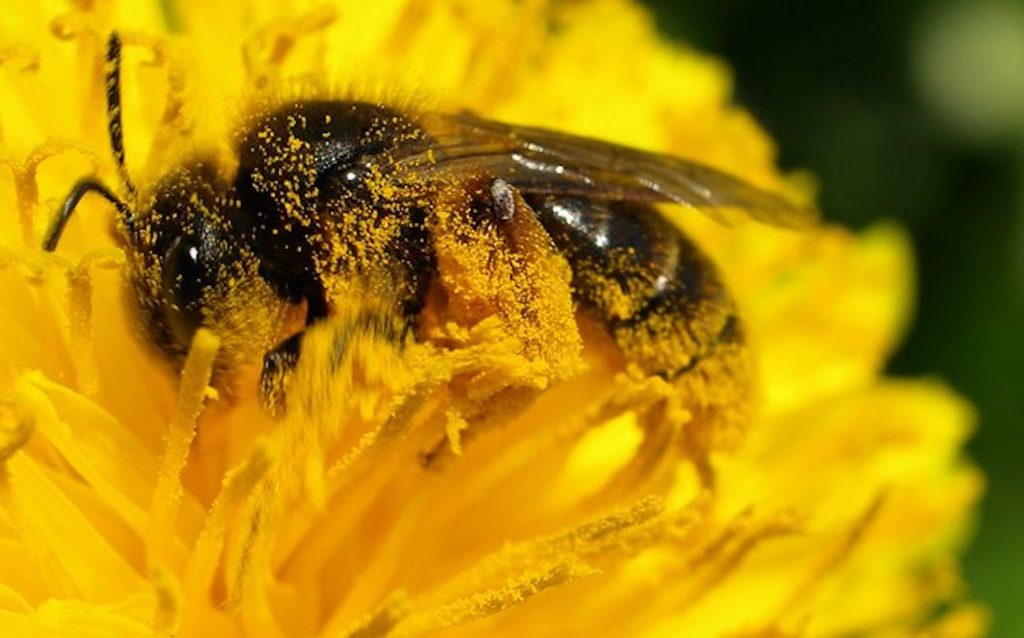
Backyard bee conservation is all the buzz these days, with people planting native pollinator gardens, installing bee houses, and participating in citizen science endeavors to monitor local bee populations.
And for good reason—in North America, a quarter of our native bee species are at risk of extinction. That’s not good for the bees, and it isn’t good for us. Bees pollinate 35 percent of our global food supply, and many of the wild plants our ecosystems depend on. Simply put, a world without bees would be a shadow of its former ecological self.
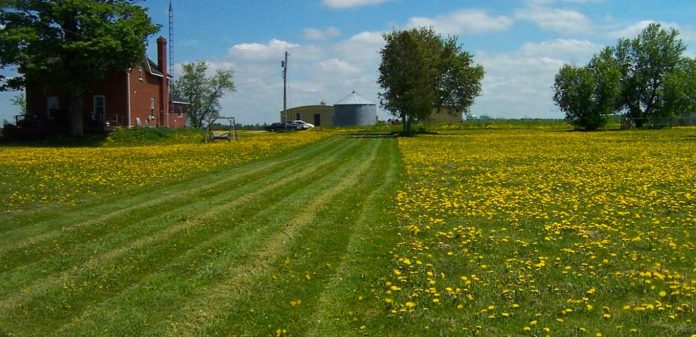
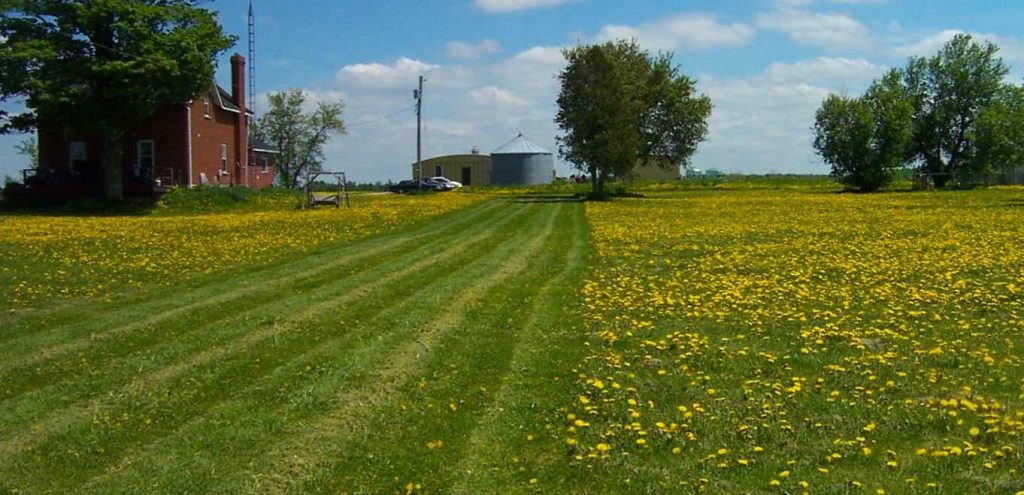
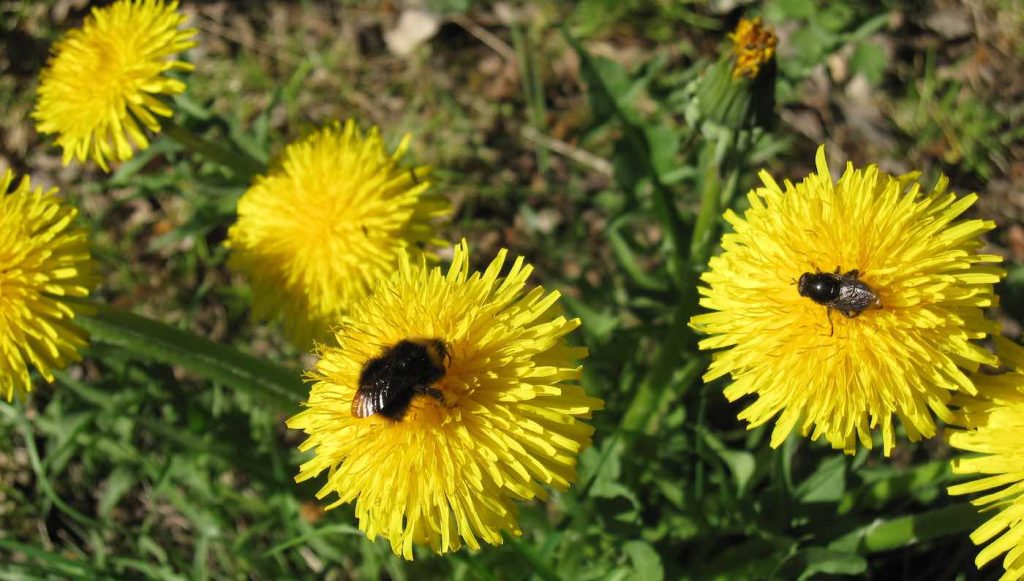
Enter No Mow May, a movement that began in the United Kingdom and is now rapidly spreading throughout the United States, thanks to Bee City USA, a 10-year-old initiative of the Xerces Society, a nonprofit that labors to conserve invertebrates, and thus, biodiversity. No Mow May’s popularity lies in its simplicity: Just give bees a leg up during the crucial springtime by crossing a chore off your list and letting your lawn grow for the month of May. This lets “lawn flowers,” such as dandelions, clover, and violets, bloom at a time when bee food is scarce.
“If you don’t mow your lawn for three to four weeks, you’re going to see increases in flowers, which translates to increases in abundance and biodiversity of bees,” explains Dr. Israel Del Toro, an assistant professor at Lawrence University and one of the originators of the US No Mow May movement.
As a conservation photographer who recently began documenting No Mow May’s spread in my home state of Wisconsin, I’ve learned some important lessons about participating in No Mow May. Here’s how to do it right—for the bees, for your lawn, and for you.
How to make No Mow May a positive experience for everyone
Bernt Rostad, CC license
Lawns grow fast and long in the spring; here in Wisconsin, some No Mow May participants’ lawns topped out at almost a foot tall! Not everyone will appreciate your long grass or your carpet of dandelions, which some see as counter to long-held notions of the “prim and proper” American lawn. To avoid misunderstandings, “talk to your neighbor; talk to your community; get the word out about what you’re doing and why you’re doing it, and generally you’ll find a lot of good allies,” says Del Toro.
Yard signs are also helpful for informing others that your wild lawn means that you’re helping the bees and are not a neglectful homeowner. Many communities that adopt No Mow May, such as Appleton, Wisconsin, and Edina, Minnesota, provide free yard signs. You can also obtain free, print-at-home yard signage from the Xerces Society.
Be mindful of grass height rules. In many communities, grass height is limited to eight or 10 inches, but those that have adopted No Mow May will suspend enforcement of these restrictions for the month. If this is the case in your community, make sure to cut your grass at the end of the month. Mike Wiza, mayor of Stevens Point, Wisconsin, told me that No Mow May went well in his community—in part, because residents were prompt about cutting their grass by the end of May. If they hadn’t, Wiza says, it could have caused “all sorts of problems.”
Robert; CC license
Unsure whether your community has adopted No Mow May? Call your city or homeowners association to determine what rules are in place. If your community hasn’t adopted No Mow May, but you still want to participate, try laying off the mower until your grass reaches your community’s maximum allowed grass height. This will allow flowers to bloom for at least a little while.
You can also encourage your community to adopt No Mow May. As mayor Wiza put it, “I don’t always have the ideas. My job is to show [the community] how we can do it and clear obstacles out of their way. No Mow May wasn’t my idea; it [came from] members of the community.”
If you face resistance from your community, Del Toro suggests reminding naysayers that “No Mow May is a completely opt-in movement.” Meaning folks who covet a perfectly manicured lawn can keep theirs but then agree not to “stand in the way of people that want to think a little about biodiversity in their yard.”
Dandelions, really?
Shannondtaylor19, CC license
We know—dandelions, despite being pretty and edible, are non-native and invasive. So why promote a movement that encourages their growth?
The basic answer? “Don’t let perfect be the enemy of good.” Sure, it’d be great to turn your entire neighborhood into a bee paradise of native plants, but that can take quite a bit of time and money. And despite younger generations’ embrace of the eco bona fides of no-lawn life, most homeowners will want at least some lawn. So why not find ways to make them more ecologically beneficial?
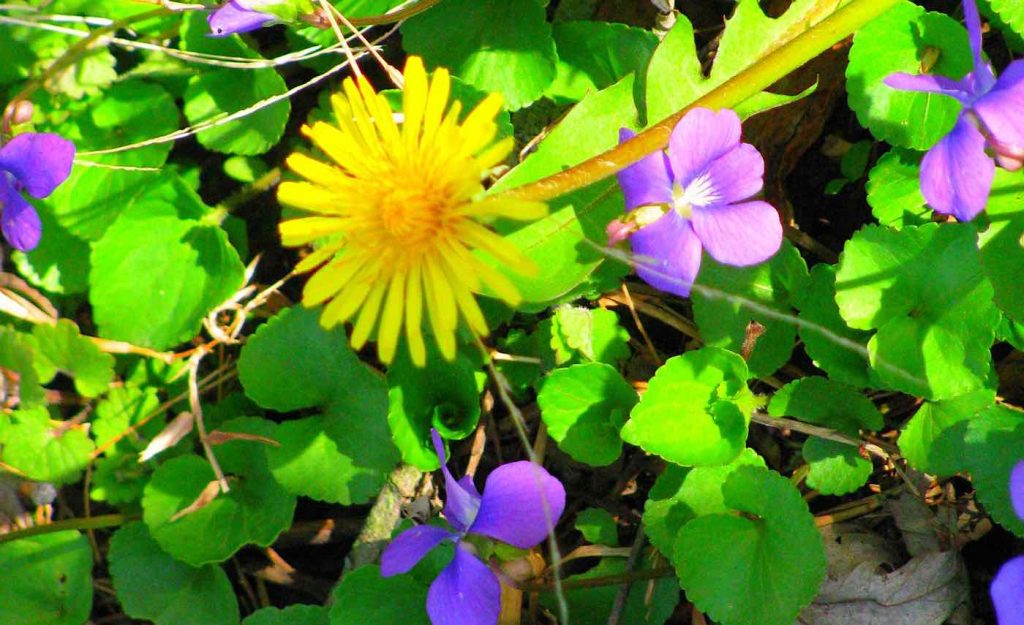
While dandelions have become the poster child for No Mow May, other plants—including native species—may also be lurking in your lawn. “It’s not just dandelions,” says Dr. Claudio Gratton, a professor and entomologist at the University of Wisconsin-Madison. “There are a lot of other plants that are going to be there.” In Massachusetts, scientists found 63 plant species in herbicide-free lawns, a whopping 30 percent of which were native to the state. Common blue violets, a native plant species frequently observed in that study, not only attract bees but are also an important host plant for fritillary butterflies. In Wisconsin, common blue violets were found in 95 percent of No Mow May lawns but only 20 percent of mowed parks.
Most of us probably delighted in dandelions as children but have been conditioned to hate them as adults, steeped as we are in American lawn culture. No Mow May often brings into stark relief “this crazy fascination that we have in North America with the prototypical American lawn,” says Gratton. “This perfect, golf-course-putting-green-style, every-blade-in-its-perfect-place environment with no other flowers—[No Mow May] forces us to think about our relationship with nature, the way we have squeezed nature to suit our aesthetic needs, and its consequences for all the other biodiversity out there that plays really important roles in our lives as well.”
The bottom line is that “weedy” lawns—even those with some non-native plants—have the potential to support native bees. For example, in the Massachusetts study noted above, 111 bee species were found in the herbicide-free lawns, which represented more than a quarter of the bee species known in the state. In Kentucky, 37 species of bees were found feeding on dandelions and clover alone.
Think beyond No Mow May
While No Mow May is a great step, experts warn that backyard bee conservation efforts cannot stop there. “It’s accessible—everyone can do it; you have agency and are a participant in conservation,” stresses Gratton. However, “the risk is that folks might think this is sufficient.”
Many communities, beyond giving residents a good excuse to stash away their mowers, are using No Mow May to educate residents about the many other aspects of bee conservation. Organizers in Appleton, Wisconsin, for instance, provided residents with information on reducing chemical use, planting native plants, and creating nesting habitat for bees—which can be as simple as leaving brush piles—”where we typically find bumblebee colonies,” according to Del Toro—in corners of your yard. In my community of Shorewood Hills, Wisconsin, the city is gifting free pollinator-friendly native plants to children of participating households this year in an effort to increase native plant populations, and to get the whole family involved too.
So, embrace the No Mow May movement—tell your neighbors about it, and if your community hasn’t already, ask it to adopt the movement. And when June rolls around, start asking what else you can do (or not do) to help bees all year long.
Anne Readel is a photographer, writer, and lawyer with a Ph.D. in conservation biology. Her work has been published by the New York Times, Audubon, and Better Homes & Gardens, among others. She lives in Madison, Wisconsin.
(This article was originally published in Sierra magazine.)
SHARE This Story With All Your Nature-Loving Pals…
Could thinking about chronic pain differently succeed in dispelling it when all other treatments have failed? While statements like “mind over matter” or “it’s all in your head” may sound dismissive, there’s some truth to them.
A new neurological recalibrating processes is experiencing a flood of professional interest—as it could help treat patients with chronic pain without the use of opioids.
The treatment involves combating a psychological phenomenon called “catastrophizing,” whereby a patient, frightened by future outbreaks of pain, will prevail “danger messages” throughout their physiology, perpetuating pain responses.
Arguably the most common occurrence in catastrophizing is when an individual refrains—long after an injury has healed—from performing a certain action. That fear of reproducing the pain means the brain can never re-calibrate and understand the action is now safe to perform.
Officially the method is called “pain reprocessing-therapy” (PRT), and trials investigating it are going on at Spaulding Rehabilitation Network’s Outpatient Center in Medford, Massachusetts, the Univ. of Maryland, Duke, and Cornell Medical College.
“You can have very real, debilitating pain without any biomedical injury in your body because of changes in the pain processing pathways,” Dr. Yoni Ashar, a psychologist at Cornell and coauthor of a successful trial on PRT, tells National Geographic.
In the Cornell trial, 66% of treated patients with chronic pain had theirs alleviated, which held true even after the extended follow-up period.
As Ashar explains, the primary organ of pain in the body is the brain—so it makes sense to start there, especially if there’s no obvious evidence of a physical injury or disease that would cause pain centers to send pain signals.
“At Duke we’re now identifying patients before surgery … It’s been phenomenal,” said Padma Gulur, director of the pain management strategy program at the Duke University Health System.
“I can look at the score and have a great sense that when we invest the resources for preventive, proactive measures for this person, their outcome will be far different than it would have been.”
20% of Americans suffer from some degree of chronic pain, and with few options outside of medication available, there’s a risk of opioid addiction. With PRT, there might finally be a safe alternative available to everyone.
HELP Others Who Might be in Pain; Share This Breakthrough Research…
MIT researchers have developed a portable desalination unit, weighing less than 10 kilograms, that can remove particles and salts to generate drinking water.
The suitcase-sized device, which requires less power to operate than a cell phone charger, can also be driven by a small, portable solar panel, which can be purchased online for around $50. It automatically generates drinking water that exceeds World Health Organization quality standards. The technology is packaged into a user-friendly device that runs with the push of one button.
Unlike other portable desalination units that require water to pass through filters, this device utilizes electrical power to remove particles from drinking water. Eliminating the need for replacement filters greatly reduces the long-term maintenance requirements.
This could enable the unit to be deployed in remote and severely resource-limited areas, such as communities on small islands or aboard seafaring cargo ships. It could also be used to aid refugees fleeing natural disasters or by soldiers carrying out long-term military operations.
“This is really the culmination of a 10-year journey that I and my group have been on. We worked for years on the physics behind individual desalination processes, but pushing all those advances into a box, building a system, and demonstrating it in the ocean, that was a really meaningful and rewarding experience for me,” says senior author Jongyoon Han, a professor of electrical engineering and computer science and of biological engineering, and a member of the Research Laboratory of Electronics (RLE).
Filter-free technology
Commercially available portable desalination units typically require high-pressure pumps to push water through filters, which are very difficult to miniaturize without compromising the energy-efficiency of the device, explains Yoon.
Instead, their unit relies on a technique called ion concentration polarization (ICP), which was pioneered by Han’s group more than 10 years ago. Rather than filtering water, the ICP process applies an electrical field to membranes placed above and below a channel of water. The membranes repel positively or negatively charged particles — including salt molecules, bacteria, and viruses — as they flow past. The charged particles are funneled into a second stream of water that is eventually discharged.
The process removes both dissolved and suspended solids, allowing clean water to pass through the channel. Since it only requires a low-pressure pump, ICP uses less energy than other techniques.
But ICP does not always remove all the salts floating in the middle of the channel. So the researchers incorporated a second process, known as electrodialysis, to remove remaining salt ions.
Yoon and Kang used machine learning to find the ideal combination of ICP and electrodialysis modules. The optimal setup includes a two-stage ICP process, with water flowing through six modules in the first stage then through three in the second stage, followed by a single electrodialysis process. This minimized energy usage while ensuring the process remains self-cleaning.
“While it is true that some charged particles could be captured on the ion exchange membrane, if they get trapped, we just reverse the polarity of the electric field and the charged particles can be easily removed,” Yoon explains.
They shrunk and stacked the ICP and electrodialysis modules to improve their energy efficiency and enable them to fit inside a portable device. The researchers designed the device for nonexperts, with just one button to launch the automatic desalination and purification process. Once the salinity level and the number of particles decrease to specific thresholds, the device notifies the user that the water is drinkable.
The researchers also created a smartphone app that can control the unit wirelessly and report real-time data on power consumption and water salinity.
Beach tests
After running lab experiments using water with different salinity and turbidity (cloudiness) levels, they field-tested the device at Boston’s Carson Beach.
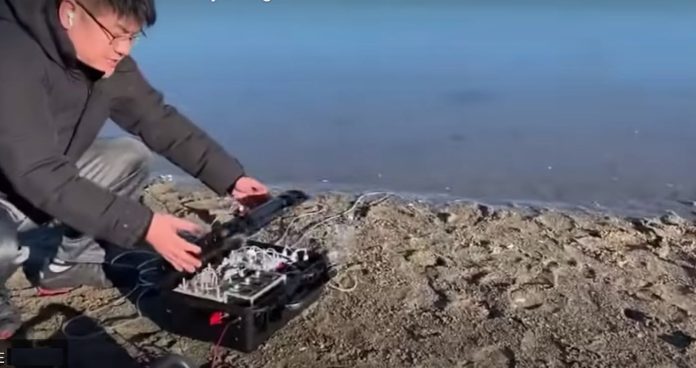
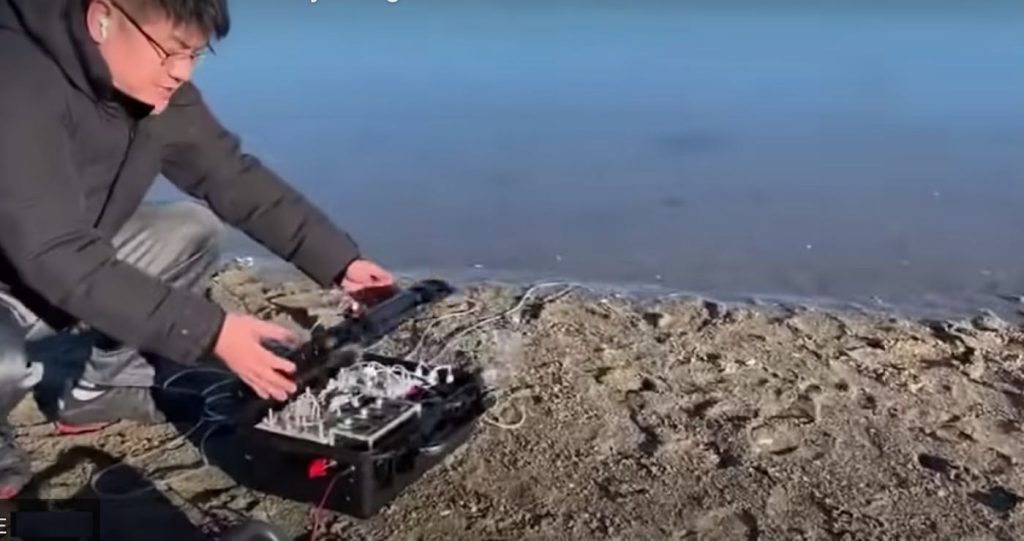
Yoon and Kwon set the box near the shore and tossed the feed tube into the water. In about half an hour, the device had filled a plastic drinking cup with clear, drinkable water.
“It was successful even in its first run, which was quite exciting and surprising. But I think the main reason we were successful is the accumulation of all these little advances that we made along the way,” Han says.
The resulting water exceeded World Health Organization quality guidelines, and the unit reduced the amount of suspended solids by at least a factor of 10. Their prototype generates drinking water at a rate of 0.3 liters per hour, and requires only 20 watts of power per liter.
“Right now, we are pushing our research to scale up that production rate,” Yoon says.
One of the biggest challenges of designing the portable system was engineering an intuitive device that could be used by anyone, Han says.
Yoon hopes to make the device more user-friendly and improve its energy efficiency and production rate through a startup he plans to launch to commercialize the technology.
In the lab, Han wants to apply the lessons he’s learned over the past decade to water-quality issues that go beyond desalination, such as rapidly detecting contaminants in drinking water.
“This is definitely an exciting project, and I am proud of the progress we have made so far, but there is still a lot of work to do,” he says.
anchovies cc license wikimedia commons Cliff from Arlington, Virginia, USA
Cliff from Arlington, Virginia; CC license
It’s not size of the fish but the motion of the ocean, as they say. Marine biologists have proved this idiom true in the strongest possible terms.
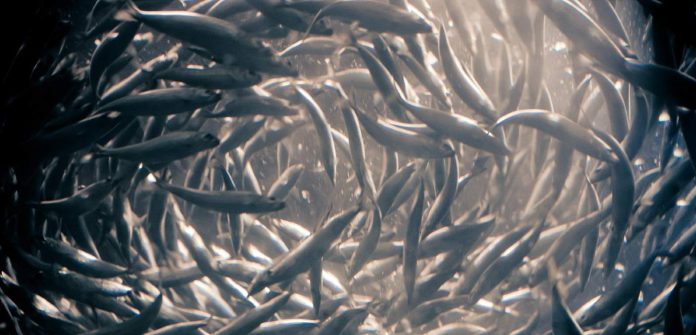
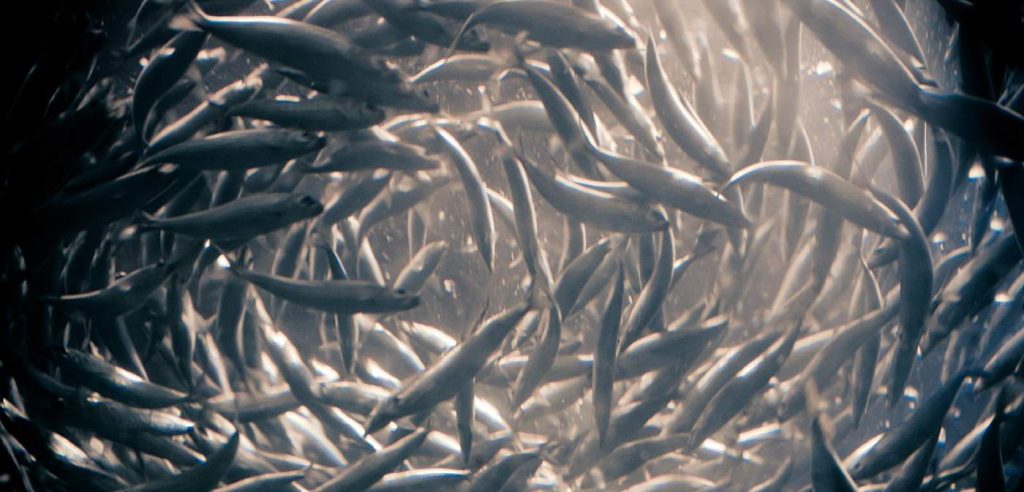
When the tiny and humble anchovy mates, it does so in such numbers and with such vigor that it causes the ocean to shake and mix—in the same way as a powerful storm.
Discovered at a coastal inlet in northern Spain, fourteen days of anchovy spawning behavior was found to increase subsurface ocean turbulence by 10-100 times, equivalent to storms, and even a rough tide.
The finding took place during calm weather, when the opportunity to pinpoint the source of the ocean turbulence was at its best.
Beyond humor, the relevance of this discovery is two-fold. The first major point is that all this turbulence created during the fishy baby-making helps to facilitate the mixing of the layers of the ocean—with deep cooler waters blending with shallow warmer waters, this enhances the oxygen and nutrients of both.
The second is that this precise behavior has been dismissed as a potential ocean mixer, so the finding corrects the scientific record. Called “biomixing,” its impact was observed to be strongest near the coast, where scientists fished up the anchovy eggs with small nets to confirm where spawning was taking place.
“We believe that biological mixing was intense in our observations because the bay is highly stratified,” Dr. Bieito Fernández Castro, the University of Southampton research fellow who led the study, said in a news release. “The temperature and other properties vary significantly at different depths.”
Anchovies mate through spawning—where the females release eggs and the males release sperm to fertilize them. This is done in what could be described as a competitive event, stimulating the fish to act with speed and aggression, and thus swirling the ocean.
(WATCH just how many sardines can travel together in the video below.)
SHAKE Things Up a Little; Share This Story With Friends…
Quote of the Day: “I am an optimist… I choose to be. There is a lot of pain and you can choose to see that or you can choose to see the joy.” – Tom Hiddleston
Photo by: Tyler Nix
With a new inspirational quote every day, atop the perfect photo—collected and archived on our Quotes page—why not bookmark GNN.org for a daily uplift?
An underwater photographer has captured this picture of a large jellyfish under a paddleboarder.
The image was taken by photographer and film-maker Lewis Jefferies off Falmouth in Cornwall It features Lewis’s partner, Sammy, paddleboarding above a compass jellyfish with the sunshine beaming from behind her.
“The jellyfish make great subjects to photograph and are quite handy because they don’t move very fast, ” 33-year-old Lewis said, ”so once you find one, you can experiment with lots of different angles.
“I’d had a shot like this in mind for a while with my partner on a paddleboard above the waterline and some marine life below.
“The conditions were amazing and there was a lovely sunset—which gave me the ingredients I needed to create something quite interesting.
SWNS
“Credit has to go to Sammy for paddling out to the right spot at the right moment.”
This amazing shot, called A Peaceful Coexistence, was captured last July in Falmouth Bay.
It won Lewis first place in the British Waters Living Together category of the national competition Underwater Photographer of the Year 2022.
Lewis, who is originally from Exmouth in Devon, has photographed for a range of organizations, including WWF-UK, Project Seagrass, and Cornwall Wildlife Trust.
He said, “We have such a wealth of marine life in our British waters, and I really hope this image will inspire others to experience and cherish the wonders we have right on our doorstep.”
The Lesson: Sheetal Sheth grew up in the middle of a 1st generation immigrant story, but as the years went by, and Indian culture became more understood in America, even as she was ready to have her first child it hadn’t existed traditional culture, food, festivals, religion; it wasn’t just normal. Sheth is of the opinion that it’s seeing Indian or any kind of brown person, in all aspects of life that breaks down stigmatization and othering in society.
Notable Excerpt: “I’ve never been attracted to the bright shiny things. I love people, I love connecting, there’s nothing I love more than meeting someone new and getting inside their brain. I’m obsessed with psychology, people, why they do things, so that’s why I (started acting). To me it’s about connecting and being able to share stories, because I really do believe that when you meet someone, whether it’s in person or on your television, or through a song or a book, is when you can change minds or hearts.”
The Guest: Acclaimed actress, writer, and children’s book author, Sheetal Sheth is a first-generation Indian American, with her parents immigrating from Gujurat. Sheetal’s breakout role came in Albert Brooks’ “Looking for Comedy in the Muslim World” and she is known for her performances in a wide range of memorable roles in film and on television. As an author, she’s written Always Anjali, and Bravo Anjali,a pair of children’s books featuring a South Asian protagonist.
The Podcast: Livin’ Good Currency explores the relationship of time to our lives. It gives a simple, straight-forward formula that anyone can use to be present in the moment—and features a co-host who knows better than anyone the value of time (see below). How do you want to spend your life? This hour can inspire you, along with upcoming guests, to be sure you are ‘Livin’ Good Currency’ and never get caught running out of time.
The Hosts: Good News Network fans will know Tony (Anthony) Samadani as the co-owner of GNN and its Chief of Strategic Partnerships. Co-host Tobias Tubbs was handed a double life sentence without the possibility of parole for a crime he didn’t commit. Behind bars, he used his own version of the Livin’ Good Currency formula to inspire young men in prison to turn their hours into honors. An expert in conflict resolution, spirituality, and philosophy, Tobias is a master gardener who employs ex-felons to grow their Good Currency by planting crops and feeding neighborhoods.
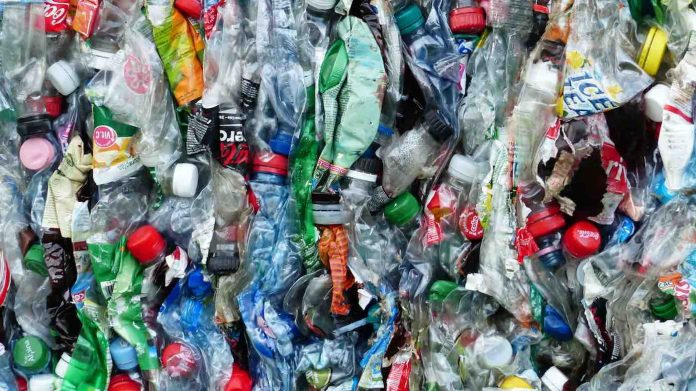
A ‘Pac-Man’ protein that gobbles up plastic and breaks it down could open the door to eliminating billions of tons of landfill waste.
The enzyme destroys PET (polyethylene terephthalate), which is ubiquitous in food and drink packaging, textiles, and polyester carpet fibers.
It offers hope for solving global pollution by supercharging recycling on a large scale. Major industries would be able to recover and reuse products at the molecular level.
“The possibilities are endless across industries to leverage this leading-edge recycling process,” said Professor Hal Alper, of The University of Texas at Austin. “Through these more sustainable enzyme approaches, we can begin to envision a true circular plastics economy.”
PET makes up 12 percent of all global waste. Like all plastics, it’s made up of long string-like molecules.
The enzyme reduces them into smaller parts—chemicals which can then be reassembled.
In some cases, the plastics can be fully broken down in as little as 24 hours.
Artificial intelligence, machine learning, generated novel mutations to a natural enzyme called PETase that allows bacteria to degrade PET.
The computer identified those that would be most effective at less than 122 degrees-F (50-C), making it both portable and affordable.
Prof. Alper and his colleagues analyzed dozens of discarded plastic items including containers, water bottles and polyester fibers and fabrics—all made from PET.
Experiments proved the effectiveness of the enzyme named FAST-PETase (functional, active, stable and tolerant PETase), and a paper was published last week describing the enzyme in the journal Nature.
“This work really demonstrates the power of bringing together different disciplines, from synthetic biology to chemical engineering to artificial intelligence,” said co-author Andrew Ellington, a professor in the school’s Center for Systems and Synthetic Biology whose team led the development of the machine learning model.
Other alternative industrial processes for breaking down plastic are energy-intensive, but biological solutions such as this require much less.
Research on enzymes for plastic recycling has advanced during the past 15 years. However, until now, no one had been able to figure out how to make enzymes that could operate efficiently at low temperatures to make them both portable and affordable at large industrial scale.
Best of all, the US team have filed a patent and production is being scaled up to prepare for industrial applications.
Cleaning up landfills and greening high waste-producing industries are the most obvious. But another key potential use is environmental remediation. The researchers are looking at a number of ways to use the enzymes in the field to clean up polluted sites.
“When considering environmental clean-up applications, you need an enzyme that can work in the environment at ambient temperature. This requirement is where our tech has a huge advantage in the future,” said Alper.
BREAK DOWN the Good News for Others; Share This Story…
In 1945, American GIs stole a birthday cake from a 13-year old Italian girl while they were embattled with Nazi occupiers
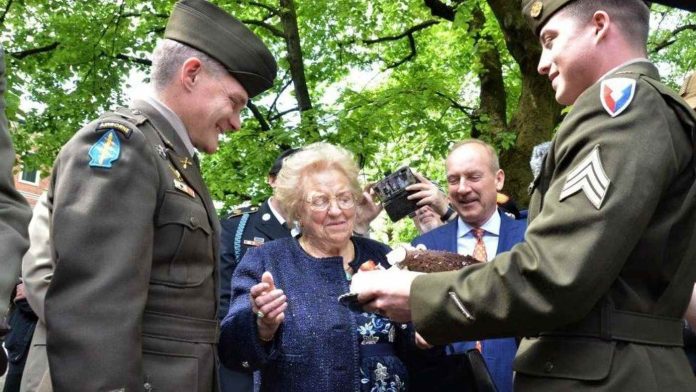
77 years later, the Department of Defense found room in the budget to include a replacement birthday cake for Meri Mion at a ceremony held in the city of Vicenza’s Salvi Gardens.
Americans are well-liked in parts of Italy that saw conflict during WWII—they arrived there before all other parts of Europe.
However in 1945, some presumably-hungry soldiers took Meri Mion’s birthday cake, baked by her mom for her special day, while fighting was taking place in the village of San Pietro in Gu.
In a scene like something from a Tom & Jerry cartoon, Meri’s cake was left on the windowsill to cool. Having just been taken out of the warm oven, it was stolen by what the U.S. Department of Defense (DoD) described as “resourceful” Americans.
“It was a little awkward, but it makes me feel great to give her the cake,” said Sgt. Peter Wallis, who had the honor of presenting the retroactive 13th-birthday treat in a ceremony last week.
“Tomorrow, we will eat that dessert with all my family remembering this wonderful day that I will never forget,” Mion said.
U.S. Department of Defense
For the ceremony, National Archives workers dug up photographs from the battles in and around Vicenza—and as bitter as the fighting was, the photographs depict a fast-growing warmness between the American soldiers and the locals, who would offer bread and wine during pauses in conflict.
The DoD included video of soldiers and onlookers singing Happy Birthday to you and Tanti Auguri a te to Meri Mion—who struggled to wipe away the tears.
(WATCH the video for this story below.)
SHARE a Slice of Good News; Share This Story With All Your Pals…
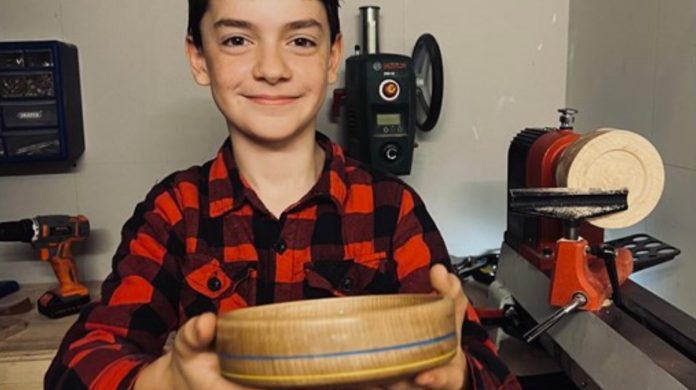
After a young boy’s woodworking project went viral, he seized on his new internet following to raise money—not for himself—but for the children of Ukraine.
The power of a viral social media post never ceases to astound. When Gabriel Clarkie’s proud dad tweeted a link to his son’s hobby, carving wooden bowls and posting them for sale on Instagram, it went viral—and his Insta followers jumped from 6 to 227,000 in just 48 hours.
Lovely twitter people - I don't know how many of you are also #instagram users but I'm looking for a wee favour. I've a 12yr old who loves woodwork. He spends hours on his lathe making bowls and creating chopping boards which he's sells to save up for a mountain bike. 1/3 pic.twitter.com/Ny60rFf1TE
Rather than fulfilling the 20,000 requests for wooden bowls, Clarkie Woodwork—who lives in Cumbria in northern England—announced he would make one single bowl, Gabriel’s Bowl For Ukraine, to be given out in a lottery to anyone who makes a donation to Save The Children Ukraine.
Virality struck once again, and a $6,260 (£5,000) appeal turned into $313,000 (£250,000) success, with nearly 15,000 people donating. Part of the viral bump came when the appeal came to the attention of J.K. Rowling, Nick Offerman, and Stephen Fry, who all passed it along to their unfathomable numbers of followers.
“I never imagined that my tweet would turn into this amazing thing… Somehow, it’s resulted in people donating [over] £250,000 to help children in Ukraine, it’s just incredible!” said Richard Clarkie, Gabriel’s father.
“Gabriel’s Bowl for Ukraine now has a new home—Renuka Chapman, congratulations,” the family wrote on the fundraising page. “We are now at a £245,000!! A truly unbelievable figure and Save the Children would like me to pass on their immense gratitude.”
“When Gabriel rang me to let me know I’d won the bowl, I was completely overwhelmed— I’ve never won a single thing before!” wrote Renuka, according to Save The Children’s report on the event.
“This bowl will be one of my most treasured possessions. It represents hope, compassion, and kindness… It will have pride of place in my home.”
Quote of the Day: “Self-esteem comes from being able to define the world in your own terms and refusing to abide by the judgments of others.” – Oprah Winfrey
Photo by: Chris Spiegl
With a new inspirational quote every day, atop the perfect photo—collected and archived on our Quotes page—why not bookmark GNN.org for a daily uplift?
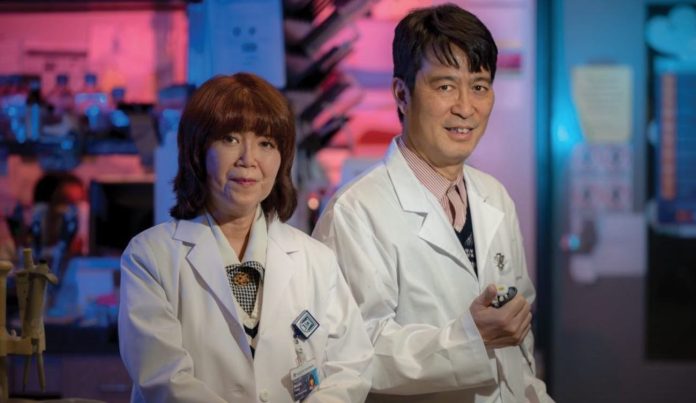
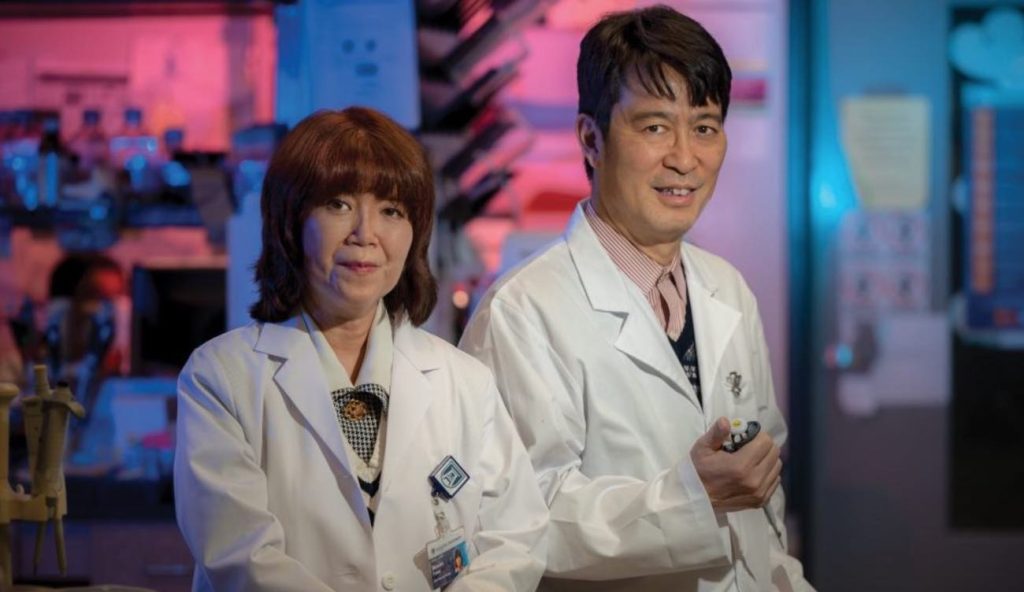
Dr. Masuko Ushio Fukai (left) and Tohru Fukai – Medical College of Georgia
Dr. Masuko Ushio Fukai (left) and Tohru Fukai – Medical College of Georgia
Exercise can counter the damage of diabetes by activating a natural system we have to grow new blood vessels when existing ones are ravaged by this disease, says new research.
According to the CDC, one in 10 Americans have diabetes, which not only damages existing blood vessels, it hinders our innate ability (called angiogenesis) to grow new ones in the face of disease or injury, report scientists at the Vascular Biology Center at the Medical College of Georgia.
Now we have the first evidence that in the face of diabetes, even one 45-minute session of moderate intensity exercise enables more exosomes—sub-microscopic packages filled with biologically active cargo—to deliver directly to those cells more of the protein, ATP7A, which can set angiogenesis in motion.
“Not unlike the most sophisticated and efficient delivery services we have all come to rely upon, particularly during the pandemic, what exosomes carry depends on where they come from and where they are headed,” says Dr. Tohru Fukai, MCG vascular biologist and cardiologist.
While he and co-author Dr. Masuko Ushio-Fukai are not yet certain of the origin of these helpful exosomes, it’s clear that one place they deliver is to endothelial cells, which line our blood vessels and are essential to new growth.
In both an animal model of type 2 diabetes and a handful of healthy 50-something-year-olds, two weeks of volunteer running on a wheel for the mice and that one cardio session for the humans increased levels of ATP7A in the exosomes that attached to endothelial cells.
At that point, the activity did not significantly impact the weight of the mice, the scientists note, but it did also increase a marker of endothelial function and factors like, vascular endothelial growth factor, needed for angiogenesis.
Exercise also increased the amount of the powerful, natural antioxidant extracellular superoxide dismutase, or SOD3, but it’s the heavier payload of ATP7A, which is also known to deliver the essential mineral copper to cells, that is key to making good use of the SOD3 present, Ushio-Fukai says.
SOD3, is an important natural antioxidant produced by vascular smooth muscle cells in the walls of blood vessels as well as skeletal muscle cells, which helps us maintain healthy levels of reactive oxygen species, or ROS. ROS is a natural byproduct of our use of oxygen that is an important cell signal, enabling a variety of functions. But in diabetes, high blood sugar levels result in high ROS levels that instead hinder important normal functions.
The Fukais have shown that ATP7A levels are reduced in diabetes. They also now have some of the first evidence that exosomes circulating in the plasma of sedentary animal models of type 2 diabetes actually impair angiogenesis when placed in a dish with human endothelial cells, as well as in an animal model of wound healing.
The scientists suggest that synthetic exosomes, already under study as drug-delivery mechanisms, could one day work as an “exercise mimetic” to improve patients’ ability to grow new blood vessels when diabetes has damaged their innate ability.
In fact, they have already generated exosomes in which SOD3 is over-expressed and found improved angiogenesis and healing in a mouse model of diabetes.
The way it’s supposed to work is SOD3 is naturally silenced in endothelial cells, so they must get it from other cells, notes Ushio-Fukai, hence the importance of exosome delivery. SOD3 must then bind to endothelial cells at its natural spot called the heparin-binding domain, and the copper transporter ATP7A must be present to enable SOD3 to be active there, Fukai says. Both ATP7A and the binding site are key, Fukai notes. For example, when they removed the binding site from the endothelial cells, which can happen in nature, the benefits were lost.
Once on the scene and active, SOD3 converts the ROS superoxide into hydrogen peroxide, or H2O2, another signaling ROS that helps support normal endothelial cell function. The Fukais have reported that in human endothelial cells, over-expressing SOD3 promotes angiogenesis by increasing H2O2.
A copper connection also runs throughout this process as endothelial cells regularly use a lot of copper, and ATP7A, known to transport the essential mineral that we consume in foods like nuts and whole grains, is dependent on copper itself.
Physical exercise, like running or walking on treadmill, prompts muscles to contract which in turn prompts release of exosomes into the blood.
When Fukai was a postdoc in the Emory University Section of Cardiology he was part of the research group that was the first to show that exercise increases SOD3 activity, which decrease with age and with some disease states like diabetes and hypertension.
The study was published in theJournal of the Federation of American Societies for Experimental Biology.
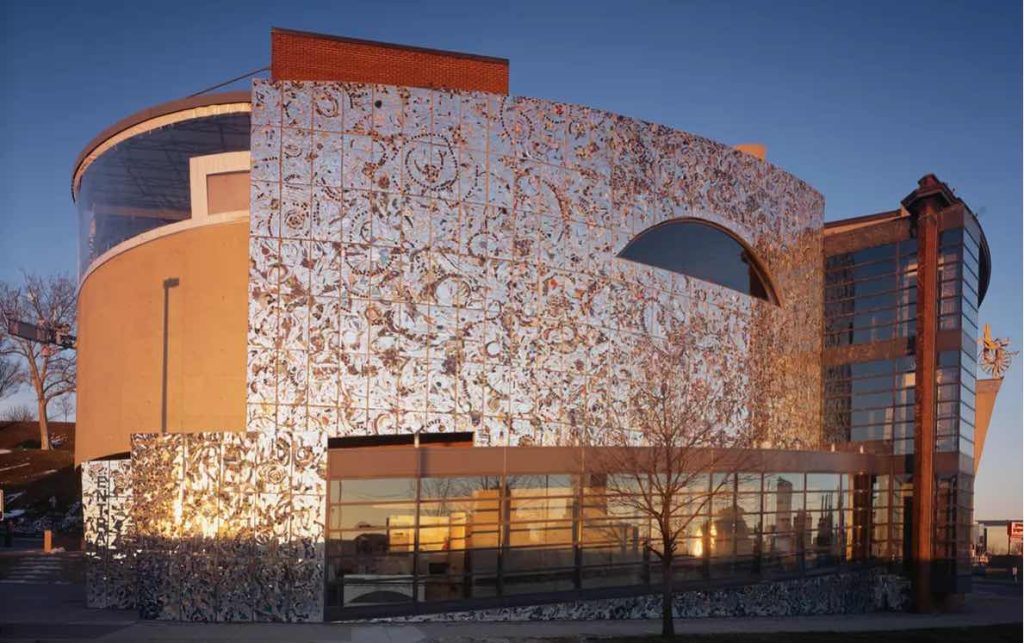
On the Inner Harbor in downtown Baltimore sits one of the most unforgettable museums you’ll ever visit, and now you can see GNN’s work featured in an exhibit inspired by the Dalai Lama.
Voted #2 in a recent USA Today poll of favorite art museums in the country, the American Visionary Art Museum was also designated as the official national museum for self-taught and intuitive artistry by an act of Congress..
Because the eclectic exhibits will stimulate anyone’s creativity, Travel & Leisure magazine called the Maryland museum a Top-10 Place to See Before You’re 10.
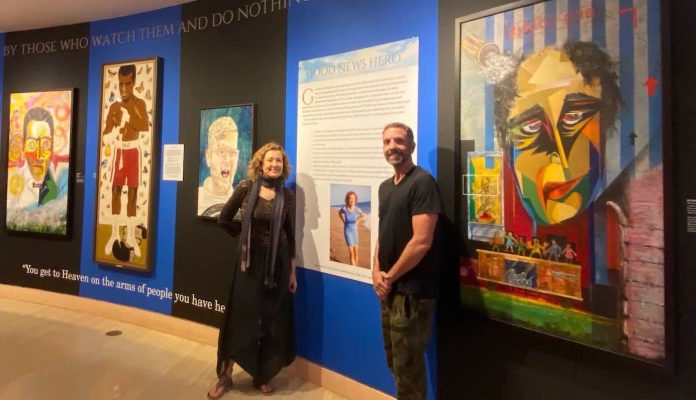
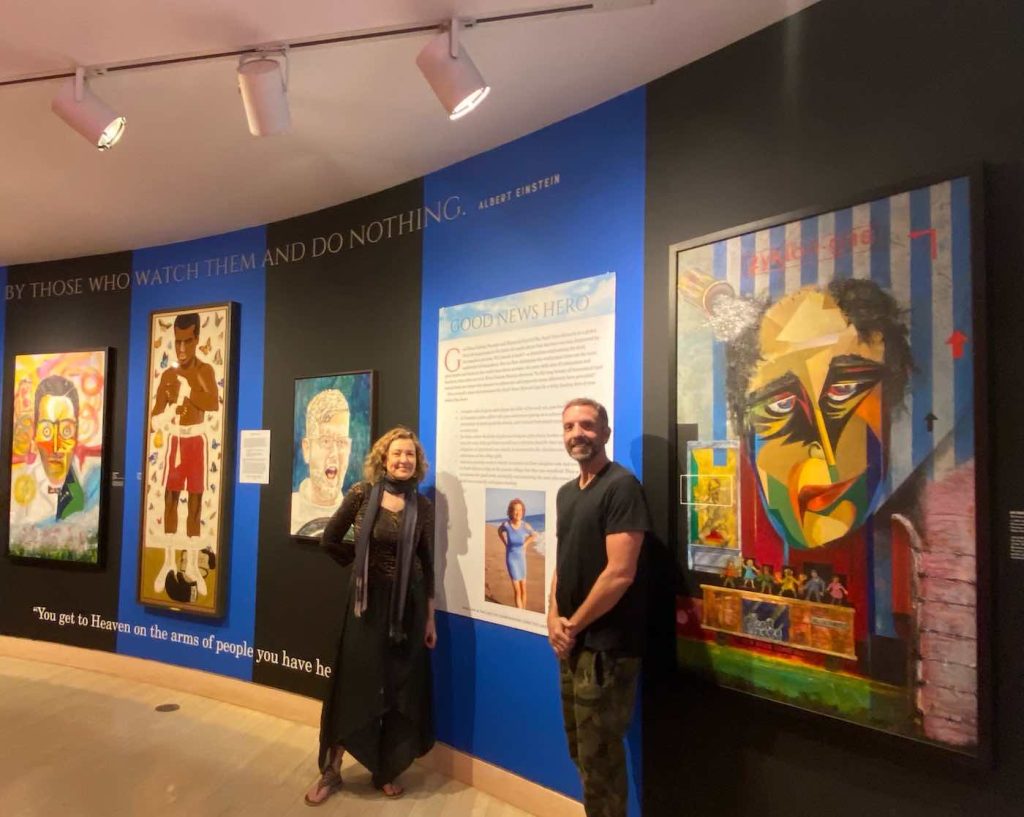
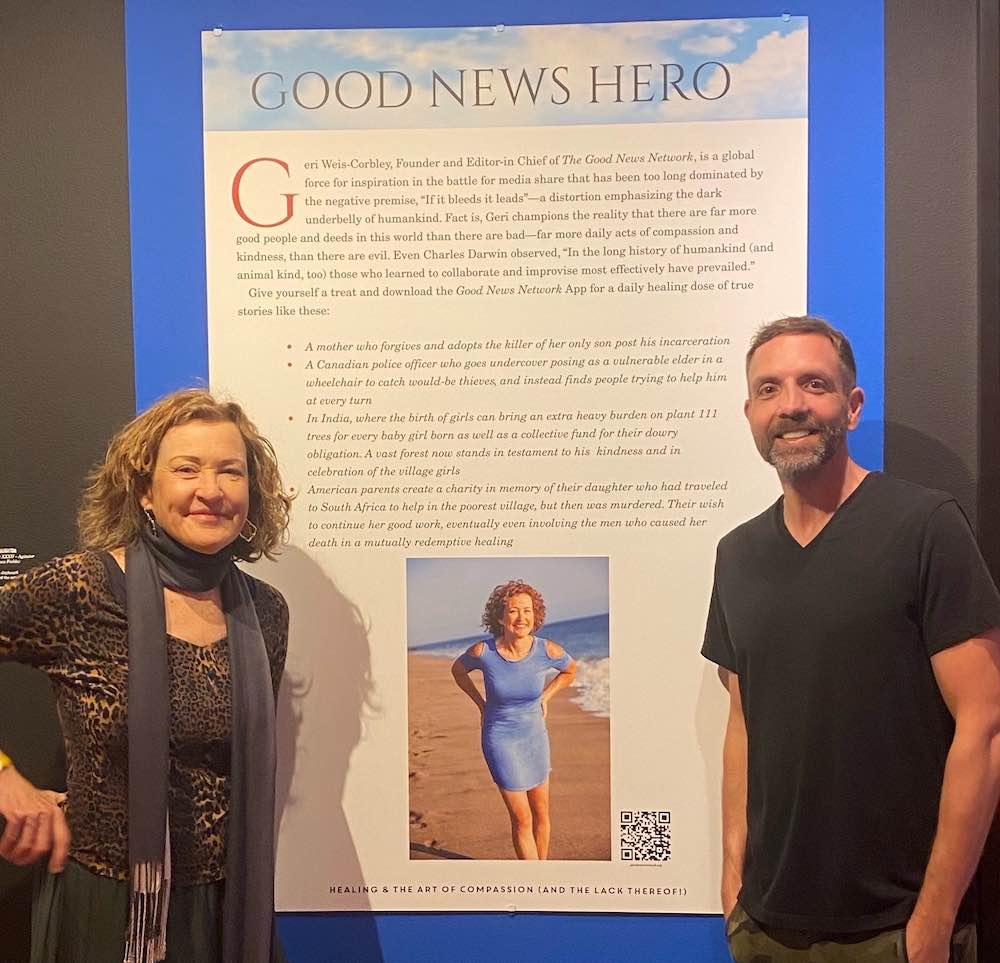
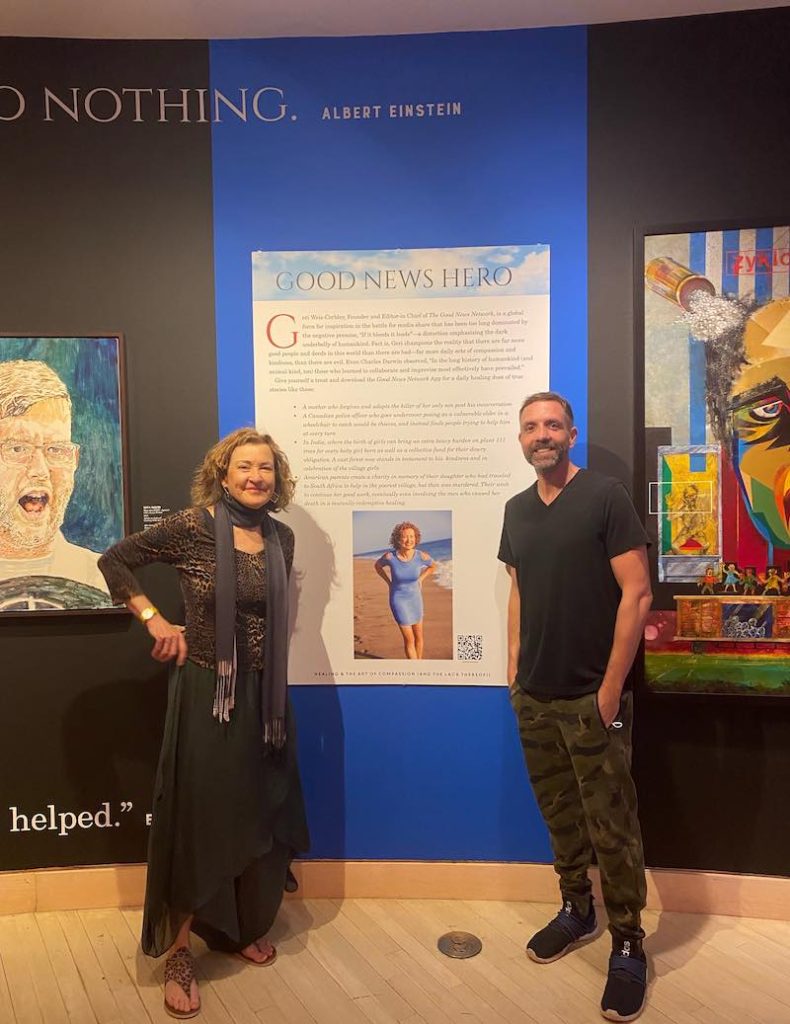
But all ages will be inspired by this year’s major exhibit, ‘Healing & The Art of Compassion’, in which GNN founder Geri Weis-Corbley was featured as a ‘Good News Hero’.
The theme of this original year-long exhibition, which runs through September 4th, was inspired in good part by a request from the Dalai Lama and features the works of 22 visionary artists—alongside the scientific research, global folk wisdom, and humor—which highlight the two forces of good in any society.
“AVAM’s mega-exhibition focuses public attention on two sibling essential powers—healing and compassion—twin forces for greater good sorely in need today,” writes the museum’s main curator, director, and founder, Rebecca Hoffberger. “Clearly defining compassion, how it operates as a healing force in our own lives, within our own families, our communities, in social welfare, monetary, and justice systems, is at the heart of this uplifting exhibition’s premise and purpose.”
Geri with GNN co-owner Anthony Samadani
It is the swan song exhibit for Hoffberger, who is set to retire after 30 years of work on her Visionary Art Museum, which opened in 1995. She asked the GNN founder for a list of her best headlines about compassion and healing—four of which appear in the exhibit:
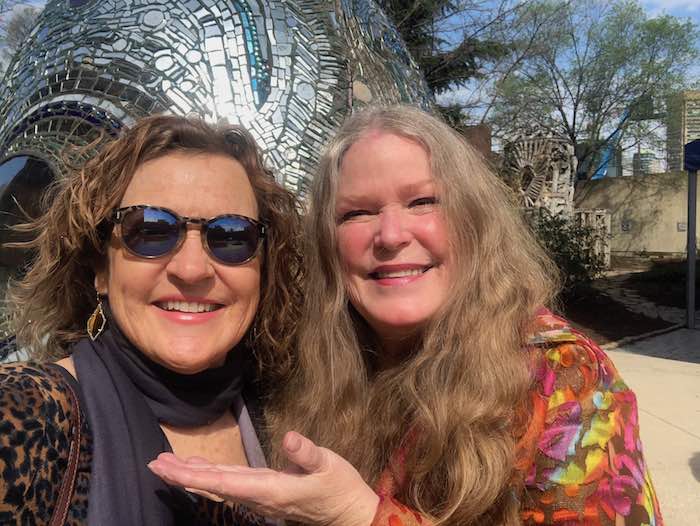
Geri Weis-Corbley selfie in one of the sculpture gardens with Rebecca Hoffberger
A mother who forgives and adopts the killer of her only son after his incarceration.
A Canadian police officer who goes undercover posing as a vulnerable elder in a wheelchair to catch would-be thieves, and instead finds people trying to help him at every turn.
In India, where the birth of girls can bring a heavy burden on poor families to provide a dowry, one man instigated a program to plant 111 trees for every baby girl born, as well as a collective fund for their dowry obligation. A vast forest now yields fruit and stands in testament to his kindness and celebration of the village girls.
California parents launch a charity in memory of their daughter who had traveled to South Africa to help one of the poorest village, but then was murdered. Their wish to continue her good work, eventually involved even the men who caused her death in a mutually redemptive healing and jobs program.
Hoffberger told us in an email, “Many may say, ‘How nice’ about your work, but I think there are so many good and healthful reasons that your Good News Network is actually an imperative.”
The Washington Post once wrote that “the best museum in D.C. is in Baltimore,” recommending the AVAM, which is 30 minutes to the north and attracts 115,000 people annually.
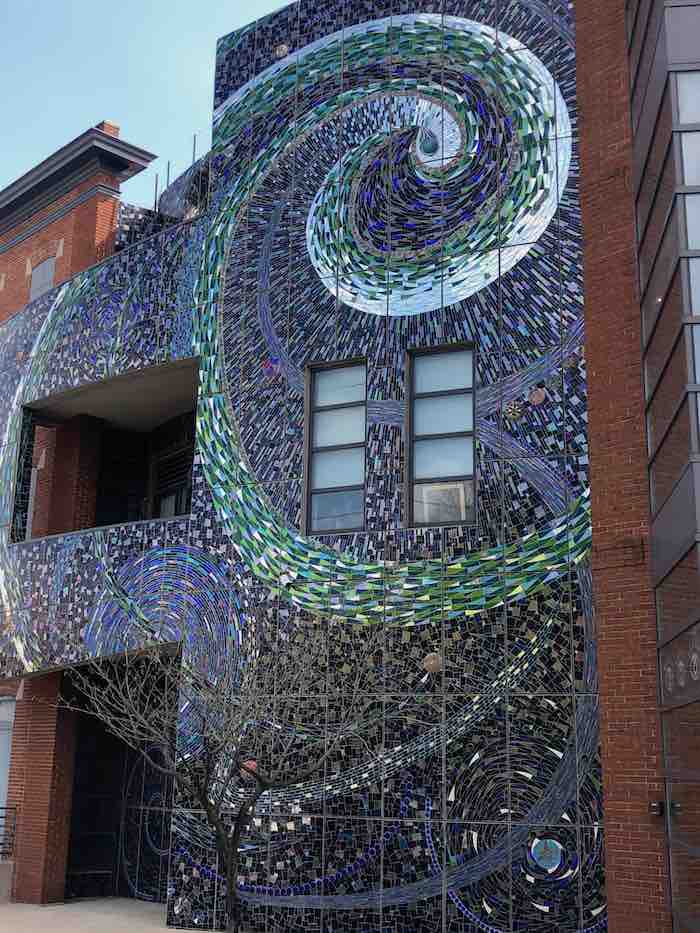
So, next time you are in DC, Maryland, or Northern Virginia, plan your visit to 800 Key Highway and check out the cylindrical building with the gorgeous sculpture gardens and mosaic tile exterior (below) designed and installed by former felons—just one of the many ‘visionary’ accomplishments of this compassionate, mighty museum.
SHARE This Great Recommendation for an Art Museum on Social Media…
Last week, new water restrictions issued for millions of residents of Southern California highlighted the need to make agriculture more efficient—and a new statewide composting mandate is providing the solution.
California leads the nation in food production, which requires a lot of water, and now because they became the second state in the nation after Vermont to make large-scale composting required by law means we can have our produce ‘cake’ and eat it, too.
Compost Awareness Week, which begins today, may sound superficial, but we need to know that farms can grow up to 40 percent more food in times of drought when they use compost—and when citizens dump their coffee grounds and banana peels into a bin for pick up, they are feeding the soil, while guarding against water shortages.
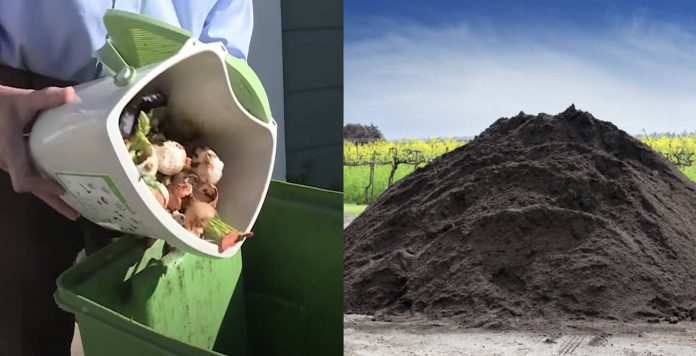
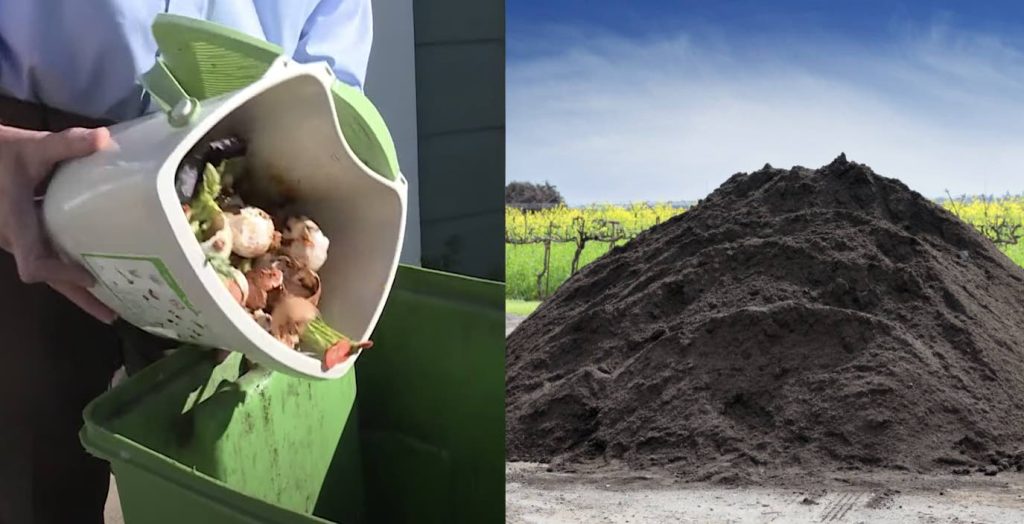
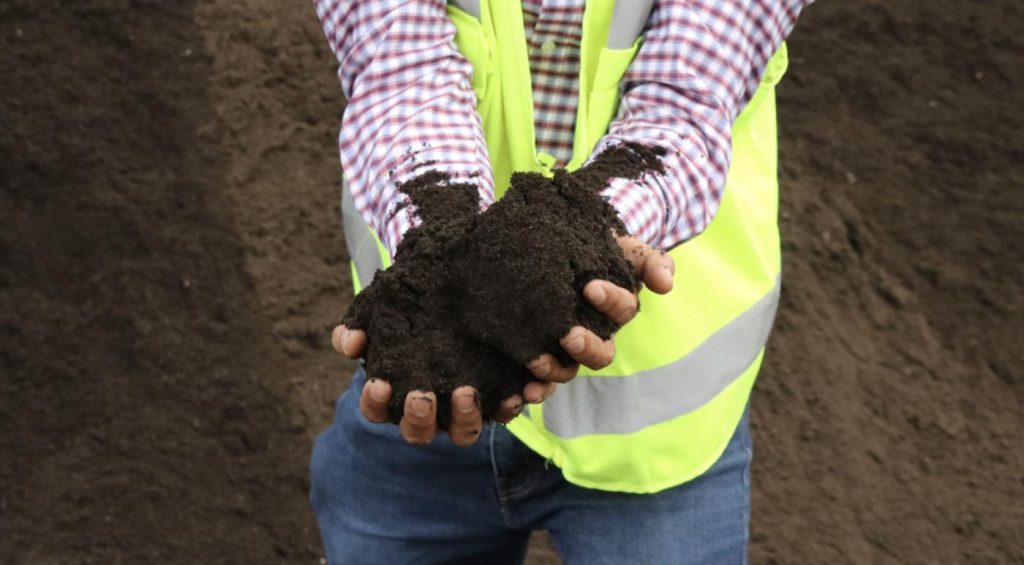
City composting programs produce thousands of truckloads of finished compost that go onto farms, orchards, and vineyards, creating a natural sponge that attracts and retains moisture. Not only that, the recycling loop is combatting global warming.
Food waste makes up nearly 20% of the stuff in our landfills. When that food decomposes, it releases methane; tens of times more potent than carbon dioxide, it’s one of the main greenhouse gasses fueling the climate crisis, and landfills are the third-largest source of methane emissions in the U.S.
More than 200 cities across the country, and many universities, have followed San Francisco’s lead and implemented curbside collection of food scraps for composting. In compliance with the new law—(SB 1383) requiring California cities to reduce landfilling of compostable materials by 75 percent by 2025—cities up and down California are establishing curbside programs that provide bins for food scraps, sticks, and leaves, so they can be turned into ‘black gold’ compost for farmers.
San Francisco-based Recology, an employee-owned company with a workforce of 3,800 operates 8 composting facilities in California, Oregon, and Washington serving nearly 150 communities. In 2020 alone, they recycled over 810,000 metric tons of organic waste, including food scraps and yard trimmings.
“This program gives individuals, communities and entire municipalities a way to do something very useful to help slow climate change—and to help get carbon out of the atmosphere and back into the soil where it belongs,” said Recology’s Robert Reed.
San Francisco’s pioneering food scrap collection program, which was maligned as something that would never work, created momentum for the statewide program.
“We started collecting food scraps separately from other trash in 1996,” Reed told GNN. “At the time, executives at the largest garbage companies were quoted in the trade press saying the San Francisco program had never been tried and would not work. They said our trucks would leak and our new program would fail.”
“In fact, our program worked and continues to work extremely well. San Franciscans have embraced curbside composting of food scraps together with sticks and leaves more than any other city in the country.”
That citywide green-bin program has diverted 2.5 million tons of compostable material from the landfill, which not only saved landfill space and eliminated thousands of tons of methane emissions, but also helped local farms grow more healthy (and tasty) food, using less water and less fertilizer.
“Soil is a living, breathing biomass. So, anything we can do to enhance the improvement of soil is going to improve the water-holding capacity and the water efficiency capacity that is wicked through the plant’s roots,” said agronomist Ed Davis of S&E Organics based in Bakersfield, California. “It also feeds rather than depletes the billions of microorganisms that make soil good for growing.”
Methane generated in landfill vs in compost
Landfill food scraps get buried under dirt, decomposing in an airless environment, while any composting process makes sure those microbes receive air and water, which does generate methane, but far less than would occur at a landfill. However, Recology captures the gasses generated at key stages of the composting process, rerouting them to a series of biofilters, which cut their methane emissions by more than 80 percent.
Delegations from 135 counties have traveled to San Francisco to view this program firsthand, which was implemented later at UC Berkeley and UC Davis, in Marin County and 11 cities in San Mateo County. Even the San Francisco Giants baseball stadium works with Recology toward a goal of Zero Waste.
Oakland, San Jose, and Palo Alto have followed SF’s lead, as has Napa. The state capitol of Sacramento will go live with its curbside composting on July 1.
Recology helped Austin, Texas, prepare their plan for curbside food scrap collection—and also advised officials in Paris, France, to implement a program in two districts.
Other cities adopting the trend—Portland, Seattle, Denver and Boulder, St. Paul and Minneapolis, Baltimore, Anchorage, Eugene, Cambridge, and Ann Arbor, Michigan—prove this is a win-win-win for our landfills, farmers, and the planet.
WATCH the news report about Recology below…
Don’t Scrap This Story! Spread the Awesomeness on Social Media…
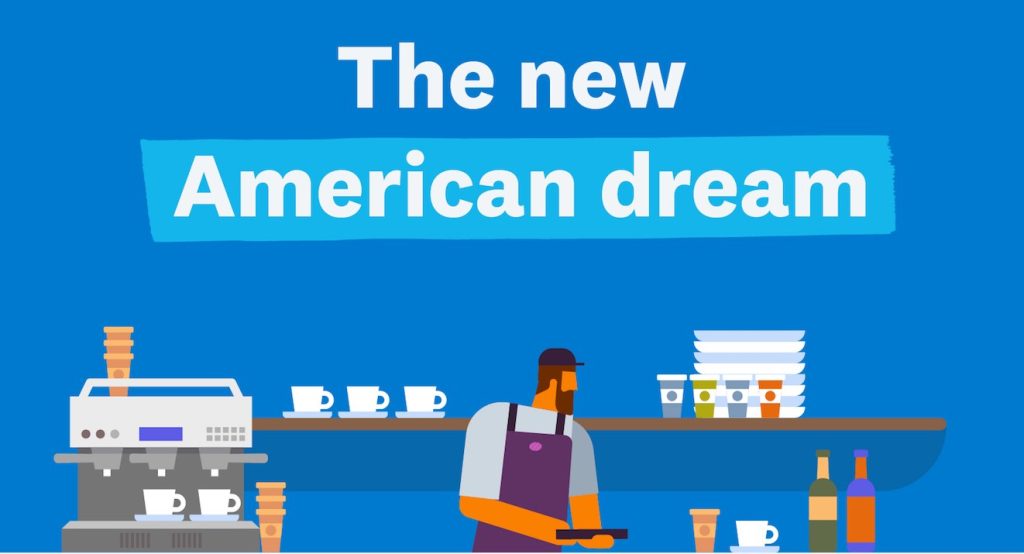
The ‘American Dream’ isn’t dead according to small business owners—65% of whom believe they currently are living it.
A new survey of 1,000 small business owners in the United States showed that respondents are focused on helping their businesses thrive—and 71% say that the “new” American dream can be achieved through sacrifice, risk-taking and hard work.
83 percent of the entrepreneurs said being “financially comfortable” aligns most with their definition of the ‘American Dream’.
32% of those polled agree that being self-made and providing for their families are rewards enough in themselves, but they know it takes time.
The survey, conducted by OnePoll and commissioned by Xero, a global small business platform, found that nearly half of business owners said they have a four-to-five-year plan to reach their personal goals.
Three in five hope to expand their stores into a chain, but only 25% have a physical store without an online e-store.
More than a third (36%) said they currently own both a physical and online store and 20% strictly do business online.
Respondents also shared the financial goals they have set for themselves and their businesses. 40% are working toward giving their employees health and retirement benefits, and 34% are focused on the goal of paying their employees more.
“Small businesses are the engine of the U.S. economy,” said Xero U.S. manager Ben Richmond.
“Connecting the different elements of business management by using technology can help owners be in control of their goals and focus on the passion that got them into business in the first place.”
TOP 5 FINANCIAL GOALS SMALL BUSINESS OWNERS HAVE
Giving their employees health/retirement benefits – 40%
Having enough money to play with – 36%
Paying their employees more – 34%
Paying off their mortgage – 34%
Negotiating their business’ lease – 34%
Quote of the Day: “I have observed dreams and visions carefully, and am certain that the imagination has some way of lighting on the truth that reason has not.” – William Butler Yeats
Photo by: Jr Korpa
With a new inspirational quote every day, atop the perfect photo—collected and archived on our Quotes page—why not bookmark GNN.org for a daily uplift?
A social media giant has created a selfie camera—and it can fly around your head and follow you around.
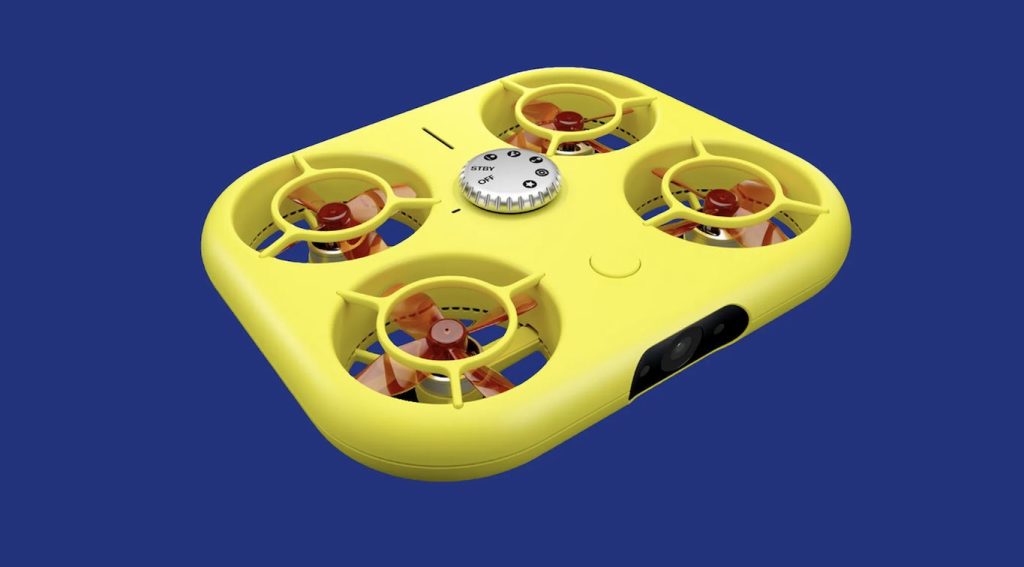
Snapchat, which has millions more active daily users than Twitter, has unveiled Pixy, a miniature drone they’ve dubbed “your friendly flying camera.”
The $230 device can take-off from your hand and follow any of four preset flight paths, including floating, orbiting, and following wherever you lead.
During the launch on Thursday April 28 the American company said they first created Snapchat as a new way to use your camera for self-expression and communication.
“Today, we’re bringing it to new heights with a flying camera called Pixy.”
Described as “a pocket-sized, free-flying sidekick”, the firm says Pixy can find its way back to your hand, landing gently at the end of the flight.
Though they designed Pixy to be a companion to Snapchat, it can be used with “any other platform”, although videos from flights are wirelessly transferred and saved into Snapchat Memories.
From there, you can use Snapchat’s editing tools, ‘Lenses, and Sounds’ to customize what you capture.
Pixy by Snapchat
The knob on top of the tiny ‘quadcopter’ lets you select what type of photo or video you want.
The mini-drone relies on computer vision and object recognition technology to identify people’s faces and bodies, which allows it to follow or “orbit” or land back in the palm of your hand.
A video of a father and his young son nailing a Frank Sinatra cover while driving in the car will make your day, if you’ve never seen the viral video.
Archie was only six years old when this dash-cam footage was shared by his mother and talented 36 year old dad, Matthew Clayton.
From Faversham, Kent, in England, they recreated the famous duet featuring Sammy Davis Jr. and Sinatra performing Me & My Shadow.
Matt called it “a lovely car ride.”
For over 30 years, Matt has been performing in stage cabaret, musical theatre, and concert productions across South East England, sharing his glitzy and charismatic musical style reminiscent of the 1950’s.
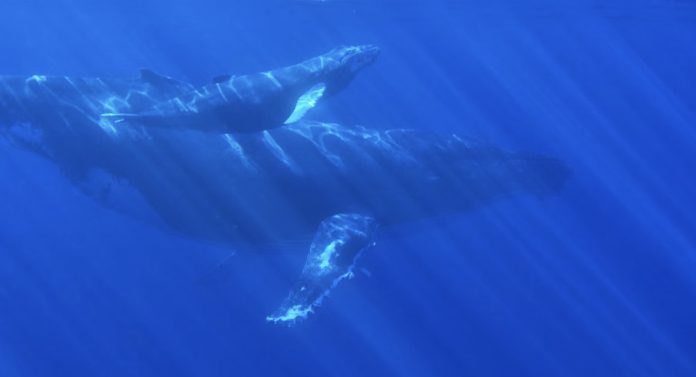
Sounds made by humpback whales—including a previously unknown call—have given researchers a glimpse of their lives in the high seas.
Scientists recorded the sounds hundreds of miles west of South Africa at the Vema Seamount in the Atlantic Ocean.
The “whup” and “grumble” calls captured suggest this location could be an important stop on the whales’ migration to polar feeding grounds.
Whale sounds are categorized into continuous “song” and shorter “non-song” calls. The study recorded 600 non-song calls over 11 days.
These included an “impulsive sound”—dubbed “gunshot” by the researchers— that has never been recorded before. Until now, impulsive gunshot sounds had only been associated with other baleen whale species, notably right whales, and bowhead whales which do not inhabit the region.
The most common whale call detected was the “whup”. The “whup” is known to be used between mother-calf pairs as a contact call that helps them locate each other while moving southward after the breeding season.
The research team from the universities of Stellenbosch (South Africa) and Exeter (UK), and Greenpeace Research Laboratories, used moored hydrophones to record the whales.
They said their study, published in the journal JASA Express Letters, highlights the importance of current negotiations over a UN treaty to govern the high seas.
“50 years ago, governments came together to turn around the fate of humpback whales,” said Dr. Kirsten Thompson, of the University of Exeter.
“Now they have a chance to secure the progress already made and protect the high-seas habitats that whales rely on.
They are advocating for a coherent and connected network of Marine Protected Areas across our oceans to ensure seamounts like Vema are protected. A seamount is an underwater mountain with steep sides rising from the seafloor, formed by volcanic activity.
The area around the Vema Seamount was heavily overfished after its discovery in 1959, but it is now closed for fishing and is recognized as a vulnerable marine ecosystem due to its unique biodiversity.
Will McCallum, Head of Oceans at Greenpeace, said a UN treaty is currently under negotiation, called the Marine Biodiversity of Areas Beyond National Jurisdiction, which would provide a framework for creating a network of Marine Protected Areas to cover 30% of the high seas.
“Once upon a time, the high seas were thought of as barren,” he said. “Ground-breaking research like this shows they are teeming with life.”
CALL Your Friends With an Impulsive Sound to Share This on Social Media…