











All News - Page 379 of 1727 - Good News Network
Home Blog Page 379

Your Inspired Weekly Horoscope From Rob Brezsny: A ‘Free Will Astrology’

Our partner Rob Brezsny provides his weekly wisdom to enlighten our thinking and motivate our mood. Rob’s Free Will Astrology, is a syndicated weekly column appearing in over a hundred publications. He is also the author of Pronoia Is the Antidote for Paranoia: How All of Creation Is Conspiring To Shower You with Blessings. (A free preview of the book is available here.)

Here is your weekly horoscope…

FREE WILL ASTROLOGY – Week of June 11, 2022
Copyright by Rob Brezsny, FreeWillAstrology.com

GEMINI (May 21-June 20):
It’s an excellent time to correct and uplift your self-image. I invite you to speak the following affirmations aloud: “I am not damaged. I am not on the wrong path. I am not inept or ignorant or off-kilter. The truth is, I am learning how to live. I am learning how to be a soulful human and I am doing a reasonably good job at that task. I do a lot of things really well. I’m getting to know myself better every day. I constantly surprise myself with how skilled I am at adjusting to life’s constant changes. I AM AMAZED AT HOW MUCH PROGRESS I HAVE MADE IN LEARNING HOW TO LIVE.”

CANCER (June 21-July 22):
In the Tibetan language, the term nyingdu-la means “most honored poison of my heart.” Many of us know at least one person who fits that description: an enemy we love to hate or a loved one who keeps tweaking our destiny or a paradoxical ally who is both hurtful and helpful. According to my analysis, it’s time for you to transform your relationship with a certain nyingdu-la in your life. The bond between you might have generated vital lessons for you. But now it’s time for a re-evaluation and redefinition.

LEO (July 23-Aug. 22):
“Don’t pray for the rain to stop,” advises Leo poet Wendell Berry. “Pray for good luck fishing when the river floods.” That’s useful advice for you, my dear. The situation you’re in could turn out to be a case of either weird luck or good luck. And how you interpret the situation may have a big impact on which kind of luck it brings. I urge you to define the potential opportunities that are brewing and concentrate on feeding them.

VIRGO (Aug. 23-Sept. 22):
Virgo writer Julio Cortázar (1914–1984) once remarked, “How tiring it gets being the same person all the time.” That’s surprising. In fact, Cortázar was an innovative and influential author who wrote over 30 books in four genres and lived for extended periods in five countries. It’s hard to imagine him ever being bored by his multifaceted self. Even if you’re not a superstar like Cortázar, Virgo, I expect you will be highly entertained and amused by your life in the coming weeks. I bet you will be even more interesting than usual. Best of all, you will learn many fresh secrets about your mysterious soul.

LIBRA (Sept. 23-Oct. 22):
The blogger Frogbestfriend says, “One of the biggest problems with society nowadays is that I am so, so sleepy.” Frogbestfriend is humorously suggesting that his inability to maintain good sleep habits is rooted in civilization’s dysfunctions. He’s right, of course! Many of our seemingly personal problems are at least partially rooted in the pathological ways the whole world operates. Our culture influences us to do things that aren’t always healthy and wise. I bring this to your attention, Libra, because now is a favorable time to meditate on society’s crazy-making effects on you. Now is also a pivotal moment to heal yourself of those crazy-making effects.

SCORPIO (Oct. 23-Nov. 21):
Poet Maggie Smith writes, “We talk so much of light. Please let me speak on behalf of the good dark. Let us talk more of how dark the beginning of a day is.” I offer her proposal as a fertile theme for your meditations. Of all the signs in the zodiac, you Scorpios are most skilled at teasing out the good stuff from shadows and secrets and twilight. And your potency in these matters is even higher than usual right now. Do us all a favor and find the hidden redemptions and potential regenerations.

SAGITTARIUS (Nov. 22-Dec. 21):
When actors and other creative people in film win Oscars at the Academy Awards ceremony, they come on stage and deliver short talks, acknowledging their honor. These speeches often include expressions of gratitude. An analysis revealed that over the years, Sagittarian director Steven Spielberg has been thanked by winners more often than anyone else—even more than God. Based on my reading of astrological omens, I believe you deserve that level of appreciation in the coming weeks. Please show this horoscope to everyone you know who may be willing to carry out my mandate. Be proactive in collecting tribute, credit, and favors.

CAPRICORN (Dec. 22-Jan. 19):
In the ancient Greek story of Odysseus, the hero leaves his home in Ithaka to fight in the Trojan War. When the conflict is over, he yearns to return to the beloved life he left behind. But his journey takes 10 years. His tests and travails are many. The 20th-century Greek poet C. P. Cavafy offered advice to Odysseus at the beginning of his quest: “As you set out for Ithaka, hope your road is a long one, full of adventure, full of discovery . . . Keep Ithaca always in your mind. Arriving there is what you’re destined for. But don’t hurry the journey. Better if it lasts for years, so you’re old by the time you reach the island, wealthy with all you’ve gained on the way.” As you begin your new phase of returning home, Capricorn, I invite you to keep Cavafy’s thoughts in mind.

AQUARIUS (Jan. 20-Feb. 18):
“I have never, ever, EVER met anyone who has regretted following their heart,” writes life coach Marie Forleo. But what exactly does she mean by “following their heart”? Does that mean ignoring cautions offered by your mind? Not necessarily. Does it require you to ignore everyone’s opinions about what you should do? Possibly. When you follow your heart, must you sacrifice money and status and security? In some cases, yes. But in other cases, following your heart may ultimately enhance your relationship with money and status and security. Anyway, Aquarius. I hope I’ve inspired you to meditate on what it means to follow your heart—and how you can do that intensely during the coming months.

PISCES (Feb. 19-March 20):
Actor and author Jenny Slate testifies, “As the image of myself becomes sharper in my brain and more precious, I feel less afraid that someone else will erase me by denying me love.” That is the single best inspirational message I can offer you right now. In the coming months, you will earn the right and the capacity to make the same declaration. Your self-definition will become progressively clearer and stronger. And this waxing superpower will enable you to conquer at least some of your fear about not getting enough love.

ARIES (March 21-April 19):
“It takes a spasm of love to write a poem,” wrote Aries author Erica Jong. I will add that it takes a spasm of love to fix a problem with someone you care about. It also takes a spasm of love to act with kindness when you don’t feel kind. A spasm of love is helpful when you need to act with integrity in a confusing situation and when you want to heal the past so it doesn’t plague the future. All the above advice should be useful for you in the coming weeks, Aries. Are there any other variations you can think of? Fill in the blank in the next sentence: It takes a spasm of love to…

TAURUS (April 20-May 20):
“The great epochs of our life come when we gain the courage to rechristen our badness as what is best in us,” wrote philosopher Friedrich Nietzsche. When I read that ambitious epigram, I didn’t know what he was referring to. By “badness,” did he mean the ugly, pathological parts of us? That couldn’t be right. So I read scholars who had studied the great philosopher. Their interpretation: Nietzsche believed the urges that some religions seek to inhibit are actually healthy for us. We should celebrate, not suppress, our inclinations to enjoy sensual delights and lusty living. In fact, we should define them as being the best in us. I encourage you Bulls to do just that in the coming weeks. It’s a favorable time to intensify your devotion to joy, pleasure, and revelry.

WANT MORE? Listen to Rob’s EXPANDED AUDIO HOROSCOPES, 4-5 minute meditations on the current state of your destiny — or subscribe to his unique daily text message service at: RealAstrology.com

(Zodiac images by Numerologysign.com, CC license)

SHARE The Wisdom With Friends Who Are Stars in Your Life on Social Media…
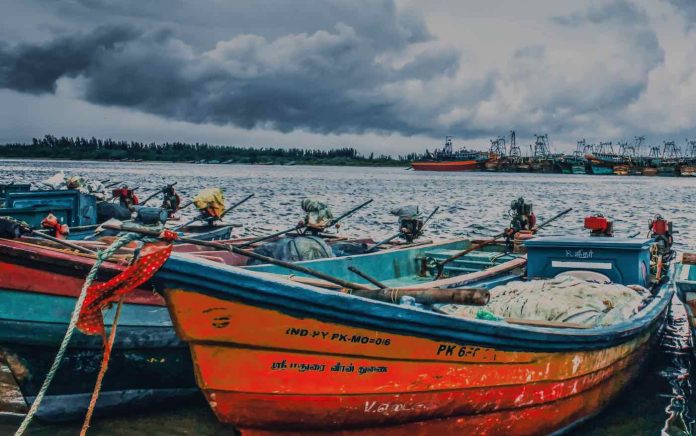
“Don’t pray for the rain to stop. Pray for good luck fishing when the river floods.” – Wendell Berry

Quote of the Day: “Don’t pray for the rain to stop. Pray for good luck fishing when the river floods.” – Wendell Berry

Photo by: Craig Cameron

With a new inspirational quote every day, atop the perfect photo—collected and archived on our Quotes page—why not bookmark GNN.org for a daily uplift?

How Ketamine is a Speedster Antidepressant and Could Be Adapted For Use to Avoid Side Effects

Ketamine is the speedster of antidepressants, working within hours compared to more common antidepressants that can take several weeks. But ketamine can only be given for a limited amount of time because of its many side effects.

Now, a new Northwestern Medicine study identifies for the first time exactly how ketamine works so quickly, and how it might be adapted for use as a drug without the side effects.

The study in mice shows ketamine works as a rapid antidepressant by increasing the activity of the very small number of newborn neurons, which are part of an ongoing neurogenesis in the brain.

New neurons are always being made at a slow rate. It’s been known that increasing the number of neurons leads to behavioral changes. Other antidepressants work by increasing the rate of neurogenesis, in other words, increasing the number of neurons. But this takes weeks to happen.

By contrast, ketamine produces behavioral changes simply by increasing the activity of the existing new neurons. This can happen immediately when the cells are activated by ketamine.

RELATED: Physical Activity During Depression Not Only Reduces Symptoms, But Increases Brain’s Ability to Change, Says Study

“We narrowed down the population of cells to a small window that is involved,” said lead study author Dr. John Kessler, a professor of neurology at Northwestern University Feinberg School of Medicine and the Ken and Ruth Davee Professor of Stem Cell Biology. “That’s important because when you give ketamine to patients now, it affects multiple regions of the brain and causes a lot of adverse side effects. But since we now know exactly which cells we want to target, we can design drugs to focus only on those cells.”

The side effects of ketamine include blurred or double vision, nausea, vomiting, insomnia, drowsiness and addiction.

Goal to develop faster-working antidepressant

“The goal is to develop an antidepressant that doesn’t take three to four weeks to work because people don’t do well during that period of time,” Kessler said. “If you are badly depressed and start taking your drug and nothing is happening, that is depressing in itself. To have something that works right away would make a huge difference.”

“We prove neurogenesis is responsible for the behavioral effects of ketamine,” Kessler said. “The reason is these newborn neurons form synapses (connections) that activate the other cells in the hippocampus. This small population of cells acts like a match, starting a fire that ignites a bunch of activity in a lot of other cells that produce the behavioral effects.”

MORE: Eating Mushrooms Could Lower Risk of Depression, New Study Says

“However, it has not been understood that the same behavioral changes can be accomplished by increasing the activity of the new neurons without increasing the rate at which they are born,” Kessler said. “This obviously is a much more rapid effect.”

For the study, Northwestern scientists created a mouse in which only the very small population of newborn neurons had a receptor that allowed these cells to be silenced or activated by a drug that did not affect any other cells in the brain. Scientists showed if they silenced the activity of these cells, ketamine didn’t work anymore. But if they used the drug to activate this population of cells, the results mirrored those of ketamine. This showed conclusively that it is the activity of these cells that is responsible for the effects of ketamine, Kessler said.

The study was published in Nature Communications.

Source: Northwestern University

Share This Hopeful Finding With the Others In Your Life…

‘Superworm’ With Appetite for Polystyrene Could be Key to Mass-Scale Recycling

SWNS
SWNS

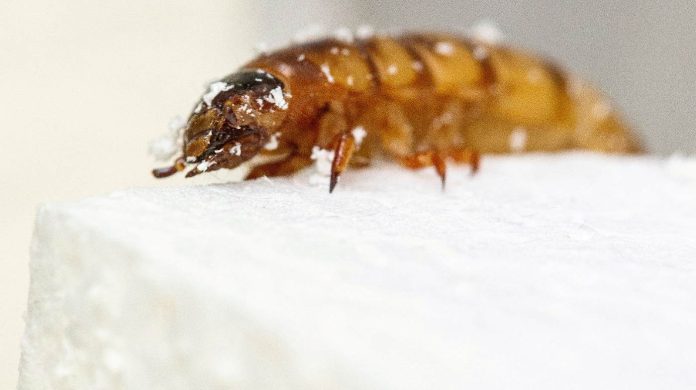
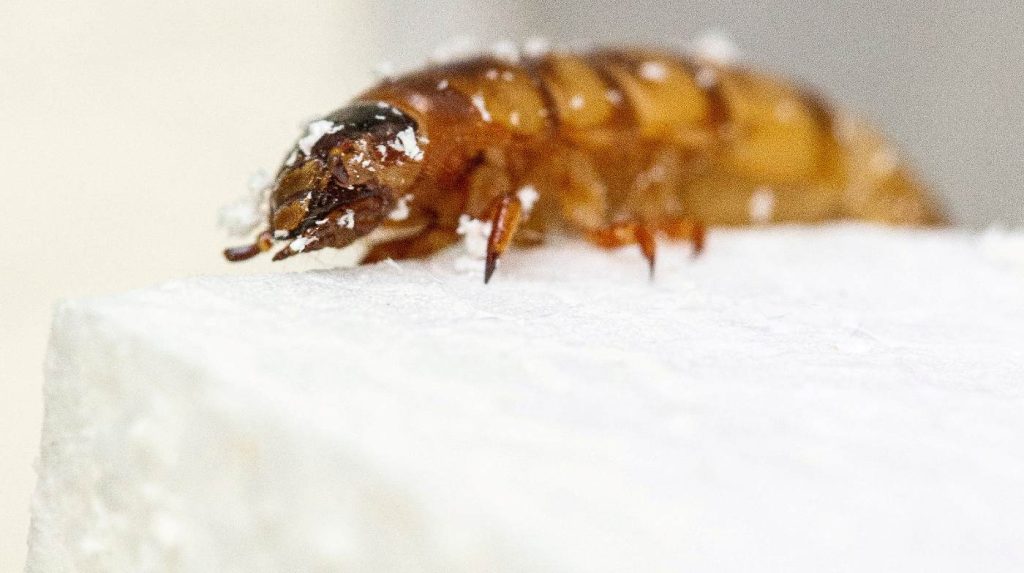
A ‘superworm’ with an appetite for polystyrene could be the key to plastic recycling on a mass scale, according to a new study.

The species is capable of munching through plastic waste thanks to a bacterial enzyme in their gut, say Australian scientists.

Dr Chris Rinke, and his team at the University of Queensland’s School of Chemistry and Molecular Biosciences, fed superworms different diets over a three-week period, with some given polystyrene foam, some bran, and others put on a fasting diet.

They discovered that the common Zophobas morio ‘superworm’ can eat through polystyrene.

“We found the superworms fed a diet of just polystyrene not only survived, but even had marginal weight gains,” Dr Riske said. “This suggests the worms can derive energy from the polystyrene, most likely with the help of their gut microbes.”

The research team used a technique called metagenomics to find several encoded enzymes with the ability to degrade polystyrene and styrene.

MORE: Electric Cars Could Be Made With Plastic From Clunkers According to New Research

Dr Riske says the long-term goal is to engineer enzymes to degrade plastic waste in recycling plants through mechanical shredding, followed by enzymatic biodegradation.

“Superworms are like mini recycling plants, shredding the polystyrene with their mouths and then feeding it to the bacteria in their gut,” he said.

“The breakdown products from this reaction can then be used by other microbes to create high-value compounds such as bioplastics.”

The team hope that the ‘bio-upcycling’ will incentivize plastic waste recycling and reduce landfill.

Study co-author Jiarui Sun says they aim to grow the gut bacteria in the lab and further test its ability to degrade polystyrene.

RELATED: Texas Scientists Have Created a Protein That Breaks Down Plastic Bottles

“We can then look into how we can upscale this process to a level required for an entire recycling plant,” PhD candidate Ms Sun said.

Dr Rinke said there are many opportunities for the biodegradation of plastic waste.

“Our team is very excited to push the science to make it happen,” he added.

The findings were published in the journal Microbial Genomics.

WRIGGLE This Scientific Breakthrough Over to Chums…

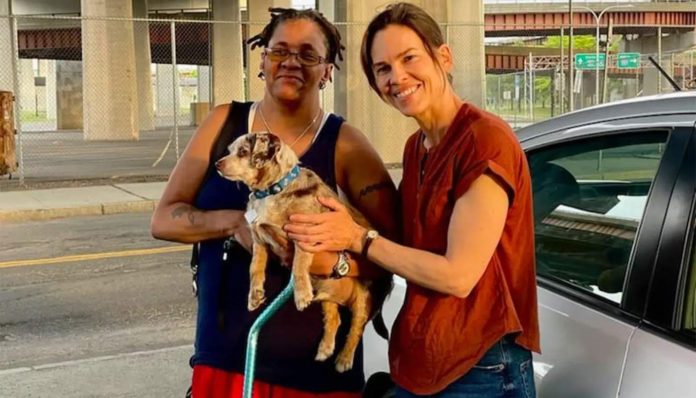
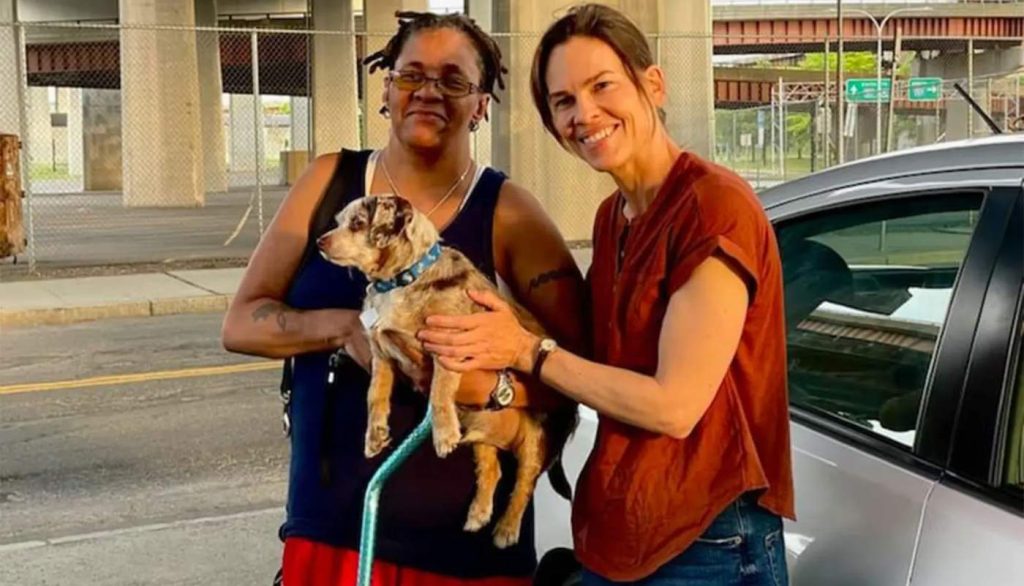
New York Woman Finds Her Lost Dachshund — in Hilary Swank’s Lap

vh
Chelsea Blackwell/Facebook

Losing a dog is distressing, losing a 15-year-old dog is worse—and losing a 15-year-old dachshund is a grim situation indeed.

Luckily for distraught owner Chelsea Blackwell, her dog had made its way into the arms of a person who could help.

Blackwell lost Blue the dachshund in her home town of Albany last Monday, prompting her to drive around looking and asking passersby if they had seen the dog. Then, nearing the Greyhound bus stop, she noticed something out of the ordinary.

“I noticed there were like eight police cars and people with cameras—I thought maybe somebody got shot,” Blackwell told an Albany paper. “I asked them if anyone saw a little brown dog.”

What happened next is that a member of the crowd replied, “yes, we’ll call her,” sparking curiosity in Blackwell. Inquiring as to the “her,” the person said that a celebrity had found her dog, and the next thing she knew, a car had pulled up and out came Million Dollar Baby star Hillary Swank, with Blue cradled in her arms.

MORE: Millipede Species Named After Taylor Swift by Scientist Superfan: ‘Her music helped me through grad school’

“I was like, ‘No way,'” Blackwell said. “As soon as she got out of the car, I kissed Blue and said, ‘Thank you so much.'”

The two-time Oscar winner offered to take a photograph with Blackwell, who said that Swank was not going to “blow her own horn” about the good deed.

LOOK: Gordon Ramsay Shocks School Cafeteria Manager Who Called in to Talk Show Asking For Substitute Chef For the Day

Swank has a history of animal advocacy, including co-founding the Hilaroo Foundation, which helps connect at-risk teens with shelter dogs in order to foster a healing connection.

RAISE a Paw For This Happy Rescue; Share the Story…

Remove the Sickly Houseplants From Your Home or Office – They’re Making You Sad

By Vicky G, CC license

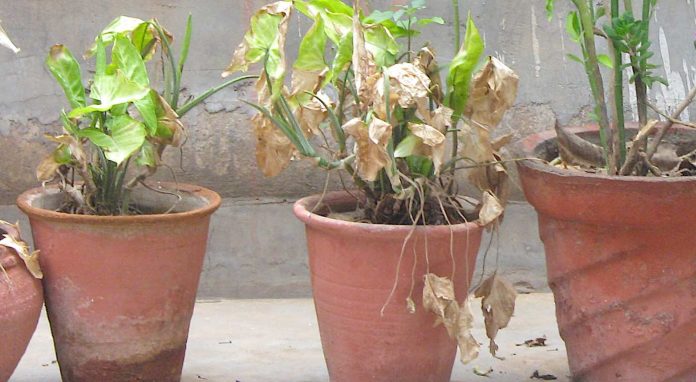
If a healthy house plant makes one relax, an unhealthy plant doesn’t do anything right? In reality, unhealthy or dying plants go the other way—making us depressed.

A study done by the English RHS (Royal Horticultural Society) found that dead or sickly houseplants are worse than having no plants at all, and should be removed immediately.

The health benefits of having a healthy house or office plant, such as a birds-nest fern, Ficus, or snake plant, are well worth the effort of taking care of them. They can absorb volatile organic compounds emitted by paint or furniture, oxygenate the room, and help reduce stress by seeing living green.

But this is only the case when healthy. The study from the University of Reading asked participants to rate plants in various states of health for their appearance and perceived ability to clean the air.

A neglected palm used in the study “was the least attractive, least preferred plant and participants thought the appearance was unhealthy and depressing.”

MORE: Eating Mushrooms Could Lower Risk of Depression, New Study Says

“This important finding shows that to benefit occupants’ well-being, sick or dead plants should be removed from the indoor environment,” the authors concluded.

They went further to suggest that people with little experience looking after plants should avoid plants that are difficult to care for. An example of this might be an orchid, which can live indoors but which is difficult and moody.

RELATED: Man Decides to Give Bone Marrow to Soothe His Depression – Not Only Did Her Cancer go into Remission But MS Too

Another conclusion was that people should avoid decorating the home or office with plants that feature the color brown, as a large section of the participants said it didn’t make them feel good, but rather sad, and that spherical or conical shapes should be preferred to spreading plants.

Featured image: By Vicky G, CC license

FRESHEN Up Those News Feeds; Share This Story…

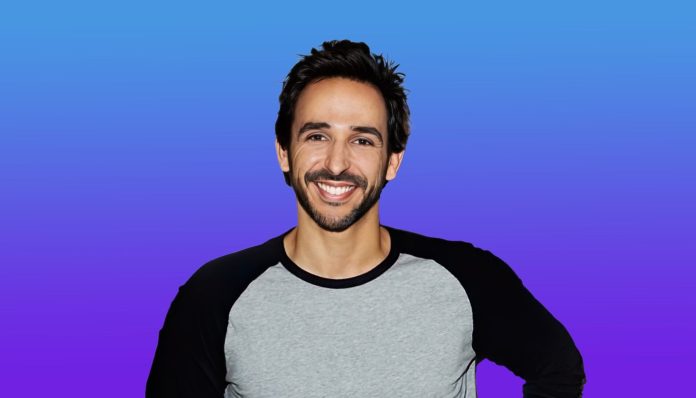
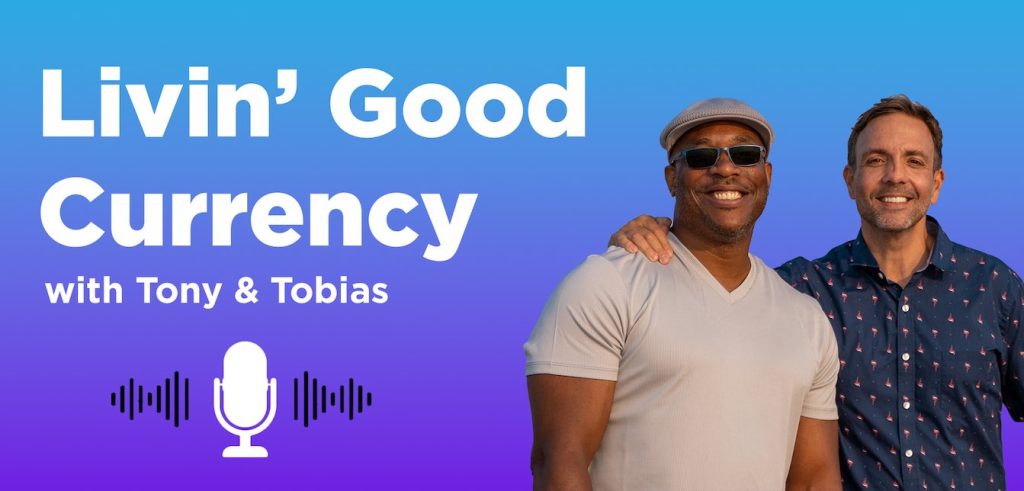
Livin’ Good Currency Ep. 12: Actor Amir Arison on Gratitude for the Present Amid Anxiety for the Future

The Lesson: Perhaps it’s no surprise that professional acting takes a toll on one’s emotions, but taking over the roles of emotionally-troubled characters is all the more challenging. What can professional actors share to others about confronting despair of the past, gratitude for the present, and anxiety of the future?

Notable Excerpt: “I heard this once, I made friends with my anxiety and turned it into my engine. But you have to be careful because it can sometimes overpower and then Worry will steal (your energy). Anxiety and anxiousness is something I’ve always worked with to move myself forward… When you’re in a more vulnerable place, gratitude can hit you like a Mack truck—the attitude of gratitude is the key to daily living (or at least) it certainly helps when you get off track.”

The Guest: Amir Arison is a well known actor, director and activist. Best known for his work on the NBC/Sony/Netflix international hit series The Blacklist as tech-wizard Aram Mojtabai. Other TV credits include recurring & guest appearances on Law & Order: SVU, American Horror Story, as well as many others including the current HULU limited series THE DROPOUT.

He is the recipient of the Mendez Award from MIFF, given to an individual in the entertainment industry who uses their platform to give back. He currently teaches workshops and directs/performs for multiple organizations including The New School, Pace University, YoungArts, United Arts Partnership, NBC director’s diversity showcase, Broadway for All, Broadway Workshop, Bridge Builders, Hole-In-The-Wall-Gang-Camp, and Angelight Films.

The Podcast: Livin’ Good Currency explores the relationship of time to our lives. It gives a simple, straight-forward formula that anyone can use to be present in the moment—and features a co-host who knows better than anyone the value of time (see below). How do you want to spend your life? This hour can inspire you, along with upcoming guests, to be sure you are ‘Livin’ Good Currency’ and never get caught running out of time.

The Hosts: Good News Network fans will know Tony (Anthony) Samadani as the co-owner of GNN and its Chief of Strategic Partnerships. Co-host Tobias Tubbs was handed a double life sentence without the possibility of parole for a crime he didn’t commit. Behind bars, he used his own version of the Livin’ Good Currency formula to inspire young men in prison to turn their hours into honors. An expert in conflict resolution, spirituality, and philosophy, Tobias is a master gardener who employs ex-felons to grow their Good Currency by planting crops and feeding neighborhoods.

“If you can’t believe in miracles, then believe in yourself. When you want something bad enough, let that drive push you to make it happen.” – Isabel Lopez

Quote of the Day: “If you can’t believe in miracles, then believe in yourself. When you want something bad enough, let that drive push you to make it happen.” – Isabel Lopez

Photo by: Sebastian Knoll

With a new inspirational quote every day, atop the perfect photo—collected and archived on our Quotes page—why not bookmark GNN.org for a daily uplift?

Guy Finds Lost Wedding Ring and Delivers to Honeymoon Couple Using a LEGO Man With Metal Detector

SWNS
SWNS

A metal detectorist who found a newlywed’s wedding ring on a beach surprised them, by sending a picture of it being held by a LEGO man.

44-year-old groom Richard Whetter and his bride Anne arrived on the island of Jersey for their honeymoon last month.

But Richard lost his wedding ring during a romantic stroll in Portelet Bay two days later.

He says he took off his ring to go swimming, and put it by his shoe. Unfortunately, as a newlywed he wasn’t used to owning such an item—and forgot to put it back on. It was only when he got back to the car that he realized it was missing.

The couple traveled back to their hotel and told a porter who immediately contacted local metal detectorist Steve Andrews. Still, they thought the ring had been lost forever.

For Steve, it took only ten minutes to find the lost item.

SWNS

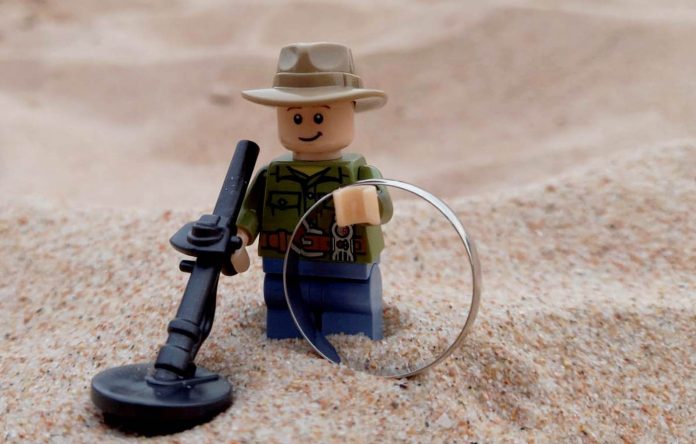
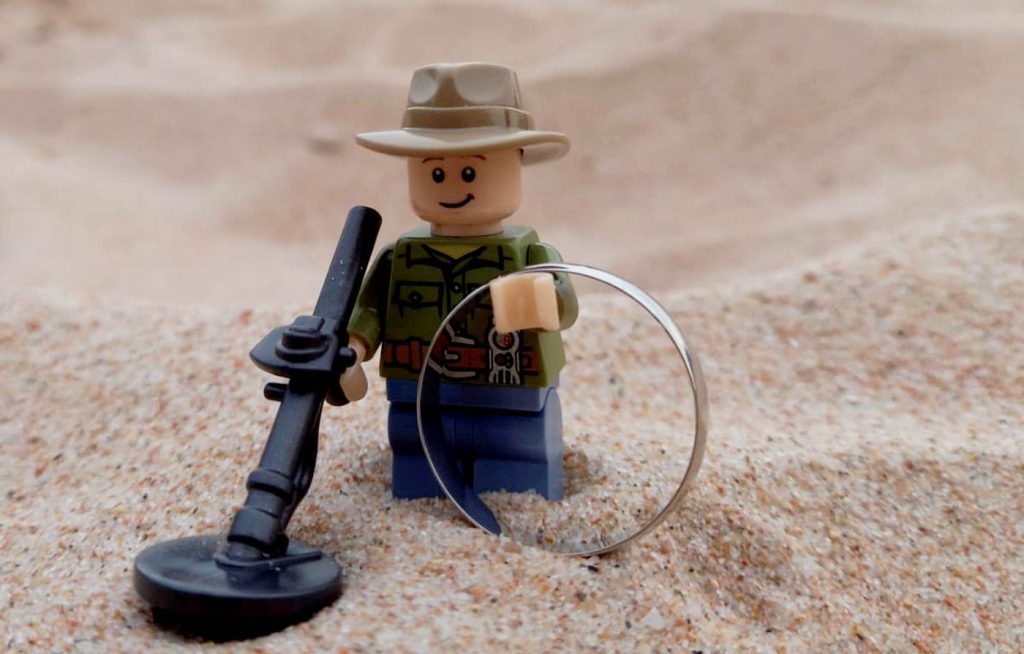
Steve marks his finds with a special picture of a LEGO man. In fact, it’s a mini-replica of himself—complete with matching clothes and a little metal detector.

RELATED: Widow Finds Late Husband’s Wedding Ring Under Apple Tree – 35 Years After He Lost It

He never charges for his work. “The thing I enjoy most about detecting is re-uniting people with their items,” he says. “I was delighted to find the ring; it was one of the quickest I’ve ever completed.”

MORE: Man in Pakistan Needed Surgery in Alabama – Got So Much Love That He Invited the Entire City to His Wedding

“The LEGO man is just a nice thing to send to people. I find their item and take a photo as a sort of ‘I’ve found it!’ I got it as a jokey present from my sister, and it just stuck.”

Richard, who lives in Bristol, said, “I’m really grateful for Steve. What could have been an absolute disaster turned into a valuable lesson learnt—with an amusing edge”.

DON’T LOSE the Good News; Share This Story With Chums…

New York Passes Law to Shut Down the Puppy Mill Pipeline

Animal welfare groups have commended the New York State Legislature for passing the Puppy Mill Pipeline Bill—groundbreaking legislation that will end the retail sale of dogs, cats, and rabbits in pet stores across the state.

Championed by Assembly member Linda B. Rosenthal and Senate Deputy Majority Leader Michael Gianaris, this bill now heads to Gov. Kathy Hochul. If signed into law, it would stop the flow of cruelly bred puppies into New York.

“Over the years we have tried to regulate pet stores, but the industry continues to prioritize profits over the welfare of animals. My legislation will finally shut down the pet store-to-puppy mill pipeline once and for all,”  Linda B. Rosenthal said. 

“With so many good animals in need of rescue, there is no need for abusive puppy mills to supply pet stores. Our four-legged companions should be treated with respect, not like commodities,” noted Senate Deputy Leader Michael Gianaris.

The Puppy Mill Pipeline Bill is supported by leading animal welfare groups including the ASPCA (The American Society for the Prevention of Cruelty to Animals), the Humane Society of the United States (HSUS), and various others, including millions of New York animal lovers who support ending the sale of puppies in pet stores.

MORE: Iceland To Hang Up Her Harpoons For Good, Issuing No More Whaling Permits

Puppies sold in pet stores come from commercial breeding operations that are designed to prioritize profit over the well-being of the animals. Breeding dogs in these facilities are often kept without adequate shelter, veterinary care, food, or socialization.

These puppies can suffer severe health and behavioral issues–and families are often unprepared for the financial loss and heartbreak that come with buying a sick puppy.

LOOK: Endangered Humpback Whales Gain New Protections in Pacific Ocean From the U.S

This broken system is made possible because it’s still legal to sell dogs in New York pet stores, leaving New York to become one of the puppy mill industry’s largest markets. When the Puppy Mill Pipeline Bill is signed into law, New York will shut down this pipeline and deny cruel mills access to New York’s communities.

That’s hopeful news indeed.

Source: ASPCA

RAISE a Paw For Progressive Laws Like This One; Share It On Social Media…
After 10 Year Absence, World’s Most Endangered Sea Turtle Nests on Texas Beach, With a Little Help From Friends

https://www.facebook.com/GalvestonIslandStatePark/posts/374216508080711
Galveston Island State Park/Facebook

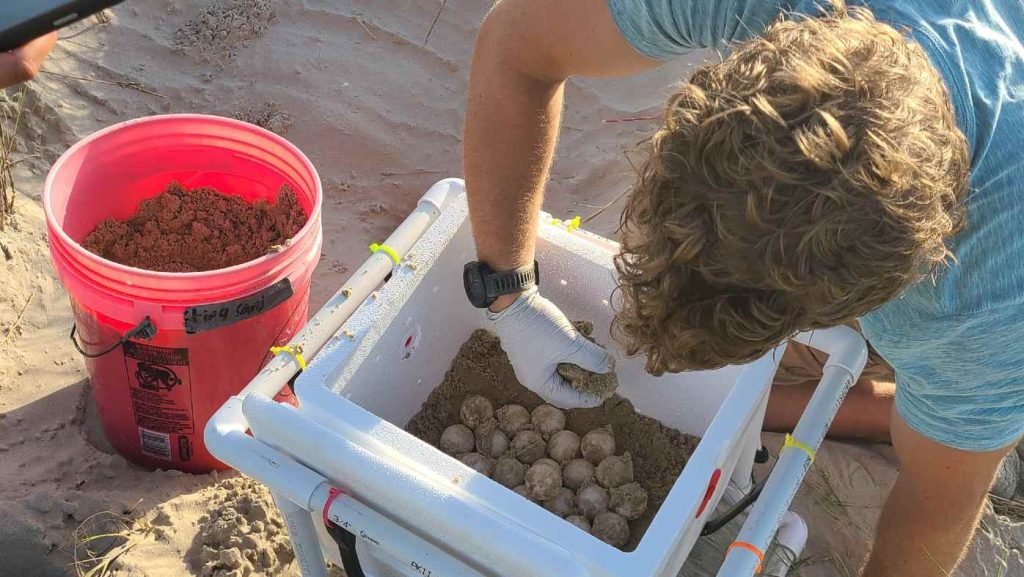
In Galveston Island State Park, a routine survey has uncovered a nest of 107 extremely precious turtle eggs belonging to a Kemp’s Ridley sea turtle’ a species listed as Critically Endangered, it is the most at-risk sea turtle on the globe.

It’s been a long, lonely decade for Texas A&M’s Sea Turtle Patrol; they haven’t found a Lone Star State turtle nest since 2012. The exhilarating discovery ended in mid-May when the eggs were transported to an incubation center, where there chances of survival raise from a pittance to a near-certainty.

Kemp’s Ridley sea turtle is a smoother, smaller turtle than more widely-known species like the Green, Loggerhead, or Hawksbill sea turtles. It’s one of just two members of the genus Lepidochelys and has been on the Earth for around 160 million years in its current form.

Widely dispersed around Mexico, in the U.S. they have been found only in Texas. In 1947, aerial surveys recorded on the beaches of Rancho Nuevo, Mexico, confirmed that this species used to come ashore by the tens of thousands but catastrophic population lost followed.

“A lot of nesting habitat for the Kemp’s Ridley has been lost to storms, high tide and predation, which is why it is important to transport these nests to an environment where they have the best chance for survival into adulthood,” said Christopher Marshall, Professor of Marine Biology at Texas A&M University at Galveston and Director for the Gulf Center for Sea Turtle Research.

RELATED: Rare Turtles Known For Their Permanent Smiles Saved From Extinction in Myanmar

Conservation efforts were already focused on restoring this marine reptile to its former hordes by 1980, and indeed by the 2000s, 10,000 individuals were recorded nesting on Padre Island National Seashore.

Two major declines in population followed, and by 2014 the number of nests found each year on Padre Island fell by 45%. On Galveston Island, they disappeared all together.

MORE: New Technology for Saving Endangered Sea Turtles Uses Decoy GPS Eggs to Catch Poachers – And it Works

Conservation efforts are ongoing, with Smithsonian reporting that around 5,500 individuals nest on the beaches of Mexico, and 55 nest in Texas. Returns to old breeding haunts is a solid sign of population recovery, and hopefully A&M’s Turtle Patrol won’t have to wait another ten years to find the next nest.

(SLOWLY) Share This Story With All Your Nature-Loving Chums…

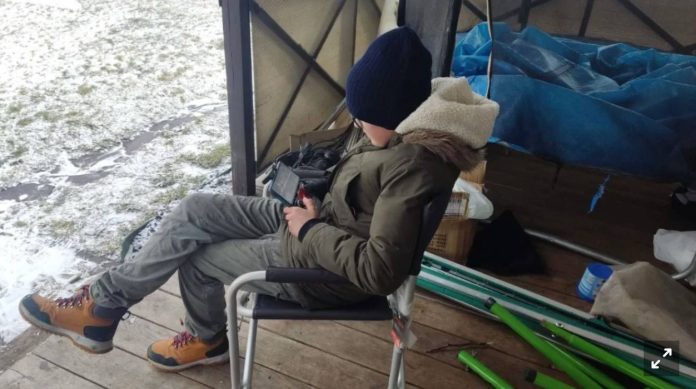
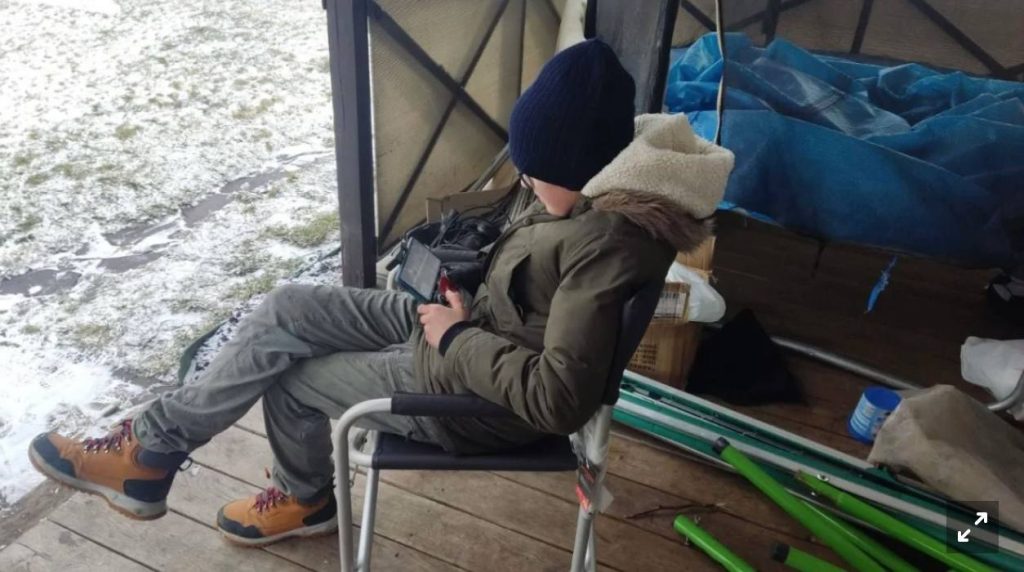
Teen Hailed as ‘Hero of Ukraine’ For Using His Drone to Pinpoint Russian Convoy Headed Toward Capital

ndrii Pokrasa courtesy family photo supplied
Courtesy the Pokrasa family

A teenager used his very own drone to spot a Russian convoy approaching his town, providing real-time positional information which allowed Ukrainian artillery to destroy it.

Quietly being hailed as a Hero of Ukraine, Andrii Pokrasa is just one of over a thousand civilian drone operators that are aiding in their country’s defense with everyday drones.

We know of drones through their myriad of different uses. One thing that many don’t realize is how much they’ve decentralized what were once cost-prohibitive activates, such as cinematography, news reporting, and even military operations in countries where the money to afford such activities is rarely available.

The Federation of Drone Owners of Ukraine has worked from day one alongside the military, while also encouraging hundreds of their members to conduct reconnaissance missions.

15-year-old Pokrasa’s intervention, confirmed to Global News Canada by a military officer and his parents, was the main reason the Russian military convoy didn’t overrun his town.

RELATED: Tiny Bomb-Sniffing Jack Russell is a National Hero, Sporting a Presidential Medal

“He was the only one who was experienced with drones in that region,” explained the commander of the armed forces unmanned reconnaissance section, Yurii Kasjanov. “He’s a real hero, a hero of Ukraine.”

After confirming the convoy’s position, Andrii passed the information to his father, who in turn sent it to Ukrainian military over a social media channel, which resulted in the convoy’s destruction.

MORE: Baby Blanket Crocheted by Queen Mary and Surviving WWII Set to Raise Money for Ukraine Children’s Fund

Pokrasa, who has a dreadful fear of heights, became interested in drones after watching a YouTube video filmed above the skyline of Kyiv.

In a truly 21st-century story, he used the money that he and his father had saved up buying and selling cryptocurrency to afford the drone, which, costing a few hundred dollars, was used to turn a multi-million dollar military invasion force into disorganized, smoldering rubble on the roadside.

(WATCH the Global News Canada video for this story below.)

SHARE This Story With Anyone Who Needs Uplifted Today…

“The cause of most of man’s unhappiness is sacrificing what he wants most for what he wants now.” – Gordon B. Hinckley

Quote of the Day: “The cause of most of man’s unhappiness is sacrificing what he wants most for what he wants now.” – Gordon B. Hinckley

Photo by: Alexander Schimmeck

With a new inspirational quote every day, atop the perfect photo—collected and archived on our Quotes page—why not bookmark GNN.org for a daily uplift?

Coffee May Cut Risk of Acute Kidney Injury, Scientists Discover

Gaelle Marcel - Unsplash

If you need another reason to start the day drinking a cup of joe, a recent study by Johns Hopkins Medicine researchers has revealed that consuming at least one cup of coffee a day may reduce the risk of acute kidney injury (AKI) when compared to those who do not drink coffee.

The findings show that those who drank any quantity of coffee every day had a 15% lower risk of AKI, with the largest reductions observed in the group that drank two to three cups a day (a 22%23% lower risk).

“We already know that drinking coffee on a regular basis has been associated with the prevention of chronic and degenerative diseases including type 2 diabetes, cardiovascular disease and liver disease,” says study corresponding author Chirag Parikh, M.D., Ph.D., director of the Division of Nephrology and professor of medicine at the Johns Hopkins University School of Medicine. “We can now add a possible reduction in AKI risk to the growing list of health benefits for caffeine.”

AKI, as described by the National Kidney Foundation, is a “sudden episode of kidney failure or kidney damage that happens within a few hours or a few days.” This causes waste products to build up in the blood, making it hard for kidneys to maintain the correct balance of fluids in the body.

AKI symptoms differ depending on the cause and may include: too little urine leaving the body; swelling in the legs and ankles, and around the eyes; fatigue; shortness of breath; confusion; nausea; chest pain; and in severe cases, seizures or coma. The disorder is most commonly seen in hospitalized patients whose kidneys are affected by medical and surgical stress and complications.

MORE: Cup Cozy Inspired by a Squid’s Skin Will Keep Your Hands Cool and Your Coffee Hot – And it’s Sustainable

Using data from the Atherosclerosis Risk in Communities Study, an ongoing survey of cardiovascular disease in four U.S. communities, researchers assessed 14,207 adults recruited between 1987 and 1989 with a median age of 54. Participants were surveyed seven times over a 24-year period as to the number of 8-ounce cups of coffee they consumed per day: zero, one, two to three, or more than three. During the survey period, there were 1,694 cases of acute kidney injury recorded.

When accounting for demographic characteristics, socioeconomic status, lifestyle influences and dietary factors, there was a 15% lower risk of AKI for participants who consumed any amount of coffee versus those who did not. When adjusting for additional comorbidities— such as blood pressure, body mass index (BMI), diabetes status, use of antihypertensive medication and kidney function—individuals who drank coffee still had an 11% lower risk of developing AKI compared with those who did not.

New hope

“We suspect that the reason for coffee’s impact on AKI risk may be that either biologically active compounds combined with caffeine or just the caffeine itself improves perfusion and oxygen utilization within the kidneys,” says Parikh. “Good kidney function and tolerance to AKI—is dependent on a steady blood supply and oxygen.”

RELATED: Good News for Coffee Lovers: Daily Coffee May Benefit the Heart

More studies are needed, Parikh says, to define the possible protective mechanisms of coffee consumption for kidneys, especially at the cellular level.

“Caffeine has been postulated to inhibit the production of molecules that cause chemical imbalances and the use of too much oxygen in the kidneys,” he explains. “Perhaps caffeine helps the kidneys maintain a more stable system.”

Parikh and his colleagues note that coffee additives such as milk, half-and-half, creamer, sugar or sweeteners also could influence AKI risks and warrant further investigation. Additionally, the authors say that consumption of other types of caffeinated beverages, such as tea or soda, should be considered as a possible confounding factor.

This research has been published in the journal Kidney International Reports.

Source: Johns Hopkins Medicine

HELP Others Sip the Good News; Share This Story…

Son Discovers His Birth Mom Worked at the Same Hospital, After Searching For Years

St. Marks Hospital / MountainStar HealthCare
HCA Healthcare’s St. Mark’s Hospital

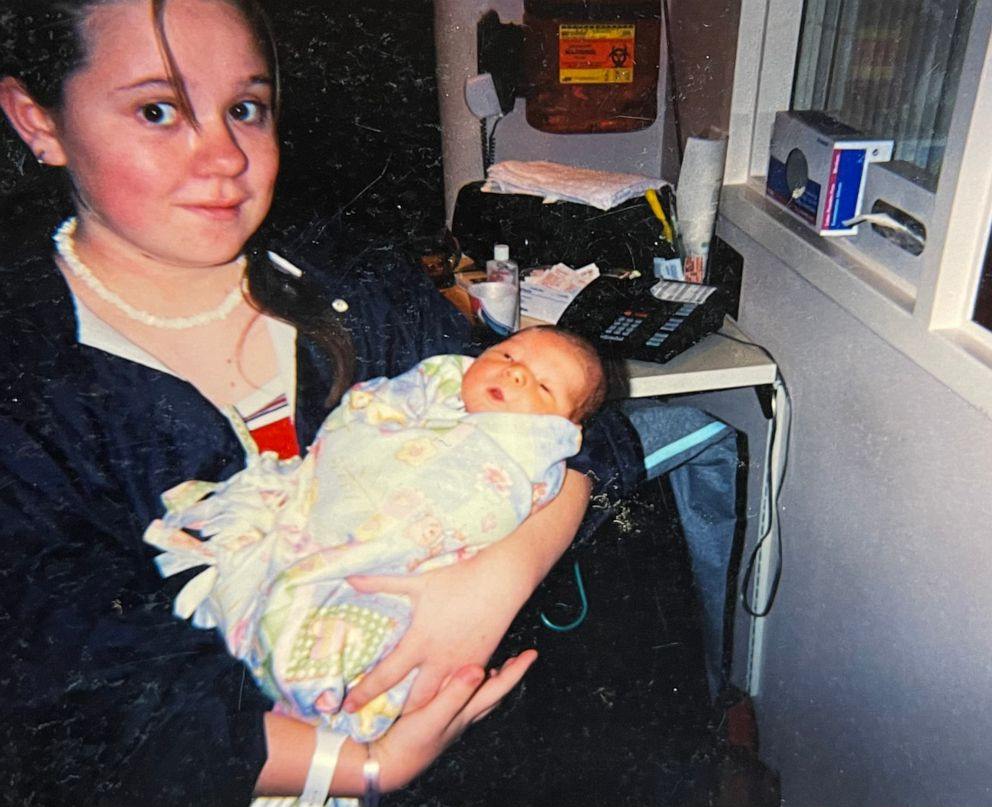
An adopted child from Utah always wanted to meet his biological mother, but he never realized that she was only just down the hall.

Both working at St. Marks Hospital in Salt Lake City, Benjamin Hulleberg and his biological mother Holly Shearer were almost certainly in the building at the same moment, and they may have parked next to each other, even passed each other in the hallway.

It was always a dream to meet the woman he only knew as Holly, a person who his adopted parents never discouraged Benjamin from trying to find and meet.

He wrote letters, signed up with an adoption registry, and even took a DNA test in the hopes that the program’s algorithms could potentially lead to a clue—a cousin or second cousin that could put him on the trail.

Little did he know, Holly Shearer had never forgotten the child she put up for adoption as a young teenager.

“He was always on my mind. More so on holidays and his birthday, roller coaster of emotions,” 36-year-old Shearer told Good Morning America. “I thought about him all the time.”

HCA Healthcare’s St. Mark’s Hospital

The Hulleberg family Benjamin was adopted sent photos and letters to Holly periodically. She also found Benjamin on Facebook. She kept her distance, not wanted to “throw a wrench” into what she saw as a rich and busy young adulthood.

MORE: Long-Lost Sisters Reunite And Discover Their Tattoos, Jobs, and Hobbies Match Exactly

Eventually though, Shearer sent a Happy Birthday message to Benjamin, which turned his world upside down.

“I was crying. It was all very positive emotions,” he said. “But to me, this is a day I had been waiting for the past 20 years of my life and to imagine that it was finally happening was outrageous. It was a lot to take in.”

Deciding that he had waited long enough, he immediately asked to organize a reunion, and chose Red Robin restaurant, on the 21st of November as the time and place, as well as insisting the two bring the rest of their families. By then Benjamin had discovered he had a half-brother as well as a half-sister, so there was a lot of catching up to do.

After a tearful introduction, Shearer and Hulleberg discovered they worked in the same hospital—the former a medical assistant at the Heart Center, the latter a volunteer at the NICU.

RELATED: Woman Reunites With Birth Mom After 50 Years and Learns She Starred In Her Favorite TV Show

This has led to regularly-recurring coffee breaks between the two, which Hulleberg described as “amazing.”

Hulleberg described the whole process as “very healing,” and encourages anyone looking to still meet their biological parents to keep up the search, adding that it feels he can begin to live the rest of his life.

UPLIFT Others With This Sweet Story By Sharing It…

While Building New Industrial Park Crew Stumbles on ‘Remarkable’ 1,400-yo Ruins of Maya City

Courtesy of INAH
Courtesy of INAH

“It is more important to preserve the Maya legacy,” says Mauricio Montalvo, property owner of industrial park that had to be delayed due to the discovery of a large Mayan settlement from around 600 CE.

Filled with plazas, pyramids, and a natural sinkhole called a cenote which tend to feature in Mayan settlements, there may have been 4,000 people living there at one time.

It was back in 2015 when construction workers first found the city, which has been given the temporary Maya name of “Xiol,” in the municipality of Kanasín, near Yucatan’s capital of Merida, and work had to be stopped while archeologists looked into it.

It wasn’t the “lost city” some newspapers would have it—it was in plain view of the highway reports Yucatan Magazine. However it’s now being unveiled as a historic site later this year after undergoing excavations and restoration.

Spread across 51 acres, excavators found a large central plaza surrounded by 12 restored buildings of living areas and workshops, and the foundations of another 76 under the area’s vegetation. Two large buildings on either side of the plaza are thought to be elite residencies.

MORE: Incredible Discovery Beneath the Southern Amazon Reveals Urban-Agrarian Society Never Seen Before

They also found a burial site containing the remains of 15 people, as well as a variety of grave goods and an altar they believe to have been used in ceremony and ritual.

Carlos Rosado van der Gracht, writing for Yucatan Magazine, reports that it’s possible the people were Maya, but also not Maya—a genetically-Maya subjugated city state.

Courtesy of INAH

Cavers will begin exploring the cenote in the coming months, and aren’t sure what to find there.

As Maya settlements are typically built around these natural sinkholes, being one of the few sources of freshwater on the Yucatan, they tend to be wells of discovery in addition to water wells.

Jape, copper, marble, obsidian, human remains, beads, and much more has been recovered from the bottoms of these eroded limestone features.

RELATED: Incredible Discovery Beneath the Southern Amazon Reveals Urban-Agrarian Society Never Seen Before

The Yucatan Peninsula is known as the Riviera Maya, and even as densely populated centers in the territory of surrounding countries like Guatemala and Belize began to decline with staggering speed, the populations on the peninsula grew.

The cause of the abandonment of Maya habitation sites is still a great mystery, and historians have not ruled out extreme drought, warfare, or something less disastrous like changing trade patterns.

UNEARTH the Historic News For Friends; Share It On Social Media…
Birth For World’s Critically Endangered Red Wolf Brings Rising Population to Nearly 250

Roger Williams Park Zoo
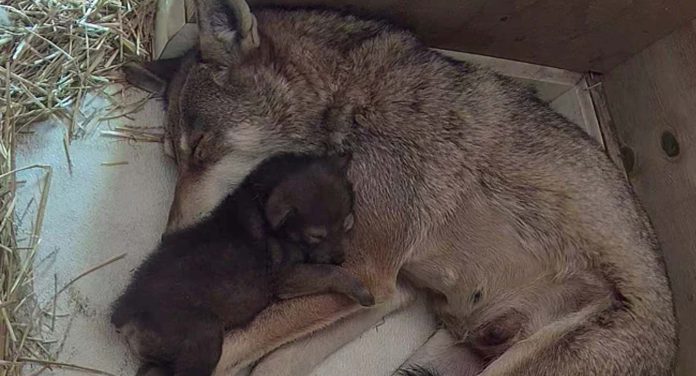
Roger Williams Park Zoo has announced the birth of a red wolf pup, the world’s most endangered canid species, as part of its red wolf breeding program.

Born at the Zoo on May 5, six-year-old mom Brave has been observed carefully tending to her little one. This is a historic birth for the zoo and an emblem of hope for the survival of this species. Only 15-20 red wolves remain in the wild, and they are all located in eastern North Carolina.

This now month-old pup is the first red wolf born at Roger Williams Park Zoo since 2005 and first ever successful birth for Brave and her companion Diego.

The zoo’s zookeepers and veterinary team continue to monitor mom and baby through the use of an infrared camera located inside the wolves newly built birthing den. While the pup has been observed nursing and appears to steadily gain weight, the next month is a critical time for the pups’ development.

While seven-year-old Diego, the father, may be seen in the wolves’ North American habitat now, the pup and mother will most likely remain in the den for the next several weeks. Guests may be able to catch a glimpse of the pup when they begin to venture outside of the den.

Until then, follow the zoo’s Facebook and Instagram for updates on the pup’s progress.

Future hope

Named for their red-tinged fur, red wolves are smaller than their better-known cousins the gray wolf, and larger than the coyote. They most often hunt smaller mammals including raccoons and rabbits, but they will occasionally prey on deer. Beyond howls, red wolves communicate through scent marking, facial expressions, and body posture.

LOOK: 12 Critically Endangered Red Wolf Pups Are Born in North Carolina – A Conservation Baby Boom

Red wolves were listed as Extinct in the Wild by 1980. Through the collaboration of the U.S. Fish and Wildlife Service and the Associations of Zoos and Aquariums’ (AZA) Red Wolf Species Survival Plan® (SSP), the last 14 remaining wild red wolves were brought into zoos to establish a captive breeding program with the primary objective of forming the foundation of a wild population through reintroduction back to the wild.

MORE: In Historic Vote, Coloradans Give Thumbs-Up For Gray Wolves to Be Reintroduced West of the Rockies

SSP’s are cooperative species population management and conservation programs undertaken for threatened or endangered animals by AZA member institutions. The goal of this SSP and all Species Survival Plans is to build and maintain a healthy and genetically diverse population. Thanks to the collaborative efforts of these partner facilities across the United States, the captive red wolf population has once again risen steadily to nearly 250 wolves.

Source: Roger Williams Park Zoo

HOWL the Good News Loud and Clear; Share This Story With Mates…

Is seeing believing? Water droplets in the average cumulus cloud weigh the same as 100 elephants.

Quote of the Day: Is seeing believing? Water and ice droplets in the average cumulus cloud weigh the same as 100 elephants. – USGS.gov

Photo by: Louis-Philippe Poitras

With a new inspirational quote every day, atop the perfect photo—collected and archived on our Quotes page—why not bookmark GNN.org for a daily uplift?

Cannabis Products With High THC Levels Do ‘Cut Chronic Pain’

Cannabis products containing the active ingredient THC do relieve chronic pain in the short term, scientists have revealed.

The study is one of the first into its pain-relieving properties despite many products being legalized and sold across the U.S.

Voters in Oregon, Washington and 20 other states have legalized medical and recreational marijuana, however the researchers, from Oregon Health & Science University (OHSU), found many products available in dispensaries have not been studied.

In the federally funded review, researchers trawled through 3,000 studies in the scientific literature up to January this year and found a total of 25 with scientifically valid evidence—18 randomized controlled studies and seven observational studies of at least four weeks.

They also found there was evidence to support a short-term benefit in treating neuropathic pain such as diabetic neuropathy which causes a burning or tingling sensation when the nerves become damaged.

MORE: Cannabis And Pancreatic Cancer: Botanical Drug Kills 100% Of Cancer Cells

The drugs found to be effective were tetrahydrocannabinol, or THC, and dronabinol (brand name Marinol) with nabilone (Cesamet).

Both products also led to notable side effects including sedation and dizziness, according to the review.

Another product, an under-the-tongue spray known as nabiximols, made of equal parts THC and cannabidiol, or CBD, also appeared to treat neuropathic pain.

This also led to side effects such as nausea, sedation, and dizziness.

Cannabis products are based on their ability to mimic the body’s own endocannabinoid system.

This is comprised of receptors and enzymes in the nervous system that regulate bodily functions and can affect the sensation of pain.

In the evidence review, researchers sorted the types of products into high, comparable, and low ratios of THC to CBD and compared their reported benefits and side effects.

Dronabinol and nabilone fit into the high THC and CBD ratio category, with 100% THC (no CBD) showing the most benefit among the products studied.

And six of the randomized controlled studies demonstrated statistically valid benefits for easing neuropathic pain compared to a placebo.

“Cannabis products vary quite a bit in terms of their chemical composition and this could have important side effects in terms of benefits and harm to patients,” co-author Dr Roger Chou, at OHSU, said. “That makes it tough for patients and clinicians alike since the evidence for one cannabis-based products may not be the same for another.”

The living review includes a visual abstract summary of the findings and will also be shared on a new web-based tool launched by OHSU and VA Portland Health Care System this year to help clinicians and researchers evaluate the latest evidence on the health effects of cannabis.

RELATED: Luxembourg Becomes the First European Country to Legalize Growing and Consuming Cannabis

Known as Systematically Testing the Evidence on Marijuana, or STEM, the project includes clinical briefs to help health care workers translate the clinical implications.

“This new living evidence review is exactly the type of resource clinicians need to clarify for patients the areas of potential promise, the cannabis formulations that have been studied and, importantly, the major gaps in knowledge,” co-author Dr Devan Kansagara, also of OHSU, said.

“Honestly, the best advice is to talk to your primary care physician about possible treatments for chronic pain,” Dr McDonagh added.

This review is published in the Annals of Internal Medicine.

SHARE This Story With All Your Buddies…

3D-Printed Ear is Made and Transplanted From Patient’s Living Cells

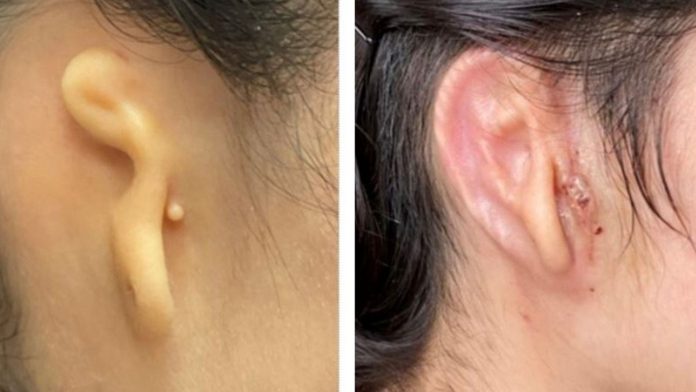
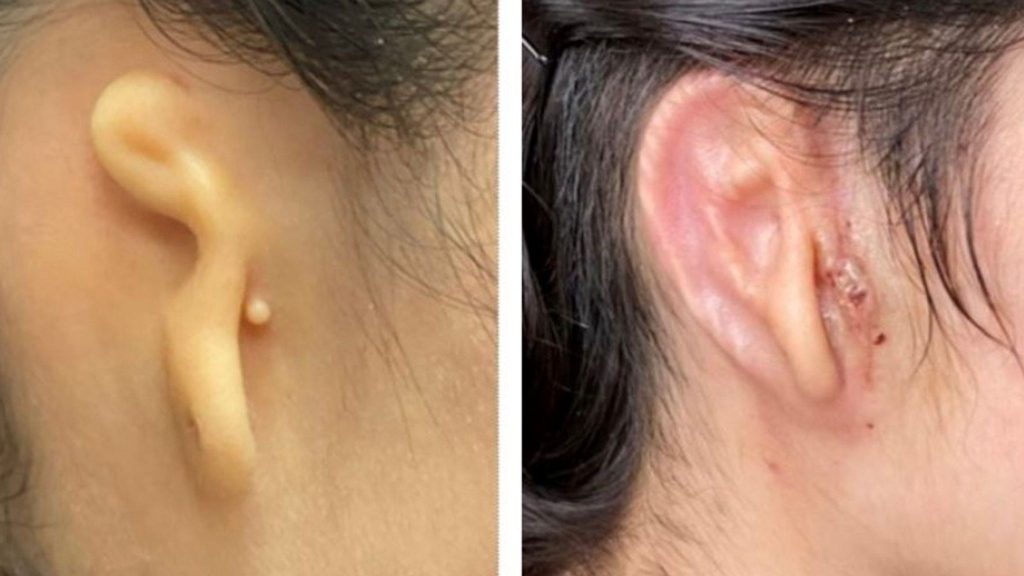
Alexa's ear before the transplant (left) and the results 30 days after the procedure (right). Pic- Microtia-Congenital Ear Institute and 3DBio Therapeutics
Alexa’s ear before the transplant (left) and the results 30 days after the procedure (right); Microtia-Congenital Ear Institute and 3DBio Therapeutics

In a major advance in the field of biological 3D-printing, a firm has successfully transplanted a printed ear made from a patient’s own stem cells.

Such a procedure has been theorized for over a decade, but demonstrations have never been carried out at the scale now being done by medical researchers at 3DBio Therapeutics.

Their trial of 11 patients includes a 20-year old woman who was born with congenital microtia, a disease that left her with a misshapen ear. While previous such operations have involved the 3D printing of prosthetics with silicon, in this case her own stem cells were nestled in a “bioink” of collagen, printed into an air, shipped via cold storage, and inserted under the skin.

It’s definitely a big deal,” said Adam Feinberg, a professor of biomedical engineering at Carnegie Mellon University who wasn’t involved in the study but who works in the field. “I’m hoping these kinds of success will build enthusiasm and understanding this is moving from the realm of science fiction into reality.”

A precise 3-dimensional scan of her other ear was used as the model in a computer to ensure the two were identical.

MORE: Researchers Overcome ‘Major Hurdle’ in Reversing Deafness, Discovering Gene Responsible for Crucial Cells

“As a physician who has treated thousands of children with microtia from across the country and around the world, I am inspired by what this technology may mean for microtia patients and their families,” said Dr. Arturo Bonilla, a leading pediatric ear reconstructive surgeon who led the team.

“This study will allow us to investigate the safety and aesthetic properties of this new procedure for ear reconstruction using the patient’s own cartilage cells.”

Not only will it allow people the freedom from the self-consciousness of having a deformed ear, but 3DBio Therapeutics’ ear is 100% living, and so in most cases it restores ordinary hearing back to the patient.

RELATED: MIT Researchers Reverse Hearing Loss By Regenerating Inner Ear Hair Growth

For thousands of kids who have to go to school with an undeveloped ear, this method of cultured, living ear prosthetic will be life-changing, and experts outside the research team are excited by the leap it makes towards other important components which could be printed in the same way.

They’re not necessarily looking towards hyper-complex organs like a liver, but simpler, collagen-rich tissues such as a spinal disc, a rotator cuff, or a meniscus, which could restore mobility in disabled people.

Feinberg notes this hypothesizing is now securely in the realm of “when” not “if” it becomes possible.

GIVE an Earful of the Good News to Mates; Share This Story…