














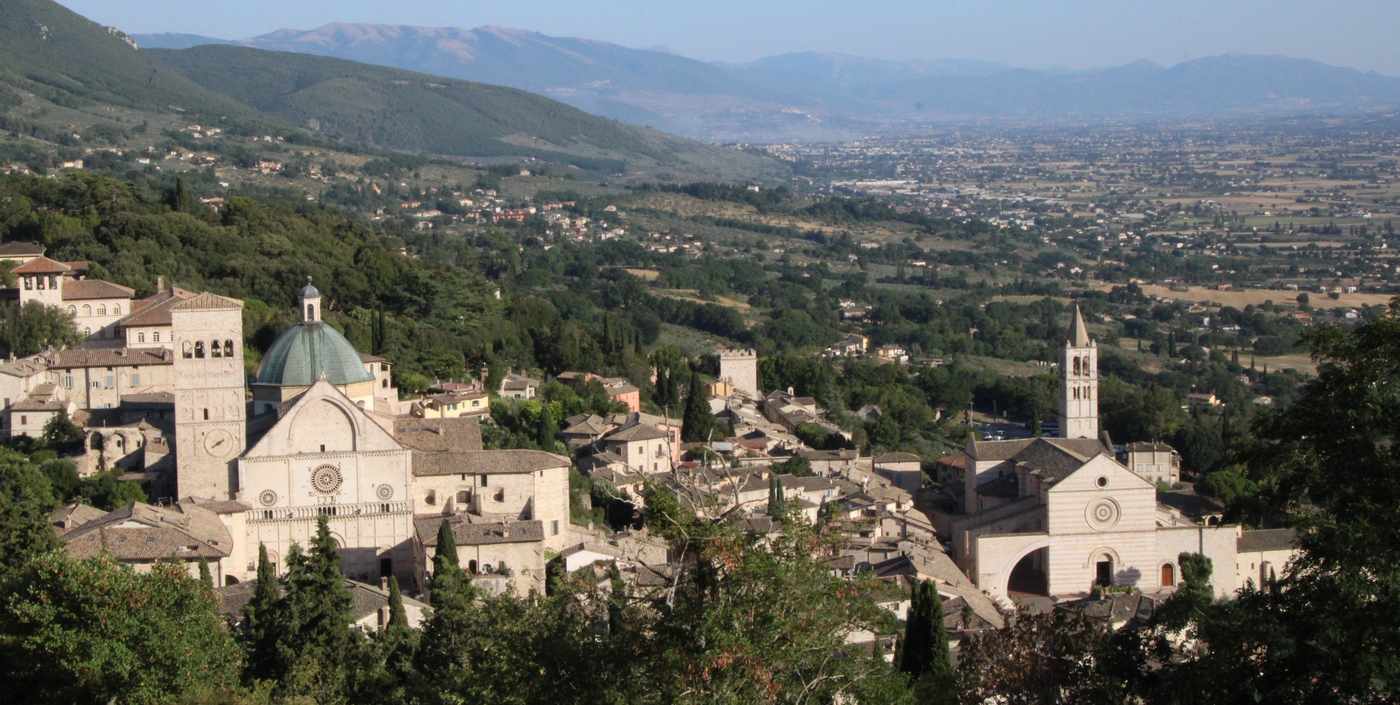
With Europe more choked with tourists than ever amid year after year of record-setting summer heat, Italy is looking to change course: off the beaten path of luxury hotels and museums.
Antichi Cammini d’Italia, or the Antique Trails of Italy, responds to the growing demand for slow, authentic and sustainable tourist experiences, by uniting and modernizing one of the peninsula’s great unknown treasures: its long-distance hiking routes.
Everyone knows about the Camino de Santiago in Spain, but Italy’s 5 famous pilgrimage trails are far less famous. As noted by Panorama, only the Via Francigena carries some international recognition.
But Italy is crisscrossed with such routes—now united for the first time ever as an EU-funded initiative under the Cultural Routes of the Council of Europe—to make them and the cultural and historical treasures they carry, more accessible than ever.
The Cammini include the Via Francigena, the Via St. Francis, the Cammino St. Benedict, the Via Romea Germanica, and the Romea Strata, with details below.
The itineraries promoted by the project offer alternatives to traditional destinations, helping to ease pressure on the most crowded tourist circuits and to extend visitor flows across a broader calendar and into lesser-known areas.
One of the project’s most distinctive features is an integrated smart signage system deployed along the five itineraries. Sixty devices provide travelers with free Wi-Fi and Bluetooth Low Energy beacon technology connected to the Italia.it app.
When visitors enter the range of a beacon, they receive a push notification inviting them to discover the stage they are on and the surrounding tourism offerings: technical information on the route, geolocated maps, Point of Interest sheets, and multimedia content dedicated to places of historical, artistic, religious, and scenic value.
It’s a model that brings together the physical experience of walking and the digital dimension, offering travelers accessible tools for orientation and deeper interpretation in real time in a variety of languages.
OTHER WAYS TO DODGE TOURISTS:
Alongside this, an extensive mapping process of Points of Interest has led to the creation of more than 1,000 information sheets dedicated to churches, monuments, natural areas, squares, fountains, and other identity-defining places in the territories crossed by the routes.
More than 40% of the sites highlighted are outstanding assets that are still little represented in international tourism circuits: a heritage the project helps bring to light, promoting a more authentic and sustainable way of experiencing the territory. Italia.it is the system’s central digital hub, where all content comes together and becomes accessible to travelers.
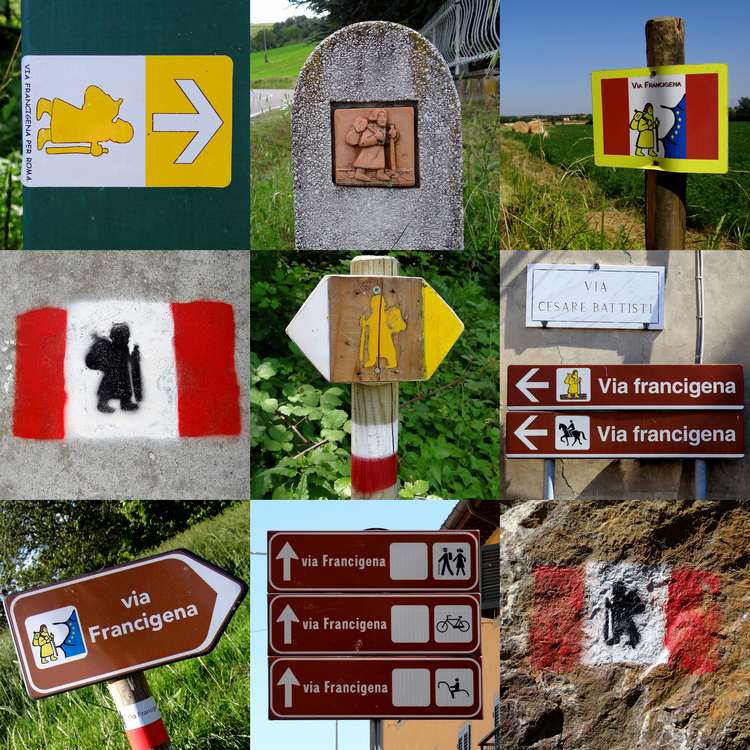
I Cammini
The Via St. Francis follows sites linked with the life of this famous monk and founder of the Franciscan Order, and is composed of two sections totaling 304 miles (490 km) while the similarly themed Cammino St. Benedict goes from Umbria to Rome along 16 different stops across 186 miles (304 km) following the life of St. Benedict.
This tourism offer appeals to an increasingly diverse audience: pilgrims, walkers, cultural travelers, outdoor and wellness enthusiasts, families and people seeking a more direct relationship with local territories and their communities.
But for those made of sterner stuff there’s the Romea Strata: 2,900 miles, (4,700 km) 7 countries, 245 points of interest, and 50 UNESCO World Heritage Sites. The trail was reconstructed based on antique pilgrimage routes known from the Baltic down central-eastern Europe to Rome. The Italian portion is 620 miles (1,000 km) and passes through 47 stops.
The Via Romea Germanica passes Germany and Austria on its way to Rome, moving 1,367 miles (2,200 km).
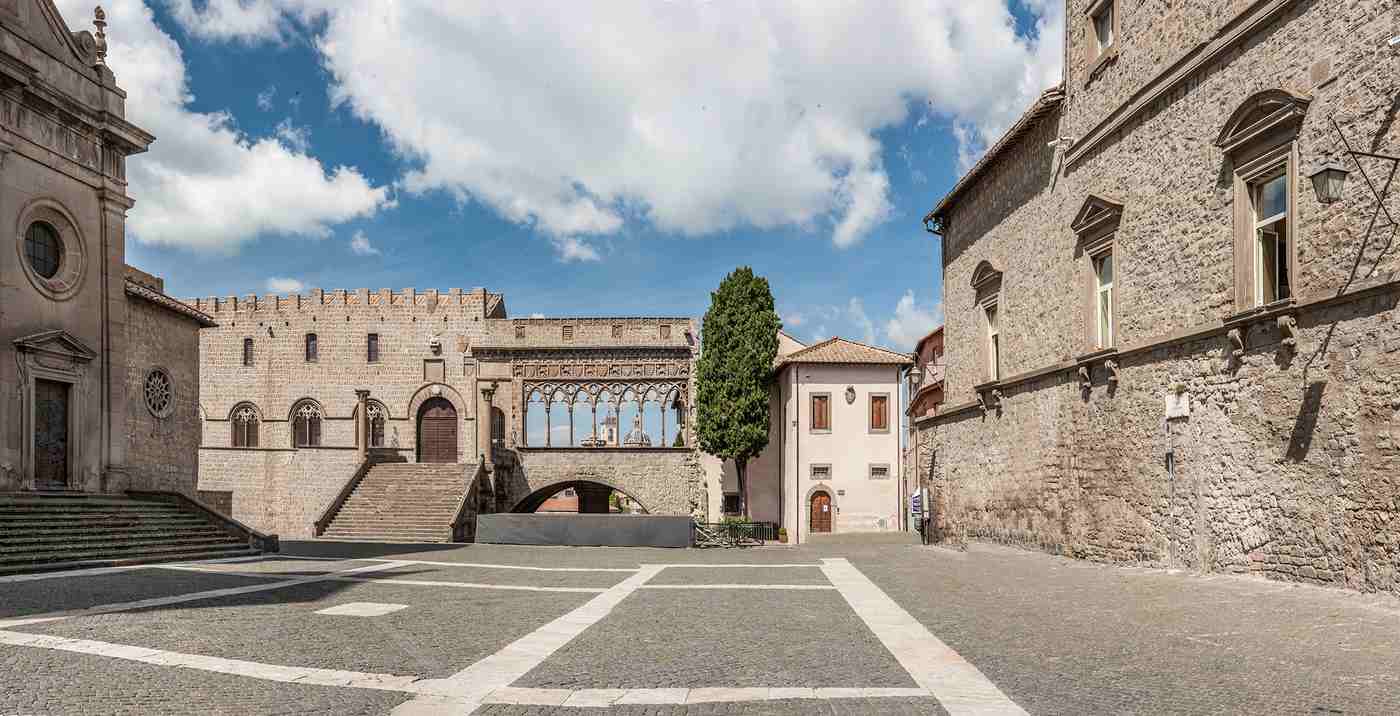
As all of these routes go through Lazio on the way to Rome, they will inevitably bring the traveler in contact with the historic wealth of the Italian capital region, including the Holy Valley of Rieti, the medieval center of Viterbo, the first Benedictine monastery at Montecassino, the beautiful town of Vetralla, and St. Benedict’s Cave of Sacro Speco.
SHARE This Spectacular Way Of Seeing And Enjoying Italy With Your Friends…