All News - Page 380 of 1715 - Good News Network
Home Blog Page 380

Cannabis And Pancreatic Cancer: Botanical Drug Kills 100% Of Cancer Cells

David Gabric

A botanical drug based on an extract of Cyathus striatus fungus and a cannabinoid extract from the cannabis plant has eliminated 100% of pancreatic cancer cells—relatively selectively and without damaging normal cells—in experiments conducted on a cell model.

The fungus has been the subject of research to test its anti-cancer efficacy in Professor Fuad Fares’ laboratory at the University of Haifa for about eight years.

It was selected as the preferred candidate for the development of a drug for pancreatic and colon cancer after showing better anti-cancer results than a variety of other fungi tested.

A few months ago, the biomedical company Cannabotech received global and exclusive rights of use for patents created in Prof. Fares’ research and began leading an accelerated process of developing a botanical drug as defined by the FDA.

A new milestone

The first milestone in the botanical drug development process was defined as the adaptation of fungal growth and extraction methods to the FDA protocol for botanical drug development, which the company expects to be significantly cheaper and shorter than the development process of a standard ethical drug.

MORE: Aggressive Breast Cancer Could Be Tamed By Ingredient Found in Cardamom Spice, Say Scientists

In addition, the anti-cancer activity of the new fungal extract and the cannabinoid composition developed by Cannabotech on pancreatic cancer were examined.

The company has announced that in a cell model trial, the adapted extract showed five times higher anti-cancer efficacy than the original extract while causing 100% mortality of pancreatic cancer cells.

MORE: Aggressive Breast Cancer Could Be Tamed By Ingredient Found in Cardamom Spice, Say Scientists

In the active concentration on pancreatic cancer cells, no damage to the healthy cells was observed. The cannabinoid extract resulted in an 80% mortality of pancreatic cancer cells.

Next steps

Cannabotech expects to complete the feasibility study phase within 12 months, by mid-2023, at the end of which it will work to create a development collaboration with a large pharma company vis-à-vis the FDA.

As the next milestone in the development process, the company plans to test both the active mechanism of killing cancer cells by extracts and the combined anti-cancer efficacy of the fungus and cannabinoids together, in cells and animals.

MORE: Aggressive Breast Cancer Could Be Tamed By Ingredient Found in Cardamom Spice, Say Scientists

Pancreatic cancer is reputed to be one of the most aggressive cancers; it has a very low survival rate and is one of the most significant causes of mortality in the Western world. The FDA also tends to give companies significant relief in drug development processes for this indication, such as defining the drug as an “orphan drug.”

Dr. Itzhak Angel, pharmacological consultant for Cannabotech, said, “Developing a botanical drug is a challenging process and the results we have achieved are a real indication that the extracts are effective and safe to use as an anti-cancer treatment for pancreatic cancer. We still have a way to go to substantiate that expectation, but we have good hopes to deliver real news to patients and develop a concrete solution to one of the most aggressive cancers.”

Source: Cannabotech 

SHARE the Cure of Good News; Share This Story…

‘Radical’ Solar Breakthrough Allows Energy to Now Be Stored for Up to 18 Years, Say Scientists

Chalmers University of Technology/Daniel Spacek

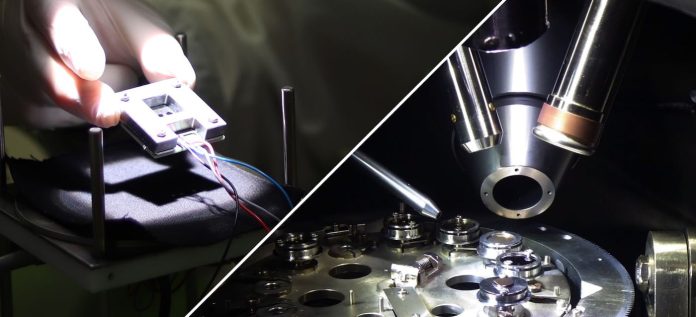
A pair of Swedish scientists designed a microchip that stores solar energy in liquid, and shipped it to China where three months later it was converted into electricity.

The scientists are hoping to open a Pandora’s box of solar-powered electronics and appliances—expanding solar’s use away from exclusively baseload power generation

Scientists and entrepreneurs are still racing to see who can create the most efficient and effective way of storing solar energy, as PV panels continue to proliferate across the world. These include hugely varied projects which GNN has covered, like ingots of molten aluminum, and deep tunnels that facilitate the lifting and lowering of a huge weight.

This latest newsworthy breakthrough comes from a Dutch-Chinese design team looking for a small, simple way of storing solar energy for the market of smaller electronics.

“This is a radically new way of generating electricity from solar energy,” research leader Kasper Moth-Poulsen, Professor at the Department of Chemistry and Chemical Engineering at Chalmers University, told Euronews. “It means that we can use solar energy to produce electricity regardless of weather, time of day, season, or geographical location.”

RELATED: Ultra Efficient ‘Tandem’ Solar Panels Ditch the Silicon to Absorb More of the Sun’s Spectrum With Less Energy

Their design revolves around a specifically-engineered molecule that changes shape when it comes in contact with sunlight, rearranging carbon, nitrogen, and hydrogen, to form an isomer—an energy-rich molecule with a different configuration that holds its shape when immersed in liquid.

Form and function

To understand this bears a basic review of thermodynamics. When matter changes form, energy is released, often through heat. When researchers and scientists refer to “storing heat” or “storing energy” in something that isn’t a battery, what they mean is that energy of some form was used to create a form of matter that, when converted back to its original form, generates electricity through heat.

CHECK OUT: Wind And Solar Generated a Record 10% of the World’s Power in 2021 – Victory for Paris Agreement

A catalyst activates the stored isomers in the liquid to change back into their original forms, releasing heat, and generating electricity, hence the technology’s name “Molecular Solar Thermal Energy Storage Systems.” Until the molecule reaches its half-life, it can be turned back and form from the isomer storage form as often as solar energy needs to be saved, and it can be stored for an incredible 18 years.

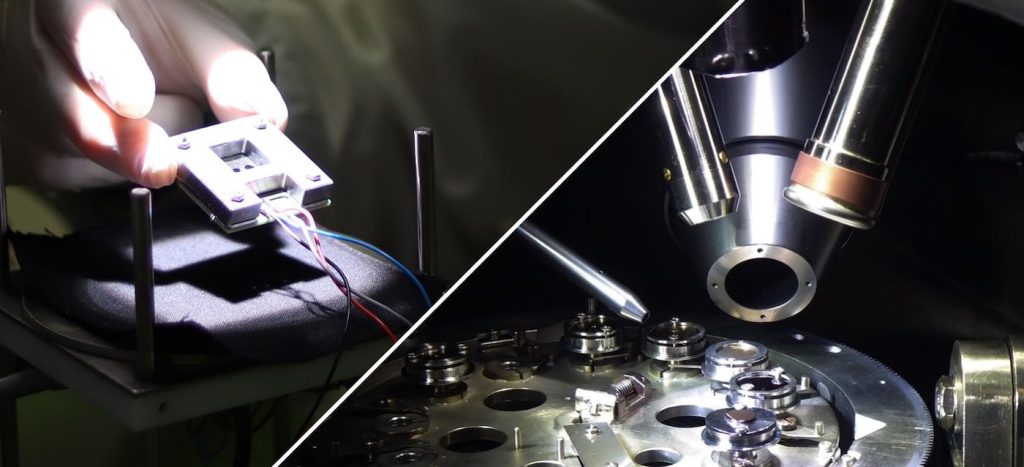
“The generator is an ultra-thin chip that could be integrated into electronics such as headphones, smart watches and telephones,” researcher Zhihang Wang from Chalmers University of Technology, whose Chinese team received the stored Swedish sunlight and tested it with their microchip.

MORE: Munich’s First Solar Bus Technology Will Hit the Road to Reduce Emissions and Pollution

“So far, we have only generated small amounts of electricity, but the new results show that the concept really works. It looks very promising.”

Thermal electricity generation is widely distributed in the world industry, yet Wang et al. compressed that technology into an 800 nanometer-thin film on a three-inch silicon wafer to convert the heat released by Moth-Poulsen’s isomers into electricity. Such a minuscule device could be fitted to receive these isomers from a charging station, to power all kinds of small electronics.

The researchers at both ends of the globe are proud and excited, but caution that much more research is needed before a system such as this can be implemented widely.

This study has been published in Cell Reports Physical Science

POWER Up the Good News; Share This Story…

“The object of art is not to reproduce reality, but to create a reality of the same intensity.” – Alberto Giacometti

Quote of the Day: “The object of art is not to reproduce reality, but to create a reality of the same intensity.” – Alberto Giacometti

Photo by: Dan Farrell

With a new inspirational quote every day, atop the perfect photo—collected and archived on our Quotes page—why not bookmark GNN.org for a daily uplift?


New Nasal Spray That Could Protect People From All COVID Variants to Start Human Trials

Northwestern / SWNS
Northwestern / SWNS

A groundbreaking treatment in the form of a nasal spray, which could protect people from all COVID variants will advance to human trials after successful lab tests.

The new spray contains “potent” proteins which target the virus’s weak spots and prevent it from infecting the body, say researchers at Northwestern University and the University of Washington.

Some treatments, including vaccines, have become less effective at combating COVID as the virus has continued to evolve.

Several antibody treatments were halted last month in the U.S. after they failed to protect people against the BA.2 omicron sub-variant—and they require complex refrigerated supply chains.

Now, a simpler solution to combat the virus is being advanced to human clinical trials after promising results of their mice tests, published April 12, 2022, in the journal Science Translational Medicine. Nasal sprays are also being tested in several research institutes in England and Israel as effective defenses for COVID-19.

To begin, the American scientists first used supercomputers to design proteins that could stick to vulnerable sites on the surface of the novel coronavirus, targeting the spike protein. This work was originally reported in 2020 in the journal Science.

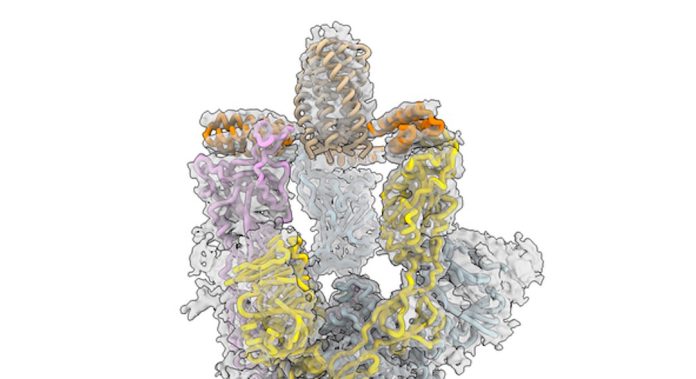
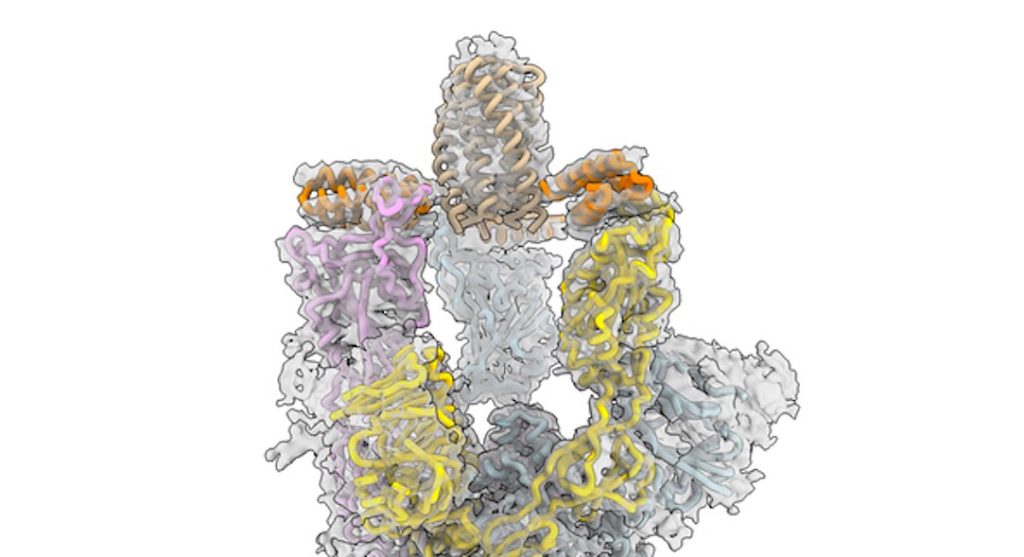
In the new work, the team reengineered the proteins — called minibinders — to make them even more potent. Rather than targeting just one site of the virus’ infectious machinery, the minibinders simultaneously bind to three sites (see orange sites in the photo), making the drug less likely to detach.

POPULAR: Humans Can Fight Viruses By Breathing Deeply –Harvard Study Shows How it Works

Professor Michael Jewett, of the University of Washington School of Medicine, explained that SARS-CoV-2’s spike protein has three binding domains, but common antibody therapies may only block one.

“Our minibinders sit on top of the spike protein like a tripod and block all three.

“The interaction between the spike protein and our antiviral is among the tightest interactions known in biology,” he continued. “When we put the spike protein and our antiviral therapeutic in a test tube together for a week, they stayed connected and never fell apart.”

The treatment reduced COVID symptoms and even prevented infections outright, the researchers found after testing it on mice with a nasal spray.

The proteins prevented COVID from binding to what’s known as the ACE2 receptor, the entry point for infecting the body.

RELATED: COVID is Now Less Deadly Than The Flu in England, as Mask Requirements End

The deadly virus cannot infect the body without binding to the receptor, which suggests the treatment will work against new variants.

“To enter the body, the spike protein and ACE2 receptor engage in a handshake,” said Professor Jewett. “Our antiviral blocks this handshake and, as a bonus, has resistance to viral escape.”

The virus-hunting proteins could offer an alternative to vaccines, which require a healthcare professional to administer.

They can be produced on a large scale in microorganisms like E. coli, making them far more cost-effective to manufacture and are stable in high heat.

There is also a high chance the treatment could be self-administered using a one-time nasal spray.

MORE: Self-Compassion Is Actually Good for Your Heart Health

The researchers hope it might therefore be made available in pharmacies, if human trials demonstrate similar success.

SEND This Shot of Good News to Your Friends and Colleagues on Social Media…

Ultra Efficient ‘Tandem’ Solar Panels Ditch the Silicon to Absorb More of the Sun’s Spectrum With Less Energy

By Cedric Kreusel, Wuppertal (left); Selina Olthof, Cologne (right) – SWNS

German scientists have published details of their new solar panel, calling it the world’s most efficient of its type, which uses a wider spectrum of sunlight.

Existing solar technologies are made using silicon and cannot be improved much further—which makes it all the more important to find more efficient and more sustainable materials.

Combining a new material that contains perovskite-based absorbers alongside carbon-based absorbers was measured to be 24 percent efficient, an increase from 20% seen in current models.

Plus, the highly efficient tandem solar cell can be produced at a lower cost than conventional solar cells made of silicon.

The solar cell was developed by Professor Dr. Thomas Riedl and his team at the University of Wuppertal, together with researchers from the University of Cologne, the Universities of Potsdam and Tübingen, and the Max Planck Institute.

Conventional solar cell technologies are predominantly based on the semiconductor silicon and significant improvements in their efficiency—more watts of electrical power per watt of solar radiation collected—are not expected.

Two alternative materials were used in the new study: organic semiconductors, which are carbon-based compounds that can conduct electricity under certain conditions, were paired with a perovskite, based on a lead-halogen compound, with excellent semiconducting properties.

POPULAR: Solar Panels That Make Electricity at Night are Finally Here – And They’re Cheap and Don’t Need Batteries

Both of these technologies require significantly less material and energy for their production compared to conventional silicon cells.

By Cedric Kreusel, Wuppertal (left); Selina Olthof, Cologne (right) – SWNS

As sunlight consists of different spectral colors, efficient solar cells have to convert as much of this sunlight as possible into electricity. This can be achieved with so-called tandem cells, in which different semiconductor materials are combined in the solar cell, each of which absorbs different ranges of the solar spectrum.

In the current study the organic semiconductors were used for the ultraviolet and visible parts of the light, while the perovskite can efficiently absorb in the near-infrared. Similar combinations of materials have already been explored in the past, but now the research team succeeded in significantly increasing their performance.

RELATED: Solar Shingles on Your Roof Could Be Producing Energy With Simple Installation

Previously, the world’s best perovskite/organic tandem cells had an efficiency of around 20 percent, but the team increased this value to an unprecedented 24 percent—and believes they will be able to double that increase to 30 percent.

“To achieve such high efficiency, the losses at the interfaces between the materials within the solar cells had to be minimized,” said Dr. Selina Olthof of the University of Cologne’s Institute of Physical Chemistry. “To solve this problem, the group in Wuppertal developed a so-called interconnect that couples the organic sub-cell and the perovskite sub-cell electronically and optically.”

A thin layer of indium oxide was integrated into the solar cell with a thickness of merely 1.5 nanometers to keep losses as low as possible.

CHECK OUT: Solar Panels Built From Waste Crops Can Make Energy Without Direct Light

Simulations also showed that tandem cells with an efficiency of more than 30 percent could be achieved in the future with this approach.

The team measured according to the fraction of photons converted into electricity, and just published the results in Nature.

CAST Some Light on Your Social Media Feed By Sharing This…

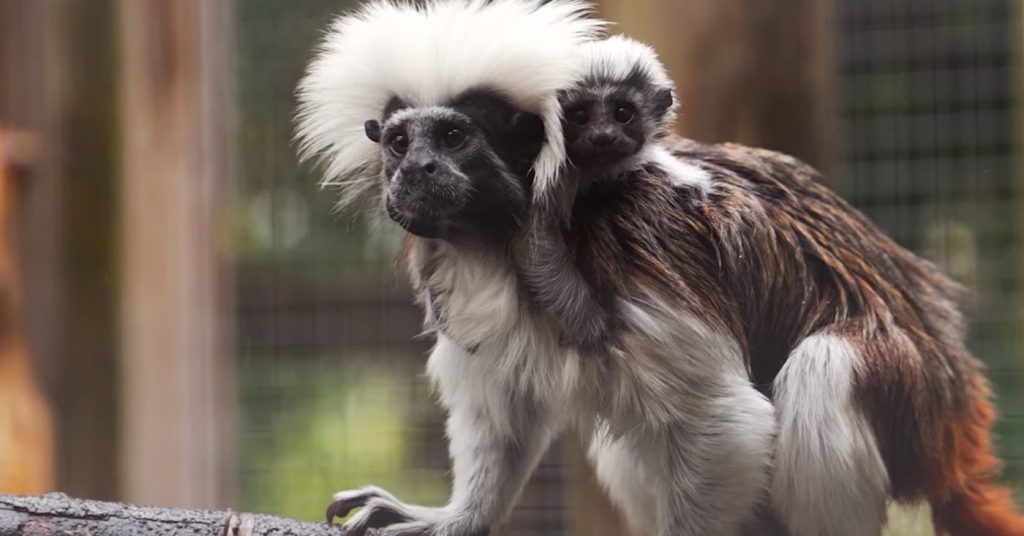
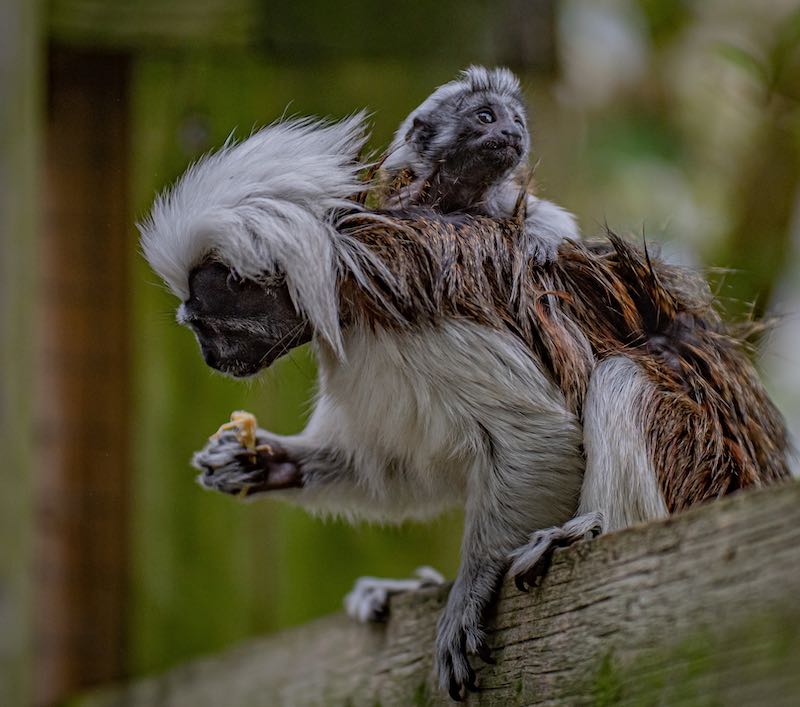
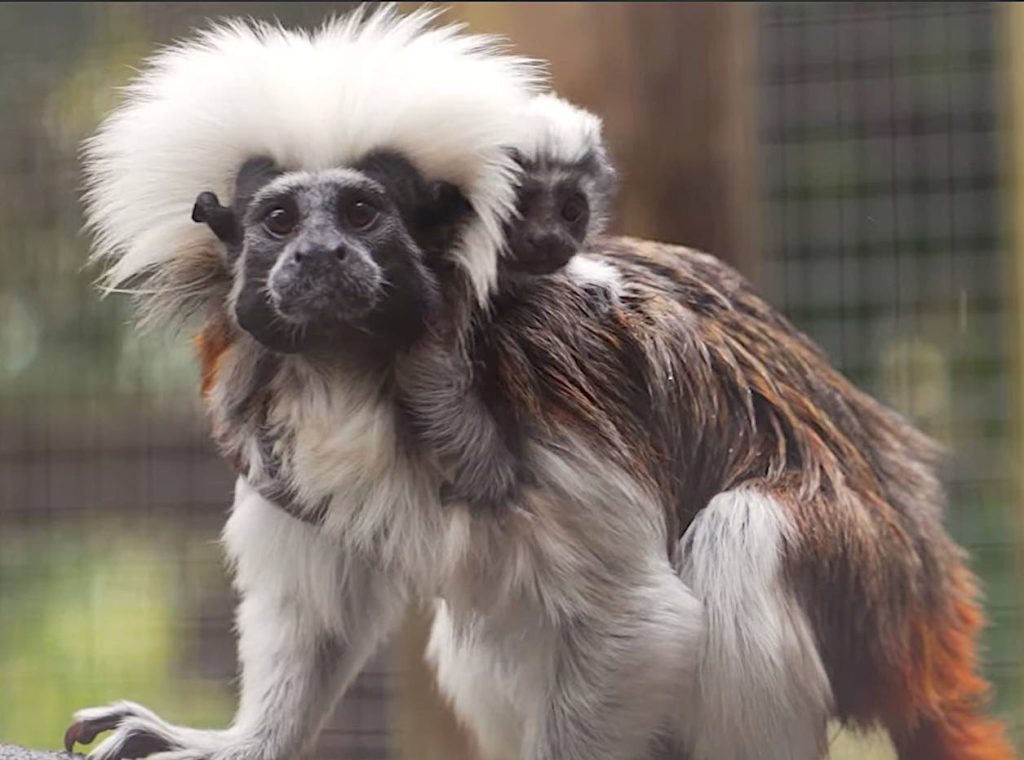
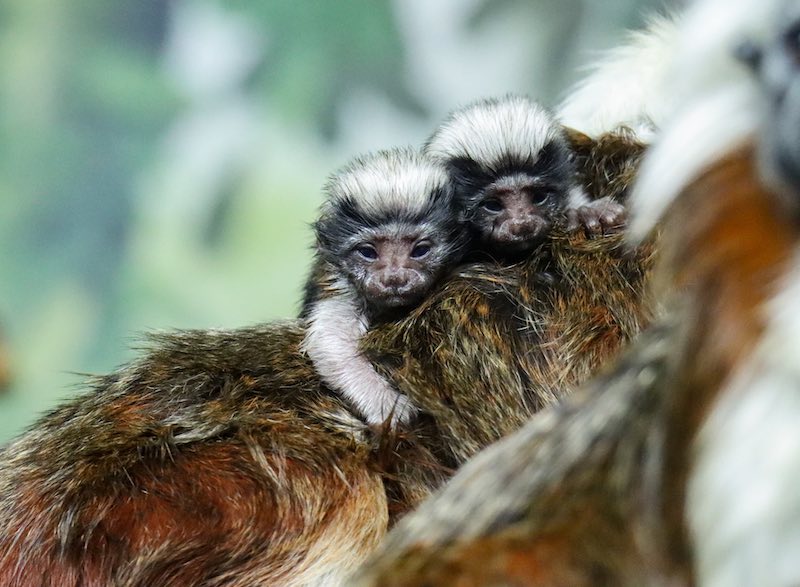
Adorable Cotton-top Tamarin Babies Born, Bolstering One of Most Endangered Primate Species (LOOK)

Cotton-top tamarin / Chester Zoo

Adorable photographs are celebrating new births for one of the world’s most endangered primates. All were born recently to lucky zoos in America and England participating in a species survival program. One Michigan location even welcomed twins.

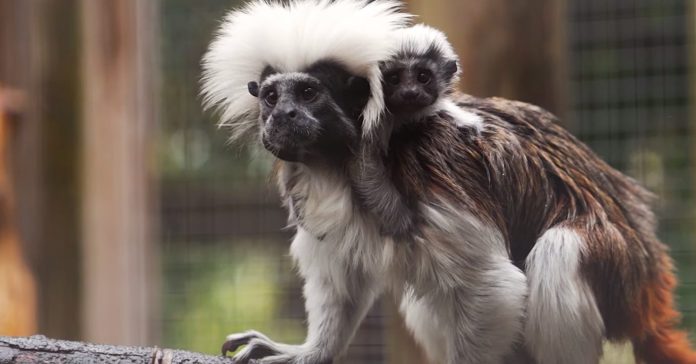
At the Chester Zoo in Cheshire, England, weighing-in about the same as an egg from your kitchen, a tiny critically endangered cotton-top tamarin arrived last month, born to first-time parents.

Zoo conservationists say they are “overjoyed” at the new arrival, which they hope will play a vital role in the future survival of one of the rarest monkey species.

There are only about 2,000 of these miniature monkeys breeding in the wild.

The new baby is only 4 inches tall from head to tail (10cm) and weighs around 1.4 ounces (40g). Until its first medical check-up at 6 months, its sex can not be determined, so zookeepers are not talking yet about naming the youngster.

“We strongly suspected that Treat was pregnant from our regular monitoring of her weight and seeing her belly swell,” said Siobhan Ward, primate keeper at Chester Zoo.

“But it was a fantastic surprise nonetheless to see a tiny little ball of fluff clinging onto her back one morning.”

A social species wherein both males and females (and siblings) help care for the young, Ward says that the father, 5-year-old Leo, and mother, 3-year-old Treat, have taken to parenthood “brilliantly”.

cotton-top tamarin at Chester Zoo / SWNS

POPULAR: Tiny Yorkshire Terrier Detects Breast Cancer in Woman, Jumping Up and Down on Her Chest in Alarm

The baby will be carried around for the next six months. “But it’s actually dad who’s been doing most of the carrying so far, passing it to mum for feeds while he stays protectively close by.”

In order to help save the species, Chester Zoo only recently started caring for them at the zoo, so this was the first cotton-top tamarin to be born there in 22 years.

“We’re completely overjoyed. It’s incredibly special to be able to see the little one so soon after its birth, and after opening its eyes for the first time.”

These tamarins have an iconic look with their voluminous plume of white fur on their heads. The crest raises up whenever then they get excited, or feel that they need to warn off danger, making them look bigger and more intimidating.

RELATED: ‘Comical-Looking’ Bat Thought to Be Extinct is Found Again After 40 Years in Dense Rainforest (LOOK)

They’re highly intelligent and social animals that can live for around 25 years, especially within a zoo’s safe harbor. The animals use more than 38 different calls to communicate to one another, defend their territory, call their young and warn the group of predators.

The declining number of cotton-tops is due to habitat loss—commercial logging for agriculture, paper, and timber industries—and also the illegal wildlife trade. Native to tropical rainforests of Central and South America (predominately Colombia), only about five percent of their original habitat now remains.

That’s why conservationists here in Cheshire are part of an international effort involving many zoos, which is aiming to save the species from possible extinction.

Twin cotton-top tamarin babies born in Michigan at John Ball Zoo / Facebook

Last month in the U.S., several successful births of cotton-top tamarins were announced—including twins born at the John Ball Zoo in Grand Rapids, Michigan.

Another new baby named Ash is being raised by parents at the Idaho Falls Zoo—the first zoo in the state of Idaho to be accredited by the Association of Zoos and Aquariums so they can proudly participate in over 40 Species Survival Plans, like the one that is boosting numbers of little tamarins, such as Ash.

WATCH the newborn twins clinging to father (and older siblings) in Michigan…

SHARE This Conservation Success Story—And Cuteness Overload—on Social Media…

“Obstacles are a natural part of life, just as boulders are a natural part of the course of a river.” – I Ching

Quote of the Day: “Obstacles are a natural part of life, just as boulders are a natural part of the course of a river.” – I Ching (the ancient Chinese book)

Photo by: Külli Kittus

With a new inspirational quote every day, atop the perfect photo—collected and archived on our Quotes page—why not bookmark GNN.org for a daily uplift?


Firefighters Rescue Bucket Full of Tiny Ducklings After They Fell Through the Holes of a Drainage Pipe

SWNS
SWNS

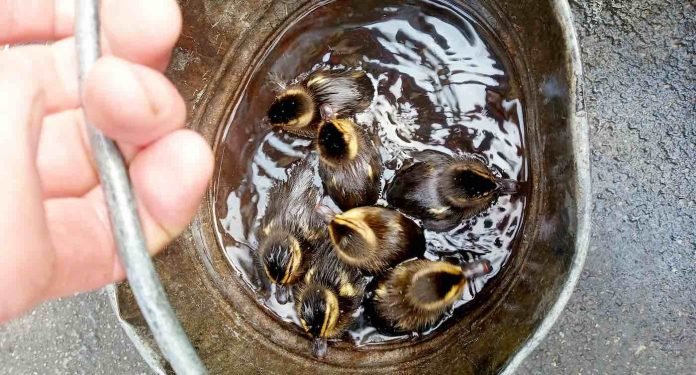
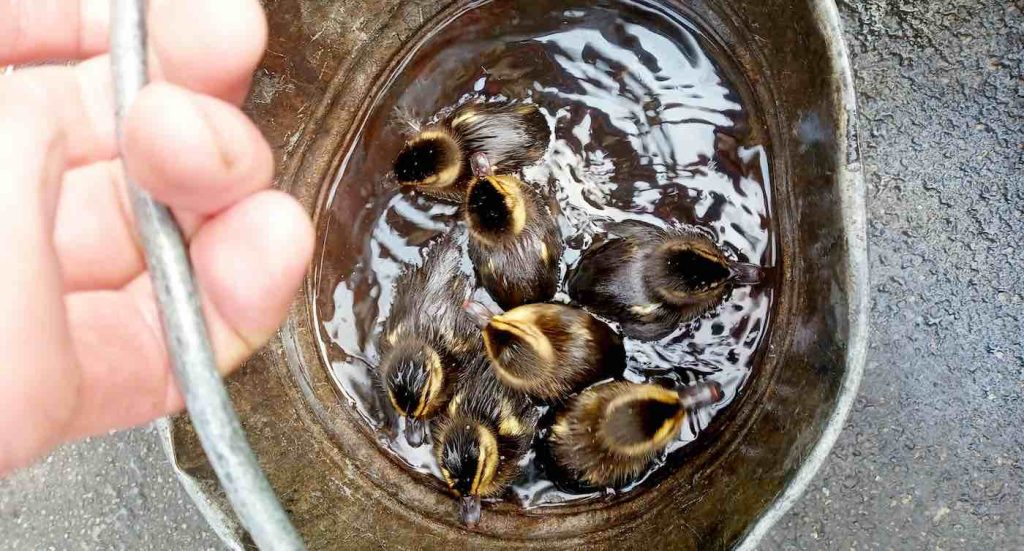
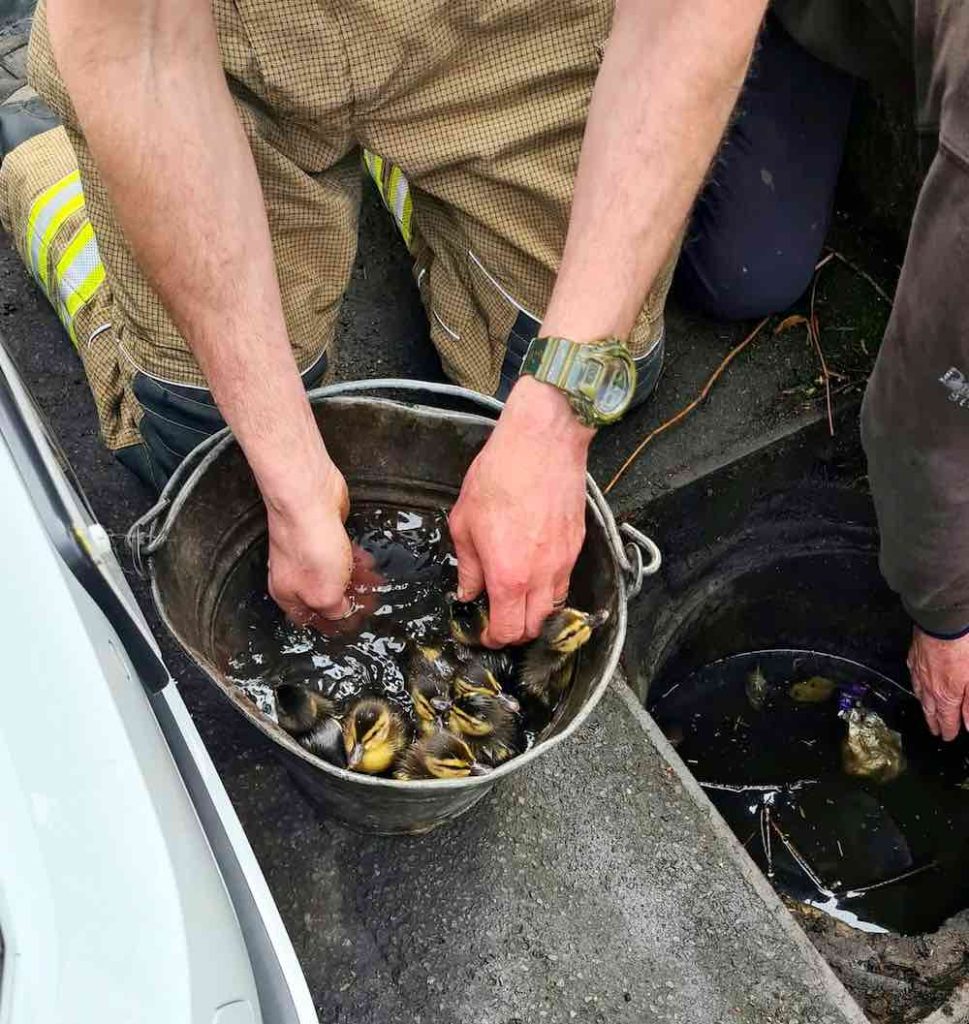
These ducklings were so tiny, they fell through the gaps in a street’s drain cover while waddling toward an English park.

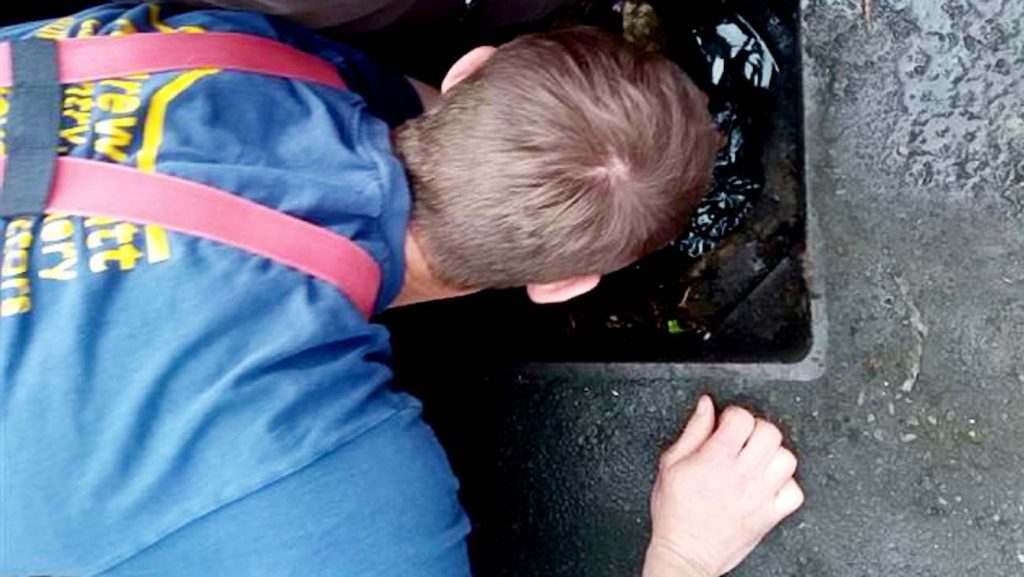
Neil McIvor was cleaning up litter with his volunteer group in Stamford, Lincolnshire, when he raised the alarm.

“We saw these ducklings in trouble after hearing them ‘cheeping’,” recalls the 53-year-old who telephoned the fire department.

Firefighters were then able to pry open the heavy drain and scoop up the brood, before giving them a rinse in a metal bucket.

“The area is well known for ducks to hangout or wonder. They all live in the stream that runs opposite.”

Because there are many potholes that fill with water, the mother duck “sometimes takes her ducklings for a wash in the puddles.”

LOOK: Firefighters Get Creative to Help Baby Raccoon With its Head Stuck in a Sewer Cover

SWNS photos

“One must have fallen off the curb and into the drain,” Neil said.

“Once one goes, the rest follow.”

EASTER CUTE: Newest Cadbury Bunny is… a Therapy Dog Named Annie Rose

SWNS photos

Be Sure to Share This with Your Own Brood on Social Media!…

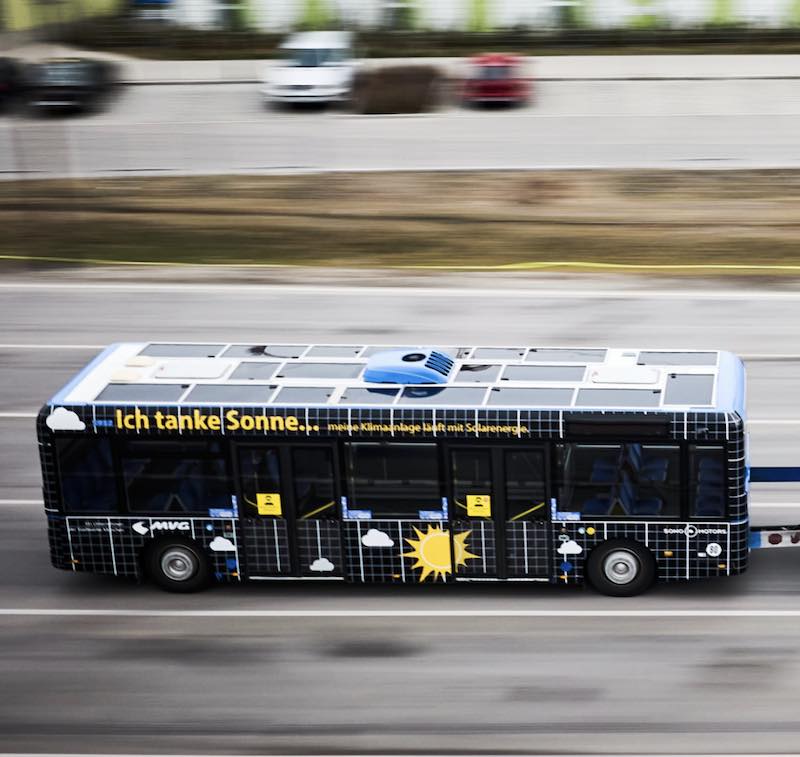
Munich’s First Solar Bus Technology Will Hit the Road to Reduce Emissions and Pollution

Saving fuel, slashing emissions, and cutting pollution are just some of the benefits of installing solar panels on public transportation buses—and the city of Munich is buying a ticket to the future by doing just that.

Founded by a trio of German friends in 2016, Sono Motors went public in 2021, selling their Sion solar-paneled car, which is also a home energy storage system.

Now, in partnership with the Munich Transport Company (MVG), a novel solar bus trailer will soon hit the roads, carrying passengers in daily operation.

The Sono Solar Technology is offering possible savings—per bus—of up to 2,500 liters of diesel each year and a reduction of 6.5 metric tons local CO2.

The bus trailer will be pulled by a conventional bus, to provide extra capacity on busy routes. Normally, these huge trailers are powered by diesel fuel.

“In summer, when the air conditioning is in full use, the trailer consumes more electricity than the towing vehicle can supply,” a Sono spokesperson told GNN.

The 20 photovoltaic modules on the roof provide over 2,000 watts to power the vehicle’s battery and electrical loads such as heating and air conditioning, as well as the trailer’s steering system.

POPULAR: Solar Panels That Make Electricity at Night are Finally Here – And They’re Cheap and Don’t Need Batteries

Sono Motors

“In addition to saving diesel, the additional electricity ensures the stabilization of the battery’s energy supply, thus extending its service life and reducing maintenance costs.”

“Apart from this specific case, Sono Motors Solar Technology can also be integrated into the Bus itself—for supporting the high voltage battery of an electric bus.”

This is the first time that Sono’s solar systems have been used on public transport.

“Especially in times of rising energy prices and increasing urban area emission regulations, our solar technology offers great added value for public transport operators,” says Laurin Hahn, Sono Motors co-founder and CEO.

Technical considerations

For a medium-sized fleet of around 300 buses, calculations show the possibility of savings of up to 2,000 metric tonnes of CO2 per year. Further increases are conceivable in the future, as both the solar cells and the power electronics are expected to become more efficient. This solar solution’s so-called ‘CO2 backpack’, i.e., emissions caused in production, amounts to a one-off of approximately 1.5 metric tons of CO2 per bus or bus trailer and could be offset after a short runtime of just less than one year.

The concept for the customized solar bus trailer was developed in collaboration with MVG, specifically for use on buses, to ensure maximum space utilization and efficiency.

LOOK: Giant Floating Solar Panel Flowers Replace Coal in Korea and Become Tourist Destination

Sono Motors

Due to the ultra-fast optimization in the millisecond range and the multi-channel system, the PV yields can be transferred to the battery of the bus in the best possible way. The modules cover a total area of 130 sq-feet (12 sq-meters) and supply the 24 V battery with over 2,000 watts—and the energy generated can be monitored online using integrated software.

“The question of what energy savings can be achieved by using solar energy are, of course, particularly exciting against the background of current fuel and energy prices,” said a spokesperson for MVG.

RELATED: Man Who Tells the Queen He Engineers Solar Panels is Stunned When She Orders Some Installed on the Castle

Extending EV-bus ranges

Sono Motors’ patented solar technology has been developed so that it can be integrated and licensed into a wide range of vehicles. “When e-buses are factory-equipped with our solar technology, additional range can immediately be generated through solar energy on the roof and sides. This not only reduces the standstill times for charging processes, but also protects the battery through a constant charging process. As a result, the e-bus can be operated longer,” explains Hahn.

“I am convinced by the idea, as a lot of fuel can be saved here, and CO2 emissions can be significantly reduced… and this also has a direct impact on air quality,” said Munich’s vice mayor, Katrin Habenschaden.

Munich is already working to completely convert their bus fleet to electric drives. Harnessing the power of the sun makes the process even more sustainable, while extending the range of the e-buses.

ROLL This Sunny News to Your Friends on Social Media…

Your Inspired Weekly Horoscope From Rob Brezsny: A ‘Free Will Astrology’

Our partner Rob Brezsny provides his weekly wisdom to enlighten our thinking and motivate our mood. Rob’s Free Will Astrology, is a syndicated weekly column appearing in over a hundred publications. He is also the author of Pronoia Is the Antidote for Paranoia: How All of Creation Is Conspiring To Shower You with Blessings. (A free preview of the book is available here.)

Here is your weekly horoscope…
FREE WILL ASTROLOGY – Week of April 16, 2022
Copyright by Rob Brezsny, FreeWillAstrology.com

ARIES (March 21-April 19):
“I have lived my life according to this principle: If I’m afraid of it, then I must do it.” Aries author Erica Jong said that. Since I’m not an Aries myself, her aspiration is too strong for me to embrace. Sometimes I just don’t have the courage, willpower, and boldness to do what I fear. But since you decided to be born as an Aries in this incarnation, I assume you are more like Erica Jong than me. And so, it’s your birthright and sacred duty to share her perspective. The coming weeks will be an excellent time to carry out another phase of this lifelong assignment.

TAURUS (April 20-May 20):
“Sometimes suffering is just suffering,” writes novelist Kate Jacobs. “It doesn’t make you stronger. It doesn’t build character.” Now is your special time to shed suffering that fits this description, Taurus. You are authorized to annul your relationship with it and ramble on toward the future without it. Please keep in mind that you’re under no obligation to feel sorry for the source of the suffering. You owe it nothing. Your energy should be devoted to liberating yourself so you can plan your rebirth with aplomb.

GEMINI (May 21-June 20):
“I am very much afraid of definitions, and yet one is almost forced to make them,” wrote painter Robert Delaunay (1885–1941). “One must take care, too, not to be inhibited by them,” he concluded. He was speaking of the art he created, which kept evolving. In his early years, he considered his work to be Neo-Impressionist. Later he described himself as a “heretic of Cubism,” and during other periods he dabbled with surrealism and abstract art. Ultimately, he created his own artistic category, which he called Orphism. Everything I just said about Delaunay can serve you well in the coming months, Gemini. I think you’ll be wise to accept definitions for yourself, while at the same time not being overly bound by them. That should ultimately lead you, later this year, to craft your own unique personal definition.

CANCER (June 21-July 22):
As a postgraduate student in astronomy, Cancerian-born Jocelyn Bell Burnell discovered radio pulsars in 1967. Her supervisor, who initially dismissed her breakthrough, was awarded the Nobel Prize for her work in 1974—and she wasn’t! Nevertheless, she persisted. Eventually, she became a renowned astronomer who championed the efforts of minority researchers. Among the 25 prestigious awards and honors she has received is a three-million-dollar prize. I urge you to aspire to her level of perseverance in the coming months. It may not entirely pay off until 2023, but it will pay off.

LEO (July 23-Aug. 22):
“One should always play fairly when one has the winning cards,” wrote author Oscar Wilde. Let’s make that your motto for the next six weeks. If life could be symbolized by a game of poker, you would have the equivalent of at least a pair of jacks and a pair of queens. You may even have a full house, like three 10s and two kings. Therefore, as Wilde advised, there’s no need for you to scrimp, cheat, tell white lies, or pretend. Your best strategy will be to be bold, forthright, and honest as you make your moves.

VIRGO (Aug. 23-Sept. 22):
“In all the land, there is only one you, possibly two, but seldom more than 16,” said comedian and actor Amy Sedaris. She was making a sardonic joke about the possibility that none of us may be quite as unique as we imagine ourselves to be. But I’d like to mess with her joke and give it a positive tweak. If what Sedaris says is true, then it’s likely that we all have soul twins somewhere in the world. It means that there are numerous people who share many of our perspectives and proclivities; that we might find cohorts who see us for who we really are. I bring these thoughts to your attention, Virgo, because I suspect the coming months will be an excellent time for meeting and playing with such people.

LIBRA (Sept. 23-Oct. 22):
A team of biologists unearthed a fascinating discovery in Costa Rica. When the group planted a single tree in pastureland that had no trees, biodiversity increased dramatically. For example, in one area, there were no bird species before the tree and 80 species after the tree. I suspect you can create a similar change in the coming weeks. A small addition, even just one new element, could generate significant benefits. One of those perks might be an increase in the diversity you engage with.

SCORPIO (Oct. 23-Nov. 21):
Smallpox has been eliminated thanks to vaccination, but it was once among the most feared diseases. Over the course of many centuries, it maimed or killed hundreds of millions of people. For 35 percent of those who contracted it, it was fatal. As for the survivors, their skin had permanent scars from the blisters that erupted. As disfiguring as those wounds were, they were evidence that a person was immune from future infections. That’s why employers were more likely to hire them as workers. Their pockmarks gave them an advantage. I believe this is a useful metaphor for you. In the coming weeks, you will have an advantage because of one of your apparent liabilities or imperfections or “scars.” Don’t be shy about using your unusual asset.

SAGITTARIUS (Nov. 22-Dec. 21):
Sagittarian author Pearl Cleage sets the tone for the future I hope you’ll seek in the coming weeks. The Black feminist activist writes, “We danced too wild, and we sang too long, and we hugged too hard, and we kissed too sweet, and howled just as loud as we wanted to howl.” Are you interested in exploring such blithe extravagance, Sagittarius? Do you have any curiosity about how you might surpass your previous records for rowdy pleasure? I hope you will follow Cleage’s lead in your own inimitable style.

CAPRICORN (Dec. 22-Jan. 19):
“I can never rest from tenderness,” wrote author Virginia Woolf. I won’t ask you to be as intense as her, Capricorn. I won’t urge you to be constantly driven to feel and express your tenderness. But I hope you will be focused on doing so in the coming weeks. Why? Because the astrological omens suggest it will be “in your self-interest to find a way to be very tender.” (That’s a quote by aphorist Jenny Holzer.) For inspiration, consider trying this experiment proposed by Yoko Ono: “Try to say nothing negative about anybody: a) for three days; b) for 45 days; c) for three months.”

AQUARIUS (Jan. 20-Feb. 18):
“I gamble everything to be what I am,” wrote Puerto Rican activist poet Julia de Burgos, born under the sign of Aquarius. Her gambles weren’t always successful. At one point, she was fired from her job as a writer for a radio show because of her progressive political beliefs. On the other hand, many of her gambles worked well. She earned awards and recognition for her five books of poetry and garnered high praise from superstar poet Pablo Neruda. I offer her as your role model, Aquarius. The rest of 2022 will be a fertile time to gamble everything to be what you are. Here’s a further suggestion: Gamble everything to become what you don’t yet know you must become.

PISCES (Feb. 19-March 20):
Piscean jazz saxophonist and composer Ornette Coleman was a trailblazer. He created the genre known as free jazz, which messed with conventional jazz ideas about tempos, melodies, and harmonies. In the course of his career, he won a Pulitzer Prize, Grammy Lifetime Achievement Award, and MacArthur Fellowship “genius” grant. He was a technical virtuoso, but there was more to his success, too. Among his top priorities were emotional intensity and playful abandon and pure joy. That’s why, on some of his recordings, he didn’t hire famous jazz drummers, but instead had his son, who was still a child, play the drum parts. I suggest you apply an approach like Coleman’s to your own upcoming efforts.

WANT MORE? Listen to Rob’s EXPANDED AUDIO HOROSCOPES, 4-5 minute meditations on the current state of your destiny — or subscribe to his unique daily text message service at: RealAstrology.com

(Zodiac images by Numerologysign.com, CC license)

SHARE The Wisdom With Friends Who Are Stars in Your Life on Social Media…

Bigger than Texas: Huge New Marine Park Will Protect ‘Australia’s Galapagos’

Australian Parks / YouTube

Massive new marine parks will now protect and preserve the Australian oceans surrounding Christmas Island and Cocos (Keeling) Islands—home to life found nowhere else on earth.

These two parks in the Indian Ocean will protect over 287,000 square-miles of spectacular seascapes (744k square km), an area greater in size than Texas, and twice as large as the Great Barrier Reef.

Australian Minister for the Environment Sussan Ley called it a “globally significant contribution to marine conservation and a further demonstration of Australia’s leadership in ocean protection”.

“The region, which is often described as Australia’s Galapagos Islands, supports unique underwater reefs and rare aquatic species which act as a natural laboratory, helping us to understand more about the evolution of the oceans.”

60 Commonwealth marine parks around Australia are now protecting 45 percent of the island country’s territorial waters.

WATCH: Amazing Video of Whale Sharks Teaming Up to Hunt With Other Predators in Rare View

Officials wanted to ensure that island fishermen could maintain their sustainable local food source and way of life.

“The offshore parts of these parks will be placed under the highest level of protection, while the inshore areas important to island communities will continue to enable sustainable fishing to occur,” said Nola Marino, the Assistant Minister for Regional Development and Territories.

POPULAR: Amazing Quarter-Million Monarchs in 2021 – Up From Just 2,000 the Year Before in Migration Count

Gaze at the local wildlife in this beautiful video from Australian Parks…

The government allocated $5.4 million to manage the marine parks—which is 99% offshore, and one percent inshore to support local fisheries.

Protect Your Friends From Negativity—Share on Social Media…
“How do you know what’s going on in the world? Everything’s going on! A far better question is what do you want to focus on?” – Peter Sage

Quote of the Day: “How do you know what’s going on in the world? Everything’s going on! A far better question is what do you want to focus on?” – Peter Sage (chooses not to look at any news from mainstream media)

Photo by: awar kurdish

With a new inspirational quote every day, atop the perfect photo—collected and archived on our Quotes page—why not bookmark GNN.org for a daily uplift?


Startup Designs Prefab Facades That Turn Energy-Sucking Buildings Into Power Providers

Ecoworks
Ecoworks

A German renovation firm is raising a lot of interest in their ability to make old buildings really energy efficient simply by putting a big ‘coat’ on them.

Taking a 3D scan of a house, they prefabricate wood panels of identical shape and scale to be attached to the outside, and have turned the most inefficient buildings in Germany into net-energy producers.

Called Ecoworks, the panels they make come with built in solar panels and insulation, meaning they can be installed on the host building in as little as 20 minutes.

They’re made from wood that’s been harvested after its achieved optimal carbon capture.

In a demonstration, an apartment block from 1930s that used 450 kilowatt-hours per square meter of space (catastrophically inefficient, even by American standards) was equipped with Ecoworks panels while the company monitored the changes in energy consumption.

It became so inexpensive to heat, cool, and power, that the solar panels in the roof made it a carbon-negative building, where before it was listed as one of the least efficient in the whole nation.

MORE: Solar Panels That Make Electricity at Night are Finally Here – And They’re Cheap and Don’t Need Batteries

This summer the startup has another seven projects lined up, identifying which structures will be best suited for the technology by using AI.

Ecoworks

Soulless apartment blocks work best, but they’re trying as fast as possible to adapt the panels for use in family homes, schools, and even buildings in other countries.

RELATED: Solar Panels That Make Electricity at Night are Finally Here – And They’re Cheap and Don’t Need Batteries

In Germany alone, writes Adele Peters at Fast Company, 30 million buildings are in need of renovation over the next five years to meet prescribed climate targets.

SHARE the Innovation; Share This Good News…

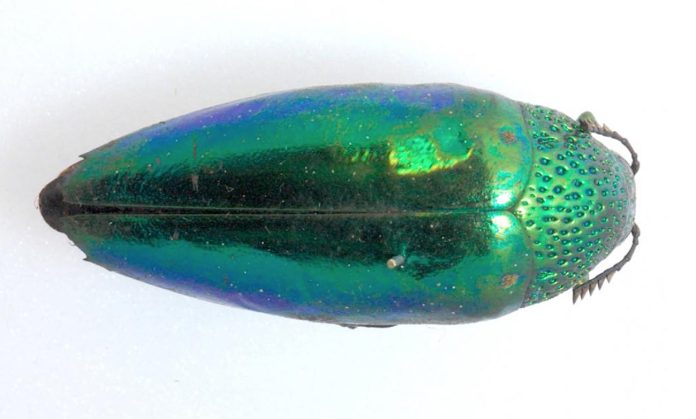
Study of Iridescent Animals Reveals Surprising Purpose Beyond Attracting Mates and Warning Predators

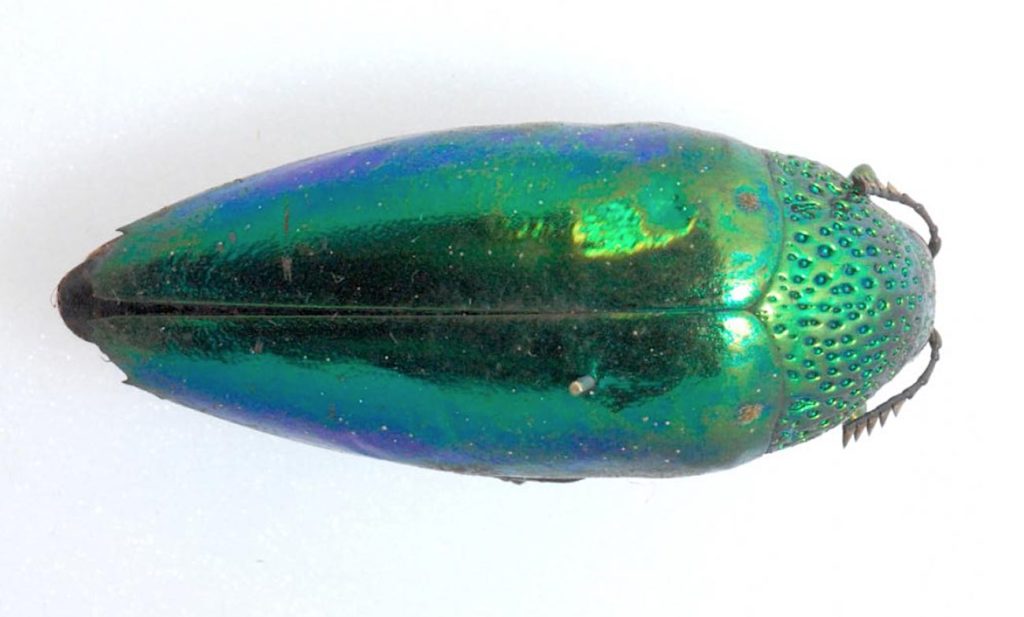
Iridescent Jewel Beetle-Released-Bristol Museums Galleries & Archives
Iridescent Jewel Beetle; Bristol Museums Galleries & Archives

A new study shows for the first time that the striking iridescent colours seen in some animals increase their chances of survival against predators by acting as a means of camouflage. Rather than reveal it seems these dynamically changing shades are used to conceal, according to a University of Bristol study.

Until now, it was assumed that the iridescent colours seen in nature have two main purposes: they can help animals find mates, or act as a warning to predators that a prey item may be poisonous.

Researchers at Bristol’s Camo Lab wanted to find out why this vivid metallic coloration has evolved in so many different species of animals by investigating its biological function.

They chose to test this theory on the vividly coloured jewel beetle (Sternocera aequisignata) because both sexes of this species are iridescent which makes sexual signalling somewhat less likely as a function of the colour.

They tested the idea of iridescence-as-camouflage by placing iridescent and non-iridescent beetle models on leaves in the forest and noted their survival against attacks by wild birds.

They found that the models with biological iridescence, survived best against birds, providing evidence that iridescence can increase prey survival and that these bright metallic colours could have evolved in beetles to confuse birds, their primary predator.

Can you spot the hiding jewel beetle? Karin Kjernsmo and Jo Hall

Dr Karin Kjernsmo, the study’s lead author at the University of Bristol School of Biological Sciences, said, “Iridescent colours are most likely familiar to you from everyday objects such as soap bubbles and CDs, but this striking form of structural colour is also very common in nature.

Iridescence has evolved independently in everything from jewel-like insects to shimmering birds and can even be spotted in your garden in insects such as Rose Chafers and Rosemary beetles.

RELATED: Genetic Lineage of Thousand-Year-Old Oak Trees Seed an Experimental ‘Super Forest’

“Although an iridescent insect might be easy to spot in a well-lit museum case, these spectacular colours may not shine as brightly in the dappled light of a natural environment, and so an iridescent beetle on a shiny leaf could be much more difficult to detect. If iridescence is to work as a form of protective coloration, it needs to work against birds, because birds are likely to be the most important predators of many iridescent insects.”

CHECK OUT: Newly-Identified Species of Transparent ‘Glass’ Frogs Unveiled in Amazing Photos From Ecuador

However, the team wanted to investigate why the birds didn’t attack the iridescent models and whether the increase in prey survival was due to camouflage or a warning colour effect.

To test this, the researchers conducted a final experiment in which they asked human participants to search for the beetle models in the same environment. Warning colours should be easy to see, whereas if the beetles survived due to camouflage, the humans would not be able to detect them.

MORE: Genetic Lineage of Thousand-Year-Old Oak Trees Seed an Experimental ‘Super Forest’

Dr Karin Kjernsmo said of the study, published in 2020 in Current Biology, “I think that the biggest surprise to us was that when we carried out the same experiment with humans even they really struggled to spot the iridescent beetles. Both birds and humans really do have difficulty spotting iridescent objects in a natural, complex, forest environment.

“While the idea of ‘iridescence as camouflage’ itself is not new, our study is the first solid evidence for the idea that iridescence can work as highly-effective form of camouflage, and ultimately this could explain why iridescence has evolved in so many different species of animals.”

Source: University of Bristol

DON’T Hide It; Share the Shine of Beautiful Research With Others…

The Planets are Prepping for An Epic Alignment – Here’s How to Watch it Shape Up

Planet aligned by Scott Kelly / NASA
Scott Kelly, NASA

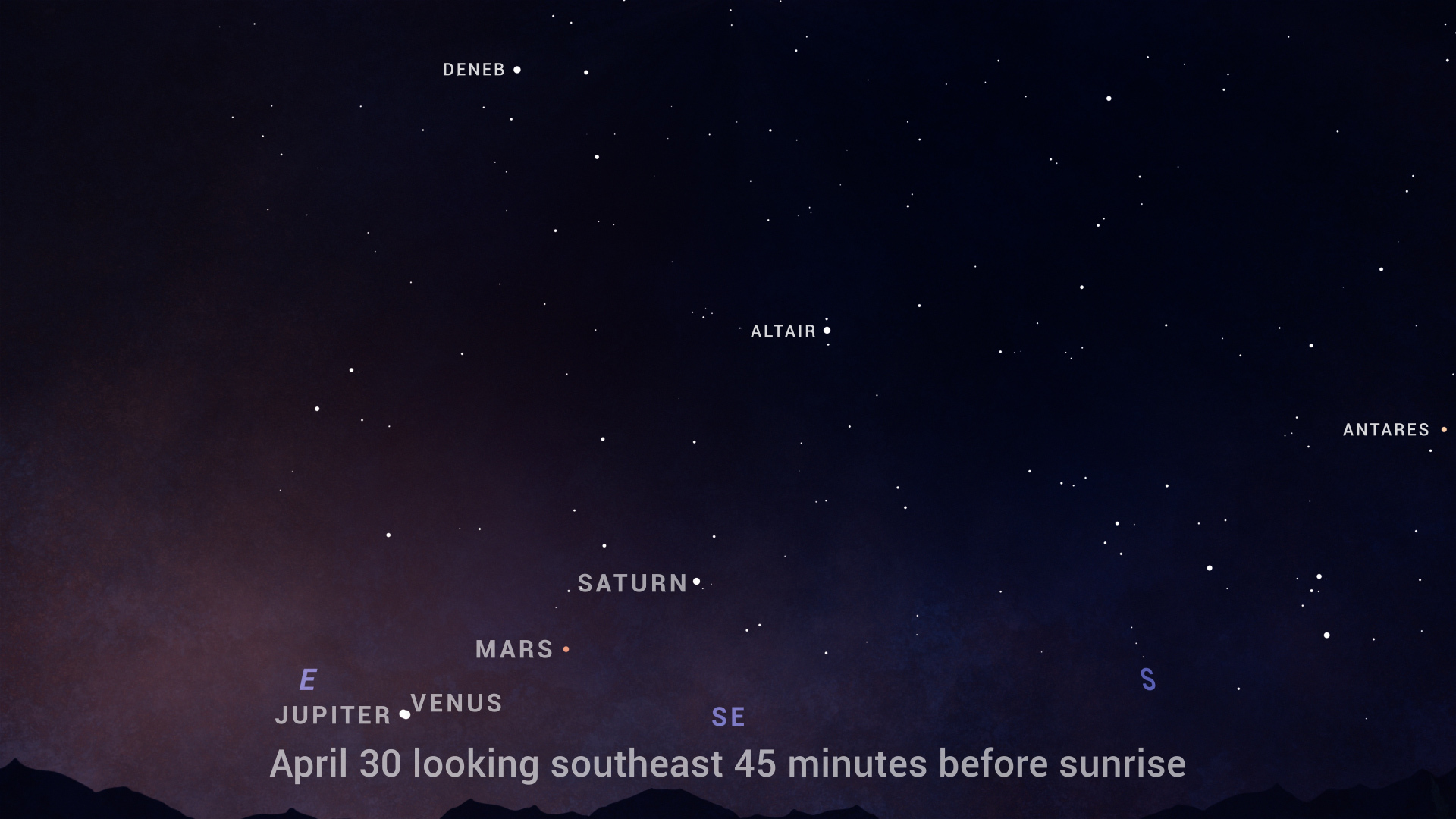
From now until early July, the five nearest planets to Earth will slowly join a celestial conga line across the pre-dawn sky.

These rare, but not once-in-a-lifetime conjunctions offer an excellent opportunity to learn what planets look like, find them with a telescope or binoculars, and introduce some children to stargazing.

In what was the fourth such conjunction this century, it all kicked off in late March, when Venus, Mars, and Saturn began to cluster in the southeast.

This Sunday, April 17th, Jupiter will move into position closest to the eastern horizon, and almost on top of Venus. A bit south and above will be Mars looking very red, and then Saturn further up and further south.

For most people in North America, the ideal time will be to go out and look southeast about 45 minutes before the sun begins to rise. On April 23rd, the Moon will appear in conjunction with the other spheres, appearing to the right and above Saturn, before moving off again by April 29th.

MORE: Hubble Telescope Spots Most Distant Star Ever Seen on Record, From 12 Billion Light Years Away

In mid-June, due to its rapid orbiting around the Sun, Mercury will fall into position. Seeing all five of these together will depend on where one lives. With a long unobstructed view of the eastern horizon, Mercury will be visible as early as June 10th, but for those in hilly, urban, or mountainous areas, it will be better to wait until the beginning of July.

RELATED: Key Building Block For Life Discovered on a Planet 444 Light-Years Away

A thin crescent moon, due on June 17th, will make Mercury easy to find by looking just below and to the right. Uranus and Neptune will also both be in the sky, but will require the use of binoculars or a telescope.

To know for sure you’re looking at a planet and not a star, look for constant light, which can be confirmed by any pair of binoculars and not just those used for stargazing. Stars twinkle, planets don’t.

SHARE the Far Out News on Social Media…
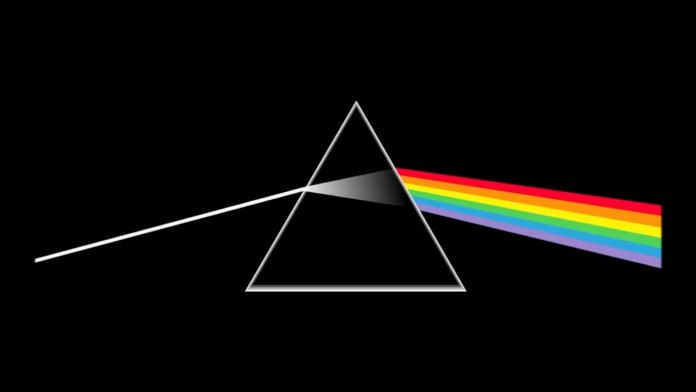
Pink Floyd Reunites to Record First New Material in 28 years – a Protest Song Against the Ukraine War

Three-fifths of Pink Floyd have reunited to release a protest song against the Russian invasion of Ukraine, their first new track in 28 years.

Entitled Hey Hey, Rise Up! David Gilmour described the track as a show of “anger at a superpower invading a peaceful nation,” and features a Ukrainian musician singing the chorus refrain.

David Gilmour is joined by drummer Nick Mason, long-time bassist Guy Pratt, and a new entry as Nitin Sahwney joins up with keyboard.

Work began on the song seven weeks ago, after Gilmour saw Ukrainian singer Andriy Khlyvnyuk of the band Boombox standing in Kyiv’s Sofia Square armed and dressed for battle against the Russian army. In an Instagram video Khlyvnyk was singing The Red Viburnum In The Meadow, a song from the First World War.

“It just struck me that, as it is a capella, one could turn this into a beautiful song,” Gilmour told BBC 6 Music’s Matt Everitt.

MORE: Vancouver Couple Converts Their Huge Resort Property into a Ukrainian Refugee Home for Dozens

In a strange coincidence, Gilmour had shared a stage many acts removed with Boombox when they played a London benefit gig for the Belarus Free Theatre. The great guitarist wanted to sample his singing in Hey Hey, Rise Up!

“I spoke to him, actually, from his hospital bed, where he had a pretty minor injury from a mortar,” the star said. “So he’s right there on the front line. I played him a little bit of the song down the phone line and he gave me his blessing.”

RELATED: Video Gamers Doing a World of Good: Fortnite Raised $144 Million for Ukraine Relief

Protest is all well and good, but the band hopes it will also be a morale booster to the people of Ukraine, and a call to peace.

(LISTEN to the New Pink Floyd song below.)

DON’T Let Good News Go Comfortably Numb; Share the Story…

“I want you to have big dreams, big goals… But I don’t want to see you beating yourself up every time you make a mistake.” – Kelley Armstrong

Quote of the Day: “I want you to have big dreams, big goals… But I don’t want to see you beating yourself up every time you make a mistake.” – Kelley Armstrong (The Gathering)

Photo by: @felipepelaquim

With a new inspirational quote every day, atop the perfect photo—collected and archived on our Quotes page—why not bookmark GNN.org for a daily uplift?


Send Your Best Dog-Friendly Travel Tip and Win a Weekend Getaway For Two – And Bring Your Pup

Do you have the “ulti-mutt” tips for navigating travel with a pup? To celebrate your pets, Baymont by Wyndham has launched a nationwide search for the best pup-friendly travel tips.

In exchange, 10 pup parents will receive a free weekend hotel stay for two while their tips, and their pups, are featured in an upcoming travel planner helping first-time owners navigate the ins and outs of traveling with a pet.

According to a survey by the ASPCA, more than 23 million American households acquired a pet during the pandemic. Now, many first-time pet owners are figuring out how to travel with their furry friends on their next vacation. Lucky for them, Baymont is here to help make their travel planning experience a little less “ruff.”

“When planning a trip, there are number of things to consider. Add a pet to the mix, especially for the first time, and it may feel a little overwhelming—but it doesn’t have to be,” said David Unger, brand leader and vice president of Operations, Baymont by Wyndham.

“At Baymont, we want to make travel easy, especially when our furry friends are involved. It’s why we offer no-cost perks like dog treats and water bowls at our front desks. This initiative builds on those efforts, helping ensure our guests—the two or four-legged kind—have a great trip, even before they arrive.”

MORE: Vast Majority of Dog Owners Believe They Can Read Their Pooch’s Mind

Amongst all the tips received, Baymont by Wyndham will select the 10 best and feature them in its upcoming pet-friendly travel planner, debuting later this year, alongside a corresponding photo of each winning pup.

In exchange for their help, each proud pup’s parent(s) will receive two free nights at the Wyndham Rewards hotel of their choosing, along with a complimentary one-year upgrade to Wyndham Rewards Diamond membership which includes perks like free WiFi, early check-in, late checkout, suite upgrades, rental car upgrades, and more.

Think you’ve got what it takes to lead the pack? Parents are invited to submit their best pup-friendly travel tip in 100 words or less, as well as two high-resolution photos of their pup—one headshot and one travel-themed photo—to [email protected].

RELATED: Tiny Yorkshire Terrier Detects Breast Cancer in Woman, Jumping Up and Down on Her Chest in Alarm

If you’re looking for ideas of the kinds of tips to send? GNN has been given word such a: What should you do before hitting the road with your pet; the one must-have item that no pet-parent should travel without; and which pet-friendly places should be on your itinerary.

You can also encourage contestants to check out tips from the ASPCA for inspiration.

with more than 500 hotels across North America, nearly two-thirds of which are pet friendly

Baymont has more than 500 hotels across North America—nearly two-thirds of which are pet-friendly—and they are committed to making travel easy for the entire family.

Pet-friendly hotels, along with their policies, are easily searchable on www.BaymontInns.com while the brand’s Baymont Buddy program—available at more than 300 locations—lets guests request a complementary water bowl and dog treats upon arrival.

CHECK OUT: The Newest Cadbury Bunny is… a Therapy Dog Named Annie Rose!

For more information about Baymont’s latest pup-centric program, including official rules, visit www.baymontinns.com/petfriendly.

Submissions will be accepted up until 11:59 PM ET on May 11, 2022. The winning candidates will be selected on or about June 7, 2022.

SHARE This Exciting Opportunity With Your Pals…

Simple Bacteria Spray Can Solve India’s Air Pollution and Also Enrich Local Farmers

Delhi – Mark Danielson (CC license, Flickr)
Mark Danielson; CC license

A spray of common bacteria and fungi has been developed to rapidly biodegrade agricultural waste in the fields of India, enriching degraded soils and saving thousands in material and labor costs.

Furthermore, it’s eliminating the practice of burning post-harvest waste, a large contributor to one of India’s most infamous societal problems: smog.

Set amidst a sea of burning agricultural waste, New Delhi, has the most polluted air of any world city, while India  has 26 of the world’s 30 most polluted cities measured by air quality.

This is in large part due to the richness of the farmland in the for north-Indian states of Haryana, Rajasthan, Punjab, and Uttar Pradesh. Producing rice and wheat for much of the country and the world, after harvest most farmers simply burn all the stalks and leaves left over to quickly clear the fields for the next planting.

This “stubble burning,” takes place on 5.7 million acres of rice paddy, and despite being illegal for decades, continues mostly unabated.

Nurture.farm is an ag-services company that’s pioneered a groundbreaking solution to the stubble burning/air pollution problem. Called the PUSA Decomposer, it’s nothing more than 7 species of fungi and bacteria present in India’s soils. Developed by the Agricultural Research Institute in Delhi, this microbial spray breakdowns all leftover stubble in just 3 weeks. After just 8 days, knee-high rice stalks simply disappear.

RELATED: New John Deere Tractors Plow Day and Night With No One in the Cab: Autonomous Farming Debuts in 2022

Nurture works with mostly small farms, and the reduction of burning by their clients has prevented 141,000 tons of ash from entering India’s air, another 2,000 tons of other particulate matter, and 1 million tons of CO2.

Labor saving device, world saving device

The best part is all decomposed stubble is fully-reintegrated into the soil. Depletion of soil matter is a world-threatening problem, and so Nurture is just one of 12 ag-tech companies that have been licensed to try and integrate the PUSA decomposer into Indian society.

CHECK OUT: Chinese Method For Growing Veggies Year-Round in Frigid Canada Really Works–And Has No Heating Costs

The stubble represents the largest, and by far easiest ways of restoring soil nutrients; much cheaper than buying artificial fertilizer. One study from the International Maize and Wheat Center found that if rolled into bails and stacked atop one another, the stubble from India’s fields would arrive at the moon, and that if there could only be an alternative found for burning, India could reduce her ag-related emissions by 78%.

Farmers registered with Nurture can avail themselves of a totally free mechanized spraying service to apply the PUSA decomposer to their fields, removing most of the use barriers for the 25,000 farmers who use Nurture for their 5 million total acres.

Compared to burning, Nurture’s data on the initial harvests has been dramatic. There’s been a 25% reduction in costs from the need to buy artificial fertilizer, and a 20% increase in farmers’ income due to the ability to rotate in short term crops between the rice and wheat cycles.

MORE: These Solar Panels Also Pull in Water Vapor to Grow Crops in the Desert

“It was exhilarating to see that in all the fields where the spraying protocol was followed, the stubble started to decompose within just eight days,” said COO Dhruv Sawhney. “This garnered the farmer’s trust and appreciation, which was highly motivating for us.”

“We’ve emerged more confident and determined post phase-1 of the initiative and will
continue our efforts to develop the product and our tech capabilities to eliminate the
environmental hazard of crop stubble burning in the coming three years.”

(WATCH the video for this story below.)

FERTILIZE Those Feeds With Good News; Share This Story…

Constructive Feedback Is Surprisingly Welcome – So ‘Just do it’

People consistently underestimate others’ desire for constructive feedback and therefore don’t provide it, even when it could improve another person’s performance on a task, according to research published by the American Psychological Association.

“People often have opportunities to provide others with constructive feedback that could be immediately helpful, whether that’s letting someone know of a typo in their presentation before a client presentation, or telling a job candidate about a stained shirt before an interview,” said lead author Nicole Abi-Esber, a doctoral candidate at Harvard Business School. “Overall, our research found that people consistently underestimate others’ desire for feedback, which can have harmful results for would-be feedback recipients.”

Constructive feedback is instrumental for aiding learning and performance, and research has shown that people commonly report wanting this type of feedback, according to the researchers.

However, despite wanting constructive feedback themselves, people often avoid giving it to others. In a pilot study conducted by the researchers, only 2.6% of participants informed a tester of a visible smudge on his or her face (e.g., chocolate, lipstick or red marker) during a survey.

Previous research suggests that people avoid giving feedback for fear of negative outcomes, such as the other person’s becoming embarrassed or upset. Abi-Esber and her colleagues theorized there might be another reason people withhold feedback: They simply do not fully recognize the potential of their input to improve others’ outcomes, leading them to underestimate others’ desire for such feedback.

To test their theory, the researchers conducted a series of five experiments involving 1,984 participants to measure how much people underestimate others’ desire for constructive feedback.

MORE: Latest Science Shows How to Reduce Loneliness

In one, participants were presented with 10 hypothetical awkward social situations at work, where they could either give or receive constructive feedback. In another experiment, participants were asked to recall a situation where they could either have given or received constructive feedback. In the final experiment, participants were paired, with one practicing a speech for a competition and the other assigned to listen and provide feedback.

Across all five experiments, people in a position to give feedback consistently underestimated potential receivers’ desire for it. The more consequential the feedback (e.g., telling someone they need to improve their presentation skills), the more likely participants were to underestimate the other’s need for feedback and the less likely they were to offer it. The gap was smaller in more everyday, less consequential scenarios, such as when the other person had food on their face or a rip in their pants.

The researchers were surprised to find that the simple intervention of perspective taking could increase the likelihood someone would recognize the need for and provide feedback. Simply asking people to quickly reflect, “If you were this person, would you want feedback?” helped participants recognize the value of feedback to the other person and helped close the giver-receiver gap.

RELATED: Anxiety Can Be a Habit – Which Means We Can Stop it, If We Know How

“Even if you feel hesitant to give feedback, we recommend that you give it,” said Abi-Esber. “Take a second and imagine you’re in the other person’s shoes and ask yourself if you would want feedback if you were them. Most likely you would, and this realization can help empower you to give them feedback.”

“Feedback is key to personal growth and improvement, and it can fix problems that are otherwise costly to the recipient,” said coauthor Francesca Gino, PhD, also of Harvard Business School. “The next time you hear someone mispronounce a word, see a stain on their shirt or notice a typo on their slide, we urge you to point it out to them—they probably want feedback more than you think.”

The research was published in APA’s Journal of Personality and Social Psychology.

Source: American Psychological Association

SHARE the Hope; Share This Story…