All News - Page 389 of 1715 - Good News Network
Home Blog Page 389

NBA Basketball Star Donates Full Salary This Season to Build Hospital in DR Congo to Honor Father

Bismack Biyombo Foundation

Bismack Biyombo, returning to the NBA after a year as a free agent, has announced he will donate the entire $1.3 million value of his contract to the construction of a hospital in his home town in Congo.

Taking last season off to care for his sick father, who passed away in August of 2021, Biyombo said he became aware of just how fortunate he was simply to be able to bring his father to the hospital.

The announcement was made last Friday, two months after Biyombo signed a one-year contract with the Phoenix Suns.

The construction will be carried out through the Bismack Biyombo Foundation, which uses the star’s success as an NBA player to help those in the DR Congo. During the early pandemic, the Foundation delivered $1 million in medical supplies to hospitals across the country.

The Foundation focuses on creating initiatives in three areas to multiply opportunities for children in the DRC: athletics, education, and health. Its work results in 185 annually-granted scholarships, 150 higher education opportunities, and helps over a thousand patients every week receive treatment at Congolese hospitals.

MORE: Teen Thought Neighbors Called the Cops After He Played Noisy Basketball –Watch the Sweet Surprise He Got Instead

“I told my agent my salary for this year would be going to the construction of a hospital back home to give hope to the hopeless,” Miyombo said in an interview released on his Foundation’s YouTube channel. “I want to be able to give them better conditions so that they can somewhat have hope that their loved ones will be able to live and see another day.

The hospital will be named in honor of the man whom Miyombo described as “my friend, my business partner, my mentor, and everything.”

The story is remarkably similar to that of Atlanta Hawks center Dikembe Mutombo, who donated $2 million of his NBA earnings toward the building of a planned $44 million hospital and medical center in his home town of Kinshasa, Congo in 1998. GNN reported that the donation was made through the Dikemebe Mutombo Foundation.

RELATED: Shaq Helps Pay For Stranger’s Engagement Ring: ‘I’m just trying to make people smile’

”I’ve had an opportunity to live very well here in America—and to succeed,” said Mutombo. “But my success would be pointless if I forgot to look back at where I came from and help those who are still struggling for basic medical care.”

(WATCH the video for this story below.)

PASS On the Generosity—Share This Story…

“The illiterate of the 21st century will not be those who cannot read and write, but those who cannot learn, unlearn, and relearn.” – Alvin Toffler

Credit: Aaron Burden

Quote of the Day: “The illiterate of the 21st century will not be those who cannot read and write, but those who cannot learn, unlearn, and relearn.” – Alvin Toffler

Photo by: Aaron Burden

With a new inspirational quote every day, atop the perfect photo—collected and archived on our Quotes page—why not bookmark GNN.org for a daily uplift?

Inspired by Woman Who Could Smell Parkinson’s on Skin, ‘E-Nose’ is Developed by Scientists to Do the Same

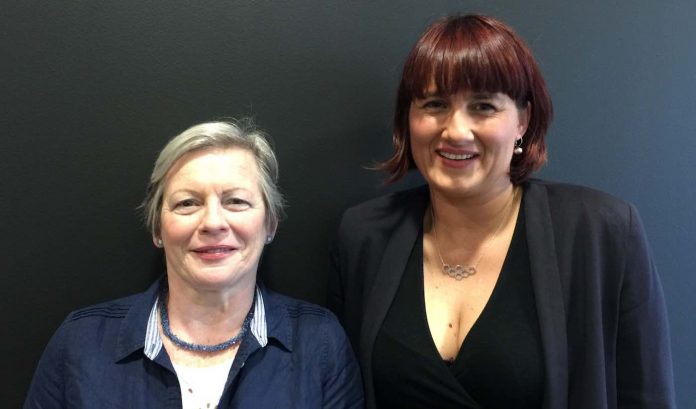
Joy Milne and Professor Perdita Barran – University of Manchester

A couple of years ago, a woman named Joy Milne made headlines when scientists discovered that she could “smell” Parkinson’s disease on people with the neurodegenerative disorder.

Since then, researchers have been trying to build devices that could diagnose the disease through odor compounds on the skin.

Now, researchers reporting in ACS Omega have developed a portable, artificially intelligent olfactory system, or “e-nose,” that could someday diagnose the disease in a doctor’s office.

Parkinson’s disease (PD) causes motor symptoms, such as tremors, rigidity, and trouble walking, as well as non-motor symptoms, including depression and dementia.

Although there’s no cure, early diagnosis and treatment can improve one’s quality of life, relieve symptoms and prolong survival.

However, the disease usually isn’t identified until patients develop motor symptoms, and by that time, they’ve already experienced irreversible neuron loss.

RELATED: Cannabis Could Hold the Key to Preventing Neurodegenerative Diseases Like Parkinson’s and Alzheimer’s

Recently, scientists discovered that people with PD secrete increased sebum (an oily, waxy substance produced by the skin’s sebaceous glands), along with increased production of yeast, enzymes, and hormones, which combine to produce certain odors.

Human “super smellers” like Milne are very rare; she first caught scent of the disease’s “musky, oily odor” when she smelled it on her now-late husband Les. 12 years after she first detected the smell, as GNN reported, he was diagnosed with Parkinson’s at the age of 45.

Now researchers have used gas chromatography (GC)-mass spectrometry to analyze odor compounds in the sebum of people with PD. But the instruments are bulky, slow, and expensive. Jun Liu, Xing Chen and colleagues wanted to develop a fast, easy to use, portable, and inexpensive GC system to diagnose PD through smell, making it suitable for point-of-care testing.

RELATED: Get Your Body Moving to Put the Brakes on Early Parkinson’s, Study Says

The researchers developed an e-nose, combining GC with a surface acoustic wave sensor—which measures gaseous compounds through their interaction with a sound wave—and machine learning algorithms. The team collected sebum samples from 31 PD patients and 32 healthy controls by swabbing their upper backs with gauze.

They analyzed volatile organic compounds emanating from the gauze with the e-nose, finding three odor compounds (octanal, hexyl acetate, and perillic aldehyde) that were significantly different between the two groups, which they used to build a model for PD diagnosis.

Next, the researchers analyzed sebum from an additional 12 PD patients and 12 healthy controls, finding that the model had an accuracy of 70.8% in predicting PD. The model was 91.7% sensitive in identifying true PD patients, but its specificity was only 50%, indicating a high rate of false positives. When machine learning algorithms were used to analyze the entire odor profile, the accuracy of diagnosis improved to 79.2%.

Before the e-nose is ready for the clinic, the team needs to test it on many more people to improve the accuracy of the models, and they also need to consider factors such as race, the researchers say.

This article has been published in ACS.

Source: ACS

Cure Your Friends Of Negativity By Sharing The Good News To Social Media…

CRISPR Gene-Editing Tool Redesigned to be 4,000 Times Less Likely to Target the Wrong Strand of DNA

Jack Bravo/University of Texas at Austin

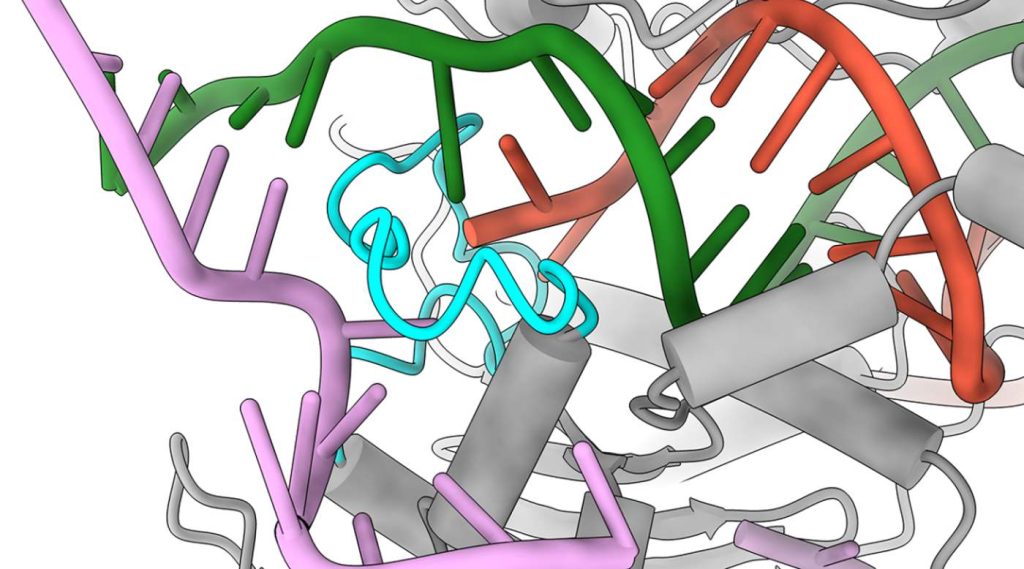
One of the grand challenges with using CRISPR-based gene editing on humans is that the molecular machinery sometimes makes changes to the wrong section of a host’s genome, creating the possibility that an attempt to repair a genetic mutation in one spot in the genome could accidentally create a dangerous new mutation in another.

But now, scientists at The University of Texas at Austin have redesigned a key component of a widely used CRISPR-based gene-editing tool, called Cas9, to be thousands of times less likely to target the wrong stretch of DNA while remaining just as efficient as the original version, making it potentially much safer.

“This really could be a game changer in terms of a wider application of the CRISPR Cas systems in gene editing,” said Kenneth Johnson, a professor of molecular biosciences and co-senior author of the study with David Taylor, an assistant professor of molecular biosciences. The paper’s co-first authors are postdoctoral fellows Jack Bravo and Mu-Sen Liu.

Other labs have redesigned Cas9 to reduce off-target interactions, but so far, all these versions improve accuracy by sacrificing speed. SuperFi-Cas9, as this new version has been dubbed, is 4,000 times less likely to cut off-target sites but just as fast as naturally occurring Cas9. Bravo says you can think of the different lab-generated versions of Cas9 as different models of self-driving cars. Most models are really safe, but they have a top speed of 10 miles per hour.

“They’re safer than the naturally occurring Cas9, but it comes at a big cost: They’re going extremely slowly,” said Bravo. “SuperFi-Cas9 is like a self-driving car that has been engineered to be extremely safe, but it can still go at full speed.”

LOOK: Revolutionary CRISPR-based Genome Editing System Destroys Cancer Cells ‘Permanently’ in Lab

So far, the researchers have demonstrated the use of SuperFi-Cas9 on DNA in test tubes. They’re now collaborating with other researchers who plan to test SuperFi-Cas9 for gene editing in living cells. They’re also working to develop still safer and more active versions of Cas9.

CRISPR-based gene-editing tools are adapted from naturally occurring systems in bacteria. In nature, a Cas9 protein floats around in the environment, searching for DNA with a very specific sequence of 20 letters, like the X on a pirate map that indicates “dig here.” Sometimes, when most of the letters are correct, except those in spots 18 through 20, Cas9 still goes ahead and digs in. This is called a mismatch, and it can have disastrous consequences in gene editing.

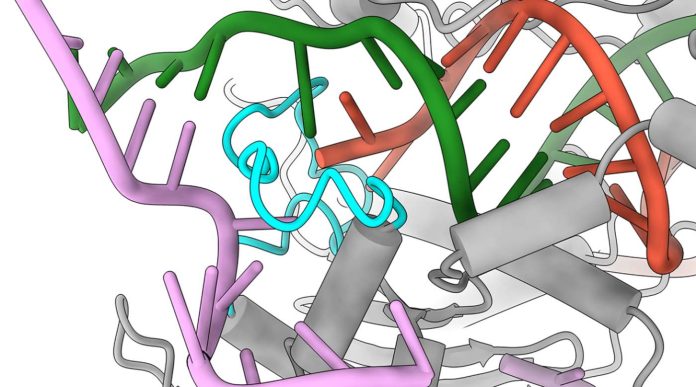
Taylor and Johnson developed a technique called kinetics-guided structure determination that used a cryo-electron microscope in the Sauer Structural Biology Lab to take snapshots of Cas9 in action as it interacted with this mismatched DNA.

They were surprised to discover that when Cas9 encounters this type of mismatch in positions 18 through 20, instead of giving up and moving on, it has a finger-like structure that swoops in and holds on to the DNA, making it act as if it were the correct sequence. Normally, a mismatch leaves the DNA a bit floppy; this finger-like structure stabilizes it.

“It’s like if you had a chair and one of the legs was snapped off and you just duct taped it together again,” Bravo said. “It could still function as a chair, but it might be a bit wobbly. It’s a pretty dirty fix.

RELATED: Every Patient Treated With CRISPR Gene Therapy for Blood Diseases Continues to Thrive, More Than a Year On

Without that added stability in the DNA, Cas9 doesn’t take the other steps needed to cut the DNA and make edits. No one had ever observed this extra finger doing this stabilization before.

“This was something that I could never have, in a million years, imagined in my mind would have happened,” Taylor said.

Based on this insight, they redesigned the extra finger on Cas9 so that instead of stabilizing the part of the DNA containing the mismatch, the finger is instead pushed away from the DNA, which prevents Cas9 from continuing the process of cutting and editing the DNA. The result is SuperFi-Cas9, a protein that cuts the right target just as readily as naturally occurring Cas9, but is much less likely to cut the wrong target.

MORE: Breakthrough Using CRISPR to Target Fat Cells in Genetic Study of Obesity

Other authors are Grace Hibshman, Tyler Dangerfield, Kyungseok Jung and Ryan McCool, also of The University of Texas at Austin.

Bravo, Liu, Hibshman, Dangerfield, Johnson, and Taylor are inventors on a patent application covering novel Cas9 designs based on this work. The UT Austin Office of Technology Commercialization is managing the intellectual property and working to find industry partners that can help realize the vast potential of the technology.

This work has been published in Nature journal.

Source: UT Austin

SHARE the Hope; Share This Story…

Watch Amazing Video of Whale Sharks Teaming Up to Hunt With Other Predators in Rare View

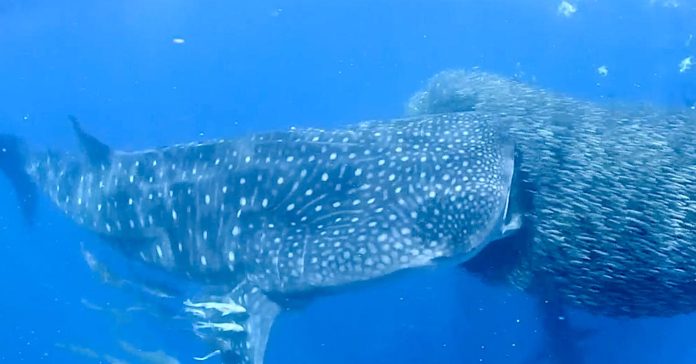
A group of whale sharks were recently seen feeding on baitfish balls in tandem with other predators in some stunning underwater footage.

The world’s largest fish normally cruises around expending very little energy while eating tiny krill, and this sort of fast coordinated hunting is very poorly understood by marine biologists.

Recorded growing as long as 60 feet and weighing many tons, despite a 5-foot-long mouth, its throat opening is only about the size of a grapefruit. This limits the animal’s available edibles to krill and plankton, but 21st-century documentation has confirmed that anchovies, baitfish, and even the occasional squid are also on the menu.

“Bait balls” are swarms of small fish concentrated in a single ever-moving mass as a defence mechanism. They draw in predators of all shapes, and in the video filmed off Ningaloo Reef in Western Australia, the whale sharks feed together with diving wedge-tailed shearwaters, which are a kind of petrel, powerful tuna, and both trevally and whaler sharks.

It seems possible that either the smaller feeders are coordinating their attacks off of the lumbering charges of the whale sharks, but cooperation in nature is rarely a single lane road, and it’s possible that the whale sharks benefit from the other predators’ presence as well.

RELATED: Mesmerizing Rose-Veiled Fairy Wrasse is New to Science – And Named for National Flower

“The interactions made my mind race with a whole bunch of questions,” Emily Lester, a postdoctoral fellow at the Australian Institute of Marine Science, told National Geographic. Lester published a paper on the interactions in the journal Pacific Conservation Biology.

“We know that when bait balls are around, other predators do these spatially-coordinated attacks to maximize their foraging efficiency. What if the same thing is happening here?”

“I wonder if this is a two-way interaction,” Lester muses. “After the whale sharks charge through the bait ball, can those other predators capitalize on the isolated fishes that are separated?”

MORE: A Pod of Whales Adopted a Young Stray Narwhal – and They May Have Little ‘Narwhales’

Bait balls form, not as what seems to be an apparent suicide pact, but because not only is there strength in numbers, but also because the limitless number of targets confuses predators, which, possessing strong focal vision, prefer to focus on a single prey animal.

At 0:37 in the video, one can see that the charging whale shark is tailed by a cool dozen other hungry fish, perhaps ready to target the isolated fish as Lester suspected. What the whale sharks get in return is unknown.

(WATCH the video for this story below.)

FLOAT This Amazing Video to Your School of Friends on Social Media…

Little Kids Give You Pep Talks on Recorded Phone Hotline – And They’re Adorable (LISTEN)

It’s sometimes said that “wisdom oft comes from the mouths of babes,” but what it doesn’t mention is that you have to dial 1 first.

A new telephone hotline is relieving stress and uplifting callers with laughter, words of encouragement, and advice from elementary school students—and it’s ringing off the hook.

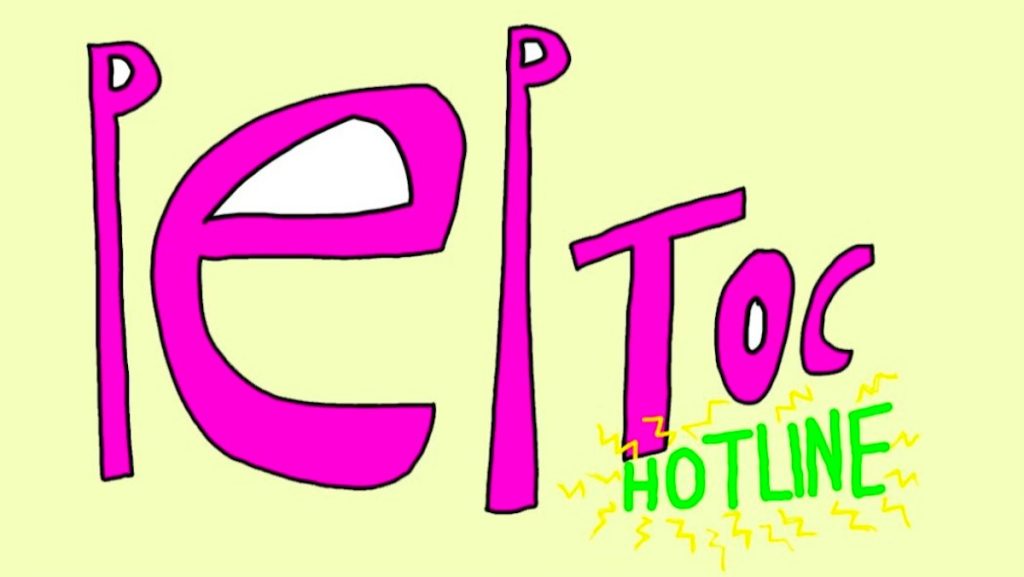
The Peptoc Hotline was the brainchild of local art teacher Jessica Martin, who figured she would create some smiles in the Healdsburg, California community. But shortly after launching, it exploded into life—regularly receiving 300-400 calls per hour.

After calling the number 707-998-8410, voices of kids from West Side Elementary will direct the caller in either Spanish or English through the directory to find what topic they need to get through the day.

“I was moved by the incredible collection of advice and encouragement they gleaned, and how easily and distinctly they were able to communicate it,” Martin told CNN.

RELATED: 5-Year-old Donates Everything He Has–30 Cents–to a Homeless Man, Teaching His Father a Lesson

“If you’re feeling mad, frustrated or nervous, press 1,” says the directory. One of the suggestions you’d hear after being transferred is a student saying, “If you’re feeling mad you should take three deep breaths and think of things that make you happy.”

“If you need a pep talk from Kindergarteners, press 3… If you need to hear kids laughing with delight, press 4,” the directory continues. Voice recordings from pupils ages 5-12 include this gem: “If you’re feeling up high and unbalanced, think of groundhogs.”

On March 6th, a GoFundMe campaign was launched in response to the avalanche of 11,000 callers every hour! It raised $26,000 to keep the youthful advice flowing.

MORE: Want Students to Do Better in Class? Take Them on Culturally Enriching Field Trips

It was Martin’s own 6-year-old son that came up with the name, after she asked him to use his block letter toys to create a flyer for the hotline.

Her only piece of advice is that the name would include the phrase “pep talk,” forgetting that this is a very different thing when sounded out by a 6-year-old, who quickly named the hotline “Peptoc” which was charming enough on its own to settle the task.

The hotline will continue for the rest of the school year, reports CNN, and it will surely bring delight to many.

(HEAR their voices in this video news report.)

UPLIFT Your Chums With This Sweet Story…

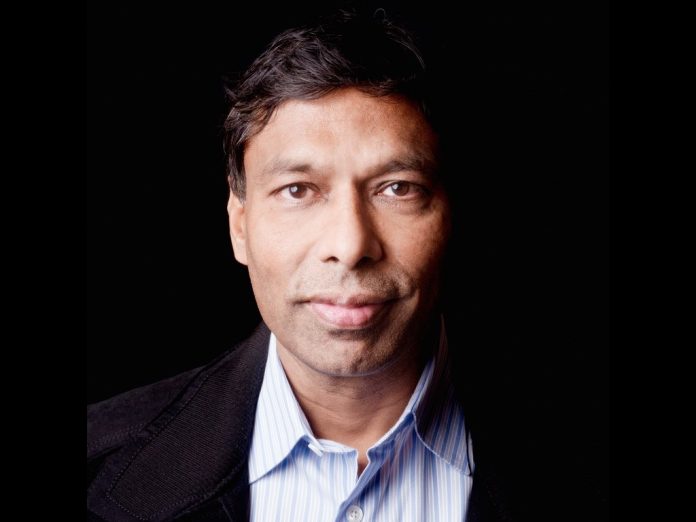
Livin’ Good Currency Podcast: Preparing For a Harmonious Future of Health and Hard Work with Naveen Jain

The Lesson: How can we ensure that we get the most out of education? What will be the future of primary healthcare? What is the most logical way of looking at failure, disappointment, or disaster? How can we reverse our biological age? Serial entrepreneur Naveen Jain gives his perspective on how to plan and execute a more harmonious future.

Notable Excerpt: “We are thinking backward as we’re educating our children. This idea that you develop one skill and you stay in your lane has to go away, because the whole education system was designed for the industrial era, where you learned to do machining and could work for the rest of your life. As we are living in this society today where the technologies are becoming obsolete by the time you even graduate, you have to learn to learn, you have to create children that are constantly learning.”

The Guest: Naveen Jain became an entrepreneur and philanthropist after leaving the higher echelons of Microsoft. He founded InfoSpace and Intelius, among others. Today, Jain is an executive and co-founder of Viome, a gut microbiome testing service (Read more about Viome in this GNN article). He’s also involved in Moon Express, a company aiming at lunar mining for elements like cobalt,  niobium, and others.

At the moment, when you purchase Health Intelligence Test (Top Seller) or any other product from Viome, you will receive $20 off your first purchase by visiting https://viomehq.sjv.io/goodcurrency

Use Promo Code GOODCURRENCY and get an additional $20 off your order.

The Podcast: Livin’ Good Currency explores the relationship of time to our lives. It gives a simple, straight-forward formula that anyone can use to be present in the moment—and features a co-host who knows better than anyone the value of time (see below). How do you want to spend your life? This hour can inspire you, along with upcoming guests, to be sure you are ‘Livin’ Good Currency’ and never get caught running out of time.

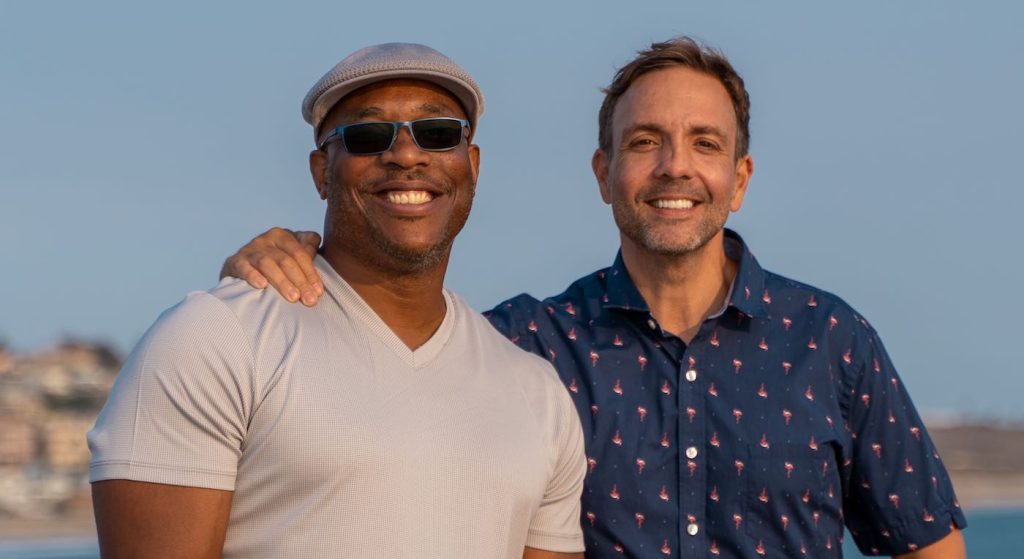
Livin’ Good Currency cohosts Tony Samadani and Tobias Tubbs

The Hosts: Good News Network fans will know Tony (Anthony) Samadani as the co-owner of GNN and its Chief of Strategic Partnerships. Co-host Tobias Tubbs was handed a double life sentence without the possibility of parole for a crime he didn’t commit. Behind bars, he used his own version of the Livin’ Good Currency formula to inspire young men in prison to turn their hours into honors. An expert in conflict resolution, spirituality, and philosophy, Tobias is a master gardener who employs ex-felons to grow their Good Currency by planting crops and feeding neighborhoods.

Subscribe to the Pod:  On iTunes… On Spotify… On Amazon Music… Or Google Play.


DON’T Forget to Share the New Podcast With Friends and Family on Social Media… (Featured photo by Kevin Abosch)

“You never change things by fighting the existing reality. To change something, build a new model that makes the existing model obsolete.” – Buckminster Fuller

Almos Bechtold

Quote of the Day:  “You never change things by fighting the existing reality. To change something, build a new model that makes the existing model obsolete.” – Buckminster Fuller

Photo by: Almos Bechtold

With a new inspirational quote every day, atop the perfect photo—collected and archived on our Quotes page—why not bookmark GNN.org for a daily uplift?

Almos Bechtold

Volunteers Are Soothing Senior Loneliness, Giving Free Rides on ‘Couch Bikes’ Worldwide – Find One Near You

By Eddie McEleney- Cycling Without Age
Cycling Without Age Scotland SCIO / Facebook

In cities across the world, volunteers are taking the elderly and people with disabilities out for spins on special tricycles to enjoy the great outdoors.

It’s called Cycling Without Age, and the group is finally up and riding again in Scotland, following the relaxation of COVID-19 restrictions—and they are delighted to be reengaging their scientifically-proven method for enhancing well-being in seniors.

Cycling Without Age (CWA) began in Denmark in 2012, when two good-hearted people (including Ole Kassow of Copenhagen) wanted to help the local elderly and less-able individuals get back on their bicycles. They designed a ‘trishaw’ with a two-person bench at the front where passenger could sit and enjoy the view.

Now there are 2,700 chapters worldwide using well over 3,700 trishaws—and anyone can see the obvious benefits on the faces of people in the carriages.

The Scottish government immediately supported the nonprofit as it chartered its service in 2017. Today it’s available for free in almost every part of the country. 27 local authorities are participating in the project, which has already provided rides to 43,500 Scots—thanks to thousands of volunteer peddlers.

Passengers and pilots alike are back enjoying sea and mountain views in some of the most beautiful regions Scotland has to offer.

MORE: Your Brain Doesn’t Slow Down Until You’re in Your 60s – Later Than Thought


In an effort to quantify the value of CWA, the Ageing Lab at Heriot-Watt University in Edinburgh worked independently to measure the effects of a ride day versus a non-ride day on dozens of participants who had taken at least four rides. Asked to describe their mood, stress, and energy levels using a scientific scale, they showed a strong improvement on ride days.

“They give them the right to wind in their hair,” said a representative.

RELATED: Exercise Can Help Older Adults Retain Memories

Although the service incurs zero cost to the riders, the bikes reportedly cost $13,000 each, but that hasn’t slowed down the movement. From Chicago suburbs to Bolivia, from Littleton, Colorado, to Togo and Malaysia, CWA is combatting loneliness and isolation in 52 countries, one mile and kilometer at a time.

(WATCH the heartwarming video below.)

PEDAL This Inspiring Idea to Friends and Towns on Social Media…

Jedi Landscaper Sets Up Rows of Precisely Spaced Brick Dominoes – And the Ending is Spectacular

A landscaper in Cheyenne, Wyoming, uploaded a new video demonstrating his skill at creating a domino effect using cinder block bricks on the job site—and it’s racking up thousands of views.

Nestor Gallardo touted his video as “mesmerizing’—and based on the number of times we replayed it, we’d say that’s accurate! The ending was a flipping surprise that paid off.

Nestor is the owner of Big Bird Landscaping LLC, and he describes the final step of the domino run, calling it the ‘backdrop’.

Each block tips over the one after it, as in any domino run. However, the LAST brick falls flat, which changes the angle and allows the brick behind it to fall flat, as well—setting off a backwards chain reaction.

“It’s geometry at it’s finest,” wrote Skywatcher17 in the comments.

“How cool it looks—and Sounds!” said Nestor.

See the two short clips below and judge for yourself…

SEE Their Trial Run below…

ALSO WATCH: Dad Hilariously Struggles to Keep Triplets From Climbing Furniture (Watch)

KEEP the Fun GOING—Send This to the Next Person on Social Media…

‘Comical-Looking’ Bat Thought to Be Extinct is Found Again After 40 Years in Dense Rainforest

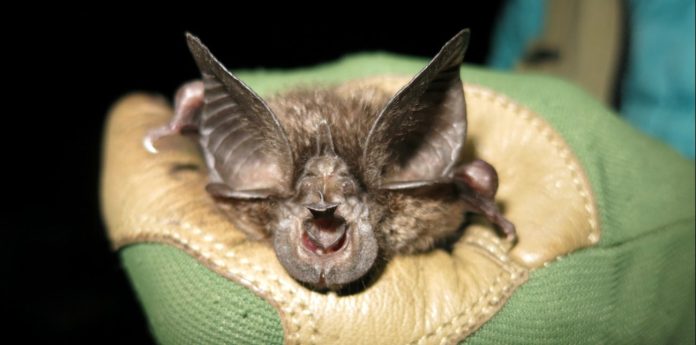
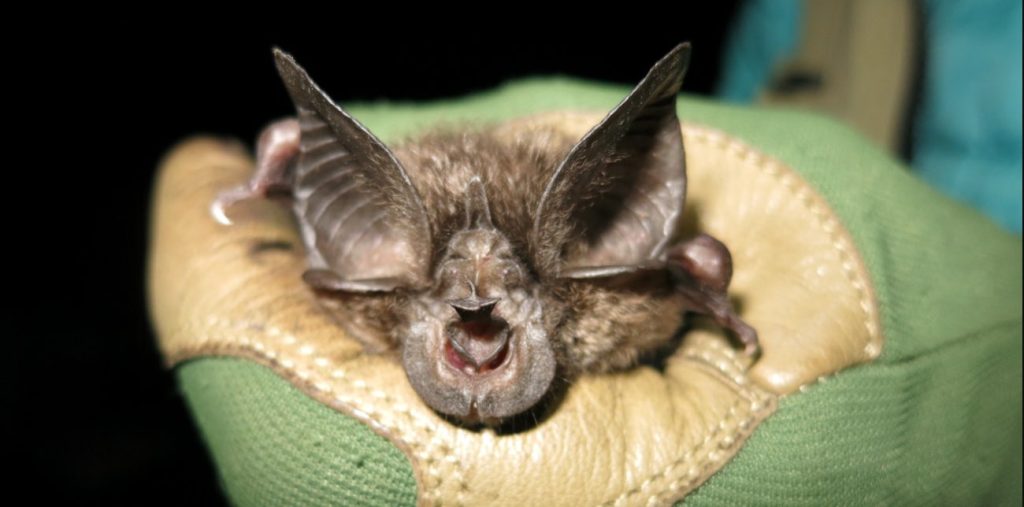
Hill's horseshoe bat by Dr. Jon Flanders, Director of Bat Conservation International
Hill’s horseshoe bat by Dr. Jon Flanders, Director of Bat Conservation International

Of more than 1,300 bat species on our planet, this might be the most comical-looking.

So says the chief scientist at Bat Conservation International when describing the Hill’s horseshoe bat, thought to be extinct for 40 years.

“It’s astonishing to think that we’re the first people to see this bat in so long,” said Dr. Jon Flanders, Director of the organization, in a statement last week.

Flanders joined a multi-national team of experts on an expedition to survey a dense cloud forest in Rwanda, where they were delighted to find the ‘lost species’.

The rediscovery marked the culmination of survey efforts that began in 2013. The team’s dedication paid off during a ten-day and night hike into Nyungwe National Park.

“We knew immediately that the bat we had captured was unusual and remarkable,” said Dr. Winifred Frick, BCI’s Chief Scientist. “The facial features were exaggerated to the point of comical. Horseshoe bats are easily distinguishable from other bats by characteristic horseshoe shape and specialized skin flaps on their noses”.

LOOK: Jonathan the Tortoise is World’s Oldest Living Land Animal: 190 Years-old and Still Eating and Mating (WATCH)

Careful measurements of the bat before they released it back into the wild were an early tip-off that this could be the lost species they came to find. Dr. Flanders then traveled to visit museum archives in Europe to compare the only known specimens to verify that what they had captured in the African forest was, in fact, the first evidence in 40 years that Hill’s horseshoe bat still exists.

Catching this elusive species also allowed the team to collect additional information to ensure it is easier to find in the future – including recording the first-ever echolocation calls that Hill’s horseshoe bat emits as it hunts for insects.

“Knowing the echolocation calls for this species is a game-changer,” said Dr. Paul Webala, Senior Lecturer at Maasai Mara University, and one of the team’s lead scientists.

The pair of Hill’s horseshoe bats were found back in 2019, but scientists are just divulging the details now, having confirmed the species. In the meantime, the Nyungwe Park Rangers have been setting out detectors that ‘eavesdrop’ on the bats during their nightly flights through the forest.

POPULAR: Amazing Quarter-Million Monarchs in 2021, Up From Just 2,000 the Year Before in Migration Count

The rangers conducted audio surveys with Wildlife Acoustics bat detectors in 23 locations over nine months resulting in recording a quarter-million sound files. Analysis of the sound files revealed Hill’s horseshoe bats were heard at eight locations, all within a small area.

“All the work so far confirms that this is a very rare species with a very small core range,” said Dr. Frick.

LOOK: World’s Tiniest Pig at 10-Inches Tall, Once Thought Extinct, Is Returning to the Wild

BCI has published records of the rediscovery in their first dataset shared openly, ON the Global Biodiversity Information Facility.

“Now our real work begins to figure out how to protect this species long into the future,” says Flanders, who will be collaborating with park management, the government, and Rwanda Wildlife Conservation Association, which joined the expedition, to strengthen the existing conservation effort.

FLY This Cutie to Your Batman-Loving Friends on Social Media…

These Solar Panels Also Pull in Water Vapor to Grow Crops in the Desert

CREDIT: Renyuan Li, CC BY-SA

Using a unique hydrogel, scientists in Saudi Arabia have successfully drawn water out of the dry air for growing spinach—while producing electricity from the solar panels that power it all.

The system offers a sustainable, low-cost strategy to improve food and water security for people living in dry-climate regions.

“A fraction of the world’s population still doesn’t have access to clean water or green power, and many of them live in rural areas with arid or semi-arid climate,” says Peng Wang, a professor of environmental science and engineering at the King Abdullah University of Science and Technology. “Our design makes water out of air using clean energy that would’ve been wasted and is suitable for decentralized, small-scale farms in remote places like deserts and oceanic islands.”

The system, called WEC2P, is composed of a solar photovoltaic panel placed atop a layer of hydrogel, which is mounted on top of a large metal box to condense and collect water. Wang and his team developed the hydrogel in their prior research—a material that can effectively absorb water vapor from ambient air and release the water content when heated.

The researchers used the waste heat from solar panels when generating electricity to drive absorbed water out of the hydrogel. The metal box below collects the vapor and condenses the gas into water.

Additionally, the hydrogel increases the efficiency of solar photovoltaic panels by as much as 9% because it absorbs the heat and lowers the panels’ temperature.

The team conducted a plant-growing test by using WEC2P in Saudi Arabia for two weeks in June, when the weather was very hot. They used the water solely collected from air to irrigate 60 water spinach seeds planted in a plastic plant-growing box.

CHECK OUT: Giant Floating Solar Panels Shaped Like Flowers Replace Coal in Korea and Become Tourist Destination

CREDIT Renyuan Li, CC BY-SA

Over the course of the experiment, the solar panel, with a size similar to the top of a student desk, generated a total of 1,519 watt-hours of electricity, and 57 out of 60 of the water spinach seeds sprouted and grew normally to 18 centimeters. In total, about 2 liters of water were condensed from the hydrogel over the two-week period.

“Our goal is to create an integrated system of clean energy, water, and food production, especially the water-creation part in our design, which sets us apart from current agrophotovoltaics,” (also known as agrivoltaics) says Wang.

RELATED: Chinese Method For Growing Veggies Year-Round in Frigid Canada Really Works–And Has No Heating Costs

To turn the proof-of-concept design into an actual product, the team plans to create a better hydrogel that can absorb more water from the air.

“Making sure everyone on Earth has access to clean water and affordable clean energy is part of the Sustainable Development Goals set by the United Nations,” Wang says. “I hope our design can be a decentralized power and water system to light homes and water crops.”

The proof-of-concept design was described in the March 1 peer-reviewed journal of Cell Reports Physical Science.

SHARE the IDEA With Solar Fans on Social Media…

“Any real ecstasy is a sign you are moving in the right direction” – Saint Teresa of Avila

Quote of the Day:  “Any real ecstasy is a sign you are moving in the right direction” – Saint Teresa of Avila

Photo by: Victoria Quirk

With a new inspirational quote every day, atop the perfect photo—collected and archived on our Quotes page—why not bookmark GNN.org for a daily uplift?

Your Inspired Weekly Horoscope From Rob Brezsny’s ‘Free Will Astrology’

Our partner Rob Brezsny provides his weekly wisdom to enlighten our thinking and motivate our mood. Rob’s Free Will Astrology, is a syndicated weekly column appearing in over a hundred publications. He is also the author of Pronoia Is the Antidote for Paranoia: How All of Creation Is Conspiring To Shower You with Blessings. (A free preview of the book is available here.)

Here is your weekly horoscope…

FREE WILL ASTROLOGY – Week of March 12, 2022
Copyright by Rob Brezsny, FreeWillAstrology.com

PISCES (Feb. 19-March 20):
Singer-songwriter Jill Scott has earned one platinum and two gold records. She approaches her craft with diligence and intensity. On one occasion, she was frying a burger at her boyfriend’s house when she sensed a new song forming in her imagination. Abandoning the stove, she ran into the next room to grab pen and paper. Soon she had transcribed the beginning of a melody and lyrics. In the meantime, though, the kitchen caught on fire. Luckily, she doused it. Later Jill testified, “His cabinets were charred, and he was furious. But it was worth it for a song.” I don’t think you’ll have to make as big a sacrifice as hers in the coming days, Pisces. But you should respond robustly whenever inspiration arrives.

ARIES (March 21-April 19):
Aries author Isak Dinesen defined “true piety” as “loving one’s destiny unconditionally.” That’s a worthy goal for you to aspire to in the coming weeks. I hope you will summon your deepest reserves of ingenuity and imagination as you cultivate a state of mind in which you adore your life just as it is. You won’t compare it negatively to anyone else’s fate, and you won’t wish it were different from what it actually is. Instead, you will be pleased and at peace with the truth of exactly who you are right now.

TAURUS (April 20-May 20):
As author Mary Ruefle points out, “In the beginning, William Shakespeare was a baby, and knew absolutely nothing. He couldn’t even speak.” And yet eventually, he became a literary superstar—among history’s greatest authors. What happened in between? I’m not exaggerating when I attribute part of the transformation to magic. Vast amounts of hard work and help and luck were involved, too. But to change from a wordless, uncoordinated sprout to a potent, influential maestro, Taurus-born Shakespeare had to be the beneficiary of mysterious powers. I bring this up, Taurus, because I think you will have access to comparable mojo during the next four weeks.

GEMINI (May 21-June 20):
As talented and financially successful as Kanye West is, the Gemini singer-songwriter experiences a lot of emotional suffering. But no one lives an ideal life, right? And we can learn from everyone. In any case, I’ve chosen quotes by Kanye that are in rapt alignment with your astrological omens. Here they are: 1. “I’m in pursuit of awesomeness; excellence is the bare minimum.” 2. “You’re not perfect, but you’re not your mistakes.” 3. “I’m not comfortable with comfort. I’m only comfortable when I’m in a place where I’m constantly learning and growing.” 4. “Everything I’m not makes me everything I am.”

CANCER (June 21-July 22):
“Any real ecstasy is a sign you are moving in the right direction,” wrote philosopher Saint Teresa of Avila, who was renowned for her euphoric spiritual experiences. So is there any such thing as “fake ecstasy,” as she implies? Maybe fake ecstasy would be perverse bliss at the misfortune of an enemy, or the trivial joy that comes from realizing your house keys aren’t missing. Real ecstasy, on the other hand, might arise from a visceral sense of the presence of God, or the elation you feel when you commune with your favorite animal. Anyway, Cancerian, I predict that in the coming days, you will have an extra rich potential for the *real* kinds of rhapsodic delight and enchantment.

LEO (July 23-Aug. 22):
Leo actor Jennifer Lawrence portrayed a rugged, fierce, resourceful champion in The Hunger Games film trilogy. In real life, however, she has few resemblances to that stalwart hero. “I have the street smarts and survival skills of a poodle,” she has confessed. But I’ve got potentially good news for her and all the rest of you Leos. The coming months will be a favorable time for you to cultivate the qualities of a rugged, fierce, resourceful champion. And right now would be an excellent time to launch your efforts.

VIRGO (Aug. 23-Sept. 22):
Each of us periodically has to deal with conflict. There come times when we must face the fact that a specific situation in our lives isn’t working well and needs to be adjusted, fixed, or transformed. We might prefer to pretend the problem doesn’t exist. We may be inclined to endure the stressful discomfort rather than engage with its causes. But such an approach won’t be right for you in the coming days, dear Virgo. For the sake of your mental and spiritual health, you have a sacred duty to bravely risk a struggle to improve things. I’ll provide you with advice from novelist John Fowles. He said, “I must fight with my weapons. Not his. Not selfishness and brutality and shame and resentment.” Fowles goes on to say that he will offer generosity and gentleness and no-shame and forgiveness.

LIBRA (Sept. 23-Oct. 22):
A blogger named MysteryOfWhat expressed appreciation for her errors and wrong turns. “I love all my mistakes!” she exclaimed. “I had fun!” She has a theory that she would not have been able to completely fulfill her interesting destiny without her blunders and her brilliant adjustments to those blunders. I won’t encourage you to be quite so boisterously unconditional in celebrating your fumbles and miscues, Libra. My inclination is to urge you to honor them and feel grateful for them, but I’m not sure I should advise you to shout out, “I love all my mistakes! I had fun!” But what do you think?

SCORPIO (Oct. 23-Nov. 21):
Scorpio poet Norman MacCaig wrote, “Ask me, go on, ask me to do something impossible, something freakishly useless, something unimaginable and inimitable like making a finger break into blossom or walking for half an hour in twenty minutes or remembering tomorrow.” I hope people say things like that to you soon, Scorpio. I hope allies playfully nudge you to stretch your limits, expand your consciousness, and experiment on the frontier. To encourage such a development, you could do the same for your beloved allies: nudge them to stretch their limits, expand their consciousness, and experiment on the frontier.

SAGITTARIUS (Nov. 22-Dec. 21):
“Look at your body not as a source of physical attraction but as a shrine,” wrote teacher Sobonfu Somé. Personally, I have no problem if you regard your body as a source of physical attraction—as a gorgeous, radiant expression of your life energy, worthy of inspiring the appreciation of others. But I agree with Somé that you should also treat your body as a sacred sanctuary deserving of your reverence—especially now. Please boost your intention to provide your beloved organism with all the tender care it needs and warrants.

CAPRICORN (Dec. 22-Jan. 19):
“It’s surprising how much memory is built around things unnoticed at the time,” writes author Barbara Kingsolver. Yes! I agree. And by providing you with this heads-up from her, I’m hoping that the subtly potent events unfolding for you in the coming weeks *will not* go unnoticed. I’m hoping you will be alert for seemingly small but in fact crucial developments—and thereby give them all the focus and intelligence they deserve. Later, you’ll remember this delicately pivotal time with amazed gratitude.

AQUARIUS (Jan. 20-Feb. 18):
What’s more important: to learn or to unlearn? The answer, of course, is they are equally important. But sometimes, the most crucial preparation for a new learning phase is to initiate a surge of unlearning. That’s what I’m recommending for you right now. I foresee you embarking on a series of extravagant educational experiences in a couple of weeks. And the best way to ensure you take maximum advantage of the available lessons is by dumping useless knowledge and irrelevant information and numbing habits.

WANT MORE? Listen to Rob’s EXPANDED AUDIO HOROSCOPES, 4-5 minute meditations on the current state of your destiny — or subscribe to his unique daily text message service at: RealAstrology.com

(Zodiac images by Numerologysign.com, CC license)

SHARE The Wisdom With Friends Who Are Stars in Your Life on Social Media…

Volkswagen Gets A Lot of Buzz Premiering Their New Electric Throwback Bus – the ID. Buzz (LOOK) 

Volkswagen unveiled their new ID. Buzz in Hamburg, calling it “Europe’s first all-electric bus”.

From its iconic roots in the 1950s, the latest CO2 friendly version is affectionately known as a “Bulli” (resurrecting a popular German nickname for the 2011 VW Bus).

“It’s the proportions that make the ID. Buzz so unique,” says Volkswagen chief designer Jozef Kabaň. He made a direct link back to the original classic vehicle: “In the T1 you are practically sitting on top of the front axle – there’s no front overhang.” Even after the safety and technology features are loaded up front, the ID. Buzz has “super short overhangs,” says Kabaň.

Another feature that has always been typical of the model line is its V-shaped front panel—sans the charismatic round headlights of old, though.

Five people have ample room for traveling and for their luggage. Like any van, the second row of seats can be folded down, doubling the storage capacity.

Carbon-neutral in production and shipping

“In the 1950s, the Volkswagen Bulli stood for a new feeling of automotive freedom, independence and great emotion,” said Ralf Brandstätter, Chairman of the Board of Management. “The ID. Buzz picks up on this lifestyle and transfers it into our time: emission-free, sustainable, fully networked”—and adaptable for future autonomous driving.

The model line is being produced at Volkswagen’s main plant in Hanover Germany. The majority of the electric drive system modules will also be made in Germany “to the highest quality standards,” according to the media release, and the vehicles will exit the production line as “zero-emission vehicles.”

POPULAR: They’ve Designed a Livable Pontoon Boat Inspired by a Volkswagen Bus

The company says the vehicle’s manufacture and shipping has a carbon-neutral footprint, and the entire interior uses recycled synthetic materials, free of leather.

Available across Europe this Fall (with orders starting in May), the Buzz will come with:

  • A 77 kWh lithium ion battery (gross energy content: 82 kWh) that provides current to a 150 kW electric motor, which drives the rear axle.
  • ‘Plug & Charge’ technology enables the ID. Buzz to be easily charged while out and about with up to 170 kW
  • Bidirectional charging enables the ID. Buzz to feed unneeded energy from the battery into the customer’s home power network (Vehicle-to-Home)

“The position of the battery, integrated deep down in the sandwich floor, and the lightweight electric drive system result in a good distribution of weight and a low vehicle centre of gravity. Both factors optimize the handling and agility,” said the release.

They say it also has an “unusually small” turning circle of 11.1 meters.

Expect a starting price of around $40,000.

LOOK: Students Build Solar-Powered Pop-Up Van For Touring in a Brilliant Mobile Home That Has Zero Emissions

The line also offers a larger cargo van, with double the storage space, called the ID. Buzz Cargo. SEE both the vans in the video below…

SHARE This ‘Back to the Future’ VW Bus on Social Media…
Man Finally Receives Grandfather’s Purple Heart Awarded 75 Years Ago, After Stranger Searches to Find Her 2nd Cousin

Jeff Hertzog (right)
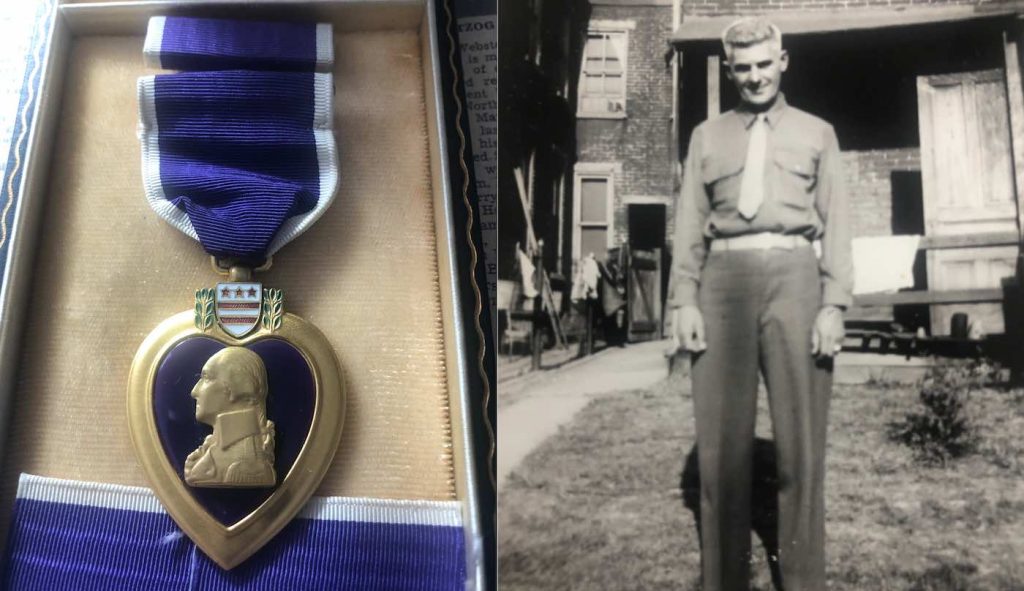
Webster E. Hertzog with Purple Heart medal posthumously awarded

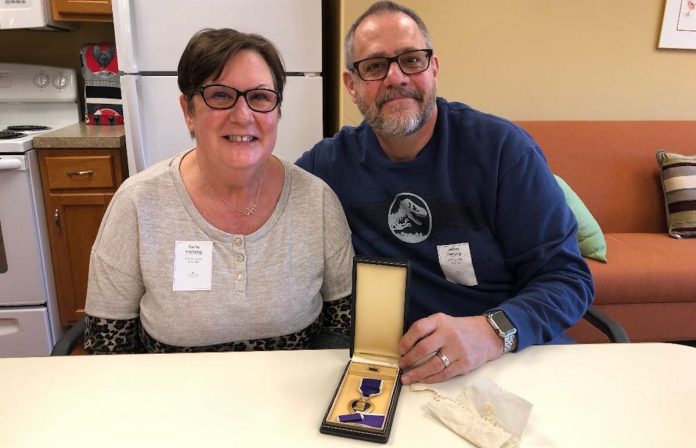
Jeff Hertzog was recently contacted by a stranger who searched tirelessly so she could return his grandfather’s Purple Heart war medal.

She is not just any stranger, however. She turned out to be a second cousin, and the act of kindness brought together members of their families who had never met.

The Purple Heart was awarded to Webster E. Hertzog, who died in battle in Belgium in 1944. The above photo was the last picture taken of him.

“My father didn’t know him well, as my grandparents divorced before he enlisted in the Army.”

The medal, awarded by the U.S. military to any soldier injured or killed in battle, was presented to Hertzog’s parents—and it was passed to various relatives over the last 78 years until it ended up with Edith Gettis, the soldier’s brother’s daughter.

The 84-year-old and her daughter, Dawn Cambria, spent time trying to track down the grandfather’s firstborn son, in order to get the award into the hands of the proper family.

After searching through Ancestry.com and other social media avenues, Dawn found Jeff and reached out to her “new second cousin”.

CHECK OUT: This 104-Year-old Veteran Who Never Before Celebrated Valentine’s Day Gets 70,000 Love Letters

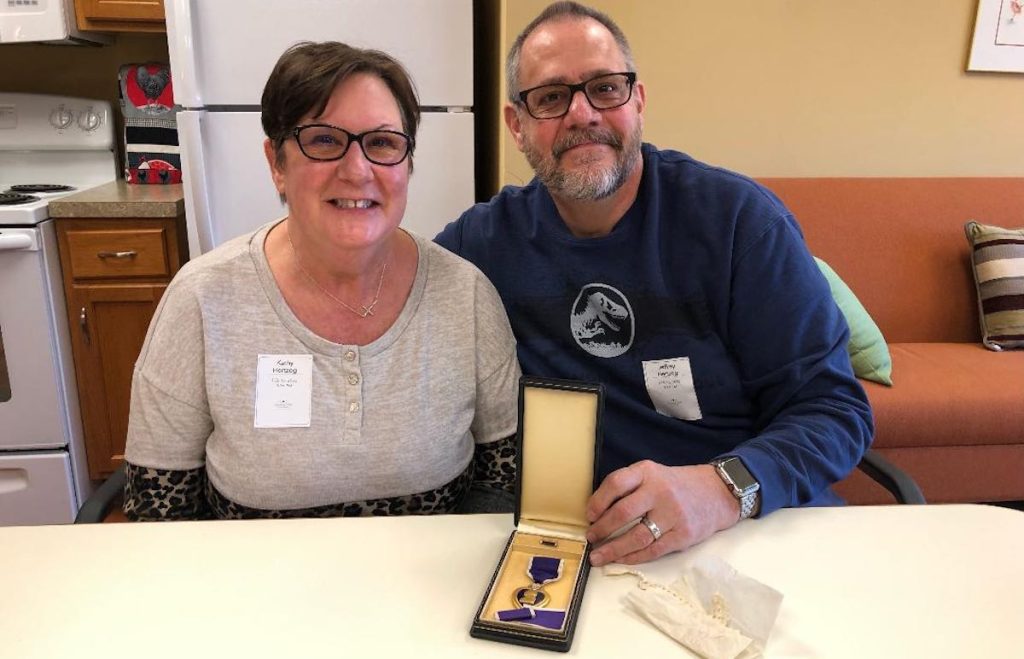
Jeff and his wife Kathleen finally got to meet Dawn—and her mother Edith when she arrived to hand him the Purple Heart.

Jeff Hertzog (right)

“We then learned that we all had a lot in common, and will continue getting together in the future,” Jeff told GNN.

The meeting “proves it’s a small world,” says Jeff.

“Dawn’s husband knows many friends of mine. His family was also the owner of a swimming pool association that my family belonged to in the 1990’s.”

RELATED: When WWII Veteran is Saddened By Upcoming Birthday, 50,000 Strangers Give Him Reason to Smile

“I will be ever grateful for this kindness and the meeting it inspired. It was truly a blessing—one which I will never forget.

SPREAD the Kindness and Love to Families on Social Media…
Denver’s Program to Dispatch Mental Health Teams Instead of Police is So Successful it is Expanding 5-Fold

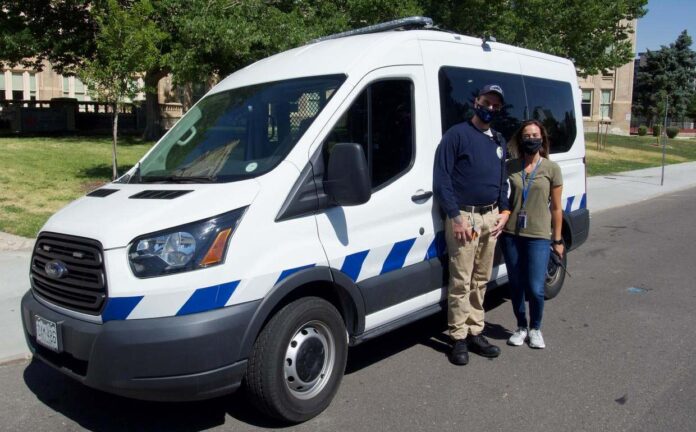
Denver Police Department

After dispatching mental health teams, instead of police officers, to certain 911 emergency calls, the city of Denver is proclaiming their pilot program a huge success—and expanding it significantly.

Since June 2020, the Support Team Assisted Response (STAR) has deployed medical and behavioral health clinicians to respond to over 2,200 low risk calls reporting trespassing, intoxication, or mental health crises involving poverty, homelessness or addiction.

In all that time, STAR teams have never called for police back-up due to a safety issue, according to their January report.

In January, the City Council unanimously allocated a $1.4 million contract for the STAR program’s expansion, paying for five additional white vans and hiring 7 clinicians, 4 paramedics, and two emergency medical technicians.

The Denver Post reports that STAR teams have driven hundreds of miles, assisted suicidal people and schizophrenics; they’ve also handed out water and socks and connected people to shelter, food and resources.

STAR’s advisory team, consisting of 15 volunteer citizens, hope that with six vans, they can respond to more than 10,000 calls a year. Funding for the expansion was bolstered by a $1.4 million grant from the Caring For Denver Foundation.

“This innovative approach—meeting people where they are, with the right services, at the right time—is a game-changer for Denver,” said Bob McDonald, DDPHE Executive Director and Public Health Administrator for the City of Denver.”

POPULAR: A Homemade Bumper Sticker Saved a Stranger’s Life After She Asked the Universe For ‘a Sign’

Importantly, it is also saving money for the city. If the STAR vans can help someone in crisis, that frees up police to handle a robbery or domestic violence call.

“STAR is minimizing unnecessary arrests and unnecessary costs—whether that be jail costs or emergency room costs,” Councilwoman Robin Kniech said.

Denver residents can specifically request STAR assistance by calling 720-913-STAR (7827) or by calling the non-emergency number 720-913-2000.

“When STAR pulls up, people in crisis can be assured that two non-judgmental, client-centered, supportive people who are willing to listen are getting out of that van to help,” said Chris Richardson, LCSW, the Mental Health Center of Denver’s Associate Director of Criminal Justice.

Expanding to other cities

Other cities in Colorado, including Pueblo, Colorado Springs, and Fort Collins, have called Denver with intentions to start similar emergency services to dispatch unarmed health professionals.

Nearby Aurora was among the first to replicate the model, launching their Aurora Mobile Response Team in September.

Data collected from 759 of the residents served so far shows that nearly three-quarters had been medically diagnosed with bipolar disorder, schizophrenia, anxiety, or major depression.

RELATED: 1,000 Doctors Now Prescribing Nature By Giving Free Admissions With National Park Passes

“It’s the future of law enforcement,” Denver police Chief Paul Pazen said in a 2020 interview with the Denver Post. “We want to meet people where they are and address those needs and address those needs outside of the criminal justice system.”

Watch a local news report from KUSA-TV 9…

MULTIPLY the Good News By Sharing it on Social Media…
“If you do not expect the unexpected you will not find it.” – Heraclitus

Quote of the Day:  “If you do not expect the unexpected you will not find it, for it is not to be reached by search or trail.” – Heraclitus

Photo by: Johannes Plenio

With a new inspirational quote every day, atop the perfect photo—collected and archived on our Quotes page—why not bookmark GNN.org for a daily uplift?

Scientists Create Algorithm That Uses Routine Eye Scans to Identify Heart Attack Risk—With Accuracy of 70%-80%

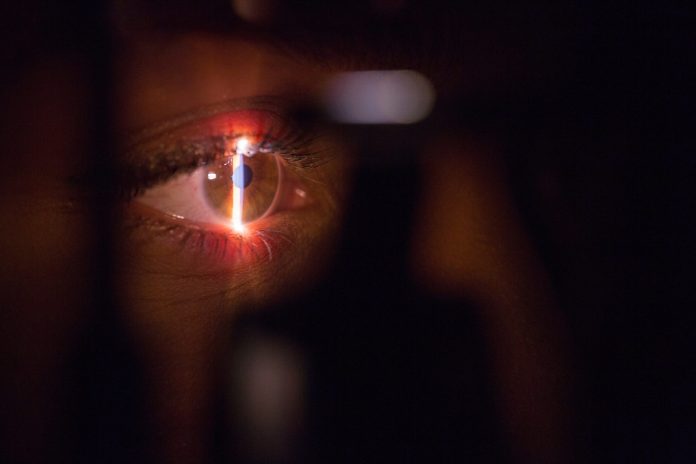
Scientists have developed an artificial intelligence system that can analyze eye scans taken during a routine visit to an optician or eye clinic and identify patients at a high risk of a heart attack.

Doctors have recognized that changes to the tiny blood vessels in the retina are indicators of broader vascular disease, including problems with the heart.

In the research, led by the University of Leeds, deep learning techniques were used to train an AI system to automatically read retinal scans and identify those people who, over the following year, were likely to have a heart attack.

Deep learning is a complex series of algorithms that enable computers to identify patterns in data and to make predictions.

Writing in the journal Nature Machine Intelligence, the researchers report in their paper—Predicting Infarction through your retinal scans and minimal personal Informationthat the AI system had an accuracy of between 70% and 80% and could be used as a second referral mechanism for in-depth cardiovascular examination.

RELATED: Man Saved by CPR After Heart Attack During the Perfectly Titled Bond Movie – ‘No Time to Die’

The use of deep learning in the analysis of retinal scans could revolutionize the way patients are regularly screened for signs of heart disease.

Earlier identification of heart disease

Professor Alex Frangi, who holds the Diamond Jubilee Chair in Computational Medicine in the School of Computing at the University of Leeds and is a Turing Fellow at the Alan Turing Institute, supervised the research. He said, “Cardiovascular diseases, including heart attacks, are the leading cause of early death worldwide and the second-largest killer in the UK. This causes chronic ill-health and misery worldwide.

“This technique opens-up the possibility of revolutionizing the screening of cardiac disease. Retinal scans are comparatively cheap and routinely used in many optician practices. As a result of automated screening, patients who are at high risk of becoming ill could be referred for specialist cardiac services.

CHECK OUT: Pecan-Rich Diet Shown to Reduce Cholesterol in New Study

“The system could also be used to track early signs of heart disease.”

The UK Biobank provided data for the study.

Chris Gale, Professor of Cardiovascular Medicine at the University of Leeds and a Consultant Cardiologist at Leeds Teaching Hospitals NHS Trust, was one of the authors of the research paper.

He said, “The AI system has the potential to identify individuals attending routine eye screening who are at higher future risk of cardiovascular disease, whereby preventative treatments could be started earlier to prevent premature cardiovascular disease.”

Deep learning

During the deep learning process, the AI system analysed the retinal scans and cardiac scans from more than 5,000 people. The AI system identified associations between pathology in the retina and changes in the patient’s heart.

MORE: People Who’ve Tried Psychedelics Have Lower Risk of Heart Disease and Diabetes

Once the image patterns were learned, the AI system could estimate the size and pumping efficiency of the left ventricle, one of the heart’s four chambers, from retinal scans alone. An enlarged ventricle is linked with an increased risk of heart disease.

With information on the estimated size of the left ventricle and its pumping efficiency combined with basic demographic data about the patient, their age and sex, the AI system could make a prediction about their risk of a heart attack over the subsequent 12 months.

Currently, details about the size and pumping efficiency of a patient’s left ventricle can only be determined if they have diagnostic tests such as echocardiography or magnetic resonance imaging of the heart. Those diagnostic tests can be expensive and often only available in a hospital setting, making them inaccessible for people in countries with less well-resourced healthcare systems—or unnecessarily increasing healthcare costs and waiting times in developed countries.

Sven Plein, British Heart Foundation Professor of Cardiovascular Imaging at the University of Leeds and one of the authors of the research paper, said: “The AI system is an excellent tool for unravelling the complex patterns that exist in nature, and that is what we have found—the intricate pattern of changes in the retina linked to changes in the heart.”

Source: Leeds University

SHARE an Eyeful of the Good News With Others…

Solar Panels Built From Waste Crops Can Make Energy Without Direct Light

The James Dyson Foundation

In a twist for solar energy, a Filipino inventor has created resinous panels that harvest solar energy out of recycled vegetables, and it can work even when it’s cloudy, rainy, or out of direct sunlight.

It turns out that there are extremely sensitive chemicals in vegetables that turn UV light from the sun into visible light which can in turn be used to generate electricity from photovoltaic cells.

When placed between the glass of a double-glazed window, the different colored panels push sunlight into the edges of the window pane where PV cells then turn it into electricity—enough to charge two smartphones, but if used to clad an entire building, it can power major systems as well as delight onlookers with its Andy Warhol-like usage of bright colors.

Made from upcycled vegetable waste, the innovation won its creator, 29-year-old Carvey Ehren Maigue, the 2020 Dyson Foundation Sustainability Award. Maigue called it AuREUS, as its multi-colored nature looks like the Aurora Borealis.

Unlike the bulky solar panels we all think off, AuREUS is a vegetable polymer sheet, and can be bent, molded, and clamped, onto pretty much any shape. Furthermore, they don’t need UV light to strike them directly, harvesting as plants do from the UV light through clouds. If placed on a roof entirely in shadow, they can still generate energy if the UV light was bouncing off, say, a nearby skyscraper or field.

LOOKTiny Wind Turbine That Generates Power From Your Apartment Balcony Wins Dyson Award

“We are also looking to create curved plates, for use on electric cars, airplanes and even boats,” Maigue told the Dyson Foundation in a 2020 interview. “AuREUS has the chance to bring solar energy capture closer to people. In the same way computers were only used by the government or the military and now the same technology is in our smartphones, I want solar energy harvesting to be more accessible.”

MOREA Low Cost Inflatable Incubator for Babies Wins Dyson Award

He says that there’s nothing stopping the base polymer from being used even to make thread for clothing, allowing people to generate electricity as they walk around.

Designed to be as low-impact as possible, Maigue sought not just vegetable waste, but also crops destroyed in storms and typhoons. The panels come in red, orange, yellow, green and blue, with a suitable and natural blue coloring agent remaining undiscovered.

(WATCH the EuroNews video for this story below.)

LET Others See the Good News–Share on Social Media…