











All News - Page 394 of 1715 - Good News Network
Home Blog Page 394

Exercise Can Help Older Adults Retain Memories

We all know exercise is good for us, but that still leaves plenty of questions. How much exercise? Who benefits the most? And when in our lives?

New research led by University of Pittsburgh psychologists pools data from dozens of studies to answer these questions, showing that older adults may be able to prevent declines in a certain kind of memory by sticking to regular exercise.

“Everyone always asks, ‘How much should I be exercising? What’s the bare minimum to see improvement?’ ” said lead author Sarah Aghjayan, a Clinical and Biological Health Psychology PhD student in the Kenneth P. Dietrich School of Arts and Sciences. “From our study, it seems like exercising about three times a week for at least four months is how much you need to reap the benefits in episodic memory.”

Episodic memory is the kind that deals with events that happened to you in the past. It’s also one of the first to decline with age. “I usually like to talk about the first time you got behind the wheel of a car,” said Aghjayan. “So you might remember where you were, how old you were, who was in the passenger seat explaining things to you, that feeling of excitement.”

Exercise that gets the heart pumping has shown promise in increasing brain health, and experiments in mice show that it improves memory—but studies looking at the same link in humans have come out mixed.

Seeking clarity in the muddy waters of the scientific literature, the team pored over 1,279 studies, eventually narrowing them down to just 36 that met specific criteria. Then they used specialized software and no small number of Excel spreadsheets to transform the data info a form where the different studies could be directly compared.

LOOK: Exercise Alters Brain Chemistry to Protect Aging Synapses, Study Finds

That work paid off when they found that pooling together those 36 studies was enough to show that for older adults, exercise can indeed benefit their memory.

Past analyses looking at connections between exercise and memory didn’t find one, but Aghjayan and her team took several extra steps to give them the best chance of finding a link if one did exist. They limited their search to particular groups and age brackets as well as a specific kind of rigorous experimental setup. Another key was focusing specifically on episodic memory, which is supported by a part of the brain that’s known to benefit from exercise.

RELATED: Lifting Weights for Just Three Seconds a Day Helps Our Muscles Grow, According to Scientists

“When we combine and merge all this data, it allows us to examine almost 3,000 participants,” Aghjayan said. “Each individual study is very important: They all contribute to science in a meaningful way.” Individual studies, however, may fail to find patterns that actually exist because of a lack of resources to run a big enough experiment. The studies individually couldn’t find a link between exercise and memory—it took looking at the whole body of research to bring the pattern into focus.

With that much larger pool of participants, the team was able to show a link between exercise and episodic memory, but also was able to start to answer more specific questions about who benefits and how.

“We found that there were greater improvements in memory among those who are age 55 to 68 years compared to those who are 69 to 85 years old—so intervening earlier is better,” Aghjayan said. The team also found the greatest effects of exercise in those who hadn’t yet experienced any cognitive decline, and in studies where participants exercised consistently several times a week.

There are still questions left to be answered. The team’s analysis couldn’t answer how the intensity of exercise affects the memory benefits, and there’s plenty to learn about the mechanism behind the link. But the implications for public health are clear: Exercise is an accessible way older adults can stave off memory declines, benefiting themselves, their caretakers and the healthcare system, Aghjayan said.

MORE: Intensive Exercise the ‘Best Way to Alleviate Symptoms of Chronic Anxiety Without Drugs or Therapy’

“You just need a good pair of walking shoes, and you can get out there and move your body.”

The team, including Aghjayan’s advisor Kirk Erickson in the Department of Psychology and other researchers from Pitt, Carnegie Mellon University and the University of Iowa, have published their results in the journal Communications Medicine. 

Source: University of Pittsburgh

HELP Keep Friends Fit in Body and Mind; Share This Story…
Wildlife Sound Recordist Releases Treasured Audio Collection for Free – to Awe and Inspire the World

gj
Martyn Stewart/Nature Sounds (L); Frank McKenna (R)

One of the world’s most prolific wildlife sound recordists has released a large collection of his most treasured recordings of wild places to listen to for free on Soundcloud, as he nears the end of his life.

Martyn Stewart has recorded nearly 100,000 pieces, consisting of 30,000 hours of material, spread across 40 countries, and that have been used in 150 films and numerous nature documentaries. Some of these include sounds that, for the moment at least, can’t be heard anymore, as they belong to extinct animals or disturbed habitats.

The project, called Martyn Stewart’s Listening Planet was released through Apple Music’s Platoon Records, and is meant to inspire people to appreciate, as well as to try and protect, a more delicate part of the natural world—the auditory part.

A Trailblazer

For years men like David Attenborough and Steve Irwin brought into our living rooms up-close and personal images of amazing wildlife and landscapes through their television programs.

With a rise in meditation apps, 24-hour YouTube streams of sandy beaches or vibrant forests—and corresponding medical research showing such noises are hugely beneficial for us—most people won’t know that they have likely already listened to Stewart’s subtle contribution to civilization’s appreciation of the natural world multiple times.

RELATED: Check Out the Greatest Snowflake Photos Ever Taken With Vividly High Resolution

“Martyn is one of the key handful of recordists who helped set the protocols and other standards that gave the work credibility and standing in the world of sound,” Bernie Krause, a soundscape ecologist and friend of Stewart’s, told Corryn Wetzel, writing for Smithsonian. “Few can match the quality of his life-long efforts.”

Stewart was diagnosed with terminal bone cancer in December of 2020, and it’s partly through contemplation of his own passing that he’s decided to release some of these recordings.

Throughout his life, since he recorded his first bird at the age of 11, it was easy to record the sounds of faraway places. But times are changing, and the almost-inescapable presence of noise pollution has made his job a lot harder.

Among his “treasured” recordings include Hurricane Dorian on a remote beach, rain, trees, and more over a night in the Daintree forests in Australia, thunderstorms in the Australian outback, Denali National Park and Arctic Wildlife Refuge in Alaska, dawn in Zimbabwe, a Mexican pebble beach, and so, so much more.

MORE: Wildlife Photographer Captures Charming Portraits of the Creatures That Visit Her Garden

He’s also captured intimate sounds and calls of certain animals, some of which are extinct like the northern white rhino and the Panamanian golden frog.

“I hope they have the connection between sound and the animal emitting the sound,” said Stewart. “I think we have to become the voice of the voiceless. If we can get these beautiful sound recordings out and let people in the world listen to them, maybe we can start protecting what we’ve got left.”

SHARE a Love of Nature; Share This Story…

“If you want a happy ending, that depends, of course, on where you stop.” – Orson Welles

Quote of the Day: “If you want a happy ending, that depends, of course, on where you stop.” – Orson Welles

Photo: public domain

With a new inspirational quote every day, atop the perfect photo—collected and archived on our Quotes page—why not bookmark GNN.org for a daily uplift?

Covering Crops in Red Plastic Can Boost Yields Up to 37 Percent

red plastic released Alexander Soeriyadi_LLEAF Pty Ltd
Alexander Soeriyadi/LLEAF Pty Ltd

For centuries, humans have used greenhouses to help plants grow outside of tolerable conditions. Now, as it turns out, it might be much better if instead of greenhouses, we built redhouses.

The red spectrum of light stimulates the leaves of plants to produce more chlorophyll, and an Australian ag-startup is wielding this basic science to create thick red films to cover existing greenhouses in order to boost plant production beyond what either the sun, or greenhouses are capable of.

Luminescent-Light Emitting Agriculture Films, or “LLEAF” was founded by scientists from a partnership between the Universities of New South Wales and Western Sydney.

They produce, and are now testing, several different films to increase crop yields, with each one tailored to a different kind of plant.

“Our luminescent light-emitting agricultural film, LLEAF, is designed to ‘supercharge’ natural sunlight by shifting the natural light into a light spectrum that is more beneficial for plant growth,” company co-founder Dr. Alex Soeriyadi tells Future Food Systems. “Our trials indicate potential to increase yield, improve plant cycle and harvest control.”

RELATED: Ditch That Hard-to-Grow Lawn And Start Cultivating Moss, Instead

LLEAF 620 is a low-red spectrum color to boost photosynthesis and increase production in most plants, while for aquatic plants, LLEAF 590 is the best choice for applications where light penetration through water for increased growth rate is required.

Far-red spectrum light is better for fruiting trees and flowers, for which LLEAF sells two different films, one for production and another for growth, which climb to the 700 nanometer range of the light spectrum.

The films are made from special dyes that absorb and diffuse photons from the green spectrum of light, and emit it again as red light to increase plant photosynthesis.

MORE: It ‘Smells Like Fear’: Scientists Create Diffuser That Could Keep Pests Off Garden Plants

They reduce the amount of light which the plants can’t use, and the diffusion of the light they can is done so more evenly, and in a way as to reduce shadows.

The plastics can be easily retrofitted to any existing greenhouse structure, and are very durable.

The dyes are 100% biodegradable and carbon-based, containing no metals, while the plastic sheeting is 100% recyclable.

GROW Hope; Share This Good News Story…

Stunning 2,000-Year-old Glass Bowl is Still Flawless After Archaeologists Dig it Up in Netherlands

2000 year-old glass bowl-screenshot-Courtesy Municipality of Nijmegen FB video
Municipality of Nijmegen/Facebook

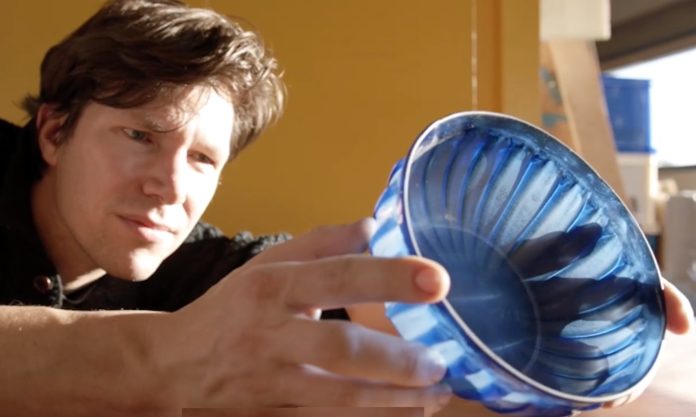
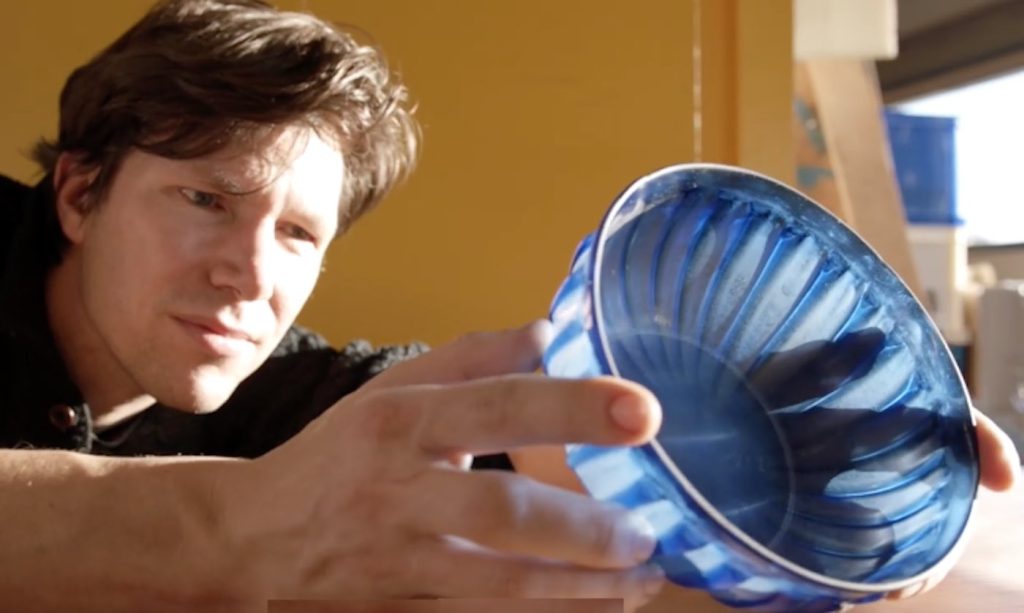
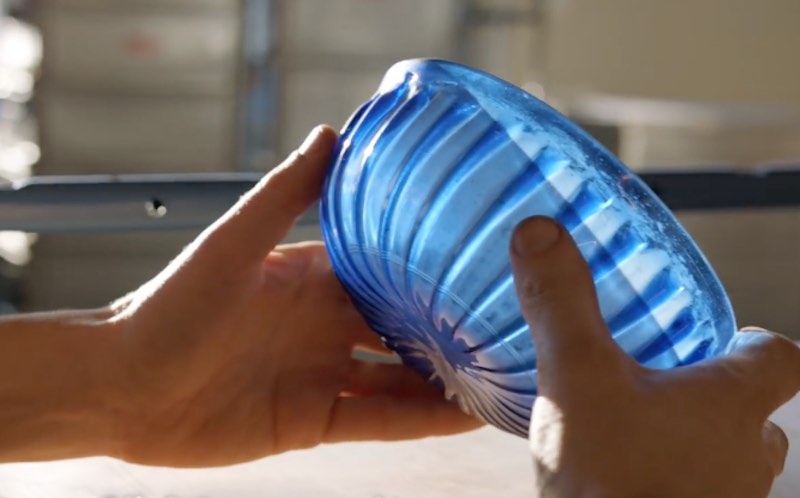
The Romans were excellent glazers, and an eye-opening testament to that fact was recently unearthed in the Dutch city of Nijmegen. A blue ruffled-glass bowl bearing hardly a scratch deserves a special place in a museum, say local archeologists.

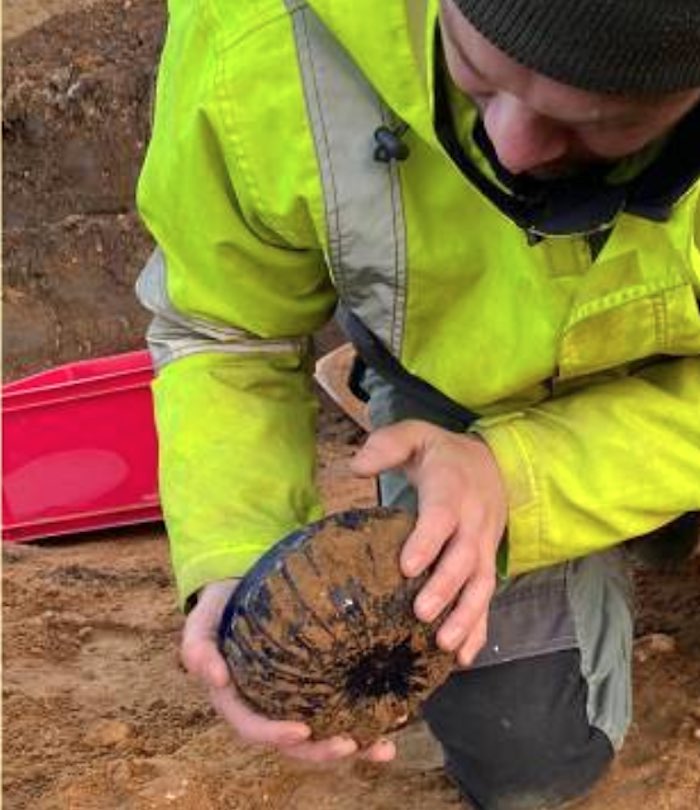
The city recently announced the discovery of the bowl, which was found during excavations for a housing development in the neighborhood of Winkelsteeg, which rests along the Waal River.

Nijmegen is one of the oldest cities in the Netherlands, and while the locals practiced agriculture, the city itself was founded as a Roman fort and trading post.

Municipality of Nijmegen

“They (the locals) certainly had contact with the Romans,” said Pepijn van de Geer, an archeologist who is who is leading the excavation. He told the newspaper Der Gelderlander that the bowl was likely acquired by trading with the Romans. “They had a great need for leather and liked to buy cattle hides.”

Van de Geer also suggests that the local people, the Batavians, could have been in the service of the Roman armies, and that the bowl could have been taken home as part of a pay package.

Head of excavations Pepijn van de Geer; Municipality of Nijmegen

The bowl was made by allowing molten glass to cool around a mold, and the dramatic stripes were formed while the glass was cooling. It’s the presence of metal oxides within the glass that gives it such a deep blue coloration.

Municipality of Nijmegen

40 years ago, a cemetery was found in the Winkelsteeg area, where dishware and jewelry have also been excavated.

MORE: ‘Most Important Prehistoric Discovery in a Century’ Revealed by British Museum

ARTnews reports that a well has also been found, and that van de Geer and his team would like to explore the area more to see how the people of the past lived, and what crops they were growing.

(WATCH the video for this story below.)

SHARE This Fascinating Find on Social Media…

Solar-Powered Desalination Device is a Game-Changer: Requires Only Cheap Common Materials and Sunlight

MIT
MIT

An estimated two-thirds of humanity is affected by shortages of water, and many such areas in the developing world also face a lack of dependable electricity. Widespread research efforts have thus focused on ways to desalinate seawater or brackish water using just solar heat. Many such efforts have run into problems with fouling of equipment caused by salt buildup, however, which often adds complexity and expense.

Now, a team of researchers at MIT and in China has come up with a solution to the problem of salt accumulation—and in the process developed a desalination system that is both more efficient and less expensive than previous solar desalination methods. The process could also be used to treat contaminated wastewater or to generate steam for sterilizing medical instruments, all without requiring any power source other than sunlight itself.

“There have been a lot of demonstrations of really high-performing, salt-rejecting, solar-based evaporation designs of various devices,” Wang says. “The challenge has been the salt fouling issue, that people haven’t really addressed. So, we see these very attractive performance numbers, but they’re often limited because of longevity. Over time, things will foul.”

Many attempts at solar desalination systems rely on some kind of wick to draw the saline water through the device, but these wicks are vulnerable to salt accumulation and relatively difficult to clean. The team focused on developing a wick-free system instead.

The result is a layered system, with dark material at the top to absorb the sun’s heat, then a thin layer of water above a perforated layer of material, sitting atop a deep reservoir of the salty water such as a tank or a pond. After careful calculations and experiments, the researchers determined the optimal size for the holes drilled through the perforated material, which in their tests was made of polyurethane. At 2.5 millimeters across, these holes can be easily made using commonly available waterjets.

MORE: Solar-Powered Desalination Device Will Turn Sea Water Into Fresh Water For 400,000 People

The holes are large enough to allow for a natural convective circulation between the warmer upper layer of water and the colder reservoir below. That circulation naturally draws the salt from the thin layer above down into the much larger body of water below, where it becomes well-diluted and no longer a problem. “It allows us to achieve high performance and yet also prevent this salt accumulation,” says Wang, who is the Ford Professor of Engineering and head of the Department of Mechanical Engineering.

Li says that the advantages of this system are “both the high performance and the reliable operation, especially under extreme conditions, where we can actually work with near-saturation saline water. And that means it’s also very useful for wastewater treatment.”

He adds that much work on such solar-powered desalination has focused on novel materials. “But in our case, we use really low-cost, almost household materials.” The key was analyzing and understanding the convective flow that drives this entirely passive system, he says. “People say you always need new materials, expensive ones, or complicated structures or wicking structures to do that. And this is, I believe, the first one that does this without wicking structures.”

This new approach “provides a promising and efficient path for desalination of high salinity solutions, and could be a game changer in solar water desalination,” says Hadi Ghasemi, a professor of chemical and biomolecular engineering at the University of Houston, who was not associated with this work. “Further work is required for assessment of this concept in large settings and in long runs,” he adds.

Just as hot air rises and cold air falls, Zhang explains, natural convection drives the desalination process in this device. In the confined water layer near the top, “the evaporation happens at the very top interface. Because of the salt, the density of water at the very top interface is higher, and the bottom water has lower density. So, this is an original driving force for this natural convection because the higher density at the top drives the salty liquid to go down.” The water evaporated from the top of the system can then be collected on a condensing surface, providing pure fresh water.

The rejection of salt to the water below could also cause heat to be lost in the process, so preventing that required careful engineering, including making the perforated layer out of highly insulating material to keep the heat concentrated above. The solar heating at the top is accomplished through a simple layer of black paint.

CHECK OUT: Shade From Solar Panels Increases Abundance of Flowers, Benefiting Pollinators

So far, the team has proven the concept using small benchtop devices, so the next step will be starting to scale up to devices that could have practical applications. Based on their calculations, a system with just 1 square meter (about a square yard) of collecting area should be sufficient to provide a family’s daily needs for drinking water, they say. Zhang says they calculated that the necessary materials for a 1-square-meter device would cost only about $4.

Their test apparatus operated for a week with no signs of any salt accumulation, Li says. And the device is remarkably stable. “Even if we apply some extreme perturbation, like waves on the seawater or the lake,” where such a device could be installed as a floating platform, “it can return to its original equilibrium position very fast,” he says.

LOOK: Tens of Millions Now Have Power Thanks to Off-Grid Solar Systems –Many of Them Recycled

The necessary work to translate this lab-scale proof of concept into workable commercial devices, and to improve the overall water production rate, should be possible within a few years, Zhang says. The first applications are likely to be providing safe water in remote off-grid locations, or for disaster relief after hurricanes, earthquakes, or other disruptions of normal water supplies.

Zhang adds that “if we can concentrate the sunlight a little bit, we could use this passive device to generate high-temperature steam to do medical sterilization” for off-grid rural areas.

“I think a real opportunity is the developing world,” Wang says. “I think that is where there’s most probable impact near-term, because of the simplicity of the design.” But, she adds, “if we really want to get it out there, we also need to work with the end users, to really be able to adopt the way we design it so that they’re willing to use it.”

The findings are described in the journal Nature Communications.

Source: MIT 

REMOVE the Salt From Good News and Share This Fresh Story…

Old Wind Turbine Blades Used For Bridge Construction After They’re Retired

SWNS
SWNS

A new bridge has appeared in Ireland that’s made from decommissioned wind turbines.

The so-called BladeBridge, on the Midelton to Youghall greenway in County Cork, is designed for pedestrians, cyclists, and emergency vehicles.

Erected at the end of January, it is the brainchild of the Re-Wind Network, a research organisation dedicated to address the global problem of end-of-life disposal of wind turbine blades.

The estimated lifespan of non-biodegradable blades is twenty years, meaning that many will need to be disposed of in the near future.

The Cork blades were donated by Belfast-bast wind turbine company Everun, who explained, “Our engineering team decommissioned a N29 turbine and we were happy to supply the blades from the turbine for the bridge project.

“The blades were transported to County Cork where they will be repurposed as the main structural element on a number of small bridges spanning the Greenway with two blades laying apart horizontally, with a walkway in between.

SWNS

“The blades have recently gone through destructive testing to ensure structural integrity with the rest being retained for the actual construction.”

RELATED: First Wind Turbine Designed to Harness Typhoon Energy is Erected in Storm-prone Asia, Soon Tested by 154 mph Winds

The interdisciplinary Re-Wind research team, comprising experts from City University of New York, Georgia Institute of Technology, University College Cork, and Queen’s University Belfast, is seeking an alternative to unsustainable disposal methods such as landfill and incineration.

Re-Wind explain, “With the rapid development of wind energy technology in the past 15 years comes a new conundrum: How to dispose of the non-biodegradable blades in current wind turbines in a sustainable way.

“The problem is one of enormous scale on several levels: a typical 2.0 MW turbine has three 50m long blades containing around 20 tonnes of fibre reinforced polymer (FRP) composites. It is estimated that by 2050, 39.8 million tonnes of material from the global wind industry will await disposal.”

MORE: Wind Turbines Are Using Cameras and AI to See Birds –And Shut Down When They Approach

Lawrence C. Bank, Georgia Institute of Technology, says, “We’re exploring the potential reuse of the blades across architecture and engineering. Developing such methods can have a positive effect on air quality and water quality by decreasing a major source of non-biodegradeable waste”

Recycle the Good News; Share This Story…

“Art is not something you choose to do. It’s something that chooses you.” – Brad Mirman

Quote of the Day: “Art is not something you choose to do. It’s something that chooses you.” – Brad Mirman (Shadows in the Sun)

Photo: by GWC, copyright 2022

With a new inspirational quote every day, atop the perfect photo—collected and archived on our Quotes page—why not bookmark GNN.org for a daily uplift?

Copyright – GWC, 2022

A Homemade Bumper Sticker Saved a Stranger’s Life After She Asked the Universe For ‘a Sign’

Twitter/@Brooke_Lacey

When you’re headed down a dark road and feeling hopeless, sometimes all it takes to get you headed back in the right direction is a little sign—or in this case, a bumper sticker.

Like many who have felt the mental health impact of the COVID-19 pandemic, 22-year-old university student Brooke Lacey had her own share of issues. After Lacey won her battle against depression, in the hope of helping others, the New Zealand native was inspired to create a batch of 600 signs that read:

“Please don’t take your life today. The world is so much better with you in it. More than you realize, stay.”

Lacey hung laminated versions of the message on bridges and overpasses, and next to railroads and waterways around the capital city of Wellington. She even had the saying inscribed on a bumper sticker.

But the sentiment was the furthest thing from her mind when she found a piece of very unusual correspondence on the windshield of the car she’d parked in the university lot.

LOOK: Mystery ‘Garbage Man’ in Wisconsin Neighborhood is Revealed to Be a 75-Year-old Man

Figuring she was in for a scold over poor parking technique, Lacey was instead gobsmacked to find a handwritten note under the wiper blade that thanked her for saving the writer’s life.

Twitter/@Brooke_Lacey

“I left my house with a plan and asked for a sign, any sign, I was doing the right thing when I saw your car in the parking lot,” the note read, as reported by the Daily Mail Australia. “Thank you.”

Twitter/@Brooke_Lacey

It took a moment for Lacey’s mind to circle back around to the bumper sticker. “I had these made so long ago, put one on my car and forgot about them, until now,” she tweeted. “I am so glad whoever you are chose to stay today. You never know who needs this reminder.”

MORE: Girls’ Soccer Team Goes From Biggest Loser to Top Division – After Dad Starts Coaching

It’s something we should all bear in mind. While the universe may be a random place, for someone in trouble, even the smallest mindful act of kindness can turn out to be the light at the end of the tunnel.

As long as the message is heartfelt, even something as simple as a sign—or a bumper sticker—can save a life.

EDITOR’S NOTE: If you or someone you know needs help in the U.S., call the National Suicide Prevention Lifeline at 800-273-8255, or in case of emergency, dial 988. In Canada, you can call the Canada Suicide Prevention Service at 1-833-456-4566 or text 45645 from 4 p.m. to midnight EST.

SHARE This Message of Hope on Your Social Media Channels… 

Using the Sun to Fight Food Waste And Stretch Yields

https://www.instagram.com/s4s.technologies/
Instagram/@s4s.technologies

Farming households in rural India are earning extra money for their food that goes unsold by putting it through solar food dehydrators. In a country where intense heat can spoil food within days of harvesting, it can also keep it safe for months.

Tens of thousands of tons of food in India goes to waste every year, often because it doesn’t look appealing enough, or because there’s no access to refrigeration to keep it fresh.

Normally this would be simply thrown away, comporting a loss for those who often can’t afford it, but now women in Maharashta in the west of India are being hired to operate specially-designed solar conduction dyers that suck every detectable trace of moisture out of the food within just four hours.

Excess produce like tomatoes, garlic, onions, ginger, coconut, chilies, and corn are then turned into easy-to-use products and sold to 1.100+ food and beverage industry customers of the solar dryer’s creator, S4S, or, Science 4 Society.

S4S’s solar conduction dryers also preserve 20-50% more nutrients than other methods, while reducing emissions from refrigeration and food waste.

MORE: India’s Mass Tree Planting Success: Forest Cover Grows by Half-Million Acres in Two Years

They claim they’ve prevented 350,000 metric tons of CO2 from entering the atmosphere, and 40,000 tons of food waste through the use of these dryers, which have employed 800 women across the state, many of whom, as  the BBC reports, would have a difficult time finding regular work.

RELATED: Architecture Built 1,000 Years Ago to Catch Rain is Being Revived to Save India’s Parched Villages

It’s also creating a real raise in the average wages in these rural households, as much as 110% from previous methods, but unlike government support, it hasn’t relied on raising tax money.

(WATCH the BBC video for this story below.)

SHARE This Sun-Filled Story From India With Social Feeds…

This Bubbly Blue Soda Gets its Color From the Sea – and Captures CO2 With Every Batch

Ful
Ful

Dutch food scientists have created a bright turquoise soda made from a kind of algae which absorbs more carbon than it emits through the production process.

Sustainability aside, the soda is made from a superfood called spirulina that features in many health and beauty products, and which offers tremendous health benefits which the producers are counting on as being the chief driver of sales.

Called Ful, the curious vivid blue color is a gamble which the creators, looking to accelerate a transition to net zero emissions in their home country, are willing to take, and they’re aiming for the brand name to be synonymous with the rare color in the next ten years.

Algae solutions are popular in the Netherlands, and Dutch product designers have used it as 3D-printing materials to make chairs and shampoo bottles, fuel for vehicles, and now as a base and flavoring agent for soda.

Ful is currently produced in white peach and lemon ginger flavors at a local Dutch brewery  that’s a large producer of the food-grade CO2 which feeds the algae that make the beverage, and a large buyer of glass bottles.

The Ful folks metaphorically connected the brewery’s exhaust pipe with the soda machine’s air intake, and have made the whole process carbon negative by around 1.5 kilos of CO2 per kilo of soda.

Ful

“Then you have this really wonderful closed-loop system that could be highly localized, but also scalable all over the world, using existing infrastructure,” one of the three co-founders, Julia Streuli, told Fast Company.

MORE: Chinese Method For Growing Veggies Year-Round in Frigid Canada Really Works–And Has No Heating Costs

The drink is a source of vitamin C, calcium, antioxidants, magnesium, chlorophyll, and a rare source of chelating agents which remove heavy metals from the blood, putting it more in competition with kombucha than with Coke.

LOOK: Eco-friendly ‘Jelly Ice Cube’ Could Transform Cold Storage: No Plastic and Doesn’t Melt

The beverage is currently unavailable in the U.S., but it can be ordered in the EU and UK, with the occasional discovery inside health food shops.

SHARE This Bubbly Story With Your Chums…

This Woman Escaped Slavery by Hiding in Plain Sight – Disguised as a White Man

Shakespeare’s works are famous for portraying cross-dressing, particularly for the purpose of dealing dastardly and playing tricks on people. However, his fictions are nothing compared to the realities during slavery in America, where several enslaved people completed incredible escapes by disguising themselves as white.

The most famous perhaps is that of Ellen and William Craft, an enslaved married couple from Macon, Georgia, who decided to take a chance on Ellen’s half-white and very fair skin to dress her up as an affluent young white man and make a five-day journey to the North. William would come along, pretending to be Ellen’s slave.

Recounted in breath-holding detail in their memoir, Running a Thousand Miles for Freedom, it’s a story worthy of remembering as Black History Month draws to a close.

After deciding to escape, William, who had some considerable talent as a cabinet maker, began to buy men’s clothes for Ellen including a top hat, green spectacles, and a long jacket. Neither spouse could read, and considering the need to sign agreements for payments, hotel guestbooks, and passenger logs, they decided to feign illness in her right arm by bandaging it, hanging it in a sling, and claiming they were visiting a specialist in Philadelphia.

The great escape

As the pair possessed unique skillsets among enslaved peoples, their circumstances allowed them to obtain written permission to leave their enslavers’ property for the purpose of errands.

A series of close encounters followed in the days after their December 21, 1848 escape, including on their first train ride to Savannah, Georgia when the passenger Ellen was seated next to, to her horror, was a dear friend of her previous enslaver. Already bandaged, Ellen pretended to be deaf the whole way.

CHECK OUT: 94-Year-old Grandmother Wears Dream Wedding Dress, 70 Years After Being Denied Entry to Bridal Shop

Despite enduring some unsavory language at the hand of a steamboat worker and by an army captain, by the time they reached Charleston, South Carolina, they were able to stay at the finest hotel and restaurant, where the staff were all too eager to care for the “invalid” young man.

They then took a steamboat to Wilmington, North Carolina, a train to Richmond, Virginia, and another steamboat to Maryland. With one last voyage by train, the two discovered they weren’t allowing enslaved people traveling on trains to the North, for fear they could be escaping.

RELATED: Alabama Begins Removing Racist Language From Its Constitution

Ellen was pressed hard for proper documentation to prove that William belonged to her, when a sympathetic conductor, once again falling for the bandaged arm, skirted them around the restrictions and boarded them to Philadelphia.

On Christmas Day, the Crafts stepped off the train into Philadelphia. Ellen cried out: “Thank God, William, we’re safe!”

Keeping a high profile

They quickly settled among abolitionist communities in Boston, found work, learned to read and write, and became outspoken critics of slavery. Abolitionists such as William Lloyd Garrison and William Wells Brown encouraged them to recount their escape in public lectures to the abolitionist circles of New England.

After Congress passed the Fugitive Slave Act of 1850, the pair decided it was no longer safe for them in Boston, as two bounty hunters had been alerted of their whereabouts. The two left American shores for England, where they raised five children in Hammersmith, and continued their ample campaigning on behalf of the enslaved back home, including through the publishing of William’s book.

MORE: California Returns Prime Beachfront to Black Heirs After Land Was Taken in 1924 From L.A. Couple

The proslavery press in the U.S. had suggested the Crafts regretted their flight to England, and in 1852 Ellen Craft published the following, which was widely circulated in the abolitionist press in both the United Kingdom and the U.S:

“So I write these few lines merely to say that the statement is entirely unfounded, for I have never had the slightest inclination whatever of returning to bondage; and God forbid that I should ever be so false to liberty as to prefer slavery in its stead. In fact, since my escape from slavery, I have gotten much better in every respect than I could have possibly anticipated. Though, had it been to the contrary, my feelings in regard to this would have been just the same, for I had much rather starve in England, a free woman, than be a slave for the best man that ever breathed upon the American continent.”

The Crafts returned to Georgia after the American Civil War in 1868, and began the Woodville Co-operative Farm School for freemen’s children.

SHARE This Important Life Story This Black History Month…

“The thing about inspiration is that it takes your mind off everything else.” – Vikram Seth

Quote of the Day: “The thing about inspiration is that it takes your mind off everything else.” – Vikram Seth

Photo: Allium flowers by Karen Roe, CC license

With a new inspirational quote every day, atop the perfect photo—collected and archived on our Quotes page—why not bookmark GNN.org for a daily uplift?

56% of Small Biz Owners Think Remote Working Has Made Them Better Leaders Says Poll

Tina Witherspoon
Tina Witherspoon

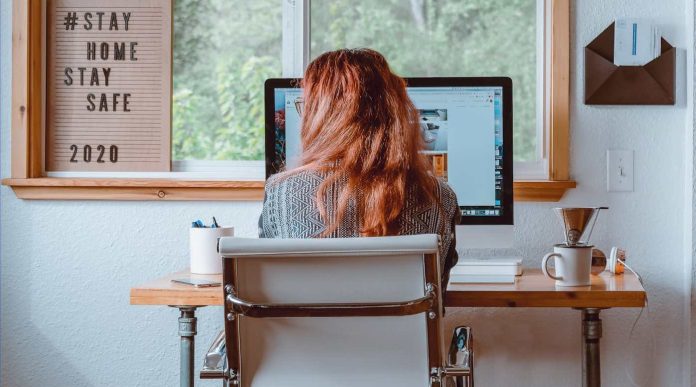
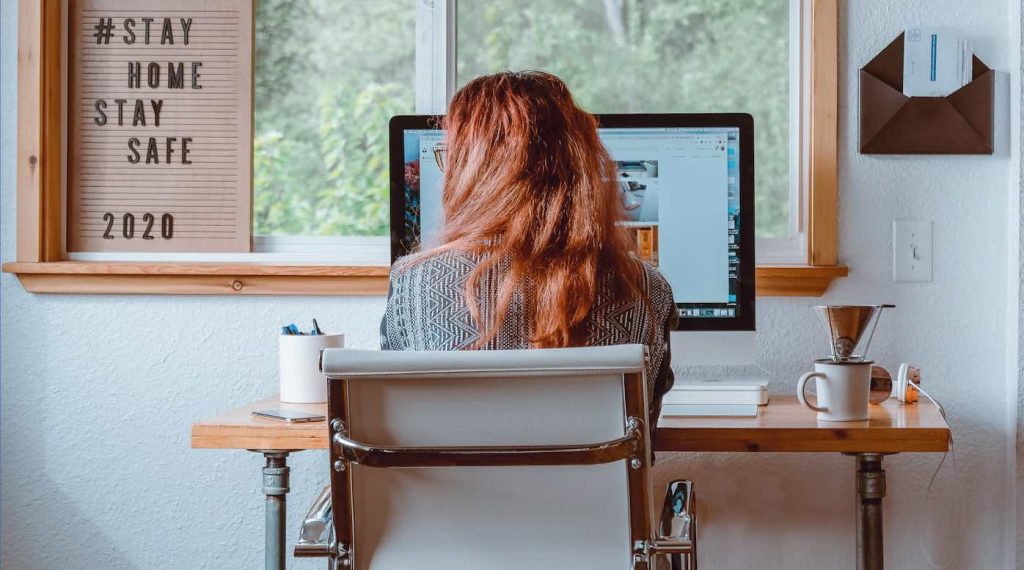
More than half of small business owners (56%) agree that working from home during the pandemic has made their experience of leading a team easier and more productive, according to a new poll.

A survey of 1,000 small business owners looked at how working remotely has impacted their company—uncovering several silver linings.

The results showed that three in five respondents said they are feeling more empathetic toward their employees and colleagues.

The vast majority—seven in 10—admitted the lockdowns had given them certain business opportunities they wouldn’t have had before.

Conducted by OnePoll in partnership with software company Field Effect, the survey also found that most small business owners have improved their relationship with their employees by trusting them more (63%) and having better communication (55%).

Working from home has also allowed more businesses to see an increase in customers (46% vs. 25% who have lost customers) and sales.

RELATED: Poll Ranks ‘Goal-getters’ Top 40 ‘Everyday Goals’ – Including Being More Positive About Life and Cutting Screen Time

But, working remotely has its challenges. Nearly half of those polled agree that running their businesses primarily from home has proven to be more challenging than they anticipated.

41% admitted they don’t have the same capacity to oversee all aspects of their business from home.

Business owners are busier than ever, too, with 47% saying they wear more hats than before the pandemic by taking on roles like marketing or bookkeeping.

CHECK OUT: More Americans Now Consider Themselves to be ‘Thriving’ Than at Any Point in 13 Years: Gallop

“In the face of uncertainty and rapidly changing business conditions, small business owners continue to prove their resiliency and adaptability,” said Andrew Milne, chief revenue officer at Field Effect.

“The fact that they have been able to overcome the inherent challenges in building a business from home, while still seeking out new business opportunities and customers is remarkable.”

Don’t Forget to Share the Poll With Other Business Owners on Social Media…

Scientists Obtain First High-res 3D Image of Muscle Protein: Nebulin is No Longer Nebulous

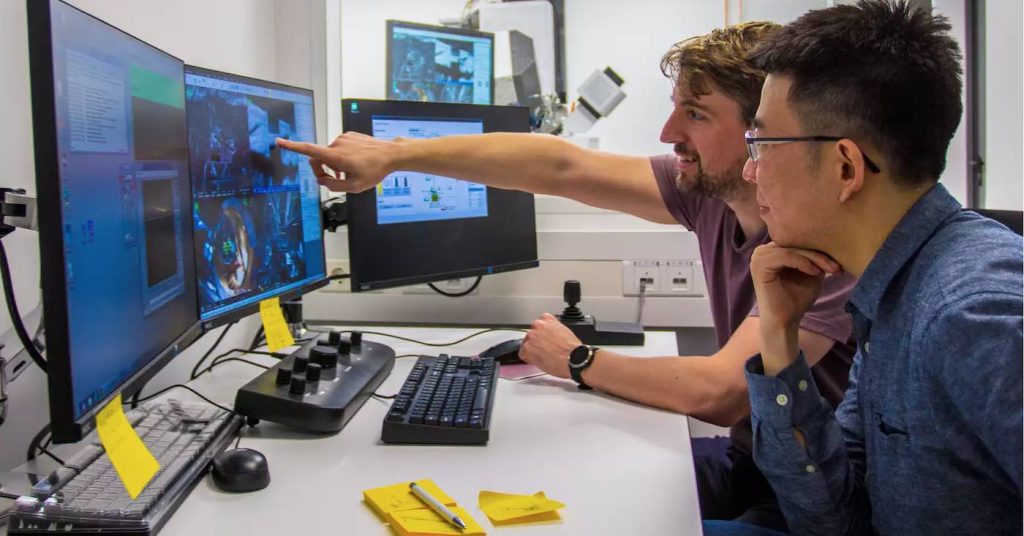
Scientists Zhexin Wang and Dr. Michael Grange at the Cryo-ET microscope-MPI of Molecular Physiology-released

Scientists have obtained the first high-resolution 3D image of nebulin, a giant actin-binding protein that is an essential component of skeletal muscle.

This discovery shines a light on the mysterious role of nebulin, a protein whose functions remained cloudy due to its large size and the difficulty of extracting it in a native state from muscle.

The team of Max Planck researchers used electron cryo-tomography to decipher the structure of nebulin in impressive detail. Their findings could lead to novel therapeutic approaches to treat muscular diseases, because genetic mutations in nebulin are accompanied by a dramatic loss in muscle force—known as nemaline myopathy.

Knowing the structure of nebulin and how it interacts with actin could be pivotal to the development of new treatments. But traditional experimental approaches that reconstitute nebulin in vitro have failed because of the size of the protein, its flexibility, and the fact that it is intertwined with actin.

An elusive protein

Skeletal and heart muscles contract and relax upon sliding of parallel filaments of the proteins myosin and actin. Nebulin, another long slender protein, which is present only in skeletal muscle, pairs up with actin, stabilizing and regulating it. Mutations in the gene encoding nebulin can produce an abnormal nebulin that causes nemaline myopathy, an incurable neuromuscular disorder with various degrees of severity, from muscle weakness to speech impediments and respiratory problems.

POPULAR: Magnesium May Prime the Immune System to Fight Cancer and Infections

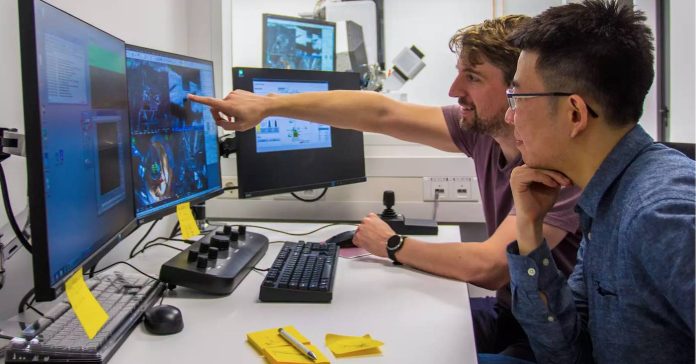
Led by Stefan Raunser, Director at the Max Planck Institute of Molecular Physiology in Dortmund, in collaboration with Mathias Gautel at King’s College London, the team took a different approach: they visualize these proteins directly in their native environment—the muscle—by using a powerful microscopy technique called electron cryo-tomography (cryo-ET). A cryo-ET experiment in the Raunser lab begins with flash-freezing muscle samples. Then, scientists apply a gallium-based ion beam to the sample to shave away extra material from it and reach an ideal thickness of around 100 nanometres for the transmission electron microscope.

This powerful tool then acquires multiple images of the sample tilting along an axis. Finally, computational methods render a three-dimensional image at an impressively high resolution.

Pushing the limits of cryo-ET

In a 2021 publication, the Max Planck researchers produced the first detailed 3D image of the sarcomere—the basic contractile unit of skeletal and heart muscle cell that contains actin, myosin and, eventually, the nebulin protein. The resolution of one nanometre (a millionth of a millimeter) was good enough to image actin and myosin but too low for visualizing nebulin.

RELATED: Thor Lookalike Who Became Superfit Despite Cystic Fibrosis Can Now Laugh for First Time After Life-changing Drug

This time, the team improved their data acquisition and processing pipeline to obtain a 3D picture of skeletal muscle filaments at near atomic resolution (0.45 nanometres). By comparing the images of the skeletal muscle with the nebulin-free cardiac muscle, the structure of the long nebulin protein became distinct and the researchers were able to build an atomic model of nebulin. “This is the first high-resolution structure using FIB-milling and cryo-ET, and it proves that we can reach atomic models in a reliable way.”

“It’s a quantum leap!” says Raunser.

The findings reveal that each nebulin repeat binds with an actin subunit, demonstrating nebulin’s role as a ruler that dictates the length of the actin filament. Besides, each nebulin repeat interacts with every neighboring actin subunit, which explains its role as a stabilizer. Finally, the scientists propose that nebulin regulates the binding of actin and myosin, and hence muscle contraction, by interacting with another protein called troponin. Experiments were done on mouse muscles that are very similar to the human ones — and were isolated at King’s College London.

“We obtained a detailed in situ 3D structure of nebulin, actin and myosin heads that can be used to pinpoint the mutations leading to myopathies,” notes Raunser.

Researchers can then take advantage of this new structure to locate binding sites for targeting with small molecules of pharmaceutical interest, he adds.

CHECK OUT: Exercise Alters Brain Chemistry to Protect Aging Synapses, Study Finds

Driven by their recent success, the group will now concentrate on unveiling the structural details of myosin, the other sliding filament. Such findings could finally help paint the complete picture of the intricate details behind skeletal muscle contraction.

SHARE With Muscle-Builders on Social Media…

Genocide Survivor’s Wholesome Squirrel Photos Go Viral (LOOK)

Niki Colemont
Niki Colemont

Niki Colemont escaped to Belgium when he was just four, with his 9-year-old sister, before the Rwandan genocide broke out.

An orphan whose mother died 3 months after giving birth and a father who died in the war, Niki said it was hard growing up in a country without knowing the language.

“I had no clue how to make friends and I was always alone and scared to talk to someone because everybody was white,” he told GNN. “I had to go to a special school because I was way behind.”

But his sister helped him to grow up and, eventually, he found his power through nature photography.

He picked up a camera in 2016 with no formal education and learned everything through trial and error. Now 35, he has dedicated the last six years of his life to photographing red squirrels.

He shares his pictures in a recently-released French-language children’s book about how he connects with, and photographs, the fluffy-tailed animals.

Niki Colemont aka Squirrelman

“I’m so blessed to have the squirrels in my life and to spend my free time with them,” says Niki, who works in the automotive field. “They gave me a lot of power and motivation to keep going.”

When he first saw a squirrel in someone’s garden, he bought a squirrel feeder for his own yard. He waited for 2 months, then the magic happened, and they learned how to open it and access the treats.

Niki Colemont aka Squirrelman

“I was so happy! On my 30th birthday, I bought myself a tele-lens to use on my Nikon D5200 and a wildlife hide tent for observation.”

He spent about 5 hours a day observing his little friends.

Niki Colemont aka Squirrelman

“My brain was on fire and I started to get ideas—my goal was to get the squirrels into special poses without using Photoshop, thinking about things nobody else had done before.”

Niki Colemont aka Squirrelman

He’s only sold a few prints from his webpage, but in 2019 he achieved a significant career milestone by becoming a National Geographic Photography Contest finalist. A documentary about him on Facebook has tallied over 5 million views.

LOOK: After Years of Gaining Trust of Local Squirrels, Swedish Photographer Has Captured the Most Amazing Pictures

“Now I do have a lot of support from people who follow and appreciate my work. They also push me to continue with what I’m doing. I hope to inspire others to go out and enjoy nature, as it has so much to offer.”

Watch a video below, and check out more photos on Instagram

DON’T Squirrel This Cuteness Away – Share it on Social Media…

‘Most Important Prehistoric Discovery in a Century’ Revealed by British Museum

British Museum and Allen Archaeology

The British Museum has announced the discovery of “the most important piece of prehistoric art to be found in Britain in the last 100 years.”

The object is a 5,000-year-old chalk sculpture and was discovered on a country estate near the village of Burton Agnes in East Yorkshire.

The sculpture was first unearthed in a routine excavation by Allen Archaeology in 2015, and has since been studied extensively and conserved. Its existence is now confirmed to be one of the most significant ancient objects ever found on the British Isles.

This remarkable discovery is now on public display for the very first time as part of the British Museum’s The World of Stonehenge exhibition, open until July 2022.

The sculpture is decorated with elaborate motifs that reaffirms a British and Irish artistic style that flourished at exactly the same time as Stonehenge was built.

It was uncovered alongside the burial of three children. The children are different ages and were buried in close contact in a moving scene. The two youngest were placed in the grave touching or holding hands. The eldest child was laid in the grave holding the two younger children. The sculpture was found just above the head of the eldest child and it includes three hastily added holes, perhaps marking the presence of the three bodies in the grave.

Described as a chalk drum, it is only the fourth example of its kind known to have survived. Despite the use of the term ‘drum’, they are not thought to have had a musical function. Rather they are works of sculptural art, perhaps intended as talismans to protect the children they accompanied.

POPULAR: Researchers Solve Mystery of Scattered Black Glass in Chilean Desert – it Was Made by an Exploding Comet

British Museum and Allen Archaeology

A radiocarbon date from one of the child’s bones in Burton Agnes identifies the burial as from 3005–2890BC. It also confirms for the first time that these burial drums were made at the same time as the first construction phase of Stonehenge. This is significant because it suggests that at the same time as the monument’s bluestones were being moved hundreds of kilometers from west Wales to Salisbury Plain, communities across Britain and Ireland were also sharing artistic styles, and probably beliefs, over remarkable distances.

RELATED: Extraordinary Roman Mosaic and Villa Discovered Beneath British Farmer’s Field 

The drum was accompanied by a chalk ball and polished bone pin, which lay beneath the head of one of the children. The chalk ball is a type of object that has also recently been found by archaeologists at the site of Bulford, close to Stonehenge.

Its symbolism is unclear. It could be a fertility symbol or even a toy held dear by a child. The bone pin is similar to objects placed with burials inside Stonehenge at around the same time period as the Burton Agnes drum was buried (c.3000 BC).

British Museum and Allen Archaeology

The Burton Agnes drum is also one of the most elaborately decorated objects of this period found anywhere in Britain and Ireland. Every inch of the object is decorated with motifs that are found on a range of prehistoric objects, including pottery and stone balls, and architectural surfaces, some incorporated within houses and tombs.

This was the artistic style of the people who built Stonehenge and related monuments across Britain and Ireland. It helps to illustrate the joined-up nature of society during this period, and the vibrant artistic culture of the time. The motifs themselves are abstract but may convey symbolism or religious principles that have yet to be deciphered.

CHECK OUT: English Teenager Discovers Hoard of 3,300 Year-Old Axes and Becomes Metal Detecting Celebrity

“The discovery of the Burton Agnes grave is highly moving,” said Neil Wilkin, curator of The world of Stonehenge at the British Museum. “The emotions the new drum expresses are powerful and timeless, they transcend the time of Stonehenge and reflect a moment of tragedy and despair that remains undimmed after 5,000 years.”

“We were all stunned to see it up close when it came off site,” said Mark Allen, Director of Allen Archaeology. “The detailed relief carving on the drum is quite something to behold and shows great skill by its maker. Research is ongoing on the drum, the burials and the surrounding excavations, and we look forward to publishing more on this in the future.”

REVEAL The Stunning Discovery For Friends – Share on Social Media..

“Sometimes I arrive just when God is ready to have someone click the shutter.” – Ansel Adams (born 120 years ago)

Quote of the Day: “Sometimes I arrive just when God is ready to have someone click the shutter.” – Ansel Adams (born 120 years ago today)

Photo: by Ansel Adams, cropped / public domain

With a new inspirational quote every day, atop the perfect photo—collected and archived on our Quotes page—why not bookmark GNN.org for a daily uplift?

First Public Microgrid in the US is Powering Up in Chicago to Keep Energy Flowing During Emergencies

Rooftop solar panels on Dearborn Homes housing complex, part of ComEd’s Bronzeville community microgrid project – ComEd

Recent winter storms in Texas, as well as Gulf Coast hurricanes, and heat waves in California have forced utilities to think about more resilient power grids.

In Chicago, where the threat of winter blizzards, summer power surges, and deadly tornadoes can leave tens of thousands of residents without power for many days, a new microgrid is on the cusp of becoming a model for the country.

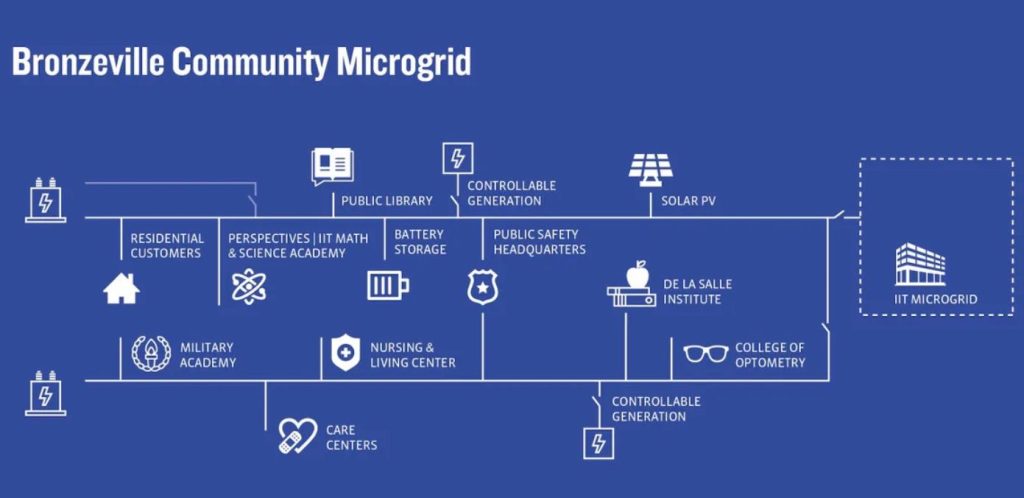
ComEd, the electric and gas utility company with 10 million customers, has successfully completed final testing of a microgrid integration—a network of solar panels, generators, batteries—that will increase energy security and resilience for residents and businesses on Chicago’s South Side.

“The impact of this project will be felt the world over as the industry better understands what is possible in integrating clean energy technologies,” said Prof. Amin Khodaei of the University of Denver.

Microgrids are small power grids with defined boundaries. They can operate in conjunction with the main grid or disconnect and operate standalone to keep power flowing. The tests demonstrated how Distributed Energy Resources (DER), such as solar photovoltaic (PV) and battery energy storage, can be used to support microgrid operations and enhance the resilience of the grid during disruptive events such as storms or natural disasters.

During the test, the microgrid successfully disconnected and reconnected to the main power grid without any interruptions in service to customers.

POPULAR: Man Who Tells the Queen He Engineers Solar Panels is Stunned When She Orders Some Installed on the Castle

Located in the historic Black neighborhood of Bronzeville, this Community Microgrid will directly serve more than 1,000 residences, businesses and public institutions, as well critical public services—including the Chicago police and fire department headquarters.

ComEd

“Demonstrating microgrid technology has presented numerous engineering challenges, and we’ve met them all,” said Michelle Blaise, senior vice president of technical services for ComEd. “These technologies will support a higher level of service to communities throughout our region and drive the entire industry to a more resilient and sustainable future.”

RELATED: Tens of Millions Now Have Power Thanks to Off-Grid Solar Systems –Many of Them Recycled

The collaboration involves partnerships with universities, national labs, and suppliers, and has utilized a $4 million grant awarded by the U.S. Department of Energy’s Solar Energy Technologies Office.

RELATED: In Hurricane Stricken New Orleans, a Solar Microgrid Kept the Lights on in This Apartment Building for Low Income Vets

“This project has provided us the opportunity to develop the algorithms that enable utilities to integrate distributed energy technologies while enhancing the resilience of the distribution system,” says Prof. Khodaei.

ComEd is scheduled to complete the installation of DER into the microgrid this year, before becoming fully operational.

WATCH a video about the green community grid and how it’s educating youth…

SHINE a Light on This Progressive Solution by Sharing on Social Media…

Your Inspired Weekly Horoscope From Rob Brezsny’s ‘Free Will Astrology’

Our partner Rob Brezsny provides his weekly wisdom to enlighten our thinking and motivate our mood. Rob’s Free Will Astrology, is a syndicated weekly column appearing in over a hundred publications. He is also the author of Pronoia Is the Antidote for Paranoia: How All of Creation Is Conspiring To Shower You with Blessings. (A free preview of the book is available here.)

Here is your weekly horoscope…

FREE WILL ASTROLOGY – Week of February 19, 2022
Copyright by Rob Brezsny, FreeWillAstrology.com

PISCES (Feb. 19-March 20):
In 1961, Piscean cosmonaut Yuri Gagarin was the first human to orbit the Earth in a spacecraft. As his feat neared its end, Gagarin left the capsule at 20,000 feet above the ground and parachuted the rest of the way. He arrived in a turnip field where a girl and her grandmother were working. They provided him with a horse and cart so he could travel to the nearest telephone and make a call to get picked up and brought back to headquarters. I foresee a metaphorically comparable series of events transpiring in your life, Pisces. Be flexible and adaptable as you adjust to changing conditions with changing strategies. Your exceptional and illustrious activities may require the assistance of humble influences.

ARIES (March 21-April 19):
You’re slipping into a phase when stuff that has been invisible will become visible, at least to you. You will have extra power to peer beneath the surfaces and discern the hidden agendas and study the deeper workings. Your interest in trivia and distractions will dissipate, and you’ll feel intensified yearnings to home in on core truths. Here’s your guiding principle during this time: Favor the interests of the soul over those of the ego. And for inspiration, have fun with this quote by religious scholar Huston Smith: “The Transcendent was my morning meal, we had the Eternal at lunch, and I ate a slice of the Infinite at dinner.”

TAURUS (April 20-May 20):
“You cannot have fun with anything that you don’t love or admire or respect,” declared comedian Mel Brooks. I agree! The joyous release that comes through playful amusement is most likely to unfold when you’re in the presence of influences you are fond of. The good news, Taurus, is that in the coming weeks, you will have a special inclination and knack for hanging around people and influences like that. Therefore, you will have an enhanced capacity for mirth and delight and pleasure. Take full advantage, please! As much as possible, gravitate toward what you love and admire and respect.

GEMINI (May 21-June 20):
“The thing about inspiration is that it takes your mind off everything else,” says Gemini author Vikram Seth. I bring this truth to your attention because I believe you will soon be the beneficiary of steady, strong waves of inspiration. I also predict that these waves will transport you away from minor irritations that are best left alone for now. Be alert and ever-ready to spring into action, my dear, so that as the inspirational surges flow, you will harvest the maximum rewards from their gifts.

CANCER (June 21-July 22):
The advice that Reb Nachman of Breslov offered two centuries ago is just right for you now: “Never ask directions from someone who knows the way, or you will never be able to get lost.” In the coming weeks, you will attract tricky but palpable blessings from meandering around without knowing exactly where you are. It’s time for you to find out what you don’t even realize you need to know; to stumble upon quiet little wonders and marvels that will ultimately prove to be guideposts for your holy quests in the future. Yes, I understand that being in unknown territory without a reliable map isn’t usually a pleasure, but I believe it will be for you. Fellow Cancerian, author Rebecca Solnit, wrote a book entitled A Field Guide to Getting Lost that might be helpful during your wanderings.

LEO (July 23-Aug. 22):
“You face your greatest opposition when you’re closest to your biggest miracle,” wrote author and filmmaker T. D. Jakes. According to my analysis of upcoming astrological omens, that’s good advice for you. I suspect that the problems you encounter will be among your best and most useful ever. With the right attitude, you will harness the challenges to generate magnificent breakthroughs. And what’s the right attitude? Proceed with the hypothesis that life is now conspiring to bring your soul exactly what your soul needs to express its ripest beauty.

VIRGO (Aug. 23-Sept. 22):
“Always remember this,” said actor Hattie McDaniel (1893–1952). “There are only 18 inches between a pat on the back and a kick in the rump.” Metaphorically speaking, I believe her advice will be useful for you in the coming days. Lately, you’ve had to deal with too many experiences and influences akin to kicks in the rump. But now that will change. Soon there’ll be a surge of experiences and influences that resemble pats on the back. In my estimation, you have finished paying your dues and making course corrections. Now it’s time for you to receive meaningful appreciation and constructive approval.

LIBRA (Sept. 23-Oct. 22):
Author Gayle Forman offers a set of truths that I suspect will be useful for you in the coming weeks. They may even be inspirational and motivational. Forman writes, “Sometimes fate or life or whatever you want to call it, leaves a door a little open, and you walk through it. But sometimes it locks the door and you have to find the key, or pick the lock, or knock the damn thing down. And sometimes, it doesn’t even show you the door, and you have to build it yourself.” Are you ready for the challenge, Libra? I think you are. Do whatever you must do to go through the doorways you want and need to go through.

SCORPIO (Oct. 23-Nov. 21):
Singer-songwriter Rosanne Cash described her process. “I dream of songs,” she began. “I dream they fall down through the centuries, from my distant ancestors, and come to me. I dream of lullabies and sea shanties and keening cries and rhythms and stories and backbeats.” Scorpio, I would love for you to explore comparable approaches to getting the creative ideas you need to live your best life possible. I would love for you to draw freely from sources beyond your conscious ego—including your ancestors, the people you were in previous incarnations, gods and spirits, heroes and allies, the intelligence of animals, and the wisdom of nature. The coming months will be a favorable time to expand your access. Start boosting the signals now!

SAGITTARIUS (Nov. 22-Dec. 21):
Author Madeleine Thien has lived in Vancouver, Montreal, and Iowa City, and has taught at schools in Hong Kong and Brooklyn. Her father was born and raised in Malaysia and her mother in Hong Kong. She has a rich array of different roots. Not surprisingly, then, she has said, “I like to think of home as a verb, something we keep recreating.” That’s an excellent meditation for you right now, Sagittarius. And it will continue to be worthy of your ruminations for another four months. What’s the next step you could take to feel comfortable and secure and at peace?

CAPRICORN (Dec. 22-Jan. 19):
The fastest animal on earth is the peregrine falcon, which can reach speeds of 200 miles per hour when it dives from a great height. The seventh-fastest creature is the humble pigeon. Having been clocked at 92.5 miles per hour, the bird outpaces the cheetah, which is the fastest land animal. I propose we make the pigeon your spirit creature for the coming weeks. On the one hand, you may seem mild and modest to casual observers. On the other hand, you will in fact be sleek, quick, and agile. Like the pigeon, you will also be highly adaptable, able to thrive in a variety of situations.

AQUARIUS (Jan. 20-Feb. 18):
“Self-control might be as passionate and as active as the surrender to passion,” wrote Aquarian author W. Somerset Maugham. Yes! I agree! And that’s the perfect message for you to hear right now. If you choose to take advantage of the potentials that life is offering you, you will explore and experiment with the mysteries of self-discipline and self-command. You’ll be a trailblazer of discernment and poise. You will indulge in and enjoy the pleasures of self-regulation.

WANT MORE? Listen to Rob’s EXPANDED AUDIO HOROSCOPES, 4-5 minute meditations on the current state of your destiny — or subscribe to his unique daily text message service at: RealAstrology.com

(Zodiac images by Numerologysign.com, CC license)

SHARE The Wisdom With Friends Who Are Stars in Your Life on Social Media…