









All News - Page 410 of 1765 - Good News Network
Home Blog Page 410

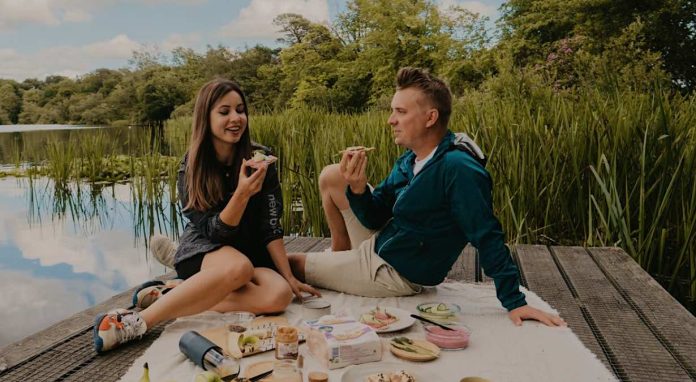
Reaching Out to Friends After Long Time is More Appreciated Than You Know, Says Research

People consistently underestimate how much others in their social circle might appreciate an unexpected phone call, text or email just to say hello.

Additionally, the more surprising the connection, the greater the appreciation.

In a paper published by the American Psychological Association, researchers conducted a series of experiments involving more than 5,900 participants that explored how accurate people are at estimating how much others might appreciate an attempt to connect and what factors might play into that level of appreciation.

“People are fundamentally social beings and enjoy connecting with others,” said lead author Peggy Liu, PhD, of the University of Pittsburgh.

“There is much research showing that maintaining social connections is good for our mental and physical health. However, despite the importance and enjoyment of social connection, our research suggests that people significantly underestimate how much others will appreciate being reached out to.”

CHECK OUT: Even Moderate Socializing With Friends Could Ward Off Dementia in Older People, Study Finds

In one experiment, half the participants were asked to recall the last time they reached out to someone in their social circle “just because” or “just to catch up” via email, text or phone, after a prolonged period of not interacting with them. The rest of the participants were asked to recall a similar situation where someone reached out to them.

Participants were then asked to indicate on a 7-point scale (1=not at all, 7=to a great extent) how much either they or the person they reached out to (depending upon the condition) appreciated, felt grateful, felt thankful or felt pleased by the contact.

A surprising result followed: people who recalled reaching out thought the gesture they recalled was significantly less appreciated than those who recalled receiving a communication.

In a second experiment, participants sent a short note, or a note and a small gift, to someone in their social circle with whom they had not interacted in a while, rather than a text or call, and again both groups were asked for a rating of appreciation.

Across all experiments, those who initiated the communication significantly underestimated the extent to which recipients would appreciate the act of reaching out. The researchers also found one interesting variable that affected how much a person appreciated a reach out.

“We found that people receiving the communication placed greater focus than those initiating the communication on the surprise element, and this heightened focus on surprise was associated with higher appreciation,” said Liu.

“We also found that people underestimated others’ appreciation to a greater extent when the communication was more surprising, as opposed to part of a regular communication pattern, or the social ties between the two participants were weak.”

READ MORE: These Women Have Been Penpals for 70 Years, Forging a True Friendship From 10,000 Miles Away

Many people have lost touch with others in their lives, whether they’re friends from high school or college or co-workers they used to see at the water cooler before work went remote. This is true now more than ever, as there was the impact of the COVID-19 pandemic, but now the amount of remote workers, business closures, lay offs, and inter-state translocation is also especially high.

Initiating social contact after a prolonged period of disconnect can feel daunting because people worry about how such a gesture might be received. These findings suggest that their hesitations may be unnecessary, as others are likely to appreciate being reached out to more than people think.

“I sometimes pause before reaching out to people from my pre-pandemic social circle for a variety of reasons. When that happens, I think about these research findings and remind myself that other people may also want to reach out to me and hesitate for the same reasons,” Liu said.

“I then tell myself that I would appreciate it so much if they reached out to me and that there is no reason to think they would not similarly appreciate my reaching out to them.”

REACH OUT To Your Distant Friends Just Like In This Study…
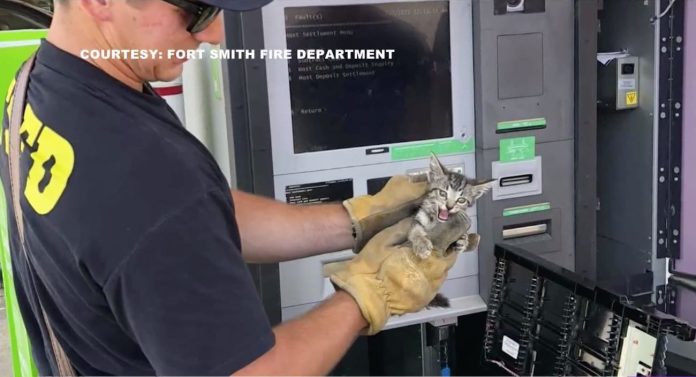
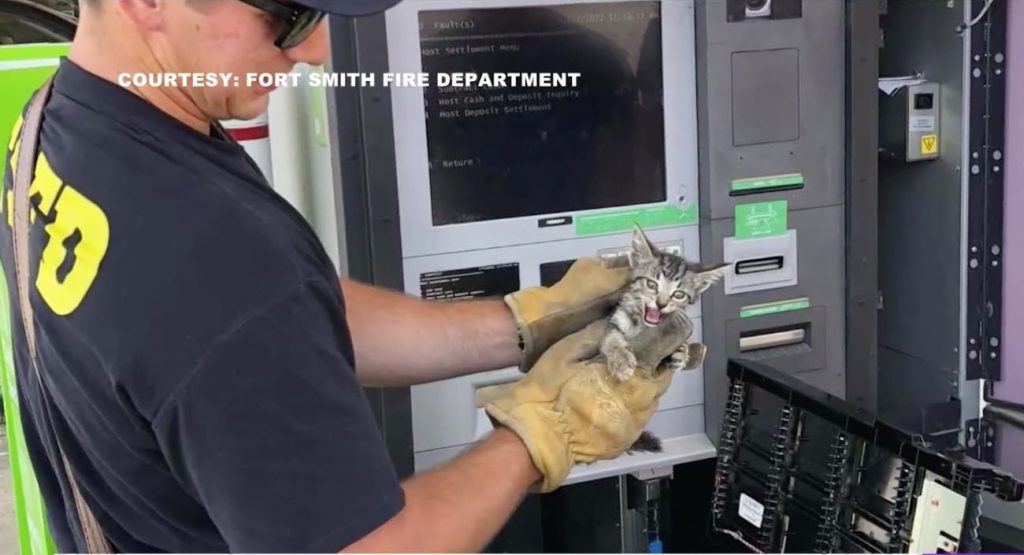
Firefighters Save Kitten Stuck in an ATM – And His New Name is Cash

Photo courtesy of Fort Smith Fire Department

Cats are known for getting themselves stuck in all manner of places, but for the staff at Fort Smith Animal Haven, an ATM was a first.

A grey tabby had to be withdrawn from an ATM by Fort Smith Fire Department in Arkansas, after someone probably heard a meow inside the machine.

After arriving at the shelter, “Cash” surprised everyone with his story.

“Probably trying to find shade is why, but I can’t tell you how,” Alexis Bloom, a cat and kennel tech at Fort Smith Animal Haven, told local news.

“This is actually my first experience with a cat getting stuck in an ATM,” added vet tech Ashley Deane. “You know, I never thought that somebody would be able to go up and make a withdrawal and get a cat out instead of some cash, so now we have both.”

LOOK: Heroic Sailor Dives Into Choppy Seas to Save 4 Kittens From Burning Ship

The tabby was hungry, cranky, in need of a bath, and a name. Cash was a pretty obvious choice for the little would be cat-burglar.

After a week or so, the kitten has made a full recovery, and is getting up to a healthy weight before he can receive his vaccinations and socialize with other kittens on his way to a foster home. No doubt cash will be a popular withdrawal after his story made headlines, but the shelter said there are plenty of loving animals in need of a home, all of which can be found on their adoption program website.

Recently GNN reported on a kitten (another grey tabby) stuck in a Pepsi Co. vending machine outside of a Walmart, proving that there is virtually no machinery too enclosed for a kitten to infiltrate.

Fort Knox beware.

WATCH the local news report below…

;

DEPOSIT This Story On Your Social Media Accounts…

“Faith is like radar that sees through the fog—the reality of things at a distance that the human eye cannot see.” – Corrie Ten Boom

Quote of the Day: “Faith is like radar that sees through the fog—the reality of things at a distance that the human eye cannot see.” – Corrie Ten Boom

Photo: Ricardo Gomez Angel (cropped)

With a new inspirational quote every day, atop the perfect photo—collected and archived on our Quotes page—why not bookmark GNN.org for a daily uplift?

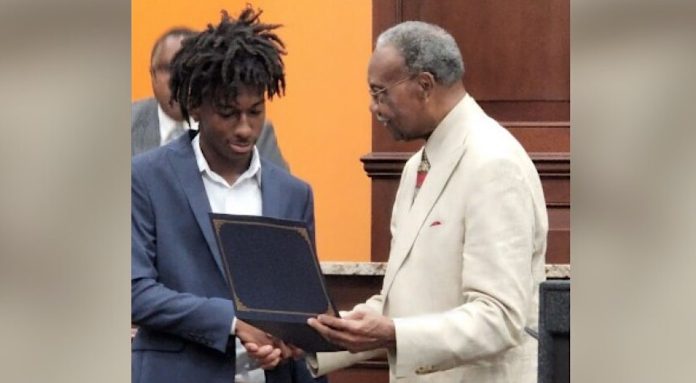
Teen Hailed as Hero for Saving 3 Girls And an Officer After Vehicle Sinks in River

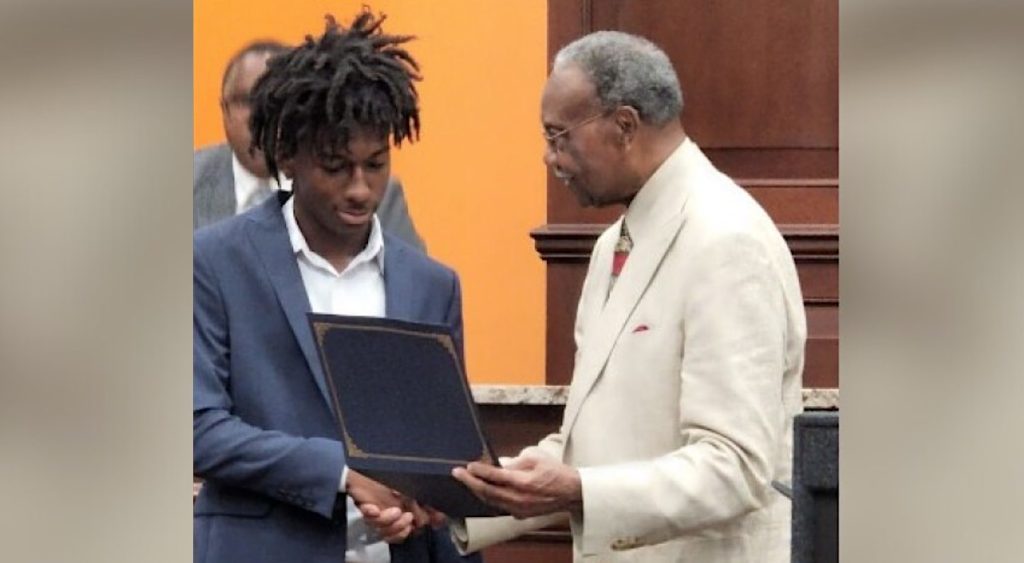
Corion Evans receives award – Moss Point Police Department

The right place at the right time—that’s where 16-year-old Corion Evans was when a car full of three teenage girls drove into a river in Mississippi.

Now hailed as a hero, the powerful young swimmer rescued all three girls plus a police officer who had jumped in to help, but ended up swallowing water.

It was 2:30 AM on the I-10 boat ramp in Moss Point, Mississippi when, following their GPS, three teenage girls drove their car off a boat ramp and floated 25 yards out into the Pascagoula River before it started sinking.

They managed to get out of the car and onto the roof, according to ABC news. Evans heard them crying for help, and took off his shirt, shoes, and his left his phone behind him as he jumped into the water.

“I was just like, ‘I can’t let none of these folks die,'” Evans, who said he had been a strong swimmer since age 3, told local news at the time. “‘They need to get out the water’. So, I just started getting them, I wasn’t even thinking about nothing else.”

RELATED: Caught on Camera: Teen Hero Dives Into Bay to Save Drowning Woman From Sinking Car

Moss Point Police Officer Gary Mercer arrived on the scene, and he too swam out to aid in the rescue.

Evan’s friend Karen Bradley also jumped in, and as the rescuers were helping the victims to shore, the story took another unlucky turn. Denver news reported that Officer Mercer was too close to a struggling victim and was pushed under where he inhaled water.

“I turned around. I see the police officer,” Evans said. “He’s drowning. He’s going underwater, drowning, saying, ‘Help!” So, I went over there. I went and I grabbed the police officer and I’m like swimming him back until I feel I can walk.”

Evans and Bradley helped the three girls and officer to the shore, while describing the ordeal as very tiring.

“The police department and I commend Mr. Evans’s bravery and selflessness he displayed by risking his own safety to help people in danger,” Moss Point Chief Brandon Ashley said in a statement. “If Mr. Evans had not assisted, it could have possibly turned out tragically instead of all occupants rescued safely.”

CHECK OUT: A Pregnant Mom Became a Hero After Saving 4 Kids From Drowning

Despite a bout of vomiting from water inhalation, all four are expected to make a full recovery. Evans and Officer Mercer afterwards were given certificates of commendation from the City of Moss Point.

Many lessons can be drawn from this story: don’t trust your GPS around poorly marked waterways, don’t get too near a drowning person, not all heroes wear capes, and keeping yourself capable of swimming 75 yards might save your life, or someone else’s.

WATCH Local news coverage below…

DIVE Into Social Media To Give This Hero The Recognition He Deserves…

World’s Oldest Brain Has Been Found in Remains of a 3-Eyed Giant Prawn From Half-Billion Years Ago

SWNS
SWNS

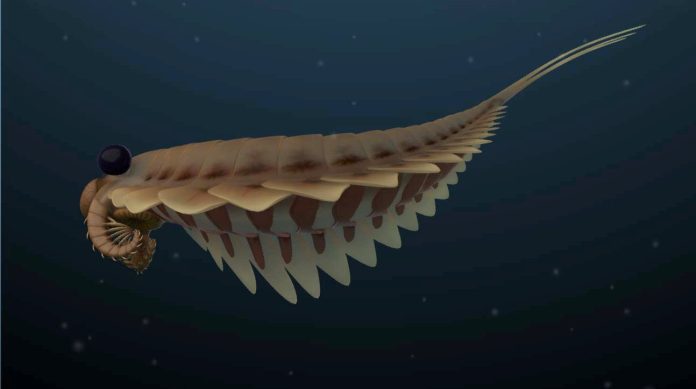
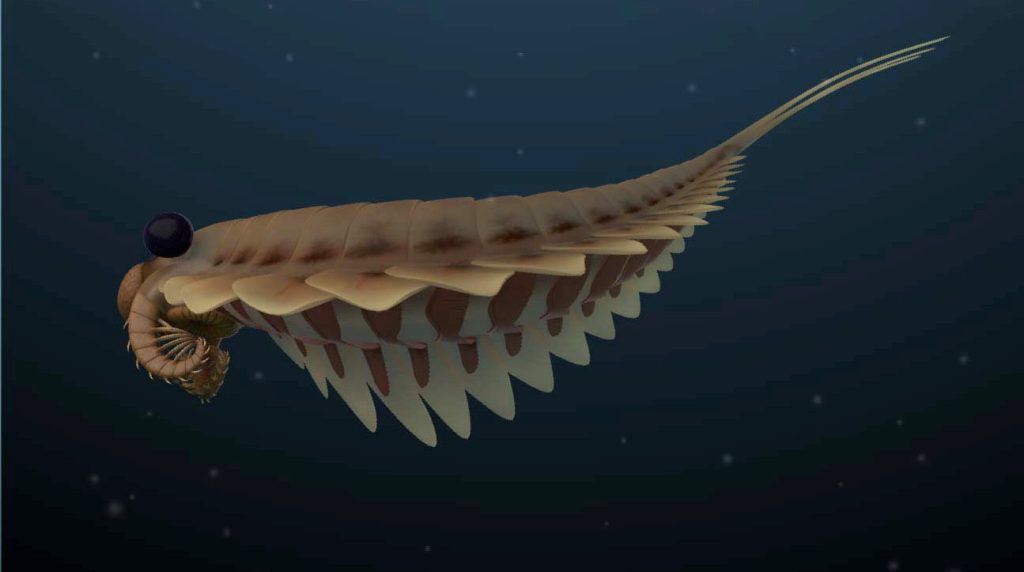
The world’s oldest brain has been found in the remains of a three-eyed prawn that swam the oceans more than half a billion years ago.

Its complete central nervous system is still visible, providing unprecedented insights into the ancestors of insects, spiders and crustaceans.

Named Stanleycaris hirpex, it was described as “the stuff of nightmares.” It had two eyes “on stalks” with a bigger one in the middle, and spiked claws.

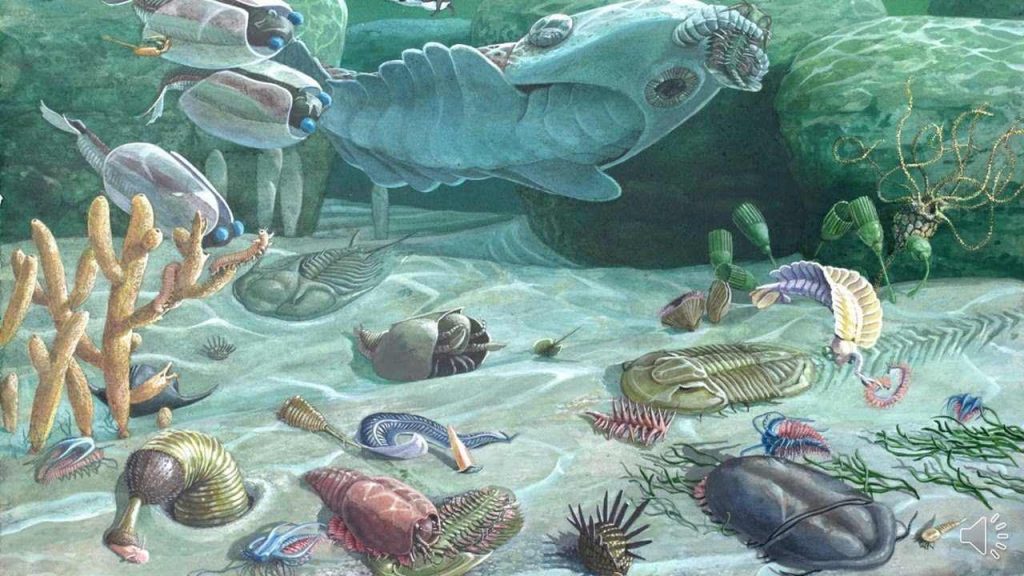
It lived during the period known by paleontologists as the Cambrian Explosion, a time of rapid evolution in shallow seas when most major animal groups emerge in the fossil record.

The creature was a member of the radiodonts, a type of early arthropod—essentially creepy crawlies with jointed limbs, and at 3-feet in length, were actually the apex predators of their time, equivalent to the great white shark.

Despite Stanleycaris‘ bizarre appearance, it is the contents of its head that has scientists most excited.

– SWNS

A thinking man’s shrimp

The new specimens provide a glimpse into what the ancestral nervous system looked like. Finding any fossilized soft tissue is rare, and this is very unique.

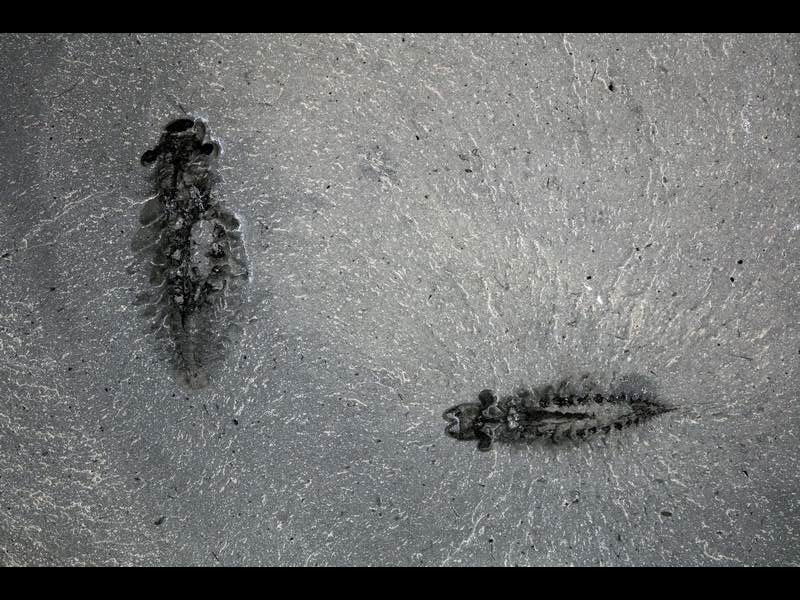
In 84 out of 268 individuals unearthed at Burgess Shale, a prehistoric graveyard in the Canadian Rocky Mountains, the brain and nerves are still preserved—even after 506 million years, and an analysis of their makeup was published in Current Biology.

SIMILAR: Spectacular Fossils Discovered from Prehistoric Rainforest Reveal Intimate Details From 11 Million Years Ago

Most fossils are bone and or hard body parts such as teeth or exoskeletons turned into mineral casts, while brains and nerves are made of fatty like substances that normally don’t survive.

“We can even make out visual processing centers serving the large eyes and traces of nerves entering the appendages,” said lead author Joseph Moysiuk, a University of Toronto PhD candidate. “The fine details are so clear it is as if we were looking at an animal that died yesterday.”

The central nervous system coordinates all neural and motor functions. In vertebrates, it consists of the brain and spinal cord.

In arthropods the brain is more condensed with a chain-like series of interconnected masses of nervous tissue resembling a string of beads. Stanleycaris‘ brain was composed of two segments, the protocerebrum and deutocerebrum.

They connected with the eyes and frontal claws respectively, and control vision and antenna signals in arthropods today.

ALSO READ: Astounding Fossil Discovery in California After Man Looks Closely at Petrified Tree And Finds Bones of Great Beasts

“We conclude a two segmented head and brain has deep roots in the arthropod lineage,” said Moysiuk, based at the Royal Ontario Museum. “Its evolution likely preceded the three segmented brain that characterizes all living members of this diverse animal phylum.”

In modern arthropods, such as grasshoppers and other insects, the brain also has a tritocerebrum.

Repeated copies of many arthropod organs can be found in their segmented bodies. Working out how they line up is key to understanding diversification.

“These fossils are like a Rosetta Stone, helping to link traits in radiodonts and other early fossil arthropods with their counterparts in surviving groups,” said Moysiuk.

The Cambrian Explosion was when life gave everything a shot. – credit Professor Drew Muscente , Cornell University / YouTube

Bottom dweller’s nightmare

In addition to a pair of stalked eyes, Stanleycaris had a big central peeper at the front of its head; a feature never before seen in a radiodont.

“The presence of a huge third eye in Stanleycaris was unexpected,” said co-author Professor Jean-Bernard Caron. “It emphasizes these animals were even more bizarre-looking than we thought. It also shows us the earliest arthropods had already evolved a variety of complex visual systems like many of their modern kin.”

CHECK OUT: One of the Largest ‘Sea Dragon’ Fossils Ever Found in Britain Unearthed As a Complete Ichthyosaur

“Since most radiodonts are only known from scattered bits and pieces, this discovery is a crucial jump forward in understanding what they looked like and how they lived.”

During the Cambrian, radiodonts were among the biggest animals. Anomalocaris, dubbed the ‘weird wonder,’ was at least 3ft 3in, making it a veritable sea monster. Radiodont means ‘radiating teeth’. The unusual animals were named after their toothy, circular jaws. They were adapted to the dim light of deep water.

At no more than eight inches, Stanleycaris was much smaller. But it would have been an impressive killer at least three times the size of most rivals.

“With large compound eyes, a formidable looking circular mouth lined with teeth, frontal claws with an impressive array of spines, and a flexible, segmented body with a series of swimming flaps along its sides, Stanleycaris would have been the stuff of nightmares for any small bottom dweller unfortunate enough to cross its path,” said Moysiuk.

Most were collected in the 1980s and 1990s and now sit  in an extensive collection of fossils from Burgess Shale—a World Heritage site—housed at Royal Ontario Museum.

CREEP Out Your Friends With This Ancient History…
Onondaga Nation Celebrates First Land Return of 1,000 Acres in New York’s Tully Valley Following Legal Settlement

In a rare moment of return for East Coast Native Americans, the Onondaga Nation has had 1,023 acres of ancestral land in New York state returned to them.

The land in the Tully Valley includes the headwaters of Onondaga Creek, more than 45 acres of wetland and floodplains, and approximately 980 acres of forests and fields.

The agreement is a result of the March 2018 Natural Resource Damage Assessment and Restoration (NRDAR) settlement between the Natural Resource Trustees and Honeywell International, Inc.

Honeywell, manufactures of household appliances like air conditioners, were found to have been polluting Onondaga Lake in the Tully Valley, Central New York, for almost 100 years, and it had begun to spill into neighboring Onondaga lands.

They have settled on orders to pay $5 million dollars to the Natural Resource Trustees, give the 1,023 acres of land over to the Onondaga, restore several hundred acres of polluted area, and construct 18 projects related to conservation and recreation, of which 7 have been completed.

“It is with great joy that the Onondaga Nation welcomes the return of the first substantial acreage of its ancestral homelands. The Nation can now renew its stewardship obligations to restore these lands and waters and to preserve them for the future generations yet to come,” said Onondaga Nation Chief Tadodaho Sidney Hill.

RELATED: Native American Tribe in Maine Gets Back Sacred Island Taken 160 Years Ago

For the Onondaga people, Onondaga Lake and Onondaga Creek are sacred. They are considered living relatives, central to the Onondaga worldview and spirituality, the tribe detailed in a statement.

Secularly, the cold waters of Onondaga Creek support a small population of brook trout, a population which may be fully restored with proper stewardship. The wetlands, floodplains, forests and fields are home to wildlife such as great blue heron, songbirds, waterfowl, hawks, bald eagles, frogs, bats, and other mammals including white-tailed deer.

“We look forward to drawing upon the Onondaga Nation’s expertise and Indigenous knowledge in helping manage the area’s valuable wildlife and habitat,” said Sect. of the Interior, Deb Haaland.

It’s more common now than ever that tribal nations are recovering rights to use their ancestral lands as they always had, but for tribes in the super-developed Mid-Atlantic region, these opportunities are rare.

CHECK OUT: The ‘Sioux Chef’ Brings Indigenous Food Back to the Forefront of American Diets

However as the Onondaga point out, recent world-wide land surveys have shown that 80% of the world’s biodiversity is currently located in areas stewarded by indigenous peoples, or lands contested as such, despite the fact this amounts to less than half the land of the planet.

As such, they are keen to show what indigenous stewardship can bring to the biodiversity of America’s East Coast, and the current plan with state officials is to turn the Onondaga Lake and Tully Valley into a wildlife sanctuary, but one with ample opportunities for recreation, as Honeywell were ordered to construct many boat launching sites along the lake and rivers.

WATCH the local news report below…
CELEBRATE This Indigenous Victory On Social Media…

Being A ‘Weekend Warrior’ Boosts Health as Much as Working Out Every Day, According to New Research

-Dannii Coughlan
-Dannii Coughlan

Being a ‘weekend warrior’ boosts health just almost as much as working out every day, according to new research.

People who cram exercise into one or two sessions on the weekend lower their risk of premature death as much as peers who spread exercise through the week.

Both groups are less likely to succumb to cardiovascular disease, cancer, diabetes and other killer diseases than couch potatoes, say scientists.

The findings published in JAMA Internal Medicine are based on more than 350,000 adults in the U.S. followed for just over a decade, on average. An earlier analysis from more than 63,000 Britons by another team came to the same conclusion.

At least 150 or 75 minutes of moderate or vigorous intensity respectively is advised for 18 to 64-year-olds in both countries.

Out of almost 22,000 deaths, there were 8 and 15 percent fewer in weekend warriors and regularly active individuals, respectively.

RELATED: Exercise in the Morning May Stave Off Cancer, As Opposed to Later in the Day, New Study Says

“We found they had similar all-cause and cause-specific mortality, suggesting when performing the same amount of physical activity, spreading it over more days or concentrating it into fewer days may not influence outcomes,” said study author Professor Yafeng Wang, of Jiangnan University, China.

It has implications for those who struggle to find time owing to work or family commitments, and who may find it easier to fit less frequent bouts of physical activity into a ‘busy, busy’ lifestyle.

The international team, including British scientists, looked at links between the weekend warrior and other physical activity patterns and deaths from all causes, cardiovascular disease and cancer.

“The findings underscore that regular physical activity has been associated with lower risks of all-cause and cause-specific mortality compared with physical inactivity.” said Wang.

CHECK OUT: New Research Says That Short Bursts of Exercise Could Make You Smarter

“Most importantly, these findings suggest that whether the recommended amount of moderate to vigorous physical activity is spread out during the week or concentrated into fewer days, there may be no significant difference in health benefits.”

“For people with fewer opportunities for daily or regular physical activity during their work week, these findings are important.”

RUN This Story Over To Your Fellow Warriors’ Social Media…

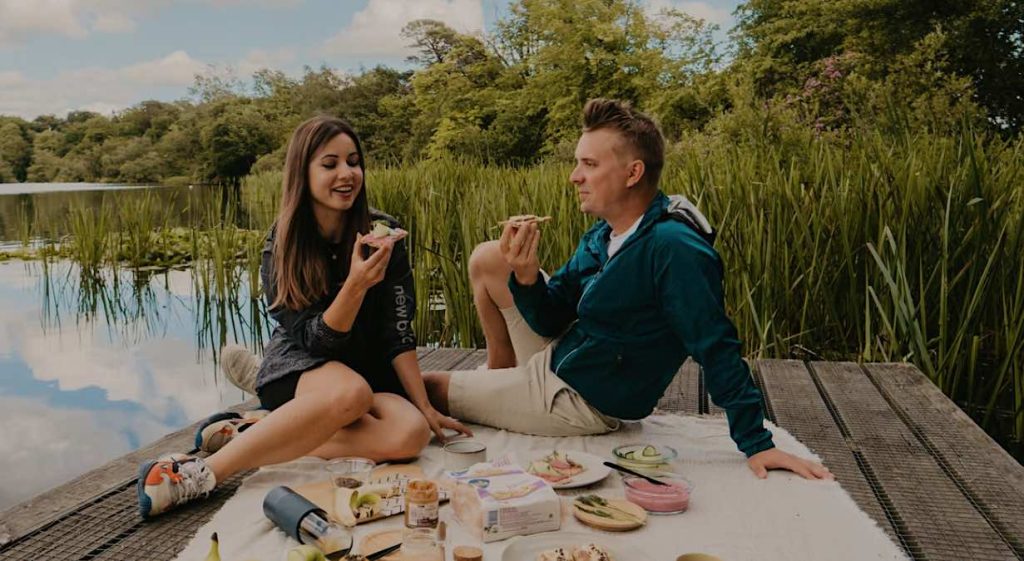
“It’s fun to get together and have something good to eat at least once a day. That’s what human life is all about—enjoying things.” – Julia Child

Quote of the Day: “It’s fun to get together and have something good to eat at least once a day. That’s what human life is all about—enjoying things.” – Julia Child

Photo: Wasa Crispbread

With a new inspirational quote every day, atop the perfect photo—collected and archived on our Quotes page—why not bookmark GNN.org for a daily uplift?

Sam the Lamb is Nursed Through Incredible Recovery After Falling off Highway Truck – WATCH

Constable Sam the Lamb - SWNS
Constable Sam the Lamb – SWNS

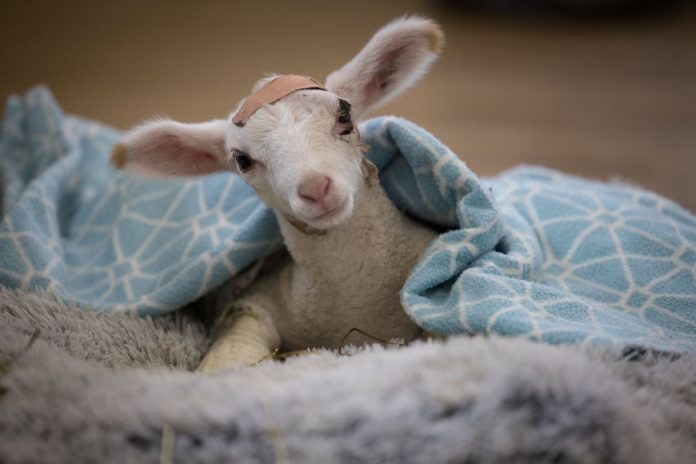
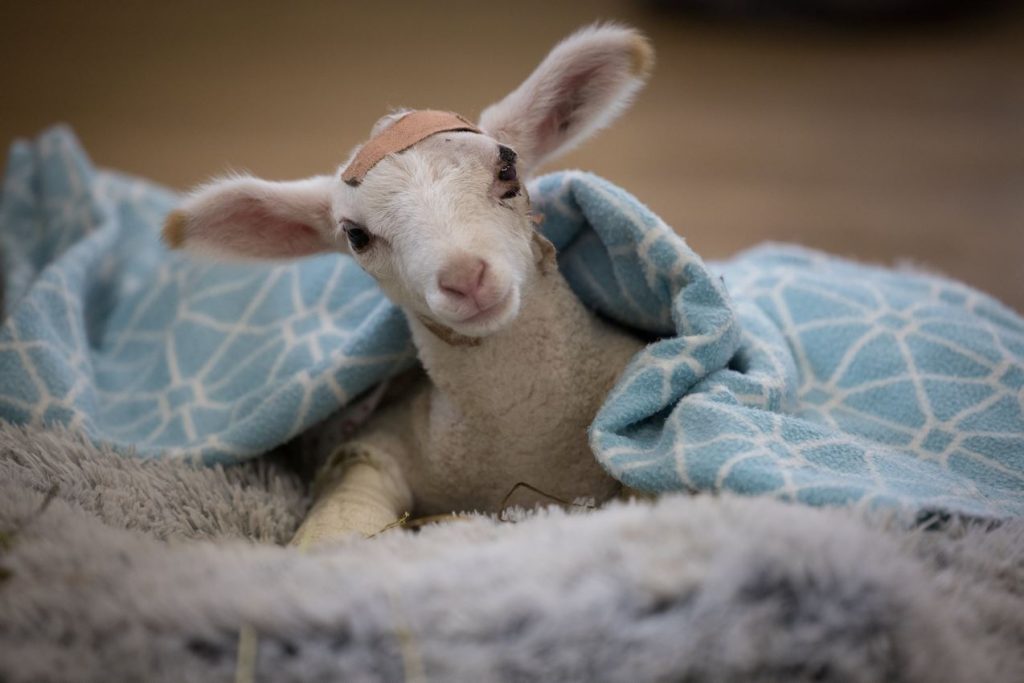
A newborn lamb has been documented making an incredible recovery after falling off a speeding truck in Australia.

The youngster, named Constable Sam, fell through a gap in a vehicle travelling along a busy highway in Victoria, Australia on March 14.

The lamb, who was born the very day of his accident, broke both of his front legs in two places and suffered a fractured skull and a critical injury to one eye as a result of his fall.

Highway officials rushed him to farm sanctuary Edgar’s Mission after finding him injured on the side of the road.

CHECK OUT: Lucky Rescue for 5 Sheep Stuck on English Rooftop

Volunteers at the non-profit site performed surgery on his skull and legs and cleaned his wounds in the hope of keeping the lamb alive. Afterwards, it was a matter of feeding the little survivor and getting him to trust his hooves again. The house cats were there for support.

Three months following his harrowing fall, Constable Sam has made an incredible recovery and was recently adopted out to a forever home with two of his friends.

“His fractured skull is fractured no more and his once critically injured left eye appears to have not lost its sight,” said Edgar’s Mission in a statement. “His wobbly legs are now strong and infused with a sense of victory and his wagging tail is unable to conceal his joy for the newfound and splint-free mobility that is now his.”

WATCH the recovery, and if you played the Rocky theme it wouldn’t be wrong…

SHARE This Remarkable Recovery Story From A Lucky Lamb…

Livin’ Good Currency Ep. 17: Jai Khanna on Aligning Passion With Purpose Even When Passion Ends

The Lesson: For some people, especially those shot into stardom through acting or professional sports, it’s easy for the passion they have for their craft to proceed without a deeply-rooted purpose. When one day that passion is no longer available, they have nothing to look inward at to find a new path through life.

Notable Excerpt: “Even if it felt like a purpose, sports in general, it still ends at a very early age for a lot people too, you still have a whole life, you’re still defined and to keep exercising your passion. So what does it translate into? It’s interesting even like, pro guys, I’ve seen it, it’s like “how did that happen?” And then there’s some others that have really successfully transitioned to other businesses, or broadcasting, or coaching, and they’ve been really successful at it, so it didn’t matter really what, but it was something they fell into.”

The Guest: Jai Khanna attended the University of California at Davis on an athletic scholarship, playing collegiate baseball for the Aggies from 1988-1993. Jai settled at Writers & Artists Agency in 1996, where he was promoted to Talent Agent, working with a variety of clients, including working on the James Gandolfini team and the ‘The Sopranos,’ to nurturing Eva Mendes into an in-demand star.

Jai then moved over to famed Brillstein Entertainment Partners to be involved in over 100 film and TV transactions, credited on 25+ films and helped raise over $300 million in project financing. In 2020, Jai launched Oakhurst Entertainment. Oakhurst has already produced several films with a full development slate on the horizon tackling themes of mental health, immigration and climate change. Indiaspora Forum recognized him as one of the “100 Influential Indian American Leaders in the US” and the Asian American Business Development Center named him one of the “Outstanding 50 Asian Americans in Business.”

The Podcast: Livin’ Good Currency explores the relationship of time to our lives. It gives a simple, straight-forward formula that anyone can use to be present in the moment—and features a co-host who knows better than anyone the value of time (see below). How do you want to spend your life? This hour can inspire you, along with upcoming guests, to be sure you are ‘Livin’ Good Currency’ and never get caught running out of time.

The Hosts: Good News Network fans will know Tony (Anthony) Samadani as the co-owner of GNN and its Chief of Strategic Partnerships. Co-host Tobias Tubbs was handed a double life sentence without the possibility of parole for a crime he didn’t commit. Behind bars, he used his own version of the Livin’ Good Currency formula to inspire young men in prison to turn their hours into honors. An expert in conflict resolution, spirituality, and philosophy, Tobias is a master gardener who employs ex-felons to grow their Good Currency by planting crops and feeding neighborhoods.

Innovative ‘Sand Battery’ is Heating Small City, Storing Green Energy for Months at a Time

– Polar Night Energy. Released

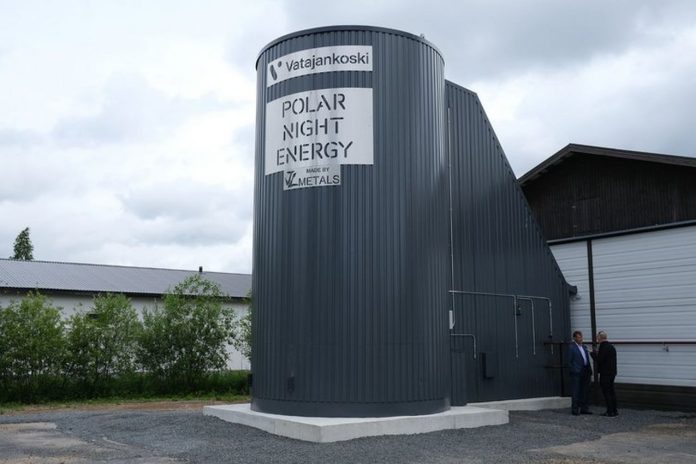
A town in Finland is using sand to store heat from renewable energies to provide home heating during winter.

Water heating can only store 100°C of heat, obviously, while sand can reach 500°C, or nearly 1000° Fahrenheit.

Tens of thousands of cubic meters of sand are heated from the generation of electricity with solar panels or wind turbines. Packed tightly in insulated silos, the sand can retain this heat for months without losing it. For Finns living through a 5-month long winter, it’s a vital load off the power grid.

The company behind this innovation, which can also use the heat to generate electricity as well as home heating, is called Polar Night Energy, and the first commercial sand-based heat storage facility has already been bought and made operational by Vatajankoski, an energy utility based in Western Finland.

ALSO READ: World’s First CO2 Battery to Offer Long-Duration Energy Storage at Half the Cost

Now in July, the facility is primed for its first commercial winter in Vatajankoski’s district heating network in Kankaanpää, Finland. The storage has 100 kilowatts heating power and 8 megawatt hours capacity.

For Euro governments, now in the midst of a full blown energy crisis, the sand tech has several attractive elements, such as an investment cost of less than 10 euro per kilowatt hour of capacity, little to no emissions or hazardous materials, and minimal, automated running costs.

The BBC reports that Finnish energy authorities are looking to scale the solution from 8MWh to 8GWh

“This innovation is a part of the smart and green energy transition. Heat storages can significantly help to increase intermittent renewables in the electrical grid,” said Markku Ylönen, co-founder of Polar Night Energy. “At the same time we can prime the waste heat to usable level to heat a city. This is a logical step towards combustion-free heat production.”

POPULAR: To Replace Lithium Batteries For Grid Storage ‘Gravitricity’ Uses Gravity

And not a moment too soon, as Finland’s Government’s recent decision to join NATO has seen them lose all access to Russian natural gas, the standard home heating energy source.

WATCH a special report from the BBC…

‘FINNISH’ By Sharing This Story With Your Friends

Two Zoos, Two Sets of Big Cat Twins: Welcoming the Newborn Cubs in Nashville and Oklahoma

Nashville Zoo - Facebook
(Left) – Nashville Zoo Facebook; (Right) – OKC Zoo Facebook

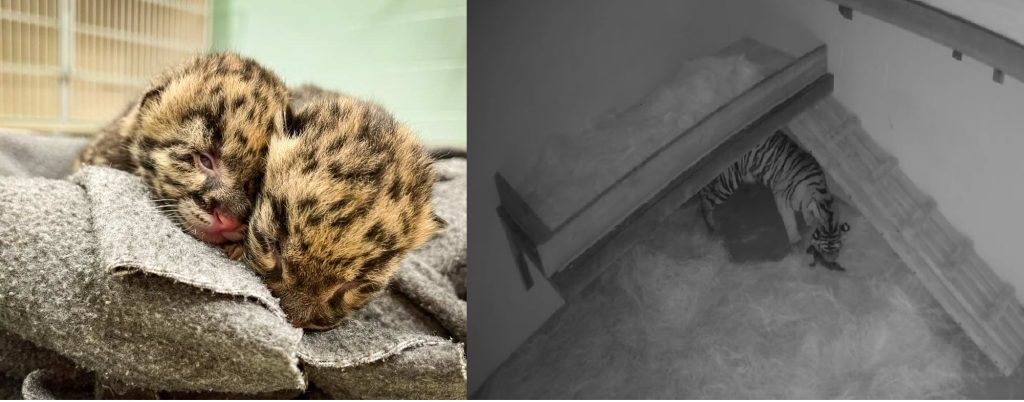
Lola, the Oklahoma City Zoo’s 11-year-old female Sumatran tiger, gave birth to two cubs on the afternoon of Saturday, July 2 at the Zoo’s Cat Forest habitat.

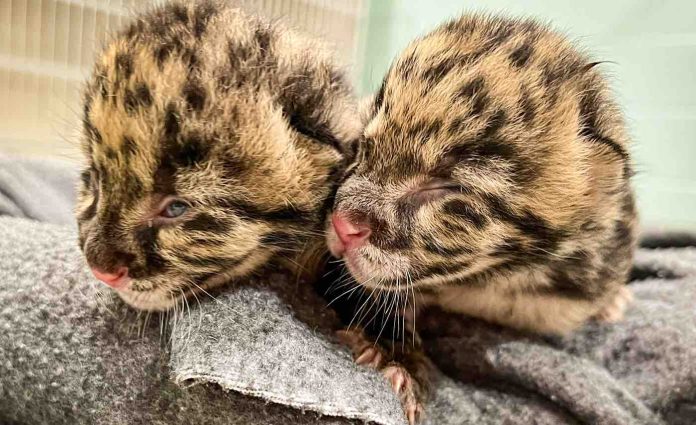
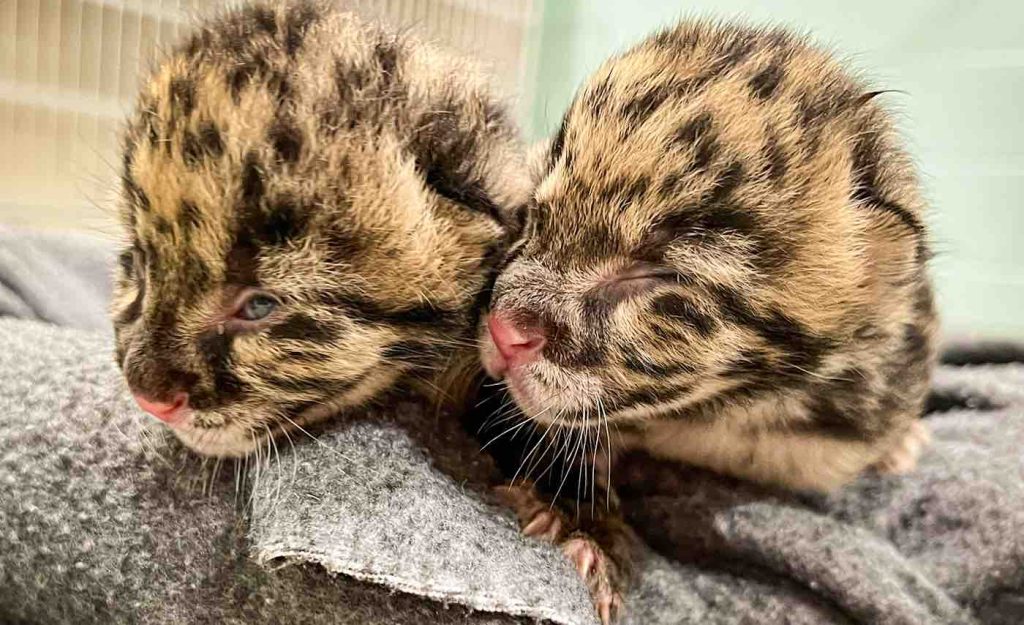
OKC wasn’t the only zoo celebrating twins, as the Nashville Zoo announced that Jewels the clouded leopard had just given birth to a male and female cub four days later.

The two zoos are both heavily involved in conservation work with their respective big cat species, as the clouded leopard is considered Vulnerable, and the Sumatran tiger subspecies Critically-Endangered.

According to the OKC Zoo’s carnivore care team, Lola and her cubs are doing well and spending time together behind-the-scenes to bond.

Caretakers will continue to monitor Lola and her offspring by video, and in a few weeks the veterinary care team will conduct physical exams on each of the cubs to obtain their weights and measurements as well as determine their gender.

POPULAR: How ‘Frozen Zoos’ Are Helping Save Vanishing Species

“Lola has proven to be an extremely attentive and nurturing mother to these new additions to our animal family,” said Tyler Boyd, OKC Zoo’s curator of carnivores.

“Throughout her pregnancy and birth of these cubs, she has participated in ultrasound monitoring and training sessions with her caretakers that allowed us to be as prepared as possible for their arrival. So far, Lola is doing an excellent job and the cubs are spending plenty of time nursing and bonding with mom.”

It’s the second litter of cubs born to Lola and her mate Kami, taking the tiger total there to 5.

SEE: Endangered Baby Rhino Born in a Czech Zoo is Named After Kyiv (PHOTOS)

In contrast, Nashville Zoo said they now have 16 clouded leopards in their care, bringing their total birth celebrations to 42 since 2009, according to local news.

Nashville Zoo – Facebook

The Zoo is also a founding member of the Clouded Leopard Consortium, a program based out of Thailand dedicated to saving clouded leopards and their habitat, and has been involved in the conservation of this cat species since the Zoo’s inception.

Also active in protecting the 500 Sumatran tigers left in the wild, OKC Zoo used funds donated by guests through the Zoo’s Round Up for Conservation program to allow the non-profit Rainforest Trust to purchase 13,000 acres of rainforest in central Sumatra where these tigers live.

WATCH Lola bear her twins, and the Nashville Zoo’s squeaking Leopard cubs…

WELCOME These Cubs To The World On Social Media…

Everything Needed to Make RNA and DNA Has Been Found in Asteroids and Meteorites

NASA/JPL-Caltech
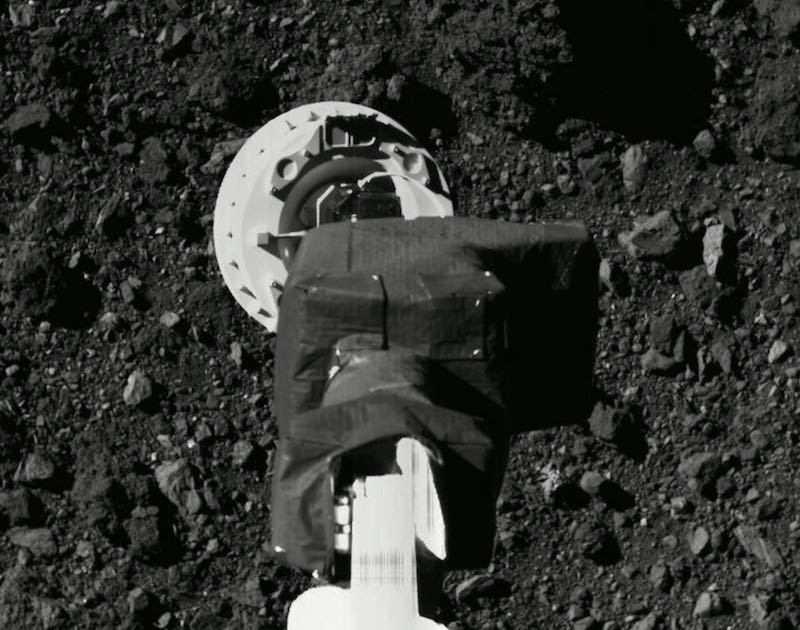
Actual footage of OSIRIS-Rex collection arm on the asteroid Bennu – NASA

Space rocks that fell to Earth within the last century contain the five bases that store information in DNA and RNA, scientists report in Nature.

These “nucleobases”—adenine, guanine, cytosine, thymine, and uracil—combine with sugars and phosphates to make up the genetic code of all life on Earth.

Together, cytosine, thymine, adenine, guanine, and uracil, a group known as “nucleobases,” combine with some sugars which have also been found in meteorites, and phosphates to create the genetic code used to form all forms of life on Earth.

Until now, scientists scouring extraterrestrial samples had only found three of the five. However, a recent analysis by a team of scientists led by Associate Professor Yasuhiro Oba of Hokkaido University, identified the final two nucleobases that have eluded scientists.

“We now have evidence that the complete set of nucleobases used in life today could have been available on Earth when life emerged,” said Danny Glavin, a co-author of the paper at NASA’s Goddard Space Flight Center.

CHECK OUT: NASA and SpaceX Launched First Rocket to Test a Defense System Against Giant Asteroids in the Future

Nucleobases belong to classes of organic molecules called purines and pyrimidines, which have a wide variety. However, it remains a mystery why more types haven’t been discovered in meteorites so far.

“I wonder why purines and pyrimidines are exceptional in that they do not show structural diversity in carbonaceous meteorites unlike other classes of organic compounds such as amino acids and hydrocarbons,” said Oba, lead author of a paper about the research published April 26 in Nature Communications.

“Since purines and pyrimidines can be synthesized in extraterrestrial environments, as has been demonstrated by our own study, one would expect to find a wide diversity of these organic molecules in meteorites.”

This newly discovered pair of nucleobases, cytosine and thymine, have been elusive in previous analyses likely because of their more delicate structure, which may have degraded when scientists previously extracted samples.

In the earlier experiments, scientists created something of a “meteorite tea,” placing grains of meteorite in a hot bath to let the molecules on the sample extract into the solution and then analyzed the molecular makeup of the extraterrestrial broth.

RELATED: In Historic First, NASA Lands on Asteroid and Collects Samples of Debris That Helped Form Our Earth

“We study these water extracts since they contain the good stuff, ancient organic molecules that could have been key building blocks for the origin of life on Earth,” said Glavin.

Because of how delicate these two nucleobases are, the team was initially skeptical to see them in the samples. But a mix of cool water and extremely-sensitive equipment allowed the them to feel confidant in their discovery.

“I was amazed that they had seen cytosine, which is very fragile,” said Jason Dworkin, another co-author at Goddard.

The finding doesn’t provide a smoking gun as to whether life on Earth got an assist from space or came about exclusively in the prebiotic soup in the planet’s infancy. But completing the set of nucleobases that make up life today, in addition to other molecules found in the sample, gives scientists who are trying to understand the beginning of life more compounds to experiment with in the lab.

POPULAR: French Connoisseurs Just Tasted the Bordeaux Wine That Spent a Year in Space: ‘Beautiful!’

“This is adding more and more pieces; meteorites have been found to have sugars and bases now,” Dworkin said. “It’s exciting to see progress in the making of the fundamental molecules of biology from space.”

Not only did this analysis add to the kit for those modeling the inception of life on Earth, it also provides a proof of concept for a more effective technique to extract information from asteroids in the future, especially from the samples of Bennu making their way to Earth in the next year via NASA’s OSIRIS-REx mission.

Send This Story To Your Friends’ Orbits…

“If you can‘t do great things, do small things in a great way.” – Napoleon Hill

Quote of the Day: “If you can’t do great things, do small things in a great way.” – Napoleon Hill 

Photo: Jeremy Thomas

With a new inspirational quote every day, atop the perfect photo—collected and archived on our Quotes page—why not bookmark GNN.org for a daily uplift?

DC Subways Will Have $50M in Revenue From New Solar Panels Covering Parking Lots With Shade

File photo by Jay Black
File photo by Jay Blacktrans

The transit agency for the Washington, DC Metro area announced Friday a deal worth up to $50 million over 25 years to install solar panels atop buildings and parking structures at four subway rail bus stations.

Combined, Metro says the four sites will generate 12.8 megawatts of electrical capacity and make this “the largest community solar project in the National Capital Area and one of the largest in the nation”.

It will also provide Metro customers who park their cars at the stations with new shaded parking and protection from the elements.

Under the agreement, SunPower Corp. will install photovoltaic solar panels over carports and canopies that shade surface lots and above parking garages. The four Metro sites are: Anacostia, Cheverly, Naylor Road, and the Southern Avenue stations.

RELATED: Detroit Getting First Public EV-charging Road in the US to Power Electric Vehicles Wirelessly

Goldman Sachs Renewable Power will own the solar power system and provide annual payments to Metro through 2047, providing a long-term revenue stream that will support the regional transit agency’s operations—at no cost to Metro, which is run by governments of DC, Maryland, and Virginia.

“This project benefits residents of our region, even people who don’t ride Metro, by leveraging the potential of our stations to generate revenue and increase the community’s access to a clean, renewable source of energy,” said Metro CEO Paul Wiedefeld. “This project advances the region’s sustainability goals while generating revenue to help keep Metro safe and affordable in an extremely tight budget environment.”

POPULAR: World’s First Electric Self-Propelled Container Ship Launches in Oslo to Replace 40K Diesel Truck Trips

When complete, the stations (located in DC and Prince George’s County, Maryland) will have 17 acres of photovoltaic solar panels—the equivalent of 13 football fields—and generate enough electricity to power at least 1500 single-family homes. Homes and businesses in the local PEPCO area will be able to sign up for a share of the clean, renewable energy generated by the project while saving on their utility bill.

The project is part of Metro’s sustainability initiatives and will help advance the Clean Energy DC Plan that seeks to cut carbon emissions in half—and transition to 100 percent renewable energy by 2032. Construction is expected to begin early next year.

MORE: First Ever Commute in The Jetson Flying Car – CEO Says it Can Make You a Pilot in 5 Minutes

LET THE Sun Shine on Social Media By Sharing the Good News…

Water Births ‘Provide Clear Benefits’ For Moms and Newborn Babies, Large Analysis Shows

Photo by rabble - CC license
Photo by rabble – CC license

Water births provide “clear benefits” for healthy moms and their newborn babies, according to new research.

It showed that giving birth in a tub results in fewer medical interventions and complications during and after the birth than standard deliveries—as well as higher levels of satisfaction for the mum.

The large review of 36 previous studies also found that water births “significantly reduced” the use of epidurals, injected opioids, as well as pain and heavy bleeding after the birth.

A water birth involves using a birthing pool to achieve relaxation and pain relief, either exiting the pool for the birth, so the newborn can emerge into air to breathe, or remaining in the birthing pool and bringing the baby to the surface to start breathing.

The researchers wanted to compare the extent of healthcare interventions needed during and after labor between the two different types of water birth and to see if outcomes differed between a water birth and standard care not involving a birthing pool.

They analyzed 36 previous studies, published between 2000 and 2021, involving more than 150,000 women.

RELATED: Probiotics Improve Nausea and Vomiting in Pregnancy, Study Shows

The studies included a range of interventions and outcomes such as induced labour; artificial breaking of waters; use of epidurals; admission to intensive care, and breastfeeding.

Lead author Dr. Ethel Burns, of Oxford Brookes University, said the data analysis, published in BMJ Open, showed that a water birth, regardless of whether women birth in or out of the pool, “has clear benefits to women” in obstetric units, where most births take place and where healthcare interventions and complications are more likely than in midwife-led units.

And it increased the satisfaction levels of mothers, as well as the odds of them going home with an intact perineum.

It also resulted in less augmentation, episiotomy, and requirements for pharmacological analgesia.

The findings showed that there were more instances of umbilical cord breakage among water births, but the rate was still low: 4.3 per 1,000 births in water compared with 1.3 per 1,000 births with standard care. The researchers suggested that may be linked to pulling on the umbilical cord when the newborn is brought up out of the water.

“Water immersion provides benefits for the mother and newborn when used in the obstetric setting, making water immersion a low-tech intervention for improving quality and satisfaction,” said Dr. Burns.

CHECK OUT: Scientists Found Flute Music That Helps to Build the Brains of Premature Babies

“It is an effective method to reduce pain in labour, without increasing risk,” she concluded.

DO You Know Any Pregnant Women? Share This on Social Media…

Six in 10 Americans Believe They Can Build Generational Wealth in Several Ways, Says New Poll

By Tierra Mallorca
By Tierra Mallorca

A recent survey of 2,000 U.S. adults, half of whom are homeowners, found that 63% are confident they can accumulate property, investments, or other things with monetary value to be passed down from one generation to the next.

Of those respondents, nearly three-quarters (74%) believe they’ve already built generational wealth.

But homeownership isn’t the only way to do so: people who live with family and don’t pay rent (83%), and renters (75%), feel they, too, have already built generational wealth compared to homeowners (72%).

The most popular wealth-generating tool among homeowners is making improvements to increase the value of their home (26%) or subletting part of their primary residence (38%).

Conducted by OnePoll on behalf of HomeLight, the survey also looked into other avenues for generational wealth building, including people’s plans to fund continuing education and business ventures.

RELATED: More Than Half of Americans Think They Handle Their Finances Better Than Their Parents

Overall, the poll shows that those with access to family support and the foundation of generational wealth are already on the path toward accruing wealth. 77% of people currently living with family plan to inherit a home.

The most expensive regions in the U.S.—the Northeast and the West—report the lowest homeownership rates, yet the highest numbers of those planning to inherit a home, at 63% of people and 57%, respectively. Overall, about two-thirds (64%) of millennials expect to inherit a home.

“Despite changes in the market, homeownership continues to be one of the most surefire ways to build generational wealth in the U.S. Home equity surged to a record $27.8 trillion in Q1, but rising interest rates and costs of living have started to curb demand for home buying,” said Vanessa Famulener, President of HomeLight Homes.

MORE: 73% of These Women Who Started Businesses During Pandemic Say It’s Easier Than Ever to Be Successful

“Those who have built up equity in their homes can take advantage of numerous tax, repayment, and interest rate benefits that home equity lending offers homeowners—especially to help bring costs down for value-add home improvements.”

However, over a third (34%) of homeowners have plans to sell their current home, compared to 20% who plan to live in it until they pass it down to their kids.

Fifty-seven percent are confident in their understanding of today’s housing market, including more millennials than baby boomers (60% vs. 49%) and 47% of people 77 and older.

However, less than half (45%) are confident they’ll sell their home at its highest value, with those in the West feeling the least confident (33%).

HOW DO AMERICANS PLAN TO BUILD GENERATIONAL WEALTH?

Invest in a residential property as co-owner and rent it out – 33%
Savings and investment program – 31%
Live in single-family home I own, in hopes its value will appreciate over time – 30%
Invest in/sell stocks and bonds – 29%
Invest in a single-family rental property as the sole owner – 28%
Rent out part of my primary residence – 28%
Start a business/franchise that I own/co-own – 28%

SHARE Some Optimism With Family on Social Media…

Botanical Researchers Are ‘Thrilled’ After Discovering an Oak Tree Once Thought to Be Extinct

Photo by U.S. Botanic Garden

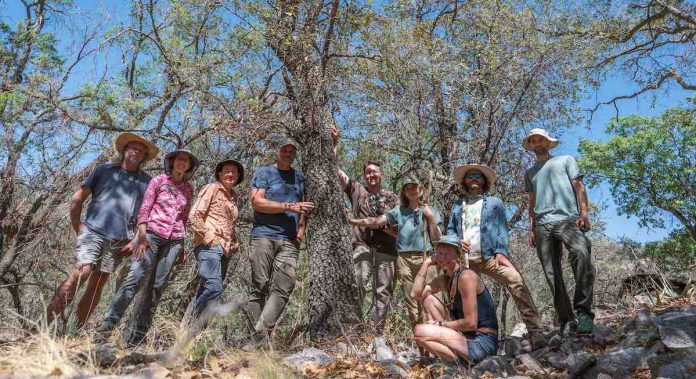
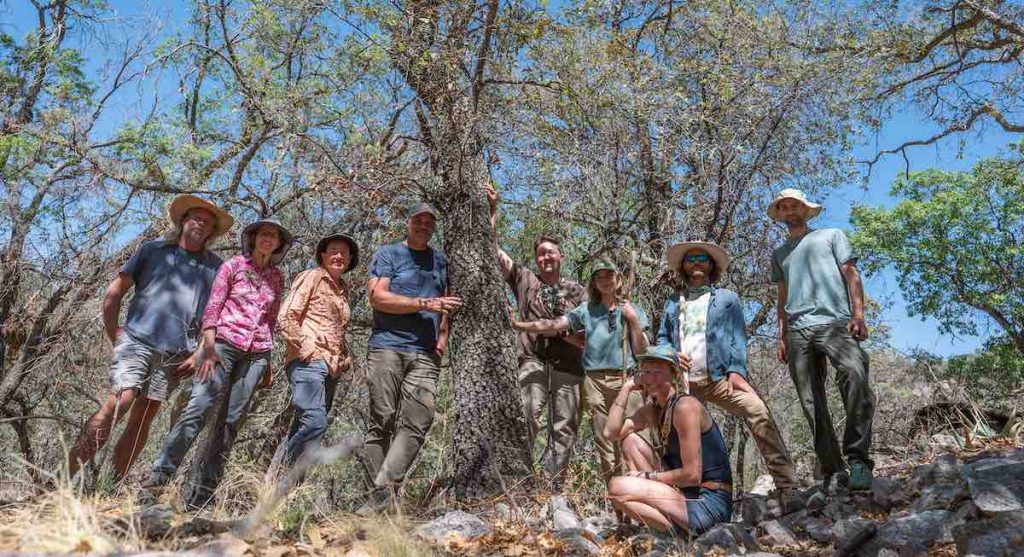
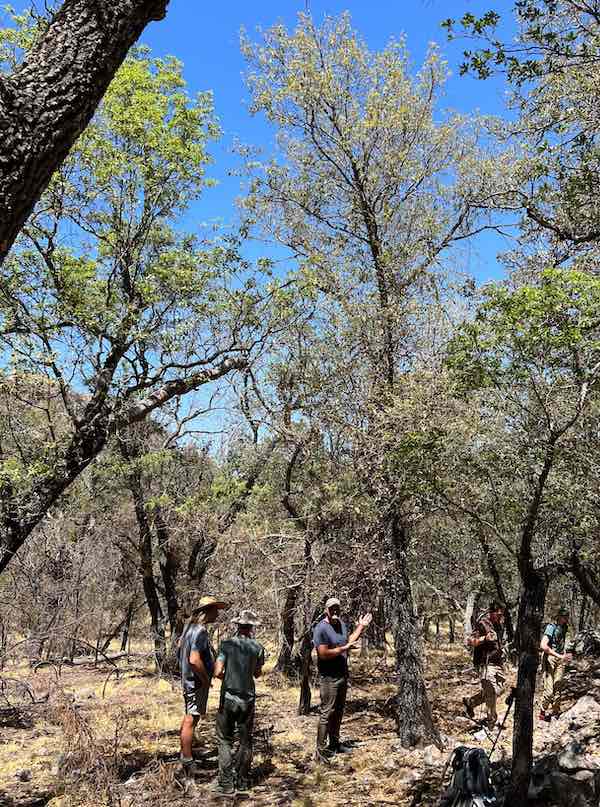
In Big Bend National Park in Texas, a coalition of 10 institutions have discovered an oak tree once thought to be extinct.

Botanical researchers were thrilled to find a lone Quercus tardifolia tree standing about 30 feet tall, though in poor condition.

First described in the 1930s, the last living specimen was believed to have perished in 2011.

Murphy Westwood of The Morton Arboretum says Q. tardifolia is considered one of the rarest—if not the rarest—oak in the world.

The team that made the discovery on May 25 found the trunk scarred by fire with signs of fungal infection. The group is now working with the National Park Service to reduce the immediate wildfire threat to the tree, and their conservationists are moving quickly to return to search for acorns and to attempt propagation, the process of breeding specimens from a parent plant.

POPULAR: He Planted a Giant Sequoia in the UK to Offset His Carbon Footprint for Life – And 700 More to Make a Forest

“The Chisos Mountains support a high diversity of oak species, partly because of the wide range of habitats available in this ‘sky island’,” said Carolyn Whiting, a botanist at Big Bend National Park. “There is still much to learn about the oaks in the Chisos.”

“The United States Botanic Garden is thrilled about the success of this partnership and collecting trip that rediscovered such a rare oak,” said Susan Pell, acting executive director of the agency that funded and collaborated on the project. “This discovery is just the beginning of the conservation work we are doing to better understand and conserve threatened trees.”

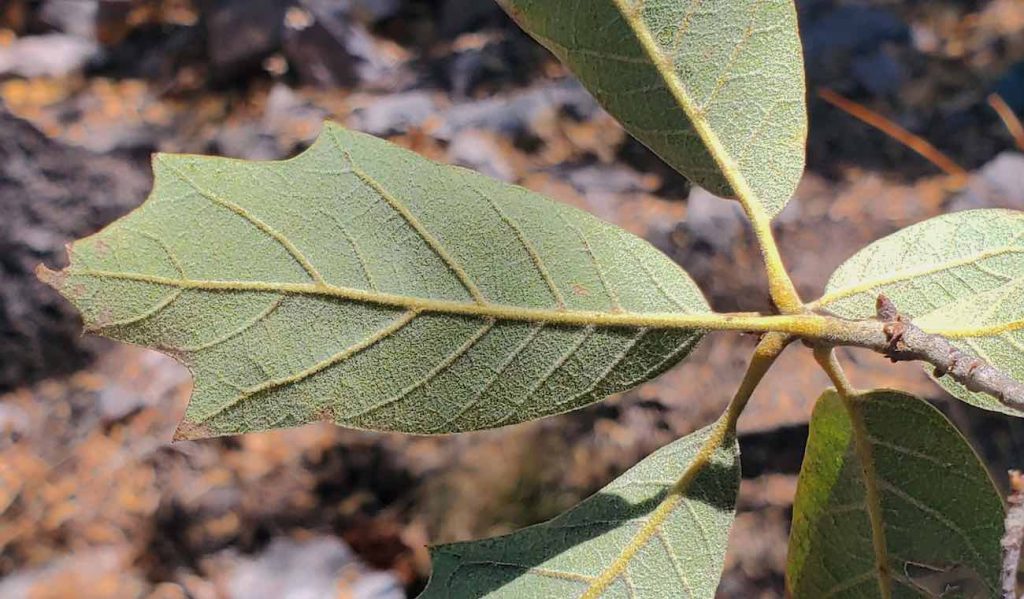
Quercus tardifolia by UC Davis Arboretum and Public Garden

How to save an oak tree

Oaks tend to hybridize, or crossbreed, which may allow them to adapt more quickly to changing climate conditions such as extreme heat and new diseases. This frequent hybridization can also blur the genetic lines between oak species in a given ecosystem like Big Bend.

According to Andrew Hipp, the Morton Arboretum senior scientist whose team will be conducting the genetic analysis, “This is an interesting problem. We’re looking into whether this tree is genetically similar to other trees that have been previously collected as Q. tardifolia. That should tell us whether this collection is the same as what Cornelius H. Muller named Q. tardifolia. It should also tell us whether this collection of specimens is genetically distinct enough from other closely related oaks in the area to warrant recognition as a species.”

LOOK: Woman Spends 14 Years Photographing Earth’s Oldest Trees – And They’re Gorgeous

Regardless of classification, Hipp noted that it is important to preserve more than individual species, but rather all the genetic variation in life.

“Species are genetically distinct populations that we can generally recognize in the field,” he said. “But they aren’t the be-all and end-all of conservation. We also aim to protect the functional variation within species. Leaf forms, physiological responses to drought and fire and even tree longevity are all attributes that can be shared among populations and among species by gene flow.”

Photo by Bartlett Tree Research Laboratories and Arboretum

“The functional variation that these new collections represent may be just what is needed to help oaks of the region adapt to environmental changes in the near or distant future.”

Oaks are exceptional among tree species in that their acorns cannot be traditionally seed banked for conservation purposes. According to the researchers, they must be preserved in the wild or in living collections, which is why the involvement of botanical gardens is critical. The researchers who found the Q. tardifolia tree are concerned that it is not producing acorns. Other methods of propagation, including grafting, are being pursued to preserve the oak’s future.

RELATED: Ancient Cypress in Chile May be World’s Oldest Tree, at 5,000 Years Old

“It is incumbent upon us to learn from it and protect it while we still can, in order to inform future conservation efforts,” said Wesley Knapp, chief botanist at NatureServe, who participated in the expedition. “Nature rarely hands us a second chance, and I doubt we’ll get a third. We won’t waste it.”

PLANT an Acorn of Good News for Friends on Social Media…

“Don’t let your habits become handcuffs.” – Elizabeth Berg

Quote of the Day: “Don’t let your habits become handcuffs.” – Elizabeth Berg

Photo: Annie Spratt

With a new inspirational quote every day, atop the perfect photo—collected and archived on our Quotes page—why not bookmark GNN.org for a daily uplift?

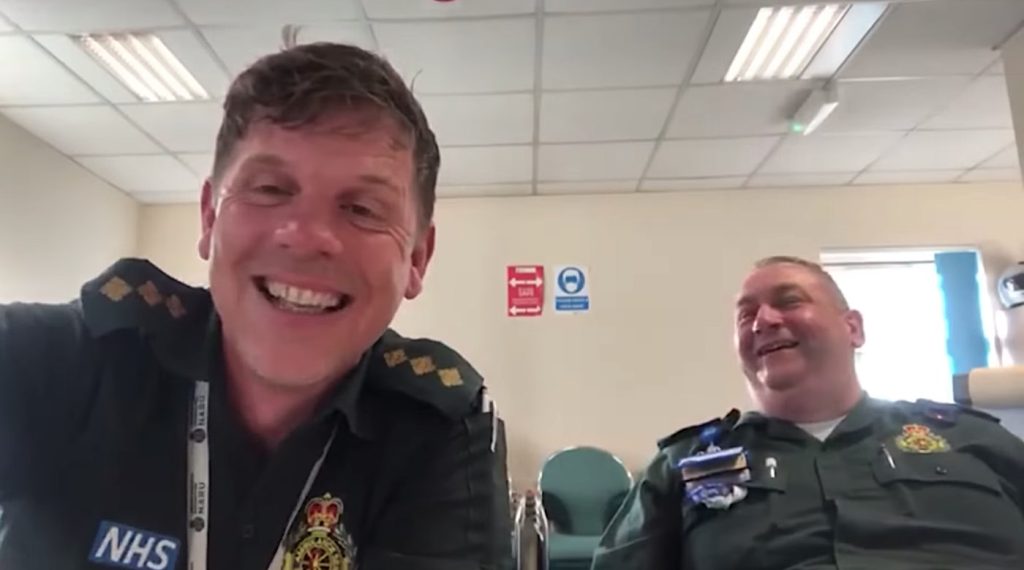
Two Paramedics Can’t Stop Laughing During Promotional Video That Went Viral – WATCH

East of England Ambulance Service on Facebook

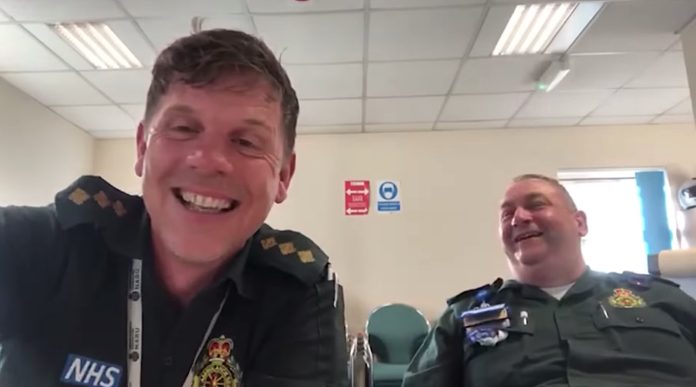
The outtakes of silliness when two paramedics can’t stop laughing as they try and explain their jobs has become a social media hit.

Dave Tamarro and Joe Cartwright are seen uncontrollable giggling in outtakes of a serious video intended for International Paramedics Day on July 8.

The pair, from East of England Ambulance Service, have become a viral sensation after the clips were posted on the group’s Facebook Page.

“We’ve lost count of the number of takes it took, but it certainly made for a lot of good outtakes,” they wrote on the post.

More than 45,000 people have watched the video showing Dave and Joe sniggering as they try to express serious sentiments about being a paramedic.

In one moment, Joe (a LOM, which is short for Leading Operational Manager) says “I can’t do it Dave,” while laughing hysterically in yet another failed try.

“Through all the challenges and heartbreak there’s always laughter to help you get through these days,” Dave wrote on Facebook, saying he was glad to have made so many people smile.

WATCH: Baby Girl Adorably Tries to Prank Mom With Fake Cough

Commenting on Facebook, Nicky Jenner said: “You made my day!!! So funny. Keep laughing guys, this world needs more people like you both!”

Nicky New added: “Omg that is brilliant cheered me up after a hard day at work! Thanks guys🤣🤣xxx”

SHARE the Life-giving Laughs With Friends on Social Media..