All News - Page 413 of 1736 - Good News Network
Home Blog Page 413

New Cancer Therapy Completely Destroys Advanced Ovarian and Colorectal Tumors in 6 Days

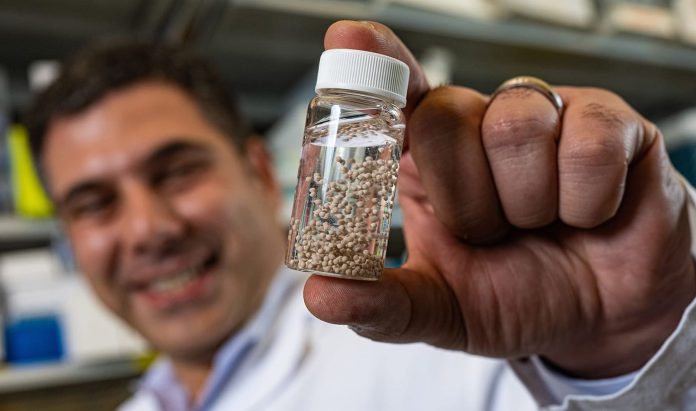
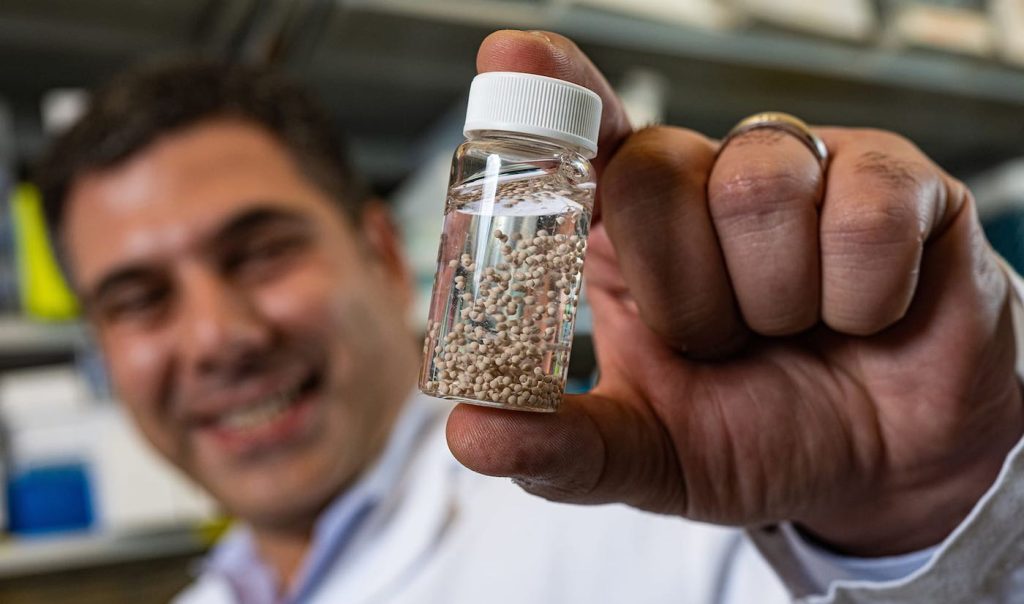
Rice University bioengineer Omid Veiseh by Jeff Fitlow/Rice University

A new cancer therapy has completely destroyed advanced ovarian and bowel tumors in just six days.

Clinical trials are expected to begin in the next few months, after results on mice were described as “very exciting”.

Pinhead-sized drug ‘factories’ were delivered to give continuous, high bursts of a protein that boosts the immune system.

“We just administer once, but they keep making the dose every day, where it’s needed until the cancer is eliminated,” said co-author Dr. Omid Veiseh, of Rice University in Houston, Texas, whose family friend died of the deadly disease.

“Once we determined the correct dose—how many factories we needed—we were able to eradicate tumors in 100% of animals with ovarian cancer and in seven of eight animals with colorectal cancer.”

The tiny beads have a protective shell containing cells engineered to produce interleukin-2. They could be used to fight the most lethal cancers, including those of the pancreas, liver and lungs.

They can be implanted with minimally invasive surgery, and could be tested on human patients by autumn, so they can get them into hospitals as quickly as possible.

POPULAR: Immunotherapy Drugs So Effective that Tumors Disappear in Weeks for Head and Neck Cancer Patients in Landmark Trial

For the mixture, the team chose only components that had previously proven safe for humans.

The drug-producing beads were placed next to tumors in lab rodents and within the lining of the abdominal cavity, a sack-like lining that supports the intestines, ovaries, and other abdominal organs, and limits exposure elsewhere.

“A major challenge in the field of immunotherapy is to increase tumor inflammation and anti-tumor immunity while avoiding systemic side effects of cytokines and other pro-inflammatory drugs,” said co-author Professor Amir Jazaeri, of Texas University.

“In this study, we demonstrated that the ‘drug factories’ allow regulatable local administration of interleukin-2 and the eradication of tumor in several mouse models, which is very exciting.”

RELATED: Magnesium May Prime the Immune System to Fight Cancer and Infections

Interleukin-2 is a cytokine, a protein the immune system uses to recognize and fight disease, which has been approved as a cancer treatment by the US Food and Drug Administration.

Lead author Amanda Nash, a graduate student in Dr Veiseh’s lab, said the beads provoke the strongest immune response to date.

“If you gave the same concentration of the protein through an IV pump, it would be extremely toxic.

With the drug factories, the concentration we see elsewhere in the body, away from the tumor site, is actually lower than what patients need to tolerate with IV treatments. The high concentration is only at the tumor site.

CHECK Out: Experimental Treatment in Spain Puts 18 Cancer Patients in Complete Remission

Ms. Nash said it opens the door to the same general approach to treat cancers of the pancreas, liver, lungs and other organs.

If a different cytokine is needed to target a specific form of cancer, the beads can be loaded with any immuno-therapeutic compound.

The bead’s outer shell shields its cytokine-producing cells from immune attacks, as they are made of materials the immune system recognizes as foreign objects, but not as immediate threats.

Dr. Veiseh said, “We found foreign body reactions safely and robustly turned off the flow of cytokine from the capsules within 30 days.

In the research, published this week in the peer-reviewed journal Science Advances, they also showed they could safely administer a second course of treatment should it become necessary in the clinic.

Colorectal cancer is one of the most common cancers, while ovarian is particularly lethal because it is usually only diagnosed in the late stages.

Avenge Bio, a Massachusetts-based startup co-founded by Dr Veiseh, has licensed the cytokine-factory technology from Rice.

Watch a Rice U. video below:

SHARE the Breakthrough—a Jolt of Good News—on Social Media…

Your Inspired Weekly Horoscope From Rob Brezsny’s ‘Free Will Astrology’

Our partner Rob Brezsny provides his weekly wisdom to enlighten our thinking and motivate our mood. Rob’s Free Will Astrology, is a syndicated weekly column appearing in over a hundred publications. He is also the author of Pronoia Is the Antidote for Paranoia: How All of Creation Is Conspiring To Shower You with Blessings. (A free preview of the book is available here.)

Here is your weekly horoscope…
FREE WILL ASTROLOGY – Week of March 5, 2022
Copyright by Rob Brezsny, FreeWillAstrology.com

PISCES (Feb. 19-March 20):
Pastor and activist Charles Henry Parkhurst (1842–1933) said, “All great discoveries are made by people whose feelings run ahead of their thinking.” The approach worked well for him. In 1892, he discovered and exposed monumental corruption in the New York City government. His actions led to significant reforms of the local police and political organizations. In my astrological opinion, you should incorporate his view as you craft the next chapter of your life story. You may not yet have been able to fully conceive of your future prospects and labors of love, but your feelings can lead you to them.

ARIES (March 21-April 19):
“I not only bow to the inevitable,” wrote Aries author Thornton Wilder. “I am fortified by it.” Wow. That was a brazen declaration. Did he sincerely mean it? He declared that he grew stronger through surrender, that he derived energy by willingly giving in to the epic trends of his destiny. I don’t think that’s always true for everyone. But I suspect it will be a useful perspective for you in the coming weeks, Aries.

TAURUS (April 20-May 20):
Vive la différence! Hooray for how we are not alike! I am all in favor of cultural diversity, neurodiversity, spiritual diversity, and physical diversity. Are you? The coming weeks will be an excellent time to celebrate the bounties and blessings that come your way because of the holy gift of endless variety. The immediate future will also be a perfect phase to be extra appreciative that your companions and allies are not the same as you. I encourage you to tell them why you love how different they are. Now here’s poet Anna Akhmatova to weave it together: “I breathe the moonlight, and you breathe the sunlight, but we live together in the same love.”

GEMINI (May 21-June 20):
Gemini singer-songwriter Bob Dylan said, “I think of a hero as someone who understands the degree of responsibility that comes with his freedom.” I think that will be a key theme for you in the coming weeks. Dylan described the type of hero I hope you aspire to be. Be alert! You are on the cusp of an invigorating liberation. To ensure you proceed with maximum grace, take on the increased responsibility that justifies and fortifies your additional freedom.

CANCER (June 21-July 22):
“I’d rather be seduced than comforted,” wrote author Judith Rossner. What about you, Cancerian? Do you prefer being enticed, invited, drawn out of your shell, and led into interesting temptation? Or are you more inclined to thrive when you’re nurtured, soothed, supported, and encouraged to relax and cultivate peace? I’m not saying one is better than the other, but I urge you to favor the first in the coming weeks: being enticed, invited, drawn out of your shell, and led into interesting temptation.

LEO (July 23-Aug. 22):
A woman from Cornwall, UK, named Karen Harris was adopted as a little girl. At age 18, she began trying to track down her biological parents. Thirty-four years later, she was finally reunited with her father. The turning point: He appeared on the “Suggested Friends” feature on her Facebook page. I propose we make Karen Harris your inspirational role model. Now is a favorable time to find what you lost a while ago; to re-link with a good resource that disappeared from your life; to reclaim a connection that could be meaningful to you again.

VIRGO (Aug. 23-Sept. 22):
Buddhist teacher Chögyam Trungpa told us, “Meditation is not a matter of trying to achieve ecstasy, spiritual bliss, or tranquility.” Instead, he said that meditation is how we “expose and undo our neurotic games, our self-deceptions, our hidden fears and hopes.” Excuse me, Mr. Trungpa, but I don’t allow anyone, not even a holy guy like you, to dictate what meditation is and isn’t. Many other spiritual mentors I’ve enjoyed learning from say that meditation can also be a discipline to achieve ecstasy, spiritual bliss, and tranquility. And I suspect that’s what Virgo meditators should emphasize in the coming weeks. You people are in a phase when you can cultivate extraordinary encounters with that all fun stuff. If you’re not a meditator, now would be a good time to try it out. I recommend the books Meditation for Beginners by Jack Kornfield and How to Meditate by Pema Chödrön.

LIBRA (Sept. 23-Oct. 22):
Comedian Fred Allen observed, “It is probably not love that makes the world go around, but rather those mutually supportive alliances through which partners recognize their dependence on each other for the achievement of shared and private goals.” That’s an unromantic thing to say, isn’t it? Or maybe it isn’t. Maybe it’s very romantic, even enchanting, to exult in how our allies help us make our dreams come true—and how we help them make their dreams come true. In my astrological opinion, the coming weeks will be an excellent time to focus on the synergies and symbioses that empower you.

SCORPIO (Oct. 23-Nov. 21):
“It’s never too late to have a happy childhood!” declare many self-help gurus. “It’s never too early to start channeling the wise elder who is already forming within you,” declare I. Oddly enough, both of these guiding principles will be useful for you to meditate on during the coming weeks. According to my analysis of the astrological omens, you’re in an unusually good position to resurrect childlike wonder and curiosity. You’re also poised to draw stellar advice from the Future You who has learned many secrets that the Current You doesn’t know yet. Bonus: Your Inner Child and your Inner Elder could collaborate to create a marvelous breakthrough or two.

SAGITTARIUS (Nov. 22-Dec. 21):
“A myriad of modest delights constitute happiness,” wrote poet Charles Baudelaire. That will be a reliable formula for you in the coming weeks, Sagittarius. You may not harvest any glorious outbreaks of bliss, but you will be regularly visited by small enchantments, generous details, and useful tweaks. I hope you won’t miss or ignore some of these nurturing blessings because you’re fixated on the hope of making big leaps. Be grateful for modest delights.

CAPRICORN (Dec. 22-Jan. 19):
I found out some fun facts about renowned Capricorn poet Robert Duncan (1919–1988), who was a bohemian socialist and trailblazing gay activist. He was adopted by Theosophical parents who chose him because of his astrological make-up. They interpreted Robert’s dreams when he was a child. Later in life, he had an affair with actor Robert De Niro’s father, also named Robert, who was a famous abstract expressionist painter. Anyway, Capricorn, this is the kind of quirky and fascinating information I hope you’ll be on the lookout for. It’s time to seek high entertainment as you expedite your learning; to change your fate for the better as you gather interesting clues; to be voraciously curious as you attract stimulating influences that inspire you to be innovative.

AQUARIUS (Jan. 20-Feb. 18):
“I always strive, when I can, to spread sweetness and light,” said P. G. Wodehouse. “There have been several complaints about it.” I know what he means. During my own crusade to express crafty, discerning forms of optimism, I have enraged many people. They don’t like to be reminded that thousands of things go right every day. They would rather stew in their disgruntlement and cynicism, delusionally imagining that a dire perspective is the most intelligent and realistic stance. If you’re one of those types, Aquarius, I have bad news for you: The coming weeks will bring you invitations and opportunities to cultivate a more positive outlook. I don’t mean that you should ignore problems or stop trying to fix what needs correction. Simply notice everything that’s working well and providing you with what you need.

WANT MORE? Listen to Rob’s EXPANDED AUDIO HOROSCOPES, 4-5 minute meditations on the current state of your destiny — or subscribe to his unique daily text message service at: RealAstrology.com

(Zodiac images by Numerologysign.com, CC license)

SHARE The Wisdom With Friends Who Are Stars in Your Life on Social Media…

Bangladesh’s ‘YouTube Village’ Has 4 Million Subscribers Watching Elderly Villagers Cooking Extravagant Feasts

Facebook Page - Around Me BD
Facebook Page – Around Me BD

South Asian villagers are discovering that the world has an insatiable appetite for YouTube cooking shows—especially when the chefs are making food for an entire village.

YouTube channels like Village Food Secrets (with 3.5 million subscribers) and Village Cooking Channel (15 million) are garnering billions of views.

The advent of these “oddly satisfying” niche videos, featuring teams of men and women preparing gargantuan feasts, are transforming rural village economies—creating employment and building entrepreneurial, as well as technological, skills among the participants.

Because meal time is often about connecting with people as much as it is about receiving nutrients, the advent of growing internet access in Bangladesh gave people a different kind of opportunity for interpersonal connection.

Take Delwar Hussein, the creator of AroundMeBD social channels (BD stands for Bangladesh). He now employs 50 people to make videos of his neighbors in Shilmuria preparing huge meals, like a 650-pound water buffalo, a 140-pound fried tilapia curry, or a 320-pound vegetable hodgepodge—which are then served to hundreds of children and adults.

As with most of the poorest parts of the world, high-speed internet access is often obtainable only through the nearly-ubiquitous internet café.

Every week, Hussein takes a 6-12 hour bus from the village of Shilmuria to the capital city of Dhaka, where he uses the café run by his nephew and business partner, Liton Ali Khan, to edit and upload the footage of the colossal meals.


Connecting food and people

It wasn’t always food, but rather the noisy and colorful streets of Dhaka where Khan and Hussein launched their media empire, which now consists of 6 YouTube channels with a combined total of more than 5 million subscribers. It was Khan originally who filmed wet markets and colorful garment districts, managing to generate 20,000 subscribers before switching to the idea of food.

“At first we thought of it as a picnic, like we will cook and eat the food and make videos about it,” Hussain told Rest of World. “We never anticipated that these videos would be able to generate millions of views in such a short period of time.”

RELATED: The Way to a Man’s–And Woman’s–Heart Really IS Through Their Stomach

The massiveness of the dishes is meant to depict the generosity of rural life. As more ad revenue came in through the channel, the budget allowed for the expense of acquiring large game species to feed even neighboring villages. Around $3,500 is spent every month on fish alone, and another $175 for transporting the food to the village.

They were able to buy the video crew several cameras, a panoramic drone, and enough revenue to provided for 50 employees, 17 of whom are women. Furthermore, the proceeds help pay for medical care for the grandmas and grandpas who do the cooking, and in the case of a forest fire, repair and replace damaged homes.

CHECK Out: Changing Your Diet Could Add Up to 13 Years to Your Life, Study Says

“You know lots of people from different parts of the country as well as from abroad now come to see our activities,” Hussain said. “We have plans to build a gate to mark the entrance of our village and to install several wooden planks — indicating the direction towards our village — on the way from Khoksha, so that people have no difficulty finding us.”

A friendly warning before scanning these food channels: Some of the videos involving meat can be shocking if you’ve never seen such things. These are not wealthy people, and processing is done, normally, by a team of ladies in pink, by hand, on a tarp, with whatever’s available.

PULL Up A Chair For Your Friends on Social Media to Attend a Village Meal…

“The people of future generations will win many a liberty of which we do not yet even feel the want.” – Max Stirner

Zakaria Zayane

Quote of the Day: “The people of future generations will win many a liberty of which we do not yet even feel the want.” – Max Stirner

Photo: Zakaria Zayane

With a new inspirational quote every day, atop the perfect photo—collected and archived on our Quotes page—why not bookmark GNN.org for a daily uplift?

Zakaria Zayane

Scientists Develop Breakthrough Method for Recycling Industrial Plastics at Room Temperature in 20 Minutes

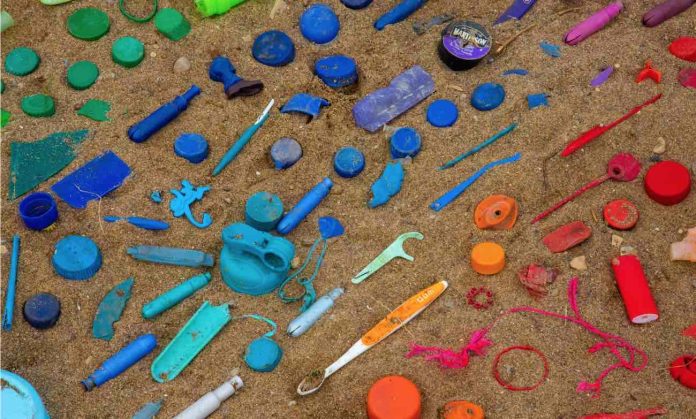
Industrial plastics found in litter clean up - by Jasmin Sessler

A new and simple method for upcycling plastic waste at room temperature has been developed by a team of British researchers.

Industrial plastics found in litter clean up – by Jasmin Sessler

The researchers at the University of Bath hope the new process will help recycling become less energy intensive, and thus more economically viable.

While recycling rates are growing across Europe, traditional methods remain limited because the harsh remelting conditions reduce the quality of the material each time they’re recycled.

But this new rapid chemical recycling process for polycarbonates can be completed in 20 minutes at room temperature.

Using a zinc-based catalyst and methanol, they were able to completely break down commercial poly(bisphenol A carbonate) (BPA-PC) beads that make up a widely-used class of thermoplastics commonly utilized in construction and engineering.

The waste can then be converted into its chemical constituents, namely bisphenol A (BPA) and dimethyl carbonate (DMC), helping to preserve its quality for reuse over an infinite number of cycles.

Also important, BPA recovery prevents leakage of a potentially damaging environmental pollutant, whilst DMC is a valuable green solvent and building block for other industrial chemicals.

RELATED: Scientists Discover How to Destroy Toxic PFAS – the ‘Forever Chemicals’

Promisingly, the zinc catalyst is also tolerant to other commercial sources of BPA-PC (e.g. CD) and mixed plastic sources, increasing industrial relevance, whilst being amenable to other plastics, like poly(lactic acid) (PLA) and poly(ethylene terephthalate) (PET), at higher temperatures.

The team has also demonstrated a completely circular approach to producing several renewable plastic derived from waste PET bottles—poly(ester-amide)s (PEAs) and their terephthalamide monomers. These materials have excellent thermal properties and could potentially be used in biomedical applications, for example drug delivery and tissue engineering.

Lead researcher Professor Matthew Jones, at the University of Bath’s CSCT, said, “It’s really exciting to see the versatility of our catalysts in producing a wide range of value-added products from plastic waste.

MORE: 75% of People Worldwide Want Single-Use Plastics Banned, According to New Global Survey

“It’s crucial we target such products, where possible, to help promote and accelerate the implementation of emerging sustainable technologies through economic incentives.”

First author of the paper, Jack Payne from the CSCT, said, “Whilst plastics will play a key role in achieving a low-carbon future, moving forward, it’s imperative we source plastics from renewable feedstocks, embed biodegradability/recyclability at the design phase and diversify existing waste management strategies.”

“Such future innovation should not be limited to emerging materials but encompass established products too.

“Our method creates new opportunities for polycarbonate recycling under mild conditions, helping to promote a circular economy approach and keep carbon in the loop indefinitely.”

Presently, the technology has only been demonstrated on a small scale, however, the team is now working on catalyst optimization and scaling up the process (300 mL) with collaborators at the University of Bath.

This research has been published in ChemSusChem.

UPCYCLE the Good News; Pass It On…

Ukraine Receives Truckload of Starlink Terminals From Elon Musk For Uninterrupted Internet

@FedorovMykhailo twitter social embed starlink ukraine

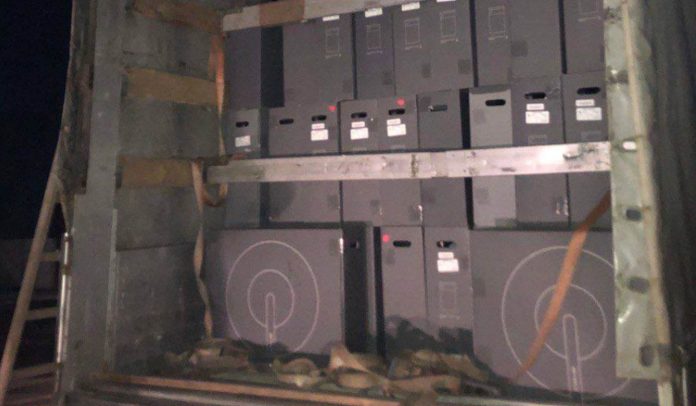
Elon Musk has sent a truckload of necessary equipment for his Starlink service to Ukraine, at the request of a government minister.

With the country’s telecommunications infrastructure under attack by the Russian air force, maintaining connectivity to the internet is challenging.

Starlink is a satellite internet service which Musk’s company SpaceX has pioneered to provide universal internet access to the world through saturating low Earth orbit with hundreds of tiny satellites.

The Starlink hardware includes a satellite dish that connects to a wireless router. All that is needed is a standard wall plug for power.

MORE: Former Marine Drove 1,000 Miles to Ukraine Border in Minibus Loaded with Supplies, Toys, and Blankets for Refugees

It took Elon just 10 hours following the request of Ukrainian Vice Minister Mykhailo Fedorov to ensure the service was active across all of Ukraine, and to prepare a shipment of additional Starlink terminals, which arrived on Feb. 28th.

SEND Good News Far and Wide; Share This Story…

A Hobbit House-Style Visitor Center Has Been Cleverly Built Into a Hill

SWNS
SWNS

A Danish visitor center has been cleverly built into a hill.

The Skamlingsbanken in Kolding—which resembles a Hobbit house or even the setting for Teletubbies—is located in a place of cultural significance.

Architects CEBRA explain the glacial landscape “holds a central place in Danish history, and over time it has been a setting for debates about democracy, the border country, and women’s suffrage.”

In the past, Skamlingsbanken—due to its undulating landscape with hollows and hills—was a natural gathering point sheltered from the wind, and many civil gatherings and festivals, therefore, took place right here.

Carsten Primdahl, partner and architect at CEBRA, says, “Skamlingsbanken connects the past with the present and the future, and one of the project’s main ambitions has been to actualize the place’s remarkable history and nature into a contemporary context.

“The new visitor center is a modern arena for democratic culture and recreates Skamlingsbanken as a setting for important debates and education about the things that concern us, e.g., climate change.

SWNS

“At Skamlingsbanken we have created a place where visitors will gain knowledge about our democracy and nature through a diversity of experiences.”

The center is designed as a natural and integrated part of the undulating landscape and from the overall design to the small details, visitors will experience an architecture that finds its origin in Skamlingsbanken’s unique nature and history.

RELATED: This Cabin’s Flexible Design Can Open To Nature or Enclose into Cozy Space Again (Watch)

It is located on the highest point in Southern Jutland and consists of an old grazing landscape. Several native species are rare, and during the development of the visitor center, it has been crucial to protect the site’s flora and fauna.

In collaboration with the biologist, Mette Keseler List from Kolding Municipality, a special grass mixture based on local species was developed and spread on and around the building.

The mixture provides optimal conditions for the local herbs, and together with the reuse of natural peat from the building site, the project thus supports the continued development of the unique local nature and biodiversity.

SWNS

“The visitor center is an architectural interpretation of the glacial landscape. It is not a destination itself, but part of an overall narrative. The building is a portal—to the significant history and the local nature—and forms a natural starting point for hikes in the area, where a network of paths flows through both building and landscape. From here visitors are guided into the landscape or inside the center to the exhibition, the teaching facilities, or the café,” says Carsten Primdahl.

MORE: Visit ‘Fortlandia’ Where Designers Have Built Odes to Childhood Fort-Building in Austin, Texas

CEBRA say, “The main attraction at Skamlingsbanken is nature itself. When visitors enter the exhibition space, they will experience moving through the hill and its many hidden stories. The corrugated back wall is plastered with clay, and the rest of the interior is characterised by local materials like wood, terrazzo with fieldstones and, calm, earthy colour tones.”

Skamlingsbanken officially opened in 2021. It is hoped an easing in pandemic restrictions will allow it to fully open in 2022.

CEBRA are currently working on a project that will further develop the experience for visitors with an exhibition project in the landscape surrounding the visitor center. The project is expected to be realized within the next few years.

SHARE This Design to Friends Who’ll Love It…

Ukrainian Soldiers Adopt Freezing Puppy –And Now ‘Rambo’ Stands Guard for Them (WATCH)

FreedomNews.tv / YouTube, Fair use
YouTube, Fair use

It’s not all doom and gloom in the trenches in Ukraine—sometimes it’s head pats and belly rubs of gratitude.

That’s the scene for one platoon of Ukrainian troops that adopted a stray dog.

“We took him into our post, and he stayed with us,” one soldier told FreedomNews.TV. “We felt sorry for him. It was freezing outside.”

They decided to name him Rambo.

“He is security. That’s his job,” said one man, gesturing at an 8-inch tall puppy curiously hopping around, wondering what the camera crew was doing.

The soldiers said that little Rambo was so small when they found him that he fit right in the palm of their hand.

Beyond Rambo, a number of adult dogs also frequent the trenches. Warming themselves near the cabins at night and wandering about during the day, they all, the soldiers explain, can hear if a stranger is coming and give alert.

MORE: Sneaky Cat Swings on Handle to Open Door For All His Friends (WATCH)

This isn’t the first time Ukrainian soldiers have been filmed taking care of stray dogs.

GNN reported last year on a BBC documentary about the guards that keep watch over the Chernobyl Exclusion Zone, and the dogs that live there. Over time, some have become the soldiers’ companions, offering that most ancient of deals between man and nature: food and shelter in exchange for excellent senses of smell and hearing.

“They give us joy,” said one of the guards. “For me personally, this is a kind of symbol of the continuation of life in this radioactive, post-apocalyptic world.”

(MEET Rambo in the video below.)

RAISE a Paw For This Story and Share It With Friends…

“Sometimes life leaves a door a little open, and you walk through it. But sometimes it locks the door and you have to find the key.” – Gayle Forman

Michael Barón

Quote of the Day: “Sometimes life leaves a door a little open, and you walk through it. But sometimes it locks the door and you have to find the key.” – Gayle Forman

Photo: Michael Barón

With a new inspirational quote every day, atop the perfect photo—collected and archived on our Quotes page—why not bookmark GNN.org for a daily uplift?

Michael Barón

California Erects Solar Panels Over Canal to Save Huge Supply of Water From Evaporation

Solar AquaGrid
Solar AquaGrid

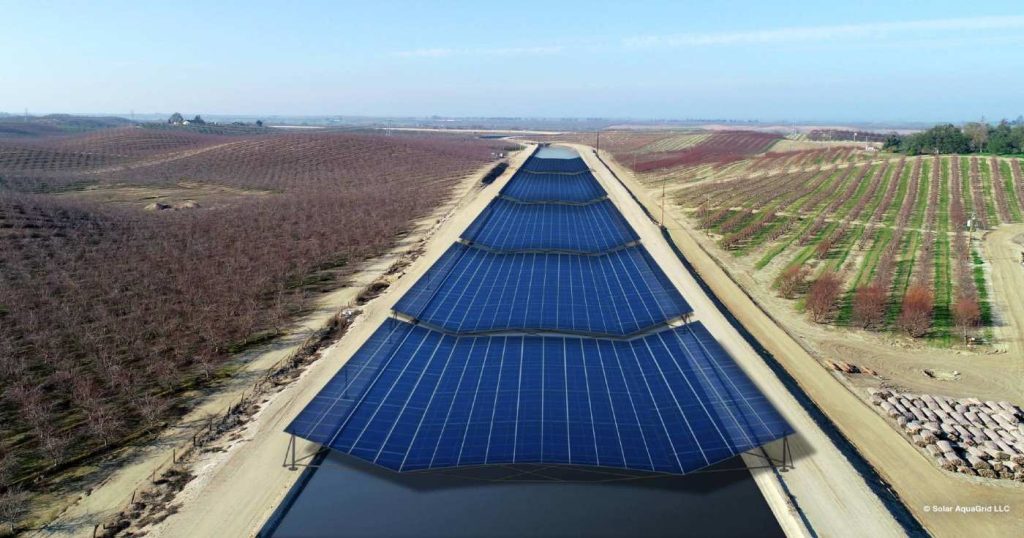
Could covering California’s irrigation canals save it from the current drought? Some scientists and engineers think so, and they also believe it could meet the state’s entire renewable energy commitments.

A proof of concept and pilot project in Turlock Irrigation District called Project Nexus will cover a mile-long stretch of canal in five megawatts worth of solar panels that will hopefully demonstrate increased renewable power generation, water quality improvements, reduced vegetative growth in the canals, and reduced water evaporation.

This is building on a 2021 Univ. of California Merced and UC Santa Cruz research team study which estimated that covering all the state’s canals with panels could prevent 65 billion gallons of fresh water loss through evaporation.

Formed in 1887, Turlock was the first irrigation district in California, and provides irrigation water to 4,700 growers who farm about 150,000 acres in the San Joaquin Valley. The project is due to break ground this year and finish up in 2024.

As GNN reported in 2021, this concept has already been proven to work in the Indian state of Gujarat, where the cooler temperature of the moisture beneath the panels cooled them down, resulting in a small but significant increase in power generation.

RELATED: These Solar Shingles on Your Roof Could Be Producing Energy With Simple Installation

Roger Bales, part of the UC Merced paper, argued recently in the Smithsonian Magazine that covering the thousands of miles of California canals with panels would generate 13 gigawatts of renewable energy capacity: half of what the state would need to entirely decarbonize by its self-imposed 2045 deadline.

MORE: Solar Power Will Account for Nearly Half of New U.S. Electric Generating Capacity in 2022

“California grows food for an ever-increasing global population and produces more than 50 percent of the fruits, nuts and vegetables that U.S. consumers eat,” writes Bales. “Building these [canal] solar arrays could prevent more than 80,000 acres of farmland or natural habitat from being converted for solar farms.”

Making sense on all levels, Project Nexus is tremendously exciting, and Bales explains that other similar projects are in the making.

POWER UP the Good News—Share This Story With Friends on Social Media…
Scientists Engineer Bacteria to Eat CO2 and Release Valuable Acetone and Isopropyl That are Carbon-Negative

Andy Sproles_ORNL, U.S. Dept. of Energy no restrictions engineered microbe showm in light blue
Engineered microbe showm in light blue/Andy Sproles,ORNL, U.S. Dept. of Energy

Scientists have discovered a way to genetically engineer bacteria that will consume carbon oxide and carbon dioxide before converting them to two widely used chemicals, acetone and isopropanol, thereby turning the whole process carbon negative.

Used in a wide-vide variety of products from hand sanitizer to light bulbs, and almost always made of virgin fossil fuels, the global market for acetone and isopropanol is more than $10 billion, with acetone producing two metric tons of CO2 per ton of acetone. The bacteria the scientists removed came to 1.78 kg of emissions from the atmosphere per kg of acetone produced and 1.17 kg of emissions per kg of isopropanol.

Michael Jewett, a chemist at Northwestern University, partnered with the large bio-ethanol firm LanzaTech to pioneer this new method of green chemical synthesis.

He and his colleagues found previous industrially-utilized bacteria strains to engineer an individual strain of clostridium autoethanogenum, a kind of bacterial creature called an acetogen that feeds on acetate through fermentation.

By the end of their work, they had created an acetogen that consumed industrial emissions like CO2, converting it into acetone or isopropanol at a high efficiency of around 3 grams per liter per hour, with almost no alternative byproducts.

CHECK OUT: Buy Some Wind Power With Your Furniture? IKEA is Now Selling Renewable Energy

Using bacteria to ferment sugars is a common and less carbon-intensive production method for ethanol. The researchers took their unique acetone and isopropanol-producing bacteria strains and worked with LanzaTech’s ethanol production facility to test out whether their idea could work in the real world.

A new way

“Our vision for commercialization is to transform established ethanol-producing gas fermentation facilities that LanzaTech already operates into product flexible production plants,” Jewett told GNN via email.

“Specifically, LanzaTech is already successfully operating two commercial plants converting emissions from the heavy industry into ethanol, with to date over 30 million gallons of ethanol produced and over 150,000 tons CO2 avoided.”

RELATED: World’s Biggest Factory to Suck Carbon from the Sky and Store it For Millions of Years Turns on in Iceland

“By swapping the ethanol-producing microbe currently deployed in our commercial gas fermentation facilities with a new microbe programmed for acetone or propanol production, we can instantly increase the range of products that an individual facility can make. This product flexibility will enable plant operators to make market-based decisions on which products to focus on at any time,” said Jewett.

This is particularly relevant for two reasons. The first is that since these chemicals are used to make paint, nail polish remover, varnish, ketone supplements, resins, epoxies, paint thinner, terpenes, lens cleaners, sanitizing pads, rubbing alcohol, fuel additives, and in the processes of screening for lymph node tumors and DNA extraction, the market demand can change rapidly. A perfect example of this was the run on hand sanitizer in many nations during the first COVID-19 wave.

MORE: Decarbonization Tech Instantly Converts Carbon Dioxide to Solid Carbon

Secondly, the flexibility offered by fermentation allows the use of the same bioreactor infrastructure for multiple conversions—for example, ethanol, acetone and isopropanol—and stands as a key benefit over traditional chemical manufacturing where plants are typically purpose-built for a single conversion process, which means companies can save the millions normally spent on building new plants for new chemicals.

It’s the stuff of chemical engineering dreams, and Jewett’s work promises to be a boon to the emissions-heavy industry.

CONVERT Those News Feeds Into Forces for Good; Share This Breakthrough…

Tiny New Species of Chocolate Frog is Discovered After Scientists Follow its Unique ‘Beep’ Sound

SWNS via Field Museum of Chicago

A tiny new species of burrowing frog has been discovered after scientists were able to find it by its unique “beep” sound.

Identified by biologists in the Amazon, it has a pointy tapir-like nose and is less than an inch (1-2 cm) in size.

Researchers have called the dark brown new species Synapturanus danta—with danta being the Spanish for tapir—a mammal with pig-like features and an elephant-style trunk.

While locals in Peru have known about the tiny, burrowing frog due to its ‘beep-beep-beep’ sound it makes underground, the frog has remained elusive to biologists.

Local guides took researchers to peatland areas—wetlands carpeted with nutrient-rich turf made of decaying plant matter—and they searched at night when frogs are most active.

After three nights of searching, waiting for an adult to come out of the dirt, the scientists decided to dig in the peatland area expected to be teeming with the frogs they wanted to find.

After around 20 minutes of digging with their hands, the tiny brown frog was discovered and they were able to give it an official scientific name and description.

SWNS via Field Museum of Chicago

A healthy ecosystem

Researchers now say after analysis that the frogs’ presence could indicate healthy peatlands in Peru’s Putumayo Basin, where there is very little deforestation.

Dr Michelle Thompson, a researcher and ecologist at the Field Museum of Nature History, said, “These frogs are really hard to find, and that leads to them being understudied.

CHECK OUT: How You Can Help Protect Endangered Frogs

“It’s an example of the Amazon’s hidden diversity, and it’s important to document it to understand how important the ecosystem functions.

“It looks like a caricature of a tapir, because it has a big blobby body with this tiny little pointy head.”

“The frogs are tiny, about the size of a quarter, they’re brown, they’re underground, and they’re quick.

“You know these little frogs are somewhere underground, but you just don’t see them hopping around.

“We could hear them underground, going beep-beep-beep, and we’d stop, turn off our lights, and dig around, and then listen for it again.

“After a few hours, one hopped out of his little burrow, and we were screaming, ‘Somebody grab it.’”

Dr Germán Chávez, a researcher at Peru’s Institute of Herpetology, said, “Frogs of this genus are spread throughout the Amazon, but since they live underground and can’t get very far by digging, the ranges each species is distributed in are fairly small.

RELATED: Vet Successfully Sews One Stitch in Tiny Tree Frog Whose Lung Was Exposed, Loving ‘all Creatures Great and Small’

“Since we found this new species in Amazon peatland, it wouldn’t be strange for it to be restricted to this environment.

“Its body shape and general look seems to be adapted to the soft soil of the peatland, rather than the robust and wider shape of species in other environments.

“Our genetic analyses show this new species belongs to a group that evolved in the western Amazon, where the influence of prehistoric landscapes like the Pebas Lake might have created different wetlands, which originated the diversity we see in Synapturanus today.

“Beside the important role of this new species in the food chain of its habitat, we believe that it could be an indicator of healthy peatlands.

MORE: New Species, Devil-eyed Frog, and Satyr Butterfly Not Seen For a Century Found in Forests 30 Miles From the Capital

“First, we have to confirm whether it’s restricted to this habitat, but its body adaptations seem to point in that direction.

“For instance, if the habitat is too dry, the soil would become too hard for a non-robust frog like this one to dig.

“This would leave our frog with far fewer chances to find a shelter and eventually, it would be hunted by a bigger predator.

“So I think the possibilities that this frog would be a wetlands specialist are high, but still need to go further in this research to confirm it.”

The study was published in Evolutionary Systematics.

HOP the Good News Over to Pals by Sharing This Story on Social Media…
Former Marine Drove 1,000 Miles to Ukraine Border in Minibus Loaded with Supplies, Toys, and Blankets for Refugees

Tom Littledyke
Tom Littledyke

A former UK Royal Marine has loaded a 16-seater minibus with sleeping bags, pillows, and toys for refugees moving across the Ukrainian border into Poland, and pledged to drive 1,000 miles to personally deliver them.

31-year-old Tom Littledyke from Lyme Regis began his journey on February 28th, saying he was inspired to act after seeing pictures of “families broken and separated by the conflict.”

Setting up a fundraiser, it took Littledyke just twelve hours to fill his minibus with supplies and collect £4,000 in donations ($5,300) for the trip.

“Too often do we think that we have to do something grand and if it can’t be grand what’s the point,” he told the BBC. “It doesn’t matter what we do as long as it’s something in the right direction. There’s so many of us who want to help, it will all build to this gigantic thing.”

The 1,000 mile (1,600 km) drive will take him and his cargo through England, France, Germany, and Poland before arriving at the border with Ukraine, where an alleged 500,000 refugees have fled. After unloading the supplies, he plans to utilize the bus to give rides to people who have a place to stay.

LOOK: Story of Unsung Dutch Hero Who Saved Thousands From Nazi Holocaust is Finally Told 45 Years After His Death

Littledyke’s partner will hold down the fort in his absence, which consists of two pubs and an Italian restaurant.

MORE: US Honors 98-yo Irish Woman Whose Storm Forecast Fortuitously Delayed D-Day Landings, Changing Course of WWII

While it is said that war is hell, Good News Network knows that during times when the capacity for human malevolence is greatest, the capacity for compassion is greater.

SHARE the Hope; Share This Story of True Human Kindness…

“Nature exults in abounding radicality… If we were to judge nature by its common sense or likelihood, we wouldn’t believe the world existed.” – Annie Dillard

Photo by Paul Fundenburg, CC license

Quote of the Day: “Nature exults in abounding radicality… If we were to judge nature by its common sense or likelihood, we wouldn’t believe the world existed.” – Annie Dillard (Pilgrim at Tinker Creek)

Photo: Paul Fundenburg, CC license

With a new inspirational quote every day, atop the perfect photo—collected and archived on our Quotes page—why not bookmark GNN.org for a daily uplift?


When Neighborhood Knows Bits of Personal Information About Local Police, Crime Drops by 5-7%

ypd police badge Dave Hosford (opens in a new window)_ Flickr (opens in a new window)under a CC BY 2.0 (opens in a new window)license.
Dave Hosford, CC license

Simple social cooperation psychology can be as effective as the harshest policing strategies in reducing crime, a new study has found.

Disadvantaged communities in New York City were given the name of a neighborhood police officer, their contact info, and some simple information like favorite food or sports team, and found that over the three-month field test the crime rate reduced 5-7% in and around the community.

The secret to this major result is its exploitation of the simple fact of our species being a social one. If we know something about a stranger, we inherently feel, albeit erroneously, they know something about us in return, even if they don’t know we exist.

69 eligible New York City Housing Authority community developments were split into control and treatment groups. The treatment groups were mailed flyers containing the information of a Neighborhood Coordination Officer (NCO), a key member of the NYCPD that acts as a bridge between law enforcement and residents. The NCOs answered what they felt comfortable answering, and included a contact number. 30 developments didn’t receive any flyers, even though the NCOs were present.

The developments contained 1.5% of the city’s population, but accounted for 3.5% of its total criminal activity, and the authors hypothesized that because humans display this information symmetry, they would feel that because they knew a little about their NCOs, residents capable of engaging in criminal acts would feel more likely to be caught doing so, imagining falsely that the NCO knew something about them.

RELATED: Instead of Issuing Tickets For Broken Headlights, Denver Police Are Handing Out Gift Cards to Get Them Fixed

Indeed, crime was reduced 5-7% in the treatment area, but not in the control area, during a two-month follow up. This reduction fell away eventually, which the authors attribute to the limited scope and light touch of the intervention, and that more sustained contact would result in more sustained reductions in crime.

MORE: Retired Officer Engages With Scammers to Expose Their Schemes – WATCH the Call

Putting these results in context, the authors write, a recent meta-analysis of “hotspot” or “proactive” policing policies, show that these heavier-handed strategies have about the same reduction in crime as the information symmetry tactic with the NCOs.

Furthermore, they also tended to diminish in effectiveness rather rapidly, despite being vastly more expensive.

They add that door-to-door visits by police officers have a greater effect on crime reduction than other components of neighborhood policing like a neighborhood watch, for example.

“The possibilities of such findings are potentially exciting, because the work implies that a police officer who is perceived as a real person can prevent crime without tactics such as the New York City police department’s ‘stop, question and frisk,’ policy, which tended to create animosity between community members and the police,” said Elicia John & Shawn D. Bushway at the RAND Corp, commenting on the findings in Nature.

SHARE This Story From New York With Others on Social Media…
He Was Quoted $50,000 to Fix the Church Clock But All it Took Was a Can of WD-40

WD-40 can by ajay_suresh, CC license; and Church of St. James, Grimsby Minister by David Wright, CC on Flickr
(L) WD-40; Ajay_Suresh, CC license/(R) Church of St. James, Grimsby Minister; David Wright, CC license, Flickr

Grimsby is a large port town in Lincolnshire where a 14th-century church clock has been stuck at two-past-twelve for twelve years.

Recently, when the church minister decided to see about getting it repaired, a pair of clock engineers gave quotes that wouldn’t look out of place next to the ‘for sale’ sign beside a brand new BMW.

One of the engineers has worked on the Big Ben restoration, and said that the Grimsby Minster tower would need scaffolding to repair external damages. He said they would need £40,000 – £50,000 ($53,000 – $67,000) to do the job.

Fortunately a pair of locals—47-year-old cheesemaker Rick Haywood and 15-year-old student Jay Foley—decided it couldn’t possibly hurt to take a look themselves.

“We found various dead pigeons gumming up the bearings; some of the bearings were very dry,” Haywood told the Sun. “We gave it grease and WD-40 and managed to get it running,” spoke the truest of DIY practitioners.

They used their phones to set the correct time on each of the hands, which worked on their own mechanisms.

MORE: 5-Year-old Donates Everything He Has–30 Cents–to a Homeless Man, Teaching His Father a Lesson

“We saved them at least £40,000 so I am hoping for a [church] meal invite,” Haywood joked, while the church warden said that the colossal savings were hugely appreciated and that now they wouldn’t have to launch a fundraising appeal.

RELATED: Ohio Family Converts a 1903 Church Into Their Home – and it’s Pretty Amazing (Look)

He added that it would also be a relief to no longer have the matter of the stuck tower clock being brought up to him by passersby.

RING a BELL for Positivity; Share This Story…

Cats and Dogs May Protect Owners From Memory Loss in Later Life, Study Finds

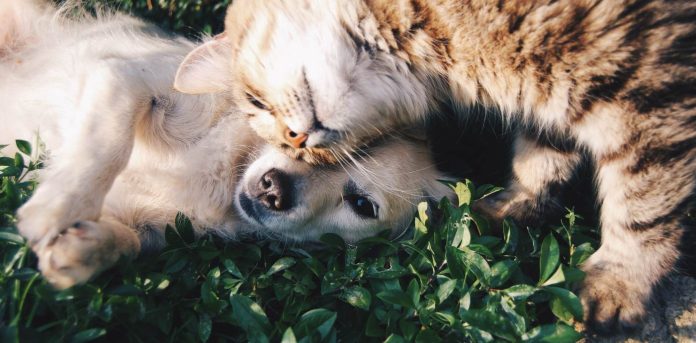
Owning a pet, like a dog or cat, especially for five years or longer, may be linked to slower cognitive decline in older adults, according to a preliminary study.

“Prior studies have suggested that the human-animal bond may have health benefits like decreasing blood pressure and stress,” said study author Tiffany Braley of the University of Michigan Medical Center in Ann Arbor. “Our results suggest pet ownership may also be protective against cognitive decline.”

The study looked at cognitive data from 1,369 older adults with an average age of 65 who had normal cognitive skills at the start of the study.

A total of 53% owned pets, and 32% were long-term pet owners, defined as those who owned pets for five years or more. Of study participants, 88% were white, 7% were Black, 2% were Hispanic, and 3% were of another ethnicity or race.

Researchers used data from the Health and Retirement Study, a large study of Medicare beneficiaries. In that study, people were given multiple cognitive tests. Researchers used those cognitive tests to develop a composite cognitive score for each person, ranging from zero to 27. The composite score included common tests of subtraction, numeric counting, and word recall.

Researchers then used participants’ composite cognitive scores and estimated the associations between years of pet ownership and cognitive function.

RELATED: Cats Are Less Stressed in Families With Children Who Have Autism, Study Finds

Over six years, cognitive scores decreased at a slower rate in pet owners. This difference was strongest among long-term pet owners. Taking into account other factors known to affect cognitive function, the study showed that long-term pet owners, on average, had a cognitive composite score that was 1.2 points higher at six years compared to non-pet owners.

The researchers also found that the cognitive benefits associated with longer pet ownership were stronger for Black adults, college-educated adults, and men. Braley says more research is needed to further explore the possible reasons for these associations.

MORE:  Why Cats Love to Sit in Boxes – Even Fake Ones, According to Science

“As stress can negatively affect cognitive function, the potential stress-buffering effects of pet ownership could provide a plausible reason for our findings,” said Braley. “A companion animal can also increase physical activity, which could benefit cognitive health. That said, more research is needed to confirm our results and identify underlying mechanisms for this association.”

A limitation of the study was that length of pet ownership was assessed only at one time point, so information regarding ongoing pet ownership was unavailable.

The study will be presented at the American Academy of Neurology’s 74th Annual Meeting being held in person in Seattle, April 2 to 7, 2022 and virtually, April 24 to 26, 2022.

Source: American Academy of Neurology

RAISE a Paw For This Research News; Share It On Social…

Life Really Does Flash Before Our Eyes in Final Moments, Brain Scans Suggest

SWNS licensed, Adam Harnett
Allan Ajifo/CC license

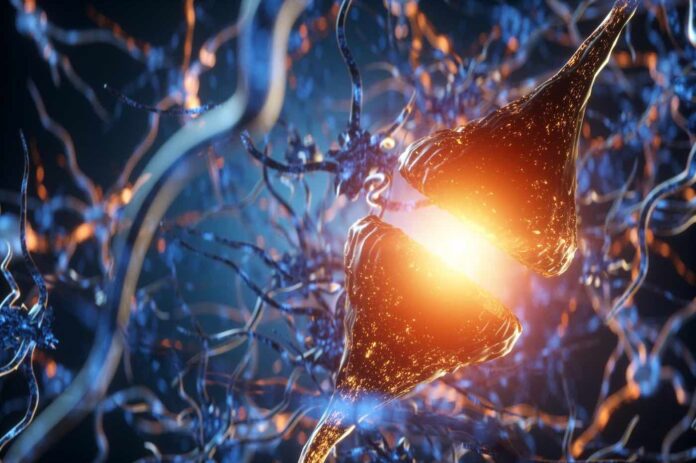
Imagine reliving your entire life in the space of seconds. Like a flash of lightning, you are outside of your body, watching memorable moments you lived through. This process, known as ‘life recall’, can be similar to what it’s like to have a near-death experience. What happens inside your brain during these experiences and after death are questions that have puzzled neuroscientists for centuries. However, a new study suggests that your brain may remain active and coordinated during and after the transition to death, and may even be programmed to orchestrate the whole ordeal.

When an 87-year-old patient developed epilepsy, Dr Raul Vicente of the University of Tartu, Estonia and colleagues used continuous electroencephalography (EEG) to detect the seizures and treat the patient. During these recordings, the patient had a heart attack and passed away. This unexpected event allowed the scientists to record the activity of a dying human brain for the first time ever.

Findings ‘challenge our understanding of when exactly life ends’

“We measured 900 seconds of brain activity around the time of death and set a specific focus to investigate what happened in the 30 seconds before and after the heart stopped beating,” said Dr Ajmal Zemmar, a neurosurgeon at the University of Louisville, US, who organised the study.

“Just before and after the heart stopped working, we saw changes in a specific band of neural oscillations, so-called gamma oscillations, but also in others such as delta, theta, alpha and beta oscillations.”

Brain oscillations (more commonly known as ‘brain waves’) are patterns of rhythmic brain activity normally present in living human brains. The different types of oscillations, including gamma, are involved in high-cognitive functions, such as concentrating, dreaming, meditation, memory retrieval, information processing, and conscious perception, just like those associated with memory flashbacks.

RELATED: How the Mind Can Be ‘Trained Like a Muscle’ to Focus – Try Using These Simple Exercises

“Through generating oscillations involved in memory retrieval, the brain may be playing a last recall of important life events just before we die, similar to the ones reported in near-death experiences,” Zemmar speculated. “These findings challenge our understanding of when exactly life ends and generate important subsequent questions, such as those related to the timing of organ donation.”

A source of hope

While this study is the first of its kind to measure live brain activity during the process of dying in humans, similar changes in gamma oscillations have been previously observed in rats kept in controlled environments. This means it is possible that, during death, the brain organises and executes a biological response that could be conserved across species.

CHECK OUT: The Best Way to Eliminate Procrastination is Easier Than You Think, Says New Research

These measurements are, however, based on a single case and stem from the brain of a patient who had suffered injury, seizures and swelling, which complicate the interpretation of the data. Nonetheless, Zemmar plans to investigate more cases and sees these results as a source of hope.

“As a neurosurgeon, I deal with loss at times. It is indescribably difficult to deliver the news of death to distraught family members,” he said.

MORE: How Does the Brain Perceive Mountain Vistas or Passing Clouds as Beautiful?

“Something we may learn from this research is: although our loved ones have their eyes closed and are ready to leave us to rest, their brains may be replaying some of the nicest moments they experienced in their lives.”

This research was published to Frontiers in Aging Neuroscience. 

Source: FRONTIERS – Featured photo by Adam-Harnett (SWNS-licensed)

SEND This Fascinating Research News With Others…

“The great opportunity is where you are. Don’t despise your own place and hour. Every place is the center of the world.” – John Burroughs

Quote of the Day: “The great opportunity is where you are. Don’t despise your own place and hour. Every place is the center of the world.” – John Burroughs

Photo: Patrick Schneider

With a new inspirational quote every day, atop the perfect photo—collected and archived on our Quotes page—why not bookmark GNN.org for a daily uplift?

Guinness is ‘Brewing Good’ by Cutting Carbon Footprint of its Barley Farms

Guinness
Guinness

My goodness—Guinness is going green. The Irish brewery is launching an agricultural program to make its stouts more sustainable.

It’s already tapped 40 Irish farms to join its pilot regenerative agriculture project, which involves working with the natural environment to put back more than it takes out. Soil management and crop production experts and suppliers are also on board.

The initiative intends to reduce the carbon emissions of its barley production—a key ingredient in each black and white pint.

The regenerative agriculture project has key goals, including improving soil health and its carbon sequestration potential; aka having the soil itself store carbon before it becomes carbon dioxide gas, and enhancing biodiversity—or the natural soil fertilization, nutrient recycling, erosion control, and crop/tree pollination that keeps the ecosystem healthy.

This project will also see the use of fewer synthetic fertilizers, which can hurt the environment by killing beneficial bacteria in soil, or contaminating the nearby plant life and water supply that people and animals eat and drink, and improving water quality, which also makes for a healthier environment and healthier crops.

It will also help enhance farmer livelihoods, which can lead to better quality of life and boost the economy.

RELATED: Pulling Vodka From the Air: This Award Winning Carbon-Negative Spirit Comes From Captured CO2

This program is intended to expand to more farms in Ireland and beyond. “We will openly share the results from the pilot program so that other farms can learn and adopt practices that have demonstrated the highest potential impact from an environmental and farm profitability standpoint,” said John Kennedy, president of Diageo Europe, which owns the Guinness brand, in a statement. “Like the Irish farming community, we are ‘all in’ for the long haul—for our people, products, partners and planet.”

He added that the Guinness brewery at St. James Gate is only 263 years into its 9,000-year lease (that’s not a typo), and the stout maker “will never settle in pursuit of a more sustainable future.”

A new way

Guinness isn’t the only beer maker looking to cut the carbon footprint of its pours. Some producers in particular are looking into packing, distribution and the carbon footprint throughout the supply chain, which tackles the toughest aspects of “green” ambitions.

Industry consultants Decarbonate estimates that almost half of the carbon footprint of beer drinking is associated with storage and service, especially at a venue like a restaurant where temperature matters.

MORE: Inventor Creates a Machine That Turns Any Alcoholic Drink Into Soft Scoop ‘Ice Cream’

Anheuser-Busch—the Belgium-based brewer of Budweiser and Corona—set some ambitious sustainability goals back in 2018 for 2025.

These include making 100% of its packaging from returnable or majority recycled content; purchasing 100% of its electricity from renewable resources; as well as cutting its CO2 emissions by 25% across its value chain. Also, electric-vehicle maker Nikola partnered with Bud on a hydrogen-powered beer run at this year’s Super Bowl.

HELP the Good News Go Green; Share This News From the Business World…