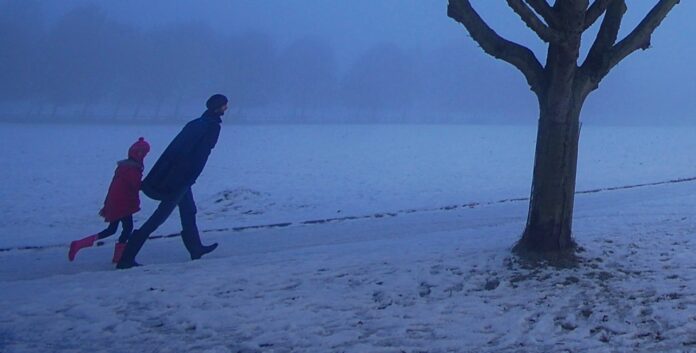
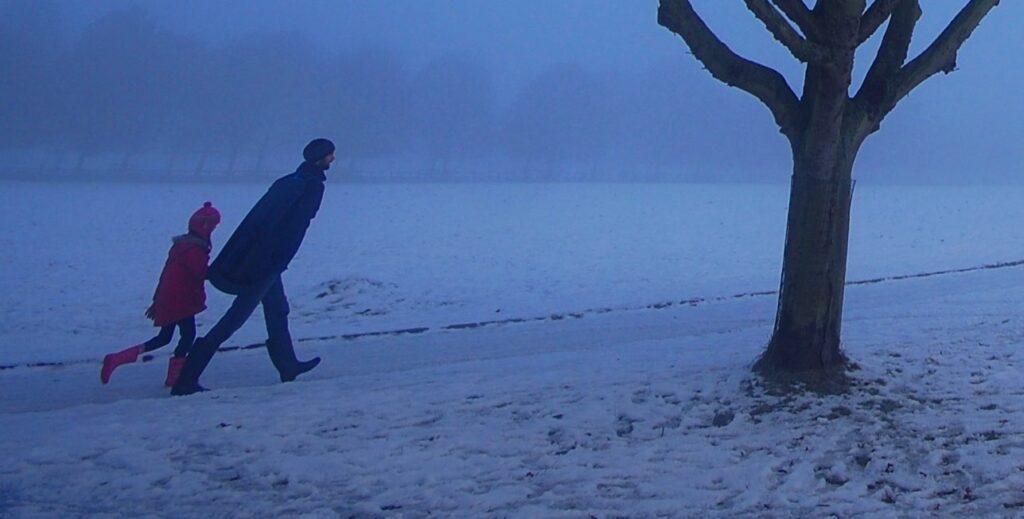
Quote of the Day: “Christmas waves a magic wand over this world, and behold, everything is softer and more beautiful. ” – Norman Vincent Peale
Photo by: Roberto Nickson
With a new inspirational quote every day, atop the perfect photo—collected and archived on our Quote of the Day page—why not bookmark GNN.org for a daily uplift?
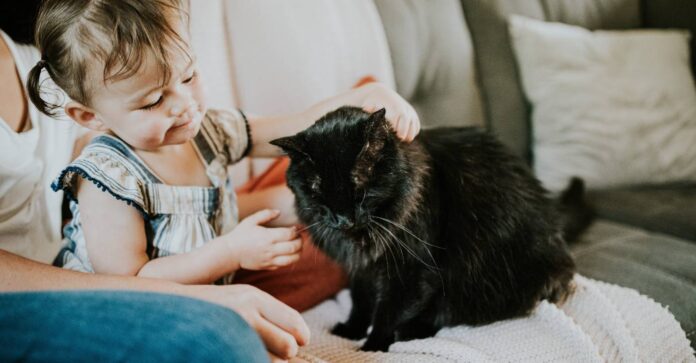
While researchers have found that adding a shelter cat to the family can help lower stress and anxiety for children with autism, a new study shows that joining a family does wonders for the felines, too.
“It’s not only important to examine how families of children with autism may benefit from these wonderful companion animals, but also if the relationship is stressful or burdensome for the shelter cats being adopted into a new, perhaps unpredictable environment,” said Gretchen Carlisle, a research scientist at the University of Missouri Research Center for Human-Animal Interaction (ReCHAI) in the MU College of Veterinary Medicine.
“In our study, we found the cats acclimated well to their new families and became significantly less stressed over time.”
The findings highlight the mutual benefits of human-animal interaction and build off previous MU research that found pets may help reduce stress and anxiety for both children with autism and their parents.
Carlisle and her team monitored shelter cats for 18 weeks after being adopted by Missouri families with at least one child with autism. The cats were first screened using the Feline Temperament Profile to identify shelter cats with a calm and laid-back temperament.
After families selected a cat that had passed the screening, researchers made home visits to check on the cats 2-3 days after adoption and then every six weeks for 18 weeks, to see how they acclimated to their newly adopted families.
“Cortisol is a stress measure we tracked through collecting samples of the cats’ feces, and we noticed a significant decrease in cortisol over time,” Carlisle said.
“Cats also tend to lose weight due to not eating if they are stressed, but we found the cats actually gained a bit of weight initially after adoption and then maintained their weight as time went on, so both findings indicated the cats acclimated well.”
Carlisle explained that children with autism may have sensitivity or sensory issues and occasional problem behaviors accompanied by loud, sudden outbursts.
Because of those concerns, shelter cats that have been screened for a calm, easy-going temperament may increase the likelihood of a better long-term match for both the children and the cat.
“It’s crucial to look after the welfare of the cats from a humanitarian standpoint, and this research also helps animal shelter staff overcome the financial and management hurdles that can result when cats are returned to shelters if there is not a good fit with the adopted family,” Carlisle said of the study, published in Frontiers in Veterinary Science.
“Obviously, the shelters want to place all of their cats in homes, but some families may require a more specific fit, and using research-based, objective measurements for screening temperament may help increase the likelihood of successful, long-term matches.
“Our hope is that other scientists will build on the work of our exploratory study so shelter cats and families of children with autism might benefit.”
A Christmas staple, the wreaths adorned the pink, purple, blue, red,and yellow front doors of the townhouses, and were decked out with baubles, flowers, and greenery.
Take a look below and choose your favorites.
SWNSSWNSSWNSSWNSSWNSSWNS
SHARE These Festive and Fun Wreath Photos All Over Social…
Quote of the Day: “Recognizing the sacred begins when we are interested in every detail of our lives.” – Chögyam Trungpa
Photo: by Fabrice Villard
With a new inspirational quote every day, atop the perfect photo—collected and archived on our Quotes page—why not bookmark GNN.org for a daily uplift?
These spectacular time lapse images taken with a powerful telescope show the hypnotic flames on the surface of the sun
39-year-old Deddy Dayag used two super powerful telescopes to film the sun’s surface over several hours in order to create mesmerizing time lapse videos.
He uses a 152mm achromat refractor telescope, a 200mm Schmidt Cassegrain telescope, and an h-alpha 0.5 angstrom h-alpha filter on a tracking mount to capture sights impossible to see with the naked eye.
Deddy, from Israel, said, “I capture the sun because it is the most interesting and fascinating object that is near enough to explore from Earth.
“The sun, which is a star like all other stars in the universe, is constantly changing and we, as humans living out our lives, don’t even notice it. Most of the time we just think of it as a bright light in the sky.
“A few seconds of watching those videos and your entire view of it changes.
“When I reviewed the footage for the first time I was blown away! Literally I shouted with excitement.
“And now, after almost two years of imaging the sun, I can still say that I get excited every time I aim my telescope up there, because each time you don’t really know what to expect, each time is a surprise!
“I hope people will watch those videos and understand how small we are compared to our star. Our sun (named Sol) holds 99.8% of the entire solar systems mass.
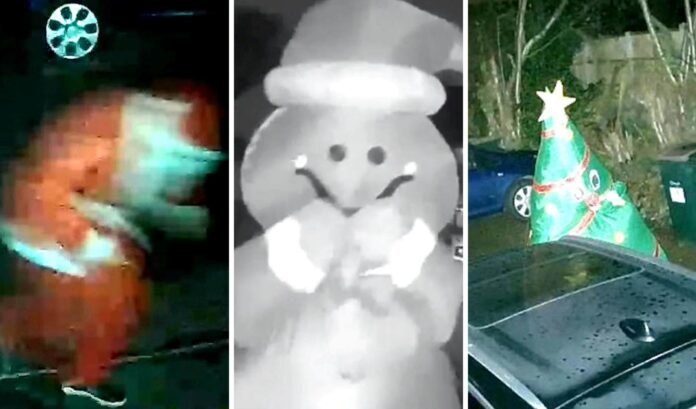
A mystery secret Santa has been caught on CCTV spreading Christmas cheer by leaving festive treats for residents in a quiet cul-de-sac.
Baffled locals in Holbrooks, Coventry, were left scratching their heads when candy canes suddenly appeared overnight outside their homes last week.
SWNS
And one homeowner was pleasantly surprised when CCTV revealed the culprit behind these random acts of kindness was Father Christmas himself.
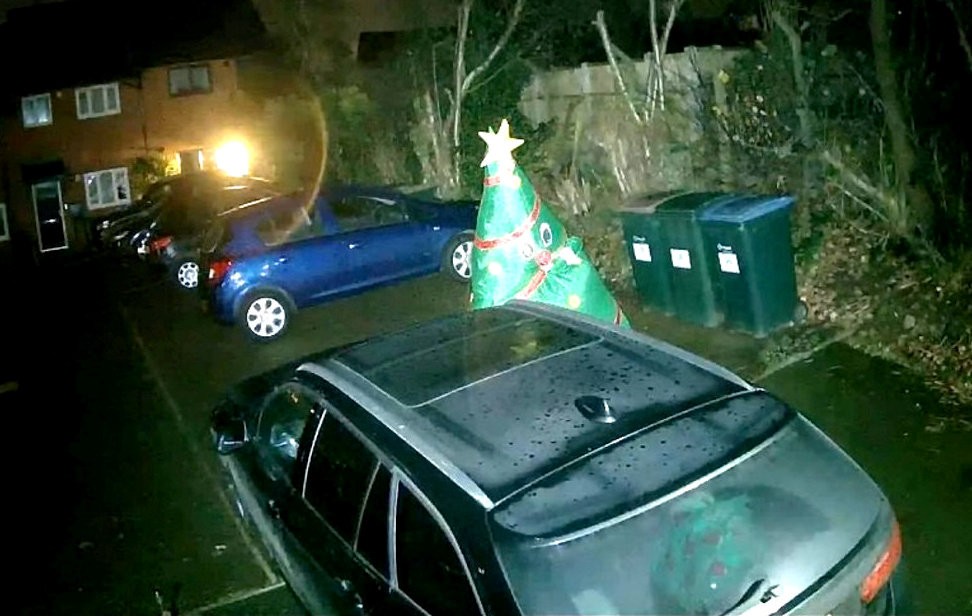
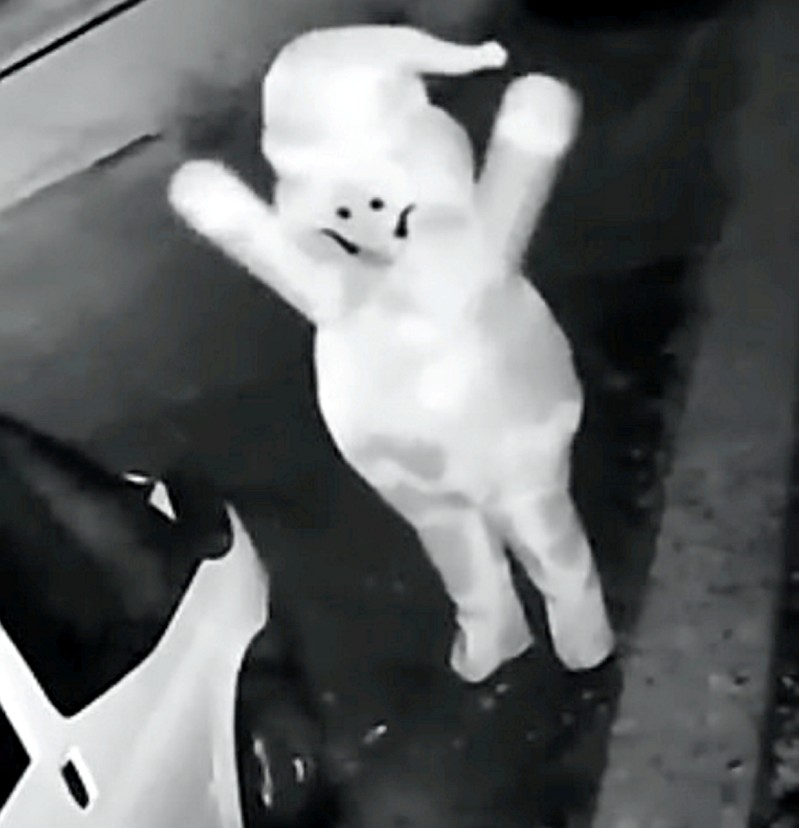
Comical footage shows Santa and an accomplice dressed as a giant Christmas tree making the drop-offs around Alderney Close in England in the middle of the night.
Families say their children have been delighted when they awoke to discover sweets left behind on their mums and dads cars ahead of the big day.
Resident Becky Leaper was left in hysterics when she checked back her security camera footage to see Santa and his helper delivering the gifts.
SWNS
Becky, a police staff worker who lives with husband Michael and his two children, said: “Me and my husband found it really funny the first time.
“We all think it’s great and after such a rubbish year it’s good to lift spirits—it’s nice for people to have a good laugh and the kids get excited to know who it is when everything else is so negative.
Another local resident, Des Carpenter, added, “It certainly has spread a bit of festive cheer that’s for sure and it’s a lovely thing for them to do.
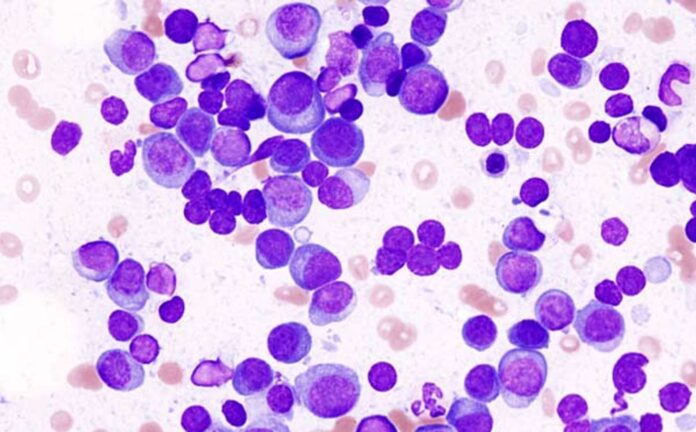
18 out of 30 Spanish patients with incurable blood cancer are in complete remission, and a few more have seen the cancer’s progression stopped in its tracks, thanks to a new and much cheaper treatment option.
Using a patient’s own white blood cells, doctors reprogramed them to better identify and attack the cancerous cells which cause multiple myeloma.
The treatment essentially saved the lives of the 18 patients, all of whom had earlier stage treatments like bone marrow transplants and chemotherapy fail, after which the survival rate becomes “very, very low,” according to the Spanish doctor leading the procedure.
That doctor was hematologist Carlos Fernández de Larrea, who announced the good news on Friday.
“Even though it is an incurable disease, achieving complete remission has a significant impact on patient prognosis. It is directly linked to greater survival,” Fernández de Larrea told El Pais.
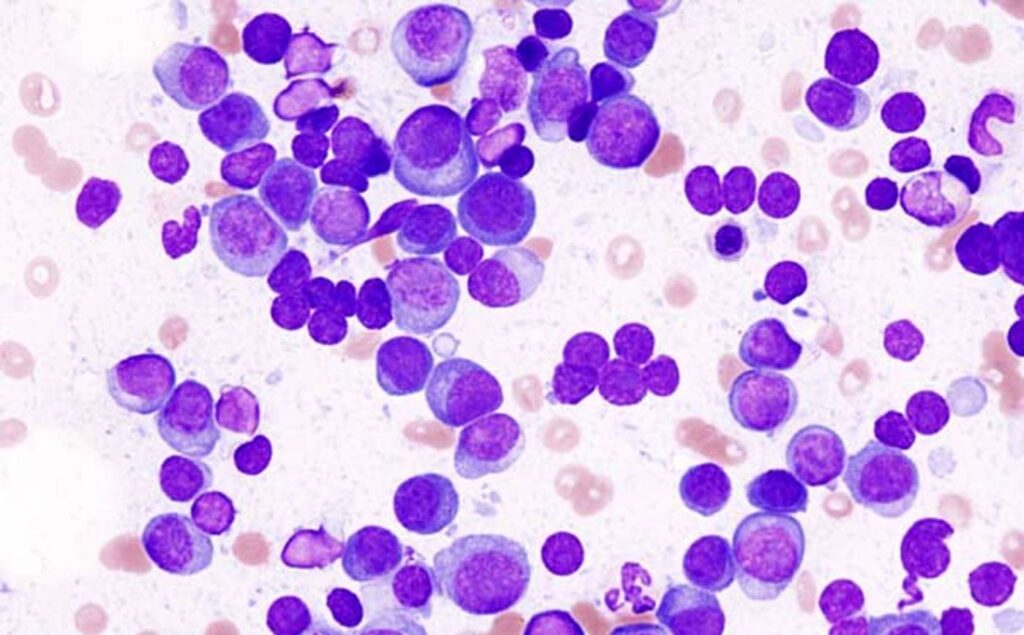
Multiple Myeloma is the incurable second-most common blood cancer, and it begins in the bone marrow where immature blood cells mutate into cancerous forms of white blood cells called plasma cells.
The treatment is called ARI-0002h, and it’s part of a new family of cancer-fighters called CAR-T, which stands for chimeric antigen receptor T cells, but holds the honor of the first such European treatment to receive approval for use by a regulatory agency.
Developed at the state run hospital in Barcelona, CAR-T is estimated to cost €90,000 ($102,000), about a third of the cost from similar CAR-T options coming out of companies Bristol Meyers Squibb and Janssen.
As well as demonstrating a 60% remission rate, 75% of the 30 patients showed no progression of the disease one full year after.
Quote of the Day: “There is nothing more difficult to achieve than a passionate, sincere, quiet faith.” – Andrei Tarkovsky
Photo: by Guilherme Stecanella, CC license (cropped)
With a new inspirational quote every day, atop the perfect photo—collected and archived on our Quotes page—why not bookmark GNN.org for a daily uplift?
Older adults who participate in a variety of different activities are able to reduce their risk of developing dementia, according to a new study.
The team at Simon Fraser University found that engaging in a combination of hobbies, such as light exercise and connecting with loved ones, can reduce memory decline in adults between the ages of 65 and 89 more than any individual activity.
Their findings show that the effects of engaging in a combination of activities increased with age and was more impactful than historical factors such as education level or baseline memory.
The study examined data from the National Institute on Aging’s Health and Retirement Study and included 3,210 participants aged 65 to 89. Study participants were asked how often they engaged in 33 activities from ‘never’ to ‘at least once a month’ to ‘several times a month’ up to ‘daily’.
Researchers created a machine learning model to analyze the activities’ impact on memory. The activities ranged from hobbies such as baking or cooking, reading, playing cards and games to walking for 20 minutes, or socializing with family and friends through letters, email, phone calls, or in-person visits.
“Our study results show that the risk of developing dementia can be reduced through a combination of active, daily activities—things like using a computer and playing word games,” says study co-author Sylvain Moreno, an associate professor at SFU’s School of Interactive Arts and Technology (SIAT) and CEO/scientific director of the Digital Health Circle, based at SFU.
“Scientists believed that genetics were the main factor influencing cognitive health but our findings show the reverse. With age, your choice of daily activities is more important than your genetics or your current cognitive skills,” Moreno adds.
The researchers suggest their study results, published in the journal Aging, could have a significant impact on aging health policies, including promoting new social prescribing programs to help older adults keep mentally active into their senior years.
Social prescribing involves connecting older adults to a range of activities in the community such as gardening, art classes or volunteering.
Older adults are more at risk of developing dementia and other neurodegenerative disorders for which there is no cure, which is why prevention is so important.
Their research demonstrates that strategies for prevention are effective and a social prescribing approach to healthcare can help people maintain healthy cognitive function as they age—that’s hopeful news indeed.
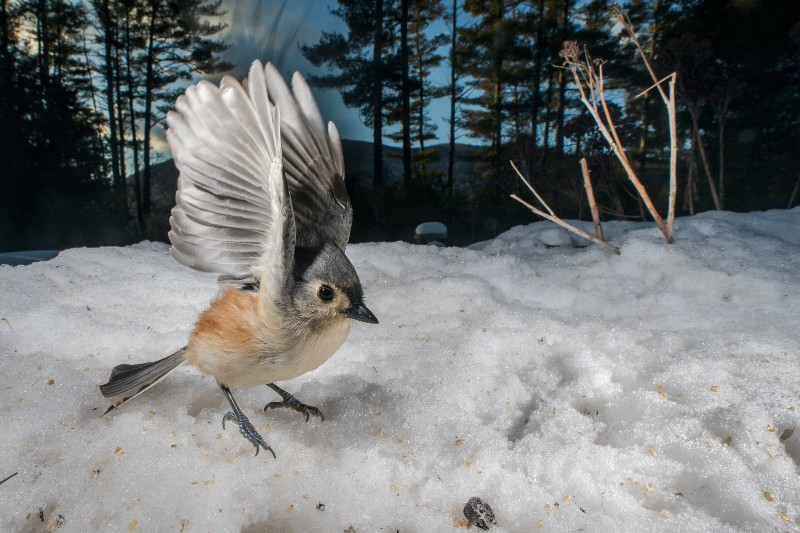
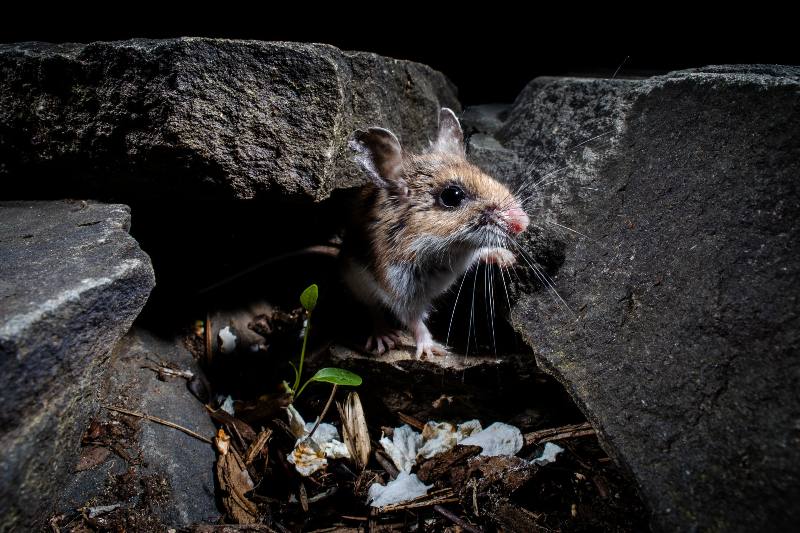
A wildlife photographer has captured charming portraits of the creatures that visit her garden.
Carla Rhodes placed a camera trap outside her home in the Catskill Mountains of New York.
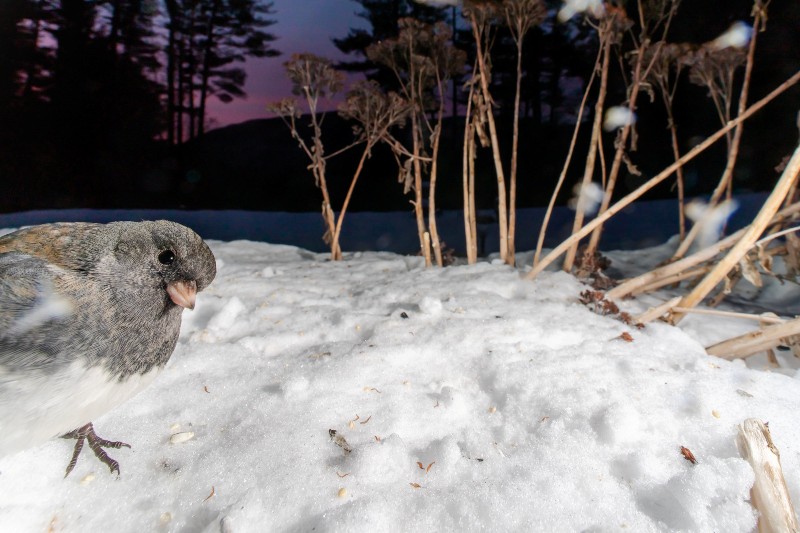
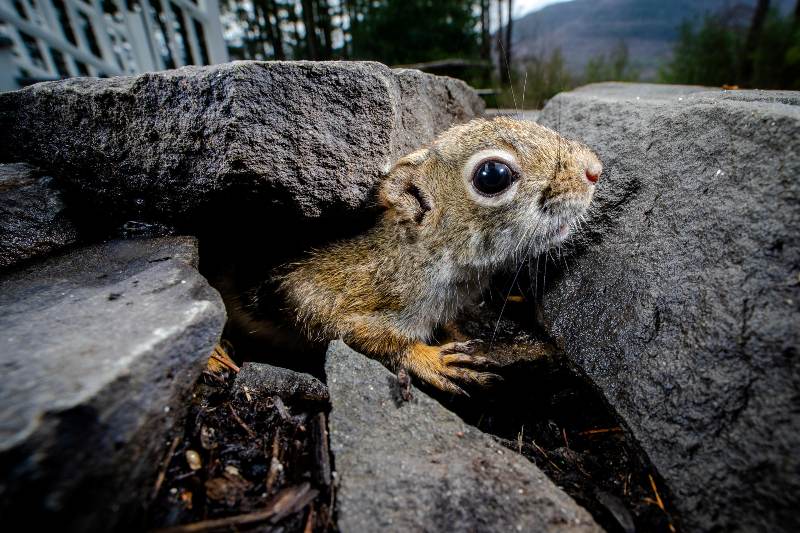
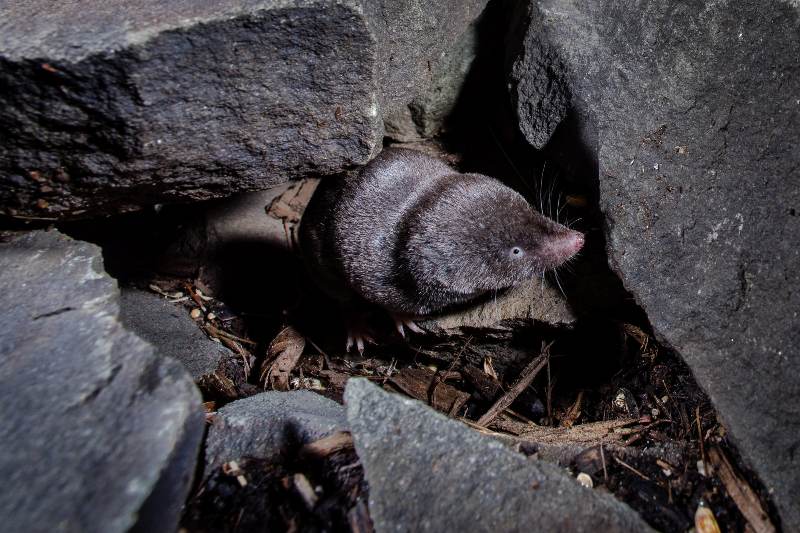
The resulting pictures from the Beneath The Bird Feeder project include inquisitive birds, playful squirrels, and North America’s only venomous mammal—the Northern short-tailed shrew.
SWNS
Carla, a former ventriloquist, explains, “Beneath The Bird Feeder is a photographic project starring many feathered (and furred) visitors.
“Subjects were photographed daily via a DSLR camera trap positioned underneath my bird feeder during the winter months of 2020-2021.
“Wintertime allows me to partake in one of my favourite pastimes: feeding the birds.
“This project reveals insights into species behavior while showing the viewer a new perspective on a common pastime.
“Throughout this project, I asked myself many questions. What kind of ecosystem does a bird feeder create? As a result of birds dropping seeds, what other creatures would this attract?
SWNS
“When the sun went down, deer mice would gather the aforementioned seeds, caching them in a stone wall near the bird feeder (often helped along by the adorable yet venomous Northern short-tailed shrew). When day broke, an assortment of looters (from birds to squirrels) would raid the cached bounty.
SWNS
“Insights into behavior continually intrigued me.
SWNS
“Dark-eyed juncos were always the first birds to show up at the crack of dawn while Northern cardinals would always show up at dusk.
“I started to recognize regulars and grew particularly fond of a deer mouse with a notch in his/her ear, who I eventually named ‘Notches’.
“I hope Beneath The Bird Feeder inspires others to explore their backyards and to give a closer look at overlooked “common” species, which are no less fabulous than their exotic counterparts.”
SWNS
SHARE These Delightful Photos From the Bird Feeder With Your Chums…
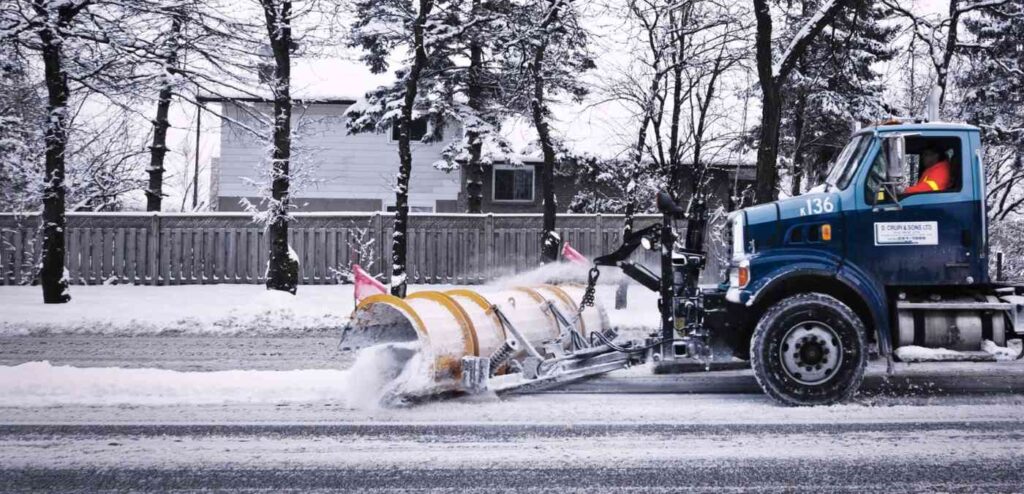
hor Benson Kua from Toronto, Canadasnow plough wikimedia commons cc license
Benson Kua, CC license
Rock salt is prized for its use as a de-icer, but the mineral’s monopoly on curing roads of icy patches may be coming to an end as sugar beet products gradually make their way into transportation department budgets across North America.
While salt is enthusiastically caked over streets and sidewalks when winter weather turns bad, most of us understand somewhere in the back of our minds that throwing salt around willy-nilly is probably a bad idea.
Most of us, for instance, know that if exposed to too much salt, all useful plants will die, leaving the soil fit for only the hardiest and most hateful of weeds. Most of us know that salt is also quite corrosive, and that seaside houses need to protect anything, particularly metal, that is exposed to sea spray. Lastly most of us know that there are two kinds of aquatic habitats, and fish which live in one can almost never live in the other.
“The benefit from using beet-based melting products is that it reduces the chloride loading on infrastructure and the environment, while producing a good quality melting solution,” said Winnipeg communications officer Ken Allen.
Indeed sugar beet extract when combined with ice-melting chlorides can actually be more effective at reducing ice than salt, but beets aren’t the only food product that’s being used in North America. Bloomberg reports that pickle-juice, cheese brine, and leftover beer have all been used by various transportation departments looking to reduce the immense budgetary pie slice given to salt purchasing.
Chemical changes caused by salt means water needs a lower temperature than normal to freeze, but when 20% chloride is combined with beet extract, that temperature becomes even lower, meaning only properly frigid temperatures will turn residual water into ice overnight.
Around 15-17 million tons of rock salt are poured on U.S. roadways every year, which along with contaminating waterways and drinking water, corrodes plowing equipment, and even leads to greater number collisions with deer, who come out onto the roads to lick the salt. Wisconsin’s share of the salt pie accounts for 40% of the state’s DoT budget.
Other states like Illinois are relying on education to reduce contamination from over-salting.
“I often see a cup worth of salt on a single sidewalk square, but one cup of salt should be enough to do an entire driveway… depending on your driveway,” Danelle Haake, stream ecologist and director of Illinois RiverWatch, told Michigan Radio. She suggests dissolving less salt in water, and spraying the water onto the ice.
CLEAR Those Winter News Feeds of Bad News – Share the Good…
Quote of the Day: “I would like my life to be a statement of love and compassion—and where it isn’t, that’s where my work lies.” – Ram Dass
Photo: by cloud.shepherd, CC license
With a new inspirational quote every day, atop the perfect photo—collected and archived on our Quotes page—why not bookmark GNN.org for a daily uplift?
Despite what skeptics say, being kind to oneself is not a New Age fad—and there is research to back it up.
Middle-aged women who practiced self-compassion had a lower risk of developing cardiovascular disease, irrespective of other traditional risk factors such as high blood pressure, insulin resistance, and cholesterol levels.
“A lot of research has been focused on studying how stress and other negative factors may impact cardiovascular health, but the impact of positive psychological factors, such as self-compassion, is far less known,” said Rebecca Thurston, Ph.D., professor of psychiatry, clinical and translational science, epidemiology, and psychology at the University of Pittsburgh.
Mindfulness practices, such as meditation, are gaining popularity among U.S. adults. Exhausted from a barrage of stressors at work and in their personal life, people increasingly choose to turn inward to help manage their mood and emotions.
During the pandemic, the stressors have amplified, especially for women. Research from various groups across the world demonstrates that women are particularly affected by the dragging pandemic—they care for children and older relatives and are often the ones to care for other adults, too, as women compose much of the U.S. nursing workforce.
Practicing mindfulness and self-compassion is a tool that counsellors and clinical psychologists often suggest to clients who are dealing with chronic stress. These techniques have been shown to be effective for managing anxiety, irritability and even mild depression.
But do these practices have any physiological effects on the body? Thurston and her colleagues sought to answer that question by enrolling almost 200 women between ages 45 and 67. The women completed a short questionnaire asking them to rate how often they experience feelings of inadequacy, whether they often feel disappointed by their self-perceived flaws or if they grant themselves caring and tenderness during difficult life moments. The women also received a standard diagnostic ultrasound of their carotid arteries—major vessels in the neck that carry the blood from the heart to the brain.
The scientists found that women who scored higher on the self-compassion scale had thinner carotid artery walls and less plaque buildup than those with lower self-compassion. These indicators have been linked to lower risk of cardiovascular disease—such as heart attacks and strokes—years later.
The results, published in Health Psychology, were found to persist even when the researchers controlled for behaviors and other psychological factors that might influence cardiovascular disease outcomes, such as physical activity, smoking, and depressive symptoms.
“These findings underscore the importance of practicing kindness and compassion, particularly towards yourself,” said Thurston. “We are all living through extraordinarily stressful times, and our research suggests that self-compassion is essential for both our mental and physical health.”
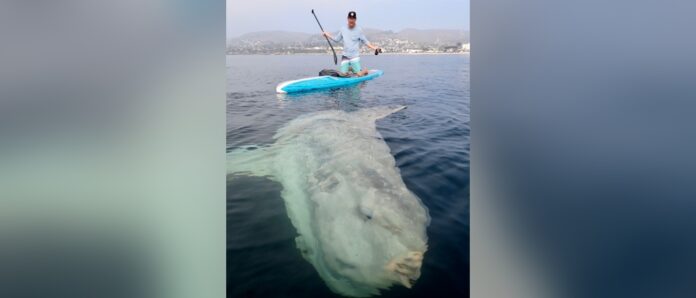
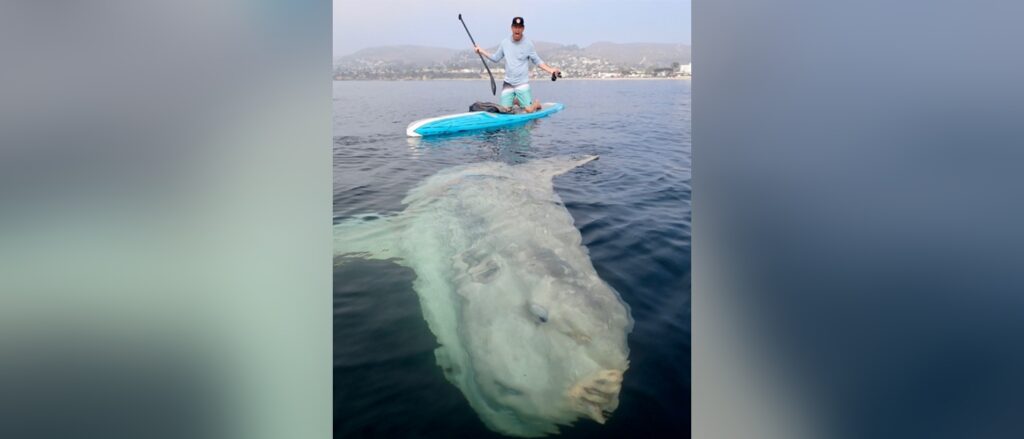
When one sees a dorsal fin out on the water, only the calm and the eagle-eyed don’t immediately think “shark.” So it was with a group of paddleboarders who came across a sunfish about the size of a car off Laguna Beach in California.
Known as the mola mola, the giant or ocean sunfish which Rick German and his friends discovered could have been nine foot long according to them, as their paddleboards were about 14 feet in length.
“I wasn’t scared because I knew what it was,” German told CBS News. “It looks like a mutilated alien shark that got bit in half.”
The heaviest vertebrate fish found globally, the mola mola can reach 10 feet in length and weigh 5,000 pounds. At a young age, its back fin stops growing and instead folds in towards itself, creating a kind of rudder that also tilts the fish’s body at an angle.
“I just thought it was kind of neat this fish is hanging out in an area where it’s totally protected and safe,” German told NBC News. “We hung out with it for probably 30 minutes. Eventually, it just dropped down below the surface.”
As it happened, German is the founder of a non-profit dedicated to ocean conservation, and given the fact that most of America’s largest news companies came out to interview him, he wasted no airtime in getting the message out that the tropical-dwelling mola is listed as Vulnerable by the IUCN, and needs help from us to recover so that more paddleboarders can enjoy these sensational experiences.
Dr. Matthew Wheaton posted an up-close and personal video on Instagram of the encounter, which you can take a look at below.
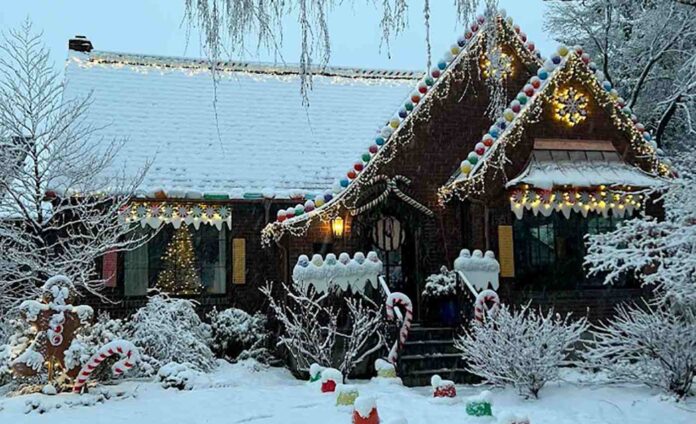
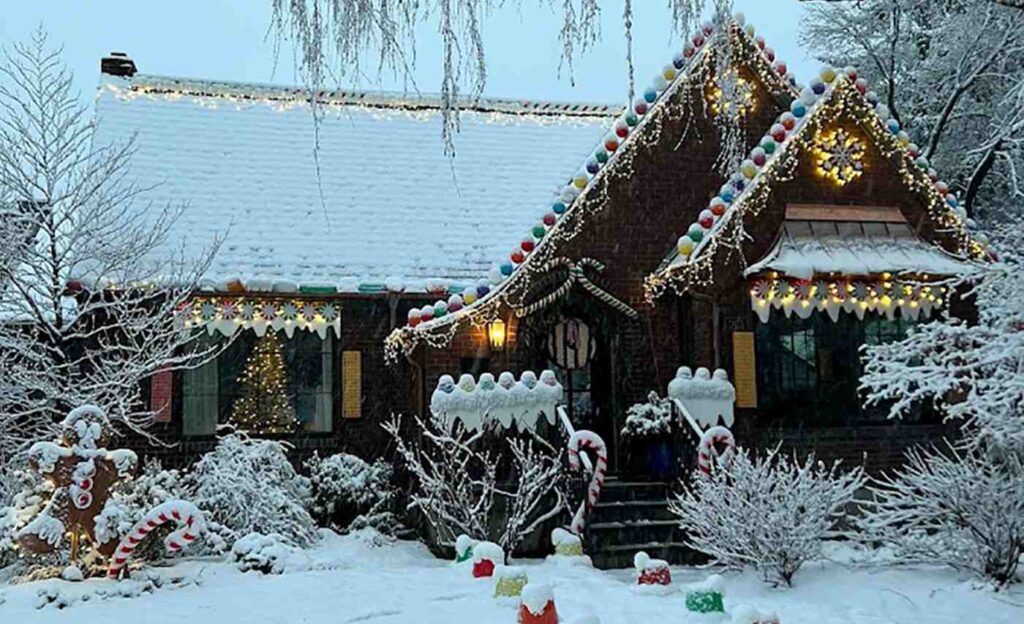
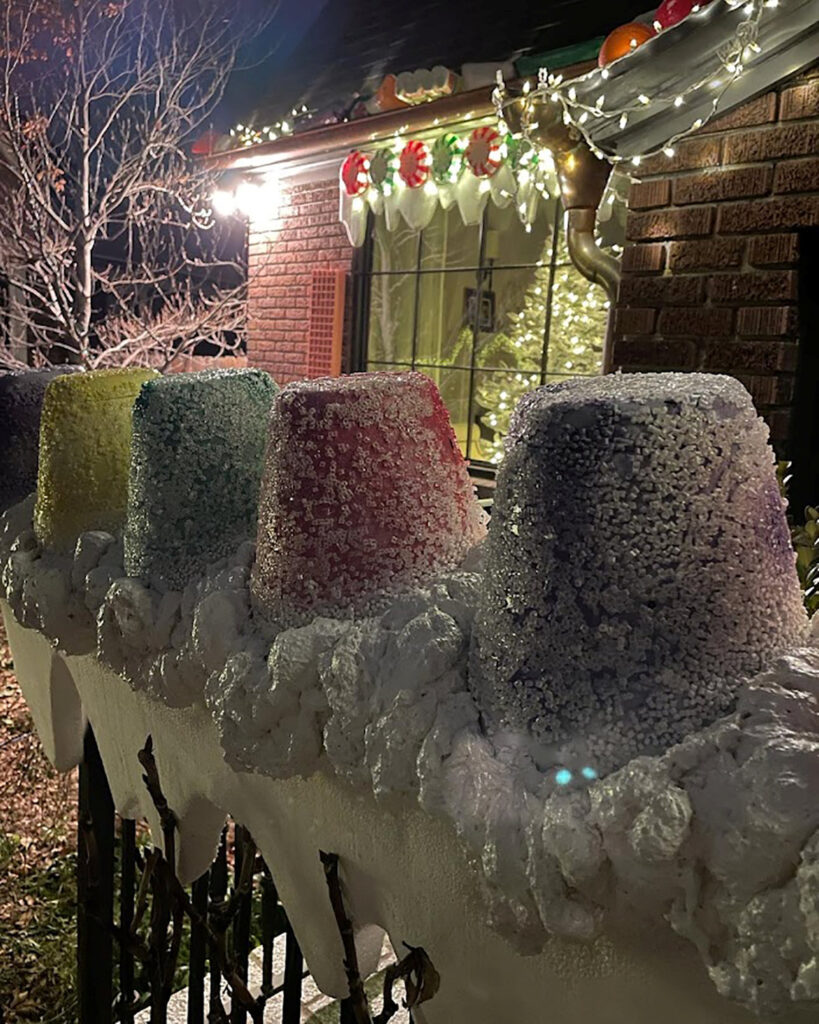
A Christmas-mad mom has transformed her home into—a real-life gingerbread house.
67-year-old Virginia Hoffman spent ‘hundreds of hours’ festooning her property into a vision from a fairytale.
Homemade decorations include candy canes, giant gumdrops, peppermint swirls, huge chocolate and wafer cookies, and an oversized gingerbread man.
Interior designer Virginia, of Salt Lake City, Utah, says her daughter, son-in-law, and their children all were involved, as well as her husband, who is a professional artist.
She said, “I live in a neighborhood where most the houses were built in the 1920s and the architecture has a lot of charming characteristics.
“I was looking at my circle of houses and thought how they all looked like gingerbread houses with their various roof lines and windows.
“I began to imagine how I could make some decorations to make my house into a gingerbread house.
“I drew a little sketch of what was in my mind, and then I started thinking of how to accomplish it. It grew on from there.
“It was a lot of work, but each year it is fulfilling to see it completed and feel like a lot was accomplished with imagination, ingenuity, a little engineering and figuring things out, and some luck.
“I am grateful for the help and support of my husband and family members; without them I would not have been able to succeed. They have spent many hours along with me.
SWNS
“Also, a project such as this, taken on with help from family and grandchildren, will hopefully be a long-term memory that they’ll always remember and maybe cherish. It’s a special thing in our family now because we made it ourselves.
“The best part for me is watching children come. When they come up to the house and they look at things up close and, honestly, the twinkle in their eyes is just magical. I love to see that it catches their imagination.”
The ancients were astonishingly aware of the changes in the world they inhabited, and the few structures that survive from their time—monolithic stone monuments, demonstrate this as they often align with astronomical events.
The British and Irish governments are livestreaming the monuments of Newgrange in Ireland and Stonehenge in England, to allow anyone who wants to to watch the setting sun on the 22nd pass straight through the henge and the rising sun through the Newgrange passage tomb.
Stonehenge and Newgrange
The English Heritage YouTube channel stream will begin at 7:25AM GMT, or 1:25AM U.S. EST, to watch the sunset at Stonehenge on the 22nd of December, while the Heritage Ireland channel goes live every morning at 8:45AM GMT or 2:45AM U.S. EST, on the 21st and 22nd to show the passage of the rising sun through the burial chamber at Newgrange.
“Watching the light creep into the five-thousand-year-old passage tomb in real time is a moving event that has the power to fill us both with wonder at the ancient architects’ ingenuity and with hope for the future,” said Patrick O’Donovan at the Office of Public Works, Ireland.
Shaped inside like a cross with three recesses for cremated remains, the low-lying winter sun comes in through a shaft above the main entrance that baths the central chamber in light for around 17 minutes. It was constructed around 3,200 BCE.
Maeshowe Chambered Cairne
For those not wanting to get up so early, at the Maeshowe Chambered Cairne in Scotland, a livestream will begin to celebrate the Winter Solstice with poetry, and information about the site, coupled with the phenomenon of the setting sun moving perfectly in line with openings down into the interior of the cairne. This occurs at 4:00PM GMT, or 10:00AM U.S. EST and can be found on this YouTube channel.
Maeshowe Chambered Cairne can be found on the island of Orkney, and is considered the heart of Neolithic Scotland. A UNESCO World Heritage Site, the central chamber is 15 feet in each direction and the roof is twelve feet high. it is very similar to Newgrange in Ireland, but was built around 500 years after.
Quote of the Day: “The opposite of a correct statement is a false statement, but the opposite of a profound truth may well be another profound truth.” – Niels Bohr
Photo: by Casey Horner
With a new inspirational quote every day, atop the perfect photo—collected and archived on our Quotes page—why not bookmark GNN.org for a daily uplift?
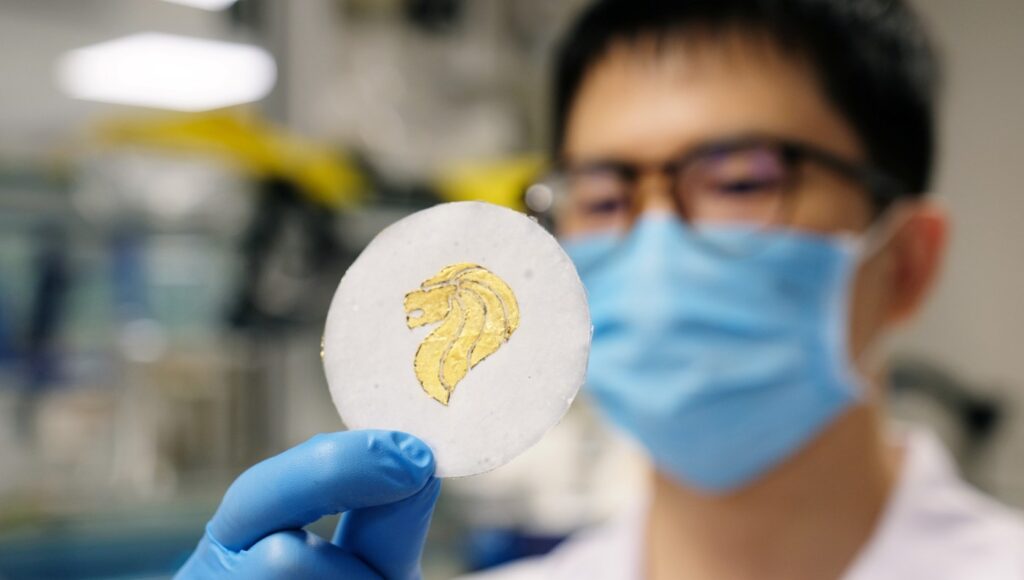
Scientists have created biodegradable batteries that can be buried in soil after use.
The paper-thin biodegradable zinc batteries could one day become an environmentally sustainable option for powering smartphones and flexible wearable electronic devices.
The NTU Singapore-developed zinc batteries are made up of electrodes (through which the electrical current leaves or enters the battery) screen-printed on to both sides of a piece of cellulose paper that has been reinforced with hydrogel.
Once the battery has been expended, it can be buried in soil, where it breaks down completely within a month.
In a proof-of-concept experiment, the NTU team demonstrated how a 4cm x 4cm square of printed paper battery could power a small electric fan for at least 45 minutes. Bending or twisting the battery did not interrupt the power supply.
In another experiment using a 4cm x 4cm battery to power an LED, the scientists showed that despite cutting away parts of the paper battery, the LED remained lit, indicating that cutting does not affect the functionality of the battery.
The scientists think their printed battery could be integrated into flexible electronics such as foldable smart phones that are already on the market, or biomedical sensors for health monitoring.
Professor Fan Hongjin from the NTU School of Physical and Mathematical Sciences and the study’s co-lead author, said, “Traditional batteries come in a variety of models and sizes, and choosing the right type for your device could be a cumbersome process. Through our study, we showed a simpler, cheaper way of manufacturing batteries, by developing a single large piece of battery that can be cut to desired shapes and sizes without loss of efficiency. These features make our paper batteries ideal for integration in the sorts of flexible electronics that are gradually being developed.”
Assistant Professor Lee Seok Woo from the NTU School of Electrical and Electronic Engineering and the study’s co-lead author, said of the research, published in Advanced Science, “We believe the paper battery we have developed could potentially help with the electronic waste problem, given that our printed paper battery is non-toxic and does not require aluminium or plastic casings to encapsulate the battery components.”
“Avoiding the packaging layers also enables our battery to store a higher amount of energy, and thus power, within a smaller system.”
DON’T WASTE Great Research Findings; Share This Story…
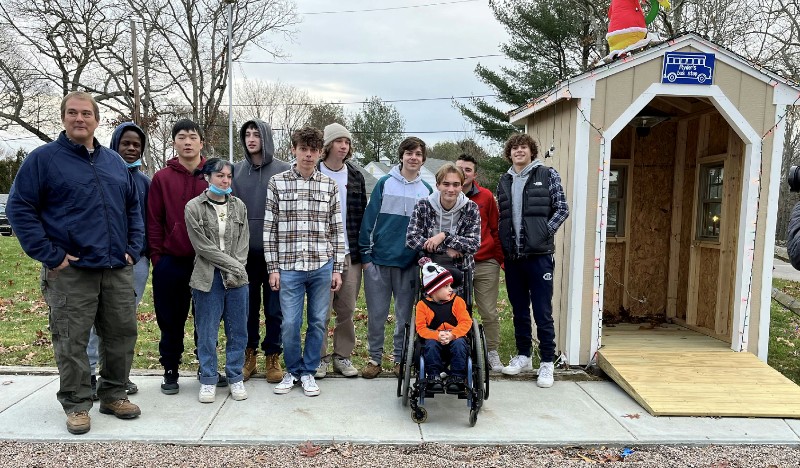
Teenagers have built a shelter for a five-year-old boy who uses a wheelchair after noticing he got wet while waiting for the school bus in winter.
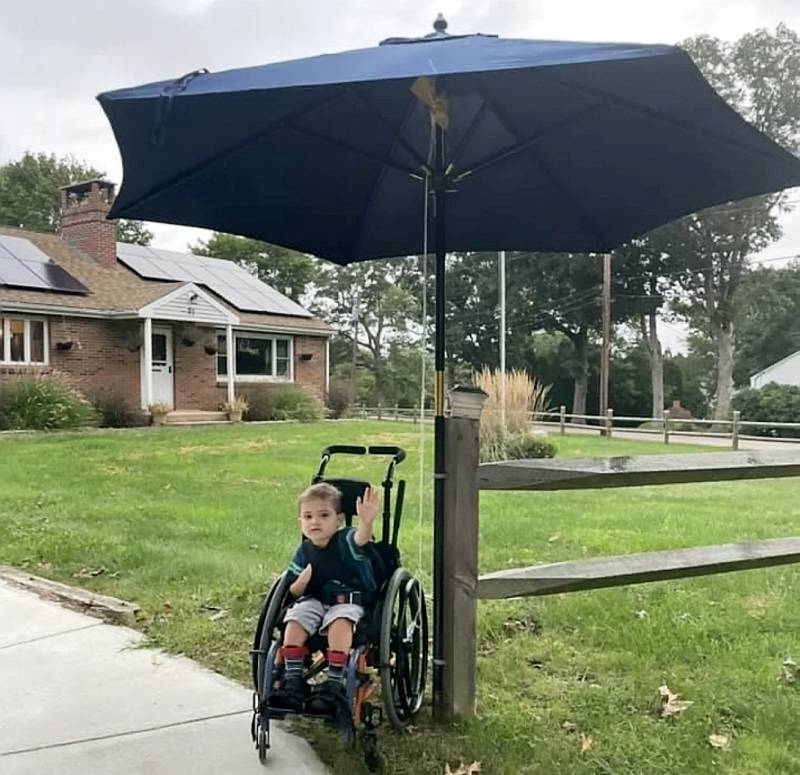
Five-year-old Ryder Killam has had to battle rain, wind, and snow for about 15 minutes every day, using only a patio umbrella as protection.
But after hearing about his problem, local students in Bradford, Rhode Island, got to work and built him his own bus shelter for the bottom of his driveway during their construction lessons.
Ryder’s father Tim said, “Ryder uses it every day before school and his nurses wait inside it every day while they await his return home.
“He does like to go hang out in it from time to time as his fort as well.
“This project brought out community together a bit, it showed that there is still so much good in this world and town!”
Ryder was born with spina bifida myelomeningocele and has never been able to walk.
He stated using a wheelchair when he was two years old.
He started attending inclusionary preschool Dunn’s Corner Elementary in June 2019, and every day had to be pushed 75ft to the end of the road to wait for his school bus by his parents Tim and Nikea.
As Ryder was unable to rush for this bus if he was running late like his peers, this would often mean he’d have to wait for up to 15 minutes out in whatever weather there was.
In September this year, just when Ryder started kindergarten, Tim decided to put up a patio umbrella at the end of his driveway to provide some shelter from the elements.
He said, “The problem is with the wind and fall weather here in New England it really didn’t accomplish much unless it was just a rainy day with no wind, otherwise he still would get wet and not stay warm.”
They decided to reach out to their community to see if anyone had anything that would work to protect Ryder from the elements.
Tim, who runs a marine electronics company, said, “I placed a post on Facebook looking to see if one of my friends or one of their connections might have an old bus hut.
“I see them here and there on people’s property and figured maybe someone had one and had grown children that might not need it anymore.
SWNS
“After the post, a WPS member suggested I reach out to the construction class at Westerly High and see if they would want to take on the project of building Ryder a bus stop hut.”
Tim sent Dan McKena, who had been teaching construction technology at Westerly High School for 27 years, an email asking if he’d be interested in this kind of project.
“He responded with an ‘absolutely’ and then he worked with his students to design and build the hut,” he said.
Three of Mr Mckena’s classes worked hard on the project for numerous weeks, learning new skills through YouTube as they created the structure, motivated by the cause and knowing that soon snow would be falling.
About $300 worth of wood was donated by Home Depot for the project, but the rest of the materials were purchased by the Kilmans for $600, who were kept updated with photos throughout.
SWNS
The hut was built 5×8 feet so that it could bit both Ryder and one of his parents or a nurse comfortably, and was finally delivered to the home six weeks later on November 2.
Tim said, “We were shocked, it was much bigger than we expected and allows such great access for Ryder and an adult to be with him comfortably.
“Ryders first reaction was ‘Holy Cow!’, he loved it and wants to hang out it in all the time.”
The family sent a photo of Ryder in the bus shelter and thanked the teens for their hard work. We’re sure they were thrilled to see just how their project has helped others.
Whether one is looking for midnight sun or northern lights, one of the least-disputed places to do so is at Sweden’s ICEHOTEL. Now, the legendary all-ice building hosts a new suite designed by the prince of Sweden to paradoxically celebrate the country’s Midsummer Festival.
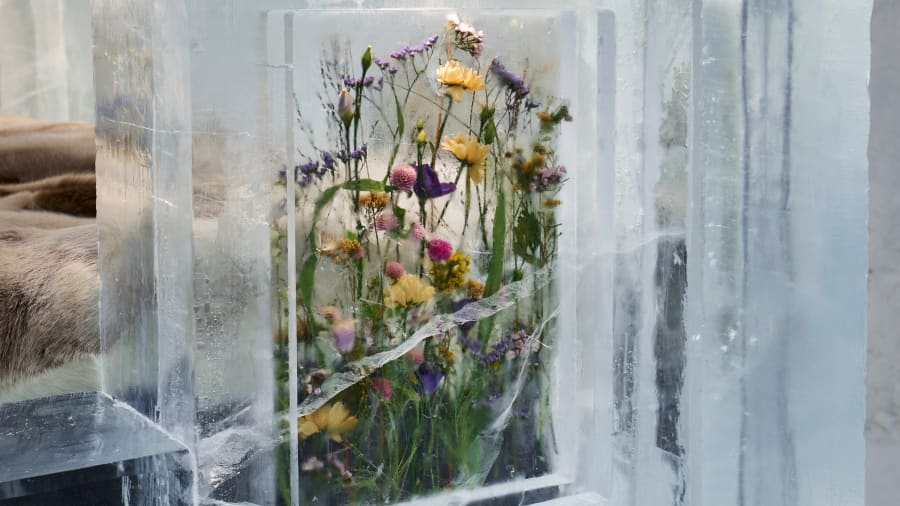
Just as the hotel, made entirely of snow and ice, has had to be rebuilt every year since its inception in 1989, Prince Carl Philip’s suite reflects that brevity with flowers and summer decorations encased in ice.
Magnus Mårding
Called Midsummer Night’s Dream, the walls and blocks of the suite contain colorful floral decorations, while a stunning chandelier of ice and flowers gives light to the ethereal space.
“Well, what better way to show the true character of the ice than to encapsulate the most delicate and beautiful Swedish midsummer flowers in an arctic environment? For us Swedes, midsummer, and especially midsummer’s night, is filled with myth and legend,” the Prince and his business partner Oscar Kylber, who helped design the suite, said in a statement.
The layers of metaphor are as thick as winter snow drifts in the town of Jukkasjärvi, 120 miles inside the Arctic Circle where ICEHOTEL is located.
Like the beautiful summer flowers used in the design, the suite in all its beauty will last through the season, only to vanish and leave nothing but memories at its end.
Magnus Mårding
The merry flowers mirror the happy Swedes, a country which ranks sixth on the global happiness scale, and which must endure its northern reaches being essentially encased in ice for six months of the year.
Kylber and the Prince were two of 32 artists selected to make this year’s ICEHOTEL, as they run a design firm that boasts clients like Hästens and Georg Jensen.
Magnus Mårding
ICEHOTEL consists of 24 rooms, 12 artistically-rendered suites, and a ceremonial hall; this time around at least, as it changes every year.
The company behind it runs the winter hotel, rebuilt every year, a traditional hotel and chalet, and ICEHOTEL 365, which features artistic suites and buildings carved out of ice that are kept frozen during summer with a solar-powered refrigerator.
UNFREEZE Those News Feeds With Beautiful Design; Share This Story…