










All News - Page 462 of 1716 - Good News Network
Home Blog Page 462

Researchers Create AI Device to Sniff Out Cancer in Blood Samples With 95% Accuracy For Hard to Detect Types

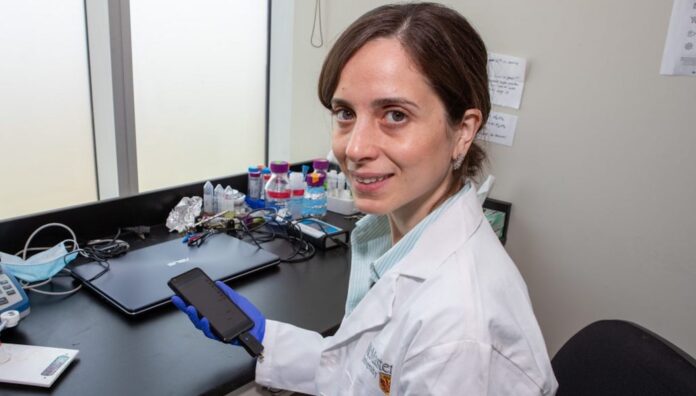
Biomedical engineer Leyla Soleymani – by Georgia Kirkos, McMaster University

An odor-based test that sniffs out vapors emanating from blood samples was able to distinguish between benign and pancreatic and ovarian cancer cells with up to 95 percent accuracy, according to a new study from researchers at the University of Pennsylvania and Penn’s Perelman School of Medicine.

The findings suggest that the Penn-developed tool — which uses artificial intelligence and machine learning to decipher the mixture of volatile organic compounds (VOCs) emitting off cells in blood plasma samples — could serve as a non-invasive approach to screen for harder-to-detect cancers, such as pancreatic and ovarian.

The results of the study were presented at the annual American Society of Clinical Oncology meeting on June.

“It’s an early study but the results are very promising,” Johnson said. “The data shows we can identify these tumors at both advanced and the earliest stages, which is exciting. If developed appropriately for the clinical setting, this could potentially be a test that’s done on a standard blood draw that may be part of your annual physical.”

RELATED: New Brain Cancer Immunotherapy Shows Promise in Human Trial – Most Patients Saw No Tumor Growth For 3 Years

The Penn research team is currently working with VOC Health to commercialize the device, along with others, for research and clinical applications.

The electronic olfaction — “e-nose” — system is equipped with nanosensors calibrated to detect the composition of VOCs, which all cells emanate. Previous studies from the researchers demonstrated that VOCs released from tissue and plasma from ovarian cancer patients are distinct from those released from samples of patients with benign tumors.

Among 93 patients, including 20 patients with ovarian cancer, 20 with benign ovarian tumors and 20 age-matched controls with no cancer, as well as 13 patients with pancreatic cancer, 10 patients with benign pancreatic disease, and 10 controls, the vapor sensors discriminated the VOCs from ovarian cancer with 95 percent accuracy and pancreatic cancer with 90 percent accuracy. The tool also correctly identified all patients (a total of eight) with early-stage cancers.

POPULARDoctor Determines the Perfect Prescriptions For Stage 4 Cancer: With Functional Profiling His Results Are ‘Stunning’

The technology’s pattern recognition approach is similar to the way people’s own sense of smell works, where a distinct mixture of compounds tells the brain what it’s smelling. The tool was trained and tested to identify the VOC patterns more associated with cancer cells and those associated with cells from healthy blood samples in 20 minutes or less.

The team’s collaboration with Richard Postrel, CEO and chief innovation officer of VOC Health, has also led to an improvement in detection speed by 20-fold.

To expedite the commercialization process, Postrel asserts that “initial prototypes of commercial devices able to detect cancer from liquids and vapors will be ready soon and be provided to these Penn researchers to further their work.”

In related news, researchers from McMaster and Brock universities in Canada are developing a device that lets patients monitor their own blood for the unique biomarkers of prostate cancer, pictured below, courtesy of Georgia Kirkos at McMaster.
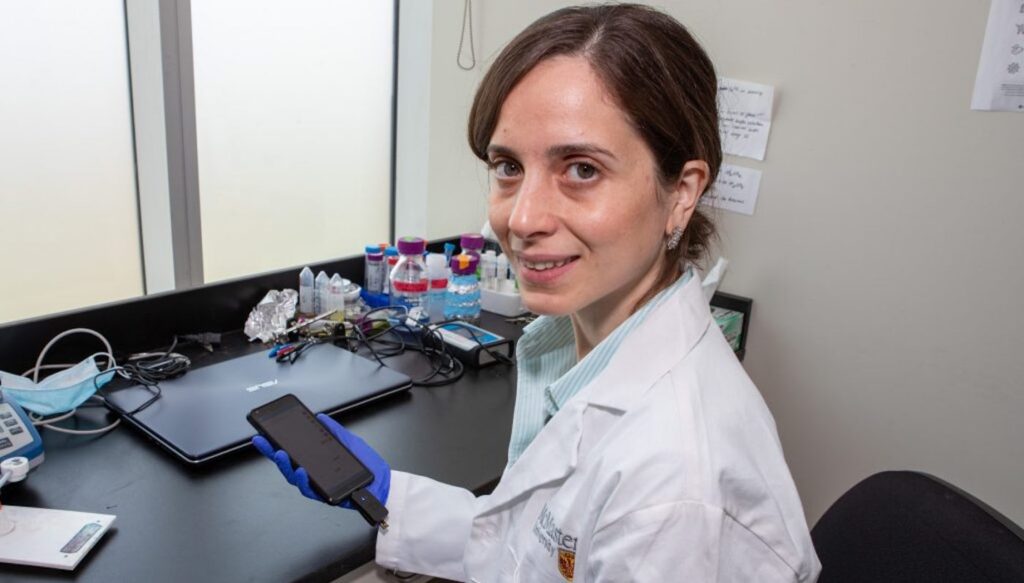
Biomedical engineer Leyla Soleymani – by Georgia Kirkos, McMaster University

In a related effort with VOC Health, Johnson, along with his co-investigator Benjamin Abella, MD, a professor of Emergency Medicine, were awarded a two-year, $2 million grant by the National Institutes of Health National Center for Advancing Translational Sciences for the development of a handheld device that can detect the signature “odor” of people with COVID-19, which is based off the cancer-detection technology applied in this study.

PUT This Amazing Development Under the Nose of Friends on Social Media…

“No matter what he does, every person on earth plays a central role in the history of the world. And normally he doesn’t know it.” – Paulo Coelho

Quote of the Day: “No matter what he does, every person on earth plays a central role in the history of the world. And normally he doesn’t know it.” – Paulo Coelho

Photo: Quino Al

With a new inspirational quote every day, atop the perfect photo—collected and archived on our Quote of the Day page—why not bookmark GNN.org for a daily uplift?


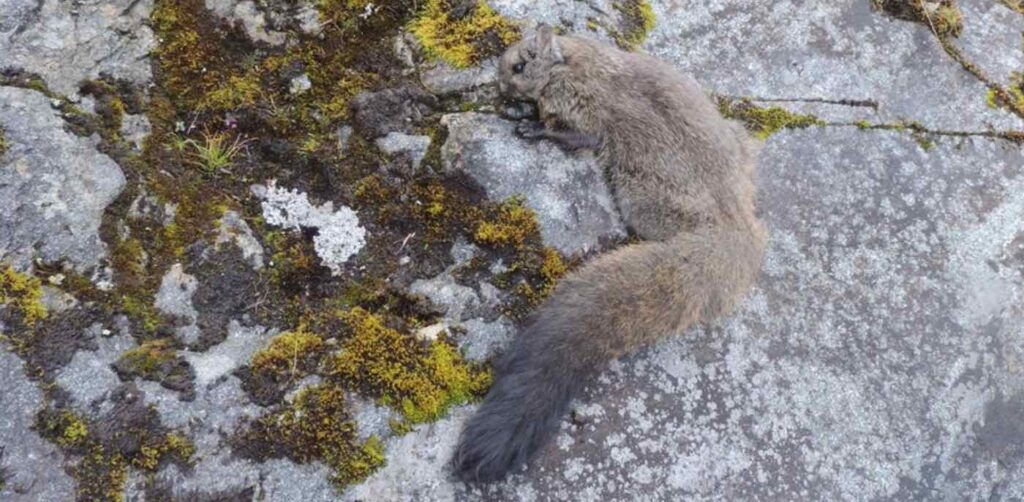
Flying Squirrel as Big As a Cat Discovered in Himalayas, ‘One of the least known mammals on Earth’

Eupetaurus Cinereusl/Wildlife Conservation Society

The world is growing smaller all the time as mass communication and transit links the continents in a web of social media and overnight layovers. Yet even with all this globalization, there are still natural secrets to uncover for those willing to look.

Incredibly, a species of gliding squirrel (Eupetaurus cinereus) that was last seen in 1994 was cross-referenced with museum specimens and found to actually be three squirrels, not one.

University of Wyoming squirrel expert John Koprowski remarked to National Geographic “that there were two relatively large animals that had gone unreported shows how little we know about the natural world.”

The Yunnan woolly flying squirrel and the Tibetan woolly flying squirrel now take their place in the scientific record alongside the newly reclassified Western woolly flying squirrel.

The first new squirrel lives in the mysterious gorges of Yunnan, thousands of miles from the territory of the second, who lives at altitudes of 16,000 feet at the intersection of India, Tibet, and Bhutan.

Li Quan

Helgen and his colleagues visited museums around the world to gather information on the woolly flying squirrel, and examined 24 specimens in total. The differences in the shape of the skull and color of the fur gave rise to the notion that what they were looking at were actually three different species, two of which are now newly described, not just different populations.

MORE: BREAKING: 100-Year-Old Galápagos Giant Tortoise Found on Fernandina Island is Indeed Member of ‘Extinct’ Species

All three woolly flying squirrels use their tails—which are nearly as long as their bodies—like rudders to steer their gliding descents, and in the rain it doubles as an umbrella. At 5.4 pounds and three feet long from nose to tail, they are one of the largest gliding mammals, and survive mostly by using a pair of tall teeth to gnash juniper leaves and pine needles.

Understandably hard to spot, the grey plush fur that keeps the squirrels warm at sub-zero temperatures perfectly camouflages them with the stones of their mountain environment. It’s hard enough spotting a snow leopard among the rocks of the mountainside, let alone a squirrel.

RELATED: 12 Critically Endangered Red Wolf Pups Are Born in North Carolina – A Conservation Baby Boom

“This is only the beginning,” Helgen told National Geographic. “Now that they’ve been named, scientists can learn more about how they live.”
HELP Good News Take Flight—Share This Story With Friends…


‘Mind-blowing’ Surgery in Mothers’ Wombs Spared Dozens of Babies From Spina Bifida Paralysis

Helena Purcell with her baby/GOSH

For an unborn child, spina bifida, a birth defect in which the spinal cord fails to develop or close properly, is a devastating diagnosis. Until recently, doctors were unable to attempt to correct the condition until after the baby was born. Even with post-partum medical intervention, the outcome wasn’t always good.

Now, however, thanks to some stunning advances in prenatal surgery, operations performed in utero are delivering much more promising results.

Doctors theorize the longer spinal tissue is left exposed to amniotic fluid in the womb, the greater the damage to the nerves, which can lead to permanent paralysis of the legs, loss of sensation, and lack of function in the kidney, bladder, and bowels.

Corrective procedures performed during the second trimester (usually between 23 to 26 weeks) are reported to minimize nerve damage and mitigate long-term health issues, giving many spina bifida babies the hope of leading close to normal lives.

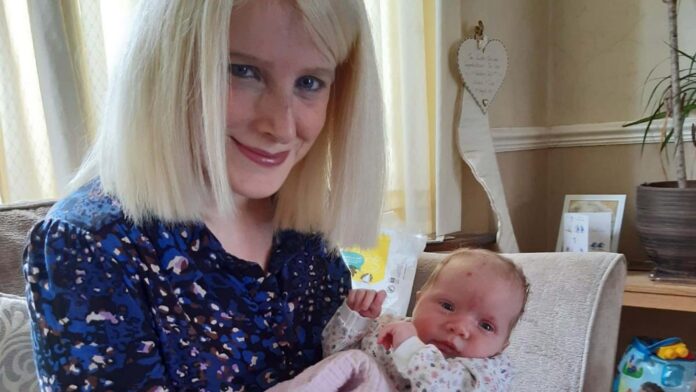
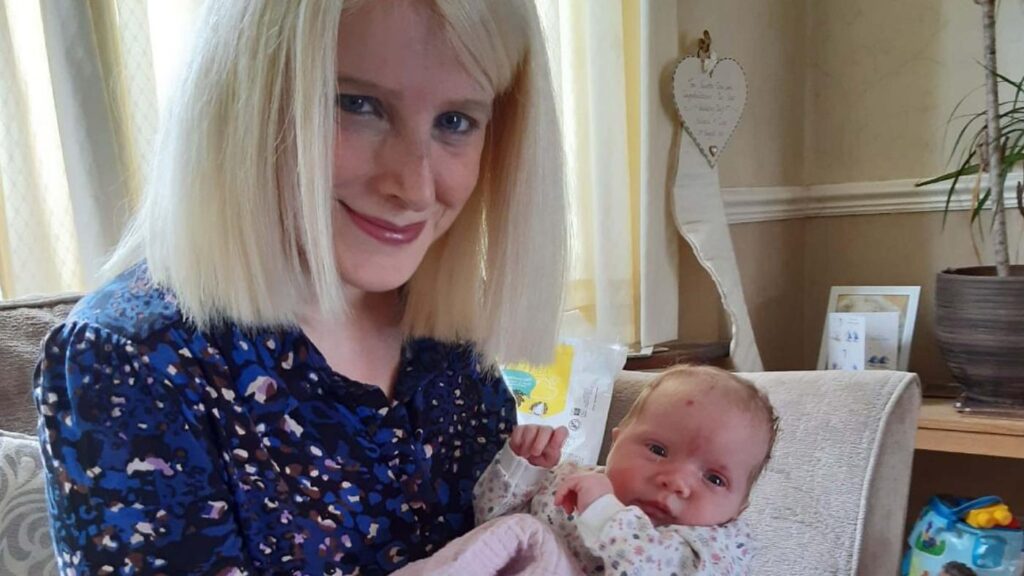
Helena Purcell, a mom-to-be in the U.K., learned her unborn daughter had spina bifida as well as hydrocephalus (an abnormal build-up of fluid in the brain) during a routine 20-week scan. Half the baby’s spine was exposed by a large lesion. She was told the chances her child would ever walk were slim and she’d likely be incontinent her entire life.

Within days of hearing that bleak prognosis, Helena was tested by the National Health Service (NHS) to see if she qualified for their life-changing in utero surgery program—and was approved. “I knew if I didn’t get the operation the quality of her life would be very different,” Purcell told the BBC.

Purcell was 23 weeks into her pregnancy when she arrived in Belgium where the surgery was to be performed. Close to 30 specialists and clinicians from the University College London Hospitals, Great Ormond Street Hospital for Children, and the University Hospitals Leuven took part in the procedure.

MORE: First Neonatal Wearable Could Provide Real-time Detection of Jaundice and Vital Signs

The team included fetal and pediatric surgeons, neurosurgeons, anesthesiologists, obstetricians, radiologists, and a scrub team. There were even neonatologists on hand in the event Purcell’s baby needed to be delivered (which she did not).

Three months later, Helena’s daughter Mila (short for Milagro which means “miracle” in Spanish) was born. While she still has some fluid retention in the brain, her development is otherwise good.

“I cannot explain the massive difference [this] has had for my family. The NHS doctors are heroes in my eyes, and the surgery they did is just mind-blowing,” Purcell told Sky News. “If it wasn’t for them then Mila would be paralyzed… I am just so grateful that she has had this chance.”

Helena Purcell with baby Mila/GOSH

Pre-Born in the U.S.A.

The NHS reports that since January 2020, 32 British babies and their mums have undergone the dual surgical procedure, but the operation is being successfully performed in America as well.

A 20-week ultrasound revealed Mallorie and Chris Deruyter’s son, Max, had spina bifida. The Wisconsin couple’s doctors sent Mallorie to Lurie Children’s Hospital of Chicago for further treatment.

While the operation—known as “closed fetoscopic repair”—is much less invasive than earlier procedures, Mallorie still ran a risk for the premature delivery the surgery sometimes induces.

“When I initially heard that, I actually thought there’s no way I’m going to have surgery. I just thought it was absolutely crazy,” Mallorie told WGN News 9. “And then the more research I did the more I realized this is going to give him the best life.”

After the seven-hour operation, helmed by Fetal neurosurgeon Dr. Robin Bowman and pediatric surgeon Dr. Aimen Shaaban, mother and the unborn baby were doing well. The Deruyters went home to Green Bay but were set to return to Lurie for a C-section when the pregnancy reached 39 weeks.

The baby had other plans. Mallorie went into labor and Max arrived at 3 a.m. just hours before the scheduled C-section, with no complications.

RELATED: Research Shows Babies Are Relaxed By Lullabies Even in Foreign Languages: The Frère Jacques Response

Back home, Max is thriving. “The chance of a really normal life for him really looks apparent,” Chris told WGN. “You can see he’s going to be a thriving, happy young little boy. I don’t think we would have done it any other way.”

3D Printing Brings a New Level of Accuracy

Meanwhile in Florida, along with MRIs and ultrasounds, surgeons are using pioneering 3D printed “virtual” babies as tools to better guide them through the complex procedure.

Orlando Health Winnie Palmer Hospital for Women and Babies in Florida is one of the state-of-the-art facilities employing the new technology. Working in conjunction with Orlando-based Digital Anatomy Simulations for Healthcare (DASH), 25 fetal models have been created since 2018.

“The 3D reconstruction of the fetus can really educate the surgeon on the real-life shape, size, and location of the spinal lesion, as well as prepare the surgeon to have the appropriate equipment ready to treat this condition surgically,” Dr. Samer Elbabaa, Orlando Health’s medical director of pediatric neurosurgery said in a statement.

“It’s a level of detail that we are not able to see in traditional imaging, but that is extremely valuable in these cases where we cannot actually see the defect ahead of surgery.”

“The fetal models not only help surgeons plan for things like where to make an incision and how to repair the defect but also help reduce the duration of the surgery to limit the developing baby’s exposure,” DASH CEO Jack Stubbs stated.

READ: This Blind Mom Got To ‘See’ Her Adorable Unborn Baby Thanks to a 3D-Printed Ultrasound

Jocelyn Rodriguez, a patient at Winnie Palmer found out the baby she and her husband Jared were expecting had spina bifida when she was 18 weeks along. The couple says the 3D technology allowed them to better understand what was going on with the pregnancy, and also feel more positive about moving forward with the procedure.

While Jocelyn hasn’t reached her due date, subsequent checkups since the surgery reveal the baby’s condition has vastly improved.

“She has been kicking, wiggling her toes, moving her ankles,” she said. “She loves to have hiccups. I mean, just everything that we could have wished for has definitely happened.”

SHARE This Exciting Breakthrough With Friends on Social Media…
Orchids Make Fake Pollen to Tempt the Bees – But Scientists Discover it’s as Valuable as the Real Thing

Orchi, CC license

Unable to attract bees and other pollinators to its golden pollen, Cypripedium wardii, an orchid species native to Tibet and China, creates “fool’s gold” pollen, a sugary snack that entices insects among its petals whereby they become covered in real pollen.

Pseudopollen, as it’s called, has been observed in orchids before, a species whose true pollen is not edible. For many bees, pollen is a key source of protein—and while nectar is sweet, it can’t sustain them forever.

The beautiful Cypripedium family of orchids are known as “lady’s slipper” orchids, thanks to an upturned bowl-shaped petal arrangement lying at the bottom of their flowers.

This bottom flower contains small hairs that breakdown into a dust that appears like normal pollen.

Orchids are notorious grifters. Not only do some species make this pseudopollen, but others release pheromones that smell like receptive bee or fly females.

A lady’s slipper orchid/Orchi, CC license

It wasn’t known that they gave anything back at all to pollinator, as they don’t produce nectar. If they didn’t produce nectar or scents, and their pollen wasn’t edible, how did orchids reliably secure the service of pollinators?

MORE: The Mind-Blowing Mathematics of Sunflowers 

In a study currently awaiting peer review, researchers at the Chinese Academy of Sciences observed 12 solitary bee a hoverflies arrive at C. wardii in the mountains of Sichuan, and begin interacting with the pseudopollen. Later dissection revealed that the pollinators were consuming the fool’s gold for food.

An analysis of the pseudopollen showed they contained lipids, or fats, indicating their nutritional value to the bees.

Speaking with Science on the topic, one botanist thought the only ones deceived by the pseudopollen has actually been the botanists, and that the pollinators know full well the fool’s gold has a benefit to them.

PLANT This Fascinating Flower News in Friends’ News Feeds…

A Pregnant Mom Became a Hero After Saving 4 Kids From Drowning

WPDE/Screenshot
WPDE video

A pregnant mom is being hailed a hero after saving four kids from drowning.

27-year-old Alyssa DeWitt decided to take her kids to First Street Beach Pier at Lake Michigan on Tuesday afternoon.

“I almost didn’t, I sat in the van for about five minutes thinking the wind was really strong, and I didn’t really know if it was a good idea,” said the stay-at-home mom from Manistee, Michigan.

On the beach she noticed a group of girls, all under 15, going into the water and became concerned for their safety.

“I happened to look up and saw one of the girls waving her arms towards me and immediately knew something was wrong,” she said. “I got up, pulled my kids out of the water and ran out onto the pier.”

SWNS

She called 911 but, she says, “I didn’t know if [they] could hear me and I didn’t have time to wait and find out,” she said.

No-one else was on the beach. She was the only one who could help. Alyssa laid on her stomach, despite being five months pregnant, and began trying to pull the girls over the rocky and slippery pier.

“Every time I’d get one of them halfway up, a big wave would come smashing into us and knock them back down or almost pull me over,” she said.

MORE: Watch Quick-Thinking Kayakers Save Pair of Rare Eagles Drowning in the Danube River

“My turning point was when one of the little girls looked at me and said, ‘I’m going to die.’ That was it for me and I was like ‘I’m not going to let you die, I’m going to get you out of this water, I promise.’”

She managed to pull all three girls out of the water and over the pier before the group set off back towards the shore to rescue a fourth girl who had managed to get closer to shore but couldn’t stand because her leg was injured.

“I honestly do not know how I did it, it was pure adrenaline at that point,” Alyssa said.

“Right after I got everybody onto the beach, the ambulance and the police cars came flying into the parking lot.”

Alyssa sustained a swollen wrist but she and the baby were both fine when she went to the hospital to get checked out.

She said another hero of the day is her six-year-old daughter, who managed to keep her two-year-old brother safe during the ordeal.

RELATED: Shepherd is Hailed As Hero, Braving Freezing Temperatures to Save 6 Runners in Chinese Ultramarathon

“Between me screaming into the phone that I needed help and me screaming to the kids what I needed them to do to get them out, I was also turning around and screaming to my son not to come because it wasn’t safe,” she said.

“He was very scared and repeatedly tried to run to me on the pier.”

“My daughter would pick him up and take him back to the sand and she was so calm and I’m extremely proud of her, she did a great job.” This super-hero mom did extremely well too.

(WATCH the video about this story too.)

SHARE This Amazing Rescue Story With Friends…

“Life moves pretty fast. If you don’t stop and look around once in a while, you could miss it.” – Ferris Bueller’s Day Off (debuted 35 years ago)

Quote of the Day: “Life moves pretty fast. If you don’t stop and look around once in a while, you could miss it.” – Ferris Bueller’s Day Off (premiered 35 years ago today)

Photo: The film’s Ferrari

With a new inspirational quote every day, atop the perfect photo—collected and archived on our Quote of the Day page—why not bookmark GNN.org for a daily uplift?


The Weirdness Of Dreams May Be Why We Have Them, Says New Theory of Dreaming

elliotm

Inspired by techniques used to train deep neural networks, a neuroscience professor has argued for a new theory of dreams: the overfitted brain hypothesis.

The hypothesis, from Erik Hoel at Tufts University, suggests that the strangeness of our dreams serves to help our brains better generalize our day-to-day experiences.

“There’s obviously an incredible number of theories of why we dream,” says Hoel. “But I wanted to bring to attention a theory of dreams that takes dreaming itself very seriously—that says the experience of dreams is why you’re dreaming.”

A common problem when it comes to training AI is that it becomes too familiar with the data it’s trained on—it starts to assume that the training set is a perfect representation of anything it might encounter. Data scientists fix this by introducing some chaos into the data; in one such regularization method, called “dropout,” some data is randomly ignored.

Imagine if black boxes suddenly appeared on the internal screen of a self-driving car: the car that sees the random black boxes on the screen and focuses on overarching details of its surroundings, rather than the specifics of that particular driving experience, will likely better understand the general experience of driving.

“The original inspiration for deep neural networks was the brain,” Hoel says. And while comparing the brain to technology is not new, he explains that using deep neural networks to describe the overfitted brain hypothesis was a natural connection. “If you look at the techniques that people use in regularization of deep learning, it’s often the case that those techniques bear some striking similarities to dreams,” he says.

With that in mind, his new theory suggests that dreams happen to make our understanding of the world less simplistic and more well-rounded—because our brains, like deep neural networks, also become too familiar with the “training set” of our everyday lives. Hoel’s theory is laid out in a review in the journal Patterns

To counteract the familiarity, he suggests, the brain creates a weirded version of the world in dreams, the mind’s version of dropout. “It is the very strangeness of dreams in their divergence from waking experience that gives them their biological function,” he writes.

MORE: Taxi Driver Saves His Marriage By Inventing Anti-Snore Pillow That He Dreamt Up in His Sleep

Hoel says that there’s already evidence from neuroscience research to support the overfitted brain hypothesis. For example, it’s been shown that the most reliable way to prompt dreams about something that happens in real life is to repetitively perform a novel task while you are awake. He argues that when you over-train on a novel task, the condition of overfitting is triggered, and your brain attempts to then generalize for this task by creating dreams.

But he believes that there’s also research that could be done to determine whether this is really why we dream. He says that well-designed behavioral tests could differentiate between generalization and memorization and the effect of sleep deprivation on both.

Another area he’s interested to explore is on the idea of “artificial dreams.” He came up with overfitted brain hypothesis while thinking about the purpose of works of fiction like film or novels. Now, he hypothesizes that outside stimuli like novels or TV shows might act as dream “substitutions”—and that they could perhaps even be designed to help delay the cognitive effects of sleep deprivation by emphasizing their dream-like nature (for instance, by virtual reality technology).

RELATED: Scientists Achieve Breakthrough, Talking With Lucid Dreamers in Their Sleep—And There’s Now An App For That

While you can simply turn off learning in artificial neural networks, Hoel says, you can’t do that with a brain. Brains are always learning new things—and that’s where the overfitted brain hypothesis comes in to help. “Life is boring sometimes,” he says. “Dreams are there to keep you from becoming too fitted to the model of the world.”

Source: Cell Press

SHARE This Dreamy Story on Social Media…

Electronic Nose Has Been Developed That ‘Sniffs Out’ Covid Infections – in Just 80 Seconds

Weizmann Institute of Science

A 3-D printed electronic nose has been developed that ‘sniffs out’ Covid in just seconds.

The device smells chemicals in infected individuals, opening the door to large-scale testing across the world.

Scientists say it could be used at airports, offices, factories, and even football, rugby, and cricket grounds.

Project leader Professor Noam Sobel explained: “The e-nose generates a pattern in every odour—it characterizes the smell of Covid-19.”

Rapid diagnosis is key to bringing the pandemic under control, said Sobel. It will enable people to attend mass gatherings and travel, as well as return to school or work.

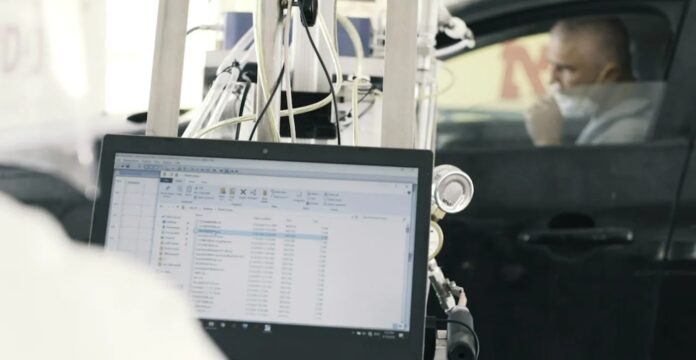
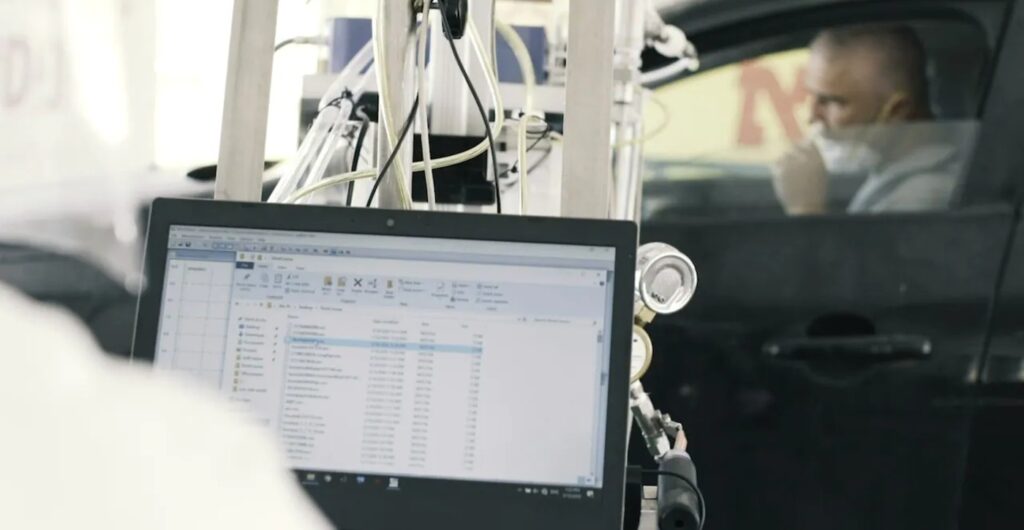
The instrument, called Pen3, has been trained to identify VOCs (volatile organic compounds) in the inner nasal passage, rather than in the breath.

Experiments on 503 people—27 of whom were later deemed to have COVID-19—found it was up to 94 percent accurate.

They were recruited at a drive-thru testing station Tel Aviv, organized by Israel’s Red Cross.

Sobel, of the Weizmann Institute of Science in Rehovot, Israel, explained: “Every disease has an odor because they change metabolic processes. Metabolites have a smell.”

Pen3, which is designed to be 3D printed, has a gas unit and an array of sensors. A sampling valve connected to software fits snuggly into the nostril.

An electric lift on a wheelchair raised it to the level of each volunteers’ window. They did not even have to get out of the car.

MORE: Japanese Doctors Perform World’s First Living Donor Lung Transplant on COVID-19 Patient

Sobel further explained: “When a compound interacts with the sensors, this results in an oxygen exchange that leads to a change in electrical conductivity.”

Dogs can also use their noses to pick up Covid’s scent, but the scale of the crisis makes them an unrealistic tool, he said.

Those who took part in the initial tests were handed the sampling valve and instructed to hold it against a nostril opening for 80 seconds.

They were told to breath normally, but only through their open mouth. They then drove 30 feet to undergo the official PCR COVID-19 test.

“It was a shot in the dark,” said Sobel, “but the payback will be so huge… We get an answer in 80 seconds. We are obtaining meaningful data. We are actually measuring differences between people. We are gaining information that may open a path to rapid diagnosis.”

RELATED: People Are Optimistic the End of the Pandemic is Near—And They’ve Laid the Groundwork For a Better Future

The peer-reviewed study in PLOS ONE shows there is a specific COVID-19 “body odor” that is detectable with Pen3.

“Given our current results,” said Sobel, “an optimized ‘eNose’ may be able to provide effective real-time diagnoses in locations such as airports, the work-place, and cultural events,” helping speed up both social and economic recovery. That’s hopeful news indeed.

SHARE the Positivity—Send This Story to Friends…

Endangered Humpback Whales Gain New Protections in Pacific Ocean From the U.S

Photo by Christopher Michel, CC license

The U.S. administration has announced it will be officially protecting 116,098 square nautical miles of the Pacific Ocean as critical habitat for three populations of endangered humpback whales.

The final rule could begin to help protect migrating whales from ship strikes, entanglement in fishing gear, and oil spills.

The action was prompted by a 2018 legal victory by the Center for Biological Diversity, Wishtoyo Foundation, and Turtle Island Restoration Network—which sued over the federal failure to designate critical habitat as required by the Endangered Species Act.

“Pacific humpbacks finally got the habitat protections they’ve needed for so long. Now we need to better protect humpbacks from ship strikes and entanglement in fishing gear, their leading causes of death,” said Catherine Kilduff, an attorney with the Center in a statement. “To recover West Coast populations of these playful, majestic whales, we need mandatory ship speed limits and conversion of California’s deadly trap fisheries to ropeless gear.”

The Center for Biological Diversity also sued the federal government in January for failing to protect endangered whales from speeding ships using California ports. The organization is also co-sponsoring the California Whale Entanglement Prevention Act (Assembly Bill 534), which would require the state’s commercial Dungeness crab and other trap fisheries to convert to ropeless gear (also known as “on-demand” or “pop-up buoy” gear) by the end of 2025.

One population of endangered humpback whales that feeds off California’s coast contains fewer than 800 individuals, leaving them vulnerable to threats from humans.

This rule is a win, as it designates a total of 224,030 square nautical miles for the two endangered and one threatened populations, but overlapping habitat means 116,098 square nautical miles will be protected.

MORE: Size Doesn’t Matter to a Dolphin Mom As She Adopts a Whale Calf

Specifically, the rule designates 48,521 square nautical miles of critical habitat off the coast of California, Oregon, and Washington for the humpback population that winters in Central America.

The Mexico population got 116,098 square nautical miles in the North Pacific Ocean, including Bering Sea and Gulf of Alaska—regions that also made up the 59,411 square nautical miles listed for the Western North Pacific humpback population.

“Today is a good day for humpback whales and the ocean all living things depend on,” said Todd Steiner, executive director of Turtle Island Restoration Network. “Designating 116,000 square miles of critical habitat in the ocean is something to celebrate, but whales, turtles, and dolphins still need additional protection from industrial fishing and ship strikes to recover and thrive, so we won’t be resting on our laurels.”

RELATED: Believed to Be Solitary, Male Sperm Whales Actually Hang With the Boys – In Friendships That Can Last Years

Critical habitat protection will help safeguard ocean areas essential for migrating and feeding. The designation will ensure that federally permitted activities do not destroy or harm important whale habitat. Evidence shows that endangered or threatened species that have protected critical habitat are twice as likely to be recovering as those without it—and that’s good news indeed.

HELP Your Friends Out of Their Bad News Hump—Share This Positive Story…

Eating This Vegetable May Prevent a Hangover, Study Suggests

Celebrating with alcohol may leave many suffering with the dreaded hangover. But according to a study published in the Journal of Food Science, the amino acids and minerals found in the extract of a specific vegetable may alleviate alcohol hangover and protect liver cells against toxins.

Researchers at the Institute of Medical Science and Jeju National University in South Korea analyzed the components of young asparagus shoots and leaves to compare their biochemical effects on human and rat liver cells. “The amino acid and mineral contents were found to be much higher in the leaves than the shoots,” says lead researcher B.Y. Kim.

Aphiwat Chuangchoem

Chronic alcohol use causes oxidative stress on the liver as well as unpleasant physical effects associated with a hangover. “Cellular toxicities were significantly alleviated in response to treatment with the extracts of asparagus leaves and shoots,” says Kim. “These results provide evidence of how the biological functions of asparagus can help alleviate alcohol hangover and protect liver cells.”

MORE:  These are the 3 Most Promising Longevity Supplements From Scientific Research So Far

According to HowStuffWorks, in an informal trial the scientists also found that volunteers who imbibed a drink containing the extract reported fewer hangover symptoms.

Asparagus officinalis is a common vegetable that is widely consumed worldwide and has long been used as an herbal medicine due to its anticancer effects. It also has antifungal, anti-inflammatory, and diuretic properties.

RELATED: Drink Made From Fruit and Plant Extracts May Be the Scientifically-Backed Hangover Cure We’ve Been Waiting For

So while a trial utilizing asparagus extract on human cells isn’t the same as you taking it upon yourself to eat a steamed plate of the greens before a night out, it can’t hurt to try?

Source: Institute of Food Technologists (IFT)

SHARE This Helpful Tip With Friends Who’ll Thank You For It…

Watch Quick-Thinking Kayakers Save Pair of Rare Eagles Drowning in the Danube River

BBC

While paddling the iconic Danube River, what this Hungarian couple wasn’t expecting to find was two rare white-tailed eagles, stuck together and at risk of drowning.

Likely the eagles were clasped in this way after fighting. Klaudia Kis and Richard Varga knew they had to take action.

They helped the pair out humanely, using a rope, before continuing their journey from the Black Sea near Romania to Germany’s Black Forest.

CHECK OUT: Shepherd is Hailed As Hero, Braving Freezing Temperatures to Save 6 Runners in Chinese Ultramarathon

Their upstream trip will take them three months all in all.

According to the BBC, that’s also how long they knew each other for before setting off on their Danube Upstream eco-awareness project.

(WATCH the BBC video about this story below.)

Share This Unique Rescue Story With Pals…

Puppies Are Born Ready to Communicate With And Understand Humans

Miro Schnichenko
Miro Schnichenko

In a bit a dreamland research, animal behaviorists at the University of Arizona got to study how 375 golden and Labrador retriever puppies performed at human communication tests.

The study was done to examine whether human-canine communication, specifically pointing gestures, was an onboard biological ability, a learned trait through exposure to humans, and whether the skill was passed through genetic heritage.

Ever since the metaphorical first wolf came within the light of the campfire, humans have been selectively breeding canines as companions. The pointing to a piece of food, a shot duck, a thrown stick, or a means of passing an obstacle is a method of human/canine communication that works well, but is extremely rare in the animal kingdom.

Even chimpanzees, one of our closest relatives, can’t understand pointing gestures. In contrast, this study showed that 8-week-old puppies could reliably follow pointing gestures as good as adult dogs.

Furthermore, their skill at following a human finger to a hidden treat did not improve over time, but stayed consistent at about a 67% success rate. This suggested to the authors that the puppies were born with the ability and didn’t have to learn it.

Puppy see puppy do

Service dogs have to be animal geniuses in order to help people with disabilities or blindness get around a complex environment like a city, while those raised to help trauma survivors have to have an extreme ability for empathy.

MORE: Prancer the ‘Demonic Chihuahua’ Who Went Viral Finds Dream Forever Home

Discovering where these skills come from, can they be inherited, and whether they vary breed to breed and individual to individual is a key step towards being able to breed and raise the most effective service dogs.

The researchers teamed up with Canine Companions for Independence, a service dog breeding center that keeps records of genetic history of the animals going back decades.

At eight weeks old, the nearly 400 puppies, all with genetic breeding histories, spend all day with their siblings and mother—making them perfect for the study aims, Evan MacLean told Smithsonian Magazine

“They’re adorable and it’s fun to work with them,” says MacLean. “But they’re puppies, they have short attention spans and they pee and poop on everything. At the start of this project, it was like, ‘Puppies!’ And by the end it was, ‘Puppies.’”

In contrast to the immediate success of pointing to a hidden treat under upturned cups, researchers also subjected the puppies to a 30-second script of praise in a high-pitched voice to see how long the puppies could keep their attention on the speaker’s face.

RELATED: Deaf Sheepdog Returns to Herding Her Flock After Learning ‘Sign Language’

They averaged only 6 seconds, which was less than adult dogs, suggesting that while pointing is instinctive, facial contact is learned. Furthermore, when presented with difficult, or unsolvable tasks, such as getting to kibble in a locked container, the puppies might not look even for one second at the human’s face for help, which is behavior well-documented in adult dogs.

Comparing each puppy’s success in the four trials with those of generations past (thanks to those records at Canine Companions for Independence) found that the heritability of success at following human instructions was 40%—huge—according to geneticists speaking with Smithsonian on the topic.

CHECK OUT: Six Puppies Are All Determined to Fit Into One Small Bucket – And They Succeed (WATCH)

About half of the dogs that enter the service program don’t become service animals, and this discovery, as well as a follow-up piece of research planned by MacLean and colleagues, could lead to much better programs, saving time and resources, and getting more of the most empathetic dogs into service programs to help people.

(WATCH the puppies playing for science in the video below.)

PAW This Fascinating Research Over to Pals on Social Media…

“The past is a place of reference, not a place of residence; the past is a place of learning, not a place of living.” – Roy T. Bennett

Quote of the Day: “The past is a place of reference, not a place of residence; the past is a place of learning, not a place of living.” – Roy T. Bennett, The Light in the Heart

Photo: by Timothy Eberly

With a new inspirational quote every day, atop the perfect photo—collected and archived on our Quote of the Day page—why not bookmark GNN.org for a daily uplift?


Siri and Alexa Don’t Support African Languages But This Nonprofit Swooped in to Offer 60 New Voices – Including Welsh

Mozilla
Mozilla

Not Apple’s Siri, Google Home, Amazon’s Alexa, or any other speech platform can hear or respond to a single African language, but as speech interaction gradually takes over basic functions from typing to touch, the non-profit Mozilla—which created the free web browser Firefox—is working to bring voice-integrated technology to the continent.

Mozilla’s Common Voice platform, which receives support from the German and UK governments, as well as the Bill and Melinda Gates Foundation, is an open-source initiative that’s already creating voice datasets for Kiswahili—a language spoken in Rwanda, Burundi, Kenya, Ugana, Tanzania, and South Sudan.

As Remy Muhire details for the Mozilla Foundation, most voice datasets used in voice-activated software are siloed, meaning they are contained within a very small number of companies, stifling innovation.

Common Voice wasn’t started exclusively to serve Africa, it merely wanted to create an open-source platform to enable voice-activation tech in any of the 7,100 “living” languages currently spoken. To date they’ve recorded more than 9,000 hours of audio from 160,000 different speakers of 60 different languages, including Welsh, which should help people looking for directions to “Llanfairpwllgwyngyllgogerychwyrndrobwllllantysiliogogogoch.”

The Common Voice platform is incredibly simple, and as soon as you arrive on its homepage your voice is welcomed with open arms into the datasets if you only want to take a moment to record it.

The spirit of togetherness

The language of Kinyarwanda is spoken by about 12 million people in Rwanda. Last year, Common Voice hosted a hackathon in Kigali to create a starting dataset for Kinyarwanda. It’s now the fastest growing language on Common Voice, with over 1,700 hours of submission.

MORE: $14 Billion Raised For Great Green Wall to Continue Planting Trees Across Africa, Keeping Sahara From Destroying Villages

The response to the hackathon gave rise to an AI solutions startup called Digital Umuganda—which takes the name from Kinyarwanda word for a kind of cooperation and community.

The final Saturday of every month sees people take to the streets to pitch in on community projects like building or repairing roads—this is Umuganda, and the startup wants to take it to the digital space to create digital infrastructure.

They’ve created an AI-powered ChatBot named Mbaza that uses the Common Voice Kinyarwanda dataset to enable citizens to access information adn guidance while using the local language.

Mbaza provides text-to-speech and speech-to-text functionality, removing the barriers of illiteracy from citizens accessing important information, such as getting in contact with local governments.

Just recently, Mozilla received a $3.4 million grant to expand the Common Voice platform across Africa, and Chenai Chair, Special Advisor on Africa explained that Kiswahili is just the beginning.

“The next steps are… building up the community engagements, and the community supports because Common Voice is about people donating their voice and we want to do it right,” Chair tells GNN. “We don’t want to do it in a way that we end up with the same issues that other technology platforms have.”

RELATED:  Nigerian Entrepreneur Invents Giant Solar-Powered Refrigerators That Cut Spoilage to Help Farmers Earn 25% More

“We are initially starting off with the East African community… then we want to strategically build up those other communities of other African languages so they can make use of the Common Voice or the Common Voice toolset.”

Chair explains that traditional illiteracy is a problem in the agriculture sector, and is also highlighted within the female half of African populations. Potential Common Voice applications—such as interacting with the increasingly digital functions of government, or within the financial sector such as online banking—will be made much easier.

No language left behind

Language contains far more than a few unique words or concepts: it acts as the decoding tool for speakers to know their history; all their stories, fables, and culture.

UNESCO, for example, is promoting voice technology to document Indigenous knowledge, save Indigenous languages, and increase access to information.

Like the large voice datasets of Microsoft, Google, and Apple, Wikipedia contains a version of the historical, spiritual, cultural, and indeed linguistic record of the African continent, and here also, community-driven initiatives are working to bridge the divide in access to information—particularly in African languages.

The WikiAfrica Education Program, created by the Moleskine Foundation, is an effort to foster creativity and an interest in culture in African school curriculums by teaching students how to prepare, submit, and edit articles on Wikipedia—especially in their own languages.

READ: We’ve Made Massive Progress Educating Girls Around the World in the Last 25 Years, Says Report

Adama Sanneh, Founder of the Foundation, has helped organize or been a part of community-driven events that have seen tens of thousands of entries on Wikipedia in different African languages. This proved particularly helpful, he told GNN, during the pandemic’s early days.

Adama Sanneh (far left)

“When we started the situation was very grim, there was only one article in Luba, or something like that,” said Sanneh in March. “We launched a campaign to ask people to translate… ten articles around COVID-19 that would allow the sparking of creative solutions.”

“In a couple of months we passed from one to more than 300 articles in more than 20 different African languages. That gave access to more than 300 million people when we look at the composition of the languages,” he said.

FOR the Love of Language—Share This Story on Social Media…

‘Let’s Do It:’ Alzheimer’s Patient Asks Wife to Marry Him After Falling in Love for a Second Time

NBC New York/YouTube screenshot

Love is wonderful the second time around, but it can be all the more special if you don’t remember the first time. For Peter Marshall, who suffers from early-onset Alzheimer’s, forgetting his past has meant a bittersweet chance to fall in love with his wife Lisa and ask her to marry him all over again.

Peter and Lisa have been married for 12 years. At 56, his illness has progressed rapidly, but no matter what turn his condition takes, Lisa remains steadfastly by his side because even if he can’t remember her name, he knows that he loves her and that she loves him.

“He doesn’t know that I’m his wife. I’m just his favorite person,” Lisa told NBC News 4 New York’s Ida Siegal. “I don’t need to have a label. I don’t need a name because our hearts are connected.”

Last winter, as the Connecticut couple sat on the couch watching a televised wedding, Peter had an inspiration. Not realizing they were already married, he proposed—and a surprised Lisa happily accepted.

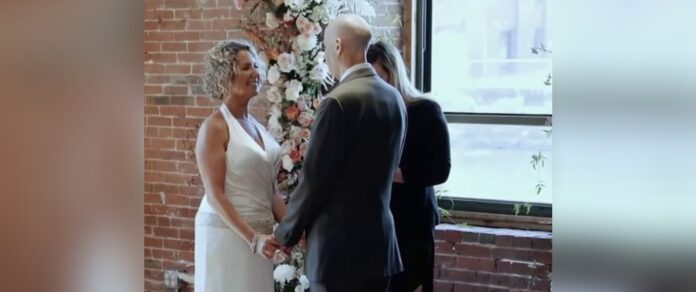
And so a date was set. Vendors who knew Lisa’s event planner daughter donated their services to make the day perfect. Throughout the touching ceremony Peter beamed at his bride, while sometimes through tears, Lisa smiled back as she made her vows.

MORE: Childhood Sweethearts Marry In Real-Life Version of The Notebook – Reunited After 22 Years

“It was so perfect. I couldn’t have dreamt for a better day. It was so magical,” Lisa told NBC. “I can’t remember seeing him so happy for so long… I’m the luckiest girl in the world. I [got] to do it twice.”

RELATED: Muddy Bride Sacrifices Dress to Deliver Calf During Wedding Reception

Though the ceremony took place only a few months ago, Peter has no recollection of the event, but what he’s not forgotten is the woman who’s never going to leave him; the women he loves who loves him back—and when hearts are truly connected, sometimes remembering love can be more than enough.

(WATCH the NBC video about this story below.)

SAY ‘I DO’ to Good News—Share This Story on Social Media…

95-Year-old Widowers Who Found Love in The Time of COVID Get Married

With social distancing and limited face-to-face interaction, dating in the time of coronavirus has proved a challenge for everyone, but when Cupid’s dart struck one spirited pair of nonagenarians, they refused to say no to love.

When John Shults, a widower twice over, met Joy Morrow-Nulton who’d also lost two previous spouses, he knew he was smitten—and the feeling was mutual. Unfortunately, it seemed as if the pandemic was conspiring to keep the would-be lovers apart.

While it took some doing, the upstate New York couple continued to pursue their mutual attraction despite COVID-19’s shelter-in-place protocols. “She was worth it. It was a pain in the neck, though,” John quipped to CBS’s Steve Hartman during a segment of On the Road.

Eventually, after receiving their vaccinations, and with restrictions lifting, the pair was finally able to get back to the business of courtship. The more time they spent together, the stronger their bond grew until John, being an old-fashioned gentleman, finally proposed.

MORE: See Couple Adorably Recreate Their Wedding Album 50 Years Later, at the Same Church in the Same Dress

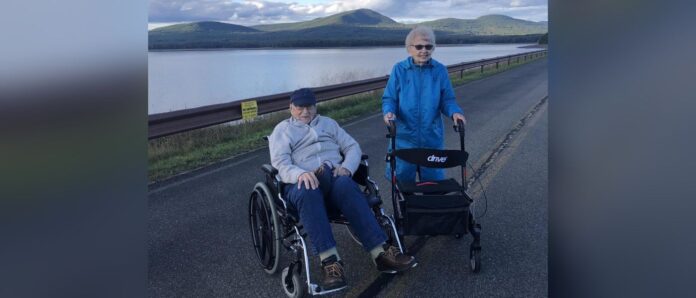
Joy accepted. When the couple wed in a recent ceremony, both the bride and groom were 95.

In traditional romance sagas, the hunky hero and the spunky heroine must face a gauntlet of obstacles before finally arriving at their happy ending. For John and Joy, it didn’t take being young or hunky to find true love, but being spunky sure paid off.

RELATED: Flood Waters Couldn’t Stop This Australian Miracle Wedding From Happening

When asked what was the key to his dad and new stepmom’s successful romance, Shults’ son Pete had a ready answer: “Perseverance,” he told Hartman. “They’d call every day. They’d find a way to get together. They did whatever it took.”

Proving that if you have the courage to follow your heart, you’re never too old to say, “I do!”

SPREAD THE LOVE—Share This Story on Social Media…

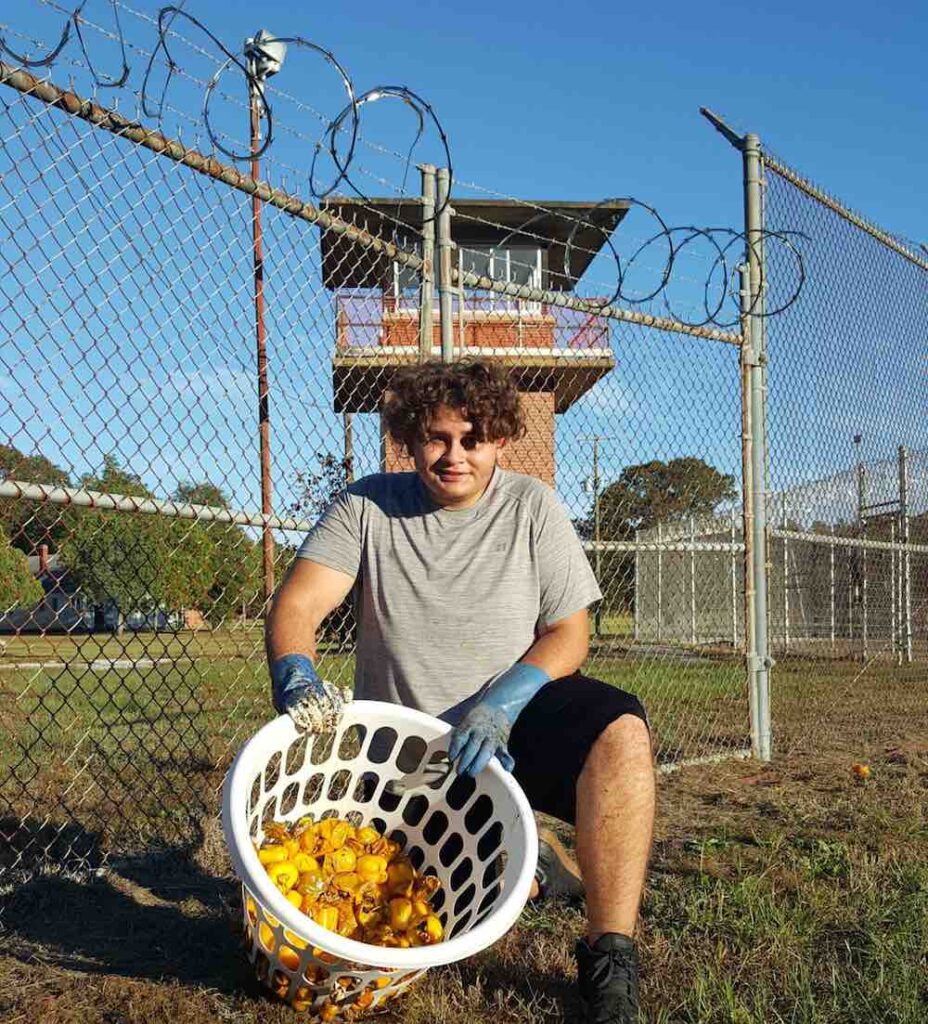
As Incarceration Rate Falls, U.S. Prisons Are Being Repurposed into Homeless Shelters, Farms – Even Movie Studios

GrowingChange.org / FB

U.S. prison populations are declining. This is not only attributable to the easing of drug laws across the country, but also in rising standards of living in previously poorer states.

The gradual shuttering of prisons in the U.S. has also led to a creativity boom in the form of redesigning old correctional facilities for other purposes.

Associated Press reports that the inmate population in Connecticut has fallen by about half from its peak of 20,000 in 2008, and that while one former prison now locks up only important documents for banks and law firms, others remain empty but unused.

Here are a few more of new uses for America’s jails.

GRACE Marketplace

Gainesville and Alachua County has a new homeless shelter, found within the converted Gainesville Correctional Institute. Shuttered due to budget cuts, locals found the building ideal for converting into a homeless shelter, and got straight to work planting trees and painting the walls bright colors.

Existing infrastructure like an industrial size kitchen and plumbing were already there, saving the organization money. Since 2009, GRACE Marketplace has served three quarters of a million meals, seen 1,500 residents rehoused, and serviced more than 15,000 homeless in the area while reducing chronic homelessness by 38%.

While offering medical care, financial, mental health, and domestic abuse services, they also have a garden, computer lab, and host cooking classes and even yoga.

CHECK OUT: Former Prisoners Turn Waste Into Beautiful Furniture, Re-Building Their Lives At the Same Time

“We’re the only homeless shelter in the universe that improved the property values when we moved in,” Jon DeCarmine, the executive director of GRACE told AP. “There were adaptations that were required to make it something that worked. But, overall the benefits for the community and people we serve have far outweighed any hassles of moving into a facility that had been used in a different way previously.”

Farming prisons

GrowingChange.org / Facebook

In 2020, GNN reported on the “flipping” of North Carolina correctional facilities in an area where at-risk youth and veterans were driving up crime rates to worrying levels.

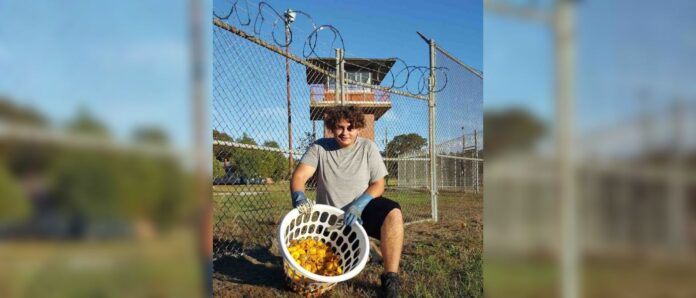
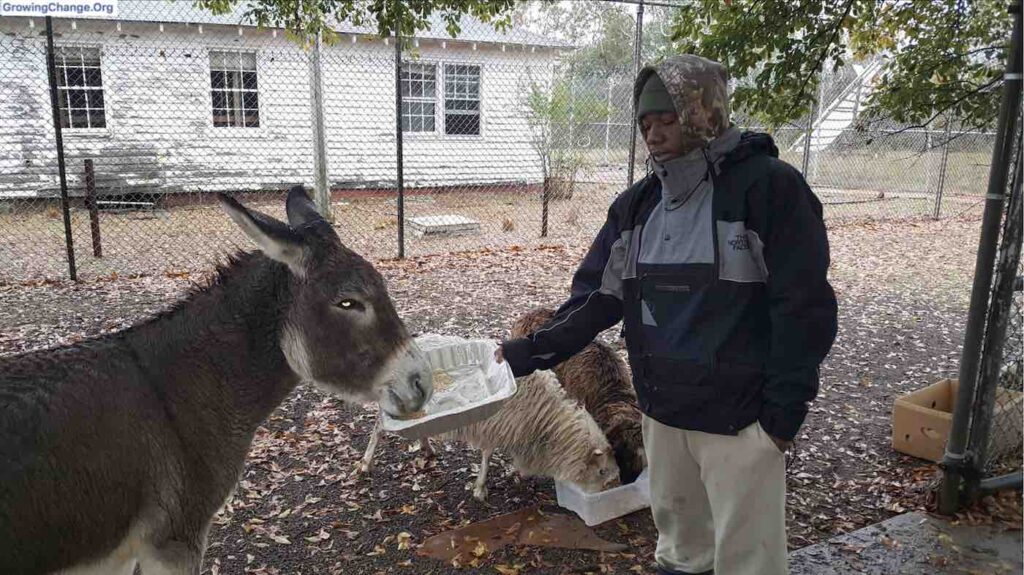
In converting old prisons to year-round-farming and education centers, Growing Change solves several problems at once. The program synergistically brings together young men on the edge of the criminal justice system and jobless wounded veterans returning from deployment.

Recruiting the discipline and leadership skills of the latter to teach and guide the former, Growing Change creates an environment whereby at-risk youth who need to fulfill long hours of community service can learn life skills, sustainable farming practices, and animal husbandry, with an opportunity to receive clinical therapy in an environment much more suited to young men.

Meanwhile, the veterans work toward university degrees in environmental sciences and sustainable agriculture. Together, these individuals young and old who may have been on the fringes of society work to rehabilitate abandoned brownfields (land that might be contaminated and must be cleaned before future use), and to keeo the prison property decaying into dysfunction.

MORE: Instead of Responding With Cops, Denver Sends Health Care Teams to Non-Criminal Calls — and It’s Already Saving Lives

The myriad societal benefits are augmented by the fact that the counties Growing Change operates in grow almost none of their own produce. The flipping of prisons into organic farms also increases the access to nutrient dense fruits and vegetables.

Orange is the new black

One prison, a former correctional facility on Staten Island, has actually been turned into a full-service movie studio by Broadway Stages. The 69-acre waterfront campus has already seen action in Hollywood, and was used in the filming of the Netflix series Orange is the New Black, and the heist movie Ocean’s Eight.

The authentic prison set includes everything a director or screen writer could want; a gymnasium, visitor center, admission buildings, infirmary, kitchen, recreation yard, guard towers, and all of the housing blocks.

The facility now has 40 permanent employees, and every production arrives with hundreds of people.

“And to the extent that they can, they [the production] like to use local restaurants for food, local businesses for craft services—anything that they need,” said Samara Schaum, a spokeswoman for Broadway Stages. “That’s part of the identity of Broadway Stages. I know that it has had a positive impact on local businesses there.”

LOOK: When a Student Couldn’t Pay Tuition Fees, Prison Inmates Rallied to Raise $32k to Help

Just as an inmate one day has to prepare for life beyond the walls of a penitentiary, the United States is gradually getting used to life beyond the days when the simplest answer to any criminal problem was throw someone in prison.

The number of people incarcerated in U.S. prisons and local jails dropped from around 2.1 million in 2019 to 1.8 million by mid-2020—a drop of 300,000, or a 14% decrease.

Since 2011, 22 states have closed correctional facilities, amounting to 94 fewer state prisons and juvenile detention centers, and bags of creativity are needed to ensure these places are reclaimed by the community.

BREAK Your Friends Out of the Cycle of Bad News—Share the Hope, and This Story…

New Shipping Material Made From Popcorn Can Replace Styrofoam ‘Peanuts’

University of Göttingen

In a stroke of scientific genius, a German researcher enjoying a box of popcorn in a dark movie theater realized that the overpriced, butter-soaked concession had the exact same size and consistency as Styrofoam packing peanuts.

University of Göttingen

Considering Styrofoam is made from polystyrene, which requires fossil fuel extraction and takes centuries to break down into yet smaller bits of harmful micro-plastic, Alireza Kharazipour thought it was worth experimenting with puffed corn kernels as a replacement for them.

Annually, in the U.S. alone, around 3 million tons of polystyrene is produced, which is a lot considering it’s 95% air. It’s a popular choice because it has enabled packaging to take on very precise forms and provides excellent packing safety for fragile electronics on the move, for instance—while costing pennies to manufacture.

One of its worst qualities is that most recycling facilities don’t have the capability to process it.

“Our popcorn packaging is a great sustainable alternative to polystyrene which is derived from petroleum,” said Stefan Schult, Managing Director of Nordgetreide.

“The products are very light because popcorn granules are filled with air like honeycombs,” Kharazipour tells Fast Company. “When grain maize expands into popcorn, the volume increases by 15% to 20%.”

University of Göttingen

Taking corn waste products produced from making corn flakes, then filling them with steam creates what Kharazipour and his team at Gottingen University call “granulated popcorn.”

MORE: 150 Brands Unite to Clean Up Our Paper Supply – Saving Global Forests and Improving Recycling

The popcorn packing can be made from any type of corn, and is completely biodegradable.

Large pieces can be compressed into shapes to hold different products, and can be easily sawed into pieces, either for cutting into precise shapes, or for shredding at the end of its life.

The brilliance of Kharazipour’s idea has landed him an exclusive licensing agreement with a medium-sized grain and cereal company in Europe called Nordgetreide for manufacturing various popcorn packing products.

RELATED: World’s Largest Wind Turbine Manufacturer Says All Its Blades Will Soon be Fully Recycled

SHARE the Good Green News With Friends on Social Media…
“Be like the bluebird who never is blue. For he knows from his upbringing what singing can do.” – Cole Porter (born 130 years ago)

Joshua J. Cotten

Quote of the Day: “Be like the bluebird who never is blue. For he knows from his upbringing what singing can do.” – Cole Porter, Anything Goes (born 130 years ago today) LEARN more

Photo: by Joshua J. Cotten

With a new inspirational quote every day, atop the perfect photo—collected and archived on our Quote of the Day page—why not bookmark GNN.org for a daily uplift?