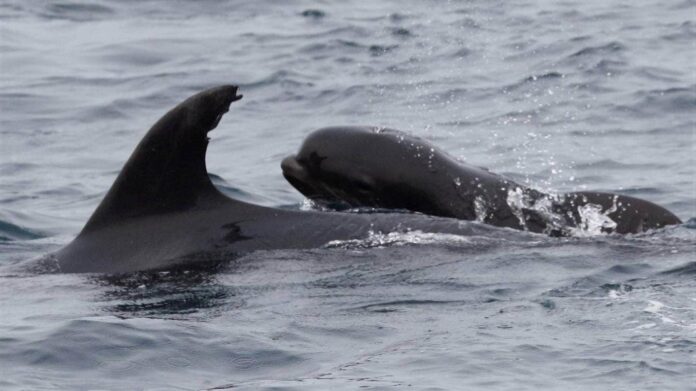
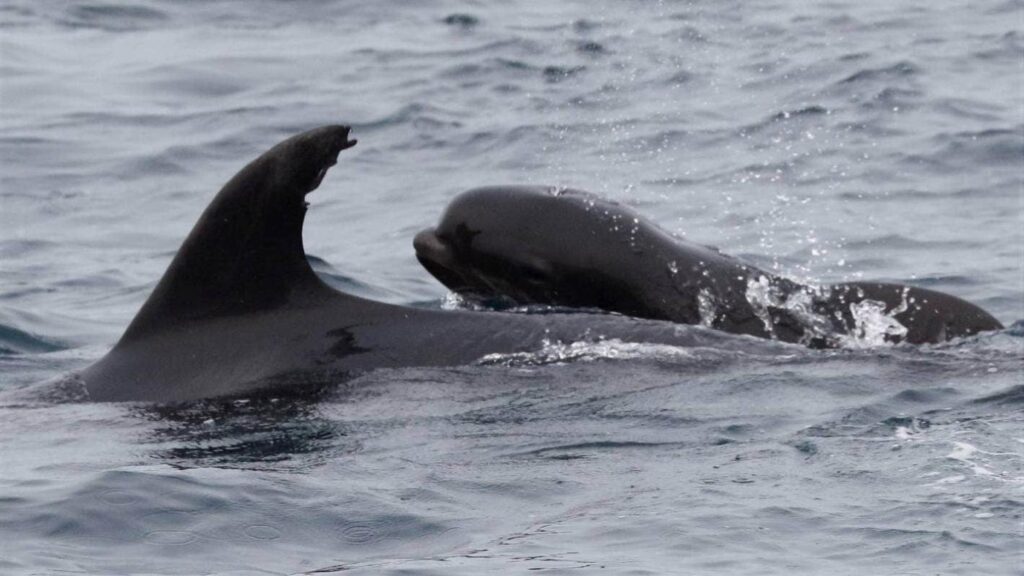
Off the coast of New Zealand, a group of marine biologists has discovered a mother bottlenose dolphin that had adopted a baby pilot whale.
The Kiwi-based Far Out Ocean Research Collective discovered the mammals sailing in the Bay of Islands in Northern New Zealand, and has now documented the pair on two separate occasions five weeks apart.
While it’s not unheard of that dolphins adopt other species’ babies, it’s very rare to record the phenomenon with such a significant difference in species size. Bottlenose dolphins can reach 300 kilograms, which is no small fry—except that pilot whales can grow to two tons and reach six meters in length.
“She might have lost her own calf,” researcher Jochen Zaeschmar told local reporters of the dolphin’s behavior.
The Independent reported in 2019 that researchers in French Polynesia found a bottlenose dolphin that had adopted a melon-headed whale calf, and that the pair stayed together for three years.
Scientists don’t know why exactly this happens, and hypotheses exist that it’s misplaced mothering instinct—perhaps accentuated if a dolphin mother has lost her calf and finds a calf who has lost its mother. However the researchers in French Polynesia, pondering in their published paper on the finding, suggested it could be part of the mother’s “personality,” which is an endearing thought.
Regardless of what brings them together, these cases of adoption only last as long as the weening stage, as whales and dolphins hunting patterns are so different—and at that point the adopted whale makes it off into the world alone.
SWIM This Adoption Story Over to Friends on Social Media…
A group of campaigners and artists have joined together to throw a significant spanner in the works of a venture capital firm’s takeover of a historic London foundry.
Plans to turn the site into a boutique hotel with office space for “creatives” and a café and restaurant has earned the ire of artists, former foundry craftsmen, community organizers, and heritage building conservationists.
No Swan No Fine, CC license
Before the pilgrims landed at Plymouth Rock, bells were being forged in Whitechapel.
Opened in 1570, the Whitechapel Bell Foundry in the East End of London, cast bells for 450 years, many of which still ring today—atop Big Ben, and another one with a famous crack in it sitting in a museum in Philadelphia.
Behind Georgian brick walls amid factories and wharfs, workers at Whitechapel poured molten bronze into molds of London clay, and tuned the bells by shaving metal off of the inside before shipping them across the English-speaking world, of which 900 in Canada, 500 in Australia, and 600 in the U.S. still ring out every day.
The details of the financial struggles of four generations of Whitechapel Foundry owners, the pain they endured as demand for bells evaporated after the World War II, the debts that piled up while a gentrified London encroached ever further into the East End, as well as everything one could ever wish to learn about bells, are captured brilliantly by Hettie O’Brien in the Guardian’s Long Read section.
State Library of New South Wales
O’Brien details how a Whitechapel foundry worker—a bell crafter named Nigel Taylor, took her around the neighborhood of Whitechapel while explaining that London used to be split into districts that were determined by the range of audible sound coming from the bells of a particular church. This is the source of the fable that every true Cockney Londoner was raised to the sound of “Bow bells,” referring to St. Mary-le-Bow Church in Cheapside.
Taylor is part of the coalition to save this piece of London heritage from conversion into a boutique hotel, organized by a special group of campaigners that not only want to see the building preserved in its current, dingy, and wonderful state, but the activities inside of it remain as well.
A plan in motion
Re-form Heritage, a UK charity that organized the public effort to block the hotel development plans in the foundry, specializes in supporting communities through the restoration and rejuvenation of heritage buildings at risk of decay or demolition.
The details are long and involve many different characters, but here’s a summary:
The fourth-generation foundry owner closes sale of the foundry in private to a man named Goldstein.
Goldstein sells it to Raycliff Capital who plan to convert it into a boutique hotel and workspace/restaurant.
Stephan Clarke, conservationist, accountant, and chairman of Re-Form understands the Foundry is closing and makes an offer.
Upon learning that the foundry has already been sold for re-development, Clarke develops a new, heritage-based plan, involving bespoke use of the foundry’s infrastructure for artistic projects along with two former employees, to be funded by a potential grant from the National Lottery Fund, and private contributions.
A proposal is formed, gathering 10,000 signatures, including several celebrities, and sent to the Secretary of State for Housing, Communities and Local Government, Robert Jenrick.
Upon hearing there was organized resistance to their development plans, Raycliff included a promise to create a miniature bell foundry, where visitors can see how bells would have been cast in Whitechapel’s previous incarnation.
On December of 2018, Raycliff submitted their plans to the Tower Hamlet councilors. A year later in a deeply divided chamber, before protestors and knife-cutting tension, the vote for approval was split 3 to 3, with the Council Chairman holding the tiebreaker vote, which he cast in favor of Raycliff.
Re-form and re-birth
Mramoeba, CC license
However the story didn’t end there, as after campaigners sent a letter to Jenrick, asking him to suspend the ruling, he did just that, until “public inquiry could take place,” according to O’Brien.
Today I called in the planning application for the Whitechapel Bell Foundry.
This erupted into a war of words. Clarke was particularly annoyed that Raycliff and the foundry’s previous owner had sold without putting it up for public auction. This is due to British legal requirements for developing old buildings.
If, the law states, development will substantially alter or damage a building with a designated historical value, the project cannot go through unless one of two stipulations is satisfied: either the development must create significant public benefits, or the site is too far gone to be useable, and no charity or grant funding is available.
The final decision about whether the 450-year old Whitechapel Bell Foundry will continue to cast bells will be made by Secretary Jenrick, and if the he rules in Raycliff’s favor, Clarke told the Guardian that Re-Form and artistic partner Factum will be launching a new bell foundry in London to implement the same plan they had for Whitechapel.
For this they’ve already trademarked “the London Bell Foundry,” and will soon be casting a bell at a foundry in Gloucestershire in collaboration with English contemporary artist Grayson Perry.
For readers interested in following the decision, they’ll find it on the Right Honorable Robert Jenrick’s page on the UK government website, slated to be announced in the coming weeks.
RING The Bells of Community Action by Sharing This Story…
Quote of the Day: “Today, you have 100% of your life left.” – Coach Tom Landry
Photo: by Diego Jimenez
With a new inspirational quote every day, atop the perfect photo—collected and archived on our Quote of the Day page—why not bookmark GNN.org for a daily uplift?
A cat in Chicago has survived unharmed after jumping from the fifth-floor window of an apartment building that was on fire.
Staff from the Chicago Fire Department were taping the firefighters as they worked to fight the blaze when a black feline appeared through smoke billowing out of a broken window.
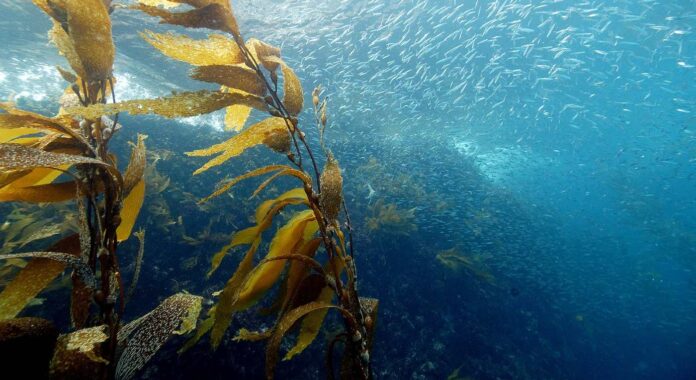
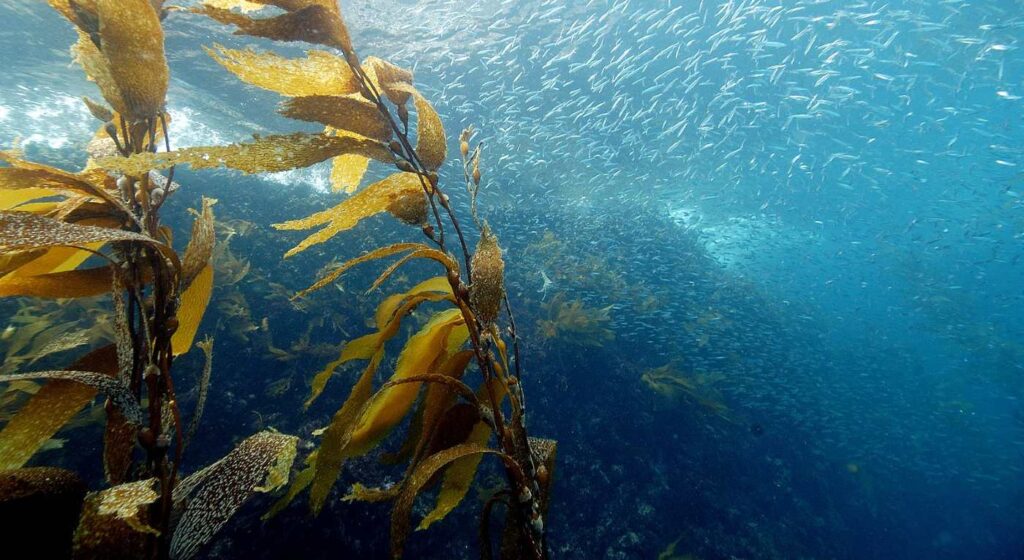
Australian scientists have been uncovering a near-unending list of ways kelp and other kinds of seaweed can help in the fight against climate change.
It’s the continued study and harvesting of seaweed species in Australia that has Dr. Pia Winberg convinced they can play as large a role in human civilization as commodities like wheat, lumber, plastic, concrete, or nitrogen.
In the same way that Australia has unique animals found nowhere else, their panoply of marine plant species is richer and more diverse than most places on Earth.
“If we used the infrastructure in the oceans and created seaweed islands, we would actually eliminate a lot of the climate change issues we have today,” she says, in an interview and documentary from the BBC’s Isabelle Gerretsen.
Her reasoning is based around seaweed’s rapid growth rate and ability to absorb carbon at much, much faster rates than terrestrial plants.
Coupled with seaweed’s rich nutrient profile and unique molecular structure, Winberg believes it should be farmed on the largest scale, and that it could balance emissions, deacidify the oceans, change the way we farm, and open up a Pandora’s box of new materials research that could include everything from biodegradable plastics to construction materials to artificial body parts.
Seaweed: a primer
45,000 years ago, Aboriginal Australians were making water carriers out of kelp leaves. Its rubbery and flexible, yet thick and resilient texture made it perfect for the task.
Nori, the seaweed eaten in Japanese cuisine, was the first-ever to be farmed when it was grown off the coast of Japan back in 1670.
All kelp is seaweed, but not all seaweed is kelp. In fact, much like a LEGO set, the three species of seaweed are “red, yellow, and brown”. Kelp is a brown seaweed.
In optimal conditions kelp can grow a staggering two feet per day, while not requiring nitrogen-rich fertilizer like terrestrial crops, or, obviously, de-weeding. Just like on land, kelp and other seaweeds use photosynthesis to grow biomass by absorbing CO2, only they do at an estimated rate 50 times greater even than forests.
During the devastating fires in the Amazon rainforest a few years ago, op-eds and other articles were awash with the phrase “Lungs of the Earth.” In reality it’s kelp that deserves such a title.
According to a research report from the Marine Climate Change Program at Conservation International, the current marine environment is where any modern, intelligent action against climate change should occur. 90% of the world’s carbon budget is held in the oceans, while between 30%-50% of all human-caused emissions have been absorbed by them.
Winberg and her research associates feel seaweed has a big part to play in this figure. How big? Well one study found that the total emissions from California’s agriculture sector could be absorbed if merely 3.8% of her coastal waters were turned over to kelp cultivation.
A model for the future
Winberg isn’t an armchair algae activist; her family farm at Shoalhaven, New South Wales, puts into practice what could be considered a model for future agriculture and industry.
Next door, a wheat refinery pumps its emissions into large vats of seawater where seaweed uses it through photosynthesis to grow. Nitrogen and other nutrients from the refinery fortify the green seaweed, allowing it to be turned into all kinds of different substrates for products like animal feed, cosmetics, and even ice cream.
“Even just a 10% replacement of seaweed in wheat production or meat production in food would have a major impact,” explains Winberg, who believes that offshore seaweed cultivation in Australia is one of the best ways to target widescale seaweed farming.
A 50-hectare mussel farm in Jarvis Bay is implementing this concept and growing seaweed alongside their mussel cultivation. The fishermen believe it improves the quality of the mussels, reasoning that the best shellfish always come from areas rich in marine plants.
Their tradesman’s instincts aren’t wrong, as a study found that the absorption of CO2 by kelp creates a buffer in their immediate vicinity, reducing the acidity levels of the ocean water around them, giving fish and shellfish better conditions to grow. When cultivated en masse, this deacidification could change the whole ocean ecosystem.
In 2020 GNN reported on the development of a dietary supplement that when given to cows eliminated 80% of the methane produced through their guts’ fermentation of feed, effectively eliminating the 2.8% of American emissions attributable to all livestock animals. That supplement was made from seaweed.
Given that methane stays in the atmosphere for only 12 years, it wouldn’t take too long for an entire nation’s livestock industry would be methane neutral.
Life began in the oceans, and rather than a magic space metal or nuclear fusion, the solution to many of the world’s biggest problems may require us to look back into our past, rather than into the future.
(WATCH the BBC Future video about this story below.)
GREEN UP Your Friends’ News Feeds—Share This Story With Them…
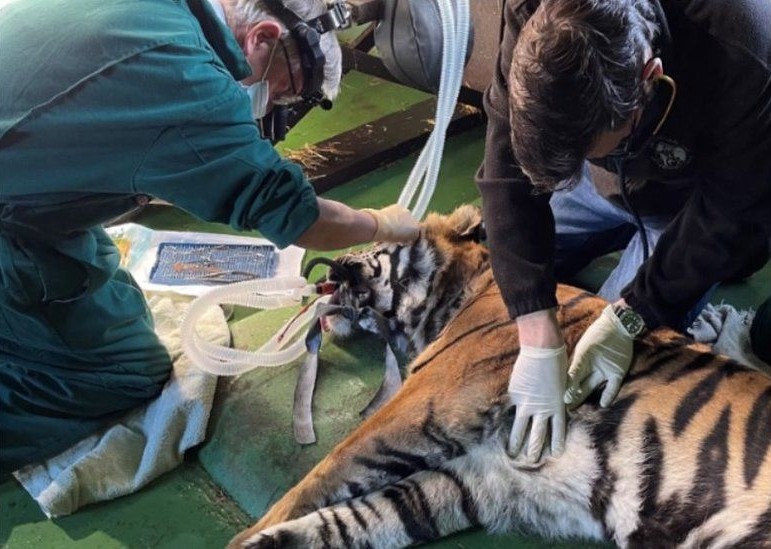
In a ‘world first’, a veterinarian performed surgery to heal an ulcerated cornea on the eye of a tiger.
Shepreth Wildlife Park
If one can withstand the insufferable puns, they might be pleased to note that 17-year-old Sumatran tiger Ratna at Shepreth Wildlife Park in England made a full recovery after the surgery that successfully restored her eyesight.
Having had a cataract removed from her left eye in 2017, Ratna developed another problem in her conjunctiva, the pink part of the eyeball. Staff noticed her eyeball deteriorating, eventually turning bright red as if containing a fractured blood vessel.
Surgeon Dr. David Williams, from the Queen’s Veterinary School Hospital at the University of Cambridge, performed an operation which is not uncommon in domestic cats and dogs, and was completed in much the same way—aside from needing “a lot more anesthesia.”
It is believed to be the first “hood graft” surgery done on a big cat.
Williams hypothesized that Ratna must have stuck her eye on a shard of bamboo in her enclosure.
After two months of careful post-surgery monitoring, including daily eye drops, he declared Ratna as fully recovered.
Shepreth Wildlife Park
Ratna, who moved to Shepreth with her daughter in 2019, was known to enjoy sitting on the top platform of her enclosure—but once her cornea became worse, her coordination went, and getting up and down became a struggle.
Describing her patience for human hands on her face as “fantastic,” Williams the vet told the BBC she is now “absolutely fine—you’d never know anything had been wrong.”
Dr. David Williams, Shepreth Wildlife Park
The only bad news from the ordeal is that none of the staff, nor Dr. Williams, managed to report to the BBC that Ratna was “watching us all with the eye of the tiger.”
RISE UP to The Challenge—Share This Good News Story With Pals…
Delaware State University officials are canceling up to $730,655 in student debt for recently graduated students who have faced financial hardship during the pandemic.
Antonio Boyle, Vice President for Strategic Enrollment Management, estimated that the average eligible student will qualify for about $3,276 in debt relief—or roughly a third of a year’s tuition. This will help more than 220 graduates, removing any delay in receiving diplomas.
“Too many graduates across the country will leave their schools burdened by debt, making it difficult for them to rent an apartment, cover moving costs, or otherwise prepare for their new careers or graduate school. While we know our efforts won’t help with all of their obligations, we all felt it was essential to do our part,” Mr. Boyle said in a statement.
The funds necessary to cancel these students’ debt became available through the federal government’s American Rescue Plan for COVID-19 relief.
University President Tony Allen explained the significance of debt relief action, saying, “Our students don’t just come here for a quality college experience. Most are trying to change the economic trajectory of their lives for themselves, their families, and their communities. Our responsibility is to do everything we can to put them on the path.”
Dr. Allen pointed out that such debt reduction is consistent with Delaware State University initiatives to keep student debt manageable. “We haven’t raised our tuition in over six years; we issue every incoming student an iPad or a MacBook; we are replacing traditional textbooks with less expensive digital editions, and our Early College High School saves the average family of nearly $50,000 in college expenses.”
Last year, the annual US News &. World Report assessment of America’s top colleges lists Delaware State University among the top 1% in Social Mobility, which is defined as “enrolling and graduating large proportions of disadvantaged students.”
Dr. Allen says he is also optimistic about Senate Bill 95, which would extend the University INSPIRE scholarship from half the tuition for four years to full tuition for eligible Delaware students. Earlier this month the legislation, sponsored by Senator Trey Paradee, passed the Senate unanimously, 21–0.
“Great universities have to go a step beyond ordinary,” said Dr. Devona Williams, the Chair of the University’s Board of Trustees. “This is that kind of moment for us.”
PASS on the Generosity—Share This Story With Friends…
You can put your money where your mouth is, or you can put your money where your heart is, and for one bank headquartered in upstate New York, that philosophy is paying huge dividends for its community.
Ulster Savings Bank (USB) has been a fixture in the Hudson Valley since 1851. To commemorate their 170th anniversary on April 12, the institution launched an initiative to celebrate with ‘170 Acts of Kindness’.
“As a mutual savings bank, we were created for the benefit of our customers and the community, we have no shareholders. That enables us to keep all profits local and reinvest into the community in a number of ways,” the bank’s CEO and President Bill Calderara explained on the company website.
“Celebrating our 170th anniversary with just as many random acts of kindness is our way of spreading kindness and supporting our community following a challenging year.”
Since the effort began, the community outreach team at Ulster Savings has donated toys and puzzles to a local homeless shelter, as well as stuffed animals to an area child abuse prevention facility.
They’ve also picked up the tab for everything from garbage collection, haircuts, pizza, groceries, restaurant meals, flowers, and coffee—to the fees for New York State auto inspections at local garages—all to ease the worries of local citizens who’ve been financially impacted by COVID-19.
“Especially in times of crisis, being responsive to [the] community’s critical needs is paramount,” a statement from the bank’s website explained.
Beginning in March 2020, USB “proactively dispersed $64,500 to immediately support local efforts in providing much-needed food and other essential services during the COVID-19 crisis.”
But the community-centric bank had a well-earned reputation for its philanthropy long before the pandemic. Twenty years ago, in honor of the bank’s 150th anniversary, Ulster Savings created its in-house charitable foundation, the Ulster Savings Charitable Foundation, to “assist the community in the areas of education, housing, and health/human services.”
“We were founded for our customers and for the benefit of the community at large. That’s part of our DNA,” Calderara said in an interview with WRNQ-92’s Annie in the Morning. “We take a good portion of our annual profits and give it back out to the community in donations.”
Last year in response to the pandemic, USB gave out close to $600,000 in grants. While the money is certainly a much-needed boost, Calderara says everyone who works for USB is committed to sharing time as well. “Our goal is that 100% of employees volunteer every year,” he told Annie. (That works out to roughly 10,000 man-hours of community service annually.)
Is it any wonder this bank with a huge heart enjoys a high rate of return in customer loyalty for its philanthropic ways? We know it certainly piqued our interest.
PASS on the Good Deeds by Sharing This Story… (Photo: Aspiration debit bank card–Facebook)
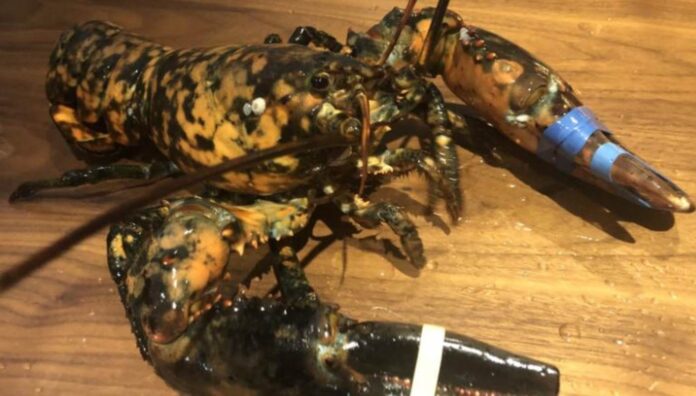
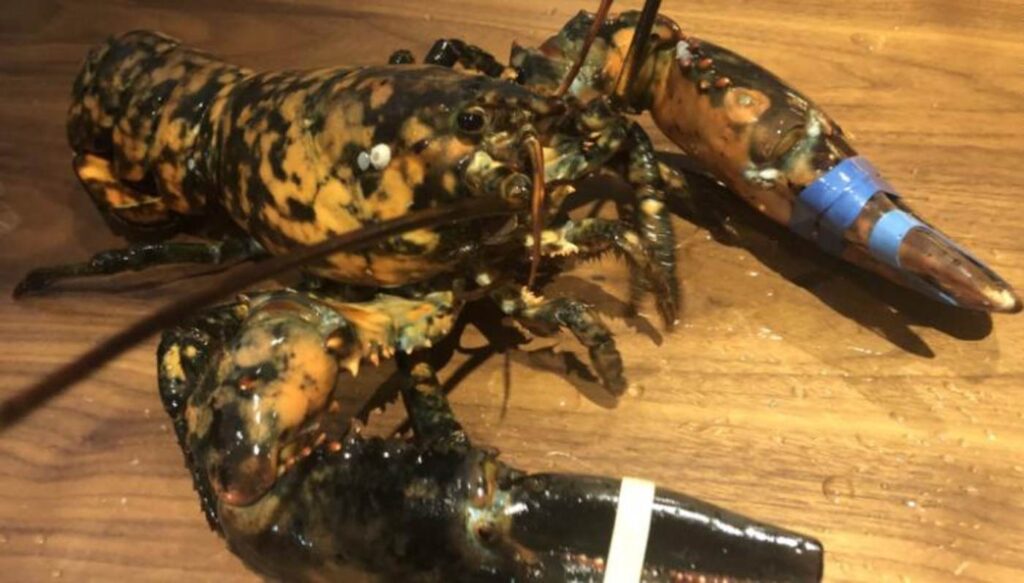
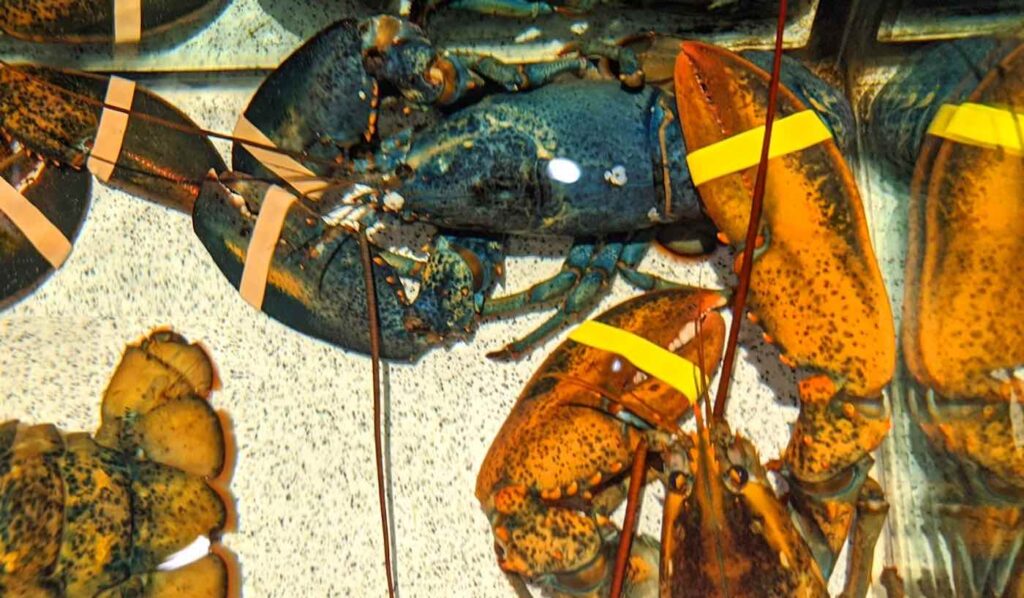
An extremely rare calico lobster was recently found at a Red Lobster by employees who spotted its unique spotted shell.
The male calico lobster, named Freckles by the staff in Manassas, arrived at the Virginia restaurant as part of a regular delivery from Maine.
When team members recognized the lobster’s orange and black shell covering, they reached out to the Red Lobster support team to confirm its identity as a rare calico. After split-colored and albino lobsters, this is the third rarest kind of lobster on the planet, and the chances of catching a calico are 1 in 30 million.
Calico lobsters seldom survive in the wild because their bright colors make them easily spotted by predators.
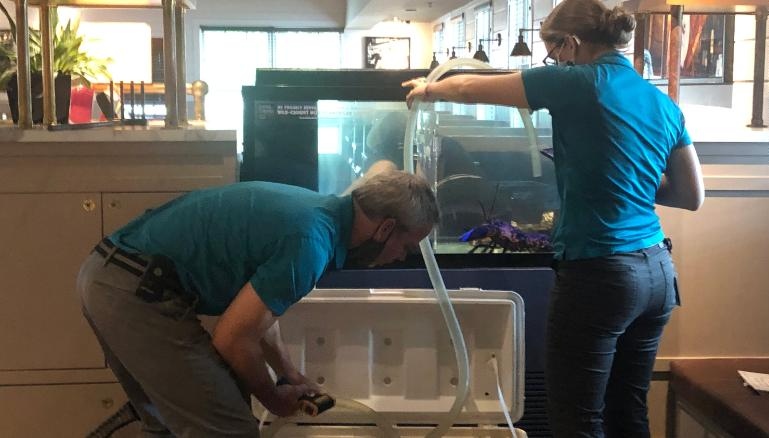
The restaurant was connected to the aquarium at Virginia Living Museum. At the end of last month, a couple of staff members from the aquarium collected the lobster and safely transported him to his new home.
The Virginia Living Museum and Red Lobster are both partners in the Monterey Bay Aquarium Seafood Watch program, which is committed to choosing sustainable seafood for healthier oceans, now and for future generations.
Virginia Living Museum
After a veterinary evaluation and quarantining for 30 days to make sure he is still healthy, Freckles will soon join the museum’s public exhibit in the Chesapeake Bay Gallery.
“We see [Freckles’ move] as an opportunity to share nature’s anomaly with guests,” explained Virginia Living Museum’s Senior Director of Animal Welfare and Conservation Chris Crippen in a statement, “as well as continue important education about sustainable seafood practices and significant conservation efforts of the American lobster fishery.”
This isn’t the first time Red Lobster staff have noticed an intriguing-looking crustacean. Last year, GNN reported the story of an Ohio Red Lobster team member noticing a rare blue lobster among the others.
Akron Zoo/Facebook
Only one in every 2 million animals has the blue coloration, which is the result of a genetic anomaly. After discovering the rare crustacean, they named it Clawde, after the restaurant chain’s mascot, and contacted the Monterey Bay Aquarium, who then reached out to the Akron Zoo. Upon receiving the news, staff at the Ohio zoo sprang into action to prepare a new home for him.
Two days later, they posted an amusing update, after the lobster was examined by a vet: “It’s a girl! Clawde is now Clawdia, and the proclaimed ‘man cave’ is now a ‘she-shed!’”
SHOW Your Colors On Social Media And Cure The Blues of Friends – SHARE the Good News…
Quote of the Day: “Don’t be that kid standing at the top of the waterslide, overthinking it. You have to go down the chute.” – Tina Fey, Bossypants (turns 51 today)
Photo: by Jaee Kim
With a new inspirational quote every day, atop the perfect photo—collected and archived on our Quote of the Day page—why not bookmark GNN.org for a daily uplift?
Heroic deeds come in all shapes and sizes. Some of them require bravery in the face of danger, others result from a simple random act of compassion.
Natalie Fernando was taking her 5-year-old autistic son Rudy (affectionately known as “Roo”) for a seaside walk when the little boy spiraled into a meltdown.
“My son loves to walk, but he hates to turn around and walk back, we usually try to walk in a circuit to avoid this but on his favourite walk with the boats we have no choice but to turn back. This will often lead to a meltdown, one which I can normally handle but on the back of two weeks out of school today was too much for him and me,” Fernando explained on her Facebook page, Better to Be Different.
The promenade at Southend-on-Sea is a popular strolling spot in Essex, England. Knowing she and Rudy were drawing attention and that her son’s outburst might go on for an hour, Fernando was apologetic but she soon found herself subjected to the reproachful stares and comments of passersby.
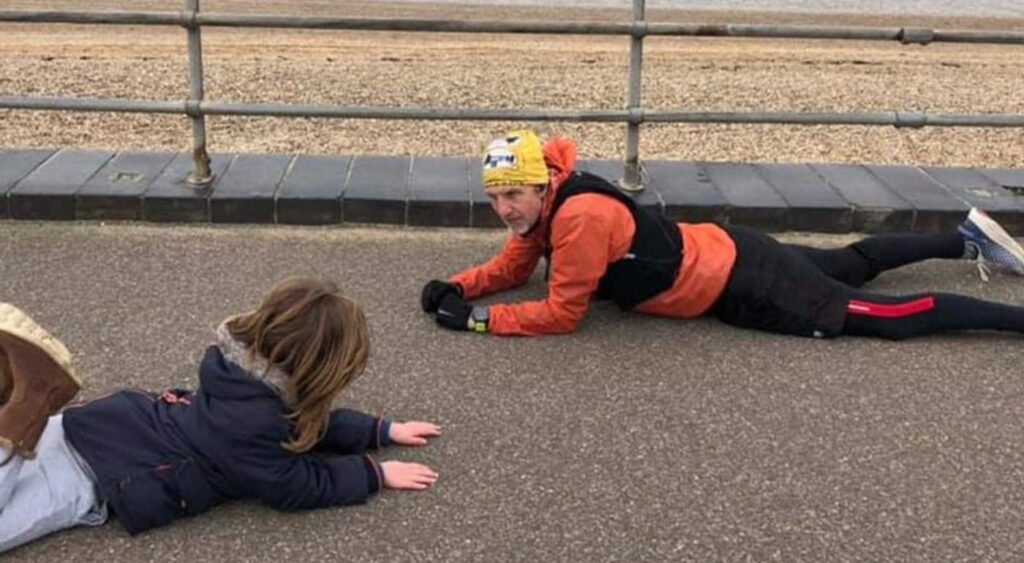
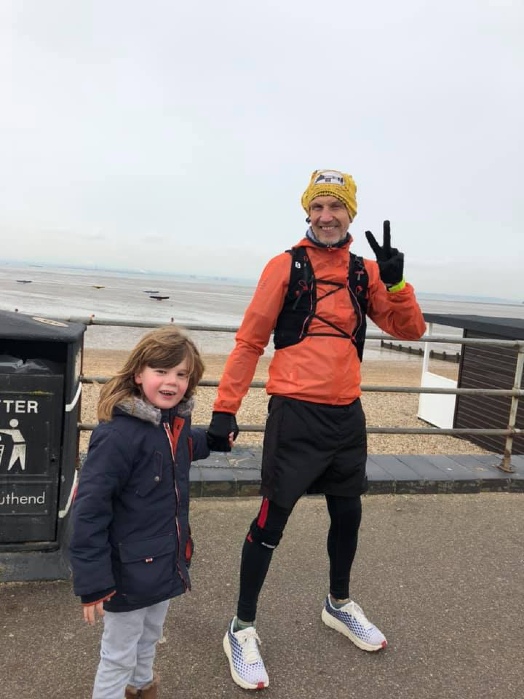
That’s when a total stranger named Ian stopped to ask if she was okay. When Fernando explained what was going on, as if it was the most natural thing in the world to do, he lay down on the ground close to Rudy and engaged him in conversation.
The calming maneuver quickly turned the situation around. After Rudy recovered his composure, Ian walked Roo and his mom back to their car.
“I wish there were more of this man around and I am beyond thankful,” Fernando said. “I will not forget his kindness… Thanks, Ian from Southend Sea Front, you truly are a kind man.”
In addition to her gratitude, Fernando hopes Ian’s unselfish behavior might inspire others to look deeper before making social judgments themselves.
“It’s said a lot at the moment, ‘In a world where you can be anything, be kind,’” she wrote. “Words are easy, these actions are not always so easy. This man is living the words and I couldn’t be more grateful.
“If you see a parent struggling, maybe take the time to say, ‘Are you ok?’ Don’t judge the parenting, try not to judge the child, just be kind.
“We’re all walking our own path and navigating the journey the best we can. Sometimes it takes a moment of kindness from a complete stranger to completely change your day.”
SHARE This Story of Real Kindness With Your Friends…
Some kids dream of running away to join the circus—while the Ringling Bros. elephants that had been performing every night might have been dreaming about a place like this, a dream that is now coming true.
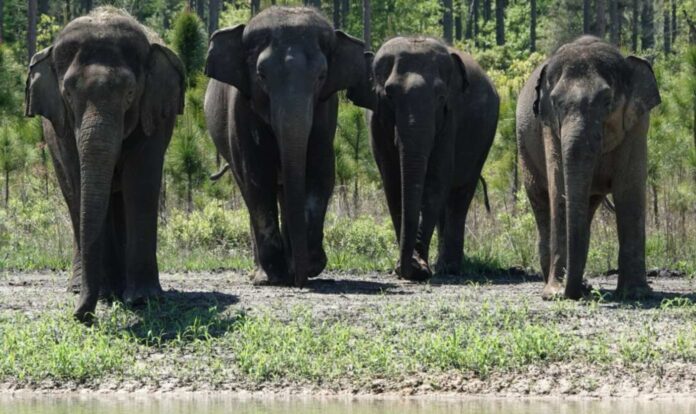
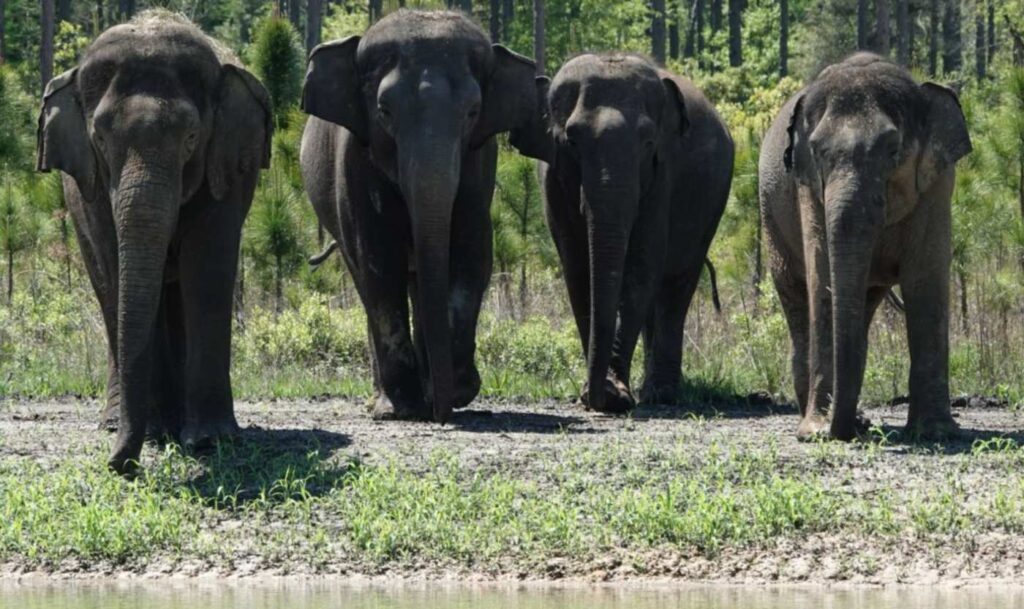
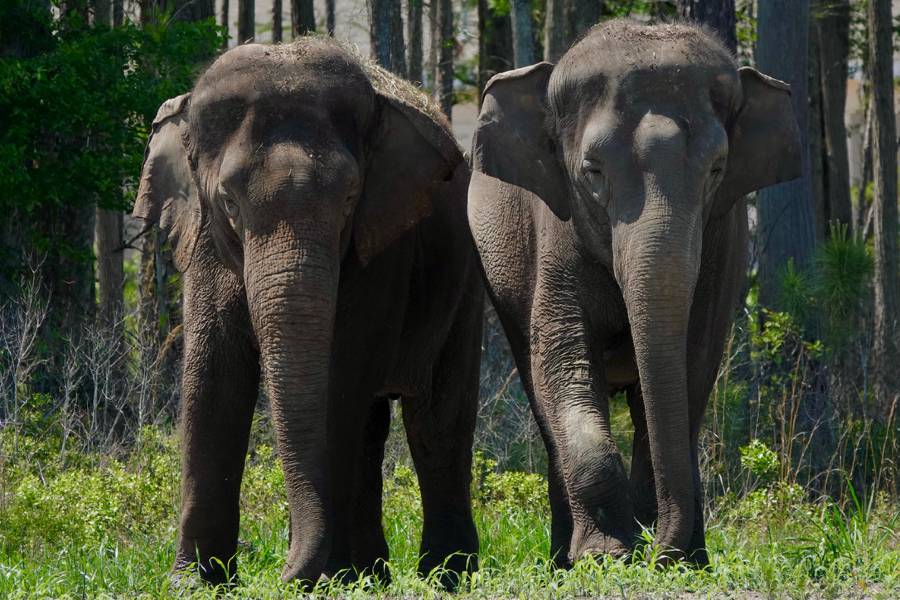
35 Asian pachyderms formerly under the care of the Ringling Bros. and Barnum & Bailey Circus are being welcomed to a 2500-acre Florida reserve where they can wander among their favorite habitats—wetlands, grasslands, or forest—and splash about in 11 different waterholes.
The White Oak Conservation refuge, located in Yulee, was set up to accommodate the about-to-be retired elephants in what will become the largest herd of Asian elephants in the Western Hemisphere.
The 4-square-mile refuge is the best scenario for these elephants because they’ve been raised in captivity and are not equipped to survive in the wild.
“We are thrilled to give these elephants a place to wander and explore,” said philanthropists Mark and Kimbra Walter, whose family-based charity organization, TWF, is the driving force behind the project.
“It is a chance for us to let them return to just being elephants in a situation that is as close to the wild as we can make,” TWF’s Michelle Gadd explained in an interview with National Geographic.
White Oak Conservation
After a period spent socializing to catch them up on herd and family dynamics, the first group of elephants was transported in pairs for the 200-mile journey from the Ringling Center for Elephant Conservation (CEC) in Polk County, Florida, to their new home.
They got their first peak at the sanctuary on May 3, and will be joined by another group of 20 due to arrive in the near future.
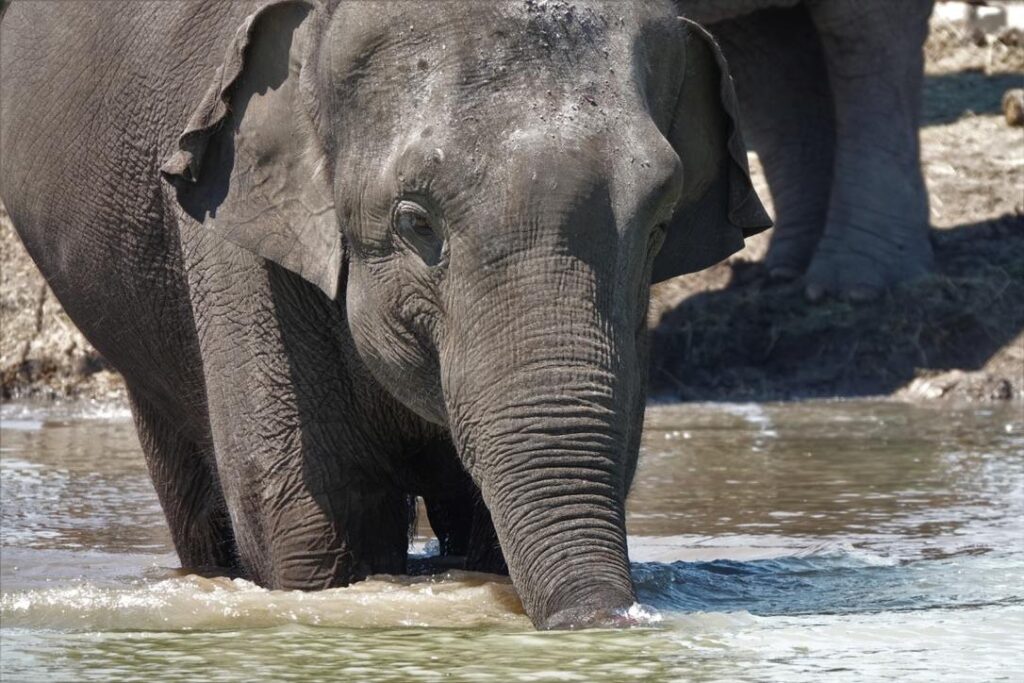
“Watching the elephants go out into the habitat was an incredible moment,” said White Oaks’ elephant care lead Nick Newby. “I was so happy to see them come out together and reassure and comfort each other, just like wild elephants do, and then head out to explore their new environment. Seeing the elephants swim for the first time was amazing.”
“Elephants are such amazing creatures, and we are pleased to give them a place where they will flourish,” added Gadd, who oversees the Walters’ conservation efforts.
White Oak Conservation
“We are excited to watch them adapt to the great outdoors, tasting new plants, exploring new areas, experiencing new things.”
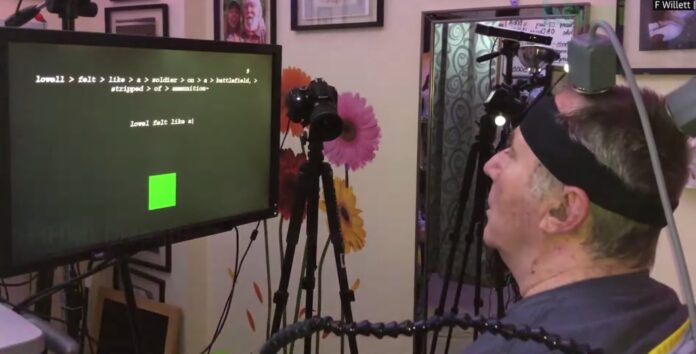
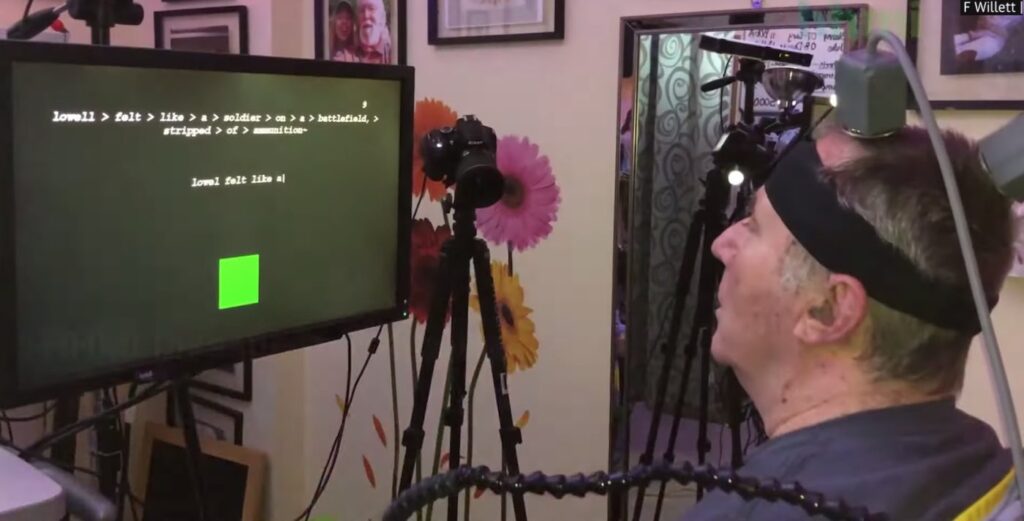
A man paralyzed from the neck down has gained the ability to type words with his brain about as fast as the average smartphone user, a new study says.
This “mindwriting” was done through a science-fiction sounding brain-computer interface (BCI) that picked up neural signals and fed them into an algorithm which translated them into letters.
The secret to the success, and why this particular BCI was able to produce words at such a faster rate than other BCI’s in the past, was that it tracked the brain signals of the patient, known as T5, as he imagined writing them down with a pen—a skill which imprints so thoroughly on our motor skill system that it remains for years after paralysis evidently.
The man was 65 at the time of the study, but it was 2007 when he suffered his spinal cord injury.
“With this BCI, our study participant achieved typing speeds of 90 characters per minute with 94.1% raw accuracy online, and greater than 99% accuracy offline with a general-purpose autocorrect,” wrote the authors, whose paper can be read in Nature. “To our knowledge, these typing speeds exceed those reported for any other BCI, and are comparable to typical smartphone typing speeds of individuals in the age group of our participant”
Conducted by Stanford University and the Howard Hughes Medical Institute, the most common error the machine made was with lowercase letters of similar shapes, such as ‘r’, ‘h’, and ‘n’.
At first they allowed the patient to write each letter as he would with his hand, and eventually moved to asking him questions, allowing him to write out his responses—which pleased him no end, they told NPR.
Some BCIs and other machines that are designed to allow paralyzed people to write typically track eye movement, which is often retained even in the most extreme cases of paralysis, such as with the famous locked-in syndrome patient Jean-Dominique Bauby. Bauby is known for writing The Diving Bell and the Butterfly, published in 1997, which he composed entirely through the painstaking process of blinking upon an aid’s selection of the correct letter.
Stanford had conducted other trials with different BCIs before, in which they used eye-monitoring equipment, but found it required tremendous attention and focus from the user.
The new BCI isn’t yet developed enough to be called a prototype, meaning it will likely be years before more paralysis victims can regain their ability to communicate. However, this also means the room for refinement is much higher, explained one scientist, speaking with CNN.
SHARE This Breakthrough Research With Pals on Social Media…
An experimental form of gene therapy developed by a team of researchers from UCLA and Great Ormond Street Hospital in London has successfully treated 48 of 50 children born with a rare and deadly inherited disorder that leaves them without an immune system.
Severe combined immunodeficiency due to adenosine deaminase deficiency, or ADA-SCID, is caused by mutations in the ADA gene that creates the enzyme adenosine deaminase— which is essential to a functioning immune system.
For children with the condition, even day-to-day activities like going to school or playing with friends can lead to dangerous, life-threatening infections. If untreated, ADA-SCID can be fatal within the first two years of life.
The investigational gene therapy method involves first collecting some of the child’s blood-forming stem cells, which have the potential to create all types of blood and immune cells.
Next, using an approach developed by the research team, a new copy of the ADA gene is delivered into the stem cells by a modified lentivirus, or “viral vector.” The corrected cells are then returned to the child’s body, where they are intended to produce a continual supply of healthy immune cells capable of fighting infection.
In a study published in the New England Journal of Medicine, co-lead authors Dr. Donald Kohn of UCLA and Dr. Claire Booth of Great Ormond Street Hospital, or GOSH, report two- and three-year outcomes for children treated with the investigational lentiviral gene therapy in clinical trials between 2012 and 2017.
“Between all three clinical trials, 50 patients were treated, and the overall results were very encouraging,” said Kohn, a distinguished professor of microbiology, immunology and molecular genetics at UCLA. “All the patients are alive and well, and in more than 95% of them, the therapy appears to have corrected their underlying immune system problems.”
No complications or treatment-limiting events were reported among the patients. Most adverse events were mild or moderate, and were considered to be related to routine procedures performed in preparation for the experimental gene therapy treatment or effects of the immune system rebuilding.
“Treatment was successful in all but two of the 50 cases, and both of those children were able to return to current standard-of care-therapies and treatments, with one eventually receiving a bone marrow transplant,” said Kohn, who has been working to develop gene therapies for ADA-SCID and other blood diseases for 35 years.
The investigational gene therapy—a one-time procedure that the researchers say may provide lifelong results—is a welcome potential new treatment option for children with ADA-SCID, who otherwise must undergo once- or twice-weekly injections of the ADA enzyme until a matched bone marrow donor, usually a close family member, can be found.
If a donor is not available, patients require lifelong injections, along with antibiotics, antifungal medications, and monthly infusions of immunoglobulin—which contains infection-fighting antibodies. These treatments are expensive and therefore out of reach for patients in many countries.
“If approved in the future, this treatment could be standard for ADA-SCID, and potentially many other genetic conditions, removing the need to find a matched donor for a bone marrow transplant and the toxic side effects often associated with that treatment,” said Booth, a GOSH consultant in pediatric immunology and gene therapy.
Copyright Andres Kalamees, Estonian Ornithological Society
To prevent seabirds from being caught in fishing nets, conservationists have developed an unusual aquatic scarecrow which the GNN staff summarily agreed looked just like Pixar’s WALL-E.
Copyright Andres Kalamees, Estonian Ornithological Society
Invented as part of a multinational effort to create innovative solutions to prevent seabird bycatch, a pair of googly-eyes mounted on a floating buoy was found to decrease the numbers of long-tailed ducks loitering around gillnets in Estonian waters by 25%.
Fishing bycatch, defined as the capture of non-intended animals in fishing nets and lines, accounts for the deaths of 400,000 birds worldwide every year, something which conservationists are targeting as a preventable tragedy with different kinds of deterrents.
Called the Looming Eyes Buoy (LEB), scientists at Bird Life International’s Marine Program tested it on ducks off the coast of Estonia over a 250-hour period to determine its effectiveness. Notably the birds returned when the buoys were removed, suggesting limitations.
Yann Rouxel, lead author of the study reporting the results wrote: “The development of low-cost devices such as the LEB offers up simple, yet innovative, solutions to these conservation problems and so that everybody benefits. The next step is for us to test the device in gillnet fisheries to ensure that seabird bycatch is reduced.”
The WALL-E-like buoy’s next stop is the Icelandic Lumpfish fisheries and their gillnets, to see if it can continue its preventative effects on other species of birds.
Gillnet bycatch of seabirds isn’t the easiest thing to prevent, and heavy-handed measures like enforced closure of fisheries or banning of nets can harshly impact developing economies, especially in Africa, that rely on the fishing industry for a large part of their national food and income.
Instead scientists are opting for scarecrow tactics—low-cost solutions that allow gillnets to remain, and that won’t pile on unsustainable costs to fishermen.
One solution like this in Namibia found almost perfect success through stringing brightly colored “fish scaring lines” from the backs of fishing trawlers. GNN reported last year that a 98% reduction in albatross and other seabird deaths was observed after laws were passed requiring fishermen to attach these lines to the back of their boats.
“It’s part of the brightness and then the motion of it, it’s been very very effective around the world, other nations have reported success other than Namibia,” Titus Shaanika, a Namibian conservationist and co-author of the study reporting on the scaring lines’ success, told the BBC at the time.
BUOY Your Friends With the Good News—Share This Story…
Quote of the Day: “Men’s cloudless sun shall brightly rise! And songs be heard, instead of sighs. God save the people!” – from the musical, Godspell, which opened 50 years ago today off-Broadway
Photo: by Joshua Earle
With a new inspirational quote every day, atop the perfect photo—collected and archived on our Quote of the Day page—why not bookmark GNN.org for a daily uplift?
This blog was submitted to GNN by one of our readers for publishing. If you have an interesting story of kindness or positivity, be sure to send it to us for review.
During the past 18 months my husband and I have come to know some extraordinary dog people, all because of a homeless puppy we rescued over two years ago in beautiful Costa Rica—a fortuitous encounter that changed our lives.
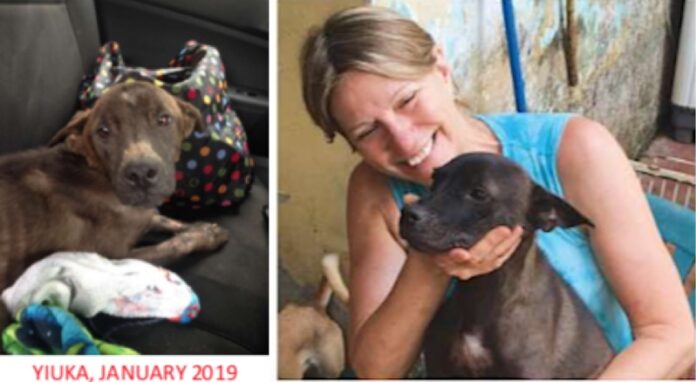
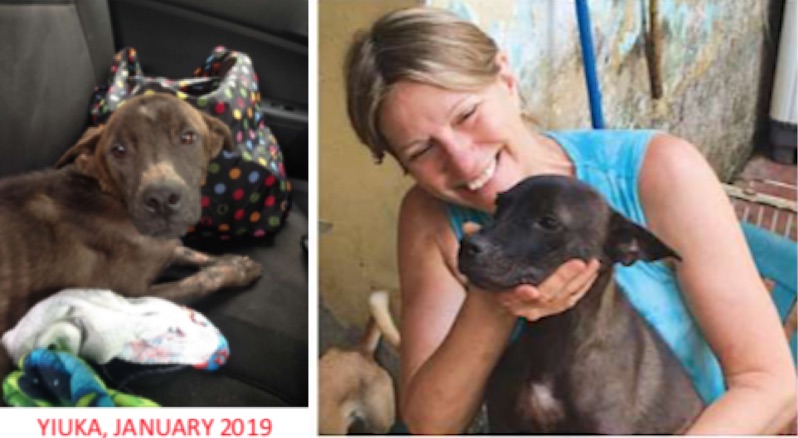
Yiuka was on the street and near starvation when we found her in January 2019, driving back from a day of hiking near La Tigra.
We passed several free-range dogs, a common sight there, and we started tossing some kibble when I noticed this one destitute puppy visibly struggling to wobble over to the food.
She appeared to be resigned to her fate but, not knowing what to do in the moment, we just drove back to our Airbnb—but we vowed to do something.
With 48 hours remaining until our flight back to Canada, we had to fast track some arrangements. Our host recommended we contact Cristina, a woman who for over 20 years has been singlehandedly caring for injured and abandoned dogs in an idyllic setting outside of town. Despite her imminent move, she agreed to take Yiuka—now we had to go find her.
After three attempts to locate Yiuka where we’d first spotted her, we finally found her on the last day of our vacation. She gazed up at me with enormous brown eyes and let me gently wrap her listless body in some towels.
Cristina met us at the clinic, and coincidentally the vet was on duty that weekend. Yiuka was dehydrated, full of inflammation and anemic, but at the end of her examination the vet smiled and declared “Good news! This one wants to live!”
After only a few hours, I’d already lost my heart to this pitiful little stray and she managed to make me sob with relief.
We left for the airport while Cristina brought Yiuka home, pampering her with nutritious food. After sleeping for more than a week, the dog finally ventured out to meet her other canine companions, all of whom were welcoming and curious about the newcomer.
Ten weeks later, we flew back to Costa Rica to check on Yiuka’s progress. Her swollen joints were almost normal and although her skin was still patchy, she was lively and playful. For that vacation, we’d randomly booked a place near the town, not really sure of its exact location. We turned off the main highway and my jaw dropped at our good fortune: our hotel was but a 5-minute walk from Cristina’s new property!
Johanna Deheer
In December 2019, we returned for a third time to Costa Rica and met Scott of Costa Rica Dog Rescue in the nearby tourist town of La Fortuna. He has over 20 dogs he calls his own and finds adoptive families for other homeless dogs that he rescues. He suggested we contact Save our Scruff in Toronto and they directed me to Charlie’s Angels, yet another pup refuge south of the Costa Rica capital.
Our future has been radically reshaped because of a scrappy little dog that blocked our road one sunny, steamy afternoon in 2019: We intend to help Save our Scruff and Charlie’s Angels with re-homing dogs to North America. Naturally, we can’t wait to resume our lives, support these amazing dog saviors—including Cristina (at cristinasrefuge.org)—and see Yiuka again before she can forgets how much she means to us!
– Submitted by Johanna Deheer
SPREAD The Opportunity to Help – Share This With Your Friends…
Multidisciplinary Association for Psychedelic Studies (MAPS)
A breakthrough human trial achieved highly statistically-significant results and an excellent safety record, demonstrating that MDMA-assisted therapy can be an effective treatment for severe and chronic Post-Traumatic Stress Disorder (PTSD).
At the end of the randomized, blinded, Phase 3 trial, carried out by the nonprofit Multidisciplinary Association for Psychedelic Studies (MAPS), 67% of participants who received three MDMA-assisted therapy sessions no longer even qualified for a PTSD diagnosis—and 88% experienced a clinically meaningful reduction in symptoms.
The pivotal study treated 90 patients with severe, chronic PTSD from any cause with an average duration of 14 years, and replicated the successful results of its Phase 2 trials
Study participants included patients with PTSD caused by combat-related events; accidents; abuse; and sexual harm, and 84% have a history of developmental trauma.
”While many forms of PTSD therapy involve recalling previous trauma, the unique ability of MDMA to raise compassion and understanding while tamping down fear is likely what enables it to be so effective,” says Jennifer Mitchell, Ph.D., lead author of the paper.
The peer-reviewed paper was published inNature Medicine on May 10.
In the first Phase 3 trial of any psychedelic-assisted therapy, participants who received the MDMA plus manual therapy reported a significant reduction in PTSD symptoms compared to those who received placebo with therapy (p<0.0001).
67% of the group who received MDMA, compared to 32% of the group who received placebo, no longer qualified for a PTSD diagnosis after three treatment sessions. In addition, participants treated with MDMA-assisted therapy had statistically significant reductions for symptoms like depression, relative to placebo with therapy (p=0.0116).
“People with the most difficult-to-treat diagnoses, often considered intractable, respond just as well to this novel treatment as other study participants,” said Mitchell. “In fact, participants diagnosed with the dissociative subtype of PTSD experienced a greater reduction in symptoms than those without the dissociative subtype.”
Designed under a Special Protocol Assessment with the FDA, the trial treated 90 patients with severe, chronic PTSD. Participants were randomized to receive three sessions of either MDMA or placebo with identical talk therapy. 46 participants received MDMA therapy and 44 participants received therapy with placebo. The primary efficacy endpoint was based on the change from baseline in an independently assessed clinical interview of PTSD severity after 18 weeks.
The assessors also measured average change in functional impairment in work/school, social, and family life. Among the participants in the MDMA-assisted therapy group, 88% experienced a clinically significant reduction in symptoms, compared to 60% in the placebo group.
In the Phase 3 trial, the investigators observed no serious safety or tolerability issues in the MDMA group. MDMA did not increase the risk of suicidal thoughts or behaviors and did not increase cardiovascular risk or abuse potential relative to therapy with placebo. As expected from previous clinical trials, temporary increases in blood pressure and pulse were observed during MDMA sessions; adverse events such as muscle tightness, decreased appetite, nausea, sweating, and feeling cold lasted only for a short time.
The vanguard of mental health care – enrolling volunteers
PTSD researcher and author of the foundational book on PTSD, The Body Keeps the Score, Bessel van der Kolk served as Principal Investigator for the Boston study site. He explains, “The experience of having been traumatized profoundly alters perceptions; self-experience; and capacity to plan, imagine and anticipate. For 88% of people who receive this treatment, we can expect to see a treatment response. This can lead to fundamental shifts in our subjects’ perspective on self-capacity, affect regulation, and attitude towards those around them. These results open the door to a potentially powerful new pathway to healing.”
A second Phase 3 clinical trial is currently enrolling participants in 7 different US states. Additionally, MAPS plans to conduct other studies to explore the potential of this treatment for other mental health conditions, but always stresses that this experimental therapy “necessitates the appropriate setting to truly guide change and recovery.”
Listed as a Schedule I drug, MDMA, also known as ‘ecstasy,’ is defined by the FDA as having “no medical benefit” and, therefore, is not currently accessible as a treatment for any condition, except as administered in clinical trials. Thanks to MAPS, founded 35 years ago—and their scientific rigor—this is likely to change soon. Their goal is an FDA approval in 2023 as a ‘Breakthrough-designated therapy’.
SHARE the Ecstasy of This Breakthrough Research on Your Social Media Page… (Photo courtesy of MAPS)
A benefit concert that was broadcast in 100 countries last week helped mobilize $302 million in funding and over 26 million individual COVID-19 vaccine doses for the world’s most marginalized communities, and their health care workers in need of support.
Global Citizen, founded online in 2012 to address global poverty, organized the star-studded concert hosted by Selena Gomez, to support the nonprofit efforts of the ACT Accelerator (Access to COVID-19 Tools).
Played to an audience of fully vaccinated frontline workers in the SoFi Stadium in Los Angeles County, California, the show was taped May 2.
The concert featured speeches by VAX LIVE campaign chair Prince Harry, along with performances from Jennifer Lopez, Eddie Vedder, and Foo Fighters. You can watch their top clips from the show, that include appearances by Ben Affleck (who did a Batman skit with Jimmy Kimmel), Chrissy Teigen, David Letterman, Gayle King, Nomzamo Mbatha, Olivia Munn, and Sean Penn, here.
$302 million was pledged by Canada and Croatia, and $2.5 million raised from the private sector.
13.25 million COVID-19 vaccine doses were pledged from Norway, Spain, New Zealand, Croatia, and the UAE.
$39.6 million in commitments pledged by corporate and philanthropic partners—pledges that have been matched in funding to total $63.3 million.
In total, more than 26 million COVID-19 vaccine doses pledged by governments, businesses, and philanthropists to support those around the world most in need as a result of the aforementioned funding.
Prince Harry and Meghan also called for their fans to donate on the occasion of their son Archie’s birthday—and their call had mobilized $1.9 million in six days.
Donate, Learn More and Watch Videos at the VAX Live website—And Share the Good News on Social Media…
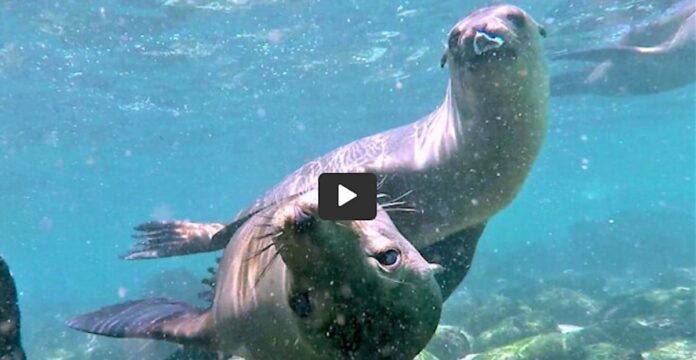
Scuba divers were beyond thrilled when a a group of young sea lions showed up in the water and surrounded them for a playtime of curious wonder.
The beaches and rocky shores of the Galapagos Islands are home to many sea lions, and the large animals so often look and act like our lovable canine companions that they referred to as “sea dogs” or “ocean puppies”.
The adult sea lions are not very interested in humans, with males being especially territorial, and weighing well over 300 pounds (150kg). They can seem quite grumpy if they are approached too closely.
But the juvenile sea lions are curious and fun loving creatures that will investigate anything interesting in the water.
Witness these pups suddenly surround a couple who were swimming. They were fascinated with the pair of humans who captured their shenanigans with an underwater camera.
The couple dove and rolled, trying to mimic the sea lions and engage them in a game. The camera also caught the sounds of the animals as they blew bubbles and communicated, while swimming gracefully in circles around Kristy, who was delighted to join in on their wild water ballet.
SHARE the Fun And Make Your Friends Smile on Social Media…