All News - Page 528 of 1735 - Good News Network
Home Blog Page 528

Stunning Photos From ‘Great Conjunction’ of Jupiter and Saturn on Monday Brighten Spirits in December

The Great Conjunction of Jupiter and Saturn brought stargazers outside last night to try and catch sight of a once-in-a-lifetime event.

If it was cloudy or foggy you were and you didn’t get to see the ‘Christmas Star’ on winter solstice? Not to worry. Everywhere from Iran to California, photographers took dazzling images of two planets looking visibly closer to each other than they have done in 800 years—since medieval times.

Let’s take a look at some December 21 shots from around the world.

This stunning image from Mount Wilson in California required the stacking of over 20,000 frames.

Could the views from Colorado Springs be any more festive?

A little double-exposure photo trickery and a Joshua tree shaped like a reindeer created this magic image.

The Great Conjunction as seen over British Columbia’s wonderfully named Cupcake Island.

In some parts of the world, like South Dakota’s Black Hills, drama ran all through the skies.

A clear evening above the Iranian mountains led to this amazing shot being taken.

SHARE These Out-Of-This-World Photos With Friends…

Google is Creating Tools to Tackle Food Waste and Hunger at its Moonshot Factory

X

A Google offshoot has created two new programs which make it easy for food producers, suppliers, and commercial kitchens to route unneeded food to food banks that need it.

Project Delta, X

Known as Project Delta, the machine learning programs take into account thousands of different calculations and variables, the things it would take a dedicated team of organizers to manage, to ensure the food is going where it is needed most, where it’s most likely to get eaten, and other priorities.

Food waste is what sports commentators would describe as “a good problem to have,” as it inherently suggests there’s enough to go around. The problem is that it’s not always going to where there are hungry people.

The issues are mostly found in the supply chain: through the interaction of buyers, trying to imagine how many units they need, and sellers who are trying to imagine how many they can sell.

Producers, like sellers, try and make as much as they think they can find buyers for, while the final stage owner of food—supermarkets, restaurants, or hotels, often have too many processes to worry about to consider how best to send food further down the line.

The efficient distribution of food is an extremely difficult job to take on all the way down the supply chain, and so it’s perhaps no surprise that 30-40% of food in the U.S. is wasted.

“There’s no simple way for food suppliers to let food banks know what they have available, or for food banks or pantries to communicate what they need,” writes Adele Peters for Fast Companycovering the Google innovation.

MORE: The 2020 Nobel Peace Prize Goes To The World’s Largest Hunger Program

The idea is being hammered out at a Google offshoot called X, which styles itself as “The Moonshot Factory,” and focuses on providing super innovative solutions to make the world a better place.

A better way to bank

Emily Ma, writing for X’s blog on the two years of development and testing for Project Delta, explains they set out “to create a smarter food system — one that knows where the food is, what state it’s in, and where best to direct it to ensure it doesn’t end up in a landfill and instead goes to the people who need it most.”

CHECK OUT: First Grader Turns Her Dream of Feeding Homeless People Into Reality –By Launching Her Own Foundation

Some of the problems those working on the problem at Google faced were things like a lack of industry or cross-industry standard for how food suppliers communicate what they have or what they need to move most, or in terms of food banks, what they need and what people aren’t eating.

She jokes that there isn’t even an industry standard designation for the state of Texas, and that during her and her team’s preliminary research, they found 27 different words in organizational data i.e. TX, Texas, Tx, etc.

Working with the Southwest Produce Cooperative’s (SWP) food banks in states like Arizona, Ma and her team first built their machine learning prototype, which in place of phone calls, emails, site visits, and paper records—the normal ways the SWP food bankers coordinate shipments— uploads all records relating to supply and demand into the algorithmic bot which details what should go where, and when.

Next Emily Ma and the Moonshot Factory team went to Kroger to see if they could improve logistics at Feeding America, the country’s largest domestic hunger-relief organization.

RELATED: Company Uses NASA Tech to Make Healthy Food ‘Out of Thin Air’ Using Only CO2, Water, and Solar Electricity

Their program insights into the operation of Kroger’s delis, in which meat and other products are typically recycled due to health and safety concerns, allowed them to open up opportunities to give millions of additional meals to communities that need it.

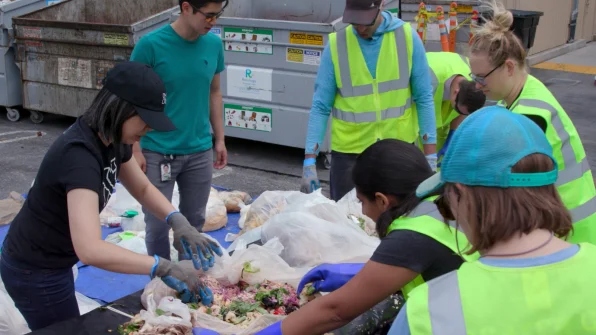
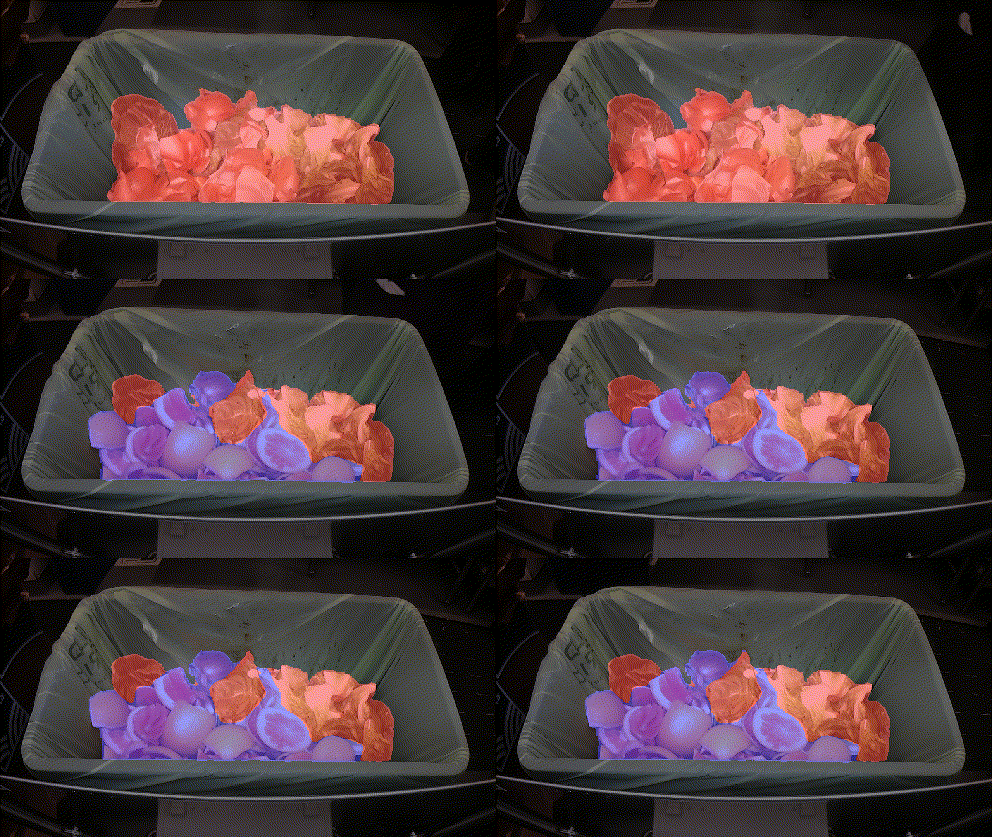
Finally, in a more impressive display of machine learning, cameras installed next to waste bins in Google-facility kitchens were able to collect twice as much information about food waste as the manual by-hand logs made by chefs which took about 30-60 minutes to complete.

Project Delta’s prototype food identification and categorization system, X

The machine learning can identify trends, such as larger amounts of a particular food being wasted, as well as make recommendations for dishes and ways of recycling that can reduce food waste in commercial kitchens.

SHARE This Fascinating Story With Friends on Social Media…

Man Who Was Homeless is Overwhelmed With Emotion When Secret Santa Surprises Him With a Brand New Smile

In a truly life-changing gift, a man who can’t afford to get his teeth fixed has been given the present of a new smile—thanks to a Secret Santa who’s been performing miracles for people all over Idaho Falls.

With a little help from the elves at East Idaho News, every day in the lead-up to Christmas, a secretive local man has been giving over $500,000 in gifts to those might need a bit of a boost this year.

Last week we shared the story of Diana Boldman, a McDonald’s worker and grandmother who received an unforgettable festive surprise in the form of a much-needed new vehicle.

This week, it’s time to get to know the story of Alyn. He began temping at an Idaho Falls company two years ago. He was finding it difficult to make ends meet, and—though he never admitted his situation to anyone—he was sleeping in his truck to get by. In spite of the difficulties he was facing, Alyn was the best temp work the business had ever had.

Before getting a permanent full-time contract, Alyn made the tough decision to have his teeth pulled. He couldn’t afford to get them cleaned or repaired when there was a problem, and as a result a tooth infection became severe.

When Secret Santa found out that Alyn is now in need of new dentures, of course he knew just the right present to give.

(WATCH Alyn being surprised at work in the sweet video below.)

SHARE This Gift of a Story With Friends on Social Media… 

People are ‘Adopting’ Health Care Workers As a Way to Thank Them For Their Service

Christine's mom with her co-workers; Christine Danderand

Christine Danderand knows firsthand just how challenging coronavirus can be. This past October, the Nebraska-based makeup artist, her husband, and their daughter all contracted COVID-19.

Thankfully, the family is recovering and no one was hospitalized, but Danderand also gained keen personal insight about the demands on frontline pandemic workers from a source that’s close to home: Her mother is a registered nurse who deals with COVID patients on a day-to-day basis.

As long hours and unrelenting pressure began taking their heavy emotional toll on her mom, Danderand knew she had to do something to help.

Christine’s mom with her co-workers; Christine Danderand

“I just saw how kind of stressed and overworked [she] and her co-workers were and I thought, you know, what’s a way that we can give back and show support,” she told CNN.

With that goal in mind, Danderand launched a Facebook giving page where nurses and other healthcare workers would register to be “adopted” by members of the public who wanted to let them know just how much their hard work was appreciated.

RELATEDIdaho Secret Santa is Giving Away $500,000 Across the City With Unforgettable Surprises

Soon after, the newly appointed adoptees put up profiles along with Amazon wish lists and adopters got busy sending box after box of holiday cheer along with heartfelt messages of thanks and encouragement.

“If you read a lot of the Amazon links, they want compression socks, or a new pair of shoes, or a coffee mug, candy,” Danderland said. “Just little things that kind of brighten their spirits when they get home from work at the end of the day.”

ICU Nurse Kelly Langel was urged to sign up for the program by the family of a COVID patient she’d cared for. Not long after she did, a very special care package showed up at her door.

CHECK OUT: 50 Frontline Heroes Gifted New Cars For Going Above & Beyond To Help During Pandemic: ‘Surreal’

“She felt it in her heart to reach out and adopt me,” Langel told Inside Edition as she displaying gifts that included soap, lotion, lip balm, an assortment of tea, a cheery mug, and a Christmas ornament. “It’s very humbling.”

“I came home from my fourth, 12-hour shift in a row to this amazing gift package,” healthcare worker Stephanie Healey posted to Facebook. “Your generosity has blown me away. I hope you realize how much this means.”

While Danderand’s initial aim was to bring holiday cheer to the hospital staff where her mom works, the idea took off. Within three weeks, her group had more than 12,000 members.

POPULARThis Irish Couple Built Homes for Their Employees, and It’s Changed Their Lives

Whether or not hers was the first such group, similar ones have been springing up across the country. If you want to join the movement, check your social media for local adopt-a-nurse initiatives—or why not start an adopt-a-frontline-worker group of your own?

(WATCH the Inside Edition video about Christine’s initiative below.)

SHARE This Awesome Initiative With Friends on Social Media…

“A happy family is but an earlier heaven.” – George Bernard Shaw

Quote of the Day: “A happy family is but an earlier heaven.” – George Bernard Shaw

Photo by: Juliane Liebermann

With a new inspirational quote every day, atop the perfect photo—collected and archived on our Quote of the Day page—why not bookmark GNN.org for a daily uplift?

Zoom is Lifting its 40-Minute Time Limit for the Holidays So the World Can Spend Time With Loved Ones

Nataliya Vaitkevich, Pexels

Whether you’re planning to Zoom in with pals for a virtual game of festive Scrabble, or are hoping to connect with family to unwrap holiday gifts together, there’s no need to worry about that free video call you’re on dropping after 40 minutes.

As a token of appreciation to its users during an extraordinary time, Zoom is removing the 40-minute limit on free accounts for all meetings globally for several upcoming special occasions.

Whether coming together on the final day of Hanukkah, celebrating Christmas, ringing in the New Year, or marking the last days of Kwanzaa, those connecting with friends and family won’t get cut short.

Here are the dates and times for unlimited meetings:

  • 10 a.m. ET Thursday, Dec. 17, to 6 a.m. ET Saturday, Dec. 19
  • 10 a.m. ET Wednesday, Dec. 23, to 6 a.m. ET Saturday, Dec. 26
  • 10 a.m. ET on Wednesday, Dec. 30, to 6 a.m. ET on Saturday, Jan. 2

You don’t need to do anything to remove the limit—it will be automatically lifted during these designated times.

Zoom has also given a few actions you can take to ensure you have a wonderful virtual get-together with loved ones:

So there you go. During the holidays this year, you can digitally connect with those you love for as long as you’d like.

SHARE The Good Holiday News on Social Media…

Passenger Loses $340,000 Painting at German Airport, and a Trash Can Hunt Begins

Düsseldorf Airport

Flying can be stressful even for the most experienced business traveler. No matter how many items we check off our preflight “to do” list, sometimes the best-laid plans go awry.

Düsseldorf Airport

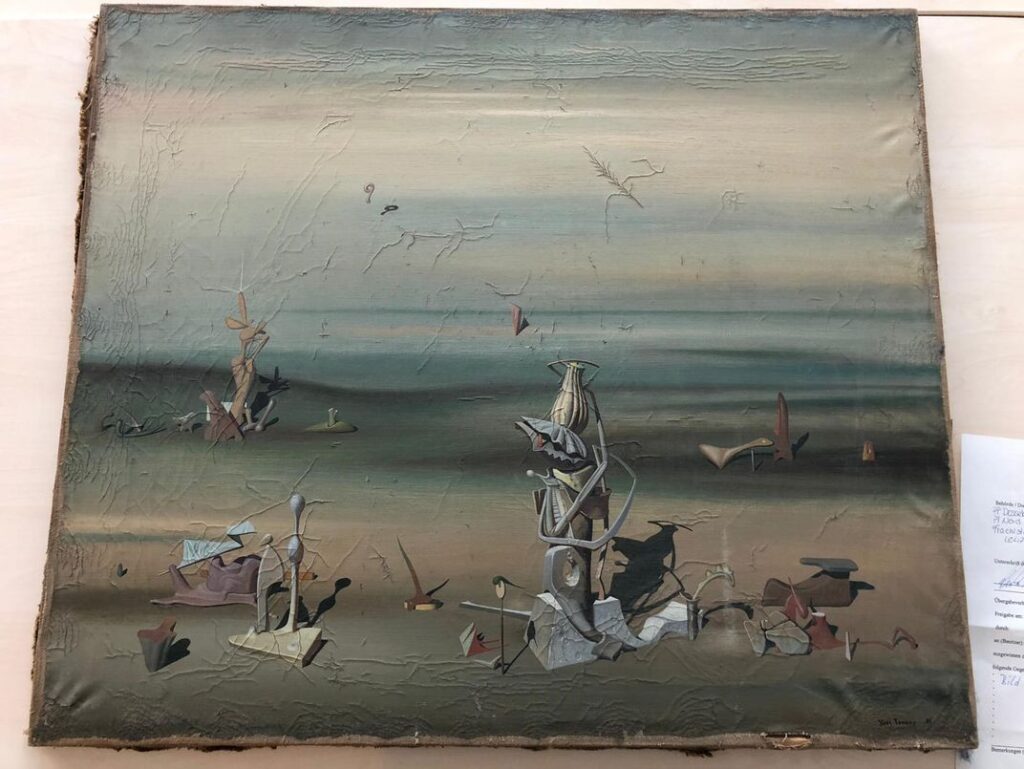
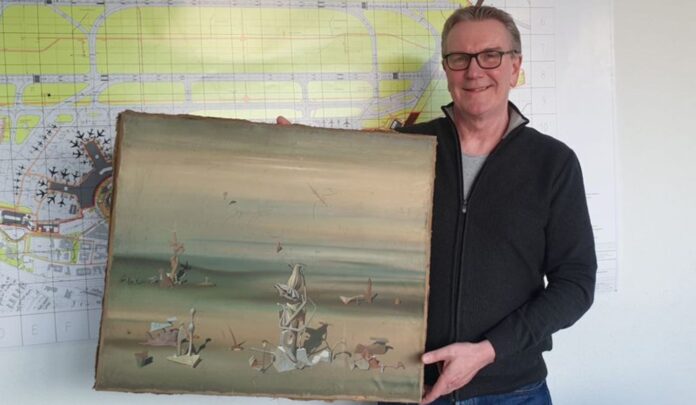
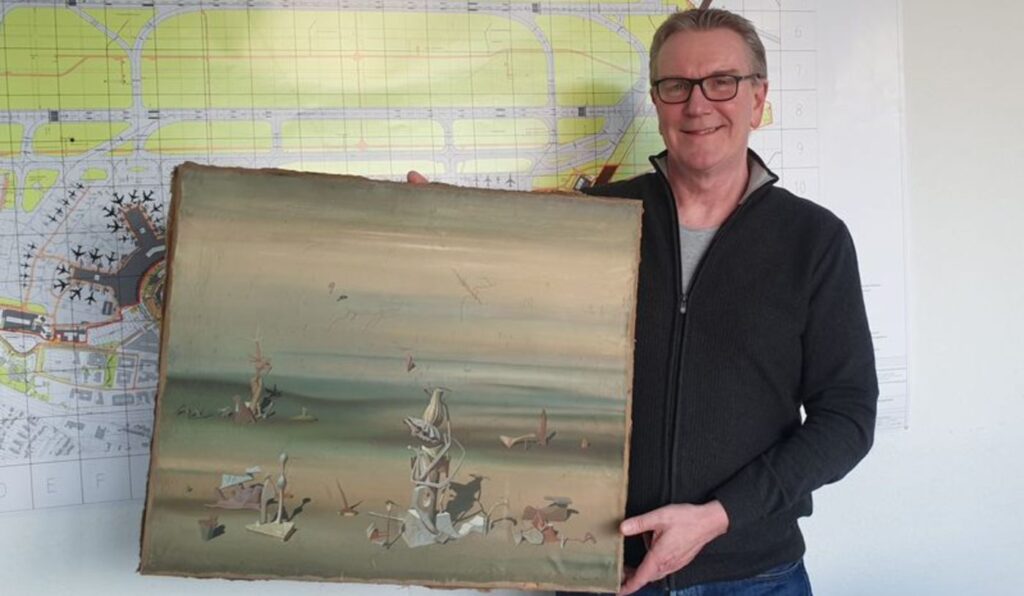
That’s just what happened to one hapless passenger who accidentally left a painting worth $340,000 behind at Düsseldorf Airport when he boarded his flight to Tel Aviv.

The businessman, who has not been identified, had wrapped the masterpiece discreetly in cardboard. He immediately contacted airport authorities to alert them to be on the lookout for the 16X24-inch work by French surrealist Yves Tanguyart, but the masterpiece seemed to have vanished into thin air.

With no leads forthcoming, the businessman’s nephew decided to take matters into his own hands. After hopping a flight from Belgium to Düsseldorf, the would-be sleuth met with the police in person. Thankfully, from that point on, clues to the puzzle began to take shape.

Düsseldorf Airport

An inspector deduced that the cardboard-clad painting had found its way into a paper recycling bin. When a search was subsequently conducted in what might amount to the most lucrative dumpster-dive in history, the precious package was found, unharmed, at the bottom of the bin. Tragedy averted. Artwork saved.

“This was definitely one of our happiest stories this year,” police spokesman Andre Hartwig told the AP. “It was real detective work.”

MORE: This New Yorker Spent $65,000 Buying Art to Support Fellow Artists Struggling in the Pandemic

We’re sure Hercule Poirot would have been proud.

SHARE This Surreal Story With Pals on Social Media…

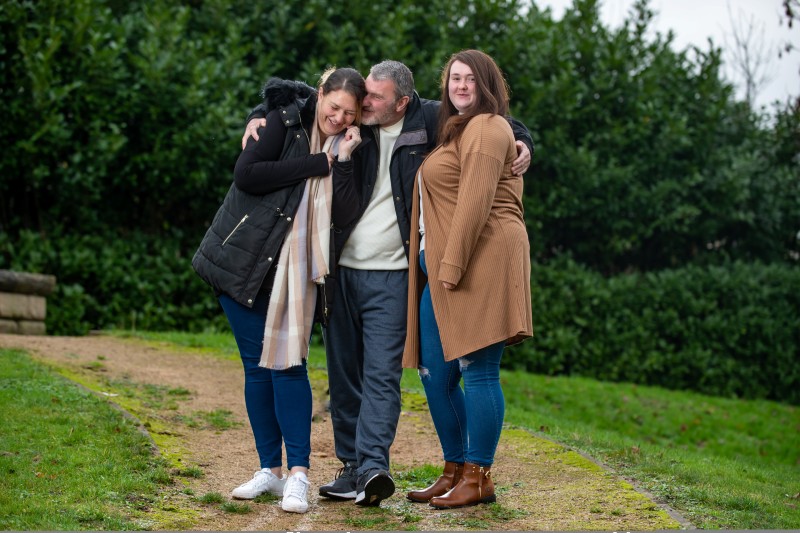
Women Who Learned They Were Sisters By Chance Reunited With Long-Lost Father After 24 Years: ‘It’s a Christmas Miracle’

SWNS

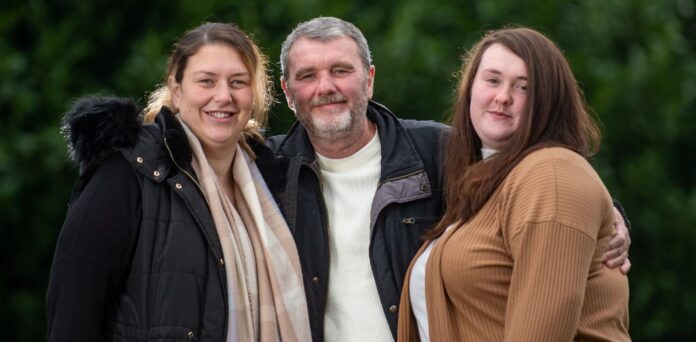
Two women who discovered they were sisters on Facebook while separately searching for their long-lost dad have been reunited with him after 24 years—just in time for Christmas.

33-year-old Lisa McLean and 24-year-old Rebecca Parton found each other on social media while searching for their father David Riggs back in 2016.

SWNS

They’ve since gone on to form a close sisterly bond—with Rebecca even acting as bridesmaid at Lisa’s wedding last year.

After meeting, the pair failed to give up on their Facebook search for their father.

Finally, three weeks ago, their online appeal received a positive hit: Lisa received a friend request from David. She realized he was their genuine dad after he was able to identify people in childhood family photographs.

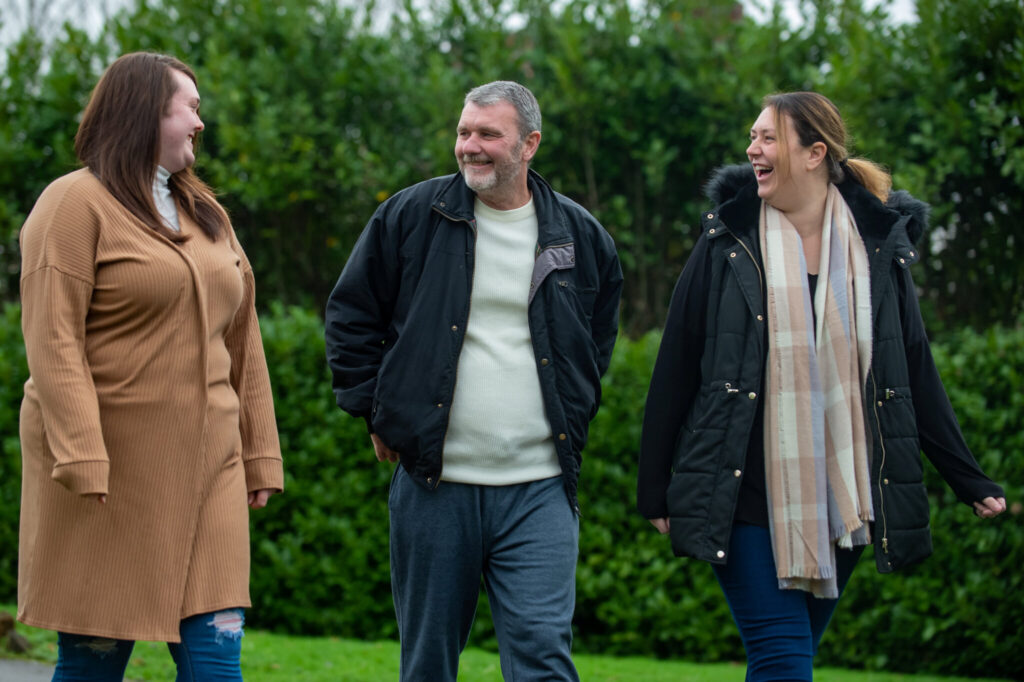
Last week, 53-year-old David traveled down from his home in Blackpool, England to meet his daughters for the first time in over twenty years.

SWNS

The emotional reunion took place at Lisa’s house in Nottingham, where David also got to meet his grandchildren for the first time.

RELATED: ‘Mom, It’s Me!’ Woman Meets Son She Placed For Adoption 45 Years Ago And Confirms She Made Right Decision

They are now set to spend their first Christmas and New Year together as a complete family.

Mom-of-five Lisa, who is a carer, said: “It was just lovely… there’s a lot of catching up to do—a lot of years to catch up on. The only way I can describe it, it’s a bit cheesy, but I suppose it is a Christmas miracle.

SWNS

Former Blackpool Pier maintenance worker David described feeling “like he’d won the lottery” and was the “happiest man in the world” after meeting his daughters.

SPREAD the Love – Share on Social Media to Inspire Your Friends…

While it May Seem Too Simple, Science Shows Light Lamp Therapy for Treating SAD During Winter Can Work

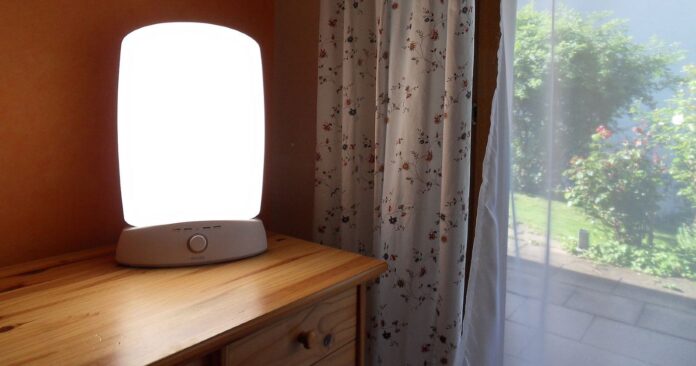
Aside from exercising and staying outside, light lamp therapy can be used to treat seasonal affective disorder in people who must remain indoors for work, COVID, or both.

There is nothing wrong with acknowledging one has seasonal affective disorder (SAD). It’s a simple confusion in the brain arising from changes in seasons and can affect anyone.

Boston University claims 10 million Americans get low moods in the winter months, when across a large part of the continental U.S, the sun sets at around 5:30pm.

All kinds of slight disfunctions can occur if someone stays inside all day. Research on office workers bears witness to changes in mood, dietary preferences, vitamin D deficiencies, and more, and while even in normal years, winter has people indoors more than they would be in summer, COVID-19 has exacerbated the problem.

Often one of the reasons why SAD can affect people so strongly in the winter time is because the sky is more often overcast. Cells in our eyes known as melanopsin detect light spectrums to determine what time of day it is, and an overcast sky all day can interfere with their calculations.

One method for treating this is to, so to speak, get an artificial sun—one that can beam right into your home or office.

Light lamp therapy

Circadian rhythms, the series of biological attunement of the organism to the day-night cycle in its environment, are present in every living thing, and in nearly every tissue of living things. It’s safe to say they are important.

CHECK OUT: Dispel Lockdown Woes and Hectic Holidays With Simple, Science-Backed Tips For Boosting Mood

When our brain senses the light from the sun is gone, it signals the creation of melatonin in the pineal gland. Of course, at 5:00pm, few in the modern world is ready for bed. Some people use light lamps to trick their brain into thinking it’s still daytime.

However it’s not only the detection of falling sunlight that determines melatonin production. It’s also the presence of sunlight during the day that helps produce melatonin at night.

One needs a strong lamp to replicate the kind of sunlight exposure examined in this study. A therapy lamp must deliver 5,000 to 10,000 lux, compared to the 800-900 lux provided by an early evening sky or the 100-400 provided from normal indoor lighting.

Studies show it’s an effective treatment for SAD, as well as the counterfactual—that blue-light usage after dark through LED screens can create depression in mice.

RELATED: Walking Through the Doorway of Change – How to Thrive Through Uncertainty

If one were to combine the use of a light lamp during the daylight hours, with use of blue-light filters to remove the sunlight spectrum from devices and computers around the time that the sun would go down in summer, for example around 8:30pm, the positive effect could be stronger.

Katie Sharkey at Brown University told Vox the pros and cons of using a light lamp, namely that they truly work for treating SAD, but that one has to be careful about using it at the right moment of the day.

If used too early in the day you’ll find yourself becoming tired before your normal bedtime, while using it too late can prevent you from falling asleep.

MORE: Positive Outlook Predicts Less Memory Decline, Says New Research

Despite this, a therapy lamp is definitely an option, like vitamin D or exercise, for treating SAD, and while Sharkey warns they can cause side-effects like headache or interference with other medicines, it’s a cheap treatment option that can be discussed with any kind of mental health professional, and can cost as little as $50.

PASS on the Positive Rays and Share This Story With Friends…

“Even in the darkest time, the sun is not vanquished… Let us all bring more light and compassion into the world.” – Dacha Avelin (on the Winter Solstice)

Quote of the Day: “Even in the darkest time, the sun is not vanquished… Let us all bring more light and compassion into the world.” – Dacha Avelin (on the Winter Solstice)

Photo by: NOAA

With a new inspirational quote every day, atop the perfect photo—collected and archived on our Quote of the Day page—why not bookmark GNN.org for a daily uplift?

Research Shows Babies Are Relaxed By Lullabies Even in Foreign Languages: The Frère Jacques Response

Virtually all new parents quickly discover that a lullaby will in fact help an infant unwind, but they might be surprised to learn that babies aren’t fussy about the language.

Researchers at Harvard’s Music Lab have determined that American infants relaxed when played lullabies that were unfamiliar and in a foreign language.

“Common sense tells us that infants find the lullabies they hear relaxing,” said Samuel Mehr, a Department of Psychology research associate and principal investigator at the Music Lab.  “Is this just because they’ve experienced their parents’ singing before and know it means they’re safe and secure? Or is there also something universal about lullabies that produces these effects, independently of experience?”

The new findings, published in Nature Human Behaviour, supported the latter hypothesis.

Infants responded to universal elements of songs, despite the unfamiliarity of their melodies and words, and relaxed. The study was conducted in 2018 and 2019 at the Music Lab, which focuses on the psychology of music from infancy to adulthood.

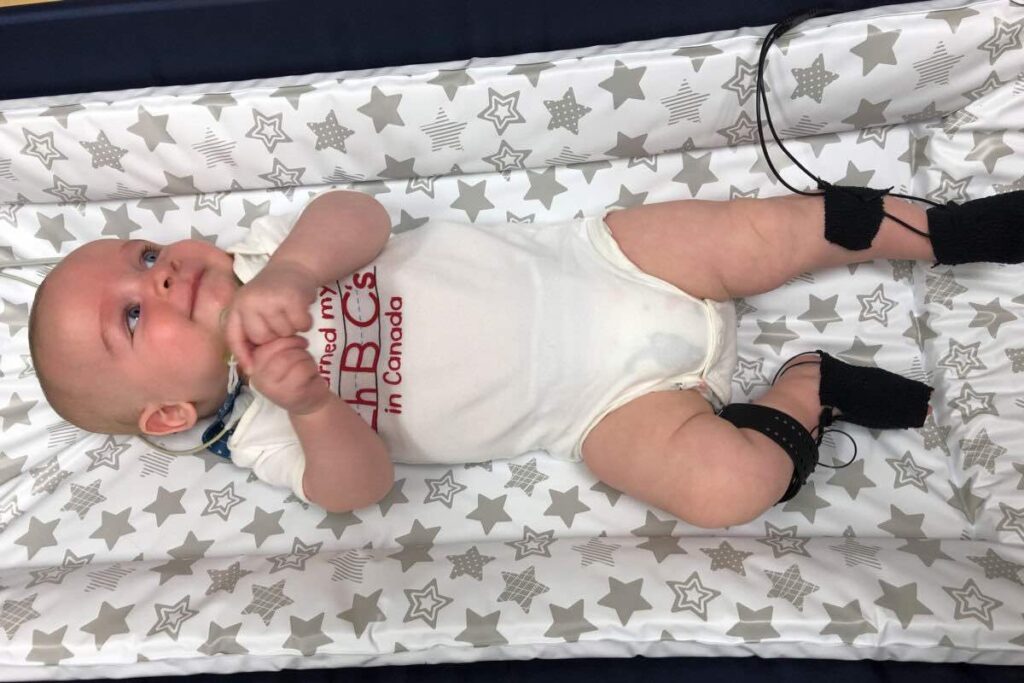
In the experiment, each infant watched an animated video of two characters singing either a lullaby or a non-lullaby. To measure the infants’ relaxation responses to the recordings, the researchers focused on pupil dilation, heart rate changes, electrodermal activity (a measure of “arousal” or excitement, from electrical resistance of the skin), frequency of blinking, and gaze direction as indicators of relaxation or agitation.

The Music Lab

Generally, the infants experienced a decrease in heart rate and pupil dilation, and attenuated electrodermal activity in response to the unfamiliar lullabies.

The researchers had to act quickly because of their subjects’ limited attention spans; most babies could pay attention for about five minutes before getting distracted.

POPULAR: Ethereal Sounds Are Emanating From the World’s First ‘Piano’ Made From Plants

“In an ideal world, we would play babies a dozen songs that are lullabies and a dozen songs that are not lullabies and gather a lot of data from each infant. But an infant’s attention span is short, so the experiment is short too,” Mila Bertolo, co-first author of the research, told the Harvard Gazette.

The songs were chosen through a previous Music Lab study, in which adults rated how likely a foreign unfamiliar song was to be a lullaby, a dance song, a healing song, or a love song. Using a cross-cultural sample of adult-rated lullabies helped the researchers avoid incorporating their own selection bias, where they might be more inclined to choose songs that most closely resembled a Western lullaby, said Bertolo.

The 16 songs selected for the experiment came from the Natural History of Song Discography, and included lullabies and other songs originally produced to express love, heal the sick, or encourage dancing. Languages like Scottish Gaelic, Hopi, and Western Nahuatl, and regions including Polynesia, Central America, and the Middle East were represented in the songs chosen.

RELATED: Americans Polled On The Best Dance Songs of All Time – Essential For Socially-Distant Zoom Dance Parties

“Melody is one of the things that sticks out for lullabies. In comparison, in a lot of other song types, such as dance songs, you would see rhythm as being more of a driving force,” explained Connie Bainbridge, who co-led the research with Bertolo in the Music Lab, and is now pursuing a Ph.D. in communication at UCLA.

Separately, researchers asked parents to listen to both types of song and choose which they would use to soothe their infant. They almost always chose the lullaby, indicating that they also recognized the universal elements of the lullaby, even subconsciously. “Calming a fussy infant is an urgent matter for parents. Those of us with kids might be particularly sensitive to the acoustic features that appear universally in lullabies, as these may be most likely to calm our infants efficiently,” said Mehr.

The findings are “a testament to how effective music is,” said Bertolo. “This piece of the puzzle helps us make sense of certain kind of downstream effects” like music therapy in clinical settings. “It’s an interesting question to see whether the same thing that drives the relaxation for infants would carry through into adulthood.”

CHECK OUT: Altruistic Babies? New Study Shows Hungry Toddlers Will Give Up Food in Order to Help Others

The researchers predict that the results could be replicated with a different group of subjects from another culture. They also plan to continue investigating questions raised during the experiment, such as which of the specific acoustical elements of a lullaby encourage relaxation, how singing interacts with other activities and environments to induce relaxation, and what inferences infants might make during listening.

The research provides evidence that singing can help infants relax — and in doing so might improve daily life for both child and caregiver.

“While the music in general was relaxing, there was something about the lullabies that was especially relaxing, so in theory there could be ways to optimize the music we provide to infants, to make them more effective,” added Bainbridge. “Additionally, it’s an interesting area to explore as far as the function of music — is it an adaptation that we evolved to have or a byproduct of language or auditory cognition? Our findings do seem to support the idea that there is actually an evolutionary function of music.”

Source: Harvard – See additional stories on music and babies at The Music Lab.

SHARE the Study With New Parents on Social Media…

This Week’s Inspiring Horoscopes From Rob Brezsny’s ‘Free Will Astrology’

We’ve partnered with our friend Rob Brezsny to provide his weekly wisdom which can enlighten your thinking and motivate your mood. Rob’s Free Will Astrology, is a syndicated weekly column appearing in over a hundred publications. He is also the author of Pronoia Is the Antidote for Paranoia: How All of Creation Is Conspiring To Shower You with Blessings. (A free preview of the book is available here.)

Here is your weekly horoscope…
FREE WILL ASTROLOGY – Week beginning December 17, 2020
Copyright by Rob Brezsny, FreeWillAstrology.com
SAGITTARIUS (Nov. 22-Dec. 21):
According to researcher Nick Watts and his documentary film The Human Footprint, the average person speaks more than 13 million words in a lifetime, or about 4,300 per day. But I suspect and hope that your output will increase in 2021. I think you’ll have more to say than usual—more truths to articulate, more observations to express, more experiences to describe. So please raise your daily quota of self-expression to account for your expanded capacity to share your intelligence with the world.
CAPRICORN (Dec. 22-Jan. 19):
“Our thinking should have a vigorous fragrance, like a wheat field on a summer’s night,” wrote philosopher Friedrich Nietzsche. I encourage you to adopt that joyful mandate as your own. It’s a perfect time to throw out stale opinions and moldy ideas as you make room for an aromatic array of fresh, spicy notions. To add to your bliss, get rid of musty old feelings and decaying dreams and stinky judgments. That brave cleansing will make room for the arrival of crisp insights that smell really good.
AQUARIUS (Jan. 20-Feb. 18):
Have you heard the term “catastrophize”? It refers to when people experience a small setback or minor problem but interpret it as being a major misfortune. It’s very important that you not engage in catastrophizing during the coming weeks. I urge you to prevent your imagination from jumping to awful conclusions that aren’t warranted. Use deep breathing and logical thinking to coax yourself into responding calmly. Bonus tip: In my view, the small “setback” you experience could lead to an unexpected opportunity—especially if you resist the temptation to catastrophize.
PISCES (Feb. 19-March 20):
My Buddhist friend Marcia says the ultimate goal of her meditation practice is to know that the material world is an illusion and that there is no such thing “I” or “you,” no past or future. There is only the quality-less ground of being. My Sufi friend Roanne, on the other hand, is a devotee of the poet Rumi. The ultimate goal of her meditation practice is to be in intimate contact, in tender loving communion, with the Divine Friend, the personal face of the Cosmic Intelligence. Given your astrological omens, Pisces, I’d say you’re in a prime position to experience the raw truth of both Marcia’s and Roanne’s ideals. The coming days could bring you amazing spiritual breakthroughs!
ARIES (March 21-April 19):
Temporary gods are deities who come alive and become available for particular functions, and are not otherwise necessary or called upon. For instance, in ancient Greece, the god Myiagros showed up when humans made sacrifices to the goddess Athena. His task was to shoo away flies. I encourage you to invent or invoke such a spirit for the work you have ahead of you. And what’s that work? 1. To translate your recent discoveries into practical plans. 2. To channel your new-found freedom into strategies that will ensure freedom will last. 3. To infuse the details of daily life with the big visions you’ve harvested recently. What will you name your temporary god?
TAURUS (April 20-May 20):
Author Virginia Woolf said that we don’t wholly experience the unique feelings that arise in any particular moment. They take a while to completely settle in, unfold, and expand. From her perspective, then, we rarely “have complete emotions about the present, only about the past.” With that as your starting point, Taurus, I invite you to take a journey through the last 11 months and thoroughly evolve all the emotions that weren’t entirely ripe when they originally appeared. Now is an excellent time to deepen your experience of what has already happened; to fully bloom the seeds that have been planted.
GEMINI (May 21-June 20):
“Wonder is a bulky emotion,” writes author Diane Ackerman. “When you let it fill your heart and mind, there isn’t room for anxiety, distress, or anything else.” I’d love for you to use her observation as a prescription in 2021, Gemini. According to my understanding of the coming year’s astrological portents, you will have more natural access to wonder and amazement and awe than you’ve had in a long time. And it would make me happy to see you rouse those primal emotions with vigor—so much so that you drive away at least some of the flabby emotions like anxiety, which are often more neurotic than real.
CANCER (June 21-July 22):
I’ll use the words of author Estefanía Mitre to tell you the kind of intimate ally you deserve. If for some inexplicable reason you have not enjoyed a relationship like this before now, I urge you to make 2021 the year that you finally do. And if you HAVE indeed been lucky in this regard, I bet you’ll be even luckier in 2021. Here’s Mitre: “You deserve a lover who wants you disheveled . . . who makes you feel safe . . . who wants to dance with you . . . who never gets tired of studying your expressions . . . who listens when you sing, who supports you when you feel shame and respects your freedom . . . who takes away the lies and brings you hope.”
LEO (July 23-Aug. 22):
In 2019, singer Ariana Grande got Japanese characters tattooed on her palm. She believed them to be a translation of the English phrase “7 Rings,” which was the title of a song she had released. But knowledgeable observers later informed her that the tattoo’s real meaning was “small charcoal grill.” She arranged to have alterations made, but the new version was worse: “Japanese barbecue grill finger.” I offer you this story for two reasons, Leo. First, I applaud the creativity and innovative spirit that have been flowing through you. Second, I want to make sure that you keep them on the right track—that they continue to express what you want them to express. With proper planning and discernment, they will.
VIRGO (Aug. 23-Sept. 22):
While sleeping, most of us have over a thousand dreams every year. Many are hard to remember and not worth remembering. But a beloved few can be life-changers. They have the potential to trigger epiphanies that transform our destinies for the better. In my astrological opinion, you are now in a phase when such dreams are more likely than usual. That’s why I invite you to keep a recorder or a pen and notebook by your bed so as to capture them. For inspiration, read this testimony from Jasper Johns, whom some call America’s “foremost living artist”: “One night I dreamed that I painted a large American flag, and the next morning I got up and I went out and bought the materials to begin it.” Painting flags ultimately became one of Johns’ specialties.
LIBRA (Sept. 23-Oct. 22):
I composed a prayer that’s in alignment with your current astrological omens. If it feels right, say it daily for the next ten days. Here it is: “Dear Higher Self, Guardian Angel, and Future Me: Please show me how to find or create the key to the part of my own heart that’s locked up. Reveal the secret to dissolving any inhibitions that interfere with my ability to feel all I need to feel. Make it possible for me to get brilliant insights into truths that will enable me to lift my intimate alliances to the next level.”
SCORPIO (Oct. 23-Nov. 21):
Author Herman Hesse observed, “Whoever wants music instead of noise, joy instead of pleasure, soul instead of gold, creative work instead of business, passion instead of foolery, finds no home in this trivial world.” I hope you will prove him wrong in 2021, Scorpio. According to my reading of astrological omens, the rhythms of life will be in alignment with yours if you do indeed make bold attempts to favor music over noise, joy over pleasure, soul over gold, creative work over business, passion over foolery. Moreover, I think this will be your perfect formula for success—a strategy that will guarantee you’ll feel at home in the world more than ever before.

WANT MORE? Listen to Rob’s EXPANDED AUDIO HOROSCOPES, 4-5 minute meditations on the current state of your destiny — or subscribe to his unique daily text message service at: RealAstrology.com

(Zodiac images by Numerologysign.com –CC license)

SHARE The Wisdom With Friends Who Are Stars in Your Life on Social Media…

Kindness in West Virginia: Police Give Traffic Violators Gift Cards Instead of Tickets

When drivers in Charleston, West Virginia heard the sirens of police cars behind them last week, many got a holiday reprieve to brighten their day.

The South Charleston Police Department was giving out gift cards, instead of tickets, to the traffic rule-breakers.

“BIG shout out to SCPD,” wrote Jeanna McCallister Lilly on Facebook. “I ran a red light (accidentally of course) and was, as expected, pulled over. The officer took my ID and car info and when he came back, he surprised me by NOT giving me a ticket, but a gift card for Chik-Fil-A.”

“How wonderful is that??”

The franchise restaurant approached officers at the local Fraternal Order of Police lodge, according to the South Charleston Police Department’s Facebook page, asking if they’d like to hand out the gift cards for the holidays. They acquired $500 worth of cards to distribute.

Officer Robert Yeager told WCHS News that officers were stopping drivers as usual for traffic violations but surprised them with $10 gift cards.

“Usually, people aren’t too happy when you pull them over, but to put a smile on someone’s face like that, it’s a good feeling,” Patrol Officer Justin Morris told the news team.

Watch the TV news video from WCHS, here.

Resveratrol for Cold and Flu: Anti-Aging Compound Shown Promise as Flu and COVID Treatment

While the world shelters in place to see if a vaccine might end the COVID-19 pandemic, a body of researchers are suggesting that if the scientific community only took studies on certain plant compounds a little farther, widespread effective treatments could be developed that ward off this coronavirus and future ones.

These include resveratrol and flavonoids collectively known as polyphenols, containing impressive flu-fighting elements such as quercetin, luteolin, fisetin, curcumin, and.

Gaining a lot of popularity as an anti-aging supplement, resveratrol is a powerful antioxidant that also helps suppress pro-inflammatory compounds like IL-6 and TNF-alpha that are associated with disease, the latter of which involved in every disease known to man.

This was demonstrated in a study, described here, where healthy individuals were given a 6-week course of 40mg of resveratrol derived from the extract of a plant called Japanese knotweed.

Currently, resveratrol, a compound present in most plants which is expressed when they experience stress, is being looked at as a potential ameliorator of viral infections including seasonal influenza and COVID-19.

RELATED: New Study Suggests Mouthwash Can Kill Coronavirus in Saliva in 30 Seconds

Resveratrol is found in the skin and stems of plants, and famously can be found in trace amounts in red wine due to the stress put on the plants during the winemaking process. – Amos Bar-Zeev

Anti-aging and antiviral

One of the principle ways resveratrol influences longevity is by acting as a mimic for the effects of calorie restriction on sirtuin activation.

A study in Nature reports a finding in yeast cells that showed, “resveratrol mimics calorie restriction by stimulating sirtuin-2, increasing DNA stability and extending lifespan by 70%”.

Now being examined as a potential co-factor in a possible COVID-19 treatment, one can see other ways in which resveratrol can help extend lifespan.

Its main antiviral mechanisms inhibit viral protein synthesis, inhibit various transcription and signaling pathways, and inhibit viral related gene expressions—in other words it makes it harder for viral cells to live, being that viruses hijack our own cells’ reproductive and regenerative functions for their own nefarious purposes.

POPULAR: Sufferers Living With Severe Arthritis Could be Given Lasting Pain Relief Thanks to a New Technique

One exhaustive study looked to pair plant phytochemicals like flavonoids with the now FDA-approved hydroxychloroquine as a way to stop the docking mechanism of COVID-19. Resveratrol was examined as it has been found to inhibit one of COVID’s corona-cousins: MERS.

Resveratrol was also found to ameliorate other virus like pseudorabies and HIV-1.

The study found resveratrol to have moderate success, but with luteolin, kaempferol, and quercetin having the largest success. These are all polyphenols or flavonoids that are found in fruits but mostly vegetables, with quercetin being one of the most commonly-consumed polyphenols in society.

Foods and supplements that provide COVID-fighting flavonoids

Unfortunately, resveratrol is difficult to consume with only foods. It has poor oral-bioavailability and despite what your bartender tells you about its presence in red wine, you’d die of alcohol poisoning before getting any beneficial amount of resveratrol from drinking.

In reality, a supplement is what’s needed, stored in a cold dark environment, and taken with a meal with a moderate amount of fat. Many studies on the beneficial effects of resveratrol have used resveratrol taken from Japanese knotweed, and those looking to follow the science to the letter would seek a knotweed supplement.

Quercetin, which was shown to disrupt the docking systems of SARS-CoV-1 and 2, is found most richly in capers, but also in a variety of vegetables like the leaves of cilantro, radish, and fennel, and red onions and watercress. Kaempferol, found in arugula and kale, is also available in significant amounts in raw or canned capers. Luteolin, with proven antiviral effects on SARS CoV-1, a pandemic in China back in 2003, and can be found according to one literature review in carrots, peppers, celery, olive oil, peppermint, thyme, rosemary and oregano.

RELATED: FDA Approves America’s First Prescription COVID-19 Home Testing Kit

Edited from an article published on World At Large, a news website of nature, science, health, politics, and travel.  

SHARE The Health Critical News on Social Media…

“Don’t think too far into the future. Use what you have right now & see the magic of your being.” – Rajesh Goyal

Almos Bechtold

Quote of the Day: “Don’t think too far into the future. Use what you have right now & see the magic of your being.” – Rajesh Goyal

Photo by: Almos Bechtold

With a new inspirational quote every day, atop the perfect photo—collected and archived on our Quote of the Day page—why not bookmark GNN.org for a daily uplift?

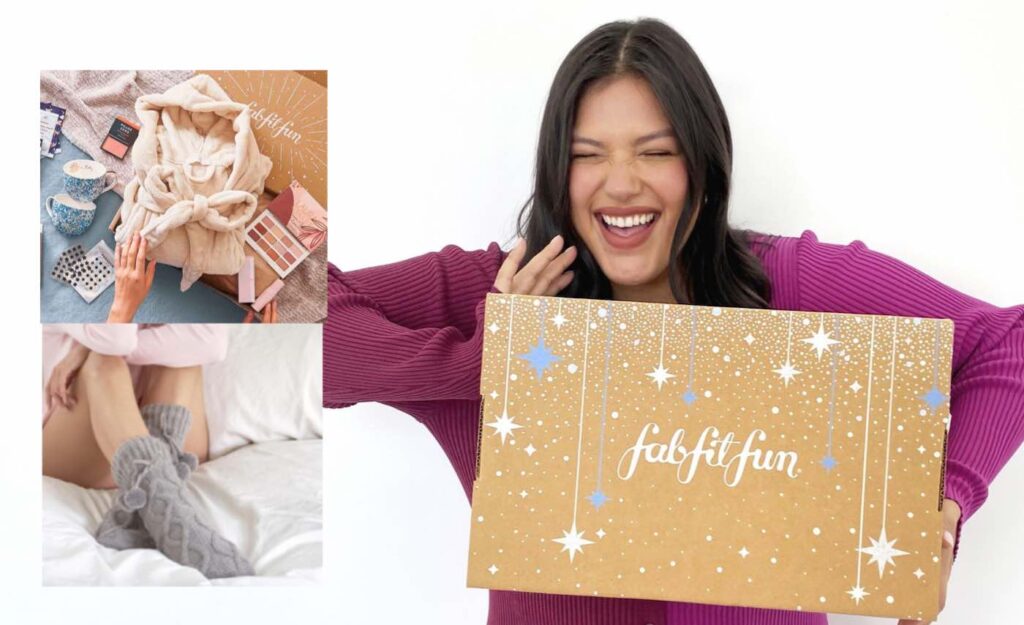
$10 Goes to Stand Up To Cancer When You Buy a Cozy FabFitFun ‘Winter Box’ Full of Gifts With $10 GNN Discount

GNN is happy to announce that we’ve partnered with FabFitFun to promote their “Winter Box” and GNN users will receive $10 off the box using code ‘GNN10.’ And, perhaps the best part: $10 from each box sold using our code will be donated to support Stand Up To Cancer.

The box—available in the US, UK, and Canada—is valued at over $200 but it costs just $39, when you use the code GNN10.

Every season, FabFitFun members receive a selection of 8-10 products, some of which are curated by their team of experts, while others can be customized based on personal taste and preferences. The FabFitFun Box includes products from both premium and emerging brands.

I got my box and loved the robe, cups, and incredibly cozy thick socks, which are pictured at the top of the page.

FabFitFun will give 100% of all donations made in the Winter Add On Sale and Winter Edit Sale between October 29, 2020 – January 14, 2021, to Stand Up To Cancer, which brings together the best and the brightest in the cancer community, facilitating collaboration to help new therapies move from the laboratory to the patient.

Between October 22, 2020, and January 18, 2021, FabFitFun will donate $10.00 to Stand Up To Cancer for every box sold using the code GNN10.

FabFitFun will guarantee a minimum donation amount of $50,000 USD in connection with these promotions. Your donation may be tax-deductible, but because taxes are dependent on your individual circumstances, you should check with your tax advisor.

Happy Holidays!

50 Frontline Heroes Gifted New Cars For Going Above & Beyond To Help During Pandemic: ‘Surreal’

CBS-2 - Youtube

50 frontline workers across America are driving home new cars this month, after they were nominated as heroes in the 2020 Mazda Heroes program.

CBS-2 – Youtube

Mazda, which is celebrating its 100th anniversary, announced in October it was giving away fifty brand new MX-5 Miata 100th Anniversary Special Edition models, with each car destined for individuals who “tirelessly dedicated themselves to their communities throughout 2020” through “selfless acts, creative thinking and contributions to community.”

After receiving 1,000 inspiring nominations from across the nation which embody the car company’s value of “omotenashi”—putting other’s needs first—they selected 50 heroes, including three from New York City, who recently picked their new cars up at a dealership in Queens. (See video below.)

“This year has been full of challenges and we wanted to lean into our brand’s heritage of finding innovative ways to brighten people’s lives,” Mazda North America President Jeff Guyton said.

RELATED: Idaho Secret Santa is Giving Away $500,000 Across the City With Unforgettable Surprises

The selected Mazda Heroes selflessly leveraged personal skills and resources to care for those in need, from creating free grocery delivery services, to partnering with local restaurants to provide free meals to healthcare workers, to a musician who created curbside concerts for a senior community that had to remain indoors.

One of the winners, Jason Erdreich, used his skills as a shop teacher in Randoph, New Jersey, and his access to 3-D printers, to print 12,000 pieces of PPE for medical workers who were in dire need of equipment.

Triana Davis, a teacher in Byram, Mississippi created and hand-delivered custom curricula to her students and produced special commemorative t-shirts, goodie bags, and custom-engraved medals, after the pandemic cancelled graduation ceremonies.

POPULAR: This Irish Couple Built Homes for Their Employees, and It’s Changed Their Lives

An ICU nurse in The Woodlands, Texas, Christie Purviance worked grueling 15-hour days throughout the pandemic, yet always treating her patients like family. She delivered photos of patients’ family members who couldn’t visit, and helped facilitate video chats with loved ones—all while leaving daily sticky-notes of encouragement.

Another winner, Leandro de Araujo Pessoa of Lansing, Michigan lost his job after the lockdown hit in March, but he ended up using all his extra time to become the leader of a food pantry run by a local church. He devoted his time and a portion of his unemployment checks to the food pantry to keep it stocked with all the items necessary.

Mazda hopes that by acknowledging their achievements, these 50 heroes will feel empowered to continue to giving back to those around them.

WATCH the winners picking up cars in New York…

SHARE the Convertible Joy With Friends on Social Media…
“To disagree, one does not have to be disagreeable.” – Barry Goldwater

Quote of the Day: “To disagree, one does not have to be disagreeable.” – Barry Goldwater (5x Republican U.S. Senator from Arizona)

Photo by: Johannes Plenio

With a new inspirational quote every day, atop the perfect photo—collected and archived on our Quote of the Day page—why not bookmark GNN.org for a daily uplift?

‘Go build a snowman’: School Superintendent Declares Virtual Snow Day, Melting our Hearts on Twitter

As kids, when snow began to fall in earnest, many of us waited with bated breath, fingers crossed, for word of school closings. Snow days were a special treat; an unexpected holiday, a chance to trade in books and blackboards for sleds and snowball fights.

Over the past year, in light of escalating stress over the pandemic and its far-ranging fallout, it was sometimes hard to keep sight of life’s simple joys, but in Jefferson County, West Virginia, school superintendent Bondy Shay Gibson never lost focus on the bigger picture and what truly matters.

When a major snowstorm was forecast for her district, Gibson took the initiative to close the schools, but she also seized the moment to remind her community that nourishing the spirit is sometimes just as important as fueling the intellect.

The carpe diem announcement she posted to Facebook, reminding parents to simply enjoy this time out of time to let their kids just be kids quickly snowballed in popularity, garnering in the neighborhood of 17,000 shares in just a few days:

“For generations, families have greeted the first snow day of the year with joy. It is a time of renewed wonder at all the beautiful things that each season holds. A reminder of how fleeting a childhood can be. An opportunity to make some memories with your family that you hold onto for life.”

RELATED: The Mind-Blowing Mathematics of Snowflakes

… It has been a year of seemingly endless loss and the stress of trying to make up for that loss. For just a moment, we can all let go of the worry of making up for the many things we missed by making sure this is one thing our kids won’t lose this year.

So please, enjoy a day of sledding and hot chocolate and cozy fires. Take pictures of your kids in snow hats they will outgrow by next year and read books that you have wanted to lose yourself in, but haven’t had the time. We will return to the serious and urgent business of growing up on Thursday, but for tomorrow—go build a snowman.”

Snowstorms come and go, but creating memories with our loved ones can last a lifetime. Now, perhaps more than ever, when we’re blessed with the unexpected opportunity to write a joyful chapter in our family history books, we should welcome it with open hearts.

Think of it as stocking up for the future.

MORE: Principal Announces Snow Day With Soulful Adele Cover Video (WATCH) 

Cherished remembrances of the simple shared pleasures we forge today may well offer strength and comfort in challenging times, and ultimately, be what sustains us and gives us hope for brighter days ahead.

SHARE This Joyful Story With Pals on Social Media…
Every Patient Treated With CRISPR Gene Therapy for Blood Diseases Continues to Thrive, More Than a Year On

sickle-cell-anemea-cc-Libertas-Academica-foter.jpg

18 months into the first serious clinical trials of CRISPR gene therapy for sickle cell disease and beta-thalassemia—and all patients are free from symptoms and have not needed blood transfusions.

Sickle cell disease (SCD) can cause a variety of health problems including episodes of severe pain, called vaso-occlusive crises, as well as organ damage and strokes.

Patients with transfusion-dependent thalassemia (TDT) are dependent on blood transfusions from early childhood.

The only available cure for both diseases is a bone marrow transplant from a closely related donor, an option that is not available for the vast majority of patients because of difficulty locating matched donors, the cost, and the risk of complications.

In the studies, the researchers’ goal is to functionally cure the blood disorders using CRISPR/Cas9 gene-editing by increasing the production of fetal hemoglobin, which produces normal, healthy red blood cells as opposed to the misshapen cells produced by faulty hemoglobin in the bodies of individuals with the disorders.

The clinical trials involve collecting stem cells from the patients. Researchers edit the stem cells using CRISPR-Cas9 and infuse the gene-modified cells into the patients. Patients remain in the hospital for approximately one month following the infusion.

Prior to receiving their modified cells, the seven patients with beta thalassemia required blood transfusions approximately every three to four weeks and the three patients with SCD suffered episodes of severe pain roughly every other month.

All the individuals with beta thalassemia have been transfusion independent since receiving the treatment, a period ranging between two and 18 months.

Similarly, none of the individuals with SCD have experienced vaso-occlusive crises since CTX001 infusion. All patients showed a substantial and sustained increase in the production of fetal hemoglobin.

Flying for the first time

15 months on, and the first patient to receive the treatment for SCD, Victoria Gray, has even been on a plane for the first time.

Before receiving CRISPR gene therapy, Gray worried that the altitude change would cause an excruciating pain attack while flying. Now she no longer worries about such things.

She told NPR of her trip to Washington, D.C: “It was one of those things I was waiting to get a chance to do… It was exciting. I had a window. And I got to look out the window and see the clouds and everything.”
MORE: MIT Researchers Believe They‘ve Developed a New Treatment for Easing the Passage of Kidney Stones

This December, the New England Journal of Medicine published the first peer-reviewed research paper from the study—it focuses on Gray and the first TDT patient who was treated with an infusion of billions of edited cells into their body.

“There is a great need to find new therapies for beta thalassemia and sickle cell disease,” said Haydar Frangoul, MD, Medical Director of Pediatric Hematology and Oncology at Sarah Cannon Research Institute, HCA Healthcare’s TriStar Centennial Medical Center. “What we have been able to do through this study is a tremendous achievement. By gene editing the patient’s own stem cells we may have the potential to make this therapy an option for many patients facing these blood diseases.”

READ: For the First Time in the US, Surgeons Pump New Life into Dead Donor Heart for Life-Saving Transplant

Because of the precise way CRISPR-Cas9 gene editing works, Dr. Frangoul suggested the technique could potentially cure or ameliorate a variety of diseases that have genetic origins.

As GNN has reported, researchers are already using CRISPR to try and treat cancer, Parkinson’s, heart disease, and HIV, as well.

Source: American Society of Hematology