












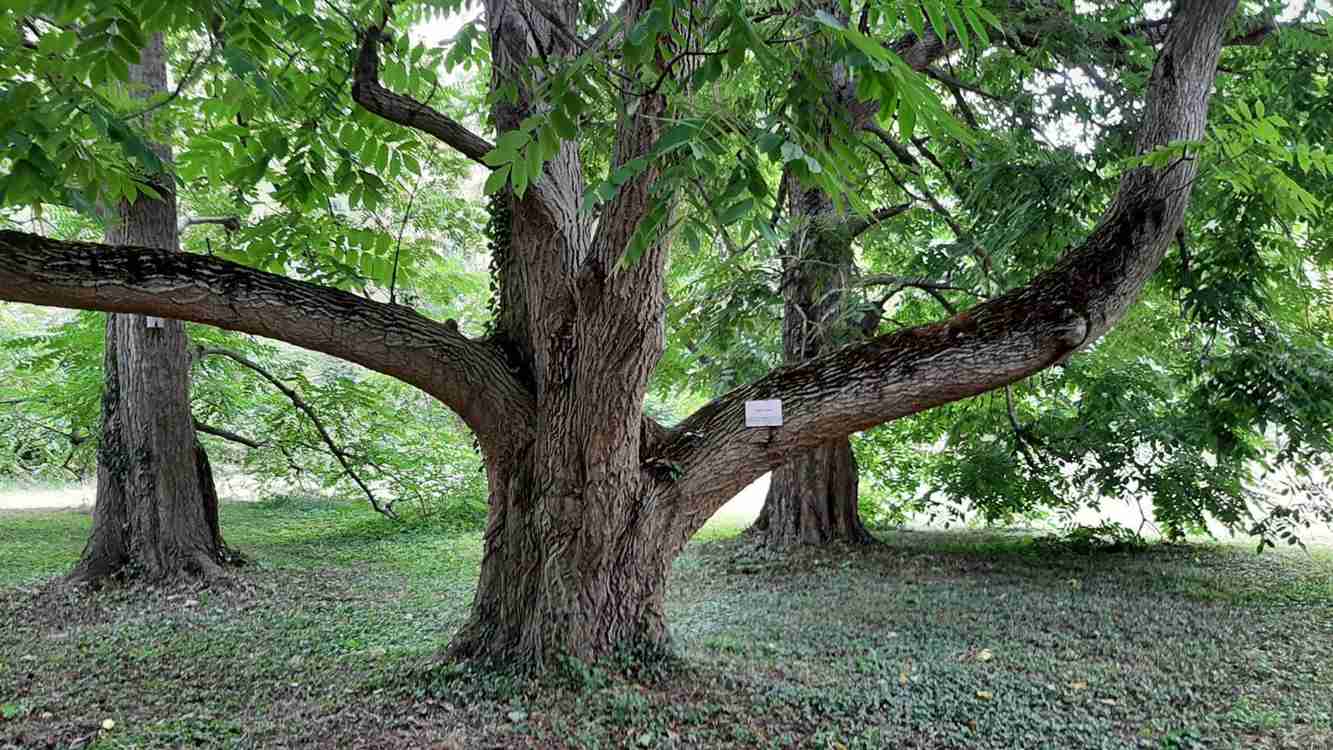
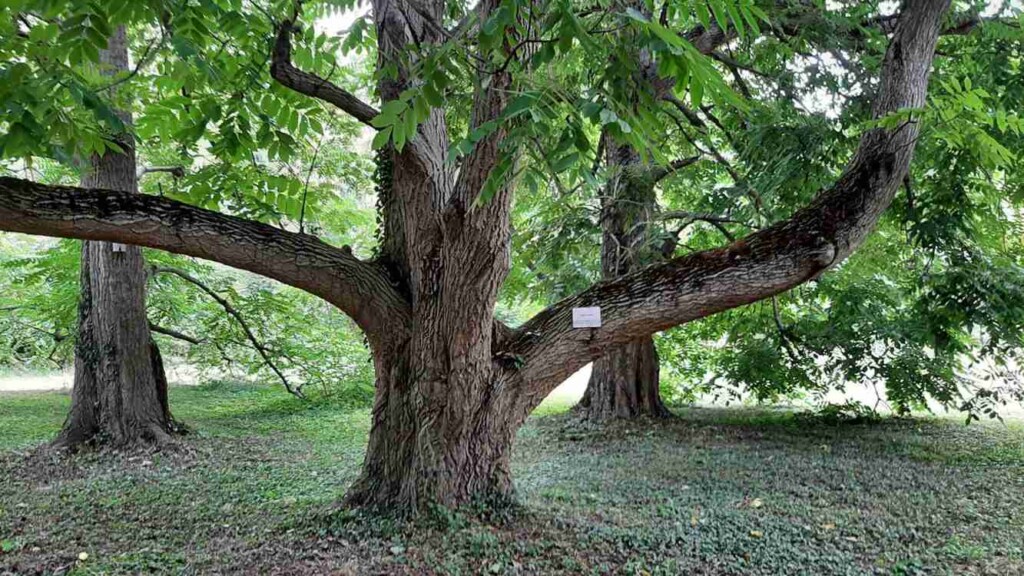
The butternut tree, (Juglans cinerea) a close relative of black walnut prized for its pale wood and wildlife value, is on the brink of disappearing from North American forests.
But a new study from Virginia Tech offers hope that the species could regain its foothold with help from modern data science. By mapping climate and soil conditions linked to natural resistance which the tree has developed to a fungal disease, researchers are guiding restoration strategies that could help this native species recover.
Published recently in Forest Ecology and Management, the researchers identify where endangered butternut trees and their more disease-resistant hybrids are most likely to thrive.
Using habitat modeling that combines climate, soil, and genetic data, the team mapped regions across the Midwest and Northeast that are best suited for restoration.
“Butternut has nearly vanished from our forests because of an invasive fungal disease that spread across the landscape a century ago,” said Carrie Fearer, assistant professor in the Department of Forest Resources and Environmental Conservation and senior author of the study.
“But we now know that some individuals have natural resistance, and by understanding the conditions that support those trees, we can focus conservation where it will matter most.”
The disease, known as butternut canker, has pushed the tree to Endangered status on the IUCN’s Red List. Working with Purdue University and the US Forest Service, the research team developed predictive maps that show where resistant trees are already surviving and where future planting efforts could succeed.
The models highlight parts of southern Indiana, western Kentucky, western Michigan, and much of New England as prime regions for resistant butternut. The results also identify areas where naturally occurring hybrids, crosses between native butternut and the disease-tolerant Japanese walnut, may already be helping the species persist.
“This study gives forest managers a conservation map,” said Fearer, also an affiliated faculty member of the Fralin Life Sciences Institute. “It tells us which combinations of temperature, precipitation, and soil carbon tend to support resistant butternuts. Those insights help us protect the right trees and guide future restoration planting.”
NORTH AMERICAN TREES: Once Wiped Out by Blight, Thousands of American Chestnut Trees are Thriving on Biologist’s Land in Maine
Butternuts are valuable “mast,” or “canopy trees,” that is, they’re producers of large nuts that feed wildlife such as turkeys, deer, and bears. Their decline has ripple effects across forest ecosystems and the communities that depend on them.
“Losing a canopy species like butternut changes everything from wildlife habitat to forest composition,” Fearer said. “It’s about protecting the biodiversity and heritage of our eastern forests.”
Aziz Ebrahimi, a research scientist at Purdue University who worked on the project, said the results of their work are practical tools that guide where to collect seed, establish regeneration orchards, and focus restoration efforts.
HANGING ON BY ITS ROOTS: Texas Oak Tree Thought to Be Extinct Discovered in Big Bend National Park
As climate patterns shift, identifying where endangered species can survive is important. Fearer said that the same modeling approach could guide efforts for other native trees under threat from invasive diseases and changing temperatures.
“We can’t move trees everywhere,” she said, “but we can predict where they’re most likely to succeed. This research gives us a road map for restoring not just butternut, but resilience to our forests.”
SHARE This Great Insight Into North American Forests…