













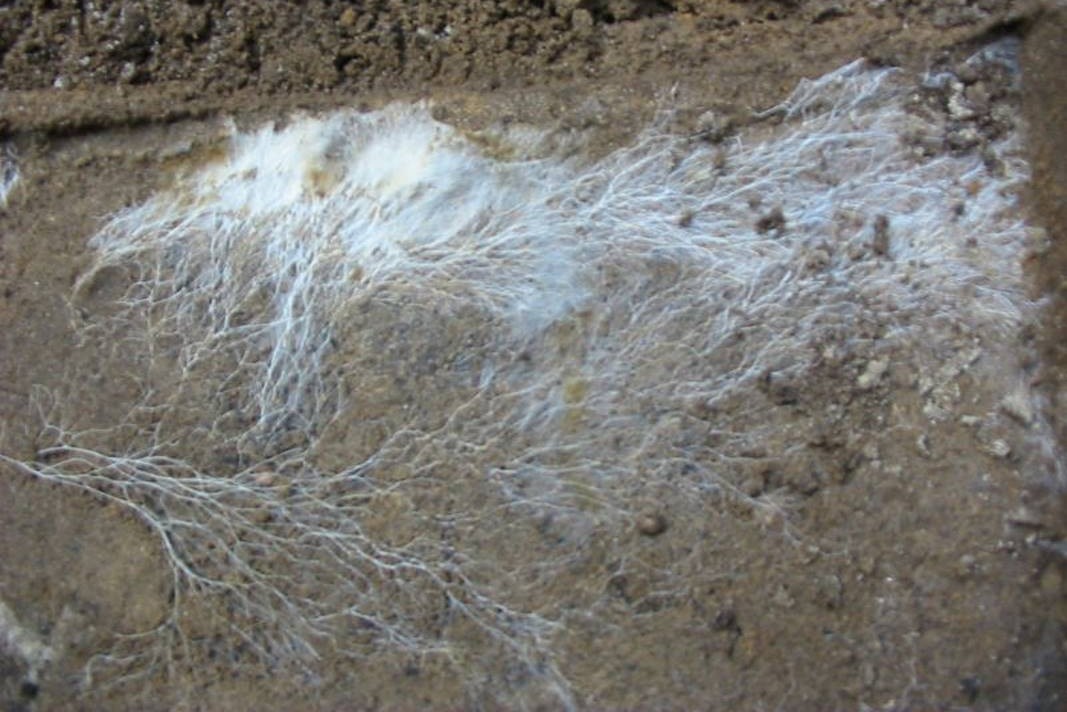
Some years ago, scientists dedicated to including the kingdom Fungi into modern conservation set out to measure the total length of fungal networks under the soil.
These networks form the fabled “wood wide web,” an interconnected, biological framework of cooperation between plants, fungi, and probably microorganisms.
Their research, published last July, found that just within the top 15 centimeters of soil, the fungal filaments stretched approximately 62 quadrillion miles long, and that if they were spun into a single yarn it would reach from the Earth to the Sun and back 1 billion times.
They translated that research into an interactive map of the globe where the user can see for themselves the density of biological compute around the world’s ecosystems.
Though making for a fun curiosity, it’s also part of the scientists’ mission: to advocate for greater protections for fungi amid the global effort to conserve 30% of the land in perpetuity for ecosystem integrity.
The scientists believe the new map will help identify areas where fungal networks need greater protection and restoration, and indeed argued in a peer-reviewed paper on their method that a little less than 10% of all the densest clusters of these fungal networks are currently located within protected areas.
Though it’s been styled the “wood wide web,” the greatest density is observed in grasslands and wetlands. Hotspots include the Anatolian steppe, Tibetan plateau, intact parts of the North American Prairie, the Everglades, and the Sudd wetlands in Africa.
The reason has to do with what services this vast network of arbuscular mycorrhizal fungi provide to the plants plugged into it. Each lifeform provides a service to the other to make up for inabilities. The plants can produce sugars from sunlight through photosynthesis and exchange that sugar with the fungi which cannot.
FUN-GI FACTS: Watch This Mushroom Propel a Robot Across the Ground—We’re Not Joking
In return, the fungi provide not only water, but important nutrients like phosphorous and nitrogen. The mycorrhizal network can reach much further into the earth than the average grass or forb species, which is probably why their networks are denser in grasslands than in forests, where tree roots reach much deeper.
This partnership is vital for maximizing any plant’s carbon storage potential—of particular interest these days for obvious reasons.
The dataset and map also reveal that where human agriculture is intensive, the density of fungal network filaments, called hyphae, are much reduced.
MORE ON THIS TOPIC: ‘Mushroom Mining’ Could Be Cheap Way to Recover Rare Earth Minerals from Industrial Waste
In addition to being outside of existing protected areas, of the more than 8,000 species known to participate in the wood wide web, virtually none have been assessed for endangered status by the global conservation authority the International Union for the Conservation of Nature.
The scientists and their Society for the Protection of Underground Networks (SPUN) argue that this is a blind spot in global conservation, and that both fungal populations and network density, should be taken into account when designating conservation areas.
SHARE These Incredible Facts About The World’s Famous Wood Wide Web…