












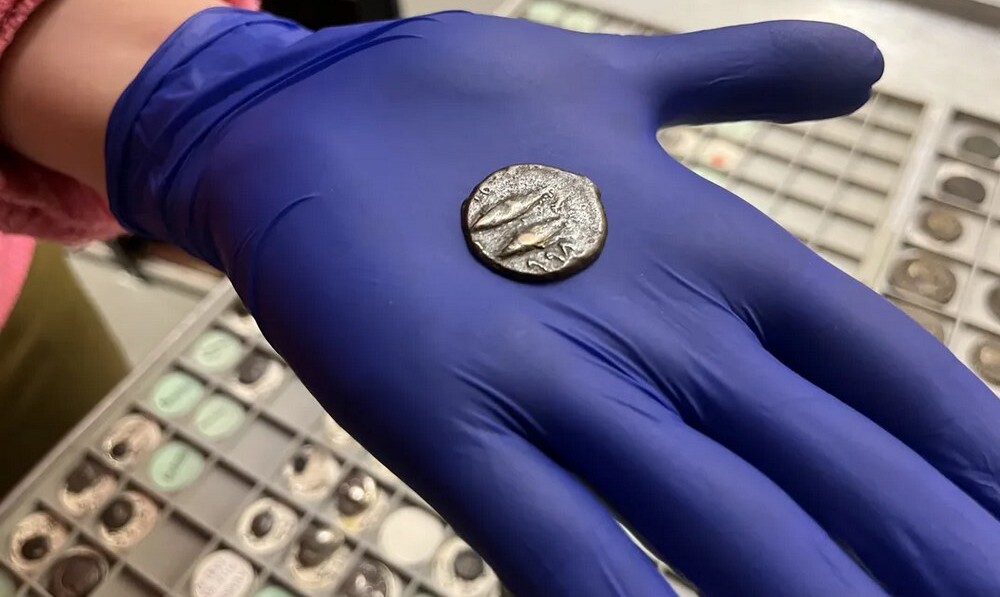
Struck 2,100 years ago on the coast of Spain by mariners from the Fertile Crescent, a coin bizarrely made its way to the English city of Leeds where someone successfully attempted to use it as bus fare.
It’s an incredible story that reminds us how history—even ancient history—can be found all around us, popping up when we least expect it.
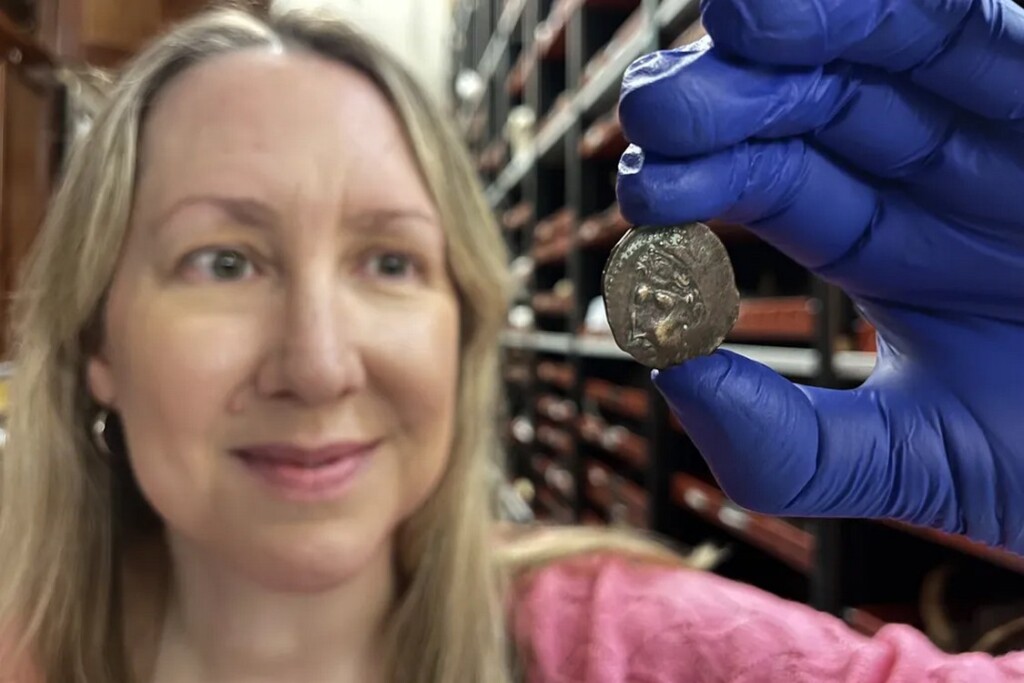
The story was shared by Leeds Museum and Galleries, after they received the coin as a donation from a local.
It first came into the hands of James Edwards, former chief cashier with Leeds City Transport, who gathered fares from bus and tram drivers and counted them at the end of each day.
Part of this job involved plucking out any ineligible, fake, or foreign coins used by dishonest commuters, which Edwards would then take them home as gifts to his young grandson Peter, who kept the precious mementos in a small wooden chest for more than 70 years.
“My grandfather would come across coins which were not British and put them to one side, and when I went to his house, he would hand me a few,” said Peter Edwards, who donated the ancient coin.
“It was not long after the war, so I imagine soldiers returned with coins from countries they had been sent to. Neither of us were coin collectors but we were fascinated by their origin and imagery—to me they were treasure.”
Coin collector or not, Peter and James would have doubtless noticed the antiquity inherent in the 2,100-year-old coin, and it long tickled Peter’s curiosity. His diligent research eventually revealed that his grandfather’s gift came from what was once a Carthaginian settlement on the Spanish coast called Gadir, today’s Cadiz.
Famous enemies of early Rome, Carthage was a city-state with shared cultural origins in a seafaring people known as the Phoenicians. These outcasts from Tyre, modern-day Lebanon, settled in various parts of the Mediterranean coastline, including Carthage, in modern-day Tunisia, and the city that would be called Cadiz, in Spain.
Out of these strongholds they built a trading empire on the back of the first purple pigment in the Western world, which they used to make coveted textiles.
One side of the coin bears the face of their god Melqart, resembling the Greek hero Herakles and wearing his famed lionskin headdress. At that time, some Phoenician coins carried Greek imagery to make them more appealing to traders.
Realizing the coin’s remarkable age and significance, Peter contacted Leeds Museums and Galleries and kindly donated it to the impressive collection of ancient currency held there.
PENNY FOR YOUR NEWS FEED: Name of Unknown Iron Age Ruler Discovered on 2000-Year-old Coin Found in English Field
The coin will now be part of the collection based at Leeds Discovery Center, which includes coins and currency from cultures around the world spanning thousands of years of history.
“It’s incredible to imagine how this tiny piece of history created by an ancient civilization thousands of years ago has somehow made its way to Leeds,” said Salma Arif, a Leeds city councilwoman.
MORE PHOENICIAN FINDS: Divers Recover Ancient Shipwreck Amazingly Preserved for 2,600 Years Beneath Spanish Waters
“Museums like ours are not just about preserving objects, they’re also about telling stories like this one and inspiring visitors to think about the history that’s all around us, sometimes in the most unlikely of places.”
As for James, he believed his grandfather would be proud.
“My grandfather would be proud to know, as I am, that the coin is coming back to Leeds. However, how it got there will always be a mystery.”
SHARE This Ancient Coin Turned Modern Bus Fare With Your Friends…