













Challenging a 50-year-old narrative about Hawaii’s native birds, a new study from the University of Hawaii at Mānoa found no scientific evidence that indigenous people hunted waterbird species to extinction.
Published in the journal Ecosphere, the research debunks this long-held myth and offers a new, integrated theory to explain the disappearances.
It’s not the first time that modern science has put forward new explanations for dramatic island declines, ones often attributed to native peoples.
Indeed in 2024, GNN reported that scientists at the University of Copenhagen had brought to bear genetic testing to prove that the natives of Easter Island did not, in fact, chop down all the trees on their island to build their giant stone heads, leading to a population collapse.
In this new instance, the U of H authors suggest a new theory: the native Hawaiian birds died out because of a combination of climate change, invasive species, and changes in how the land was used—most of which happened either prior to Polynesian arrival, or after Europeans took over ownership of wild areas.
The study also noted that now-endangered waterbirds were probably most abundant just before Europeans arrived, when wetland management was a core aspect of Native Hawaiian society.
“So much of science is biased by the notion that humans are inevitable agents of ecocide, and we destroy nature wherever we go. This idea has shaped the dominant narrative in conservation, which automatically places the blame for extinctions on the first people—the indigenous people—of a place,” said Kawika Winter, associate professor at Hawaii Institute of Marine Biology (HIMB) and co-author of the paper.
Professor’s explanation mirrors what Víctor Moreno-Mayar, Assistant Professor of Geogenetics at Copenhagen and author of the Easter Island paper, concluded, which was that the “idea of ecological suicide is put together as part of a colonial narrative… this idea that these supposedly primitive people could not manage their culture or resources.”
Even where there is zero scientific evidence to support it, the myth of Hawaiians hunting birds to extinctions took root, and for decades has been taught as if it was a scientific fact, the authors explain.
Their study re-examined existing evidence without this bias that the discipline has increasingly been criticized for—the idea that people are separate from and inherently bad for nature.
They started by identifying the time period that extinct Hawaiian waterbird species were last observed within the fossil record. The first thing one notices is that of the 18 known species to have gone extinct, 10 did so before Hawaiians ever arrived.
INDIGENOUS NEWS: Aboriginal Elders Lead Prescribed Burn–and Rare Orchids Appear by Thousands
The second thing is that, reviewing existing literature and hard evidence like fossils and pollen samples, there is a much greater chance that native Hawaiian seabirds went extinct from a combination of climactic shifts, such as from the Pleistocene to the Holocene, and species introduction, such as rats and flu viruses, than from the previously believed impacts of deforestation or overhunting.
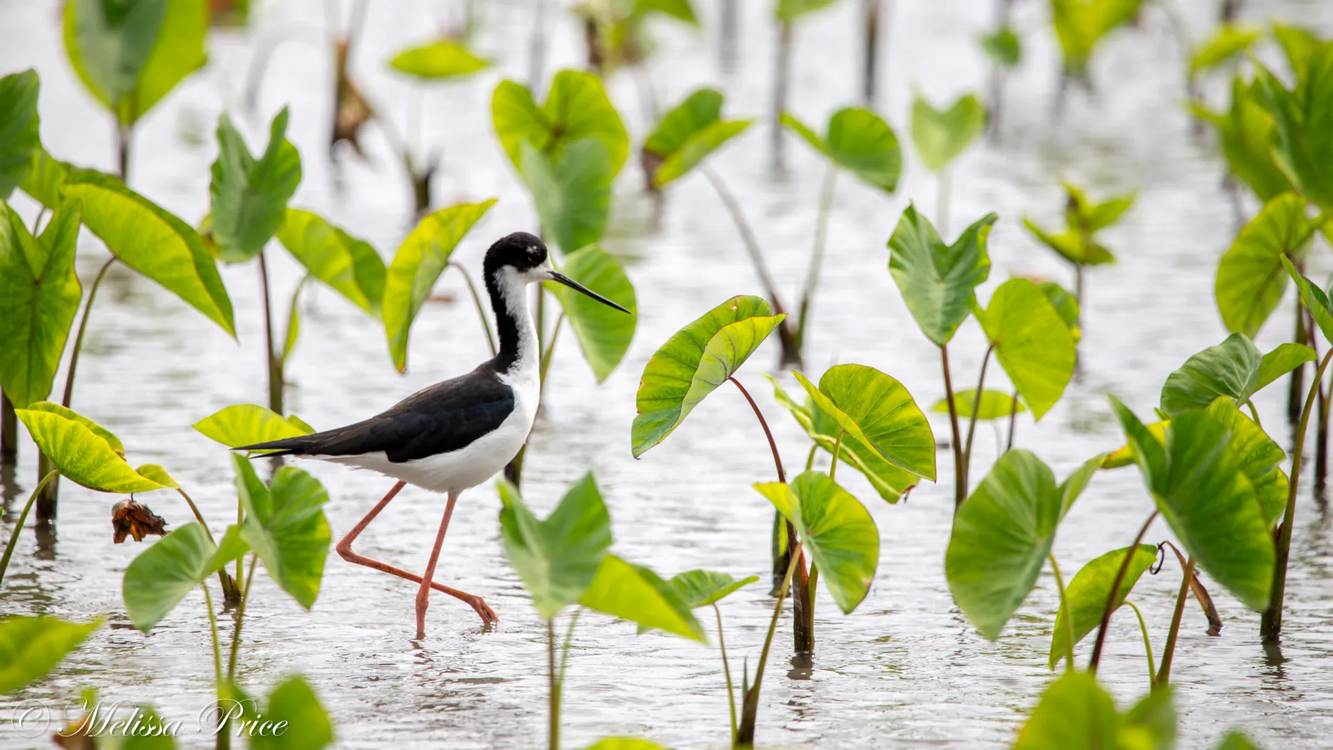
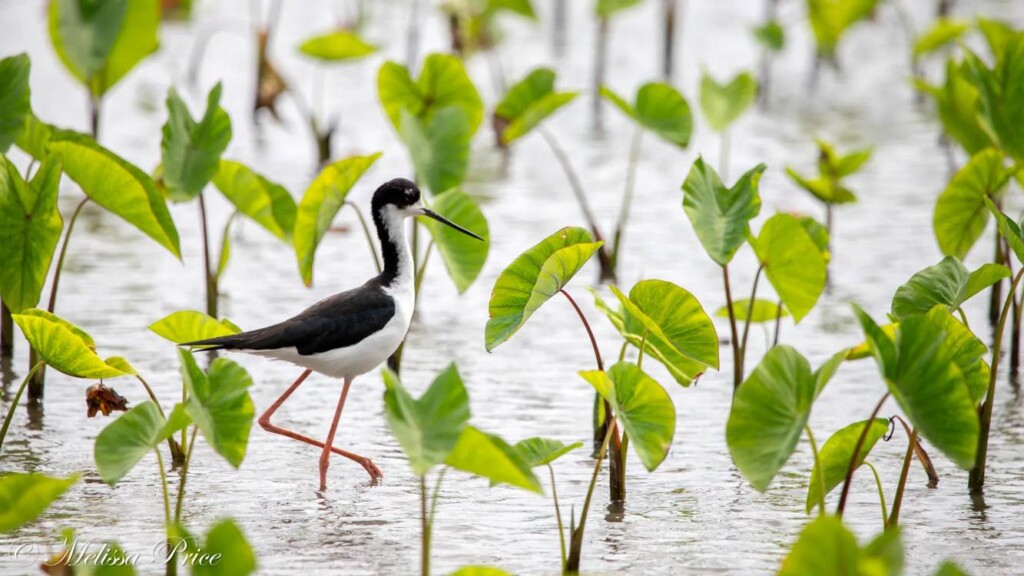
The study’s conclusions are expected to help transform conservation actions in Hawaii, particularly for the recovery of endangered waterbird populations, such as ʻalae ʻula (Gallinula chloropus) and ʻaeʻo (Himantopus mexicanus knudseni).
“Our study not only dispels this myth, but also contributes to a growing body of evidence that indigenous stewardship represents the best ways for native birds to thrive in a world where humans are not going away,” suggested Winter.
HAWAII’S BIRDS: Hawaiian Crow That Went Extinct in the Wild Decades Ago Now Released on Maui
Melissa Price, an associate professor who runs the Wildlife Ecology Lab at the university’s College of Tropical Agriculture and Human Resilience, said in a story on the research published at the UH press, that restoration of wetland agro-ecosystems is critically important to bring these waterbirds into abundance again.
“If we wish to transform our islands from the ‘Extinction Capital of the World’ into the ‘Recovery Capital of the World’ we need to restore relationships between nature and communities,” said Price.
SHARE This Great Debunking On Behalf Of The Noble Hawaiians…