














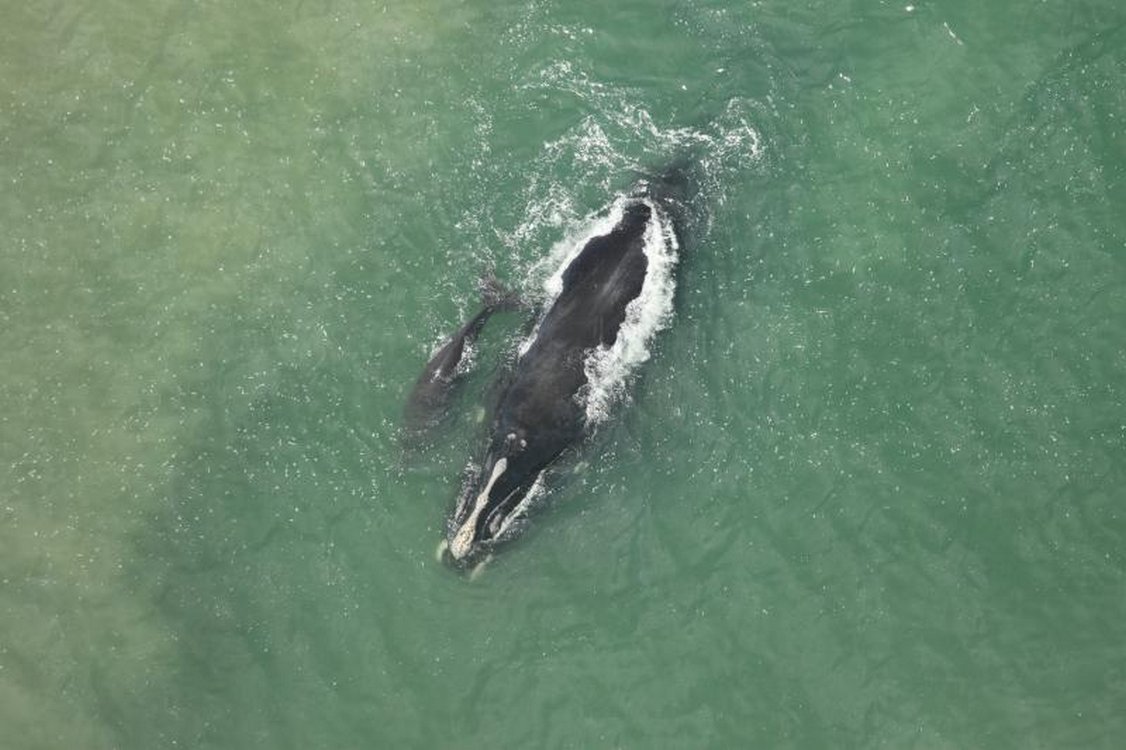
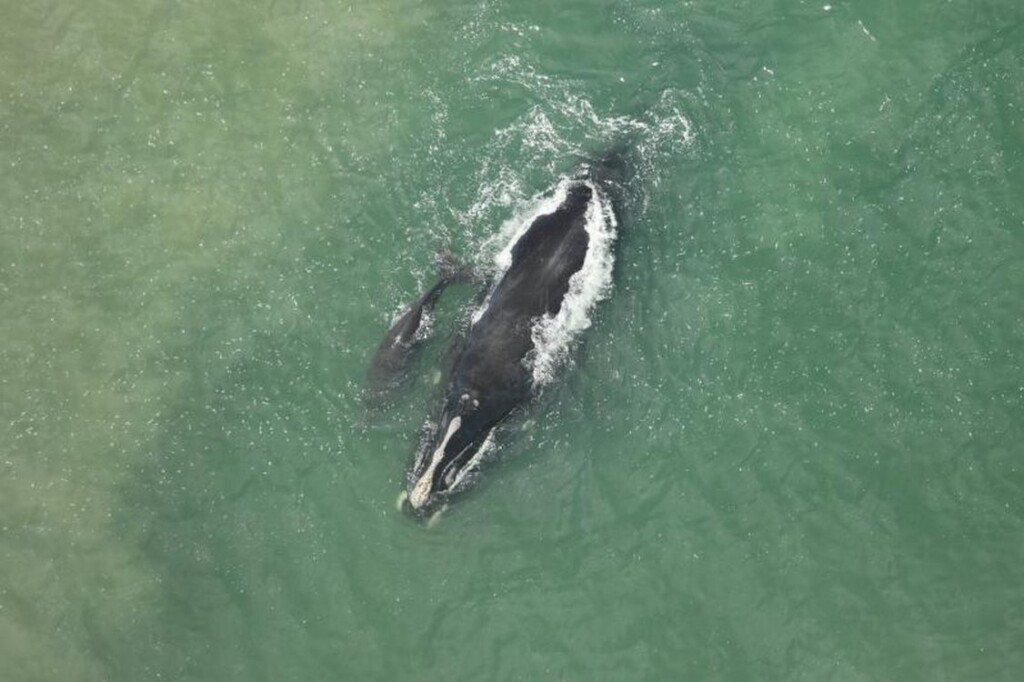
This year’s calving season along the southeast coastline of America has documented the most North Atlantic right whale calves since 2009.
Additionally, trends in calf births seem to indicate a normalization of breeding and birthing among the animals that could accelerate population recovery.
GNN has lately devoted many column inches to the North Atlantic right whale, one of the most endangered whales in the world, as well as one of the largest.
Decades of diligent conservation seem to have allowed the whales to really turn a corner in the last 36 months, with milestones like record numbers of sightings, strange vagrancies, and an increasing population being celebrated.
Now, 23 calves were born during the 2026 right whale calving season—the highest number since 2009. Of the 23 mom-calf pairs identified this season, 20 of these were returning moms.
Since that year, the average has been around 15 animals, but some years there have been 7 or fewer.
13 of these returning moms last had calves in the 2021 or 2022 seasons, marking a shorter interval between births than the recent average of 7 to 10 years. This is closer to the normal or healthy interval of 3 to 4 years.
A WHALE OF A STORY: Increased Sightings of the Two Largest Whale Species Decimated By Hunting Provides New Hope for Survival
There were 500 sightings of 129 whales migrating southward, a 29% increase compared to last year’s calving season. Many of these sightings were made by citizens aboard civilian boats, which the NOAA encourages us collecting in a safe manner.
“These public reports add to data researchers collect during aerial and vessel surveys which contribute to updated right whale population and calving season numbers,” the NOAA wrote in a report.
BREACH The News On Your Friends Social Media Walls…