














A protein associated with longevity in humans has recently been found at high concentrations in an extraordinarily long-living mouse.
The discovery makes the case for more research into a poorly-understood, potentially gene-determined, metabolic pathway for healthy aging that could help scientists better understand the aging process across mammals.
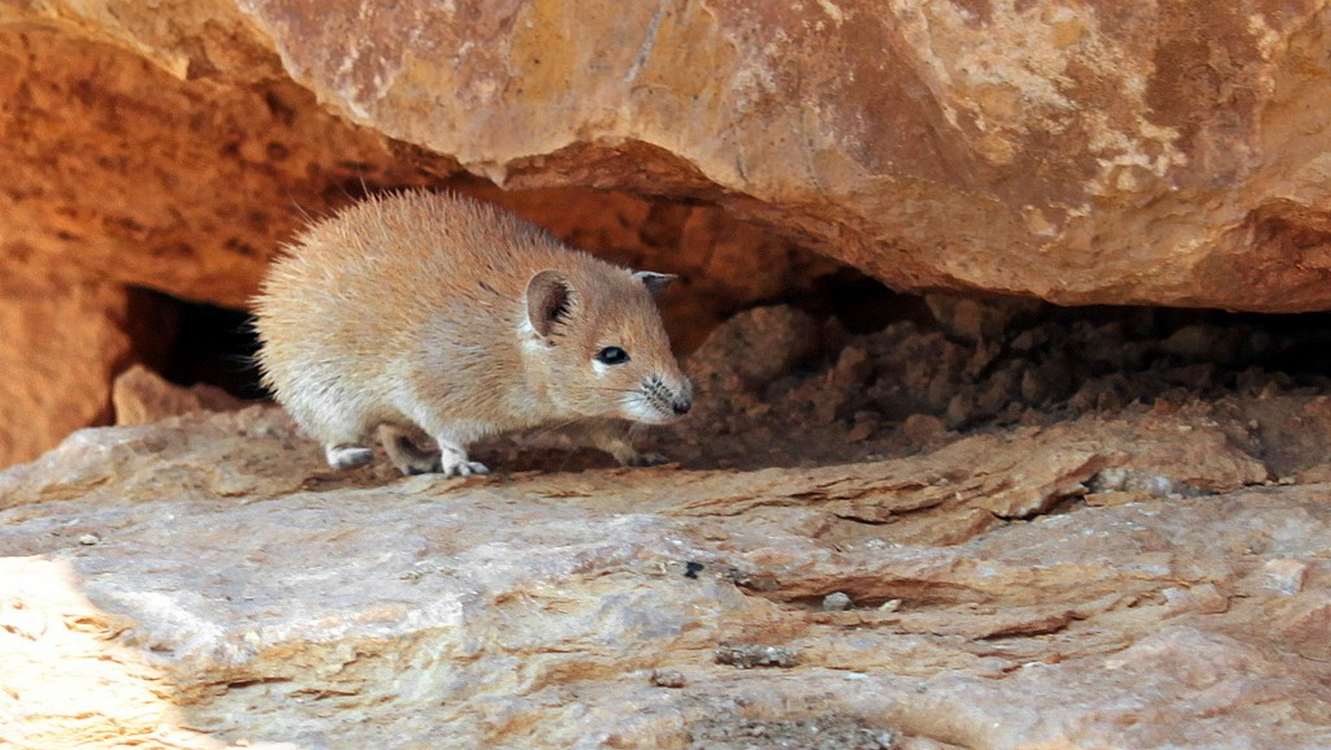
The golden spiny mouse is unusual among rodents. Active during the day rather than at night, if a human being had the equivalent life-expectancy of this resident of the Middle-Eastern deserts, then we wouldn’t need a Supreme Court to interpret the Founders’ language in the Constitution: they’d still be alive today and we could ask them about it.
“Mice in the wild typically live around 9 months,” says senior author Vishwa Deep Dixit, a Professor of Pathology at Yale School of Medicine. “But some of these golden spiny mice are living out in the desert for up to five years. And that’s just what we’ve been able to observe; their maximum lifespan is unknown.”
“In order to live that long, they have to forage, they have to avoid predators. So it’s not like they’re living this long in a way that we would think of as ‘aged.’”
What the Yale professor means is that their “healthspan” seems to be as long as their “lifespan,” or described differently, the mice retain many of their physical and mental capabilities right up until their eldest days.
Biology’s primary objective as regards aging is to maximize the effectiveness of a breeding strategy. Nature is a brutal environment where most animals die young from predators or the elements, so natural selection has few reasons to select long life as a conserved trait when animals are being eaten or are freezing to death after just a couple of years.
It’s more advantageous to have creatures reach sexual maturity, and therefore midlife, quickly, than risk being devoured by wolves or wildcats as an infant or juvenile. Yet in some circumstances, this isn’t what’s observed. Some animals which suffer very low rates of predation have been known to develop very long lives (whales, albatross) and it seems the golden spiny mouse might be one of them.
With their diurnal lifestyle, they not only dodge the food competition of nocturnal rodents, but also the predation risks of nocturnal predators like snakes. Multiple adult females are known to care for single litters of pups, which themselves spend more time in gestation and therefore spend less time as helpless, defenseless targets.
Wanting to know if these traits have conferred some genetic predisposition to longevity, Dixit and his team from Yale conducted some research into golden spiny mice.
MORE STORIES LIKE THIS: Humans May Have Always Been Able to Regenerate Body Parts–Scar Tissue Just Gets in the Way
The team would find 3 potential markers of longevity, chief among which were immune cells in fat tissue that exerted hyperactivity in a gene that produces a protein called clusterin. In humans, high amounts of clusterin has been identified often in people aged 100 years or older.
Clusterin helps clear misfolded proteins from the body, is associated with lower neuroinflammation in Alzheimer’s disease cases, and longer lifespan in many mammals.
In tests in both human white blood cells and lab mice, clusterin was found to lower inflammation and increase markers associated with healthy aging. In the mice, for example, aged individuals retained much of their physical activity from their youth, as well as healthier organ function than their peers.
KNOWLEDGE ON AGING: Man’s Biological Clock Set Back 10 Years After 93 Days Living Under the Ocean in a Research Station
In addition to clusterin, the team found that the thymus organ, a gland which sits above the heart and produces a white blood cell key for proper immune function, remained functionally intact in old age—even as it quickly deteriorates in most other mammals after reaching adulthood.
Dixit and his colleagues say the evidence points to metabolic pathways in golden spiny mice that help control resistance to aging. Similar pathways may also exist in humans, though more research is needed.
SHARE This Remarkable Mouse And Its Even More Remarkable Power Of Longevity…