











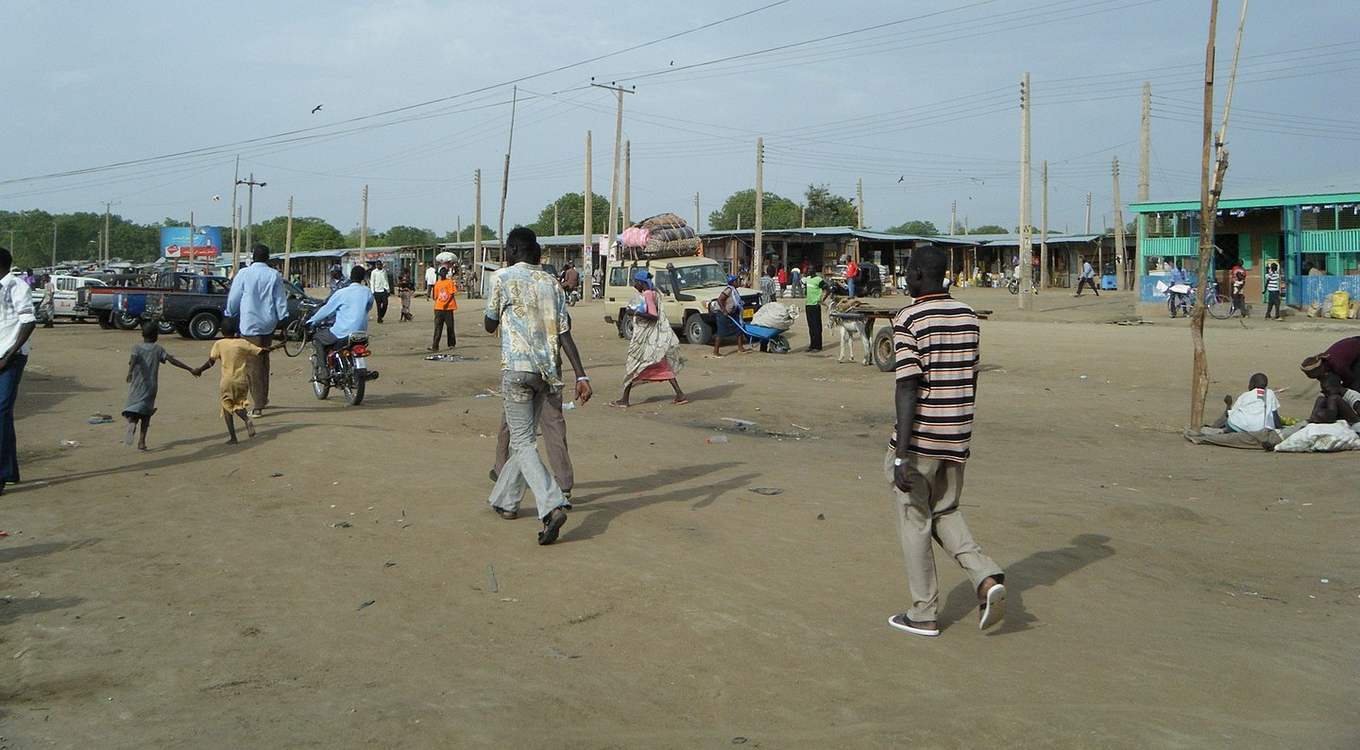
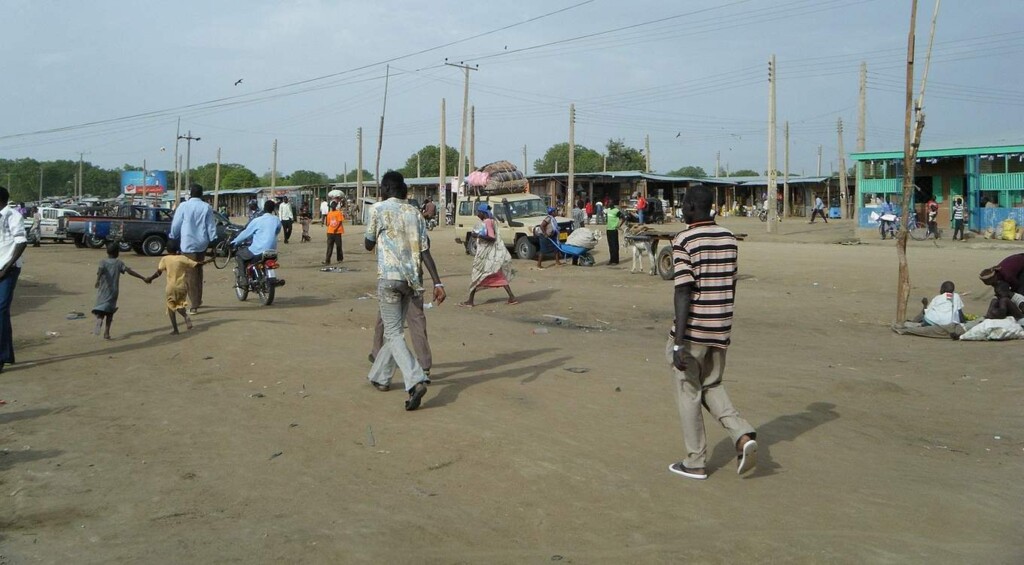
In South Sudan, on the banks of the Nile, a flood of rare destructive power swept an already water-stressed city into poverty before acting as the catalyst for a transformative humanitarian success.
Development funding from the Netherlands and South Korea has made a big difference in the city of Bor, where tens of thousands of people used to have to walk several miles to borehole wells alongside the banks of the White Nile.
The water that was drawn up in yellow plastic jerry cans was filthy, often carrying disease, and was time-consuming to bring home.
Now, the Bor water treatment facility has given tens of thousands of of residents clean, reliable water through a 33-mile pipe network. The network supplies 28 community water kiosks, 704 households, 7 schools, and a hospital, totaling around 98,000 people.
It also takes a qualified team to maintain and administer—a much-needed opportunity for those who took the time to receive an education. Electricians, pump mechanics, plumbers and lab technicians not only maintain the service lines and machinery, they also test the water and service the connections to houses.
Accountants and commercial managers prepare the bills, statements, and consumption reports for the local consumers and the tax man. It costs about 3 cents to fill a water can from one of the kiosks, and about 80 cents per cubic yard of water delivered to the tap.
In 2020, Bor was hit by a particularly massive version of the Nile’s famous flood, displacing 380,000 people. It substantially degraded the already modest water supply. Disease festered, and thousands of labor/study hours were lost retrieving water from other places.
AFRICAN DEVELOPMENT NEWS: ‘Camel Milk Revolution’ Is Improving Nutrition in Somalia and Creating Jobs
“In 2020, the major flood emergency really eroded the infrastructure, including the water-supply system, and that left the community hugely vulnerable to waterborne diseases,” Thewodros Mulugeta, UNICEF’s chief of water, sanitation, and hygiene in South Sudan, told the Guardian, whose reporters visited the town.
GREAT AID STORIES: New Mosquito Nets Prevent Millions of Malaria Cases in Insecticide-Resistant Areas
“So the initial phase of the project started as a humanitarian, critical emergency response. Then there was a strategic shift to finding long-term, durable solutions to the water supply.”
This transformational project, that allows farmers to irrigate year-round and children to stay in class rather than return home to fetch water, cost a measly $5.4 million, or around $55.10 per person, a return which in the often bloated and inefficient aid sector would be considered an absolutely sterling result.
FLOOD Social Media With This Good Aid News From South Sudan…