














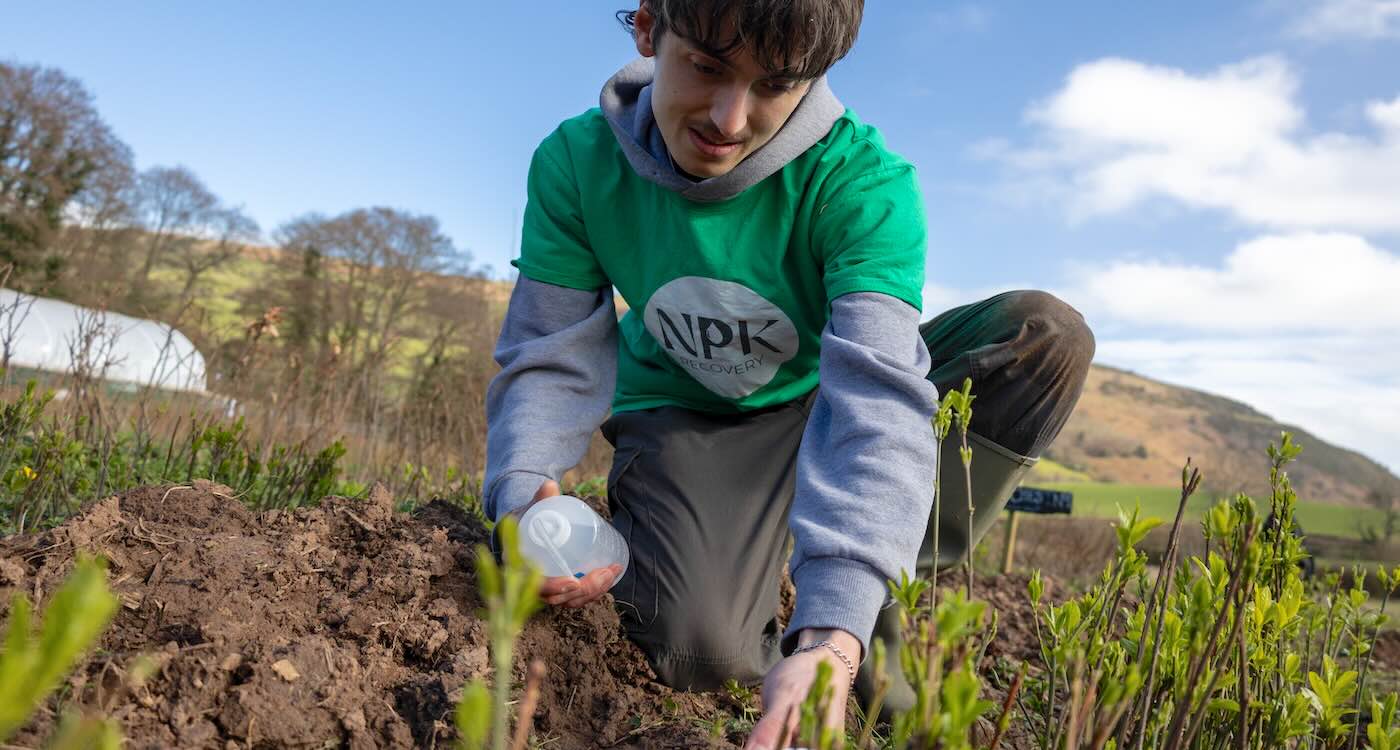
In a UK first, a new forest is set to be grown with fertilized nutrients recovered from urine collected from music festival toilets.
The woodland in Wales will feature 4,500 native British trees, like beech, grown with fertilizer made with pee from the Boomtown festival, Bristol Pride, and even the London Marathon.
The first seed, a Scots pine, was planted in February on the Brecon Beacons National Park as part of a trial funded by the UK Forestry Commission.
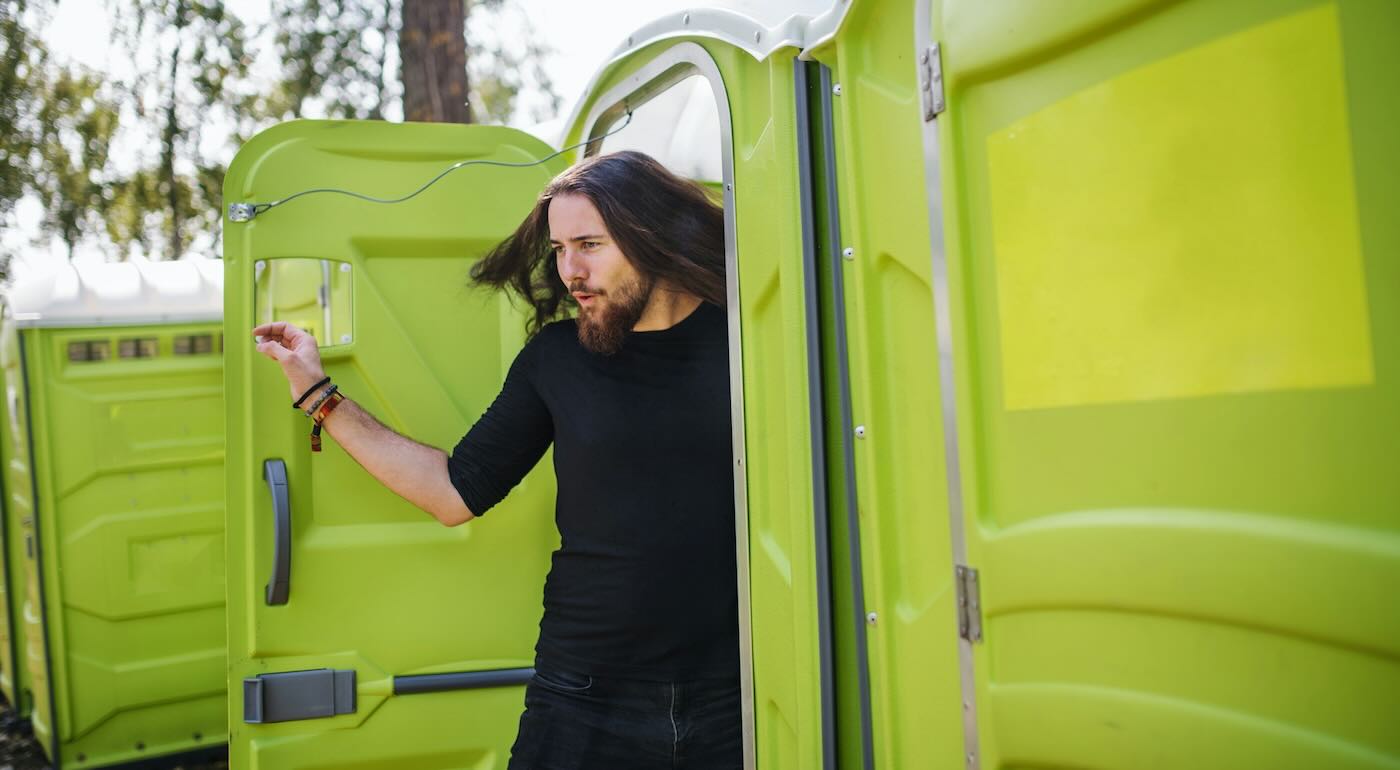
Behind the green fertilizer is NPK Recovery, a Bristol-based start-up that collects thousands of liters of urine from portable composting toilets at festivals—and gigs including Massive Attack and the Sugababes—and transforms them into odorless fertilizer.
Scientists with the female-founded company extract the nitrogen and other nutrients, such as phosphorous and potassium, from the urine to produce fertilizer on site in a natural bacteria-driven process.
Recently the team has perfected their own mobile processing system in a unit that measures 2 x 6 meters, which they take to events and plug into the back of festival toilets to process the urine into fertilizer right there on site—easing the burden on the volume of sewage that the event produces and minimizing chemical use.
The process required to make the product incorporates biochar, which is a sustainable material that improves soil health. The team then works with the festival and land owners to apply the fertilizer on that local acreage—or they take it with them back to Bristol. (Watch the video below…)
The product has already enriched crops such as wheat and mustard, and measurements show it is just as effective as synthetic and commonly used fertilizers.
Product manager and Co-founder Lucy Bell-Reeves said the company is determined to create ‘fertilizer security’ for farmers and growers in the UK, particularly at a time when the war in Iran is causing the price of imported synthetic fertilizers to soar.
“Urine is a resource that we have in abundance, so it really is a win-win here,” she told SWNS news agency.
But she is quick to warn that it’s not a good idea to start peeing in your garden.
“Urine has great nutrients but it also contains other components that are not safe or free from pathogens and contaminants.”
FROM TOXIC TO TONIC: Mining in Oklahoma Left a Toxic Wasteland Until Indigenous Tribe Brought it Back to Life
The reason they use urine and not feces is because it is much harder to recover nutrients from mixed waste, especially due to fecal contamination, which is more likely to have pathogens that are more challenging to remove.
“So the exciting thing is that more festivals are using urine-diverting toilets—where the urine is already separated which is great. It means you can recover the maximum amount of nutrients possible which is the best solution.
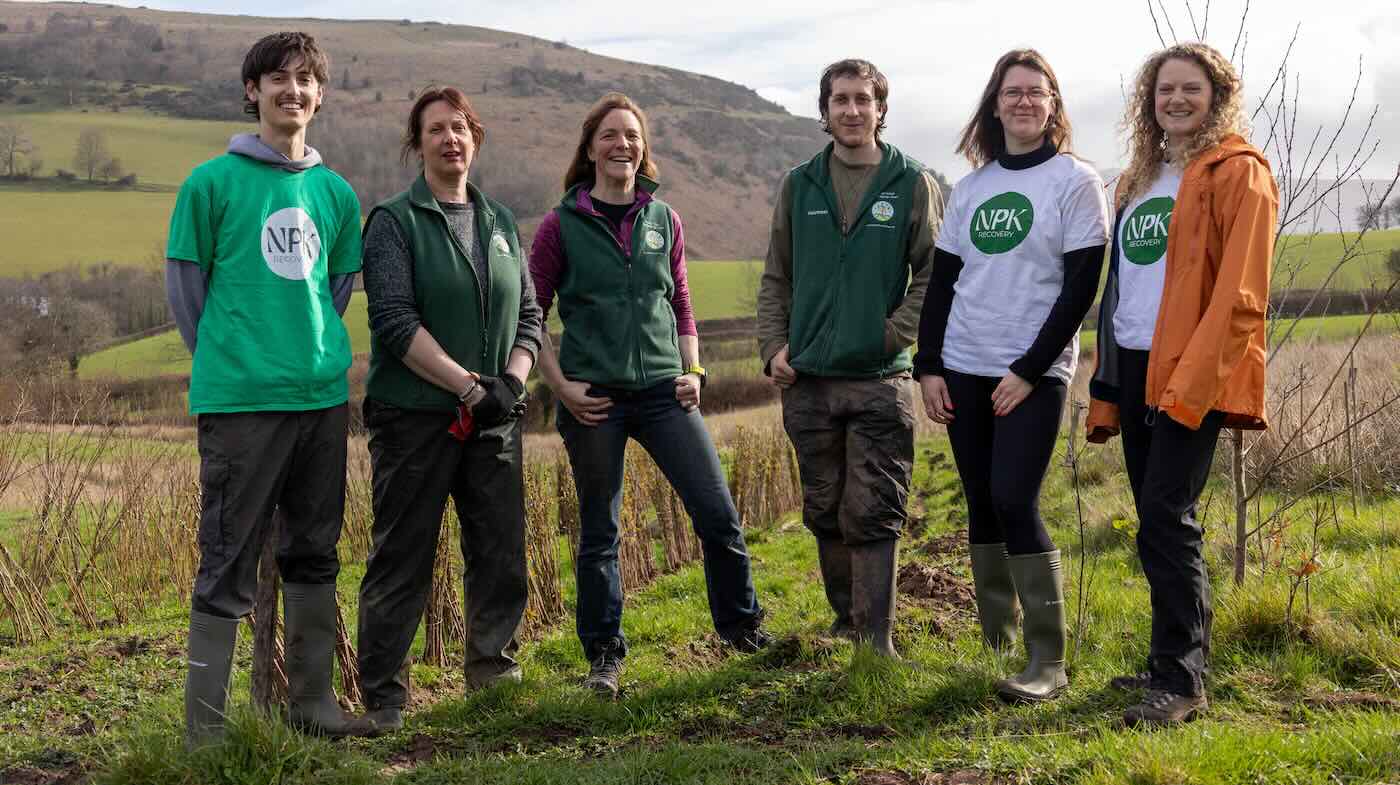
For NPK Recovery’s plans to grow a forest, the company has partnered with a Welsh nonprofit, Stump up for Trees, and its tree nursery on the outskirts of Abergavenny. The fertilizer will be used to grow thousands of native trees from seed, in a project backed by a nearly half-million dollar grant from the Forestry Commission’s Tree Production Innovation Fund.
“We wanted to explore where else our sustainable fertilizer could make an impact and the government has set high tree-planting targets.
“So we can’t wait to give these trees a good fighting start and lead a UK first in using nutrients from urine to grow trees.”
And the team is interested to hear from anybody who wants to discover a more sustainable way to recycle their waste: “It’s about understanding the power of your pee even if you’re not an environmentalist.
MORE EARTH HEROES: Over 600 Lakes, Ponds, Reservoirs Restored Across the Whole of India by Divinely-Inspired Nonprofit
“I love the idea that by the end of this three-year project, revelers and runners will have created a fledgling Welsh forest, which could flourish for hundreds of years.”
DON’T HOLD THIS STORY–Share it to Spread the Idea on Social Media…