













In the 1990s, a pair of Japanese municipalities estimated that the landfill they shared was going to be full by 2004.
Unless they did something to start reducing the size of their waste streams, the towns would have to sacrifice more precious land, or truck their waste much farther afield to another site.
Their response was to ramp up recycling of the clearest categories such as glass, paper, and metals, before moving on to more complicated streams, particularly a very stinky one: dirty diapers.
“Ultimately, our top priority is to reduce our trash and extend the life of the landfill,” Kenichi Matsunaga, an environment official for the city of Shibushi, told the Japan Times.
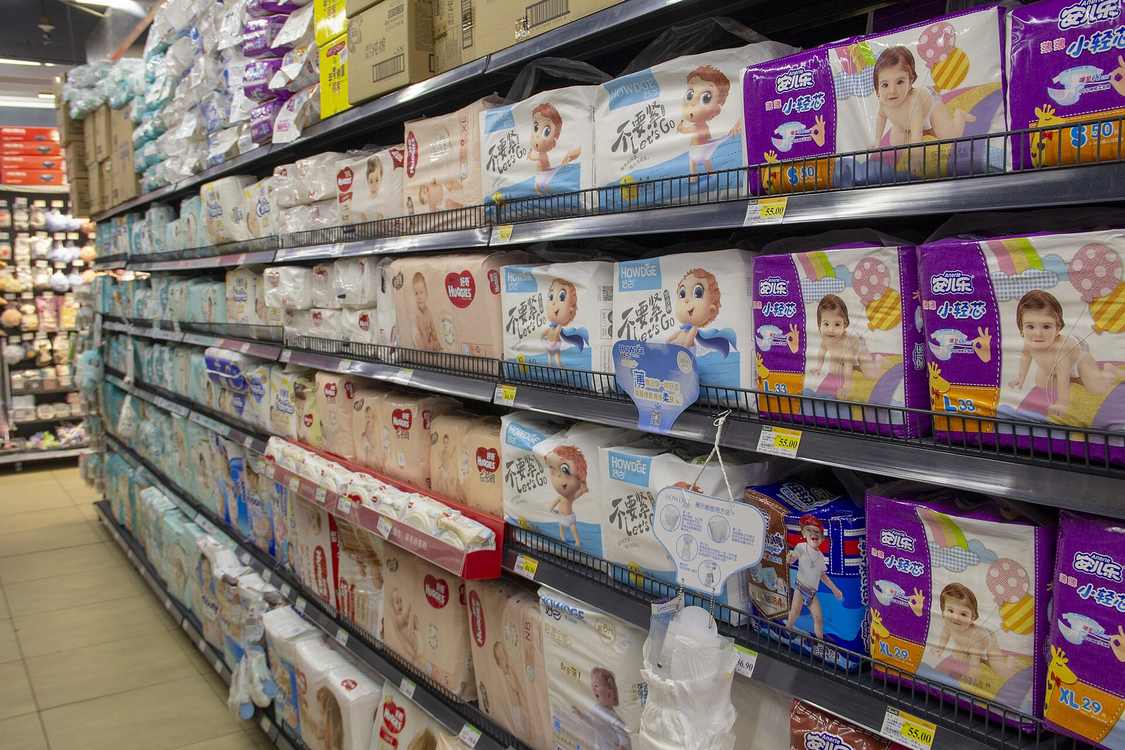
Billions of diapers—used by the very youngest and the oldest in society, are discarded every year in Japan. Made of layered, super-absorbing fibers and other materials, they aren’t readily recyclable.
Located in Kagoshima Prefecture, a new recycling initiative for diapers separates and shreds this core material in a way that prepares it for reuse while saving millions of tons of landfill-bound waste.
Shibushi, and the nearby town of Osaki, recycle 80% of household waste—some four-times the national avergae. Here, the company Unicharm aimed to pioneer its diaper recycling method where locals are already used to sorting their trash.
Residents’ diapers are collected, but only if their names are written on the bags to ensure accountability. Then, they’re washed and shredded until their component elements of plastic, pulp, and super-absorbent polymer (SAP) are separated.
TACKLING DIAPERS: Packet of Fungi Inside New Diapers Breaks Them Down in Landfill Turning it to Mycelium
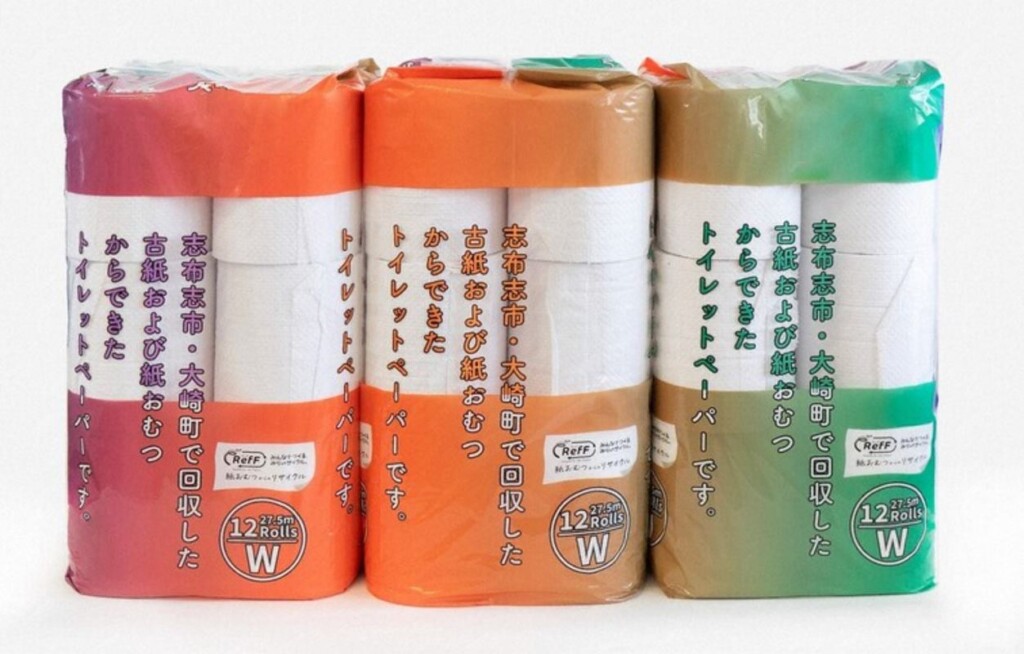
Previously, GNN has reported that the company has used this material to make toilet paper, but now have advanced their method and machinery enough to reuse the pulp in diaper manufacturing.
The process uses ozone, a sterilizing gas, to clean and deodorize the pulp to the point that it passes sanitary requirements. The company is currently working on ways to prepare the SAP for reuse, and expects progress by 2028.
MORE JAPAN NEWS: Japan’s Yogurt Delivery Ladies Serve as a Support Net for Country’s Aging Population
The country is probably the only one in the world where more diapers are produced for incontinent elders than for babies. Larger and more robust, they take up more space in landfills.
Japan wants to aim for 100 cities and towns to be recycling diapers by 2030, “or at least to start talking about it” reports Japan Times.
SHARE This Great Start To Tackling A Huge Smelly Problem…