














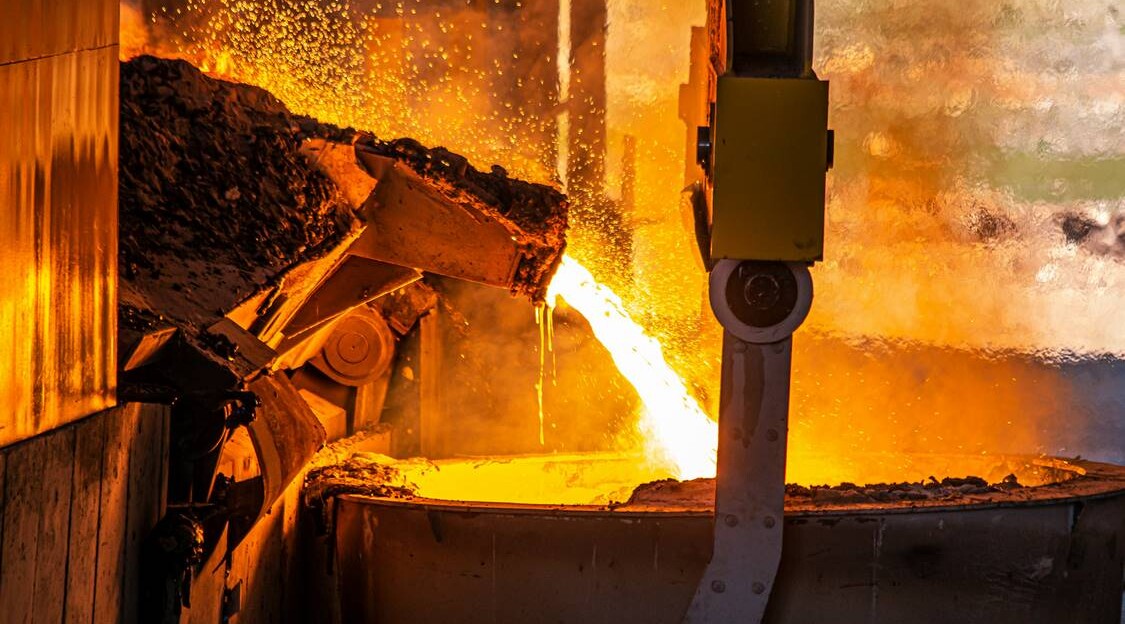
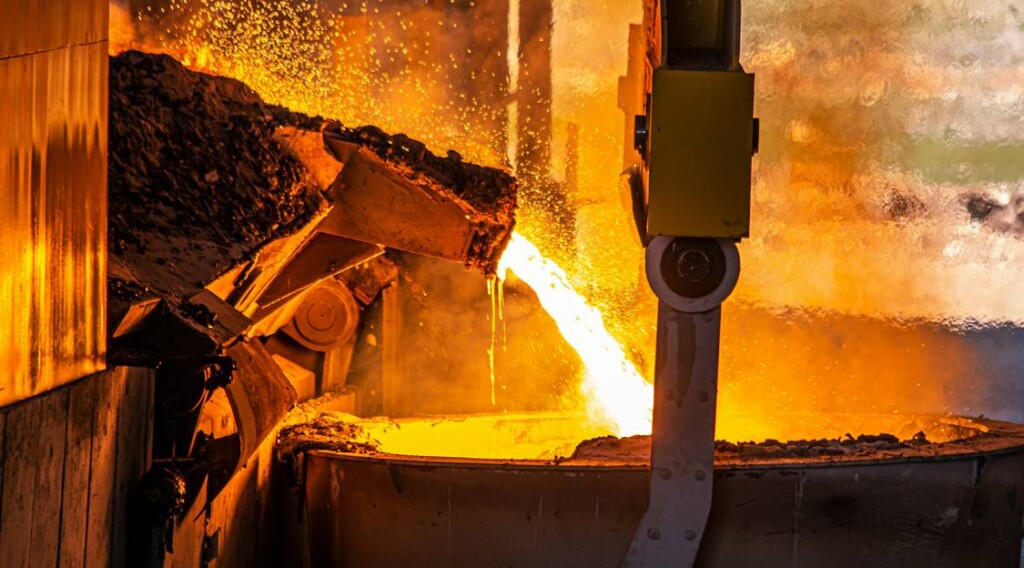
A Hamburg copper smelter is showing that with a little innovation, it’s possible to heat the city’s water without heating up the climate.
Aurubis produces 400,000 tons of pure copper every year, every ounce of which generates molecular heat that is channeled into a nearby heating system.
This provides hot water for around 28,000 homes and buildings, and saves 120,000 tons of CO2 per year.
The story begins in 2018 when the Hafencity industrial waterfront area was the focus of a major urban redevelopment project. Enercity Contracting got together with Aurubis to channel the reactive heat of their chemical smelting process through a pipeline network several kilometers long to the Hafencity district heating system.
Once there, pumps divide the hot water between its customers on demand, with a backup natural gas boiler on hand for peak demand during the winter months.
At Aurubis, their smelting process is chemical, not thermal. Using a catalyst to cause sulfur in the copper ore to react with oxygen generates the heat needed to transform the ore into metal.
“This is an exothermal reaction producing heat. So it is totally CO2-free, no gas is burnt, it’s just there,” Dr. Holger Klaassen, Director of corporate energy and climate affairs at Aurubis, told Euronews.
The total cost of the project was around €70 million, ($78 million) a pretty small investment compared to other district heating projects, like this $220 million project in Vantaa, Finland that will use underground caverns as storage basins for water heated through waste heat.
MORE UTILITIES NEWS: 11 Acres of Plant-infused Green Roofs Go ‘Blue’–Capturing Rainwater in Flood-Prone Amsterdam
Utilities consume fossil fuels in various ways. Some use them directly, such as electricity which is delivered after fossil fuels are burned. Others require intermediaries. In the case of home heating, one of the most common is heated water pumped into radiators or through pipes in the case of underfloor heating. Heat pumps go one step further and use heated water to heat air that’s blown out into the building.
MORE UTILITIES NEWS: Microsoft Campus Set to Use Geothermal Energy to Heat/Cool Millions of Sq Ft. of Office Space
Given that intermediary, there are more possibilities for decarbonization of heating compared to electricity. Traditionally, water boilers are heated using natural gas, but any source of heat, provided it’s strong enough, could be used to heat the water and therefore the home.
Industrial processes create all kinds of elemental forces, and smelting is probably just one of many that could utilize waste heat for district heating. GNN reported on a UK swimming center that heats its pool using waste heat from a nearby internet data center.
SHARE How Hamburg Put 2 And 2 Together To Get Heating 4 The City…