












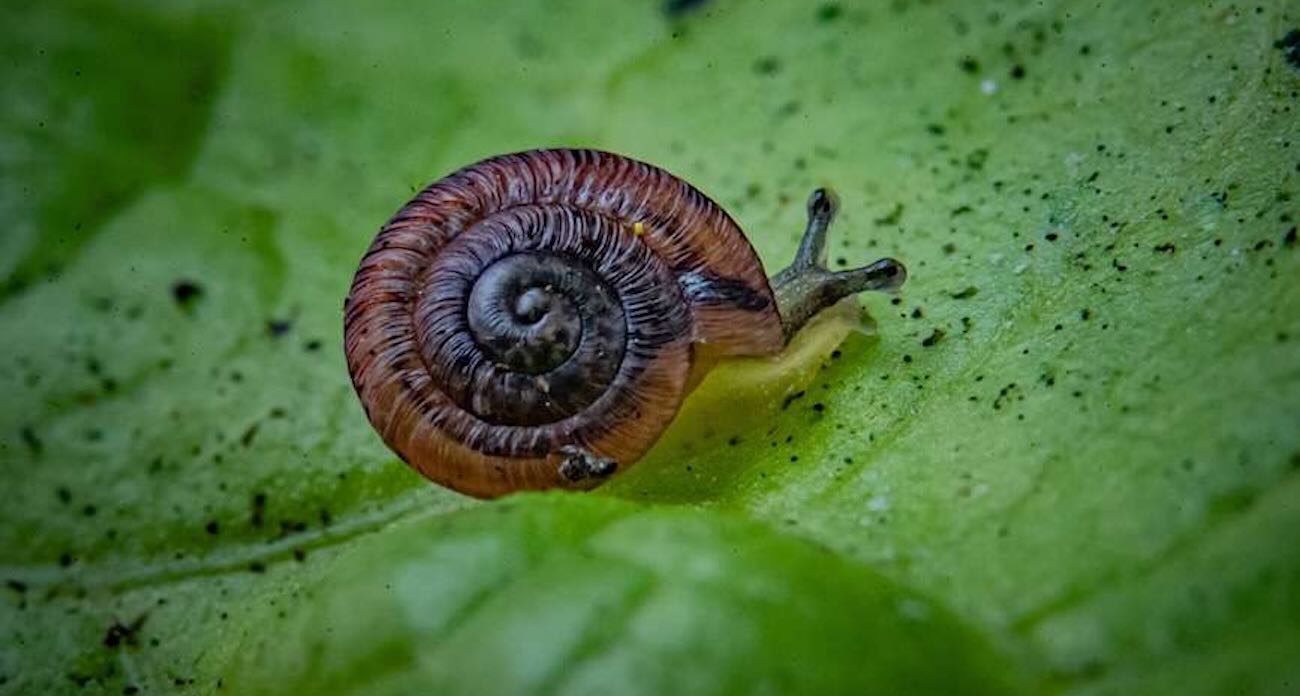
A breeding program at England’s Chester Zoo has restored hundreds of tiny mollusks to their native land after they had grown so rare, they could collectively fit inside a petri dish.
The zoo, which participates in many global conservation programs, was given a handful of snails from the last known wild population in an effort to save the species (commonly known as the Desertas Island land snail) from extinction.
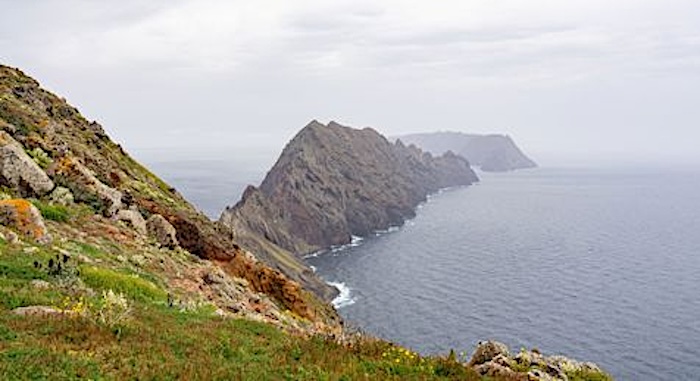
Their habitat was decimated in the Madeiran archipelago, where feral goats, mice, and rabbits once grazed the island bare. And, with no natural sources of drinking water on the islands, the mice quickly turned to the snails.
Biologists from ZooParc de Beauval in France, asked the zoo to step in when they found 21 Geomitra coronula, believed to the last of their kind, clinging to life beneath a single rock.
“By the time the Madeira government contacted us for help, one of the species, Geomitra coronula, was so close to extinction that its entire global population could fit inside a single petri dish,” said Tamas Papp, from the Invertebrates Team at Chester Zoo.
“We knew we had one shot to save them. If we missed this chance, that was it—they were gone.”
In a “rapid rescue mission”, more than 300 of the snails’ descendants were subsequently bred at Chester Zoo and returned to the wild.
Madeiran Government conservationists prepared for the snail release by removing the invasive species and restoring the island to pristine condition. These measures were also designed to protect at-risk sea birds.
RELATED RESCUE: These Tiny Snails Are Breeding in the Wild for the First Time in 40 Years in French Polynesia
Tamas, who personally carried the 300 Geomitra coronula to Bugio, said it may have been the trickiest reintroduction the group ever done.
They had a short window due to rough weather, and there’s nowhere to dock on the island. The team had to travel at night, using red spectrum torches to find snail-friendly cracks in the rock, as the islands’ rare sea birds are sensitive to artificial light.
“Our aim now is to build a network of institutions to support the conservation breeding program. That means establishing breeding centers in Madeira, working closely with local communities and securing further support of the authorities.
“We’ve already put a call out across the European network of conservation zoos to get involved and the response has been fantastic. Now we’re looking at transferring animals to begin building a healthy, secure population for the future.”
The released snails measure no bigger than a pea in size (8mm), but they are important to the health of ecosystems as they eat vegetation and enrich the soil. Conservationists believe their recovery will support the broader restoration of fragile island habitats.
HELP THIS GOOD NEWS CRAWL AROUND THE WORLD – By Sharing It!