














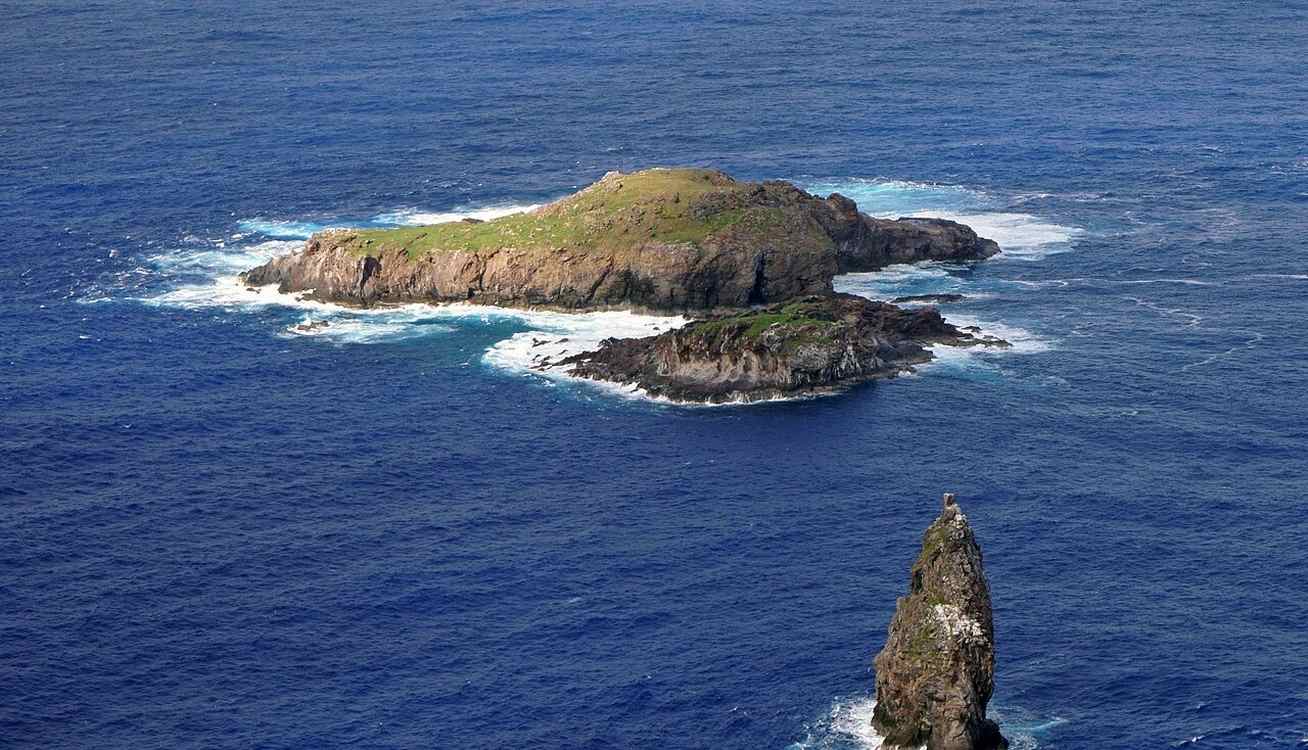
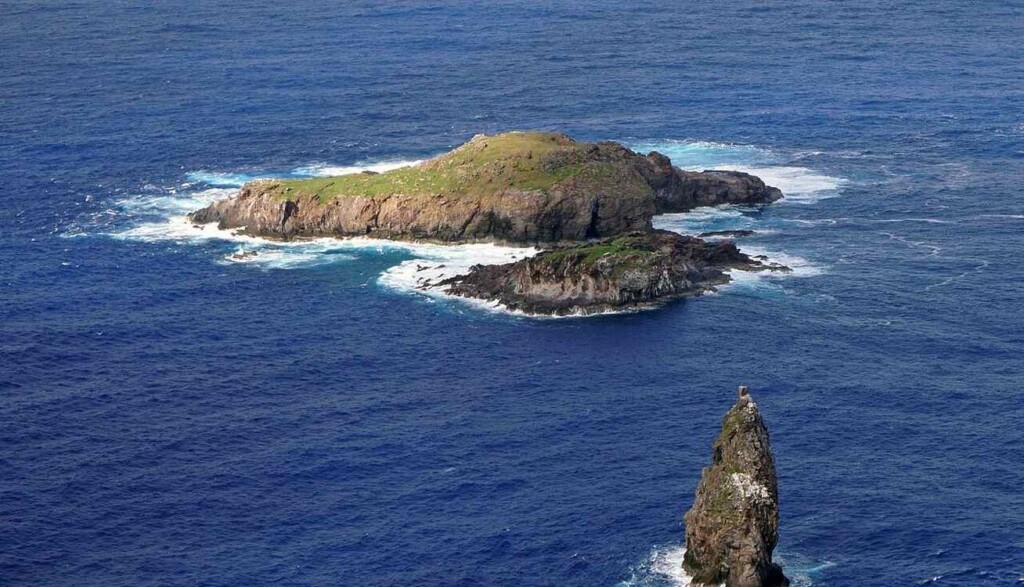
As one of the most isolated landmasses on Earth, residents of Rapa Nui, or Easter Island, rely on the bounty of the ocean more than most.
It’s as good a place as any to institute marine environment protections, and indeed the island’s famous stone heads, or moai, now gaze out upon one of the largest marine protected areas (MPAs) on Earth at more than a quarter-million square miles.
Moreover, the indigenous people of the island will maintain a voting majority on a “sea council” established to govern the massive area, holding 6 seats compared to 5 held by elected officials from Chile, the sovereign of Rap Nui.
It will be one of the largest indigenous-managed reserves on land or sea anywhere in the world, and reflects the rich Polynesian heritage that saw this seafaring race make an unprecedented trip across the open ocean to settle the island.
“This partnership is about ensuring that Rapa Nui’s marine protected areas are not only designated, but also effectively managed and sustained for generations to come,” said Jose Luis Cabello, Senior Latin America Director, for Island Conservation, a nonprofit which helped structure and organize the MPA.
“By supporting Indigenous leadership and strengthening long-term stewardship, we are helping translate protection on paper into real outcomes for people, biodiversity, and ocean heals,” he added.
The management framework will cover ranger patrols and regulation enforcement, scientific monitoring, and community outreach to combine traditional knowledge with scientific methods, with funding from the Packard Foundation.
MORE FRAMEWORKS LIKE THIS: French Polynesia Protects Biodiverse Ocean Area Twice the Size of Arizona Teeming with Life
The framework recently received a 2026 Blue Park Award, an international recognition for rigorous ocean conservation standards.
The reserve will be called Te Moana Tapu a Hotu Matuʻa, and scientific research has previously proposed that, in areas under the new protections, unidentified breeding colonies of several important whale species, including blue, fin, and humpbacks, may be present.
SHARE This Indigenous Triumph To Safeguard Our Seas With Your Friends…