











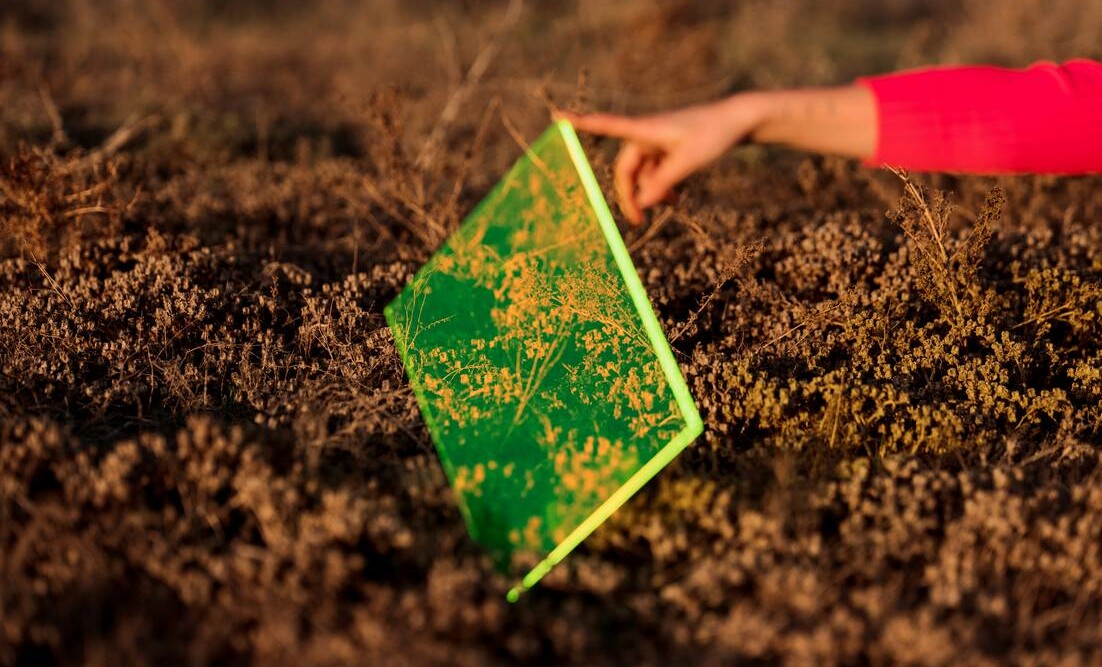

Researchers at ETH Zurich have found a practical new method that breaks down acrylic glass—better known as Plexiglas—almost entirely into its original building blocks, making high-quality recycling realistic and affordable for the first time.
Acrylic glass shows up in everyday products like windows, car taillights, furniture and protective barriers. Most of it has ended up as waste because older recycling methods were too costly, too energy-intensive or too complicated for companies to adopt.
The new process changes that. Using a single, inexpensive chemical that’s already available, the team recovered up to 98% of the material as pure monomers. The reaction starts at just over 200°C—about half the heat required by previous methods—and needs no solvents. Even when the original acrylic was dyed or contained impurities, the recovered material was pure enough to make new products of the same quality as virgin plastic.
MORE OF THE LATEST SCIENTIFIC ADVANCEMENTS:
- Coral Bleaching Reversed at Record Speed Using New Stanford Method
- Contact With Nature is Linked to Healthy Eating, Shows Encouraging New Study
“What makes our new approach so exciting is its simplicity,” said Richard Whitfield, lead author of the study published in Nature Chemistry.
Because it works with existing equipment and standard processes, companies wouldn’t need expensive overhauls to start using it. ETH Zurich has filed a patent and is already seeking industry partners to scale the method. The researchers also hope the same basic idea can eventually be adapted for other common plastics, such as polystyrene.
For a material used in millions of products around the world, this is a hopeful step toward keeping more plastic out of landfills and turning waste back into useful, high-quality goods with far less energy and cost.
SHARE This Practical Breakthrough in Plastic Recycling With Someone Who Cares About a Cleaner Future…