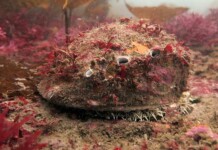
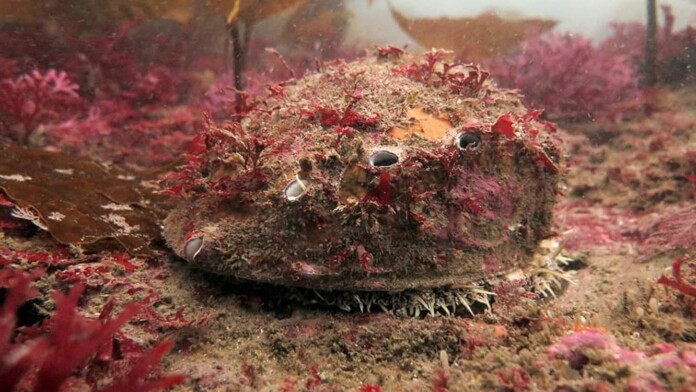
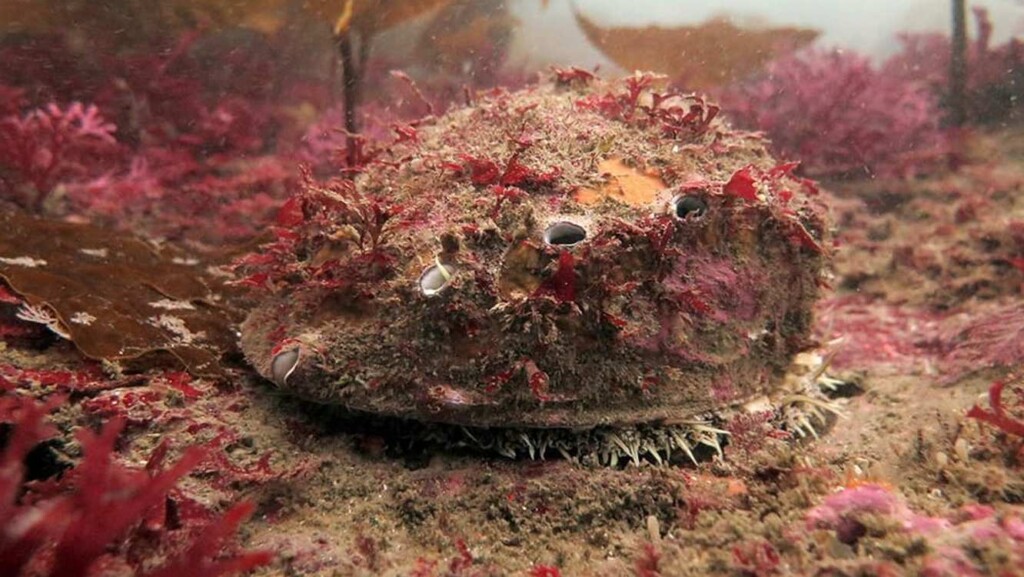
A critically-endangered white abalone - credit, Athena Maguire
A critically-endangered white abalone – credit, Athena Maguire
This rather charismatic mollusk is the white abalone, a Critically-Endangered species of sea snail that’s Wanted: Alive in the state of California.
That’s because it hasn’t been seen in 5 years after populations declined 99% since the 1970s.
On May 12th, 2026, a research mission aboard the National Oceanic and Atmospheric Administration research vessel Shearwater identified a living white abalone as part of the Wanted Alive! White Abalone campaign that engages citizen scientists and recreational divers to record potential sightings of the creature.
With so few remaining among the coastal kelp forests of California, which themselves have been severely reduced by sea urchin plagues, individuals are often too far apart to reproduce successfully.
Scientists like those onboard Shearwater are working hard to understand where white abalone still occur and what habitat may support their recovery.
“It’s been like searching for a needle in a haystack,” explained Julie Bursek who is the education and outreach coordinator for Channel Islands National Marine Sanctuary.
“Community science, research partnerships, and habitat surveys like this one are all important tools for helping scientists better understand where white abalone may still survive in the wild.”
Bursek and her team surveyed areas near Santa Rosa and Santa Cruz islands, focusing on habitat characterization and collecting environmental DNA, or eDNA, which allows scientists to collect and analyze genetic material shed by organisms into the surrounding water.
After initial surveys on the southeast side of Santa Rosa Island, the team moved to a state marine protected area on the southwest side of Santa Cruz Island. There, the team identified promising white abalone habitat.
During a survey dive, Bursek along with Jaimee Butler, assistant dive safety officer of field operations from Aquarium of the Pacific, a partner on the Wanted Alive! White Abalone project, spotted what they guessed was their quarry.
They took video and a shell length measurement. Project leads at NOAA Fisheries later confirmed the sighting based on video footage, marking the first live white abalone discovery in the sanctuary’s waters in five years.
The team also successfully deployed the new eDNA sampler and collected samples for future analysis. Next steps include conducting additional habitat surveys on the southwest side of Santa Cruz Island, attempting to relocate the individual, and processing the eDNA samples.
SHARE This Story With Any Divers You Know–Maybe They Can Help…
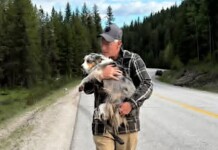
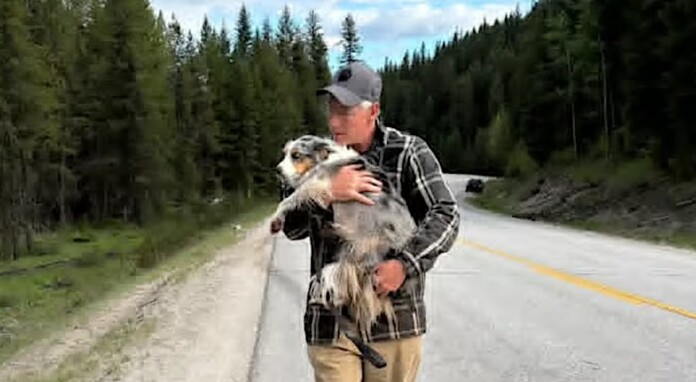
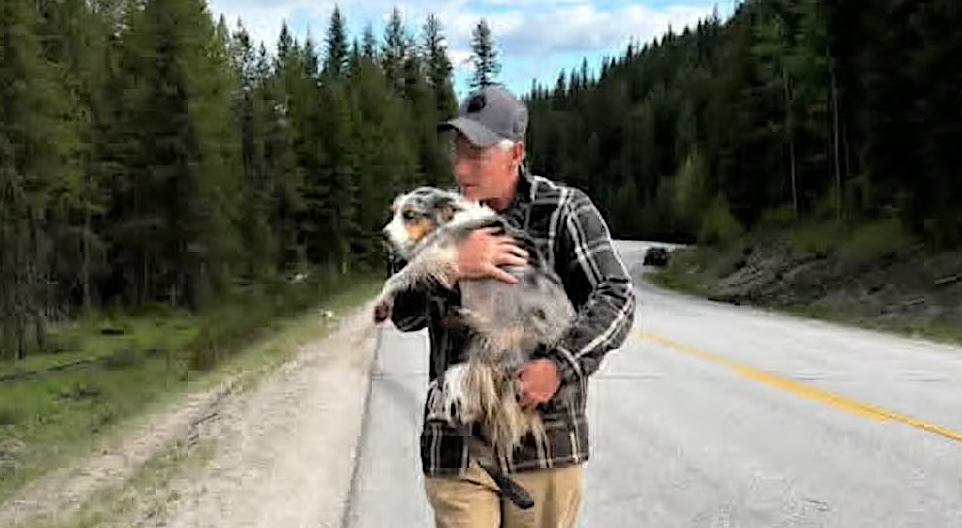
Dearah’s husband Sharron with Daisy - Submitted by Dearah Jordan
Dearah’s husband Sharron with Daisy – Submitted by Dearah Jordan
After a serious crash on a rural, British Columbia highway, a woman and her husband had to search for days to find their missing dog Daisy.
Along the way, they experienced just about every kind of help imaginable until 96 hours after their crash, they were reunited with their Australian shepherd.
Dearah Jordan and her husband Sharron were struck in Kelowna, BC, by a pickup truck that ran the pair of them off the road. Their car rolled over and Jordan suffered a series of small injuries.
When the crashing and rolling stopped, all Jordan could think about was Daisy, her dog, who wasn’t there.
Ignorant of her injuries she began to search, until at the insistence of first responders, she was taken to the nearest hospital. It was soon obvious that nothing serious was hiding under her scrapes and bruising, and the doctor eagerly discharged Jordan to go look for her dog.
Meanwhile, while responding to another call, a local member of the all-volunteer Central Okanagan Search and Rescue asked the Royal Canadian Mounted Police about the sirens he had heard earlier, and was told that two cars had rolled over on the highway near Kelowna.
Rescue member Forrest Kellerman got home and looked up more information on Jordan and Daisy’s crash, and saw a notice that an Australian shepherd was missing. Whether it was the passion for finding people that saw him join the search and rescue volunteers, or whether it was his own Australian shepherds staring him in the eye that afternoon, but Kellerman and his wife Tracey decided they were going to go find Daisy and bring her home safely.
The next day they spent hours searching the area around the crash site. The day after that, they met Dearah and Sharron, who had hardly slept since the crash. By then, the whole community had got wind of their ordeal and came out to help, either physically searching, providing a thermal imaging drone, or even just bringing out a hot meal.
“People were bringing us food, satellite links, everything imaginable, like volunteers were coming out of the woodworks, just complete strangers. It was so emotional,” Jordan told CBC News.
On the 4th day, Tracey still felt compelled to go look for Daisy, and so the Kellermans went to the crash site where Tracey decided to do what could have been described as the obvious: in the immediate vicinity of the collision. The man who hit Jordan with his truck was still hospitalized with serious injuries, and his truck was still lying in the brush.
Credit: Forrest Kellerman for Central Okanagan Search and Rescue
Approaching, Tracey suddenly saw movement, a small face with big eyes: it was Daisy. She was sitting on the passenger seat.
She didn’t make any sudden movements but began sweetly talking to the dog while calmly alerting Forrest on the road to go and get Jordan.
The dog mom couldn’t hold back her emotions upon seeing Daisy who whimpered intensely at seeing Jordan. Like Jordan herself, Daisy was no worse for wear after the crash, and the two went home delighting in their good fortune and in the kindness of strangers that brought it about.
SHARE This Inspiring Rescue Story From The Woods Of BC…
A 2-stage trial testing a new and acclaimed HIV-prevention drug has shown almost unthinkable results of no new infections among a sample size of 3,200 participants.
Called PURPOSE 1, the aim of the first trial was testing a subcutaneous injection of the drug Lenacapavir given twice a year to people in a high-HIV-incidence country, which in this case was Uganda or South Africa.
The results were nothing short of extraordinary—100% efficacy, not a single young woman contracted HIV.
This was followed up by PURPOSE 2, which expanded the geographical area significantly to more countries on more continents, and expanded the pool of individuals from beyond just young women to men—and to those of all ages. 5,000 participants took part.
The result was the same: 99.9% reduction in infection rates.
Both were considered phase 3 clinical trials, and were conducted in a randomized, double-blinded protocol, but were not tested against a placebo. Instead, the Lenacapavir injections were compared to the current standard of HIV prevention—a pill called Truvada or Descovy taken daily.
These both were also found to prevent HIV transmission by 99.9% during development, but must be taken every day to achieve this level of protection. As anyone who’s tried to stick to a once-a-day pill regime long-term will agree, it’s not an easy thing to maintain month after month.
By contrast, the twice-yearly injections are much easier to adhere to, and they also come with the added benefit of removing the social stigma of being seen taking a daily pill and therefore at risk of HIV transmission. This can be particularly alleviating in high-HIV-prevalent countries where male homosexuality is illegal, such as Uganda.
Indeed the superiority of a twice-yearly injection was so clear that both PURPOSE trials were halted early over ethical reasons. A 52-week follow-up screened for HIV developments.
Lenacapavir was named by Science Magazine as the Breakthrough of the Year in 2024, and was approved by the FDA for use in humans under the brand name Yeztugo.
It works to break down the HIVs capsid shell by binding to an “highly conserved” protein on the exterior. That means that no matter how many times or into what form the virus mutates, the exterior shell protein remains—presenting the perfect target for the drug.
In layman’s terms, the drug then works through the protein to disrupt the capsid shell, which the virus ‘takes down’ and ‘builds up’ several times during its lifecycle with perfect geometric precision. The disruption prevents the virus from completing its life cycle.
Initial R&D, regulation compliance, and proof of efficacy and safety requirements mean that producing Lenacapavir has cost its developer, Gilead Sciences, an undisclosed total cost that would be reasonable to estimate at well over a billion dollars based on normal pharma development costs.
Gilead has nevertheless committed to providing the drug at cost in certain low-income regions and has licensed generic manufacturers to produce it for approximately $40 per year in 120 low and middle-income countries starting in 2027.
SHARE This Funeral Dirge For HIV On Social Media With Your Friends…
The Interceptor deployed on Ballona Creek - credit, The Ocean Cleanup, press photo
The Interceptor deployed on Ballona Creek – credit, The Ocean Cleanup, press photo
Seeking to preen and pamper its beaches ahead of the 2028 Summer Olympics, authorities in 2 Los Angeles districts needed to figure out how to get thousands of pounds of trash out of the LA and San Gabriel rivers.
They turned to the best in class; a man who among those whose passion is cleaning up water bodies, needs no introduction: Boyan Slat.
It had already been deployed in Ballona Creek near Marina Del Rey, where it collects some 28,000 pounds of trash every year from Westside communities like Venice, Beverly Hills, and Santa Monica.
Seal Beach City Councilmember Joe Kalmick and state assemblymember for parts of Orange County Diane Dixon, contacted the Ocean Cleanup to explore the possibilities of getting an Interceptor in the San Gabriel River.
The two formed the San Gabriel River Working Group, and began to appoint a team to draft a feasibility study for replicating the success of Ballona Creek.
The Interceptor deployed on Ballona Creek – credit, The Ocean Cleanup, press photo
Slat’s Interceptor is a rather bulbous and immobile white barge that sits in the river doing very little until it rains, when the heavens wash the garbage of a dozen zip codes down towards the ocean and the beaches.
At that point, a diver is called to connect a boom and net to the concrete side of the canalized river which collects trash amid the flow and funnels it to a central mouth. There, a conveyor belt pulls it out and dumps it into six bins in the middle of the barge.
Once full, the boat hauls the trash to the harbor where a crane and net recovers it for processing. Since the Interceptor was installed in Ballona in 2022, it has collected more than 200 tons of trash, officials said.
Slat originally developed the Interceptor for the world’s 100 most polluting rivers—mostly located in low and middle income countries. James Patterson, head of Ocean Cleanup’s operations for Los Angeles, said that every barge is built a little differently.
Boyan Slat (middle) among LA county and city authorities at a 2026 press event – credit, The Ocean Cleanup, press photo
“One of the challenges with the LA River and San Gabriel River is the sheer volume of trash,” he said, according to the LA Times. “We need a good extraction method that can actually pull trash out in a rapid amount of time.”
With Long Beach hosting some of the Olympic events, such as rowing and open swimming, city authorities want their famous beaches to be in the best shape they can be.
“We want to make sure we present the very best of Los Angeles and Long Beach, and that includes a cleaner, healthier, more beautiful coastline,” Long Beach Mayor Rex Richardson said regarding the decision to bring the barge, costing several millions of dollars, into San Gabriel.
SHARE This Great News For LA Beaches And Waters With Your Friends…
Quote of the Day: “Dancing, singing, storytelling, and silence are the four universal healing salves.” – Angeles Arrien
Photo by: Ardian Lumi
With a new inspirational quote every day, atop the perfect photo—collected and archived on our Quotes page—why not bookmark GNN.org for a daily uplift?
On this day 111 years ago, the musician and innovator Les Paul was born in Waukesha, Wisconsin. A natural engineer and phenomenal musician, Lester Polsfuss, as a teen, invented his own speaker and one of the earliest solid body guitars–carving it out of a piece of railroad plank. READ more… (1915)
Painted panel in 1913 (left) and 2024 -Photograph by George Nash
Painted panel in 1913 (left) and 2024 -Photograph by George Nash (supplied)
It was a case of better late than never for the Guardian: editors issued something of a correction 98 years after the paper reported the UK’s oldest prehistoric art was actually a natural phenomenon.
On October, 1912, red streaks discovered on a wall in Bacon Cave near Mumbles, Wales, were believed to be made by humans. A 1928 analysis later concluded the red streaks to be iron oxide seeping through cracks in the rock.
The record has now been re-corrected, however. The stripes are indeed prehistoric art, and nothing less than the oldest ever found in the UK with an estimated age of 15,100 BCE.
“It was never considered to be rock art after 1928, and also it could never be dated, because in those days they didn’t have the scientific means that we have today,” Dr. George Nash, a British specialist in prehistoric art who headed an international team that conducted the new research, said in a statement.
“We’ve used uranium-thorium dating for the pigments. We’ve got data 17,100 years before present, which makes it the oldest rock art in the British Isles. I was taken aback that we were able to date it and analyze the pigments. This is an exciting rediscovery, significant in understanding what was going on in Wales in the deep past.”
While the artwork was discovered in 1912, Bacon Cave was no secret. In 1894, a fisherman graffitied the opposite wall. The graffiti made it difficult to understand the full scope of the painting.
Using methods common at the time, two scientists: Henry Breuil and William Solas were able to isolate traces of clay pigments among the calcite of the local limestone rock. They wrote in 1912…
“Based on both field observations … and laboratory examination of the pigment samples, it is evident that the pigmented lines were intentionally created by human agency, rather than resulting from natural processes.”
17,000 years ago, the area near the Bristol Channel where Bacon Cave is located was emerging from a severe cold period. It likely served as a natural channel of migratory megafauna, and with ample fishing resources, the caves would have been the perfect shelter for semi-nomadic hunter-gatherers.
Bacon Cave is just one feature of the Gower Peninsula limestone landscape near the Bristol Channel, and the scientists who overruled the 1928 prognosis that the artwork was formed by nature believe it should be protected as the UK-equivalent of a National Monument in the US, like Canyon of the Ancients in Colorado, for example.
SHARE The Story Of The Oldest UK Paleolithic Artwork Ever Found…
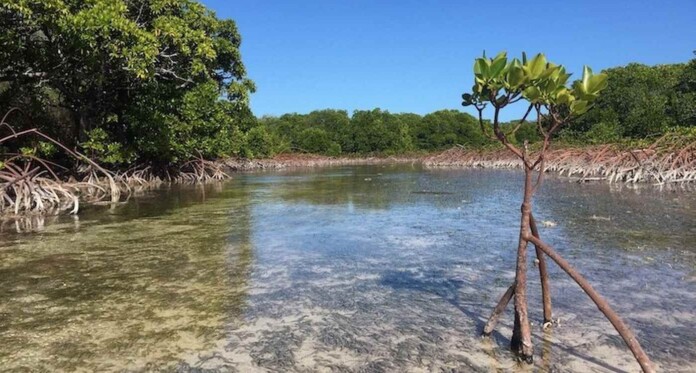
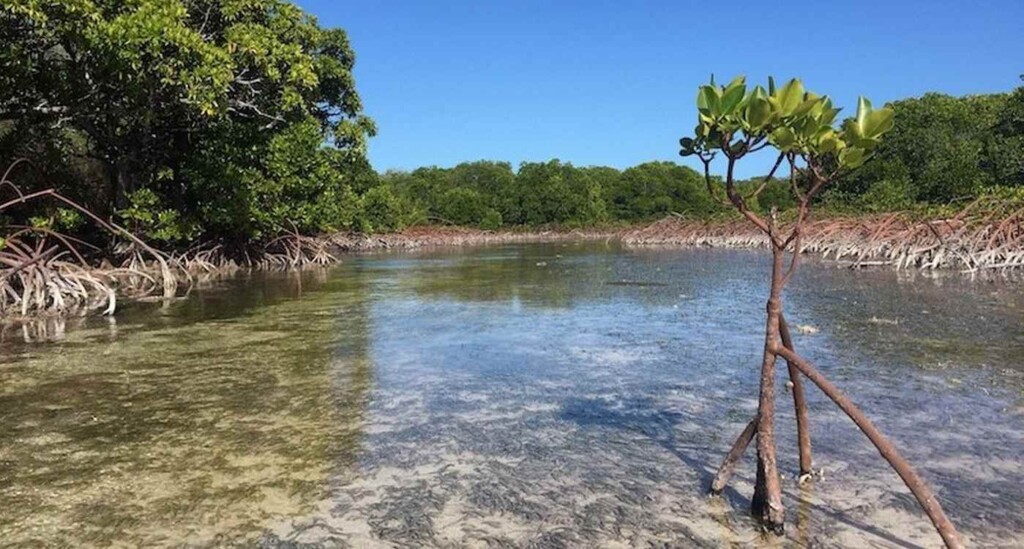
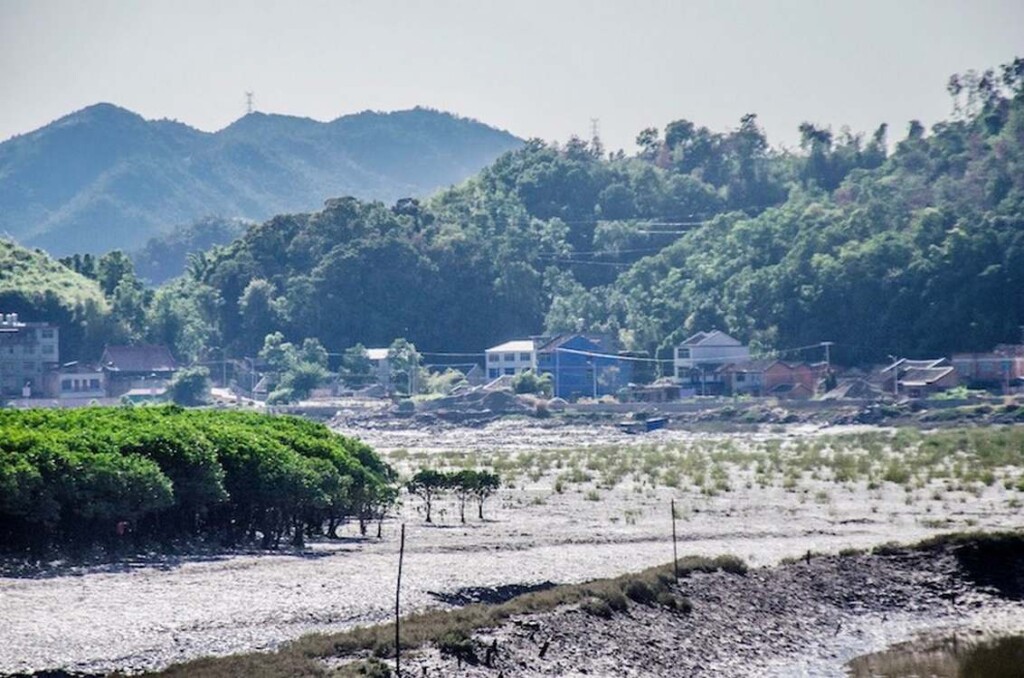
Mangrove forest on Ouvéa Atoll, in New Caledonia - credit, Daniel Friess via Tulane University
Mangrove forest on Ouvéa Atoll, in New Caledonia – credit, Daniel Friess via Tulane University
In what is both literally and figuratively a “landmark” study, research has shown that mangrove forest destruction has not only stopped in the last 20 years, but reversed—the world has more than it did at the turn of the century.
Additionally, the degree of age and robustness among intact mangrove forest, known as “closed canopy” forest, has increased far more.
Mangrove forests are among our planet’s best environmental stewards. They absorb up to 5-times more carbon than terrestrial trees, provide exceptional filtering services of pollutants and excess nutrients, and a nursery sanctuary for fish, invertebrates, and crustaceans to grow and feed beyond the reach of predators.
They also provide unrivaled defense against storm surges and tsunamis, as humanity came to understand following the great and tragic Indian Ocean tsunami of 2004.
The countries of South and Southeast Asia were subjected to a sort of A/B test—how much damage was inflicted on nations that had clear-cut their mangroves forests versus those who still had them.
In Indonesia, where this test played out island by island, the result was clear to see, and a clear piece of evidence presented in the new study published in Science by a team from Tulane University.
“Some islands were covered by mangroves and after the tsunami those islands were [still] protected very well, so that increased public awareness about the importance of protecting mangroves,” lead author Dr. Zhen Zhang told the BBC.
Mangrove forests declined through much of the late 20th century, with the world losing nearly 1,120 square miles between the 1980s and 2010. During the past 16 years, gains have outpaced losses. By 2023, mangrove areas had rebounded, resulting in only about a 1% net decline over the entire 4-decade period—a much smaller loss than previously estimated.
“What we’re seeing now is a real shift. Mangroves are now showing a net increase globally, and the rate of degradation is slowing,” said Daniel Friess, Cochran Family Professor of Earth and Environmental Sciences at Tulane and director of The Mangrove Lab. “While some mangroves are still being lost, this could make them a rare conservation success story and an important source of optimism for climate action.”
Mangroves and seedlings are thriving in the Zhangjiang River Estuary in Fujian Province, China – credit, Zhen Zhang via Tulane University
With their location along coastlines and their habit of attracting diverse marine and freshwater wildlife, they are tempting targets for development, either into aquaculture operations or coastal housing.
Additionally, very few people take time off for a hike in a mangrove forest; it takes a real nature lover to endure the mud, bugs, and humidity in and around them. Their recreational value is therefore much less than a terrestrial forest.
Beyond increases in area, the Tulane research highlights another encouraging trend: many existing mangrove forests are becoming denser and healthier. Closed-canopy mangrove forests, which store more carbon and provide stronger coastal protection, have expanded globally over the past 4 decades.
Rates of degradation have dropped significantly since the 1980s, reflecting the growing impact of conservation policies and restoration programs worldwide. That growth suggests that mangroves may be capturing more carbon than previously recognized.
SHARE This Encouraging Sign The Natural World Is Recovering…
Artist’s impression of an exoplanet with a magnetic field - credit, ESOM / Kornmesser, L. Calçada
Artist’s impression of an exoplanet with a magnetic field – credit, ESOM / Kornmesser, L. Calçada
For a planet to be habitable, it’s generally considered to need liquid water. To have liquid water, a planet needs an atmosphere.
To have an atmosphere, it’s understood a world needs a magnetosphere, and for the first time ever, a team of astronomers has found the strongest evidence yet of magnetic fields—like Earth and Jupiter, but unlike Mars—around exoplanets.
Indeed the departure of Mars’ atmosphere and therefore his water is attributed to the departure of his magnetosphere.
Observations on 7 very hot, Jupiter-like exoplanets made with the European Southern Observatory’s Very Large Telescope (ESO’s VLT) and the Gemini North telescope, allowed astronomers to capture a key detail of planet formation and sustainment, but they had originally set out to simply measure the wind speeds on these distant worlds.
The researchers measured wind speeds on the worlds and determined that the winds on these planets are most likely governed by magnetic fields, providing the first robust measurement of magnetism on planets outside the solar system.
“This breakthrough opens a completely new window on exoplanet research. It’s the first time we can compare the magnetic environments of other worlds—a key step toward ultimately understanding which planets can stay alive, keep their water, and perhaps even, one day, host life as we know it,” says Julia Seidel, an astronomer at the Laboratoire Lagrange, Observatoire de la Côte d’Azur, France and lead author of the study published last week in Nature Astronomy.
Earth’s magnetic field influences our atmosphere in complex ways, and is therefore a key factor in understanding what keeps the planet habitable for life. Magnetic fields are also present in other Solar System planets, like Jupiter and Saturn. However, for the past 15 years, no one succeeded in directly measuring the strength of the magnetic fields of exoplanets.
Seidel and her team didn’t actually set out to measure magnetic fields but winds. They measured wind speeds on 7 exoplanets orbiting different stars; all gas giants like Jupiter, but each tidally locked to its host star and very close to it. Just as we always see only one side of the Moon, these planets always keep one face towards the star, resulting in a scorching hot day side and a freezing cold night side.
This temperature difference creates a climate completely different from the one on our planet, with extremely strong winds. The wind speeds in their sample ranged from around 7,200 kilometers per hour to over 25,000 kmph; in comparison, the fastest winds measured on Jupiter reach speeds of around 1,500 kmph.
“In the beginning we set out to check if the atmospheric winds behaved the same way for all hot planets,” explains Seidel. But when they looked at how the wind speeds varied with planet temperature, they saw a very intriguing pattern emerge: the hotter the planet, the slower the wind.
“This is totally counter intuitive because, all things being equal, hot planets have more energy to accelerate the winds! Something must happen that slows down the wind speeds for hotter objects,” says study co-author Vivien Parmentier, a professor at the Laboratoire Lagrange.
The team concluded that the most consistent explanation for this mystery is the presence of planet-wide magnetic fields, since these fields can work as a brake, slowing down the motion of charged particles in the atmosphere. The data therefore allowed the researchers to infer the strength of the magnetic field in each of the studied planets. They found them to be comparable in strength to those found in our solar system: approximately 4-times as strong as Saturn’s or about half the strength of Jupiter’s.
“Here on Earth, we know the beauty of the northern and southern lights, where particles from the Sun hit our magnetic field and are guided toward the poles, colliding with gases in the atmosphere to produce colorful displays of green, pink, and purple,” explains study co-author Bibiana Prinoth, an astronomer at the ESO station in Garching, Germany.
Similarly, we know magnetized planets in our solar system have aurorae that work in identical or almost identical ways. On the studied exoplanets, the magnetically driven aurorae could be even more dramatic.
The team eagerly anticipates the arrival of ESO’s Extremely Large Telescope, which will help to characterize not only large, Jupiter-like exoplanets but also smaller ones like Earth, possibly even detecting gases that could produce aurorae on these distant worlds.
Prinoth hypothesizes what a sky on these uninhabitable worlds might look like: one filled not with stars behind a vast screen of colorful light dancing across a planet that’s half in perpetual day and half in endless night.
BEAM This Story Into Your Friends’ News Feeds On Social Media…
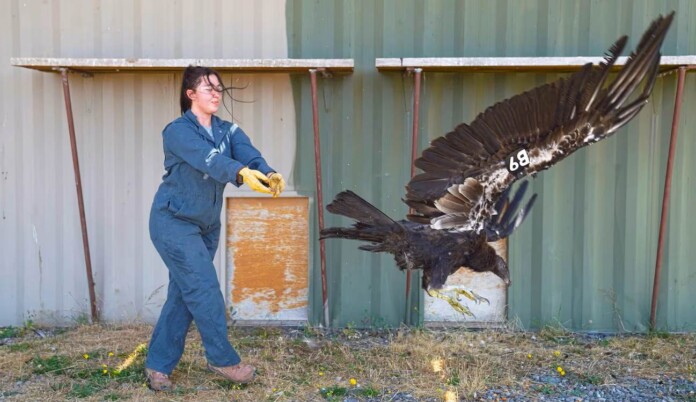
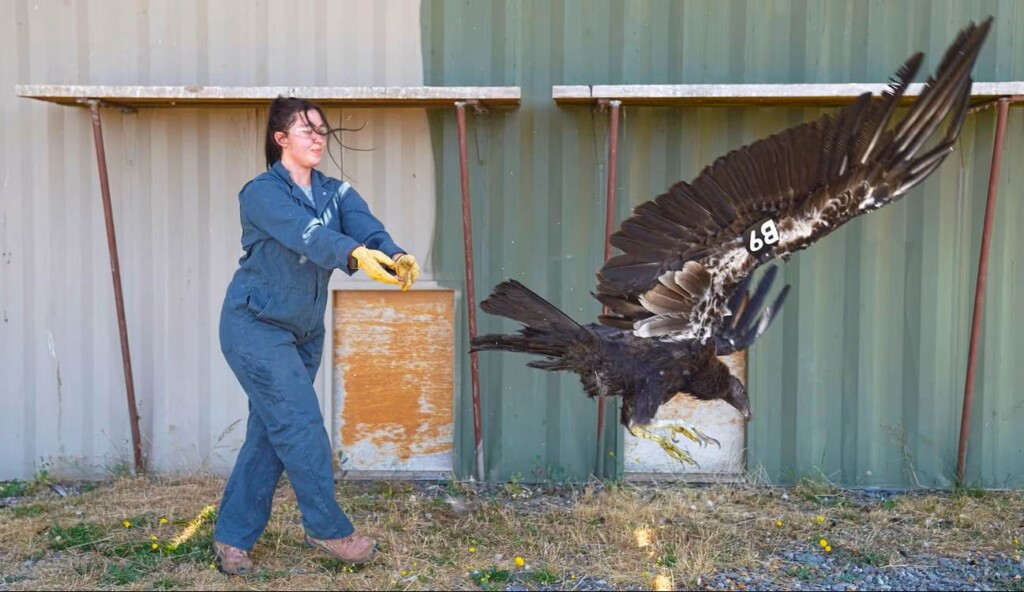
Yurok Wildlife Department Technician Sandra Hahn releases condor B9 into the Tribe's management facility - credit, provided to JPR as a courtesy from the Yurok Tribe
Yurok Wildlife Department Technician Sandra Hahn releases condor B9 into the Tribe’s management facility – credit, provided to JPR as a courtesy from the Yurok Tribe
Last month, a California condor flew into Oregon before returning after several hundred miles to its home in Redwoods National Park, becoming the first condor recorded in the state since 1904.
Taking a closer look, condor conservationists among northern California’s Yurok tribe concluded it was condor B9, an animal that had been born in captivity and released into the wild in 2022 by the Yurok.
The animal flew a grand total of 380 miles and 4 days in a loop, starting high in the redwoods before passing Redding in NoCal and then entering Oregon. It made stops near Medford, Cave Junction, and Brookings before recrossing state lines and returning to the national park.
“She flew almost 100 miles per day,” Williams Claussen said, ”which means she was really utilizing the landscape the way that only a condor can, really taking advantage of those mountains and riverways that give good flight corridors.”
These Critically-Endangered birds have proven to be one of the toughest jobs humanity has seen attempting to undue the damage their species caused on another. From the 1980s, when the last 22 wild birds were captured and placed in a breeding program, to 2016 when more animals were born in the wild than died there, the population had only increased to 276 wild individuals.
Encouraging milestones come more often these days, however, and indeed the Redwoods population made such mini-history when in February, a female laid an egg in the hollow of a redwood tree in a remote corner of the park.
Though it failed to hatch, it was the first time that had happened in over 100 years. Williams Claussen was nevertheless encouraged after it was gradually understood that the egg failed.
“Even with the egg loss, that was still a really amazing milestone for us,” she said. “It’s pretty common that eggs will fail in that first year, as these naive parents are really figuring it out.”
SHARE This Slow And Steady Progress In Saving North America’s Largest Bird…
Quote of the Day: “Be attentive to what is arising within you, and place that above everything you perceive around you.” – Rainer Maria Rilke
Photo by: Zoltan Tasi
With a new inspirational quote every day, atop the perfect photo—collected and archived on our Quotes page—why not bookmark GNN.org for a daily uplift?
Devils Tower in Utah, the first National Monument - credit Jonathunder
Also, 120 years ago today, President Teddy Roosevelt signed into law the Antiquities Act. The Act was intended to allow the President to set aside certain valuable public natural areas as park and conservation land. The 1906 act stated that it was intended for: “… the protection of objects of historic and scientific interest.” These areas are given the title of “National Monuments.” The aim is to protect all historic and prehistoric sites on United States federal lands and to prohibit excavation or destruction of these antiquities. READ how the legislation was created and some of the treasures it has protected… (1906)
The combination of a vaccine and a drug, which both harness the immune system to attack cancer cells, has proven successful in cutting the risk of skin cancer recurrence and death by 49 percent, a new study shows.
This reduction was calculated five years after patients had their tumors surgically removed and remains unchanged.
Led by New York University researchers at the Perlmutter Cancer Center, the study tested the vaccine, called intismeran, in combination with mainstay immunotherapy pembrolizumab (Keytruda) in 107 patients who had been randomly chosen after melanoma surgery to determine whether the combination therapy prevented their cancer from recurring.
Intismeran is a personalized immunotherapy strategy that is developed with information from a patient’s individual tumor. These results were compared with those from a randomly selected group of 50 melanoma patients who had only received pembrolizumab postoperatively, a current standard of care.
Results of the phase 2b trial, known formally as KEYNOTE-942, were presented at the 2026 annual meeting of the American Society of Clinical Oncology on June 1 in Chicago, and simultaneously published in the society’s Journal of Clinical Oncology.
After five years of follow-up, 68.8 percent of patients who took the combination therapy remained cancer free while 49.1 percent of the patients in the pembrolizumab-only group had no signs of cancer.
An NYU media release said: “This means that adding intismeran to pembrolizumab reduced the risk for recurrence or death by 49 percent. The combination therapy also reduced the risk of distant metastasis—the spread of cancer to another part of the body—by 59 percent.”
“Overall survival, meaning no death from cancer or any other cause, was 92.2 percent for the vaccine with immunotherapy group, while for the immunotherapy-alone group it was 71.3 percent.”
“Our study offers strong evidence to melanoma patients that intismeran vaccine therapy, when used in combination with immunotherapy, can demonstrably reduce their risk of having their cancer return and improve clinical outcomes,” said study senior investigator Janice Mehnert, MD, a professor in the Department of Medicine at NYU Grossman School of Medicine.
“Our findings also serve as encouragement to cancer researchers globally that mRNA vaccines like intismeran could work well in combination with immunotherapy for other cancers whose high rates of mutations have proven difficult to target,” said Dr. Mehnert, director of the melanoma medical oncology program and a director of clinical research at Perlmutter Cancer Center.
The study results highlight the role of T cells, which are capable of attacking viruses as well as cancers. To spare normal cells, the immune system uses checkpoint molecules on T cell surfaces to “turn off” their attack against viruses when they clear the infection. The body may recognize tumors as abnormal, but cancer cells hijack checkpoints to turn off and evade immune responses. Immunotherapies like pembrolizumab seek to block checkpoints, specifically the PD-1 protein receptor, making cancer cells more “visible” and vulnerable again to immune cells.
Immunotherapies, such as PD-1 inhibitors like pembrolizumab, have become the mainstay for treating melanoma, although they do not work for all patients because melanoma cells, known for their ability to evade the immune system, can become resistant to immunotherapy. For this reason, researchers have looked at adding vaccines.
The vaccine intismeran is based on messenger RNA, a chemical cousin of DNA that provides cells with instructions for making proteins. Intismeran and other mRNA cancer vaccines are meant to teach the immune system to recognize cancer cells as different from normal cells.
In designing a vaccine against melanoma, researchers attempted to trigger an immune response to specific abnormal proteins, called neoantigens, made by cancer cells.
Because the study volunteers all had their tumors removed, researchers were able to analyze their cells for 34 neoantigens that were specific to each melanoma and create a personalized vaccine for each patient. As a result, T cells specific to the neoantigen proteins encoded by the mRNA were produced. Those T cells could then attack any melanoma cells trying to grow or spread.
Dr. Mehnert said that a phase 3, multicenter trial is already underway to determine if intismeran helps as a firstline therapy in combination with pembrolizumab for melanoma. Already, the vaccine is being tested to see if it also works to prevent recurrence of lung and other cancers.
For the KEYNOTE-942 trial, patients were enrolled at cancer centers in Australia and the United States from 2019 to 2021. All were men and women who had had surgery to remove their melanoma tumors. Seven patients in each treatment group died during follow-up, most from cancer. Side effects were considered manageable and included fatigue, pain at injection sites, and chills.
Cancer of the skin is the most common form of cancer in the United States, with an estimated 112,000 new cases in 2026 (about 65,400 in men and 46,600 in women). Melanoma deaths have declined sharply in the past decade, largely due to advances in treatment.
Funding support for this study was provided by Moderna, the manufacturer of intismeran, and Merck, the manufacturer of pembrolizumab.
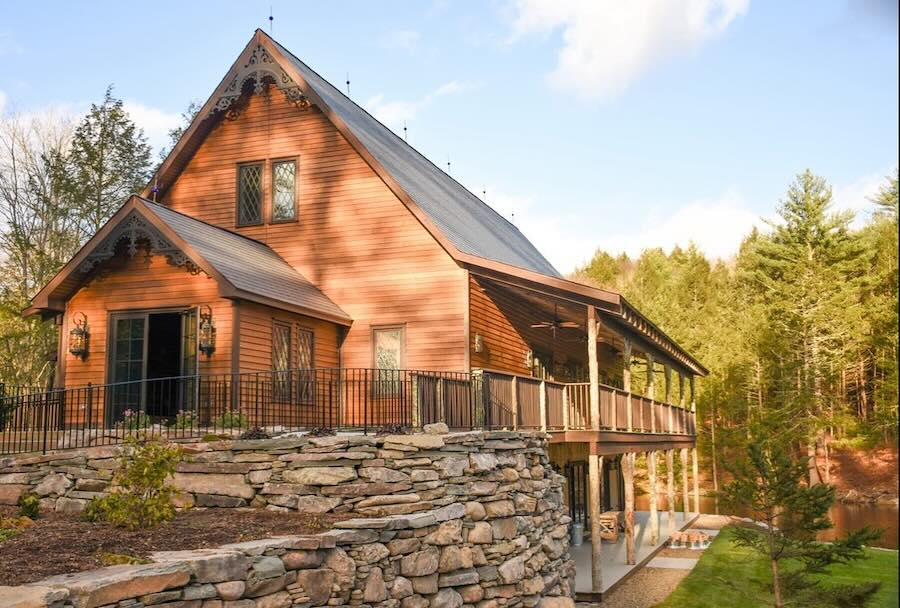
A historic Hudson Valley estate built in 1895 is reopening as a wedding venue and retreat—and the owners, a husband-and-wife team, are inaugurating the restored property by giving away a free wedding to the couple who tells the best story.
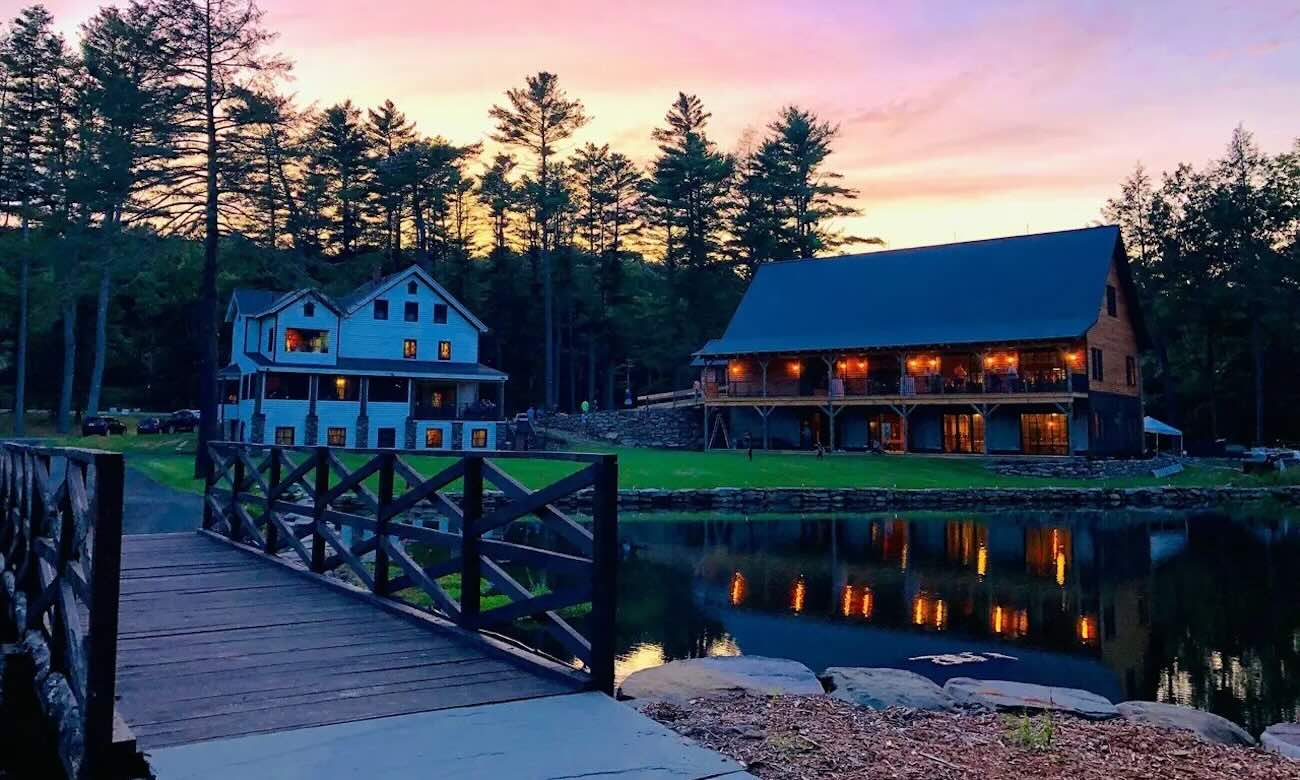
Pine Brook Manor, about 90 minutes from New York City, includes 110 acres of pine forests, a pond with waterways, and charming buildings including a Forest Chapel beneath the trees—everything needed for the perfect wedding.
The new owners, Indiana and Colin Crilley, are marking the property’s next chapter by launching “We Need More Love,” an initiative inviting couples to share their story for the chance to win a free wedding at Pine Brook Manor.
“We know what a wedding represents,” said Colin. “It is one of the few moments in life where people pause, come together, and celebrate something hopeful—especially meaningfully during a time when so much of life feels heavy and disconnected.”
Couples are invited to apply by sharing their story through written and video submissions, with the winning entry chosen for its authenticity, emotional connection, and the couple’s story. Applications are being accepted through June 30.
Pine Brook Manor
“The submissions so far have been incredibly heartwarming,” Colin told GNN. “Entries have ranged from high school sweethearts raising children while still waiting for their chance to celebrate, to couples overcoming major illnesses together, to widows and widowers finding love again.”
The free wedding package will include exclusive use of Pine Brook Manor, with ceremony and reception spaces, tables and chairs, getting-ready spaces, and on-site coordination support, with an approximate value of $10,000 (to be used within one year, subject to venue availability).
Wedding reception hall at Pine Brook Manor -submitted
Plus, since hearing about the contest, other local companies have stepped up to provide more free services for the couple’s big day, including a premium photography package from Kateigh + Ben Photo (valued at $10,000); an event coordinator (valued at $3,500); a floral credit of $1,500; and onsite bridal makeup and hair styling by Meg Brown—bringing the total value of the prize to over $26,000.
Listed on the National Register of Historic Places, Pine Brook Manor—with its historic inn, millpond, waterwheel, wood bridge, and mountain views—also includes eight king and queen rooms in two restored buildings for overnight accommodations which the wedding party can rent.
A new event hall was constructed using lumber reclaimed from the original barn that once stood onsite, combining heritage elements with modern comforts.
Pine Brook Manor, the restored historic building in Hudson Valley
“We made the move across the country while welcoming our first child, so this whole chapter of life has felt especially centered around home, family, and bringing people together,” says co-owner Indiana Crilley.
“As we prepared to reopen Pine Brook Manor, we kept coming back to the idea that places which bring people together still matter, and even more now than ever before.”
“We need more love, more gathering, and more moments that bring people together,” Colin added. “That’s really what this initiative is all about.”
“We’ve actually extended the deadline because it’s become more than we ever imagined. We’ve been positively blown away!”
A woman in hospice asked the staff to grant her dying wish and find her long-lost brother—and he turned out to be working in one of their own charity thrift shops.
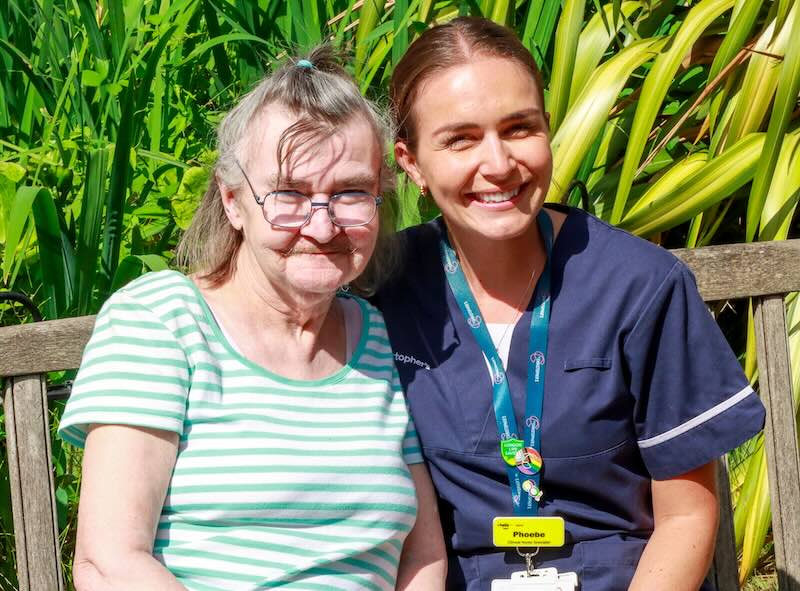
Muriel Bujega told workers at St. Christopher’s Hospice—where she is being given palliative care for breast cancer—she wanted to be reunited with her sibling Colin, who she’d not seen for almost 15 years.
The staff took on the task and, incredibly, after months of searching, found Colin volunteering in one of their own fundraising shops.
The pair then reunited for the first time in almost a decade-and-a-half and got to talk and cuddle—fulfilling the 73-year-old’s final wish.
“He couldn’t believe it was me,” she told SWNS news. “I was in tears, crying on his shoulder.
“I’d missed him a lot,” said the senior from South London.
She arrived at the hospice feeling withdrawn and isolated following the death of her husband Joseph, so, in an attempt to cheer her up, one of the hospice’s nurse specialists, Phoebe Mooney, decided to try and find Colin.
The siblings, who both suffer with learning disabilities, had lost contact when he was forced to move, after his caretaker, whom he shared a home with, passed away.
Phoebe says she had to jump through hoops to find Colin, but eventually got in touch an occupational therapist who knew him well.
Muriel Bujega with Phoebe, the Learning Disability Nurse at St. Christopher’s Hospice – SWNS
Remarkably, it turned out he was already part of the St. Christopher’s community as a shop volunteer.
“It’s huge that they met up,” said Phoebe. “It’s such a happy story. I honestly couldn’t believe it.
“It was a really emotional reunion. It was just really lovely.”
Muriel has become a familiar and much-loved presence across the hospice, according to staff, since she moved there after her diagnosis in 2023.
“Coming here completely changed her life. She absolutely loves it and says it gives her purpose. She’s got to know everybody so well.”
She enjoys spending time in the gym, particularly on the treadmill, attending art sessions where she has painted pictures of her late husband, and taking part in Namaste sessions, often having her nails painted to match her outfit.
“Since I’ve been coming here, I feel more relaxed… I love coming here.”
Her reunion comes as new research commissioned by St. Christopher’s Hospice reveals the majority of Brits are unaware of the support they can receive from hospices on their bucket list goals.
Just 20% of people know hospices can help you to re-connect with loved ones and family members.
“By asking people ‘what matters to you’, we shift the question away from simply asking ‘what’s the matter with you’,” said Helena Talbot-Rice, rehabilitation and wellbeing lead at St Christopher’s. “This can have a profound impact on a person’s engagement and overall experience.”
“Once we’ve asked that question, our job is to listen and then where possible, act.
“We’ve had some incredible stories where people have been able to achieve exactly what they wanted before they die.”
SEND SOME GOOD FEELINGS By Sharing This on Social Media…
How we sleep may have lasting impacts for our brain health as we age. A new University of Arizona study has found that several common sleep behaviors may be linked to signs of brain aging.
The study used existing brain scans and questionnaire responses from more than 23,000 middle-aged and older adults from a large biomedical database.
The researchers identified three sleep behaviors distinctly associated with a marker of brain aging in healthy people: 1) sleeping outside the recommended seven-to-nine-hour range, 2) frequent daytime napping, and 3) sleeplessness.
All three were linked to greater volume of white matter lesions, areas of damage in the brain that can accumulate with age and are tied to a higher risk of dementia, including Alzheimer’s disease.
Madeline Ally, the study’s lead author and a graduate researcher at the Department of Psychology, said that sleep is often studied as one overall measure rather than a collection of distinct patterns and habits, which can obscure how sleep relates to brain aging.
For the study, published last month in the journal Alzheimer’s & Dementia, participants completed a baseline questionnaire from 2006 to 2010 on five sleep behaviors: sleep duration, daytime napping, sleeplessness, unintentional daytime dozing, and snoring.
About nine years later, the same participants underwent brain MRI scans, which the researchers used to measure white matter lesion volumes. The study was conducted in partnership with Professor David Raichlen, the lead collaborator at the University of Southern California.
All five behaviors were initially associated with greater lesion volume. But after the researchers accounted for related blood vessel health and lifestyle factors that can also affect the brain—such as high blood pressure, smoking, and physical inactivity—the three behaviors continued to stand out, while snoring and unintentional daytime dozing did not.
The findings on daytime napping were particularly interesting, since research shows short naps may also be helpful for alertness and cognition.
Professor Gene Alexander from the Univ. of Arizona, the study’s senior author, said future work will need to test whether shorter, occasional naps have different effects on the brain over time compared to longer, more frequent ones.
In a follow-up analysis, the researchers took a closer look at sleep duration and found that participants sleeping fewer than seven hours per night had increased lesion volume compared to those sleeping within the recommended range.
“Our findings suggest that having too little sleep may lead to greater white matter lesion volumes in the brain as we age,” said Prof. Alexander. “We didn’t see greater white matter impacts in people who reported longer sleep durations.”
Nevertheless, Alexander said the three behaviors share a feature that makes them particularly important to study: each can be changed.
“Sleep is one of those potentially modifiable risk factors,” said Alexander. “If we can improve the quality of our sleep, it may help reduce the impacts of brain aging—and maybe even lower the risk for dementias like Alzheimer’s disease.”
DON’T SLEEP ON THIS – Share the Health Tips With Friends on Social Media…
Quote of the Day: “Stories create community, enable us to see through the eyes of other people, and open us to the claims of others.” – Peter Forbes
Photo by: Kuzzat Altay
With a new inspirational quote every day, atop the perfect photo—collected and archived on our Quotes page—why not bookmark GNN.org for a daily uplift?
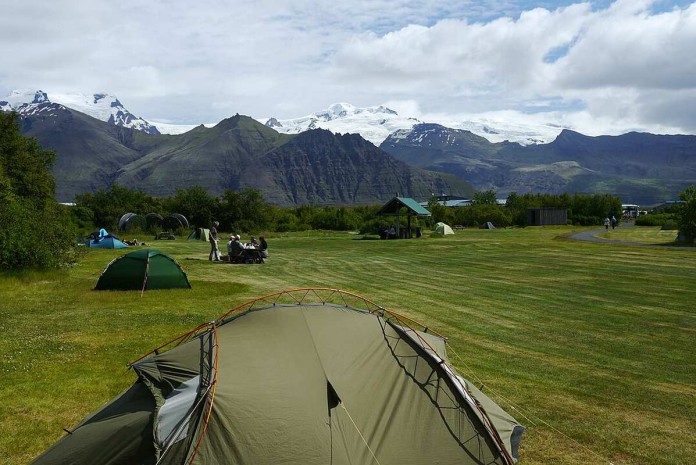
Campsite in Skaftafell, Vatnajorkull National Park - CC 3.0. SA Gummao
18 years ago today, Iceland enshrined the area surrounding Vatnajökull glacier as a national park, the second-largest in all of Europe behind Yugyd Va in Russia. The Vatnajökull glacier is the largest in Europe outside the Arctic, but the national park includes two areas that were previously protected called Skaftafell and Jökulsárgljúfur. READ about the area’s volcanoes… (2008)
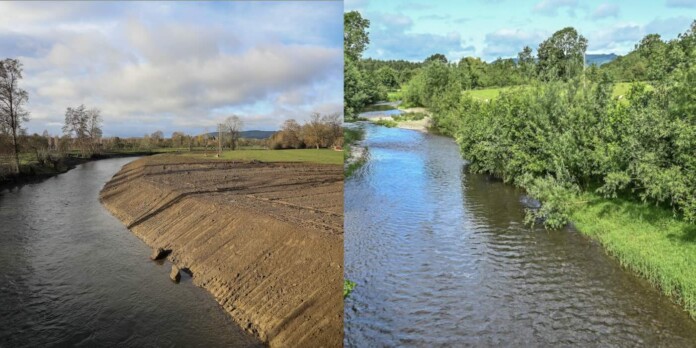
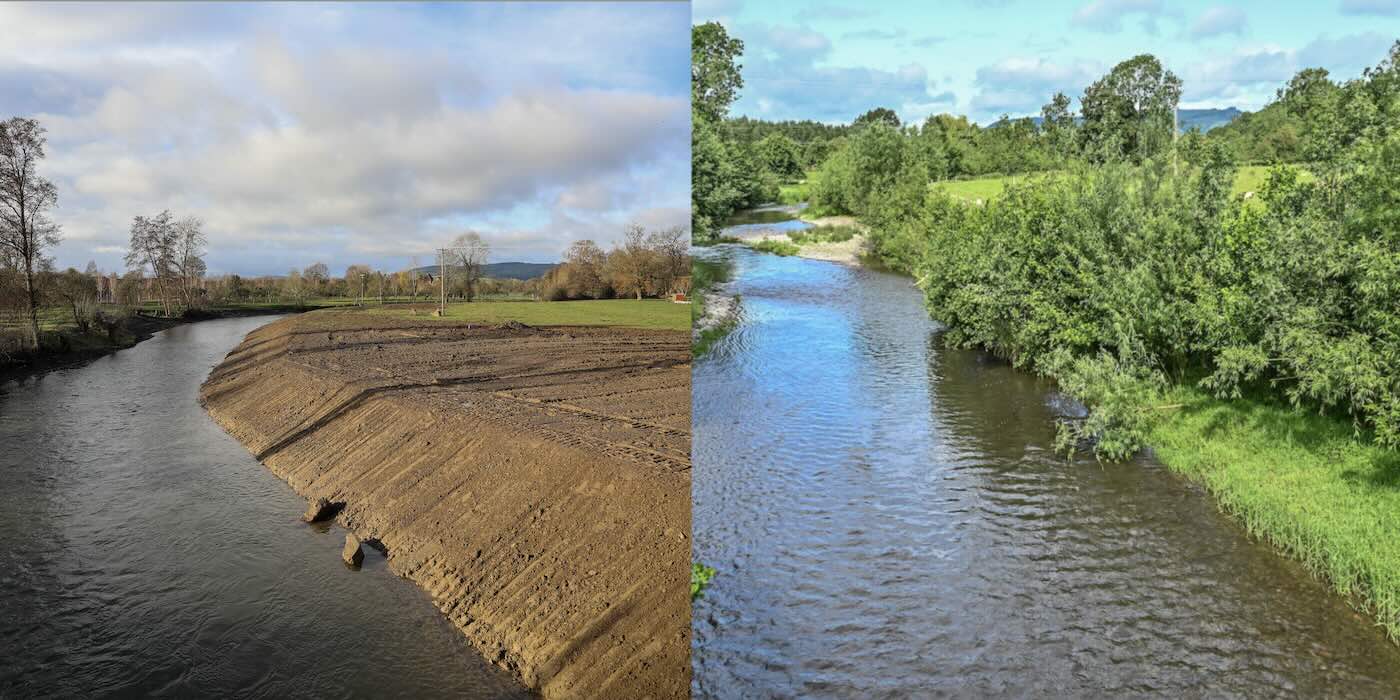
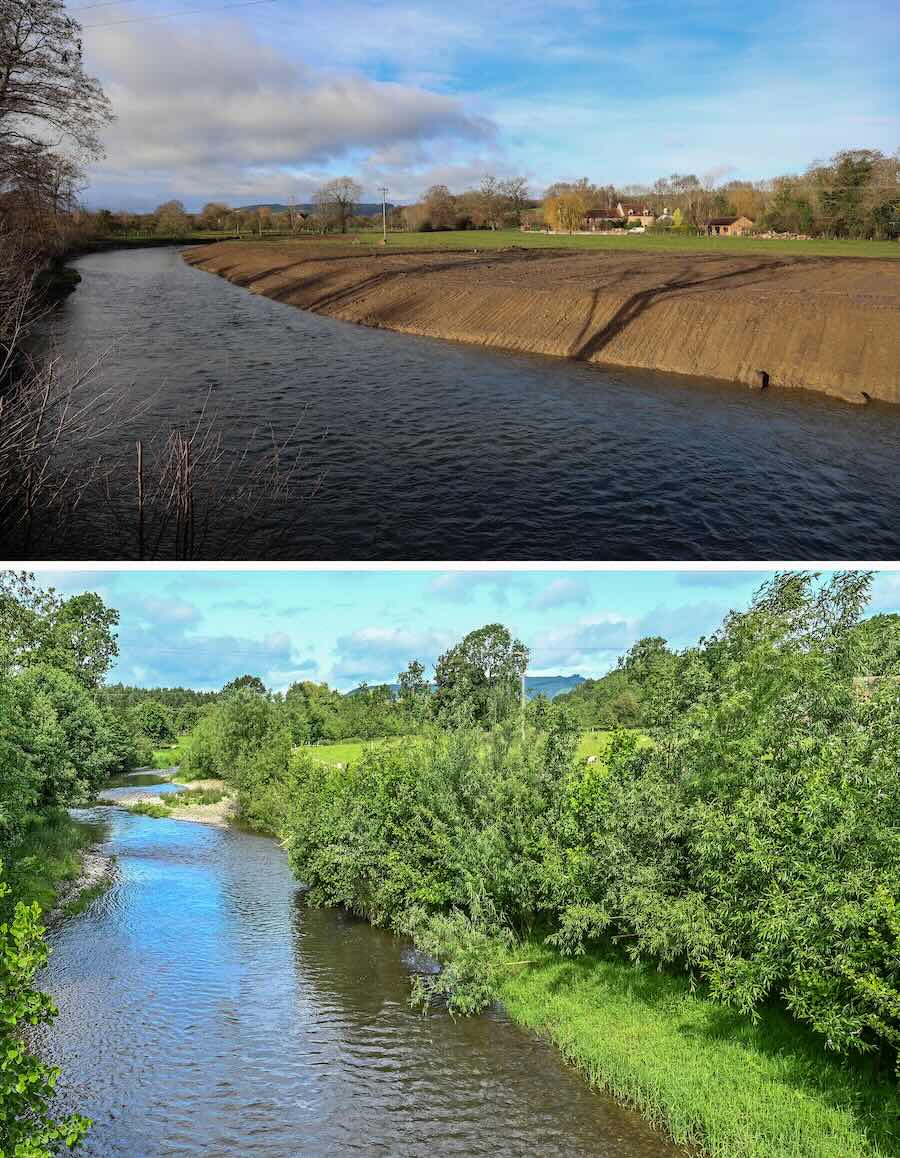
Stretch of the River Lugg in Herefordshire before and after nature is restored following farmer razing shoreline – SWNS
Stretch of the River Lugg in Herefordshire before and after nature is restored following farmer razing shoreline – SWNS
Before-and-after photos from Herefordshire, England, show how nature’s beauty has returned to a riverside previously obliterated by a local farmer.
The farmer used an 18-ton digger to dredge a section of the River Lugg near Leominster, and stripped every tree from a mile-long stretch of one of Britain’s most important salmon rivers.
He was jailed for 12 months in 2023 by a judge who told him he had committed “ecological vandalism on an industrial scale” along a section of the riverbank back in 2020.
A court heard how he illegally removed tons of gravel from the riverbed to build a road and a horse yard at his home while also tearing out 71 trees.
He had claimed he had done so to help protect locals in the nearby hamlet whose homes were devastated by flooding, but it led to a “devastating” effect on local wildlife, which has only started to recover six years later.
However, photos taken in 2020 and at the same location this week show the drastically transformed landscape around parts of the river.
Stretch of the River Lugg in 2020 and June 2, 2026 – SWNS
New trees, bushes, and greenery are growing back.
“Some of the new natural regeneration that is happening is one positive to take from it.
“If you let Mother Nature flourish, she will work her magic.
“The amount of gravel taken just to build a road was shocking,” said environmental designer Richard Fishbourne.
“It can take decades to build up this wonderful community of species and habitat.”
“It’s really important to have a mix of biodiversity in this space, but it’s going to take a long time.”
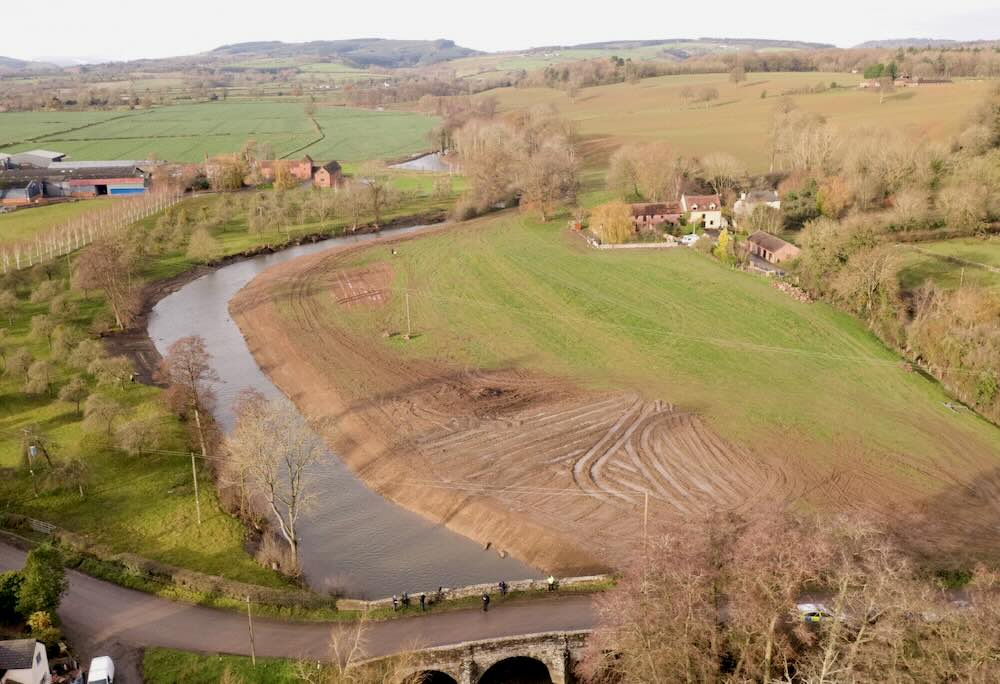
Aerial view of the River Lugg with bridge shows deforested shoreline- SWNSStretch of River Lugg with bridge shows nature recovering – SWNS
Monitoring by Britain’s Environment Agency and Natural England confirms the river’s condition is improving—with trout, bullhead and minnows present, alongside key indicator species such as kingfishers and sand martins,” said Emma Johnson, West Midlands deputy director for Natural England.
Although the habitats of “iconic wildlife” such as otters and salmon had been destroyed along the 1.5 kilometer stretch of river, local supporters of the farmer, John Price, claimed that he had simply done what generations of farmers before him had done.
He was found guilty of seven offenses and ordered to pay £600,000. Additionally he was ordered to re-plant trees and restore the riverbed and bank.
MULTIPLY THE POWER OF NATURE By Sharing This on Social Media…
Retirees Allan and Bev Taylor win same Postcode Lottery twice - SWNS
Retirees Allan and Bev Taylor win same Postcode Lottery twice – SWNS
A lucky retiree doubled his money when he accidentally bought two lottery tickets—and won nearly a million dollars.
The 65-year-old reckons he pressed the wrong button when purchasing the tickets online, and ended up ordering two tickets instead of one.
But Allan Taylor’s blunder turned into his favorite mistake when he was presented with two checks for £333,333 each ($450,000)—nearly $900,000.
His whopping windfall was the biggest prize so far this year for a single player of the Postcode Lottery, which is a subscription-based UK lottery where players use their residential postal code as their ticket to win cash prizes.
“I must have ticked it twice when I was subscribing,” said Allan, who lives in Derbyshire in the East Midlands region of England.
“This was the best mistake I’ve ever made.”
His wife, Bev, remembers asking Allan why he had two tickets and he said, ‘I don’t know’.
His big win comes just weeks after the couple retired early after months of carefully planning the next chapter of their lives.
Bev, who had a stressful job as a dementia mental health nurse, said she still can’t believe it.
“We’ve worked all our lives and just both retired in March. I did wonder if I should have finished so early or stayed on until my state pension (kicked in). We worked it out that it would be ok.”
Allan, a former building maintenance worker, believed it was time to retire “to make the most” of their lives.
Allan and Bev Taylor – SWNS
“This is proper unbelievable,” he exclaimed. “I’m 66 this year and I retired a bit earlier than my state pension age. Now I’m not going to worry at all.”
Allan shared the one-million-pound pot with one other neighbor in Tupton, when S42 6AE was drawn in the lottery’s weekly Millionaire Street prize last Saturday—with each of the three tickets worth £333,333, and Allan doubling his prize.
“We were expecting a reasonable amount, maybe £10,000 to £20,000. But we were never in a million years expecting this.
“When I opened the second check my legs wouldn’t work. But it’s a nice feeling.
“It’s going to enable us to help other people which is what we’ve always wanted to do. We’ll help a lot of family and friends.”
The couple also plans to use some of their winnings traveling the world and treating their family.
“I’ve always wanted to go to Australia, but Allan said he would never go unless we fly business class.” Now they can afford the upgrade.
“My son is getting married in three weeks; this might mean a bit of an extra wedding present.”
Car fanatic Allan mused that he’d always wanted an Aston Martin, but now at his age he figures he could get into the sports car, but might not be able to get out.
“Maybe a Range Rover now!”
SHARE THE FUN On Social Media–And Double The Inspiration…