













Canadian researchers have figured out how plants make a rare natural substance—mitraphylline—with its potential for fighting cancer and becoming a sustainable new medicine.
Mitraphylline is part of a small and unusual family of plant alkaloids, molecules that are defined by their distinctive twisted ring shapes, which help give them powerful anti-tumor and anti-inflammatory effects.
For years, scientists knew these compounds were valuable but had little understanding of how plants actually assembled them at the molecular level.
In solving a long standing biological mystery, progress came in 2023, when a research team led by Dr. Thu-Thuy Dang at the University of British Columbia-Okanagan identified the first known plant enzyme capable of creating the signature ‘spiro’ shape found in these molecules.
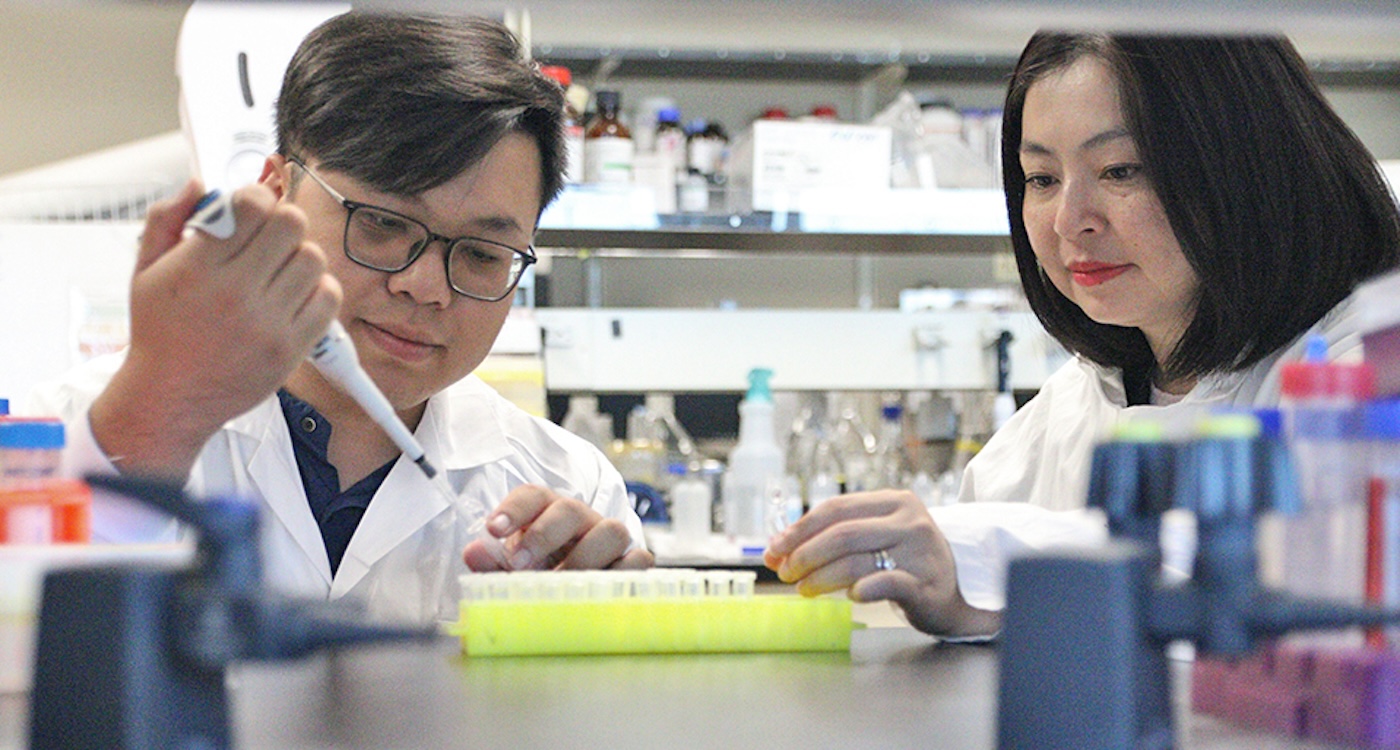
Building on that discovery, doctoral student Tuan-Anh Nguyen led new work to pinpoint two key enzymes involved in making mitraphylline—one enzyme that arranges the molecule into the correct three dimensional structure, and another that twists it into its final form.
“This is similar to finding the missing links in an assembly line,” says Dr. Dang, the university’s Research Chair in Natural Products Biotechnology. “It answers a long-standing question about how nature builds these complex molecules and gives us a new way to replicate that process.”
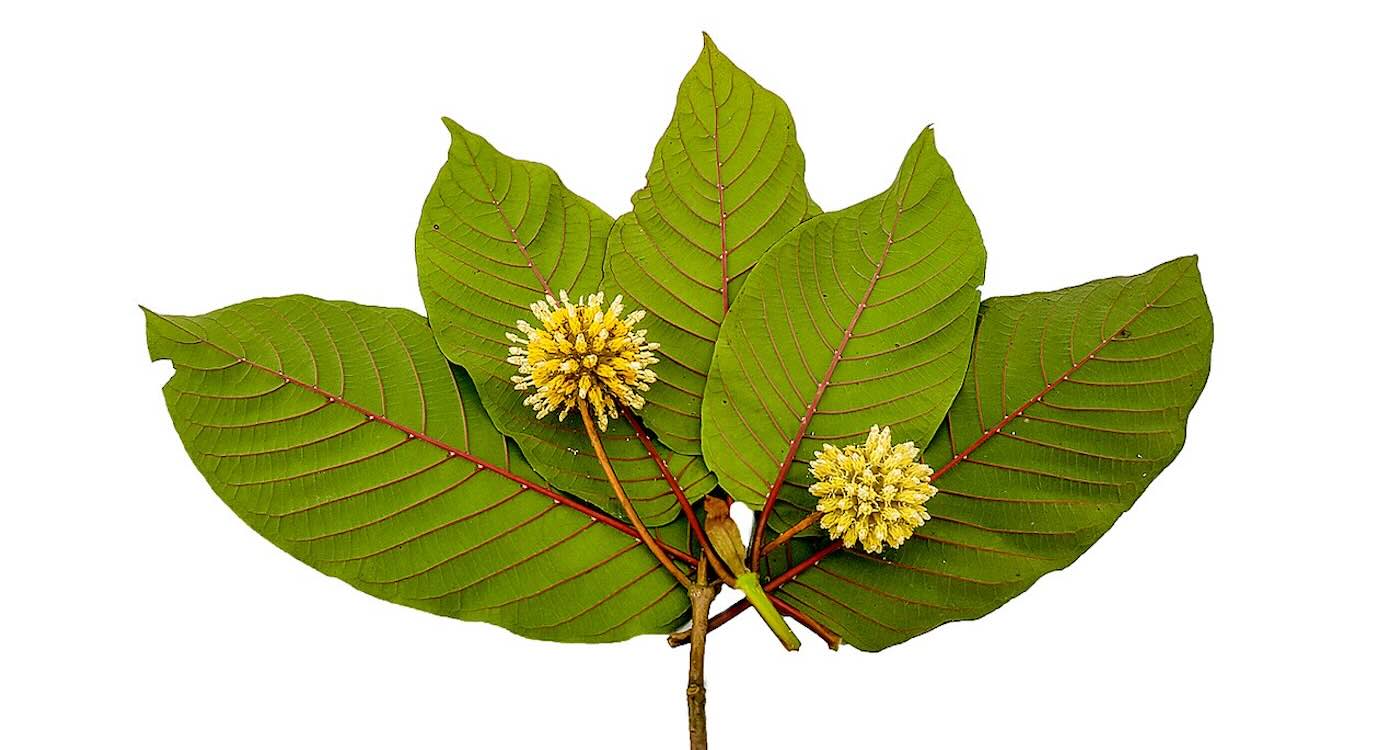
Many promising natural compounds exist only in extremely small quantities within plants, making them expensive or impractical to produce using traditional laboratory methods. Mitraphylline is a prime example. It appears only in trace amounts in tropical coffee trees such as Mitragyna (kratom) and Uncaria (cat’s claw).
By identifying the enzymes that construct and shape mitraphylline, scientists now have a clear guide for recreating this process in more sustainable and scalable ways.
Toward Greener Drug Production
“With this discovery, we have a green chemistry approach to accessing compounds with enormous pharmaceutical value,” says Nguyen. “This is a result of UBC Okanagan’s research environment, where students and faculty work closely to solve problems with global reach.”
“Plants are fantastic natural chemists,” Dr. Dang said.
“Our next steps will focus on adapting their molecular tools to create a wider range of therapeutic compounds.”
“Being part of the team that uncovered the enzymes behind spirooxindole compounds has been amazing,” added Nguyen, whose team collaborated with researchers at the University of Florida.